Brand:

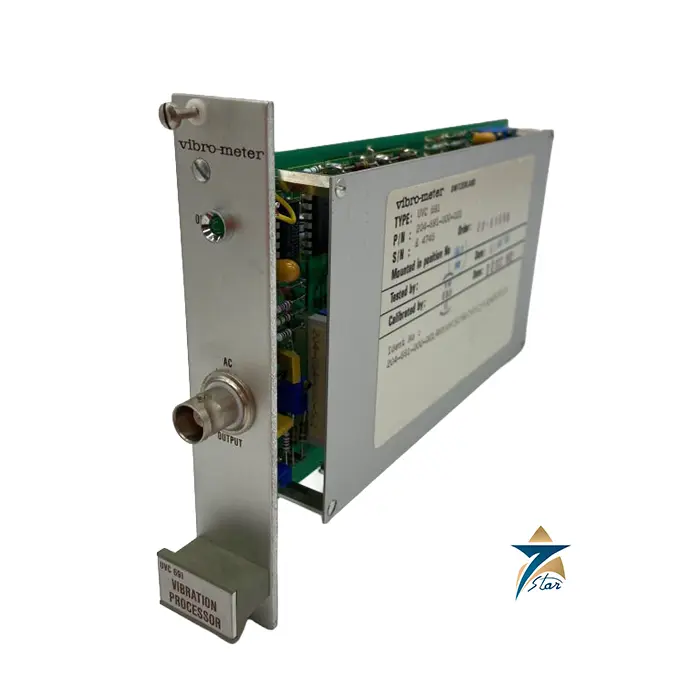
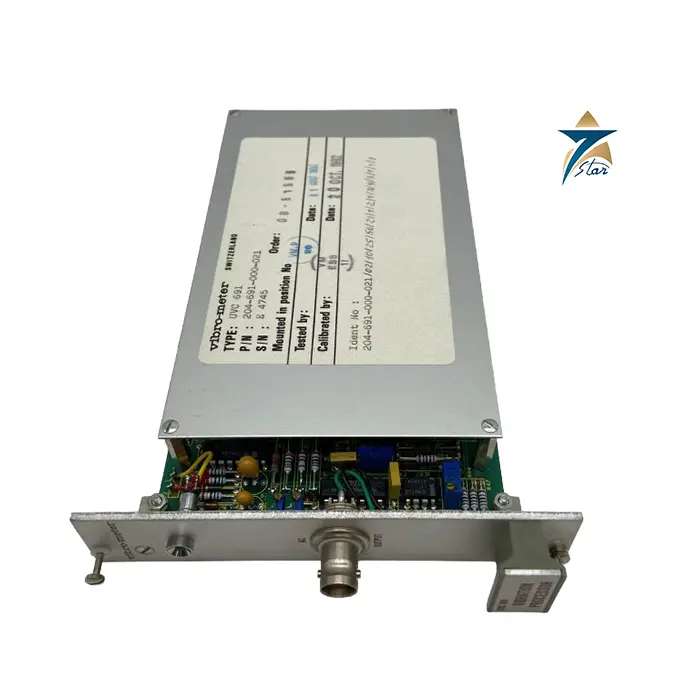
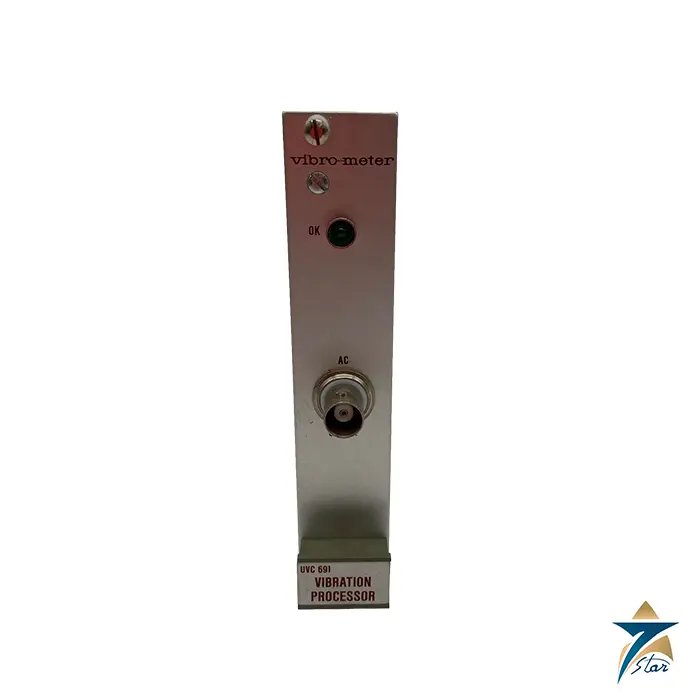
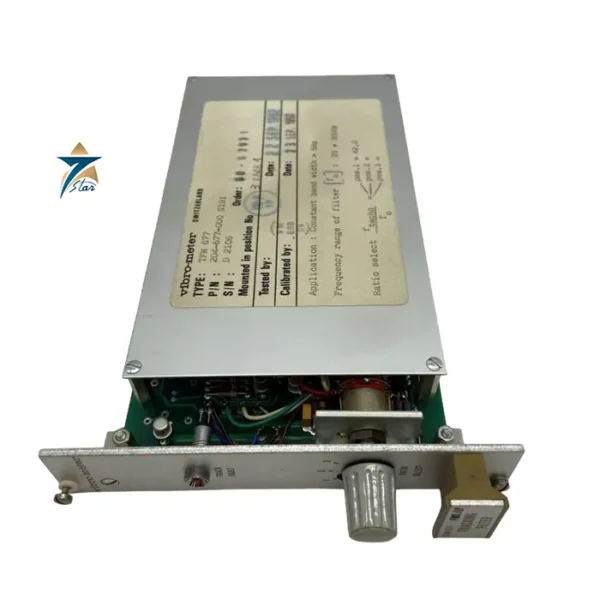
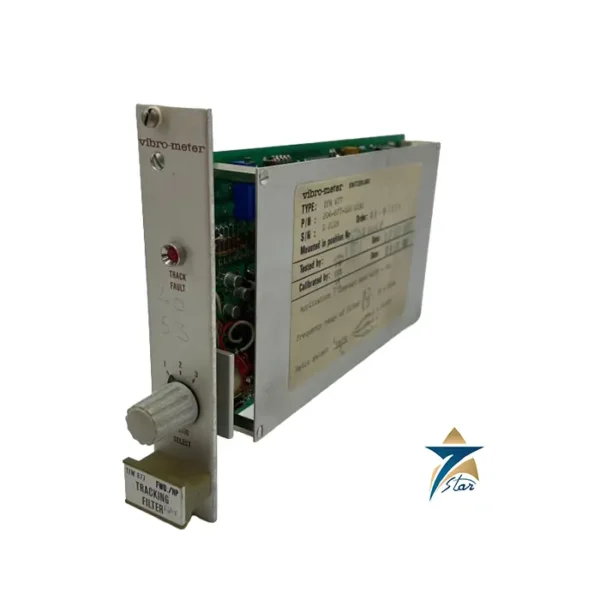
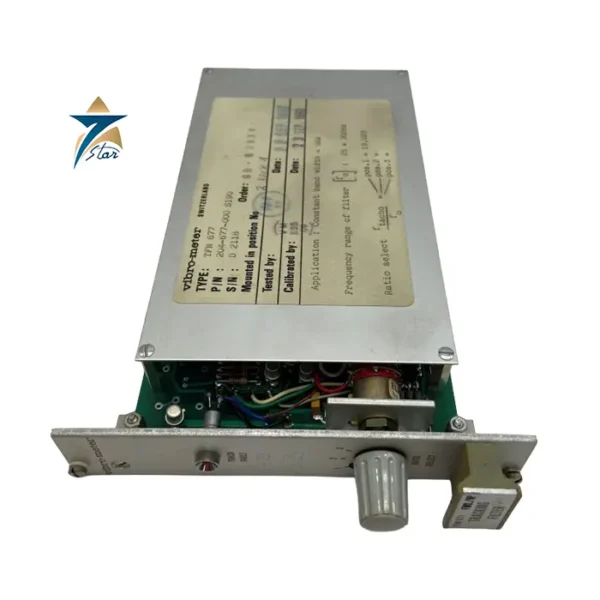
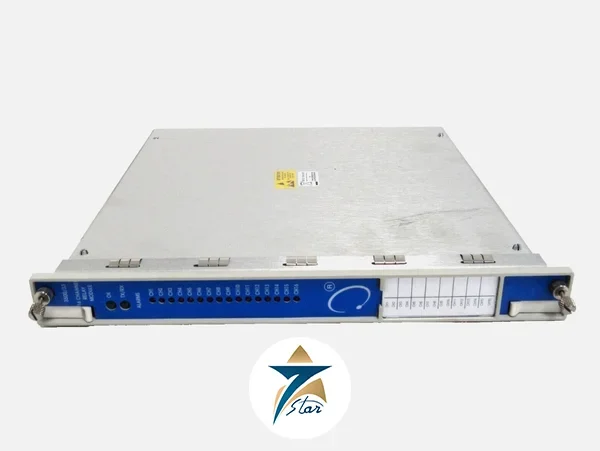
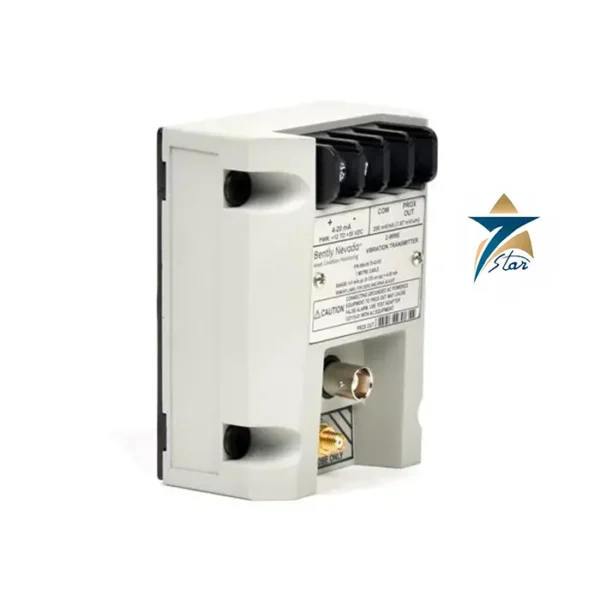
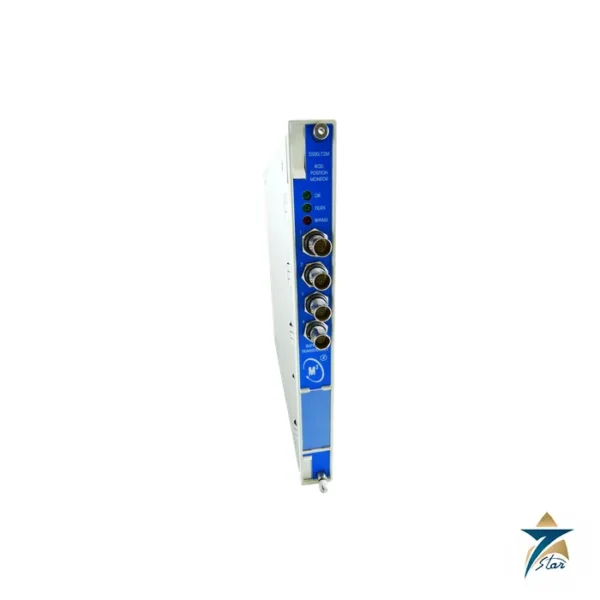
Siemens Vibro-Meter UVC 691 Vibration Processor Module

Description

Overview: Advanced Asset Protection in Severe Industrial Grids

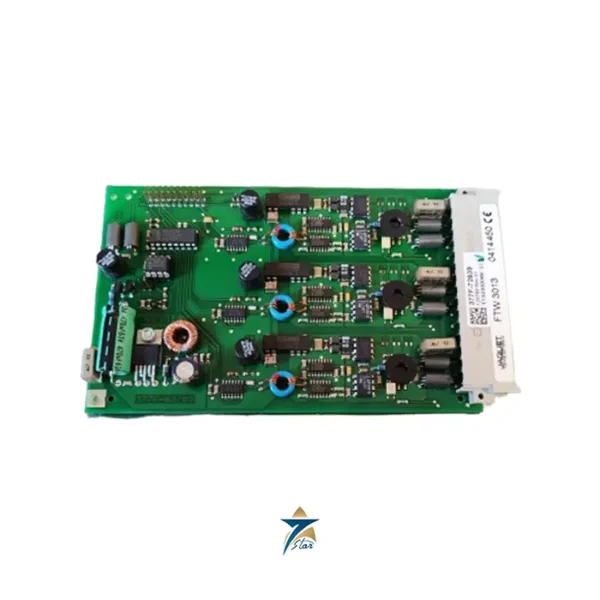
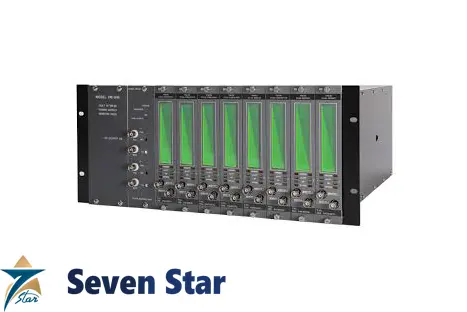
The Siemens Vibro-Meter UVC 691 vibration processor module functions as an indispensable high-reliability computational node within the complex architecture of the Rustronic Mk2 gas turbine control system. Across multi-megawatt utility plants, upstream oil and gas production platforms, and critical pipeline compression networks in Oman and the wider GCC region, the continuous tracking of dynamic mechanical stresses is mandatory. Industrial turbomachinery operates under extreme kinetic conditions where undetected shaft imbalances, misalignments, or bearing deteriorations can lead to catastrophic physical breakdown. Seven Star LLC supplies this brand-new, UK-located power and vibration monitoring module as a specialized hardware asset for corporate engineering teams seeking to optimize operational safety.

By executing real-time data acquisition and mathematical reduction of high-frequency analog sensor inputs, this processing card serves as a robust defense line for multi-million dollar rotating systems. As an independent professional vendor and technical consultant, Seven Star LLC facilitates the sourcing and logistics of this legacy instrumentation component, ensuring that critical infrastructure operators maintain comprehensive machinery protection loops without experiencing extended shutdown windows.

Signal Conditioning and Digital Measurement Principle

The fundamental processing logic embedded within the electronics of the module is engineered to perform high-speed digitization, synchronous tracking, and advanced filtering of complex analog wave profiles. The card continuously interfaces with external field-mounted hardware, including eddy-current proximity probes, piezoelectric accelerometers, and velocity transducers situated across the turbine bearing housings. Once the raw AC voltage waves enter the input stage of the card, high-resolution analog-to-digital converters (ADCs) transform the continuous physical electrical variations into clean digital datasets.

The internal microprocessing matrix then executes specialized algorithms to calculate exact True RMS values, Peak-to-Peak amplitudes, and precise average DC gaps according to international standard API 670 guidelines for machinery protection. The integrated filtering engine performs precise frequency-domain isolation, actively stripping away combustion harmonics, casing structural resonances, and ambient electrical cross-talk. This sophisticated measurement principle guarantees that only the authentic, unadulterated mechanical vectors of the rotating shaft are delivered to the master Rustronic Mk2 control bus, ensuring that critical safety trip metrics are derived from flawless physical telemetry.

Engineering Design of the Siemens Vibro-Meter UVC 691

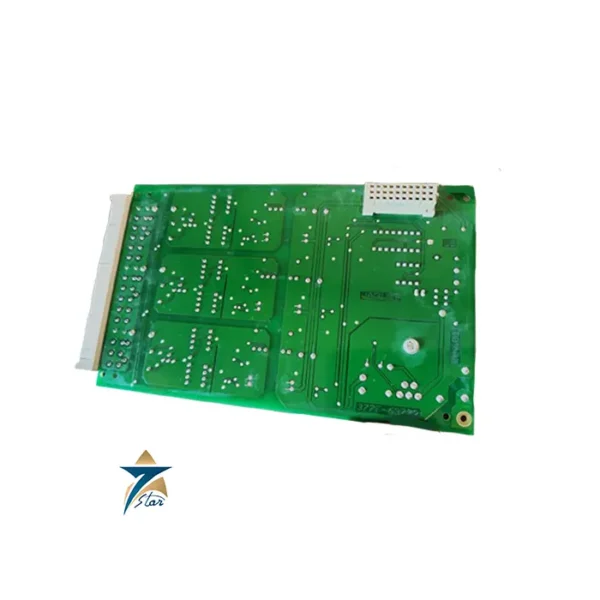
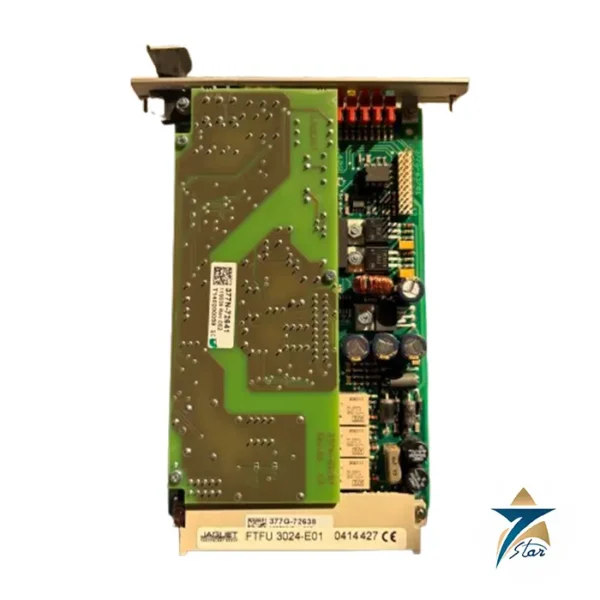
The physical assembly and mechanical layout of the board conform precisely to the standard Eurocard rack-mount specifications required for seamless drop-in integration within the original Rustronic Mk2 control panels. The multi-layer printed circuit board (PCB) assembly utilizes high-reliability, low-drift industrial components that mitigate the risks of thermal degradation, guaranteeing structural calibration stability inside high-temperature, unconditioned field control enclosures typical of Middle Eastern desert stations.

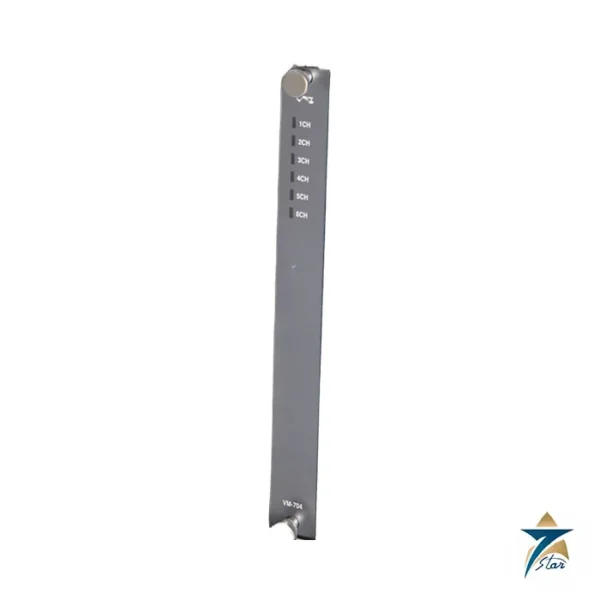
Electrical integration with the chassis backplane is managed through heavy, multi-pin connectors featuring military-grade gold plating over a stable nickel diffusion barrier. This advanced metallurgy completely neutralizes the threat of contact oxidation and contact fret corrosion—frequent root causes of signal intermittent faults in high-humidity coastal processing sectors like Sohar, Duqm, and Muscat. The ruggedized aluminum front panel includes positive-locking retention fasteners to completely counter low-frequency structural vibrations generated by adjacent heavy turbomachinery. Passive thermal convection paths are optimized within the module layout, avoiding the operational necessity of failure-prone mechanical cooling fans and heavily increasing the overall mean time between failures (MTBF) of the asset.

Key Features and Protective Diagnostics

The module integrates a comprehensive array of technical protections designed to satisfy strict B2B engineering specifications:

  • Fully independent multi-channel input architecture that isolates adjacent signal lines to eliminate inter-channel cross-talk and preserve vector accuracy.

  • Onboard hardware watchdog circuits that continuously execute self-diagnostic sweeps on internal memory states, microprocessors, and incoming transducer health.

  • High galvanic isolation barriers between the field process inputs and the digital logic stage, suppressing dangerous common-mode voltages and high-energy surges originating from field ground loops.

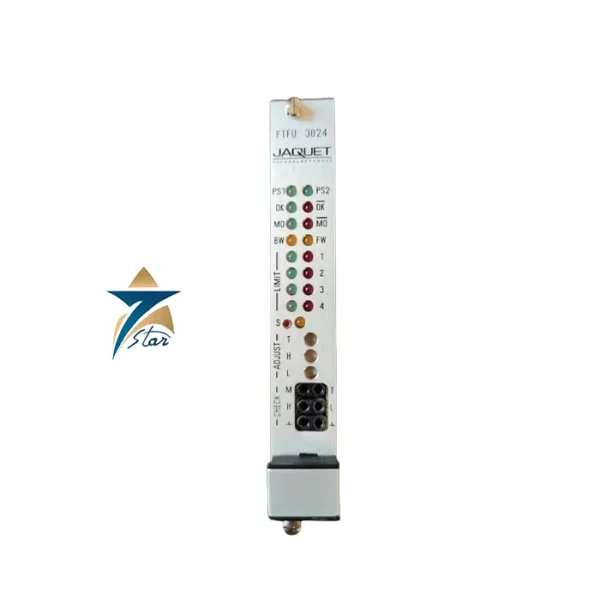
  • Front-panel diagnostic light-emitting diodes (LEDs) that provide local visual readouts of signal status, channel lock, and active common fault indicators during routine maintenance walkdowns.

  • Rapid fault reporting logic that immediately transmits a system fault register to the master turbine controller if a field cable ruptures or a sensor experiences an open-circuit fault.

  • Full compatibility with industrial standard API 670 machinery protection guidelines, ensuring standardized calculation of absolute and relative shaft vibrations.

Industrial Applications across the Middle East

Seven Star LLC facilitates the strategic supply and emergency component recovery of this specialized processor card across various critical regional sectors:

  • Gas Turbine Power Plants: Processing high-speed vibration signals for Siemens SGT series turbines contributing directly to the national electricity grid of Oman.
  • Oil and Gas Mainline Pumping: Conditioning mechanical protection data for compressor drive turbines stationed at remote desert transmission hubs.

  • Petrochemical Refinery Trains: Safeguarding massive process air compressors and high-pressure synthesis gas blowers from structural rotor unbalance.

  • Marine Propulsion Systems: Supporting continuous structural health monitoring on maritime or commercial vessels running legacy Rustronic panels.

  • Turnaround Infrastructure Overhauls: Serving as a factory-new drop-in replacement card to restore full diagnostic functions during planned plant maintenance shutdowns.

Technical Specifications Table

Specification Technical Data
Product Model Number UVC 691
Manufacturer Part Number 204-691-000-021
Equipment Classification Vibration Processor Module
Target Control Platform Rustronic Mk2 Gas Turbine Control System
Geographic Origin United Kingdom (UK Sourced)
Form Factor Standard Industrial Eurocard Rack-Mount Card
Connector Metallurgy Heavy Gold-Plated Multi-Pin Backplane Contacts
Signal Compliance Fully Aligned with API 670 Standards
Cooling Architecture Passive Thermal Convection (Fan-less Design)

Request a Quote for Siemens Vibro-Meter UVC 691 Vibration Processor Module

Seven Star LLC is a dedicated, high-tier supplier of specialized machinery protection solutions and turbine control parts throughout Oman and the GCC. To secure a formal B2B price quotation, request a technical datasheet, or verify hardware availability for the Siemens Vibro-Meter UVC 691 Vibration Processor Module, contact our engineering sales team today.

Related Products

Reviews (0)

Reviews

There are no reviews yet.

How would you rate this product?

It takes about 10 seconds — just tap a star. Your email is never published.

About brand

Siemens is the German technology group whose industrial products include SIMATIC controllers and HMIs, SINAMICS drives, SIRIUS and SENTRON switching and protection devices, SIPROTEC protection relays, SITRANS process instruments, SCALANCE networks and process analysers. It was founded in Berlin on 12 October 1847 by Werner von Siemens and the precision mechanic Johann Georg Halske as Telegraphen-Bauanstalt von Siemens & Halske, to build Siemens's newly designed pointer telegraph. Siemens AG is headquartered in Munich and listed on the Frankfurt Stock Exchange; its energy business was spun off as Siemens Energy in 2020.

Siemens company profile

Founded 12 October 1847, Berlin, Germany, as Telegraphen-Bauanstalt von Siemens & Halske, with 10 employees
Founders Werner von Siemens (1816–1892) and Johann Georg Halske (1814–1890)
First product The pointer telegraph designed by Werner von Siemens
Headquarters Munich, Germany (Siemens AG)
Ownership Public company listed in Frankfurt; Siemens Energy (2020) and Siemens Healthineers are separately listed companies
Businesses acquired that appear in our range Moore Products (bought in 2000; APACS and QUADLOG control systems), Applied Automation (Maxum process gas chromatographs); small industrial gas turbines such as the SGT-300 came with Alstom's industrial turbine business in 2003
Product families SIMATIC S7 PLCs, ET 200 distributed I/O and HMI panels, TIA Portal software, SINAMICS drives, SIMOTICS motors, SIRIUS and SENTRON low voltage devices, SIVACON switchboards, SIPROTEC relays, SITRANS instruments, SCALANCE network components, building technology valves and sensors

Milestones

  • 1847: Siemens & Halske starts work in Berlin with 10 employees.
  • 1848: The company wins the contract for Europe's first long-distance telegraph line, Berlin to Frankfurt am Main.
  • 1856: 330 employees, two-thirds of them working on telegraph networks in Russia.
  • 1866: Werner von Siemens describes the dynamo-electric principle, the basis of the electric generator.
  • 1958 onwards: The SIMATIC name is used for Siemens industrial automation; S7 PLCs follow in the 1990s and S7-1500 in 2012.
  • 2020: Siemens Energy is spun off and listed separately.

Choosing Siemens automation products

A Siemens order number (MLFB) identifies the exact product: 6ES7 is SIMATIC automation, 6AV is HMI, 6GK is industrial communication, 6SL is SINAMICS drives, 3R is SIRIUS control and 5SY is SENTRON miniature circuit breakers. For PLCs, S7-1200 is the compact controller for small machines, S7-1500 is the current mid-to-high range controller, and S7-300 and S7-400 are older platforms still running in many plants; S7-300 is being phased out, so spares and migration to S7-1500 are common requests. When replacing a CPU or module, the full order number including the version digits matters, because firmware and hardware versions affect compatibility with the existing project.

Where Siemens products are used

In Oman and the GCC, Siemens automation runs in oil and gas, power and desalination plants, water networks, cement and process industries. Maxum gas chromatographs analyse gas composition in gas plants and refineries, SIPROTEC relays protect substations, SGT-300 turbines drive generators and compressors, and Siemens building valves are used in HVAC systems.

Siemens products we list

Family Examples
SIMATIC controllers and I/O S7-1500, CPU 1515-2 PN, S7-1200, CPU 1214C, S7-300, S7-400H CPU 412-5H, ET 200SP, IM 153-2
HMI and networking KTP700 Basic, TP700 Comfort, TP1200 Comfort, SCALANCE XC208, SCALANCE WAM766, PROFIBUS OLM
Drives, motors and power distribution SINAMICS G120C, SINAMICS G120X, 1LA7 motor, SIVACON S8, SIPROTEC 7SJ85, 5SY4510-7 MCB
Process instruments SITRANS P320, MAG 5100W, SITRANS TH320, SITRANS TS500, SITRANS TR200
Maxum II analyser spares FID 302A detector, FPD II assembly, filament detector, Model 50 valve, SYSCON kit, air bath heater
APACS and QUADLOG spares QLCCM24AAN, QLSAMBAN, QLSDM024DCCBN, 39SAMCAN, 16137-151 M-BUS cable
Building technology VPI46 PICV, VPF44, QFM1660 sensor

Ordering Siemens products: what we need

Send the full order number from the label (for example 6ES7214-1AG40-0XB0) and, for PLC and HMI parts, the hardware and firmware version (FS and V numbers). For Maxum II and APACS spares, send the Siemens part number such as 2021651-002. For drives, add the motor power and supply voltage.

Frequently requested Siemens models: Siemens IM 155-6 PN ST ET 200SP Interface Module 6ES7155-6AU02-0BN0, Siemens SGT-300 Industrial Gas Turbine.

Facts checked against Siemens's published history timeline, October 2026.

FAQ

Questions about the Siemens Vibro-Meter UVC 691 Vibration Processor

Answers from our engineering team on installation, compatibility and integration.

01What is the primary function of the Siemens Vibro-Meter UVC 691 module?
The Siemens Vibro-Meter UVC 691 functions as a high-speed vibration processor module that digitizes, filters, and computes raw analog signals from proximity probes and accelerometers inside the Rustronic Mk2 turbine control panel.
02How does the 204-691-000-021 module handle industrial background noise?
The module features integrated frequency-domain filtering logic that actively strips away combustion noises, casing harmonics, and electrical cross-talk to isolate the pure mechanical vibration vectors of the rotor.
03What happens if a field transducer cable snaps or fails?
The internal hardware watchdogs instantly detect the open-circuit condition, illuminate a diagnostic LED on the front bezel, and send an immediate sensor-fault signal to the master Rustronic system to prevent false trips.
04Is the UVC 691 module compatible with older Ruston or EGT control systems?
Yes, because the Rustronic Mk2 control platform was widely adopted across GEC Alsthom, Ruston, and EGT installations, this card serves as a direct drop-in replacement for those specific panels.
05How does the module protect itself against harsh environments in Oman?
The card utilizes high-density gold-plated backplane pins to prevent salt-air oxidation and incorporates low-drift electronic components housed in a rugged fan-less chassis that relies entirely on passive thermal convection.