Alfa Laval SBV sanitary ball valve: full-bore hygienic shutoff
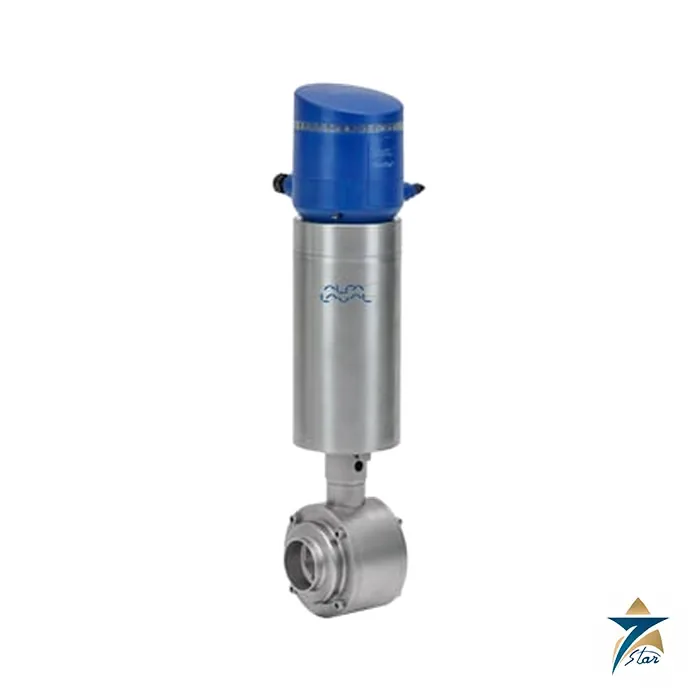
The Alfa Laval SBV is a sanitary ball valve whose bore equals the pipeline diameter. With nothing narrowing the flow path when open, the fluid passes almost as it would through a straight tube, which is why the SBV is chosen for viscous products, fluids carrying particles and process lines that are pigged. Seven Star LLC supplies the SBV in Oman and the GCC as an independent supplier in Muscat.
The “SBV” designation covers a valve range rather than one single code, so size, end fittings (ISO or DIN), seat type and operation are defined when you order. This page explains what the manufacturer publishes for the series and what we need from you to quote it correctly.
SBV technical specifications
| Parameter |
Specification |
| Manufacturer / part number |
Alfa Laval / SBV |
| Valve type |
Hygienic floating-ball valve, full bore, quarter-turn |
| Operating pressure |
Up to 16 bar for the SBV model |
| Temperature |
Up to 150 °C |
| Seats |
PTFE valve seats; PTFE-encapsulated seats optional |
| Construction |
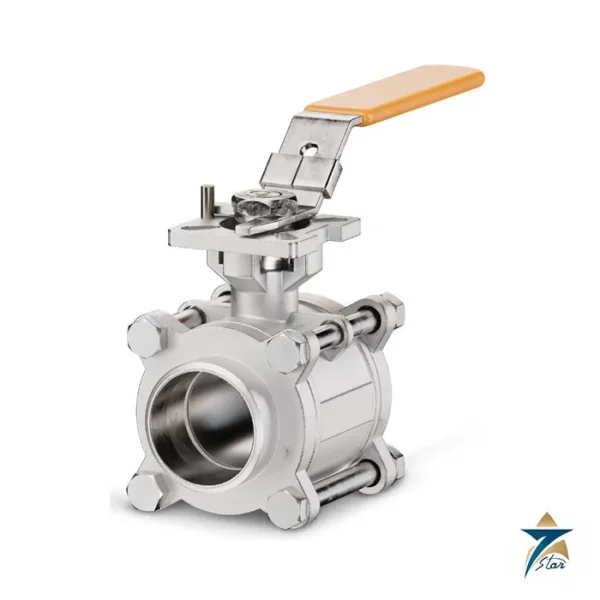
Three-piece: body, two flanges, ball, stem unit |
| Stem seal |
Spring-loaded, self-adjusting seal rings |
| O-ring options |
NBR, Q (silicone), FPM (Viton) |
| Manual operation |
Stainless-steel quarter-turn handle that locks open or closed |
| Automatic operation |
Pneumatic actuator, delivered normally closed (NC), convertible to normally open (NO) |
| Fittings |
ISO or DIN standard, as ordered |
How the SBV ball valve works
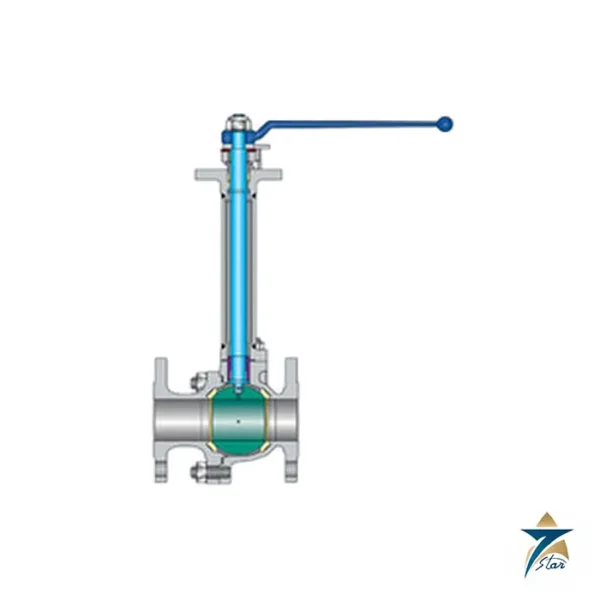
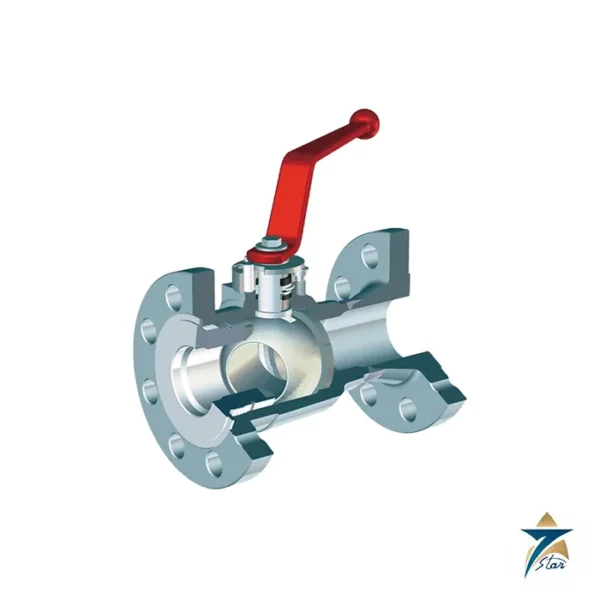
A precision ball with a bore through it sits between two flanges and two PTFE seats. Turning the stem a quarter turn aligns the bore with the pipe (open) or rotates it across the flow (closed). The ball is a floating design: it is free to move slightly along the flow axis while being prevented from rotating on its own, which presses it onto the downstream seat and gives a tight seal. Alfa Laval notes that this design is water-hammer safe and insensitive to pressure shocks in the pipeline.
The manual handle is stainless steel and mechanically locks the ball in either end position. For automated use, a bonnet and a standard pneumatic actuator are fitted. These actuators are delivered normally closed and are controlled remotely by compressed air; they can be rebuilt to the normally open arrangement. The automated version has inspection holes in the bonnet so the stem seal can be checked without dismantling.
SBV in the Alfa Laval hygienic valve range
Alfa Laval describes two standard ball valve models in the sanitary range: the SBV, for pressures up to 16 bar and temperatures up to 150 °C including pigged lines, and the Tri-Clover ball valve for full flow with minimal turbulence and an optional encapsulated seat that reduces the risk of product entrapment. If your drawing calls for a clamp-type connection, tell us so we can confirm which model fits.
An actuated SBV can carry the ThinkTop valve sensing and control unit, or a bracket for inductive proximity switches. Next to it on a skid you will often find LKB butterfly valves or DV-ST diaphragm valves, and the same ThinkTop family serves them.
Selection checklist for the SBV
- Line size and the fitting standard (ISO or DIN), plus end connections such as weld ends.
- Fluid viscosity and whether it contains solids, fibres or abrasive particles; full bore is the main reason to choose a ball valve.
- Whether the line is pigged, since the full bore is what allows a pig to pass.
- Maximum pressure and temperature, compared with the 16 bar / 150 °C limits of the SBV model.
- Seat type (standard PTFE or encapsulated) and O-ring material compatible with your fluid and cleaning chemicals.
- Cavity treatment: optional cavity filler or cavity cleaning where the cavity could trap product.
- Manual or pneumatic, and any feedback device.
Installation and maintenance of the SBV
Because the valve is a three-piece assembly with few moving parts, inspection is simple and, according to the manufacturer, needs no special tools. The flange screws on welded-end versions let you take the valve apart for seat and ball inspection. PTFE seats are the typical wear item; replace them as a set, and fit new O-rings at the same time.
When a valve is welded into stainless pipe, follow normal hygienic welding and passivation practice so that the body does not distort and the seats are not exposed to heat. On the actuated version, check the stem seal through the inspection holes during planned shutdowns, and verify the NC or NO function before the line is released for production.
Typical applications in Oman and the GCC
The SBV is a hygienic-industry valve: dairy, food, beverage, brewery and chemical duties are all named by the manufacturer. In the Gulf this matches dairy plants, juice and soft-drink bottlers, water-treatment dosing of viscous additives and food-grade chemical blending. The pigging capability is useful where product changeovers are frequent and product loss is expensive. Dust, heat and washdown conditions favour the stainless actuator and a sealed control unit.
SBV options at a glance
| Option |
Detail |
| Handle |
Quarter-turn, stainless steel, locks open/closed |
| Pneumatic actuator |
NC supplied, rebuild to NO possible |
| ThinkTop |
Valve sensing and control unit |
| Proximity bracket |
For inductive switches |
| Seats |
Standard PTFE or encapsulated PTFE |
| Seat cleaning |
Optional valve seat cleaning connections |
| O-rings |
NBR, Q (silicone), FPM (Viton) |
Information to send with your SBV RFQ
A complete request avoids back-and-forth and lets us quote the right configuration the first time.
- Valve size and the fitting standard (ISO or DIN) with end connection type.
- Fluid, viscosity, particle content and cleaning method (CIP temperature and chemical).
- Operating pressure and temperature.
- Manual handle or pneumatic actuator, NC or NO, air supply pressure.
- Seat and O-ring material, and whether cavity filling or cleaning is needed.
- Sensing: ThinkTop, proximity switches or none.
- Quantity and delivery location.
Documents and quotation
Send us the part number SBV and the intended duty, and we will confirm which official documents are available for it. If you hold the Alfa Laval model code or a drawing, include it, because it lets us match the configuration exactly.
Seven Star LLC is an independent industrial supplier in Muscat serving Oman and the GCC. We quote against the configuration you give us and revert with lead time and availability.
























Reviews
There are no reviews yet.