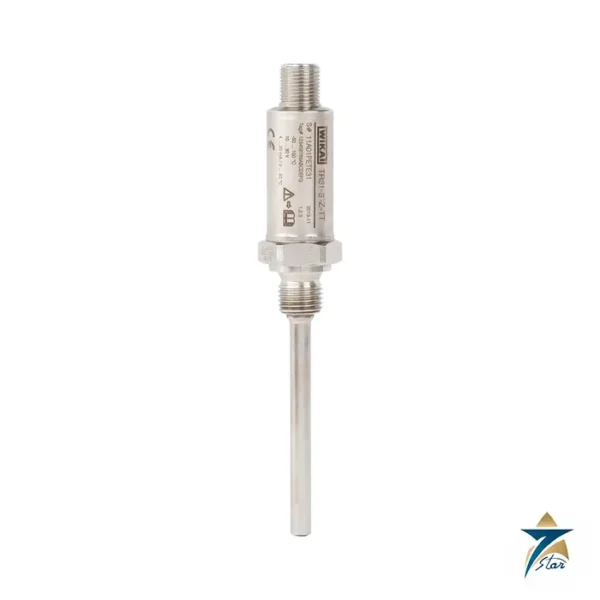
Endress+Hauser TM151 barstock thermowell thermometer for high-pressure lines
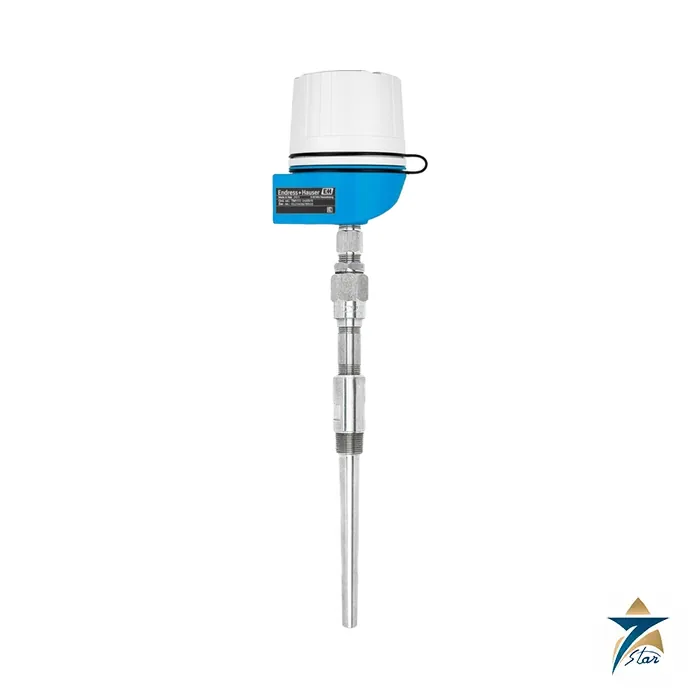
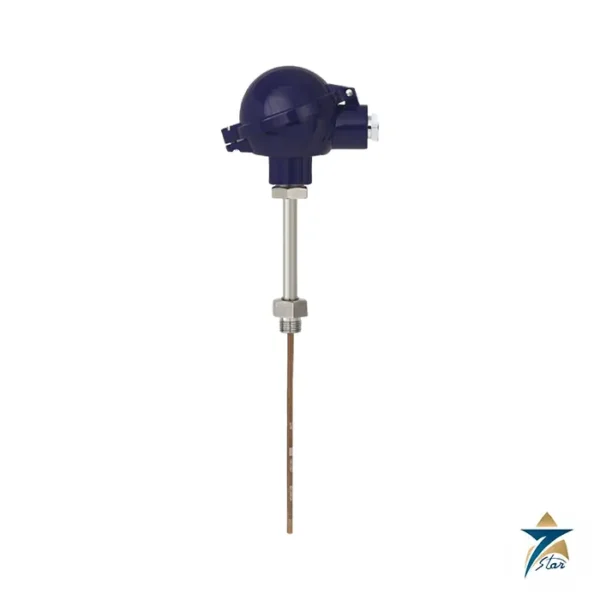
The Endress+Hauser TM151 is the heavy-duty metric thermometer of the iTHERM ModuLine family. Its thermowell is machined from solid barstock (drilled), which lets it handle process pressure up to 500 bar (7,252 psi) according to the datasheet, while the replaceable RTD or thermocouple insert, extension neck and terminal head follow the same modular logic as the other ModuLine models. The stated measuring range is –200 to +1,100 °C.
Seven Star LLC supplies the TM151 in Oman and the GCC as an independent supplier in Muscat. It is typically ordered for high-pressure steam, hydrocarbon and hydraulic lines where a welded-tube thermowell would not meet the rating, and every unit is configured to the connection, material and length that the tag requires.
TM151 technical specifications
| Parameter |
Specification |
| Manufacturer / part number |
Endress+Hauser / TM151 (iTHERM ModuLine, barstock thermowell, metric) |
| Thermowell |
Drilled from barstock; DIN 43772 form 4 (weld-in) and 4F (flange) based; iTHERM TwistWell optional |
| Sensors |
Pt100 RTD thin-film or wire-wound; thermocouple K, J, N |
| Measuring range |
–200 to +1,100 °C overall; StrongSens –50 to +500 °C; QuickSens –50 to +200 °C; wire-wound –200 to +600 °C |
| Accuracy |
RTD class AA, A, B to IEC 60751; thermocouples class 1 or 2 to IEC 60584-2 or special/standard to ASTM E230 |
| Maximum process pressure |
Up to 500 bar for weld-in or socket-weld versions; flanges per ASME B16.5 rating (150 to 2500); threads 400 bar at +400 °C |
| Threaded connections |
M20x1.5, M27x2, M33x2, G 1/2, NPT 1/2, NPT 3/4, NPT 1 |
| Vibration resistance |
Up to 60g with StrongSens and 6 mm QuickSens inserts |
| Weight |
0.5 to 37 kg for standard versions |
| Ingress protection |
Up to IP66, partly IP68 (1.83 m for 24 h), depending on head |
| Approvals cited |
ATEX, IECEx, CSA, INMETRO; functional safety (SIL) listed in the datasheet |
Why barstock matters: how the TM151 thermowell works
A thermowell is a pressure-bearing barrier. In a welded-tube design the tube wall limits pressure. In the TM151 the well is drilled from a solid bar, so the wall can be thick, the root can be tapered, and the transition to flange or weld-in stub carries the load. The sensor tip sits at the base of the bore, usually 6 mm thick or more, and a spring-loaded insert keeps it pressed against the bottom for heat transfer.
This construction also changes the thermal behaviour. A thick wall responds more slowly than a thin tube, so the datasheet publishes response times for each predefined geometry (straight, tapered, NAMUR, TwistWell and ASME style) with standard thin-film, wire-wound, QuickSens and StrongSens inserts. Do not choose a QuickSens insert and expect the 1.5 s headline in a heavy barstock well; the thermowell dominates the response.
Process connections and materials for the TM151
| Connection |
Detail from the datasheet |
| Weld-in / socket weld (NPS) |
Up to 500 bar (7,252 psi) |
| Flange, ASME B16.5 |
Pressure depends on rating: 150, 300, 600, 900/1500 or 2500 |
| Thread, ISO 228-1, ISO 965-1, ANSI B1.20.1 |
400 bar at +400 °C for the thread itself |
Barstock allows a much wider material list than the welded model, which is a deciding factor on corrosive or high-temperature service. The datasheet lists 316L, 316Ti, 310, a niobium-stabilised stainless grade, Alloy 600, Alloy C276, carbon steel A105, low-alloy chrome-moly steels, 16Mo3, duplex S32205 and titanium. Continuous-use limits are given per material, for example 650 °C for 316L in air and 1,100 °C for Alloy 600; they fall under mechanical load and in aggressive media.
Related iTHERM models and how to choose between them
Pick the TM151 when pressure, mechanical load or material demands exceed the welded-tube TM131 (up to 100 bar). Pick the TM152 if your standards are imperial: it has the same barstock idea in inch dimensions, NPT threads and ASME flanges. Pick the TM111 only where the sensor may touch the process, and the TM121 for basic non-hazardous points.
Across the range, the same head, transmitter and insert options apply, which simplifies spares: an iTHERM TS111 or TS211 insert is selected by insertion length, which depends on immersion length U, lagging T, neck length E and the head distance.
Selection and ordering checklist for the TM151
- Design pressure and temperature, plus pressure class of the line or flange
- Connection: weld-in, socket weld, flange (DIN or ASME) or thread; nozzle size
- Thermowell form: straight, tapered, NAMUR or TwistWell; root and tip diameter, bore and immersion length U
- Thermowell material and any NACE, PMI or certificate requirement
- Flow velocity and fluid density for the thermowell load calculation
- Sensor type, class and single or dual element
- Neck length, QuickNeck or fixed; Dual Seal if a second barrier is wanted
- Head, transmitter, protocol and hazardous-area approval, with SIL where it is relevant
Installation, commissioning and maintenance of the TM151
The thermowell is installed by the pipe contractor, welded or bolted, and pressure-tested before the electronic part is attached. Because the thermowell sees the line pressure for the whole plant life, record its material certificate and the calculated stress at design flow. For flanged units confirm gasket and bolting match the line specification.
On the instrument side, the insert can be pulled and replaced without breaking process containment. Calibrate the insert in a bath or furnace against a reference, noting that short immersion depth raises uncertainty. Always give the serial number when ordering a replacement so that the correct insertion length is supplied. In the head, the transmitter ambient limit is –40 to +85 °C.
TM151 applications in Oman and the GCC
High-pressure measuring points are common across the region: steam headers and turbine inlet lines in power and cogeneration plants, boiler feed and high-pressure condensate, oil and gas gathering manifolds, gas compression stations, reactors in refining and petrochemical works, and brine lines in thermal desalination. Heavy walls also help when sand-laden or hot process fluids erode thin wells. Desert heat suggests a longer neck or a shaded head, and coastal plants benefit from the corrosion-resistant stainless head and sealed cable entry.
Information to send with a TM151 request for quotation
- Tag number, service and P&ID
- Design and operating pressure and temperature, fluid and velocity
- Connection standard, size, class and facing
- Thermowell form, material, root and tip diameter, immersion length
- Sensor, accuracy and calibration requirement
- Head, transmitter, protocol, approvals (Ex, SIL)
- Certificates, inspection and delivery location in Oman or the GCC
Documents and quotation
The manufacturer technical information for the TM151 is attached to this page. Read it together with your project specification, because the thermowell, sensor, head and transmitter options that apply to your tag are fixed by the order configuration, not by the model name alone. Approvals and ratings should always be checked against the exact configuration that is quoted.
Seven Star LLC quotes against your data sheet or loop drawing and confirms lead time, stock position and the documents that ship with the instrument. Send us the details listed above and we will respond with a priced offer for delivery in Oman and the wider GCC.
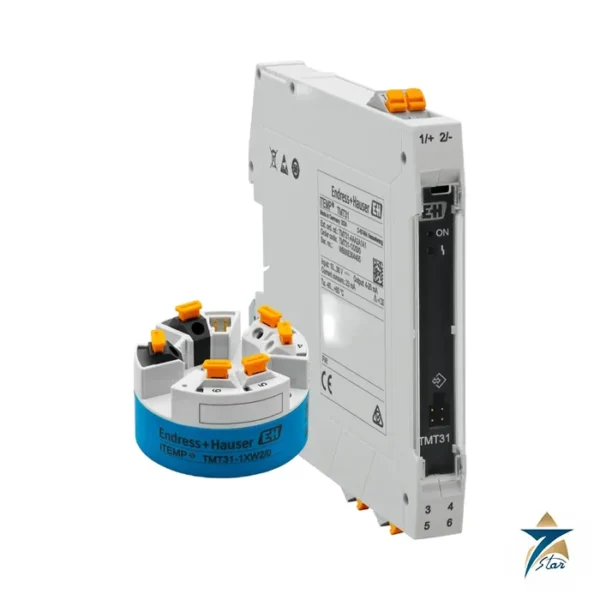
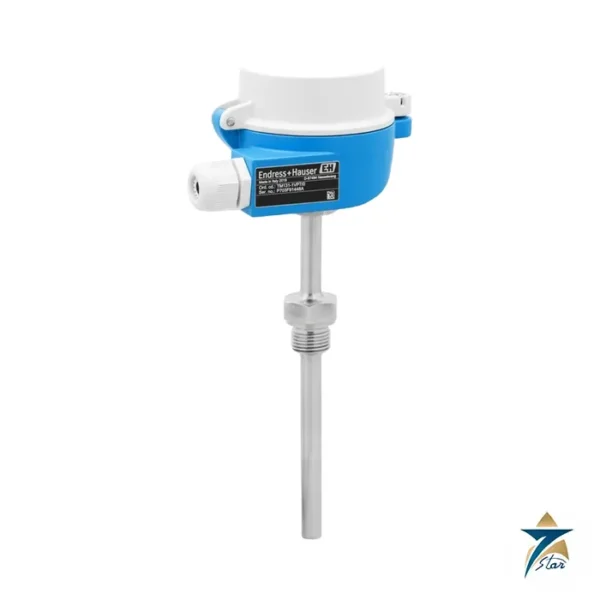
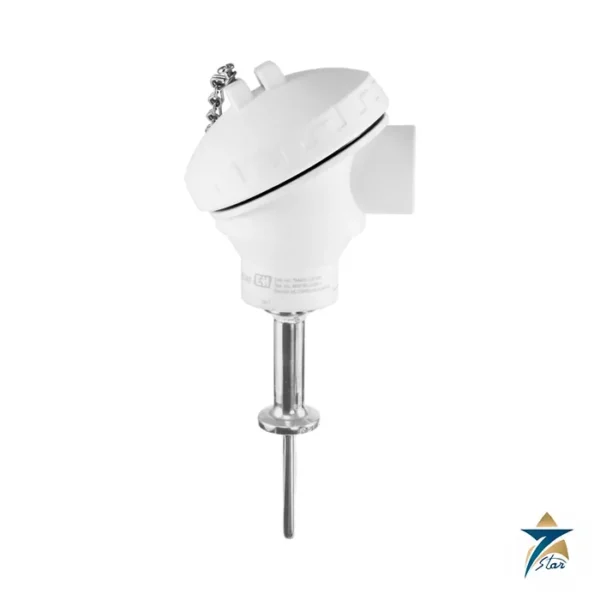
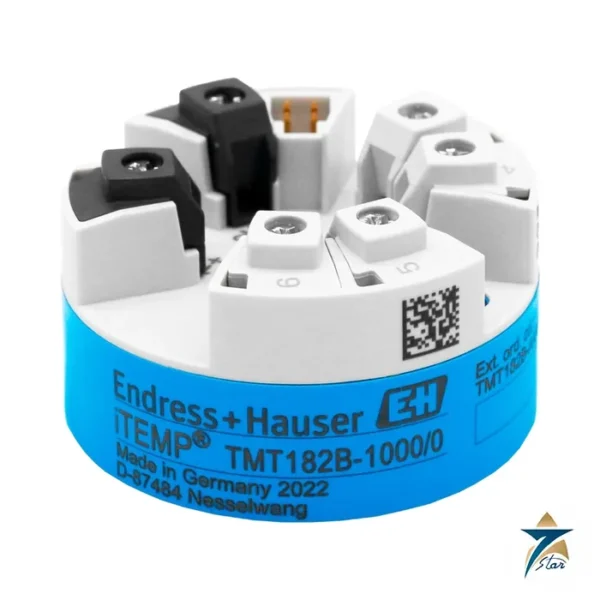
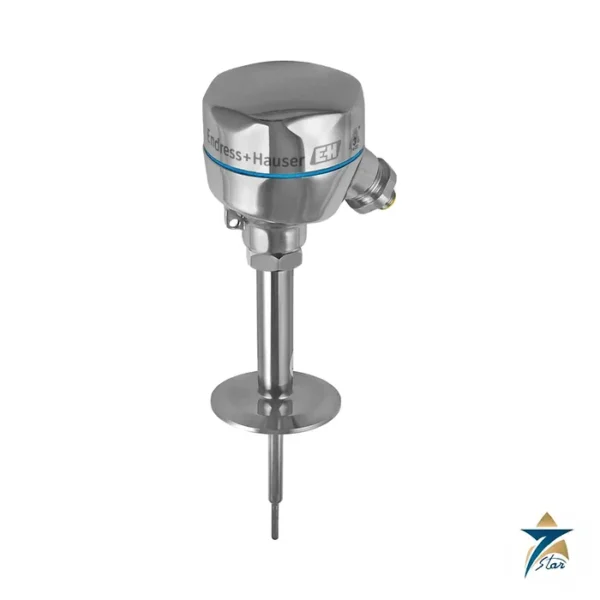
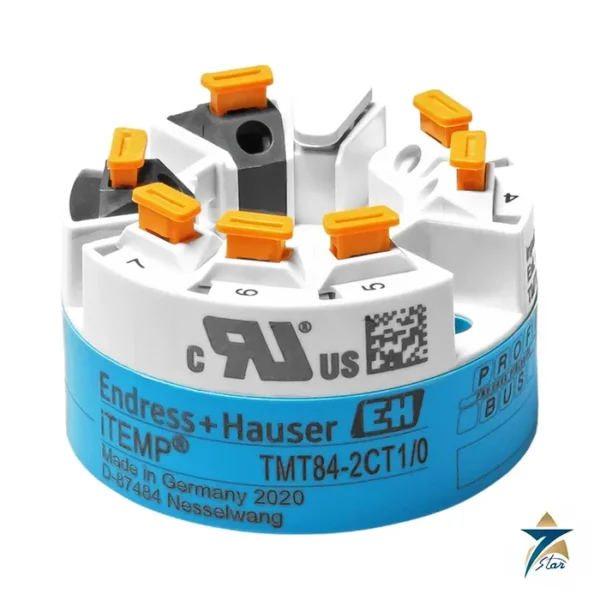
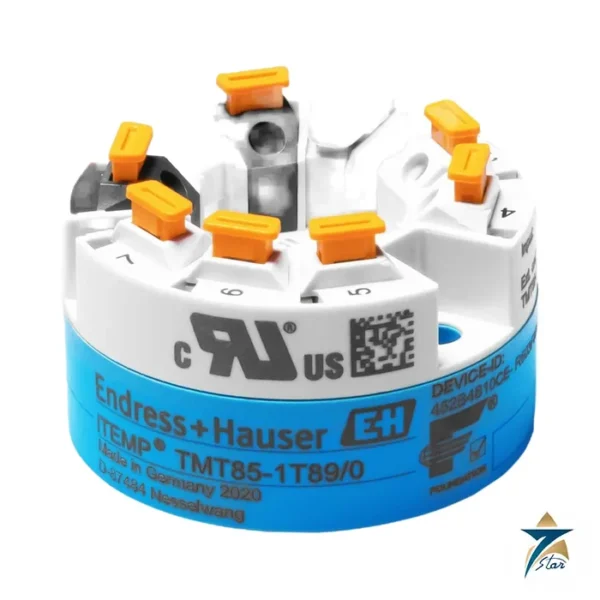
Other Models in the Eh Itherm Moduline Range
Seven Star LLC supplies models from the Eh Itherm Moduline range in Oman and the GCC. Compare the related models below and request a quote for the one that matches your application.






















Reviews
There are no reviews yet.