Brand:

Metrohm 6.0228.000 Solitrode pH Electrode with Pt1000

Description

Overview

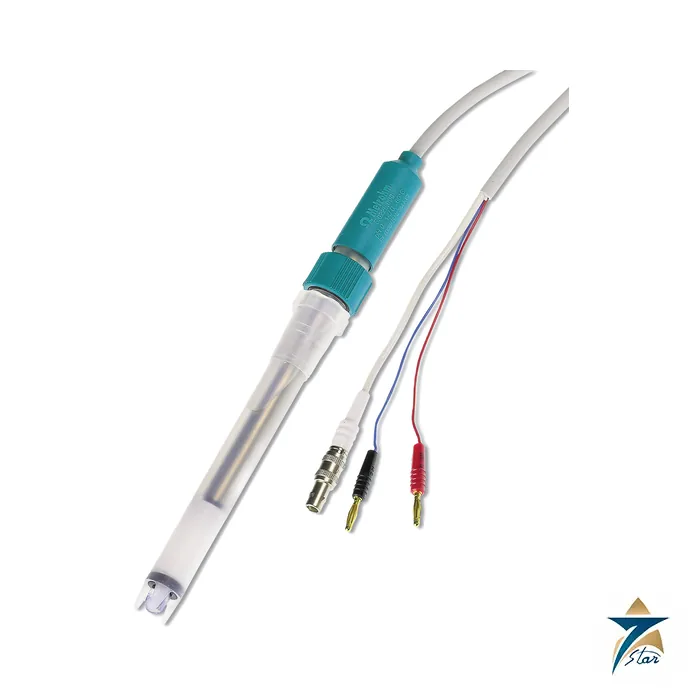
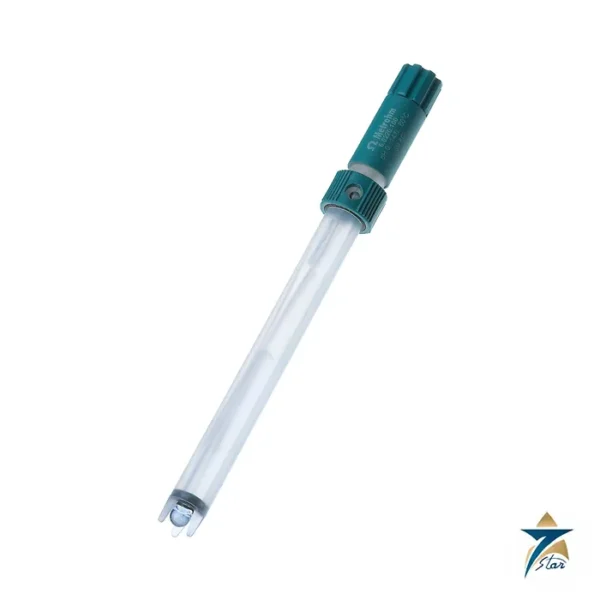
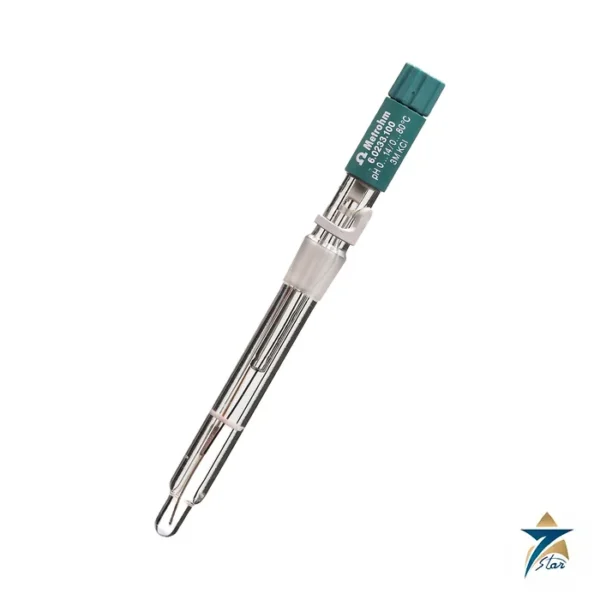
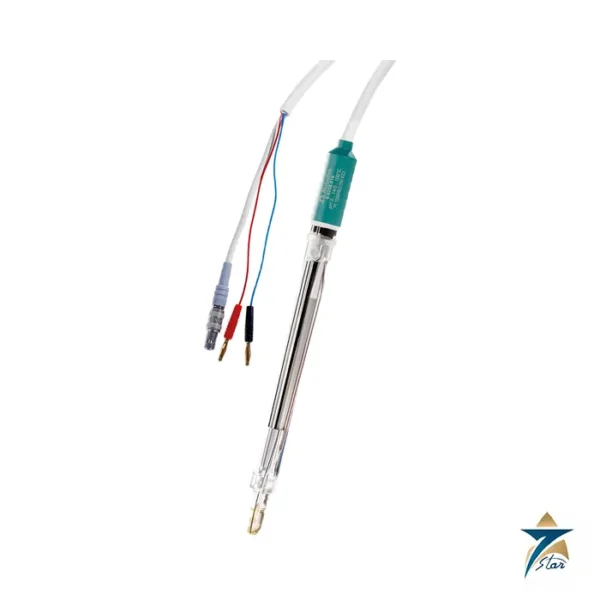
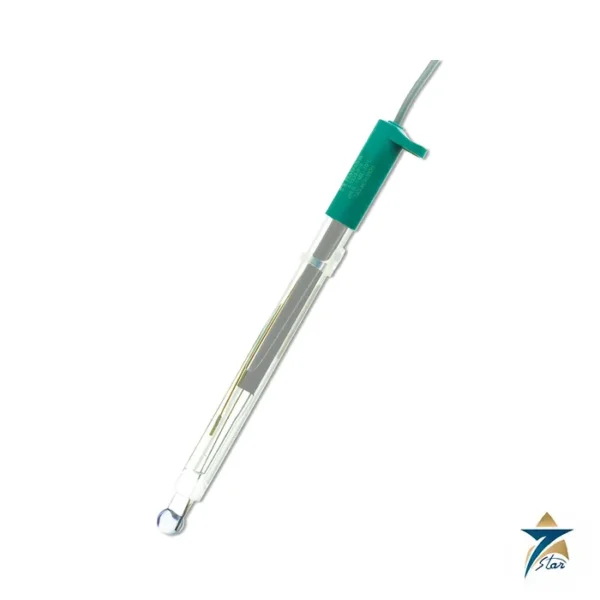
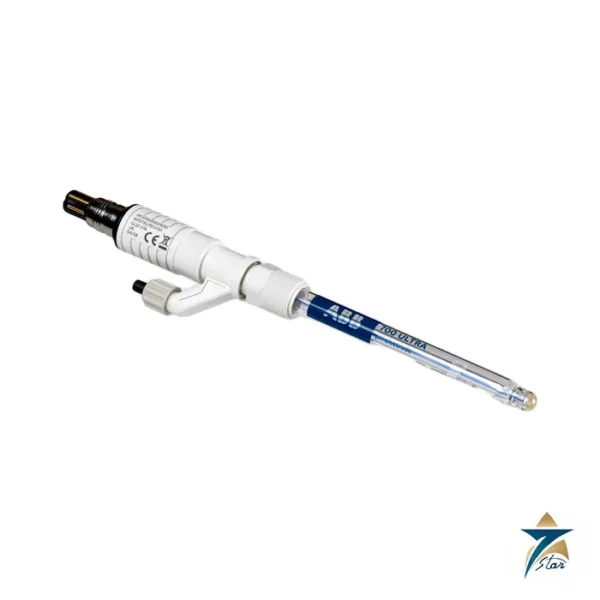
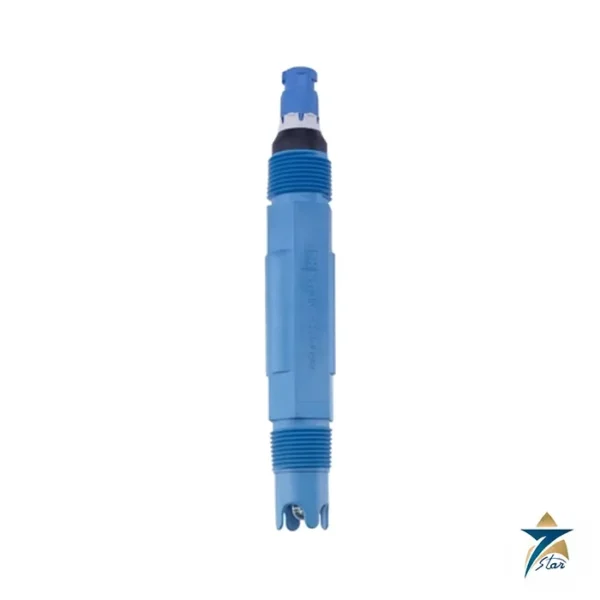
Glass electrodes break, and in busy plant laboratories or field sampling they break often. The Metrohm 6.0228.000 Solitrode answers that problem with a shaft made of polypropylene instead of glass and an impact guard around the glass membrane. It is a combined pH electrode with an integrated Pt1000 temperature sensor and a fixed 1.2 m cable, and Metrohm describes it as suitable for routine pH measurements in solutions that contain no precipitates, proteins or sulfides. Seven Star LLC is an independent supplier serving Oman and the GCC.

The unbreakable shaft makes the electrode attractive wherever beakers are crowded, where staff change shifts quickly, or where cleaning with a brush is unavoidable. The glass membrane itself remains a precision part, but the plastic body and the protection around it take most of the knocks.

Technical data for Metrohm 6.0228.000

Item Metrohm data
Order number Metrohm 6.0228.000, Solitrode with Pt1000
Shaft material Polypropylene (PP); completion glass/Viton
Membrane glass Type T, hemisphere, with impact protection
pH range 0 to 14
Temperature range 0 to 80 degrees C, long-term and short-term
Membrane resistance 200 to 400 MOhm
Electrode resistance 5 kOhm
Zero point plus or minus 15 mV
Slope above 0.97
Temperature sensor Pt1000, 2 mm plugs
Diaphragm Ceramic; diaphragm resistance 0.5 to 5 kOhm
Reference electrolyte KCl 3 mol/L
Flow rate 5 to 25 microlitres per hour at 10 cm water column
Cable Fixed, 1.2 m
Installation length 113 mm maximum
Minimum immersion depth 15 mm
Shaft diameter 12 mm top and bottom

Plastic body, glass membrane

The shaft of polypropylene is chemically resistant to many aqueous solutions, and its low weight reduces the load on a clamp or a flexible stand. The membrane glass is type T with a hemispherical shape, which gives a fast response in clean samples. The impact protection surrounds the glass but leaves it open to the sample, so the electrode should still be handled with care and kept away from hard surfaces. Because the electrode is not intended for samples with precipitates, proteins or sulfides, laboratories with such samples should pick a Unitrode or a double-junction design instead.

How Metrohm 6.0228.000 differs from comparable pH electrodes

Its immersion depth is only 15 mm, which is the smallest among the electrodes in this group, where the Unitrode needs 25 mm and the Profitrode 30 mm. That makes the Solitrode useful in small vessels and for samples of limited volume. Its temperature range of 0 to 80 degrees C is the same long-term and short-term, whereas the Unitrode allows 100 degrees C briefly. Its membrane resistance starts at 200 megaohm, against 150 megaohm for the 6.0233.100. Unlike the 6.0258.010 it has a ceramic diaphragm, not a fixed ground joint, and a plastic shaft, not glass.

Typical uses in Oman and the GCC

Routine pH checks on process water, cooling tower blowdown, chemical dosing tanks and wastewater discharge suit this electrode. Municipal and industrial labs in Oman and the GCC also use robust electrodes during training, in mobile test kits and in laboratories where several technicians share equipment. The integrated Pt1000 means that temperature compensation is automatic, which is useful in outdoor or hot-climate sampling where water temperature changes quickly between the sampling point and the bench.

Connecting and starting

Plug the F plug into the pH input and the two 2 mm plugs of the Pt1000 into the temperature sockets, as the Metrohm leaflet instructs for electrodes with built-in temperature sensors. If the meter has just one temperature socket, plug one of the B plugs into the reference electrode socket. Leaving the temperature plugs unconnected can produce interfering signals. Check the electrode function by calibration immediately after unpacking.

Care, storage and troubleshooting

Keep the electrode in Metrohm storage solution when idle, never dry. Rinse with water after each sample, and do not clean in an ultrasonic bath. If the response becomes slow, treat the diaphragm following the leaflet, and use a thiourea solution if a dark sulfide deposit appears, though the Solitrode is not intended for sulfide samples in the first place. Replace the electrode if the slope stays below about 96 percent. The ceramic diaphragm resistance of 0.5 to 5 kOhm is low enough that a normal pH meter will not notice it, but a clogged diaphragm raises it, which shows up as noise.

Interpreting the electrical values

A membrane resistance of 200 to 400 megaohm means the glass is a standard low-resistance type, and the 5 kOhm electrode resistance describes the total impedance of the reference path. Together with the zero point of plus or minus 15 mV and a slope above 0.97, they give a technician the acceptance limits for incoming inspection. Many laboratories keep a short test routine that measures a pH 7 buffer, reads the offset in millivolts and compares it with the plus or minus 15 mV window before any new electrode enters service.

The flow rate of 5 to 25 microlitres per hour is low enough that the electrolyte reservoir lasts a long time but high enough to maintain a stable liquid junction. As with every refillable electrode, the filling opening is open while measuring and closed for storage, and the level should never fall below the opening by more than a little.

Choosing between the Solitrode and a glass-shaft electrode

A plastic shaft is not automatically the better choice. Glass shafts tolerate organic solvents and higher temperatures better, and they can be inspected visually for bubbles or deposits inside. The polypropylene shaft of the Metrohm 6.0228.000 wins when breakage is the greater risk, for example in teaching laboratories, mobile sampling, or crowded benches. Buyers who need both qualities usually keep a glass electrode for demanding samples and the Solitrode for daily routine checks, which spreads the wear and keeps results traceable to the correct electrode.

Ordering notes

Quote the full order number Metrohm 6.0228.000 and the length of cable you need. If your meter uses different temperature connectors, mention the instrument type in the enquiry so that the plug configuration can be checked against the product data.

Related items you may also need: Metrohm 888 Titrando Potentiometric Titrator | Metrohm 916 Ti-Touch Compact Potentiometric Titrator | Metrohm 2035 Process Analyzer | All Metrohm products.

Checklist before ordering the Metrohm 6.0228.000

  • Before ordering the Metrohm 6.0228.000, compare the nameplate of the unit being replaced with the code shown on this page, character by character.
  • Our team confirms the Metrohm 6.0228.000 code, condition and lead time in writing before any order is placed.
  • The datasheet attached to this page is the reference for the Metrohm 6.0228.000 dimensions, ratings and wiring.
  • The Metrohm 6.0228.000 is listed in our liquid analysis sensors range and ships to sites across Oman and the GCC.

Documents and quotation

The Metrohm leaflet on pH glass and gel electrodes is supplied with this page. To request a quotation, send an RFQ listing Metrohm 6.0228.000, the quantity and your delivery location in Oman or the GCC.

Other Models in the PH Electrodes Range

Seven Star LLC supplies models from the PH Electrodes range in Oman and the GCC. Compare the related models below and request a quote for the one that matches your application.

ModelCategory
Metrohm 6.0233.100 Combined pH Glass Electrode SGJ 14/15Liquid Analysis SensorsView details
Metrohm 6.0259.100 Unitrode Combined pH ElectrodeLiquid Analysis SensorsView details
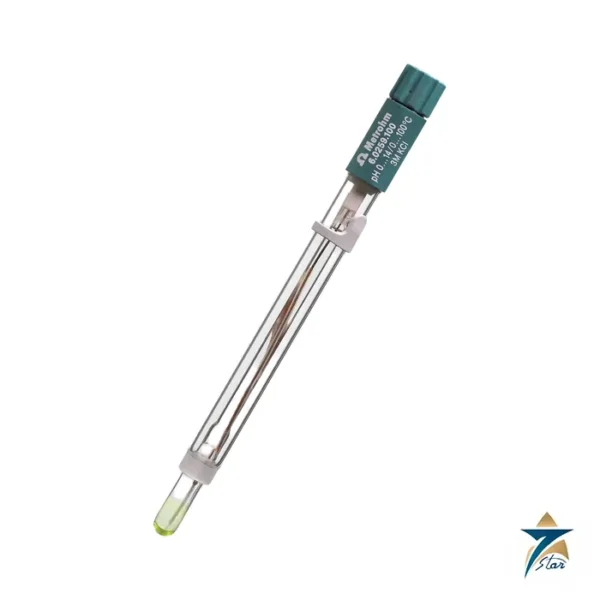
Metrohm 6.0258.010 Unitrode pH Electrode with Pt1000Liquid Analysis SensorsView details
Metrohm 6.0228.000 Solitrode pH Electrode with Pt1000Liquid Analysis SensorsYou are viewing this model
Datasheets & Documents
  • PDF Datasheet Metrohm 6.0228.000 Solitrode pH Electrode with Pt1000 Datasheet Download
Reviews (0)

Reviews

There are no reviews yet.

How would you rate this product?

It takes about 10 seconds — just tap a star. Your email is never published.

About brand

Metrohm is a Swiss maker of instruments for chemical analysis, founded in 1943 by Bertold Suhner in Herisau, where it is still headquartered. It is best known for titration and also makes ion chromatography, electrochemistry, spectroscopy and process analysers. Metrohm is owned by a foundation.

Seven Star LLC lists the Metrohm 905 Titrando, the 916 Ti-Touch and the 2035 Process Analyzer, and supplies Metrohm instruments and accessories to laboratories and plants in Oman and the GCC.

Metrohm company profile

Founded 1943, Herisau, Switzerland
Founder Bertold Suhner
Headquarters Herisau, Switzerland
Ownership Metrohm Foundation
Product families Titrando and Ti-Touch titrators, ion chromatography systems, 2035 and 2060 process analysers, electrodes

Metrohm instruments listed here

The 905 Titrando is a high-end potentiometric titrator for use with Dosino dosing units. It runs dynamic (DET), monotonic (MET) and set endpoint (SET) titrations, takes up to four 800 Dosino units, recognizes intelligent iTrode electrodes, and is operated from tiamo or OMNIS software or a Touch Control. The 2035 Process Analyzer is an online wet-chemistry analyzer for automatic analysis of samples drawn from the process.

Metrohm products we list

Family Examples
Liquid Analytical Systems 2035 Process Analyzer, 905 Titrando Potentiometric Titrator, 916 Ti-Touch Compact Potentiometric Titr…

Ordering Metrohm equipment: what we need

Metrohm article numbers follow a fixed pattern (the 905 Titrando is 2.905.0010), and that number is the best reference for instruments, electrodes and accessories. For a new application, tell us the sample, the parameter and its concentration range, the method or standard you follow, and for a process analyzer the number of sample streams and the signals your control system needs.

Facts checked against Metrohm's published company history, October 2026.

FAQ

Questions about the Metrohm 6.0228.000 Solitrode pH Electrode with

Answers from our engineering team on installation, compatibility and integration.

01What is the shaft of the Metrohm 6.0228.000 made of?
The shaft is polypropylene with a glass and Viton completion, and an impact guard protects the glass membrane, making the electrode mechanically robust.
02Which samples is the Metrohm 6.0228.000 suited to?
Metrohm lists it for routine pH measurements in solutions without precipitates, proteins or sulfides; harder samples need another electrode type.
03What is the minimum immersion depth of the Metrohm 6.0228.000?
The minimum immersion depth is 15 mm, and the maximum installation length is 113 mm on a 12 mm shaft with a 1.2 m fixed cable.
04Does the Metrohm 6.0228.000 measure temperature?
Yes. A Pt1000 temperature sensor with 2 mm plugs is integrated, so the instrument can compensate for the sample temperature automatically.
05What temperature range applies to the Metrohm 6.0228.000?
The product data gives 0 to 80 degrees C for both long-term and short-term use, with a pH range of 0 to 14.