Brand:

Metrohm 6.0229.010 Solvotrode easyClean Non-Aqueous pH Electrode

Description

Overview

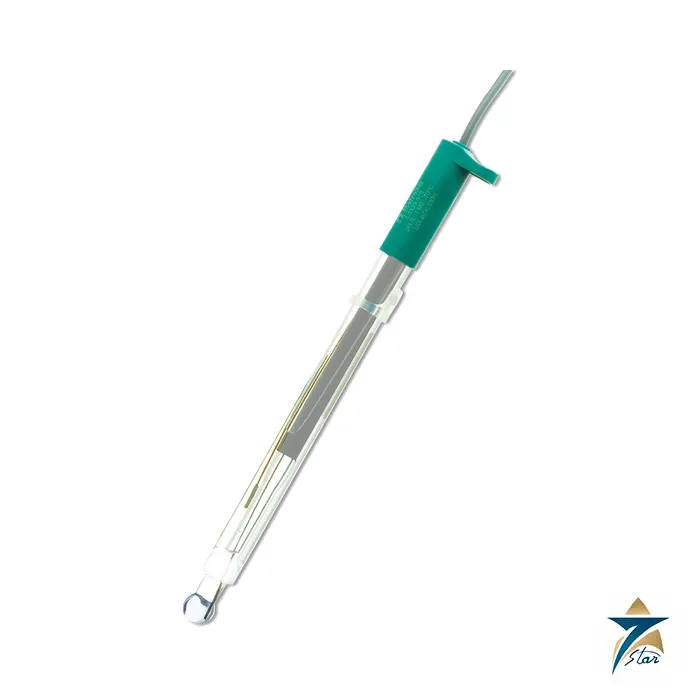
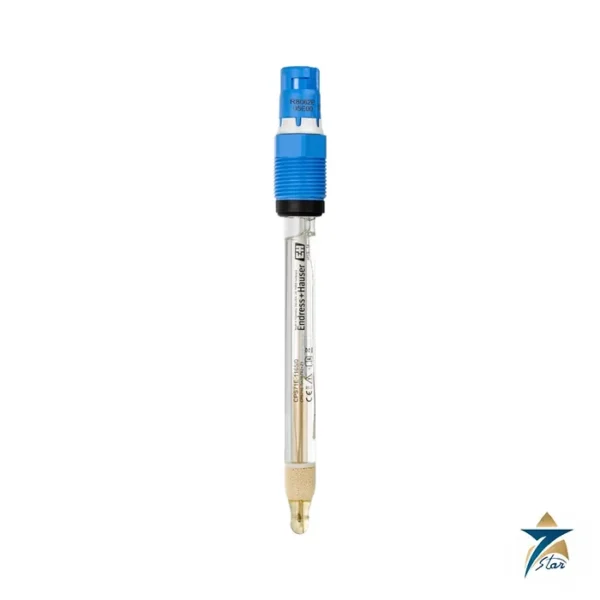
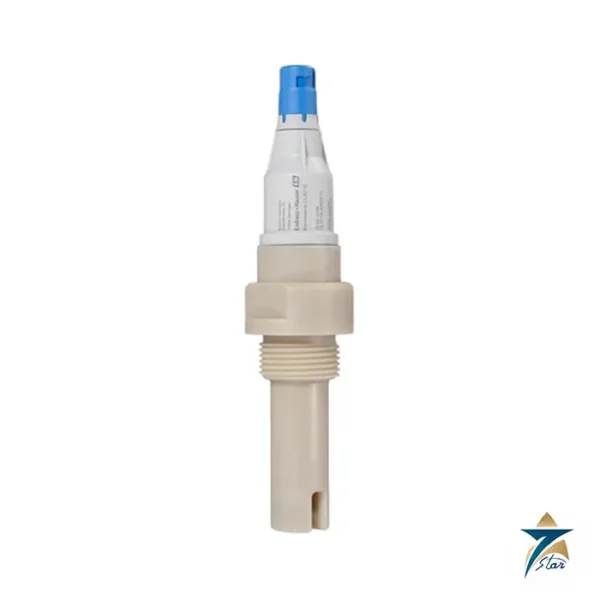
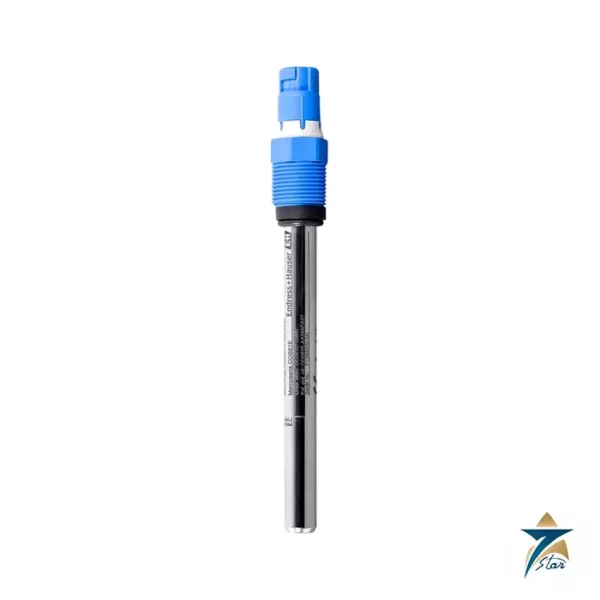
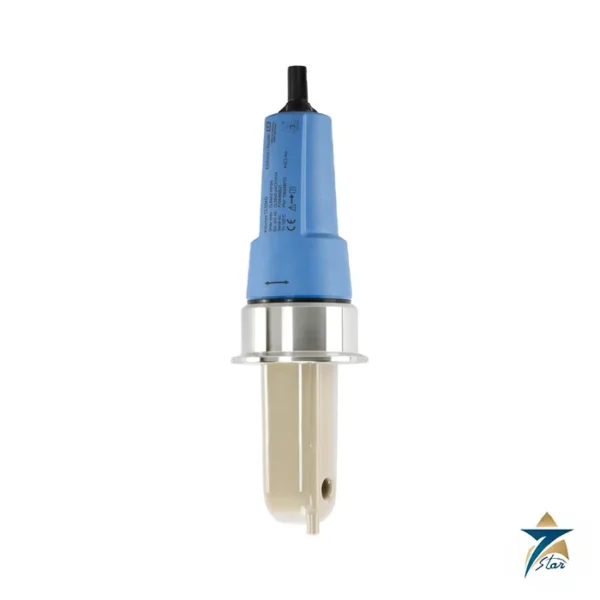
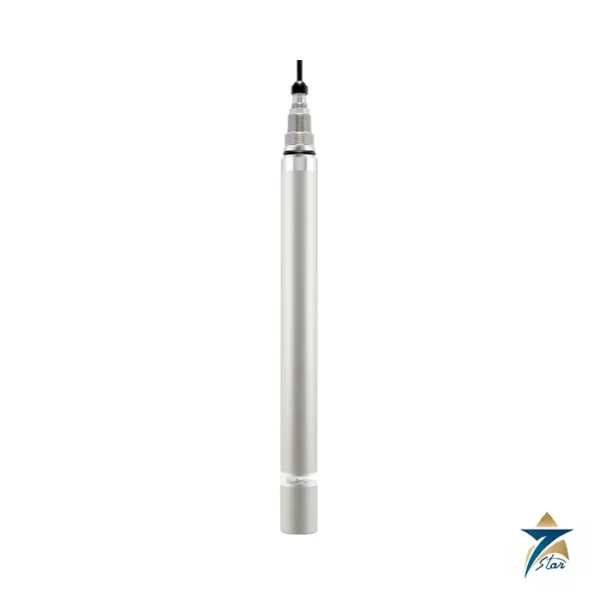
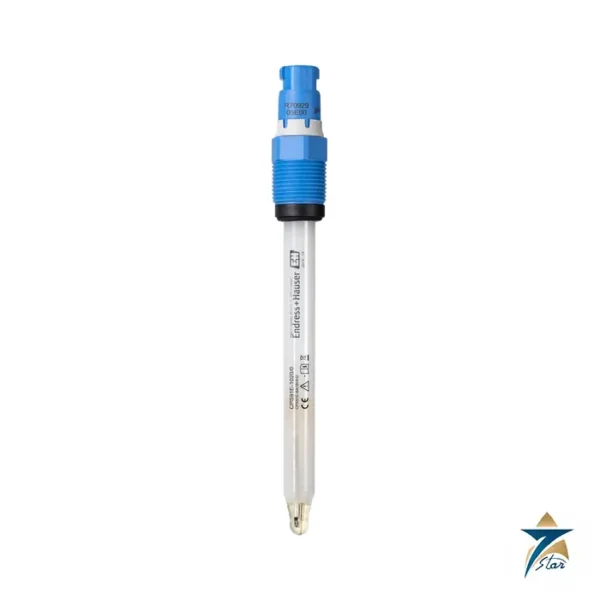
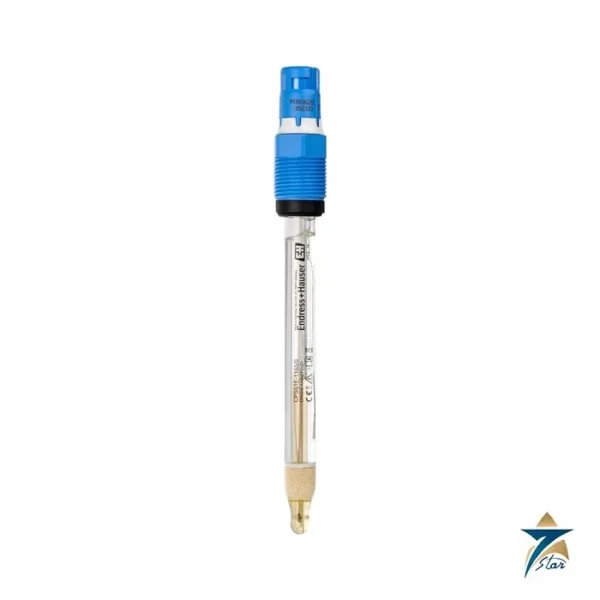
Few measuring tasks punish a glass electrode like used engine oil, and the Metrohm 6.0229.010 Solvotrode easyClean was developed for exactly that kind of sample. It is a combined pH electrode for non-aqueous acid-base titrations, with a glass membrane tuned for poorly conducting solutions and a diaphragm that can be flushed by a single press on the electrode head. The cable is fixed, 1.2 m long, and ends in a plug F. Seven Star LLC is an independent supplier serving Oman and the GCC.

For laboratories in the oil and gas sector this is the electrode behind total acid number and total base number titrations, where a titrant such as alcoholic KOH is added to a sample dissolved in a solvent mixture and the potential is followed.

Technical data of the Metrohm 6.0229.010 electrode

Property Value
Article number 6.0229.010 (6.0229.020 has a 2.0 m cable)
Membrane glass Type T
Indicator shape Sphere
Membrane resistance 40 to 150 megaohm
Zero point and slope 0 to 100 mV; slope above 0.90
pH range 0 to 14
Temperature range 0 to 70 degrees C, long and short term
Shaft Glass, 12 mm diameter, installation length 125 mm
Minimum immersion depth 20 mm
Diaphragm easyClean flexible ground-joint sleeve
Reference system LL system, saturated LiCl in ethanol
Electrolyte flow 3 to 50 microlitres per hour at 10 cm water column
Connection Fixed cable 1.2 m with plug F

What easyClean changes in daily work

A classic Solvotrode has a flexible ground-joint sleeve that the analyst loosens by hand to renew the electrolyte, which means touching a wet, contaminated surface. In the easyClean version, pressing the electrode head makes electrolyte flow out and wash the diaphragm without any contact. Metrohm points out that the spring in the head returns to a defined starting position, so the electrolyte flow is more accurate and reproducible, and that the immersion depth of the sensor is reduced. A minimum immersion depth of 20 mm means small beakers can be used.

How 6.0229.010 differs from other Solvotrode versions

The only difference between 6.0229.010 and 6.0229.020 is the fixed cable: 1.2 m against 2.0 m. Compared with the earlier non-easyClean Solvotrode, the diaphragm is the main change, and compared with the iTrode versions, the memory chip for calibration history is absent from this plug F model. Keep these facts in mind when you replace an electrode inside an existing system.

Using Metrohm 6.0229.010 for TAN and TBN work

The electrode test for a Solvotrode can be performed on the 780 or 781 pH/Ion Meter, or on a Titrando with Touch Control or tiamo, by choosing the non-aqueous electrode type; the test conforms to ASTM D 664. If you test it with another pH meter, the potential difference between pH 4 and pH 7 buffers must be at least 162 mV at 25 degrees C. Because the membrane resistance of 40 to 150 megaohm is moderate, response in poorly conducting solvents remains fast.

Choosing the glass and the reference system

The membrane glass of type T is selected for poorly conducting media, and the sphere-shaped indicator gives a large, forgiving surface. The reference is listed as an LL system, and the electrolyte flow is specified between 3 and 50 microlitres per hour at a 10 cm water column, a value that keeps the electrolyte from diluting the sample while still keeping the diaphragm wet. The zero point lies between 0 and 100 mV and the slope is above 0.90, which are looser limits than the aqueous electrodes of the range because the response in organic solvents is naturally less ideal. When you evaluate a result, always apply a calibration or electrode test that corresponds to the non-aqueous type and not the standard type, because the electrode test offers separate types for standard, gel and non-aqueous electrodes.

Applications in Oman and the GCC

Lubricant laboratories at refineries, power stations and drilling sites use the electrode for acid and base number of oils, and fuel laboratories for acidity in biodiesel and blends. Pharmaceutical and chemical plants use it for titrations in alcohols, ketones and glacial acetic acid. Used oil, which fouls ordinary diaphragms, is a good match for the easyClean design.

Practical tips from the laboratory bench

Run the electrode test immediately after unpacking, as the leaflet advises, and note the date so that ageing can be tracked. Before the test, condition the glass membrane in water and let a little electrolyte flow out. Keep the filler opening open during measurement so that the electrolyte can flow, and refill to the opening when the level has dropped. Between samples of used oil, rinse the sleeve area with a suitable solvent and then with distilled water, press the head to flush the diaphragm and wipe the shaft with a lint-free tissue.

Electrolyte and storage

The electrode is delivered with saturated lithium chloride in ethanol. For alkaline titrants Metrohm recommends tetraethylammonium bromide at 0.4 mol/L in ethylene glycol, and for acidic titrants lithium chloride at 2 mol/L in ethanol. Store the electrode deeper than the diaphragm in the electrolyte used, never dry, and keep the filler opening closed. Do not fill the electrode with lithium perchlorate in glacial acetic acid, because this corrodes the head and causes a short circuit.

Care and troubleshooting

Do not place the electrode in an ultrasonic bath. If the diaphragm jams, immerse the electrode in hot water up to 70 degrees C, optionally with a little detergent, or leave it overnight in cola. The sleeve is made of PCTFE and has limited resistance to ether, benzene, chloroform, xylene, THF and some other solvents, so check the compatibility of your solvent. Between titration series rinse the electrode with distilled water.

Ordering Metrohm 6.0229.010

Please quote the Metrohm 6.0229.010 and the cable length, tell us which titrator or pH meter it will connect to and whether you also need the electrolyte. Seven Star LLC can include titrant, solvents and consumables in the same offer for Oman and the GCC.

Related items you may also need: Metrohm 916 Ti-Touch Compact Potentiometric Titrator | Metrohm 2035 Process Analyzer | Metrohm 888 Titrando Potentiometric Titrator | All Metrohm products.

Documents and quotation

The manufacturer leaflet for the Solvotrode is attached as the datasheet. Send your RFQ with the part number Metrohm 6.0229.010, quantity and your delivery location in Oman or the GCC, and we will respond with availability and lead time.

Datasheets & Documents
  • PDF Datasheet Metrohm 6.0229.010 Solvotrode easyClean Non-Aqueous pH Electrode Datasheet Download
Reviews (0)

Reviews

There are no reviews yet.

How would you rate this product?

It takes about 10 seconds — just tap a star. Your email is never published.

About brand

Metrohm is a Swiss maker of instruments for chemical analysis, founded in 1943 by Bertold Suhner in Herisau, where it is still headquartered. It is best known for titration and also makes ion chromatography, electrochemistry, spectroscopy and process analysers. Metrohm is owned by a foundation.

Seven Star LLC lists the Metrohm 905 Titrando, the 916 Ti-Touch and the 2035 Process Analyzer, and supplies Metrohm instruments and accessories to laboratories and plants in Oman and the GCC.

Metrohm company profile

Founded 1943, Herisau, Switzerland
Founder Bertold Suhner
Headquarters Herisau, Switzerland
Ownership Metrohm Foundation
Product families Titrando and Ti-Touch titrators, ion chromatography systems, 2035 and 2060 process analysers, electrodes

Metrohm instruments listed here

The 905 Titrando is a high-end potentiometric titrator for use with Dosino dosing units. It runs dynamic (DET), monotonic (MET) and set endpoint (SET) titrations, takes up to four 800 Dosino units, recognizes intelligent iTrode electrodes, and is operated from tiamo or OMNIS software or a Touch Control. The 2035 Process Analyzer is an online wet-chemistry analyzer for automatic analysis of samples drawn from the process.

Metrohm products we list

Family Examples
Liquid Analytical Systems 2035 Process Analyzer, 905 Titrando Potentiometric Titrator, 916 Ti-Touch Compact Potentiometric Titr…

Ordering Metrohm equipment: what we need

Metrohm article numbers follow a fixed pattern (the 905 Titrando is 2.905.0010), and that number is the best reference for instruments, electrodes and accessories. For a new application, tell us the sample, the parameter and its concentration range, the method or standard you follow, and for a process analyzer the number of sample streams and the signals your control system needs.

Facts checked against Metrohm's published company history, October 2026.

FAQ

Questions about the Metrohm 6.0229.010 Solvotrode easyClean Non-Aqueous

Answers from our engineering team on installation, compatibility and integration.

01What is the Metrohm 6.0229.010 electrode used for?
It is a combined pH glass electrode for non-aqueous acid-base titrations, including heavily contaminated samples such as used oil.
02What does easyClean mean on the 6.0229.010 Solvotrode?
Pressing the electrode head releases electrolyte to flush the diaphragm, so the diaphragm is cleaned without touching it.
03Which reference electrolyte does the 6.0229.010 contain?
It is delivered with saturated lithium chloride in ethanol; tetraethylammonium bromide in ethylene glycol is recommended for alkaline titrants.
04What cable length does the 6.0229.010 have?
It has a fixed cable of 1.2 m with plug F; article 6.0229.020 is the same electrode with a 2.0 m cable.
05What temperature range does the 6.0229.010 electrode tolerate?
The specified range is 0 to 70 degrees C for both long-term and short-term use, with a pH range of 0 to 14.