Brand:

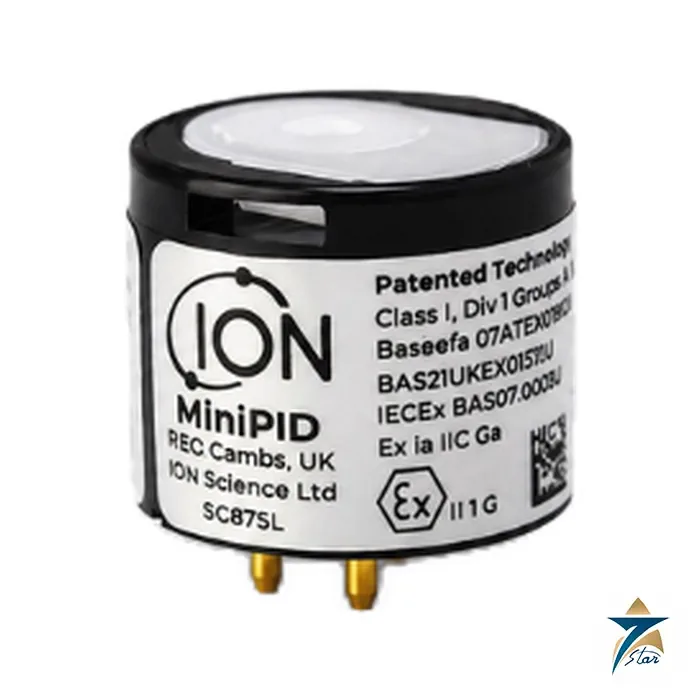
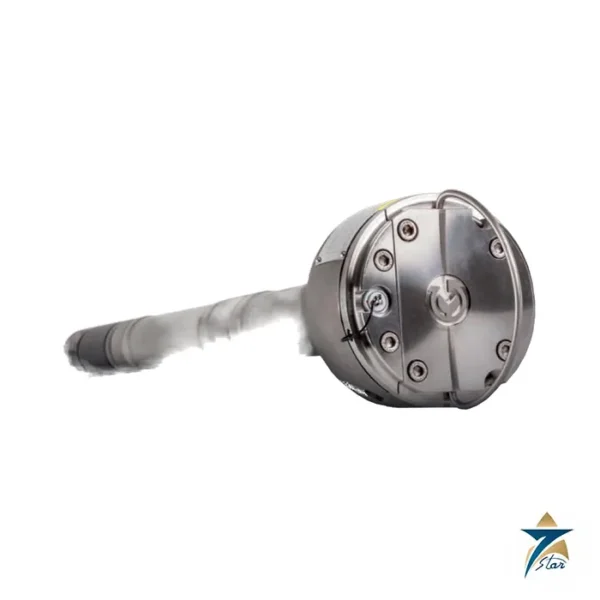
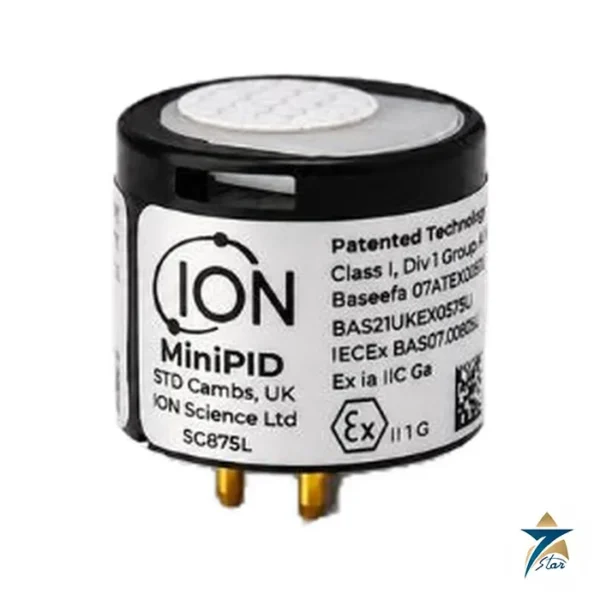
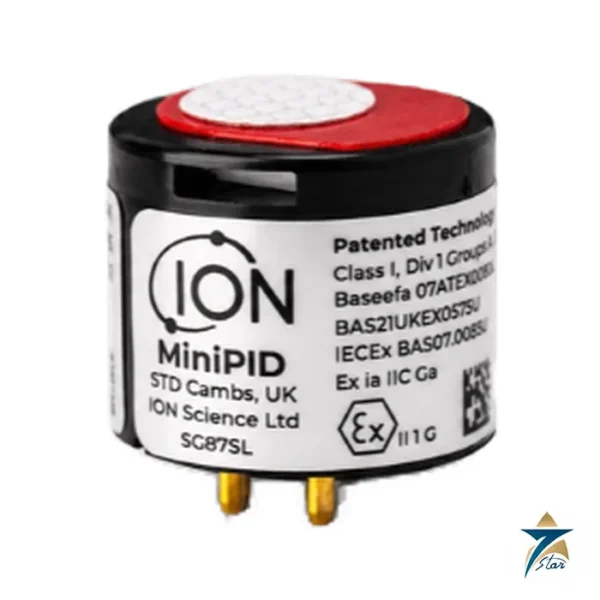
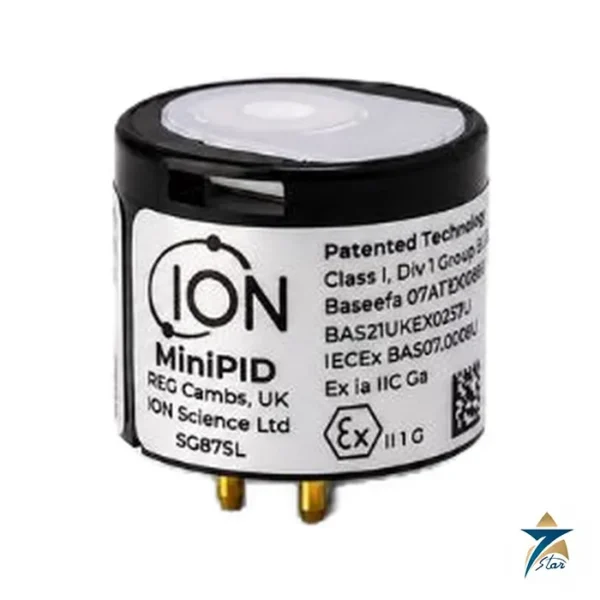
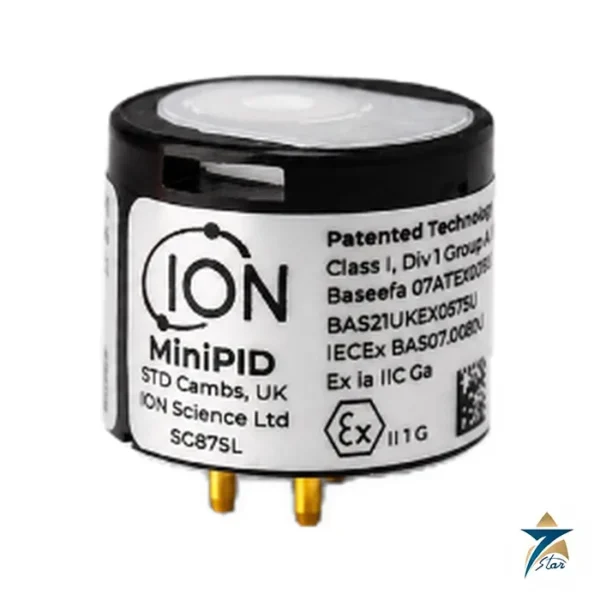
ION Science MiniPID 2 11.7 eV High-Energy PID Gas Sensor

Description

Overview

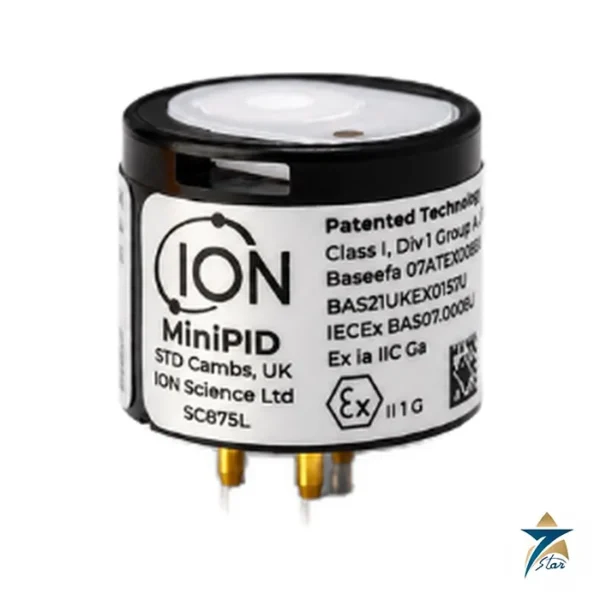
The ION Science MiniPID 2 11.7 eV carries a lamp with a photon energy higher than any of the other sensors in the MiniPID 2 family, and the datasheet states that the 11.7 eV lamp is only available from ION Science. The extra energy extends detection to compounds that a 10.6 eV lamp cannot ionise: chlorocarbons, unsaturated fluorocarbons, formaldehyde, ethylene and methanol. Seven Star LLC is an independent supplier serving Oman and the GCC. This page summarises what the datasheet says about the sensor and what to consider when specifying it.

Reaching the hard-to-ionise gases

Many solvents used in industry, such as methylene chloride, carbon tetrachloride and some refrigerants, have ionisation energies above 10.6 eV and are invisible to the common PID lamp. Formaldehyde and methanol sit in the same zone, as does ethylene, which matters in food storage. With the 11.7 eV lamp those compounds become measurable, with a minimum detection limit of 100 ppb and a range above 100 ppm. The price is lifetime: the datasheet gives the lamp life as 300 to 500 hours of continuous illumination, far below the 10,000 hours of the 10.6 eV lamps, and the warranty is stated for the MiniPID 2 body only.

Datasheet table for ION Science MiniPID 2 11.7 eV

Item Value
Electrode stack colour white
Lamp energy 11.7 eV
Minimum detection limit 100 ppb
Range more than 100 ppm
T90 response time less than 8 seconds
Sensitivity more than 1 mV/ppm
Warranty MiniPID 2 body, 12 months
Supply voltage, internal regulator 3.6 to 18 V (10 to 18 V when not intrinsically safe)
Supply voltage, regulated supply 3 to 3.6 V
Current 20 to 32 mA, 130 mA for 100 ms at start-up
Power consumption 100 mW at 3.3 V
Output signal 0 to rail voltage minus 0.1 V
Temperature range minus 40 to plus 65 degrees C
Humidity range 0 to 99 percent RH, non-condensing
Sensor body life more than 5 years
Lamp life 300 to 500 hours of continuous illumination
Package Series 4/A
Order codes MP3SB7BBU2 (3.2 to 3.6 V), MP3SB7BCU2 (3.6 to 10.0 V), MP3SB7BNU2 (3.6 to 18 V)
Hazardous area approvals ATEX II 1G Ex ia IIC Ga and IECEx Ex ia IIC Ga, minus 40 to plus 55 degrees C ambient at 1.1 W; UL913 Class I, II, III Division 1; EAC

Applications for the ION Science MiniPID 2 11.7 eV

  • Industrial health and safety and indoor air quality
  • Pharmaceutical processes and chromatography detectors
  • Fruit ripening and storage, where ethylene is the marker gas
  • Agriculture

In the Gulf, cold chains for imported fruit, date storage rooms, pharmaceutical warehouses and solvent handling in paint and chemical plants all involve gases in this energy band. A designer of ripening-room controllers can use the sensor to track ethylene, and a laboratory instrument maker can use it as a detector for gas chromatographs.

How MiniPID 2 11.7 eV differs from the other MiniPID 2 sensors

Sensitivity is the first difference: more than 1 mV per ppm, compared with more than 30 mV per ppm for the PPB sensor, which is why the detection limit is 100 ppb rather than 1 ppb. Lamp life is the second: 300 to 500 hours instead of 10,000 hours, which raises running costs. Third, the supply options show only three order codes, because no 3.0 to 3.2 V version is listed. In exchange, the sensor sees compounds that every other lamp misses, so it is chosen for what it can detect, not for its sensitivity or its economy.

Electrical and environmental details

The sensor can be supplied from 3.6 to 18 V through its internal regulator, or from 3 to 3.6 V on a regulated rail. Current is 20 to 32 mA with a 130 mA surge for 100 ms at start-up, and power consumption is 100 mW at 3.3 V. The output is a voltage up to the rail less 0.1 V. Temperature range is minus 40 to plus 65 degrees C, humidity is 0 to 99 percent without condensation, and the body life is more than five years. Approvals are ATEX II 1G Ex ia IIC Ga, IECEx, UL913 Class I, II, III Division 1 and Eurasian customs certification.

Planning for the short lamp life

A lamp that lasts 300 to 500 hours of illumination cannot be left on continuously in a permanent monitor without frequent replacement. Designers therefore often pulse the lamp or switch it on only for measurement windows, and they provide easy access to the lamp for service. Include lamp replacement in the maintenance plan and cost model, and store spare lamps in a dry place. Because the lamp wears faster, calibrate more often as well, and use a calibration gas appropriate for the high-energy region, since response factors differ from those of the 10.6 eV lamp.

Selecting the lamp energy

Make the lamp decision from the target compound, not from a catalogue habit. Look up the ionisation energy of each gas that must be measured. If all of them lie below 10.6 eV, the standard lamp is cheaper to run and far more sensitive. If one lies between 10.6 and 11.7 eV, only this lamp will see it. Check also for interferences: a high-energy lamp ionises almost everything organic, along with some inorganic gases such as ammonia, so the reading is non-specific and cross-sensitivity must be evaluated in the real atmosphere. Where the process involves several of these gases at once, laboratory analysis is a sensible cross-check, and a filter or a gas chromatography column ahead of the sensor can add the selectivity that the lamp alone cannot supply.

Support kits

ION CONNECT offers UART and I2C communication with ION PC software for calibration, alarms and response factors, and ION TRANSMIT adds RS-485 Modbus RTU and 4 to 20 mA outputs. These kits let a prototype be built in a day from the sensor alone.

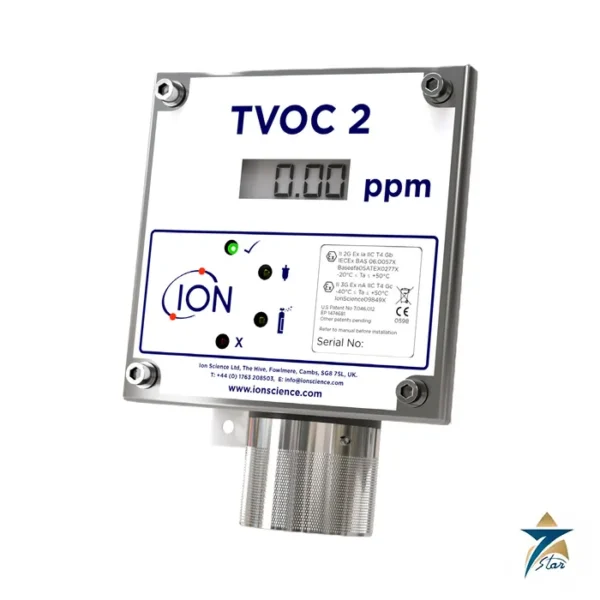
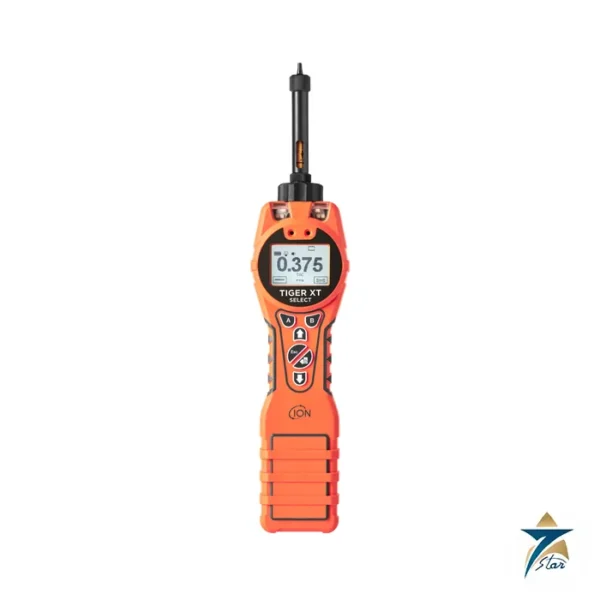
Related items you may also need: ION Science Titan 2 Fixed Benzene Monitor | ION Science Tiger XT Handheld VOC Detector | Gent 74430-88NM Electronic Solenoid Bell Range | All ION Science products.

Before you order the ION Science MiniPID 2 11.7 eV

  • To avoid a wrong delivery, compare the code on the nameplate of the installed unit with the ION Science MiniPID 2 11.7 eV code on this page.
  • The quotation for the ION Science MiniPID 2 11.7 eV states the confirmed code and the lead time to site.
  • The attached manufacturer datasheet covers the ION Science MiniPID 2 11.7 eV ratings, dimensions and installation details.
  • Delivery of the ION Science MiniPID 2 11.7 eV is arranged to project sites in Oman and across the GCC, alongside the rest of our fire & gas detectors range.
  • A spare ION Science MiniPID 2 11.7 eV on the shelf is a simple way to protect critical service from long lead times.

Documents and quotation

The ION Science MiniPID 2 11.7 eV datasheet from the manufacturer shows the specifications, order codes and approvals. We include the sensor datasheet with this page; it shows the drawings and the order codes. Send your RFQ stating the model, the order code that matches your supply voltage, the quantity, and your delivery location in Oman or the GCC.

Other Models in the MiniPID2 Range

Seven Star LLC supplies models from the MiniPID2 range in Oman and the GCC. Compare the related models below and request a quote for the one that matches your application.

ModelCategory
ION Science MiniPID 2 PPB VOC PID Gas SensorFire & Gas DetectorsView details
ION Science MiniPID 2 PPB WR Wide-Range PID Gas SensorFire & Gas DetectorsView details
ION Science MiniPID 2 PPB XF Long-Life PID Gas SensorFire & Gas DetectorsView details
ION Science MiniPID 2 HS High-Sensitivity PID Gas SensorFire & Gas DetectorsView details
ION Science MiniPID 2 10.0 eV BTEX Benzene PID Gas SensorFire & Gas DetectorsView details
ION Science MiniPID 2 11.7 eV High-Energy PID Gas SensorFire & Gas DetectorsYou are viewing this model
Datasheets & Documents
  • PDF Datasheet ION Science MiniPID 2 11.7 eV High-Energy PID Gas Sensor Datasheet Download
Reviews (0)

Reviews

There are no reviews yet.

How would you rate this product?

It takes about 10 seconds — just tap a star. Your email is never published.

About brand

ION Science is a British maker of gas detection instruments, based in Fowlmere, Cambridgeshire. It has been active since 1989 and is best known for photoionisation detectors (PIDs) that measure volatile organic compounds at low concentrations. Its portable and fixed instruments are used for worker exposure monitoring, leak detection and environmental surveys.

Seven Star LLC is an independent supplier in Muscat. We list ION Science detectors for oil and gas, petrochemical and environmental users in Oman and the GCC.

ION Science company profile

Active since 1989, United Kingdom
Head office Fowlmere, Cambridgeshire
Core technology Photoionisation detection (PID) with patented Fence Electrode design
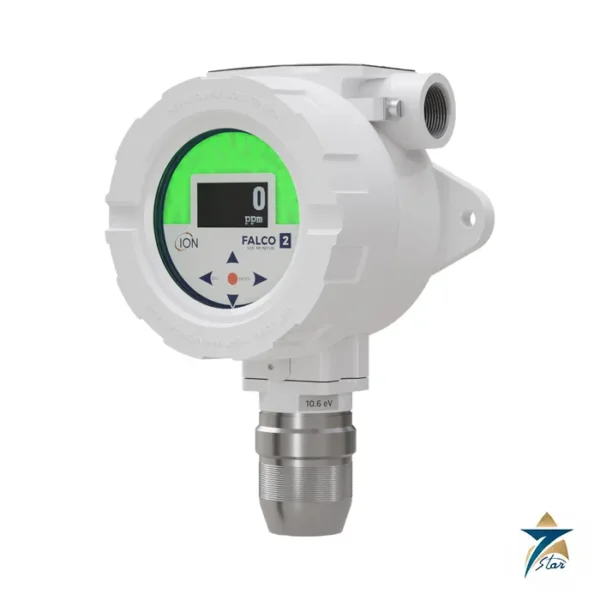
Product families Tiger XT and Cub portable PIDs, Titan benzene monitor, Falco fixed detectors

Milestones

  • 1989: ION Science begins operating.
  • 1998: Patents its PID sensor.
  • 2002: Patents the Fence Electrode for humidity-resistant PIDs.
  • 2017: Opens its head office in Fowlmere.

ION Science product series

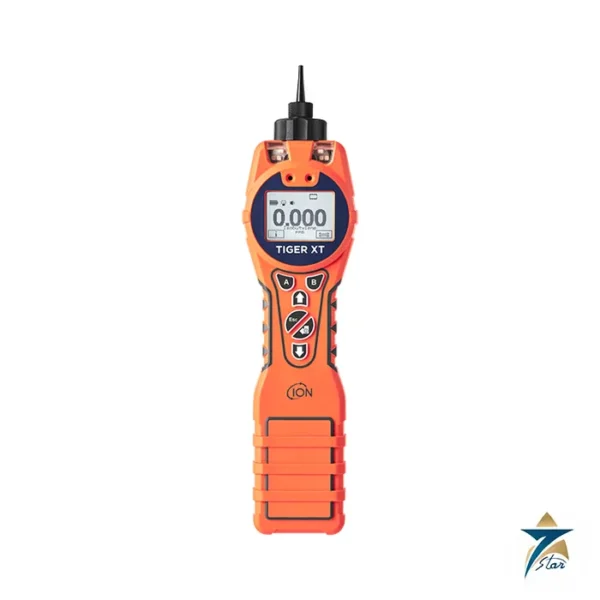
The Tiger XT is a handheld VOC detector for hazardous areas, and the Titan 2 is a fixed benzene monitor.

A PID uses ultraviolet light to ionise volatile organic compounds and measures the resulting current, which allows detection down to ppb levels. Response factors convert the reading for each specific compound. General VOC detectors measure the total, while benzene-specific monitors separate benzene from other hydrocarbons, which matters because benzene has very low exposure limits.

Where ION Science detectors are used

Leak detection, confined space entry checks, worker exposure monitoring, refinery and terminal benzene monitoring, and environmental and soil surveys.

Ordering ION Science detectors: what we need

Send the model, the compounds and ranges, lamp type, hazardous-area requirement and accessories such as probes, filters and calibration kits.

Facts checked against ION Science's published company history, October 2026.

FAQ

Questions about the ION Science MiniPID 2 11.7 eV High-Energy PID Gas

Answers from our engineering team on installation, compatibility and integration.

01Which compounds can the ION Science MiniPID 2 11.7 eV detect that others cannot?
Its 11.7 eV lamp extends detection to chlorocarbons, unsaturated fluorocarbons, formaldehyde, ethylene and methanol according to the datasheet.
02What is the lamp life of the MiniPID 2 11.7 eV?
The datasheet gives 300 to 500 hours of continuous illumination, much shorter than the 10,000 hours of the 10.6 eV versions, so plan for lamp replacement.
03What detection limit does the MiniPID 2 11.7 eV have?
The minimum detection limit is 100 ppb, with a range above 100 ppm, T90 under 8 seconds and sensitivity above 1 mV per ppm.
04Which order codes exist for the MiniPID 2 11.7 eV?
MP3SB7BBU2 for 3.2 to 3.6 V, MP3SB7BCU2 for 3.6 to 10.0 V and MP3SB7BNU2 for 3.6 to 18 V.
05What applications does the datasheet list for the 11.7 eV sensor?
Industrial health and safety, indoor air quality, pharmaceutical, fruit ripening and storage, chromatography and agriculture.