Samson 42-25 differential pressure regulator with adjustable set point
The Samson 42-25 is a self-operated differential pressure regulator that holds a chosen pressure difference between two points of a liquid, steam or gas system without any electrical or pneumatic auxiliary energy. It is built from the balanced Type 2422 valve and the Type 2425 actuator, which opens the valve when the measured differential pressure rises above the set point. The 42-25 is the version with a wide, adjustable set point range from 0.05 to 10 bar. Seven Star LLC supplies the Samson 42-25 in Oman and the GCC as an independent supplier based in Muscat.
The designation can be read in three parts. “42” is the regulator series. The first suffix digits identify the actuator behaviour: the 42-25 and its fixed-set-point sibling 42-20 open on rising differential pressure, while the 42-24 and 42-28 close on rising differential pressure. The valve underneath is always the Type 2422 in the 42-25, available in nominal sizes DN 15 to DN 250, pressure ratings PN 16, 25 and 40, and with the plug balanced either by a stainless steel bellows or, from DN 65, by a diaphragm.
Because the regulator is medium-controlled, the pressure being regulated moves the operating diaphragm directly. That makes it a robust, low-noise proportional device that needs little maintenance, which is why it is widely used in district heating, chilled and hot water loops and industrial process circuits.
42-25 technical specifications
| Parameter |
Specification |
| Manufacturer / part number |
Samson / 42-25 (Type 2422 valve with Type 2425 actuator) |
| Function |
Differential pressure regulator, valve opens when differential pressure rises |
| Set point range |
0.05 to 10 bar, adjustable at the set point nut |
| Standard set point sub-ranges |
0.05–0.25, 0.1–0.6, 0.2–1, 0.5–1.5, 1–2.5, 2–5 and 4.5–10 bar |
| Actuator areas |
80, 160, 320 and 640 cm² |
| Nominal size |
DN 15 to DN 250 |
| Pressure rating |
PN 16, 25, 40 |
| Media and temperature |
Liquids and vapors 5 to 350 °C (steam and liquids to 220 °C with compensation chamber; steam only with bellows-balanced valve); air and non-flammable gases up to 80 °C |
| Max. operating pressure at actuator |
40 bar for 80 to 320 cm²; 40 and 16 bar for 640 cm²; 40 or 25 bar with two-diaphragm actuator |
| Leakage class (IEC 60534-4) |
≤0.05 % of KVS coefficient |
| Valve body materials |
Cast iron EN-GJL-250, spheroidal graphite iron EN-GJS-400-18-LT, cast steel 1.0619, cast stainless steel 1.4408, forged stainless steel 1.4404 |
| Operating diaphragm |
EPDM with fabric reinforcement; FKM only in the two-diaphragm special version |
How the 42-25 regulates differential pressure
The medium flows through the Type 2422 valve in the direction of the arrow on the body. The position of the plug decides how large an annular area is open between plug and seat, and therefore how much pressure the valve consumes. The plug is balanced, so the forces from the upstream and downstream pressures cancel on the plug. In the bellows version this is done by a stainless steel balancing bellows; in the diaphragm version (DN 65 to DN 250) a balancing diaphragm with the downstream pressure below it and the upstream pressure above it does the same job.
The two pressures whose difference you want to control are brought to the actuator through two control lines that are installed on site: the high pressure (+) on one side of the operating diaphragm and the low pressure (–) on the other. The resulting force is balanced by the set point springs. When the differential pressure climbs above the value dialled in at the set point nut (SW 27), the diaphragm force overcomes the springs and the valve begins to open, bleeding off the excess. When the differential pressure falls, the springs push the plug back toward the seat.
In the 42-20, the fixed-set-point sibling, the springs are chosen at the factory for 0.2, 0.3, 0.4 or 0.5 bar and there is no field adjustment. The 42-25 is therefore the better choice when the plant will be balanced during commissioning or when the required differential pressure may change over the life of the system.
Where the 42-25 fits: typical circuits and related Samson types
The datasheet shows two classical installations. In a bypass pipe, the 42-25 is mounted parallel to a pump or a group of consumers so that surplus flow is returned when the differential pressure across the consumers becomes too high. In a short-circuit pipe between flow and return, it limits the differential pressure available to a downstream control valve and thereby protects that valve from excessive pressure drop and noise.
Within the same Series 42 you will meet these related designations: the 42-20 (opening, fixed set point), the 42-24 (closing, adjustable set point, installed in the flow or return pipe), the 42-28 (closing, fixed set point) and the 42-36 flow regulator. All of them share the Type 2422 or 2423 family of balanced valves, so spare parts philosophy and installation practice are similar. Required accessories such as compression fittings, needle valves, compensation chambers and control lines are covered in a separate accessory datasheet, and the datasheet recommends a strainer such as the Samson Type 2 NI upstream of the valve.
42-25 valve sizing data for bellows-balanced valves
The table below gives the standard KVS coefficients, overall lengths and permissible differential pressures for the bellows-balanced Type 2422 valve used in the 42-25. Reduced KVS values are available for most sizes.
| DN |
Overall length L (mm) |
KVS (standard) |
Max. differential pressure Δp |
| 15 |
130 |
4.0 |
25 bar |
| 20 |
150 |
6.3 |
25 bar |
| 25 |
160 |
8.0 |
25 bar |
| 32 |
180 |
16 |
25 bar |
| 40 |
200 |
20 |
25 bar |
| 50 |
230 |
32 |
25 bar |
| 65 |
290 |
50 |
20 bar |
| 80 |
310 |
80 |
20 bar |
| 100 |
350 |
125 |
16 bar |
| 125 |
400 |
190 |
12 bar |
| 150 |
480 |
280 |
12 bar |
| 200 |
600 |
420 |
10 bar |
| 250 |
730 |
500 |
10 bar |
For the diaphragm-balanced version, available from DN 65 to DN 250, the datasheet lists KVS values of 50, 80, 125, 250, 380, 650 and 800 respectively. The valve is sized per IEC 60534 with FL = 0.95 and XT = 0.75. Always size the regulator for the real minimum and maximum flow, not only for the design point, because a valve that is too large will work near its seat and a valve that is too small will not hold the set point at peak load.
Selection and ordering checklist for the 42-25
The datasheet ordering text asks for a short list of parameters. Collect the following before requesting a quotation for the 42-25:
- Nominal size DN and whether the valve is balanced by a bellows or a diaphragm (steam requires the bellows version).
- Pressure rating PN 16, 25 or 40 and the required body material, for example cast iron, spheroidal graphite iron, cast steel or stainless steel.
- The set point or set point range in bar, so that the correct actuator area and spring set can be matched.
- Medium, minimum and maximum temperature, and whether a compensation chamber is needed above 150 °C for liquids.
- Maximum operating pressure and the highest differential pressure the valve must withstand.
- Accessories such as control lines, needle valves, compensation chambers and strainer.
- Special version requirements, for example two-diaphragm actuator, FKM diaphragm for mineral oils, deionized water, micro-trim for very small flow rates, or ANSI and JIS flanges.
Please remember that a differential pressure regulator controls only the pressure difference between its two tapping points. It does not control absolute pressure or flow rate, so check that the process objective really is a differential pressure.
Installing, commissioning and maintaining a 42-25
The valve, the actuator and the control lines are delivered unattached. Install the valve in a horizontal pipeline with the flow in the direction of the arrow, fit the actuator with the coupling nut, and then connect the control lines. The standard mounting position is with the actuator suspended downward, and this is the only position allowed for every version above 80 °C. A sideways position is permitted for bellows-balanced valves with a fixed plug guide and for all diaphragm-balanced versions, and an upright position is permitted for diaphragm-balanced versions and for small bellows-balanced valves up to DN 80 at no more than 80 °C.
During commissioning, flush the pipework first, open the isolating valves on the control lines slowly, and set the differential pressure at the set point nut while the system is running at a representative load. Re-check after the plant has reached operating temperature. Typical maintenance is limited to inspecting the strainer, checking the control lines for blockage, and replacing the operating diaphragm and seals at planned shutdowns. If a two-diaphragm actuator is fitted, the red diaphragm rupture indicator between the diaphragms shows a failure, and the datasheet recommends replacing both diaphragms after an indication.
Typical applications of the 42-25 in Oman and the GCC
In the Gulf region the 42-25 is most often found in chilled water and hot water circuits of large buildings, district cooling plants, hospitals and airports, where variable-speed pumps and zone control valves need a stable differential pressure across them. It is also applied in utility loops of power plants and desalination works, in cooling water circuits of petrochemical facilities, and in heating networks on industrial sites. Materials should be selected for the actual water chemistry: treated closed-loop water is well served by cast iron or spheroidal graphite iron, while brackish, seawater-influenced or aggressive circuits may justify stainless steel bodies. High ambient temperatures and dust affect the outside of the actuator rather than the control function, so protect the nameplate and indicator from heavy sand build-up and keep control line fittings tight.
42-25 versus the other Series 42 differential pressure regulators
| Type |
Valve action on rising Δp |
Set point |
Valve sizes |
| 42-25 |
Opens |
Adjustable 0.05 to 10 bar |
DN 15 to 250 |
| 42-20 |
Opens |
Fixed: 0.2, 0.3, 0.4 or 0.5 bar |
DN 15 to 100 |
| 42-24 |
Closes |
Adjustable 0.05 to 10 bar |
DN 15 to 250 |
| 42-28 |
Closes |
Fixed: 0.2, 0.3, 0.4 or 0.5 bar |
DN 15 to 100 |
Choose an opening regulator such as the 42-25 for bypass or short-circuit duty, where the valve should release flow when the differential pressure is too high. Choose a closing regulator such as the 42-24 for installation in the flow or return pipe, where throttling is needed to hold back excess differential pressure.
Information to send with a 42-25 RFQ
To quote correctly and quickly, send the part number 42-25 together with the DN, PN, body material, balancing type, set point range, medium and temperature, plus any accessory and special-version needs. If you are replacing an existing regulator, a photograph of the nameplate on the valve and the actuator is the fastest way to confirm the exact configuration. Mention the project name, the required delivery location and any inspection or documentation requirements so that we can reply with a complete offer.
Documents and quotation
A Samson datasheet for the 42-25 is attached on this page. It includes the principle of operation, technical data, materials, KVS table, dimensions and weights, and the ordering text.
Seven Star LLC is an independent supplier in Muscat and is not the manufacturer. Send us the part number 42-25 with your application data and we will confirm availability and lead time with your RFQ.
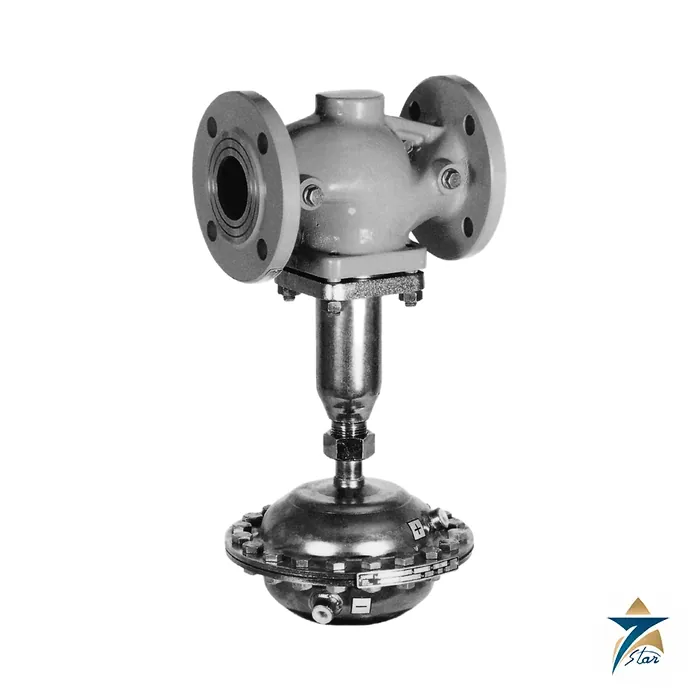
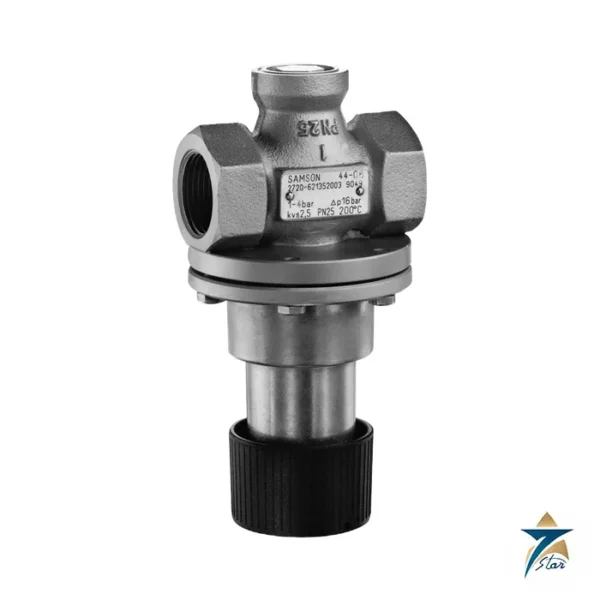
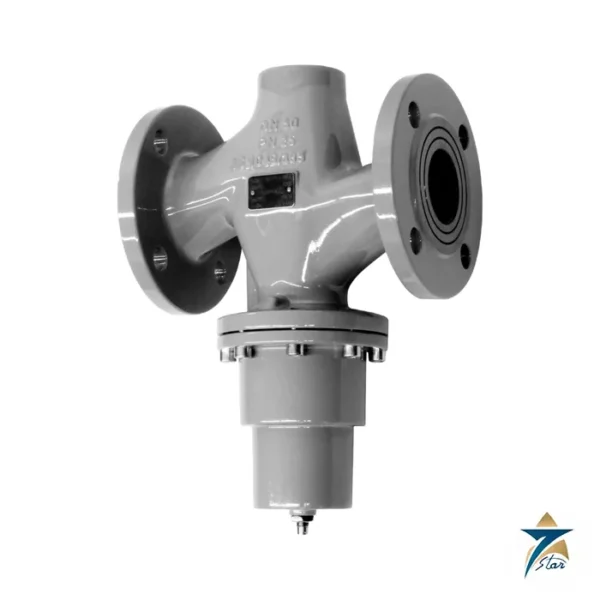
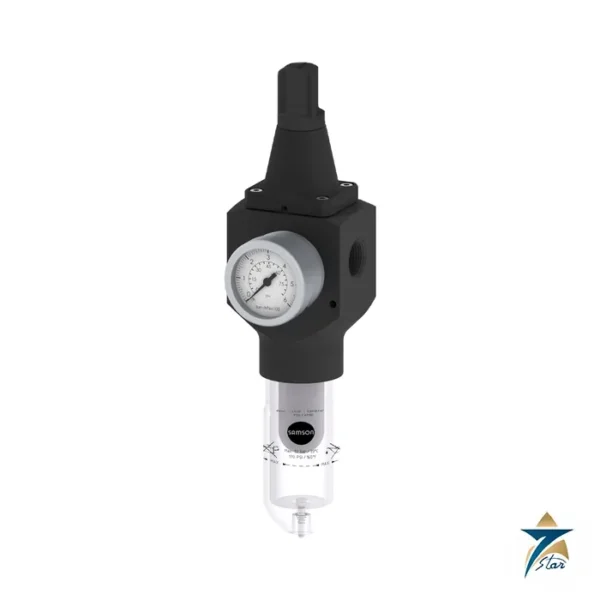
Other Models in the Samson Series 42 Range
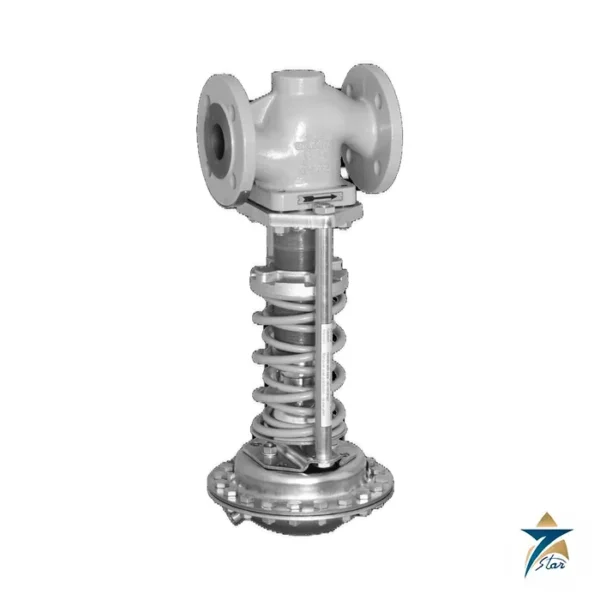
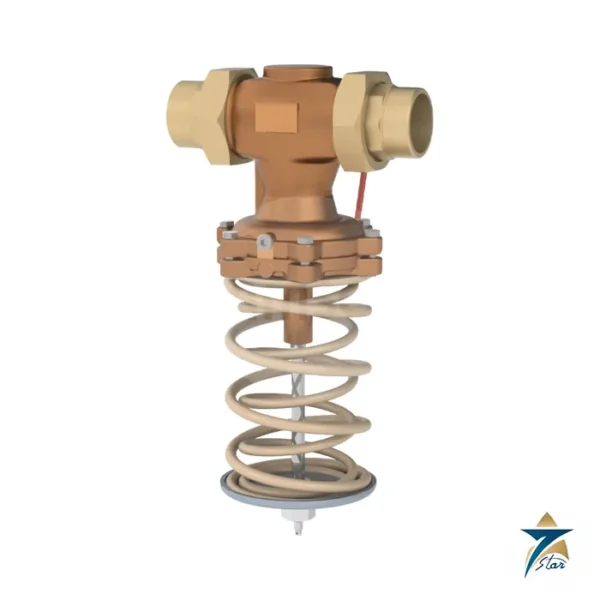
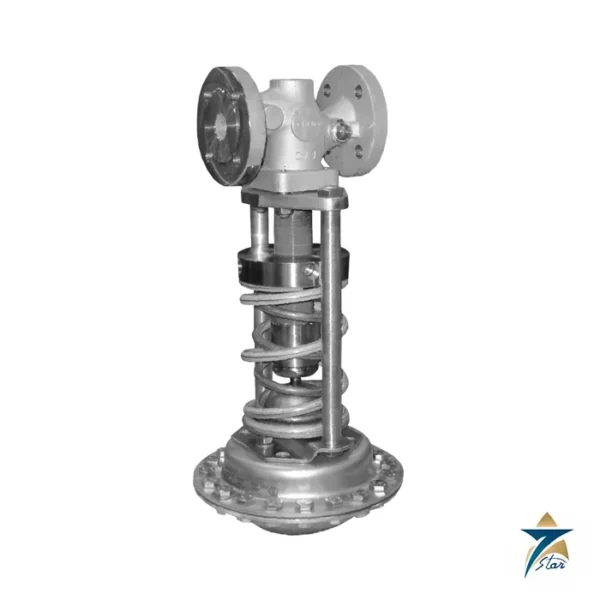
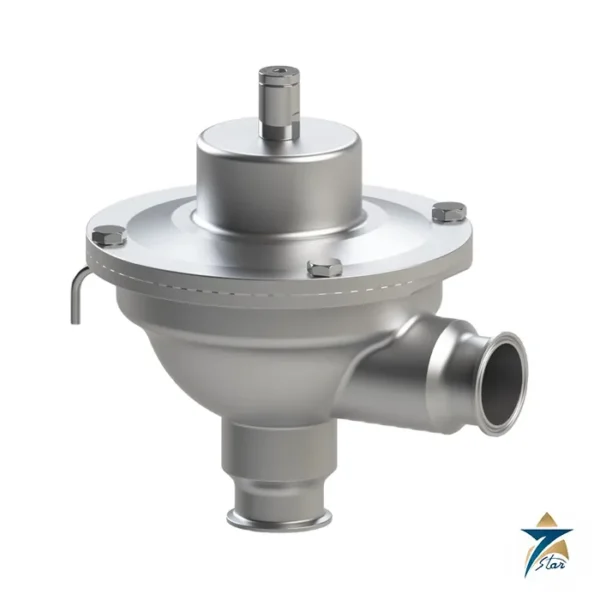
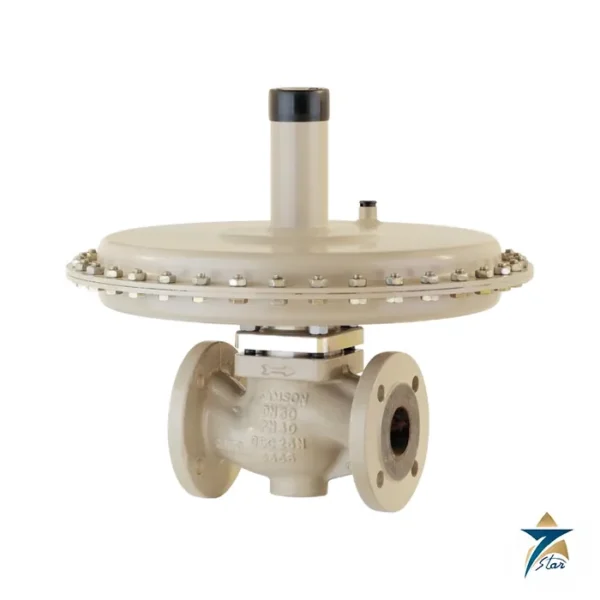
Seven Star LLC supplies models from the Samson Series 42 range in Oman and the GCC. Compare the related models below and request a quote for the one that matches your application.























Reviews
There are no reviews yet.