Brand:

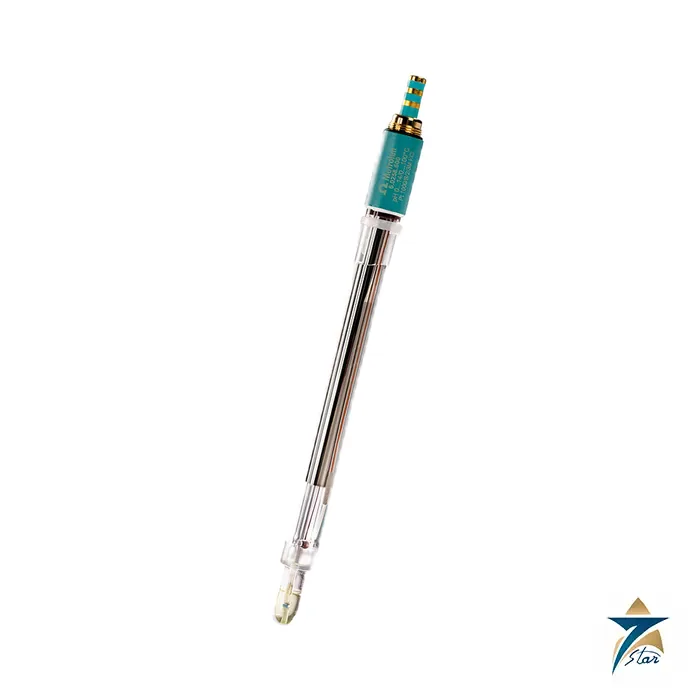
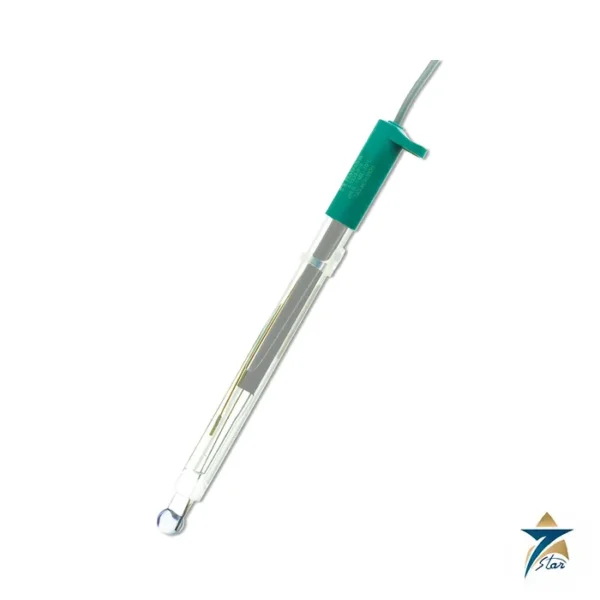
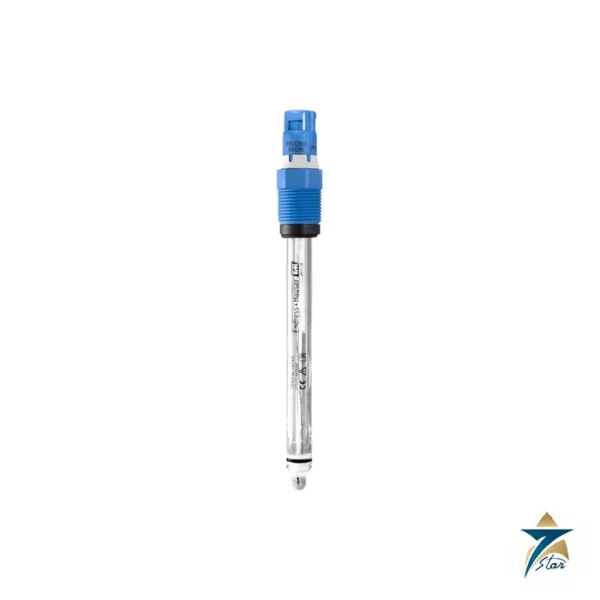
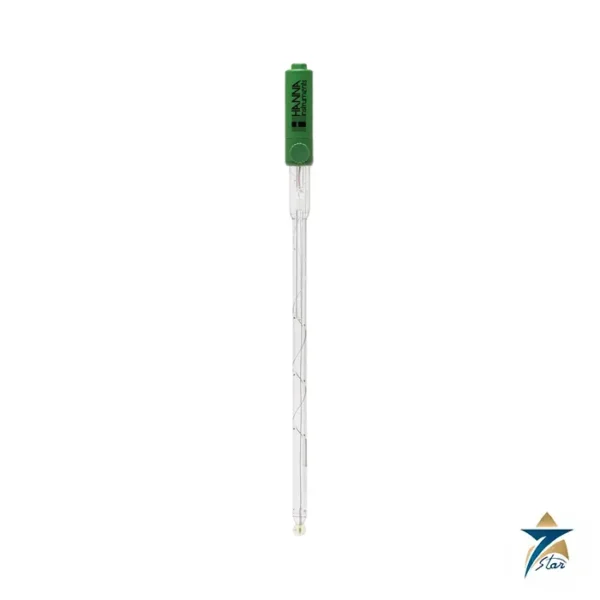
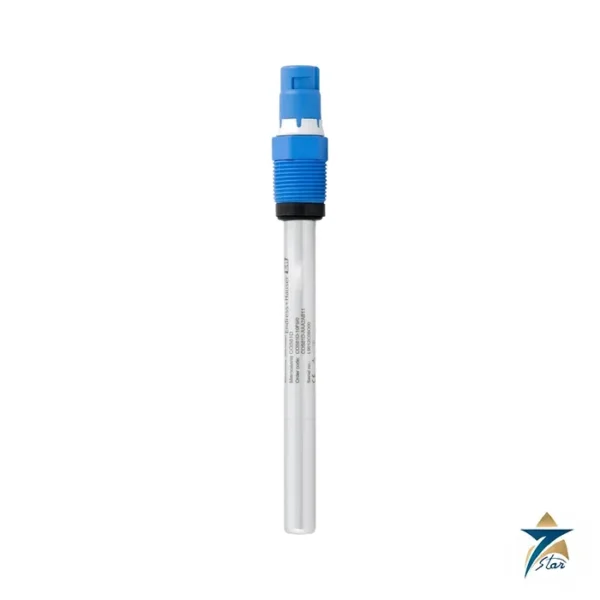
Metrohm 6.0258.600 Unitrode with Pt1000 pH Electrode

Description

Overview

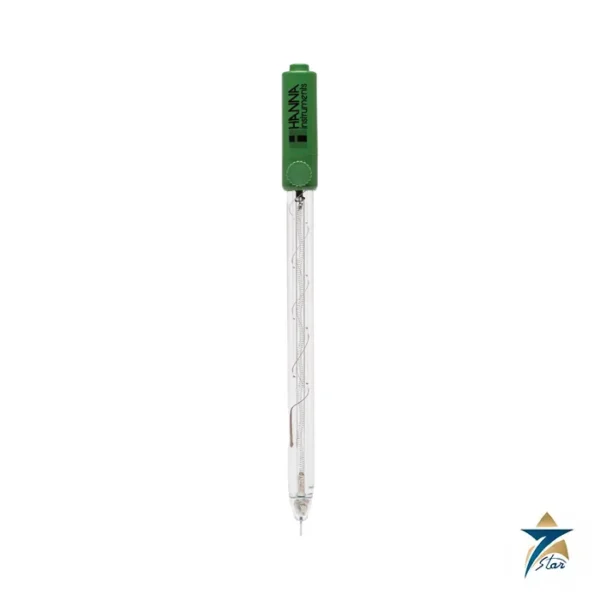
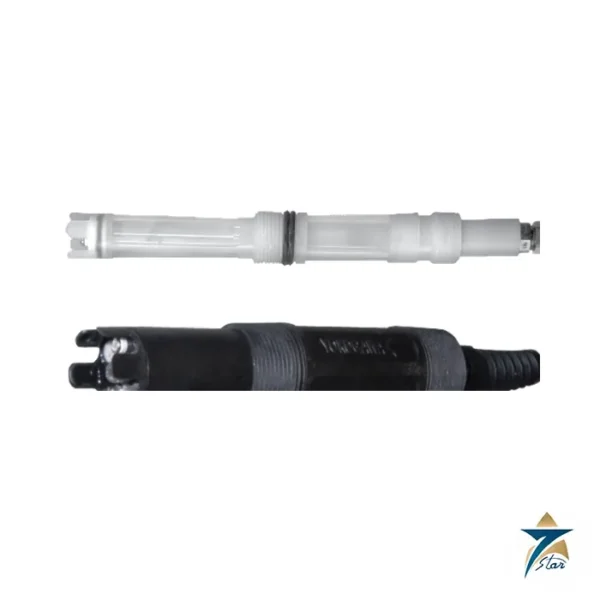
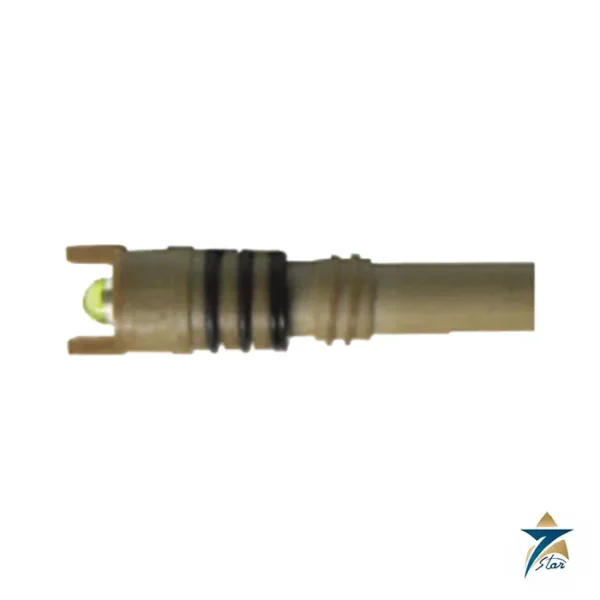
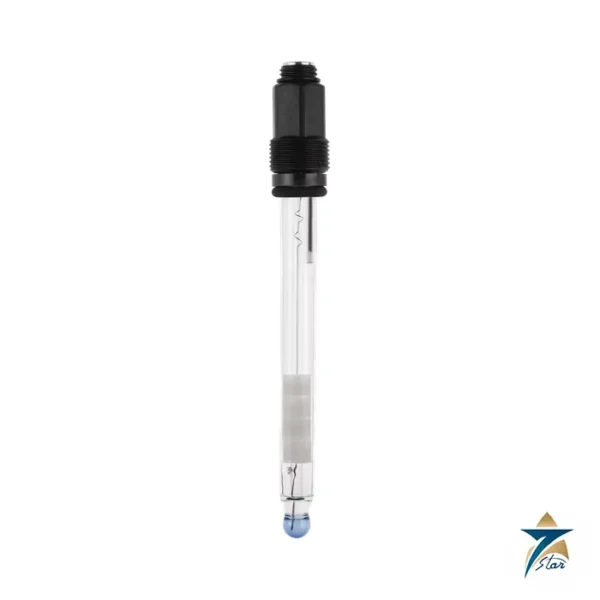
When samples are thick, alkaline, hot or full of suspended solids, an ordinary pH electrode clogs and drifts. The Metrohm 6.0258.600 Unitrode with Pt1000 is Metrohm’s answer: a combined pH glass electrode with a cylindrical membrane, a fixed ground-joint diaphragm that resists contamination, and a Pt1000 temperature sensor in the same shaft. It carries Metrohm plug-in head U and fits both titrators and pH meters of the maker. Seven Star LLC is an independent supplier serving Oman and the GCC.

Metrohm recommends this electrode for pH measurements and titrations in difficult, viscous or alkaline samples, at elevated temperatures and for long-term measurements.

Data sheet of Metrohm 6.0258.600

Characteristic Value
Article Unitrode with Pt1000, electrode head U
Membrane glass Type U, cylindrical indicator
Membrane resistance 150 to 500 megaohm
pH range 0 to 14
Temperature range 0 to 80 degrees C long term; 0 to 100 degrees C short term
Zero point and slope Plus or minus 15 mV; slope above 0.97
Temperature sensor Pt1000
Diaphragm Fixed ground-joint
Reference electrolyte 3 mol/L KCl, flow 5 to 30 microlitres per hour
Shaft Glass, 12 mm diameter, installation length 125 mm
Minimum immersion depth 25 mm
Plug-in head Metrohm plug-in head U

Why the cylinder and the fixed diaphragm matter

A cylindrical membrane has more sensing area than a thin dome and its response is stable at high pH, where glass is attacked more quickly. The diaphragm is a fixed ground joint with no moving parts, so there is no sleeve to stick or leak, and Metrohm describes it as insensitive to contamination. This is why the Unitrode appears in the catalog for waste water, fertilizers, juices, wine and spirits, dialysis solutions, dispersions, emulsions, resins and acidic electroplating baths.

How 6.0258.600 differs from related Metrohm electrodes

The Ecotrode Plus is a glass shaft electrode of type E for aqueous titration up to pH 13 and 80 degrees C, whereas the Unitrode goes to pH 14, allows 100 degrees C for short periods and adds the Pt1000. The Solitrode has a polypropylene shaft and a ceramic diaphragm and needs only 15 mm of immersion, while the Unitrode needs 25 mm. The Aquatrode Plus is the better choice for low-ion solutions. Within the Unitrode range, a version with easyClean diaphragm exists under another article number.

Using Metrohm 6.0258.600 at high temperature

The standard filling is 3 mol/L potassium chloride. For measurements above 80 degrees C Metrohm recommends the alternative electrolyte Idrolyte, in which case the electrode should also be stored in Idrolyte. The integrated Pt1000 gives automatic temperature compensation, so cooling of the sample is not needed. Connect both B plugs of the temperature sensor to the temperature sockets of your pH meter or titrator; unplugged temperature leads can cause interfering signals.

Applications in Oman and the GCC

Environmental laboratories can measure wastewater and sludge effluents, and desalination chemists measure brines and cleaning solutions with high pH. Food and beverage producers titrate juices and spirits, fertilizer producers analyse suspensions, and surface-treatment shops test acidic plating baths. The 25 mm immersion depth and the fixed diaphragm make routine cleaning simple in busy laboratories.

Matching the electrode to a titration set-up

On a Titrando or a pH module the Unitrode connects to the Ind. and Ref. sockets through its plug-in head, and the Pt1000 leads go to the temperature input. The 25 mm immersion depth should be considered when you choose the beaker size; for titrations with small sample volumes Metrohm lists a flat-membrane electrode instead. In alkaline titrations the robust cylinder membrane of type U glass is the reason the catalog suggests this electrode for alkaline and hot media. When the sample contains solids that could block the diaphragm, rinse with water between runs and keep the electrolyte filling level up to the filler opening so that outflow is maintained.

Typical problems and remedies

A sluggish response usually means the diaphragm is dry or contaminated: place the electrode in distilled water between titrations and open the filler opening. A black deposit in the diaphragm after sulfide samples can be removed with a freshly prepared 7 percent thiourea solution in 0.1 mol/L hydrochloric acid. If the slope falls below the limit, repeat the calibration with fresh buffer, renew the electrolyte and, if needed, replace the electrode. Keep a log of slope and zero point so the replacement date can be planned.

Calibration and electrode test

Metrohm asks users to check a new electrode as soon as it arrives, either by calibrating with buffers or by running the electrode test on a 780 or 781 meter or on a Titrando with Touch Control or tiamo. Choose the type standard for electrodes filled with 3 mol/L KCl. The slope should exceed 0.97 and the zero point lie within plus or minus 15 mV.

Why built-in temperature sensing saves time

Separate temperature probes mean extra cables, extra beaker clutter and extra steps in the method. With the Pt1000 built into the shaft, the instrument reads sample temperature at the same point where the pH is measured, so compensation reflects what the glass actually sees. This matters for hot process samples and for long measurements where the sample slowly warms up or cools down, and it also supports the electrode test and calibration history in the titrator software.

Storage and care

Store the electrode in the Metrohm storage solution 6.2323.000, which prevents ageing of the glass membrane and keeps the response time unchanged after long storage. Never store it dry. After measuring, rinse the tip and do not touch it. Never clean in an ultrasonic bath. Solutions with proteins can be treated with pepsin in hydrochloric acid, and sulfide deposits in the diaphragm with a thiourea solution in dilute hydrochloric acid.

Ordering Metrohm 6.0258.600

Please quote Metrohm 6.0258.600 and state whether you need the cable, a stand and the storage solution. Seven Star LLC will assemble the offer for Oman and the GCC.

Related items you may also need: Metrohm 888 Titrando Potentiometric Titrator | Metrohm 916 Ti-Touch Compact Potentiometric Titrator | Metrohm 2035 Process Analyzer | All Metrohm products.

Documents and quotation

The Metrosensor electrode catalog of the manufacturer, which lists this electrode, is attached as the datasheet. Please send your RFQ with the part number Metrohm 6.0258.600, quantity and delivery location, and we will respond with availability and lead time.

Other Models in the PH Electrodes Range

Seven Star LLC supplies models from the PH Electrodes range in Oman and the GCC. Compare the related models below and request a quote for the one that matches your application.

ModelCategory
Metrohm 6.0229.010 Solvotrode easyClean Non-Aqueous pH ElectrodeLiquid Analysis SensorsView details
Metrohm 6.0258.600 Unitrode with Pt1000 pH ElectrodeLiquid Analysis SensorsYou are viewing this model
Datasheets & Documents
  • PDF Datasheet Metrohm 6.0258.600 Unitrode with Pt1000 pH Electrode Datasheet Download
Reviews (0)

Reviews

There are no reviews yet.

How would you rate this product?

It takes about 10 seconds — just tap a star. Your email is never published.

About brand

Metrohm is a Swiss maker of instruments for chemical analysis, founded in 1943 by Bertold Suhner in Herisau, where it is still headquartered. It is best known for titration and also makes ion chromatography, electrochemistry, spectroscopy and process analysers. Metrohm is owned by a foundation.

Seven Star LLC lists the Metrohm 905 Titrando, the 916 Ti-Touch and the 2035 Process Analyzer, and supplies Metrohm instruments and accessories to laboratories and plants in Oman and the GCC.

Metrohm company profile

Founded 1943, Herisau, Switzerland
Founder Bertold Suhner
Headquarters Herisau, Switzerland
Ownership Metrohm Foundation
Product families Titrando and Ti-Touch titrators, ion chromatography systems, 2035 and 2060 process analysers, electrodes

Metrohm instruments listed here

The 905 Titrando is a high-end potentiometric titrator for use with Dosino dosing units. It runs dynamic (DET), monotonic (MET) and set endpoint (SET) titrations, takes up to four 800 Dosino units, recognizes intelligent iTrode electrodes, and is operated from tiamo or OMNIS software or a Touch Control. The 2035 Process Analyzer is an online wet-chemistry analyzer for automatic analysis of samples drawn from the process.

Metrohm products we list

Family Examples
Liquid Analytical Systems 2035 Process Analyzer, 905 Titrando Potentiometric Titrator, 916 Ti-Touch Compact Potentiometric Titr…

Ordering Metrohm equipment: what we need

Metrohm article numbers follow a fixed pattern (the 905 Titrando is 2.905.0010), and that number is the best reference for instruments, electrodes and accessories. For a new application, tell us the sample, the parameter and its concentration range, the method or standard you follow, and for a process analyzer the number of sample streams and the signals your control system needs.

Facts checked against Metrohm's published company history, October 2026.

FAQ

Questions about the Metrohm 6.0258.600 Unitrode with Pt1000 pH Electrode

Answers from our engineering team on installation, compatibility and integration.

01Does the Metrohm 6.0258.600 Unitrode include a temperature sensor?
Yes. It has an integrated Pt1000 temperature sensor in the shaft for automatic temperature compensation.
02What temperature range does the 6.0258.600 electrode accept?
It can be used from 0 to 80 degrees C long term and from 0 to 100 degrees C for short periods; Idrolyte is recommended above 80 degrees C.
03What diaphragm does the 6.0258.600 Unitrode use?
It has a fixed ground-joint diaphragm that Metrohm describes as insensitive to contamination, with an electrolyte flow of 5 to 30 microlitres per hour.
04How deep must the 6.0258.600 electrode be immersed?
The minimum immersion depth is 25 mm and the installation length is 125 mm with a shaft diameter of 12 mm.
05Which plug-in head does the 6.0258.600 use?
It uses Metrohm plug-in head U, with the Pt1000 sensor connected through B plugs to the temperature sockets of the meter or titrator.