

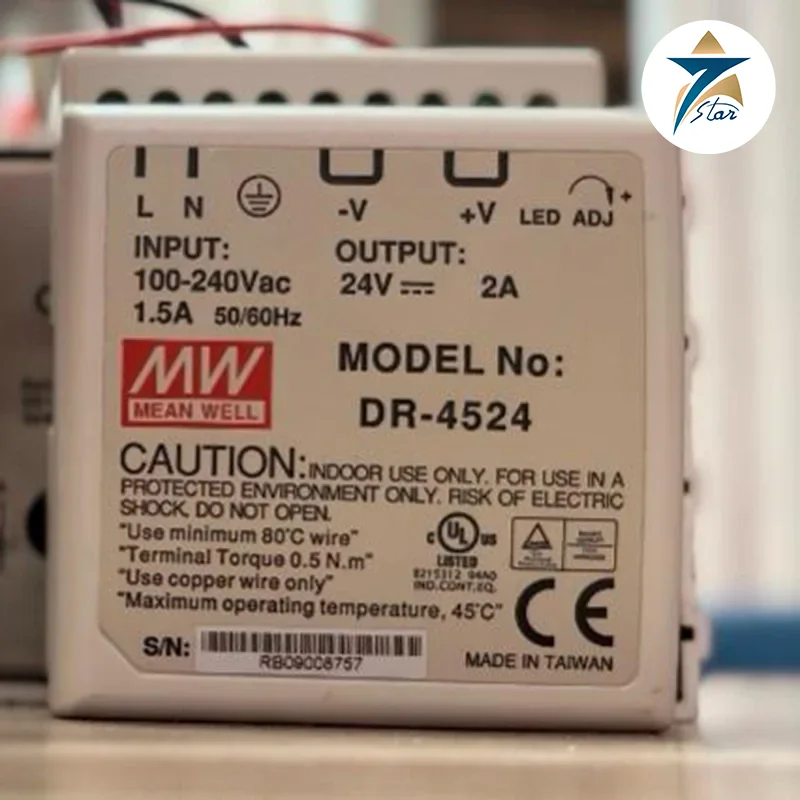
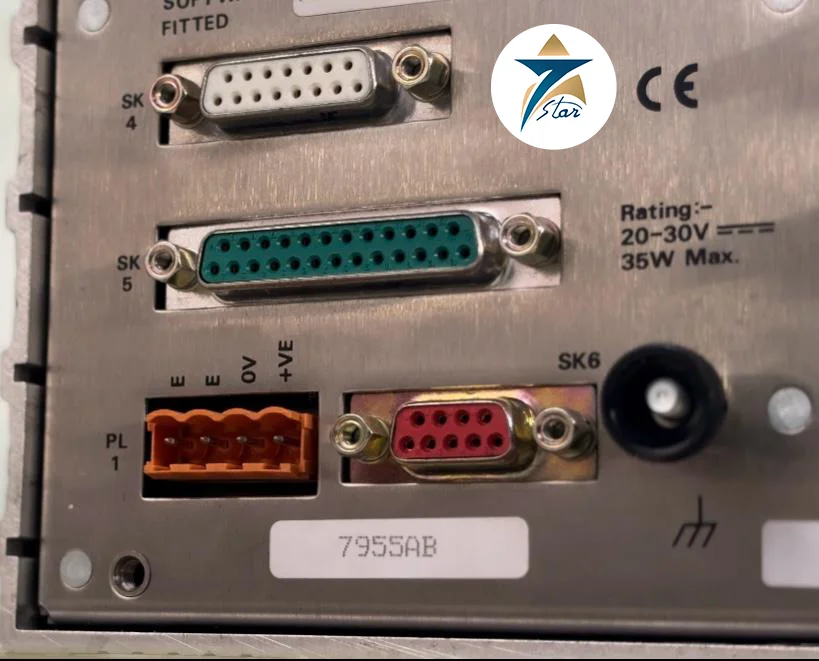
• Pulse integrity to IP 252/76, API Ch 5.5 Level A
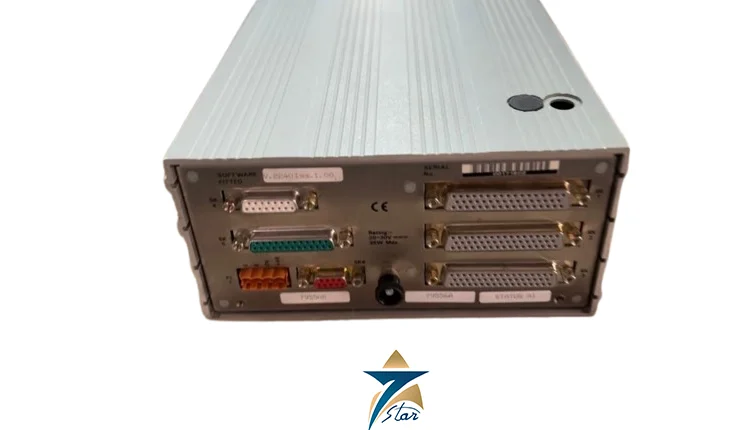
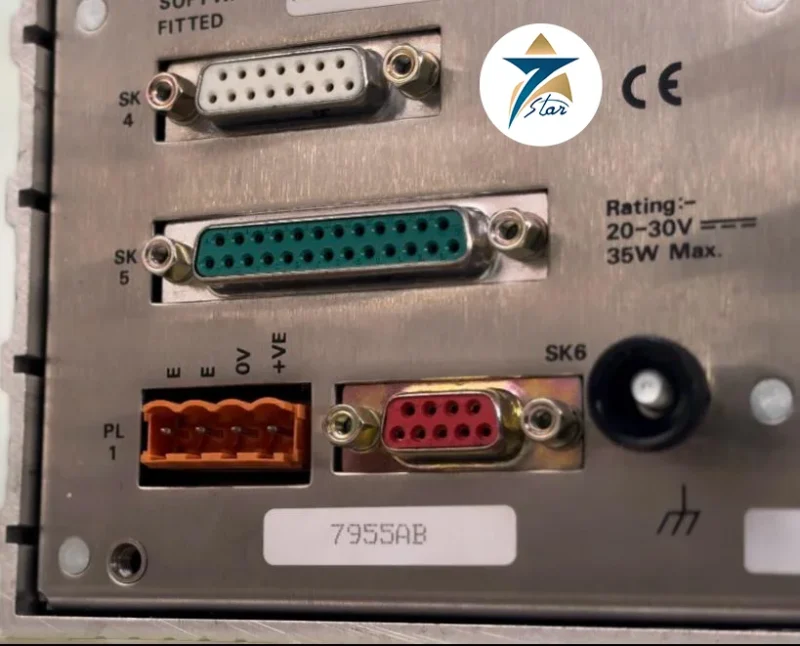
• 5 Serial ports & 1 Ethernet port
• High resolution 20 bit A/D converter for analog inputs
• 4 meter run (stream) and proving capability
• Hot duty standby for multi-stream applications
available as standard
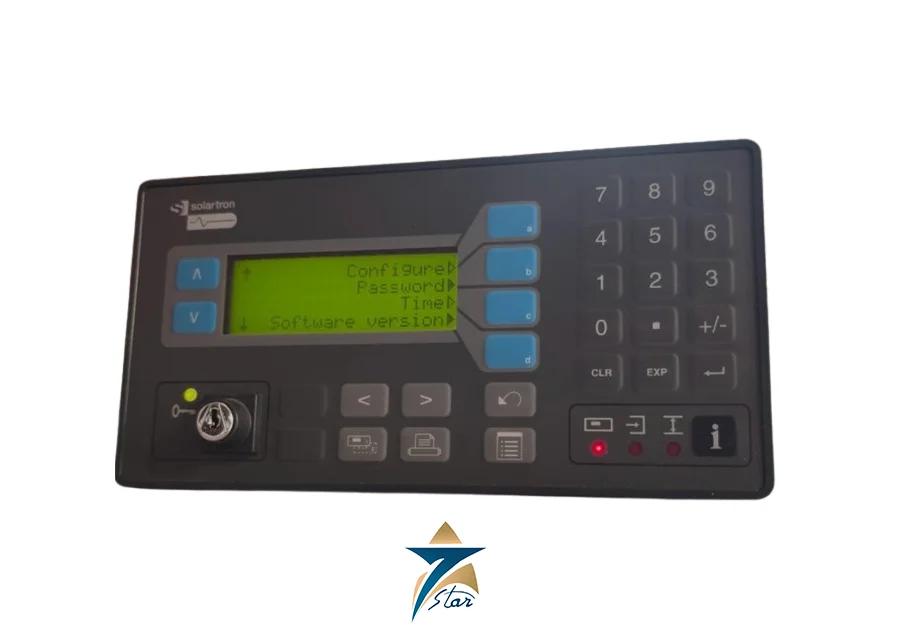
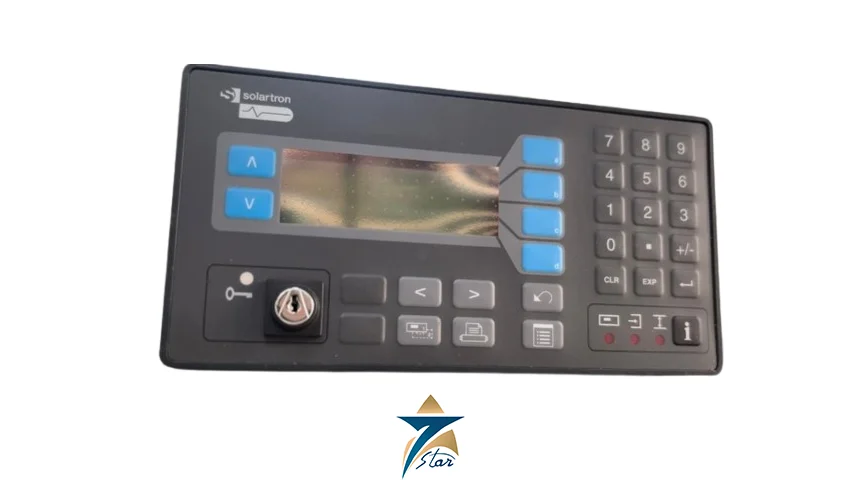
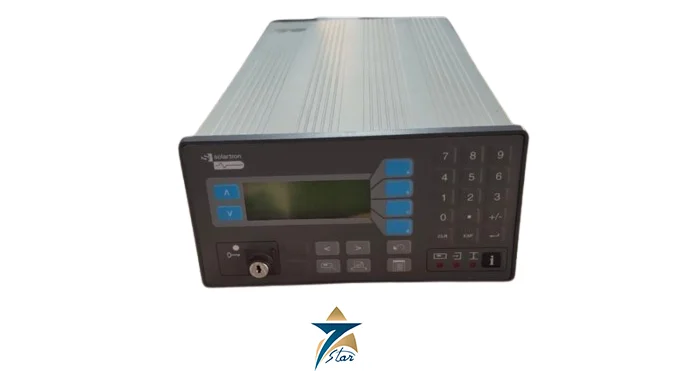
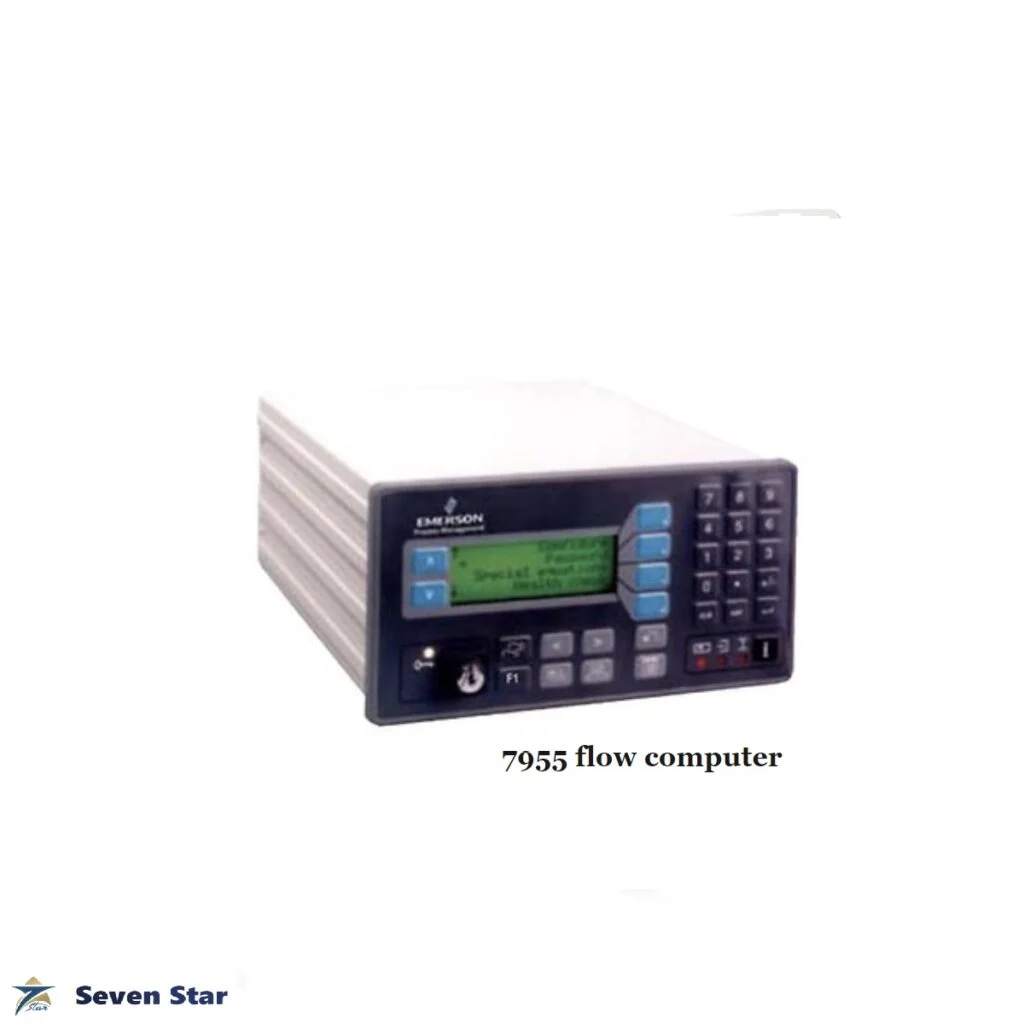
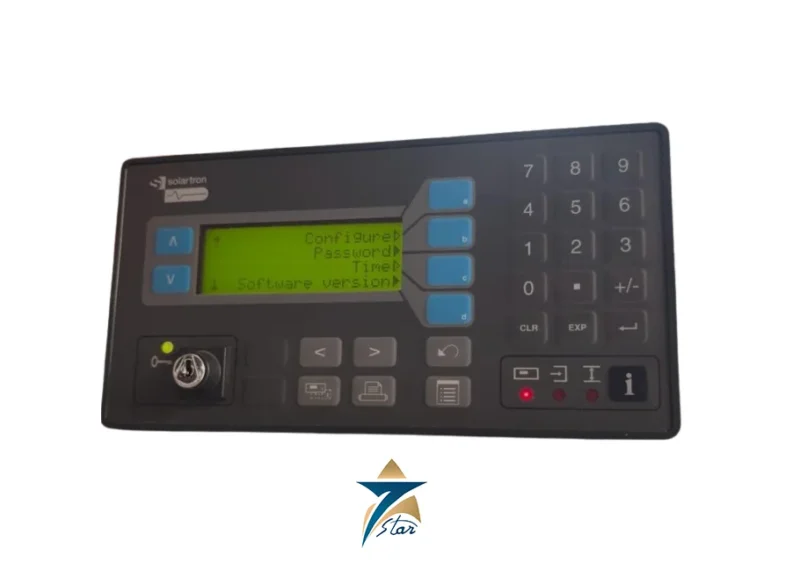
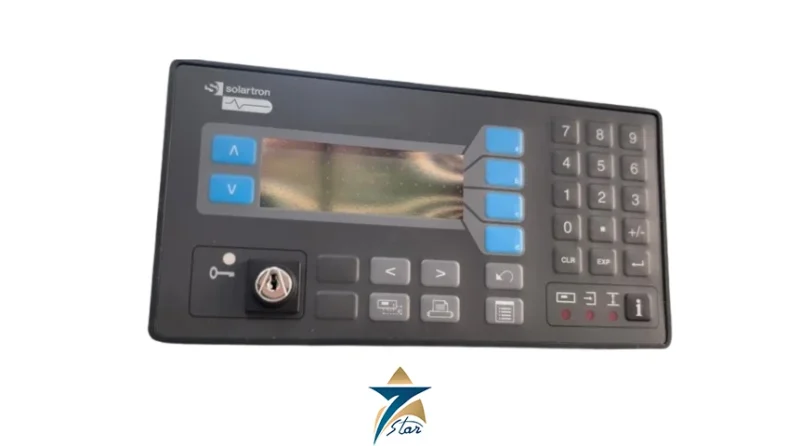
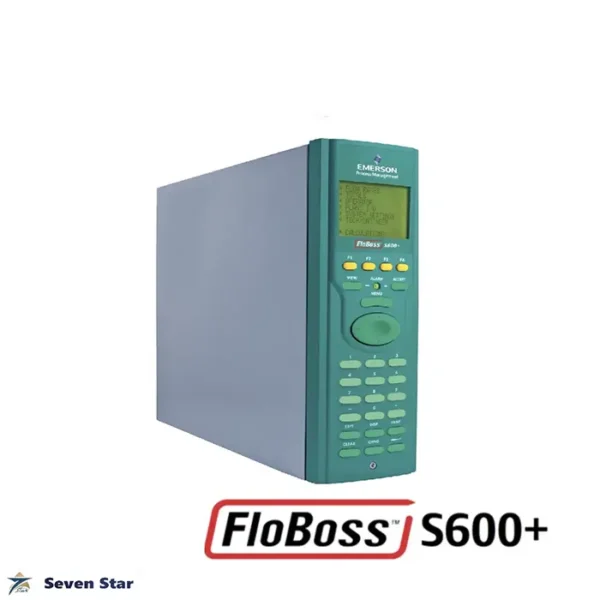
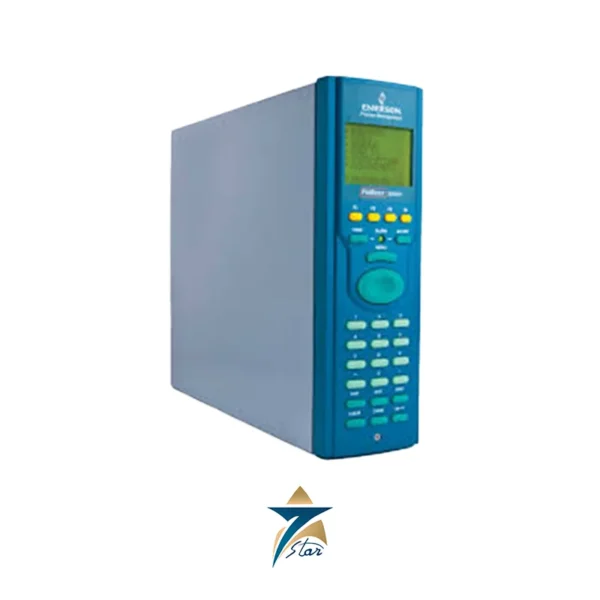
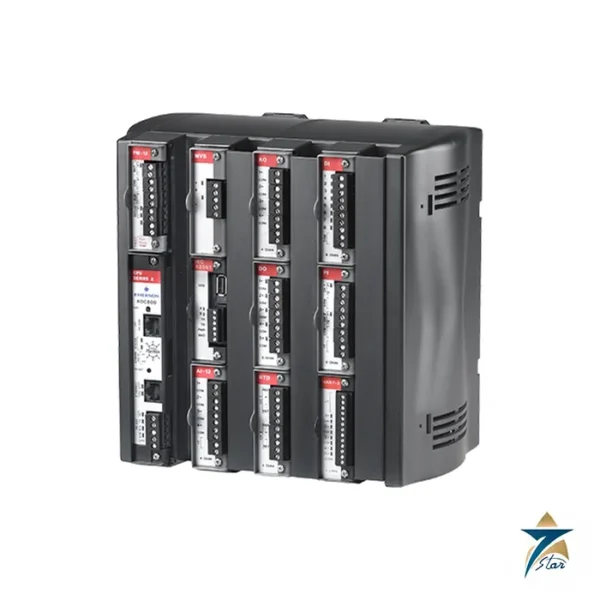
The Emerson 7955 Flow Computer is a proven, panel-mount fiscal flow computer engineered for custody transfer, fiscal metering, proving, and pipeline measurement across upstream, midstream, and downstream operations. It combines high-accuracy calculations with resilient pulse handling, secure logging, and modern communications, delivering defensible totals and smooth integration with SCADA/DCS/PLC systems. For teams standardizing measurement across multiple assets, the 7955 offers a reliable, multi-stream platform that’s field-friendly and audit-ready.
⸻
| Parameter | Value |
|---|---|
| Manufacturer | Emerson |
| Model | 7955 |
| Product Type | Panel-mount fiscal flow computer |
| Meter Runs | Up to 4 meter runs (streams) with proving capability |
| Analog Input Resolution | 20-bit A/D converter |
| Pulse Integrity | IP 252/76, API Ch 5.5 Level A |
| Communication Ports | 5 serial ports (RS-232/422/485) and 1 Ethernet port |
| Protocol | Modbus |
| Redundancy | Hot duty standby for multi-stream applications |
| Reports | Hourly, daily and monthly |
| Compatible Meters | Turbine, PD, ultrasonic, Coriolis, differential pressure/orifice |
• Multi-stream capability: supervise up to 4 meter runs, suitable for single- and multi-meter skids, allocation lines, and terminal duties
• High-fidelity measurement: 20-bit A/D resolution on analog inputs for stable, repeatable results during proving and batch transitions
• Pulse integrity: designed for turbine/PD/other pulsed meters with industry-recognized pulse handling so fiscal totals remain defensible
• Industrial communications: Ethernet plus multiple serial ports (RS-232/422/485); Modbus-friendly and SCADA/DCS/PLC ready
• Secure operations & logging: granular user roles, alarms/events, and periodic hourly/daily/monthly reports streamline reconciliation and audits
• Proving & reporting: supports meter proving workflows and structured reports that accelerate third-party verification
• Integration without friction: straightforward handoff to historians, data lakes, and enterprise reporting via standard protocols
⸻
• Custody-transfer metering skids and LACT units
• Pipeline measurement, allocation, and balancing
• Gas/liquid fiscal metering in terminals and tank farms
• Meter proving (bidirectional or compact provers) with repeatable results
• Batch loading and batch reporting
• Wet-gas / condensate scenarios demanding resilient algorithms and clean audit trails
⸻
• Meter runs: up to 4 runs (multi-stream) for flexible deployment across lines and products
• I/O & comms: Ethernet + multiple serial ports (RS-232/422/485) for brownfield/greenfield connectivity
• Measurement chain: 20-bit A/D for analog inputs; robust pulse acquisition aligned with industry practice for turbine/PD/other pulsed elements
• Data integrity: alarm/event logs with scheduled reports (hourly/daily/monthly) for regulatory and contractual compliance
• SCADA/DCS/PLC integration: Modbus-friendly design simplifies commissioning and lifecycle maintenance
⸻
• Fiscal accuracy, proven in the field—built to keep uncertainty budgets tight and audits smooth
• Scalable & maintainable—multi-stream capability and practical comms reduce project risk and integration time
• Lower lifecycle cost—faster commissioning, consistent reports, and fewer site visits
• Enterprise-ready—clean handoff to historians and corporate reporting
⸻
New to flow computers or training stakeholders? Read our primer: What is a Flow Computer? → https://omansevenstar.com/what-is-a-flow-computer/
⸻
FAQ
Q1: How many meter runs does the 7955 support? Up to 4 runs (multi-stream), suitable for mixed lines and allocation.
Q2: What communications are available? Ethernet plus multiple serial ports (RS-232/422/485); straightforward Modbus integration to SCADA/DCS/PLC.
Q3: Is it suitable for proving and audits? Yes—high-fidelity measurement (20-bit A/D), robust pulse handling, and structured hourly/daily/monthly reports support proving and third-party audits.
Q4: Which meter types are supported? Compatible with turbine, PD, ultrasonic, Coriolis, and differential pressure/orifice installations.
Q5: How do I get the datasheet and configuration guidance? Click Request a Quote—we’ll send the official datasheet and propose a tailored configuration (meter types, runs, reports, and networking).
⸻
Request a Quote for Emerson 7955 Flow Computer
Ready to secure more accurate, auditable totals? Request a Quote now to receive the official Emerson 7955 datasheet, recommended configuration (meter runs, reports, protocols), and lead time tailored to your application.
A flow computer is configured around the metering system it serves, so the specification should begin with the skid design rather than the hardware. Define the number of meter runs and whether a prover is included, the meter types and their outputs, the fluid (crude, refined products, condensate or gas) and the calculation standards required by the sales contract or regulator. From there, list every transmitter input, densitometer and sampler signal so the I/O count can be checked against the available capacity, with spare channels kept for future changes.
For a replacement or spare unit, record the model and option codes from the existing flow computer and save a copy of its configuration before any hardware change.
Commissioning a fiscal flow computer is a documented process, normally witnessed by the parties to the custody transfer. Typical steps include checking every input against a calibrated source, verifying calculations with independent test values, confirming pulse fidelity alarms, running proving sequences and approving the report layouts. Configuration settings should be locked down and the security levels assigned before the system goes into fiscal service, so every later change is traceable.
Oman’s crude export, pipeline, terminal and product loading facilities, like those across the Gulf, depend on accurate fiscal measurement because small errors translate into large commercial volumes. Flow computers such as the 7955 sit at the centre of these systems, and keeping a compatible spare on hand shortens recovery time if a unit fails on a busy metering station.
Seven Star LLC supplies flow computers and metering spares to operators and integrators across Oman and the GCC. Send us your existing model details or skid requirements, and we will confirm a suitable configuration and lead time.
Choose the option that best fits your needs to get the fastest response from our team.
Automatically fill the RFQ form with this product's details for a faster process.
Manually enter multiple part numbers, specific brands, or custom requirements.










Reviews
There are no reviews yet.