712B RTD temperature calibrator for Pt100 and other resistance sensors
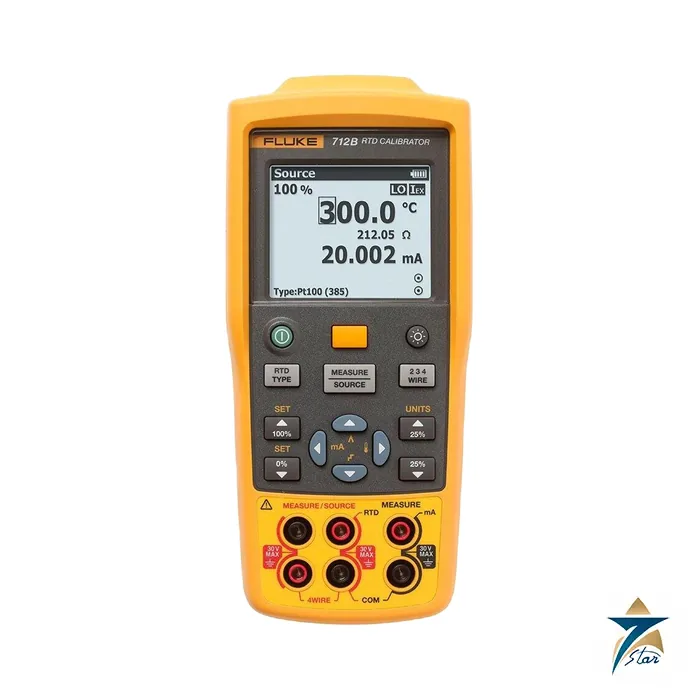
The Fluke 712B is a single-function RTD temperature calibrator. It measures and simulates thirteen RTD types and resistance, measures 4 to 20 mA while it sources a temperature signal, and is built for technicians who calibrate platinum and nickel temperature transmitters and indicators. It is paired in the datasheet with the 714B, which does the same job for thermocouples. Seven Star LLC supplies the 712B in Oman and the GCC as an independent supplier in Muscat, not affiliated with the manufacturer.
The ordering list shows “FLUKE-712B Temperature Calibrator”. The suffix B marks the current generation; the first two digits indicate the 71X temperature calibrator family.
712B technical specifications
| Parameter |
Specification |
| Manufacturer / part number |
Fluke / 712B |
| RTD types |
13 types including Pt100 (385, 3916, 3926), Pt10, Pt50, Pt200, Pt500, Pt1000, Ni120, Cu10, Cu50, Cu100 and YSI 400 |
| Pt100 (385) accuracy |
0.2 °C from -200 °C to 100 °C; 0.015 % + 0.18 °C from 100 °C to 800 °C (1-year, measure and source) |
| RTD resolution |
0.1 °C |
| Ohms measure |
0 to 400 Ω : 0.015 % + 0.05 Ω; 400 to 4000 Ω: 0.015 % + 0.5 Ω |
| Ohms source |
1 to 4000 Ω with excitation current from 0.05 mA to 3 mA depending on range, 0.015 % + 0.05 to 0.5 Ω |
| 3-wire measurement |
Add 0.4 °C for most RTD types if the three leads are matched |
| DC mA measure |
0 to 24 mA, 0.001 mA resolution, 0.010 % + 2 µA |
| Dual inputs / display |
Measure mA while sourcing temperature; backlit display |
| Source functions |
Configurable 0 % and 100 % points, linear ramp and 25 % step |
| Pulsed transmitters |
Supports pulse times as short as 5 ms |
| Calibration basis |
One-year cycle, +18 °C to +28 °C, 5 minute warm-up; 1-year and 2-year specifications |
| Maximum voltage |
30 V between any terminals or to earth |
| Operating / storage temperature |
-10 °C to 50 °C / -30 °C to 60 °C |
| IP rating / drop |
IP52 / 1 m |
| Batteries |
Four AA alkaline |
| Size / weight |
52.5 x 84 x 188.5 mm / 515 g |
| Supplied with |
Magnetic hanging tool, batteries, manual, traceable calibration certificate, test leads |
How the 712B simulates and measures an RTD
An RTD changes resistance with temperature. In measure mode the calibrator passes a small excitation current through the sensor and reads the voltage; four-wire connection gives the quoted accuracy because lead resistance drops out. In source mode the 712B produces the resistance that a sensor would present at a chosen temperature, so a transmitter or controller can be tested without a heat source. The excitation current from the device under test must fall within the supported range, from 0.05 mA to 3 mA depending on resistance, and the datasheet notes support for pulsed transmitters with pulse times down to 5 ms.
RTD accuracy depends on the sensor type. Low-resistance types such as Pt10 and Cu10 have wider tolerances, 1.5 °C at 1 year over the lower band, while Pt100, Pt200 and Pt1000 are within 0.2 °C from -200 °C to 100 °C. Nickel Ni120 is quoted at 0.15 °C over -80 °C to 260 °C. These values exclude sensor inaccuracy, so the uncertainty of the probe in the process must be added separately.
712B compared with the 714B
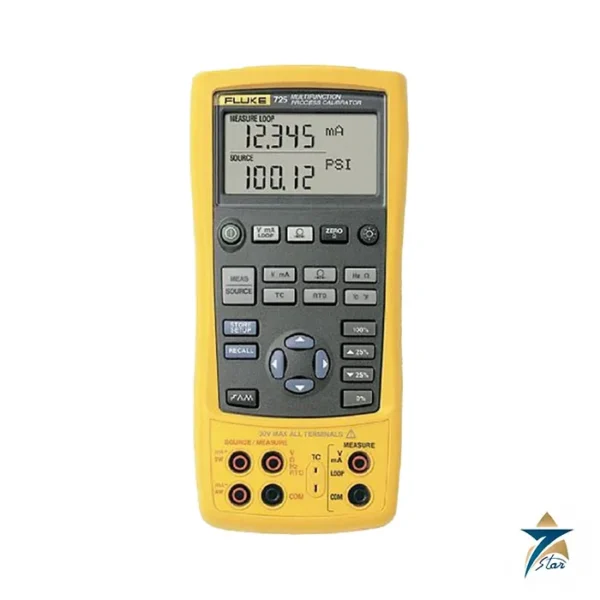
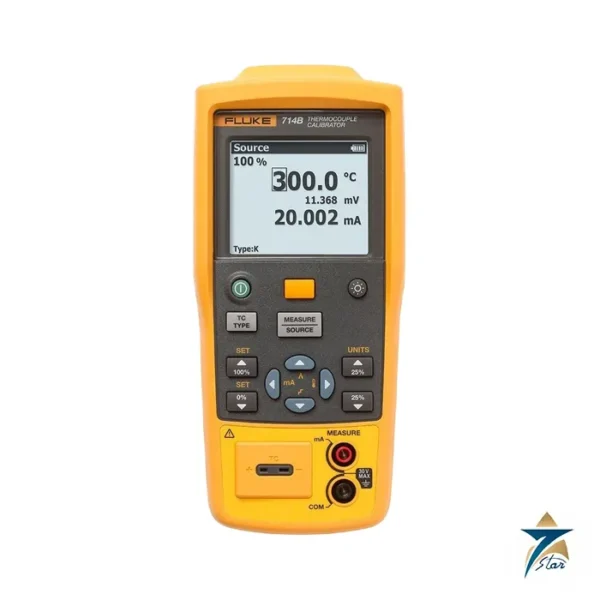
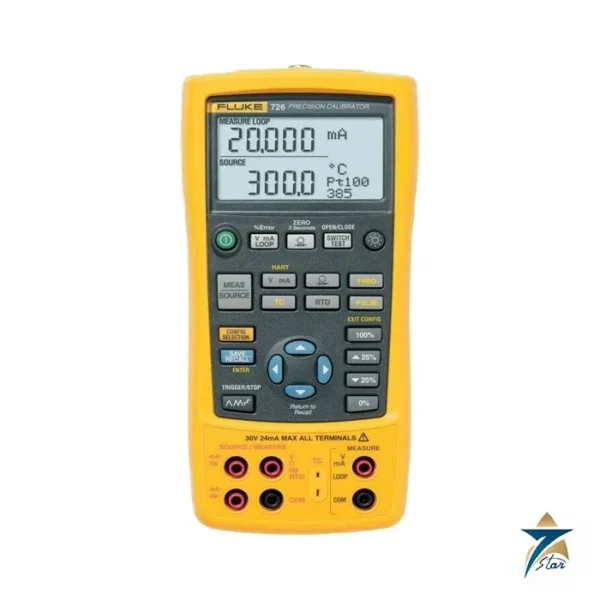
The two calibrators share their body, dual inputs, mA measurement and linear ramp functions. The difference is the sensor type. The 714B handles seventeen thermocouple types and millivolts with 0.015 % + 10 µV accuracy, while the 712B handles RTDs and ohms. If a plant has both, buy one of each. Neither measures voltage in volts, pressure or frequency; for those, a multifunction calibrator like the 725 or 726 is needed.
| Model |
Sensor input |
Typical use |
| 712B |
13 RTD types and ohms |
Pt100 and Pt1000 transmitters, resistance thermometers |
| 714B |
17 thermocouple types and mV |
Type K, J, T, N and S thermocouple transmitters |
Selecting the 712B
- Confirm that your RTDs are among the thirteen supported types, including the alpha value.
- Decide whether 4-wire, 3-wire or 2-wire connections will be used and account for the 3-wire correction.
- Check the excitation current of the instrument under test against the supported range.
- Use the 714B for thermocouple instruments and a multifunction calibrator if you need both.
- Remember the 30 V maximum on inputs.
Use and maintenance of the 712B
Allow five minutes of warm-up before accurate work and keep the calibrator out of direct sun. Use the hanging tool to put the unit where you can see it while your hands handle the cabinet. Check the batteries before a long job. Recalibrate on the schedule in your quality system; the specifications are based on a one-year cycle, with two-year values also given. The unit comes with a traceable calibration certificate, which is the starting point of its calibration history.
Typical applications of the 712B in Oman and the GCC
Plants use the 712B to calibrate Pt100 transmitters on bearings, process lines and heat exchangers, to test temperature controllers and recorders, and to check RTD input cards on PLC and DCS systems. In hot outdoor areas, take care that the calibrator itself stays within its 50 °C operating limit, and let it settle before critical checks.
Information to send with an RFQ for the 712B
- Part number 712B
- Quantity
- RTD types and ranges to be calibrated
- Delivery location and time frame
- Calibration certificate requirement
Storage, handling and spares for the Fluke 712B
Keep the Fluke 712B in its carrying case when it is not in use, and store it in a clean, dry place. Remove or charge the batteries as recommended in the user manual before long storage. Field teams in Oman and the GCC should avoid leaving the instrument in a vehicle in the sun, as high cabin temperatures can exceed the storage range and shorten battery life.
- Check the instrument, cables, hoses or lenses for damage before each job.
- Clean the unit with a soft, slightly damp cloth only; do not use solvents unless the manual allows them.
- Plan a calibration interval that matches your quality system, and keep the calibration certificate with the asset record.
- Order wear parts and accessories, such as batteries, test leads, hoses or adapters, together with the instrument.
For calibration and test work, it helps to state in your RFQ whether you need an accredited calibration certificate with the Fluke 712B, so the right documents can be confirmed with the quotation.
Documents and quotation
A datasheet for the 712B and 714B is attached on this page.
Send us the part number 712B and the quantity and we will confirm availability and a quotation.
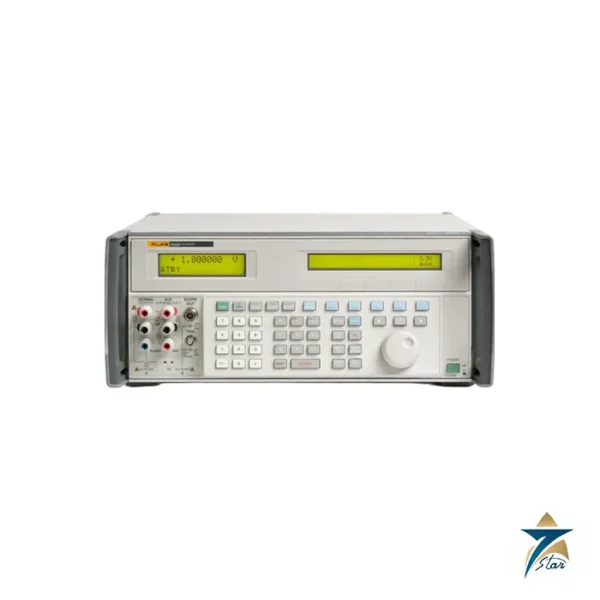
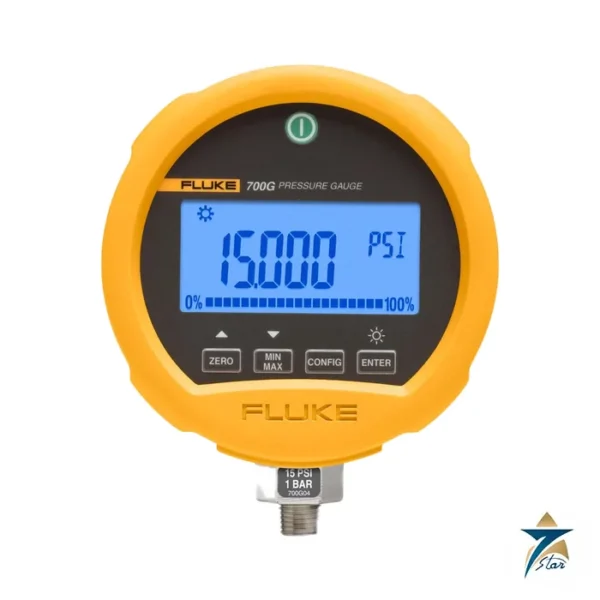
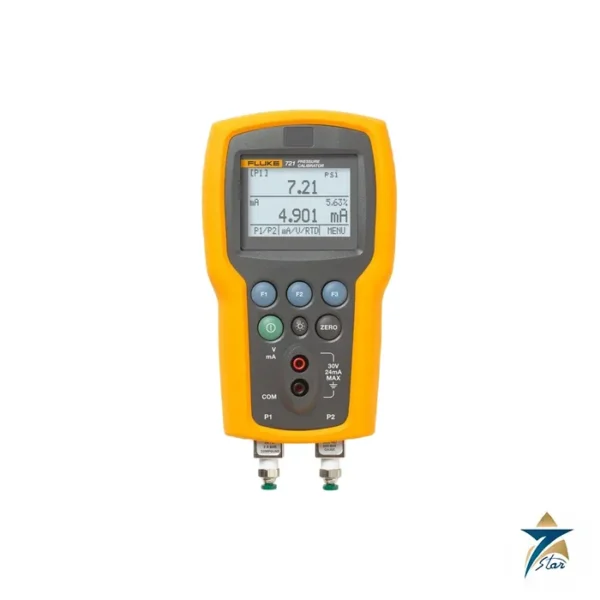
Other Models in the Fluke 71xb Calibrator Range
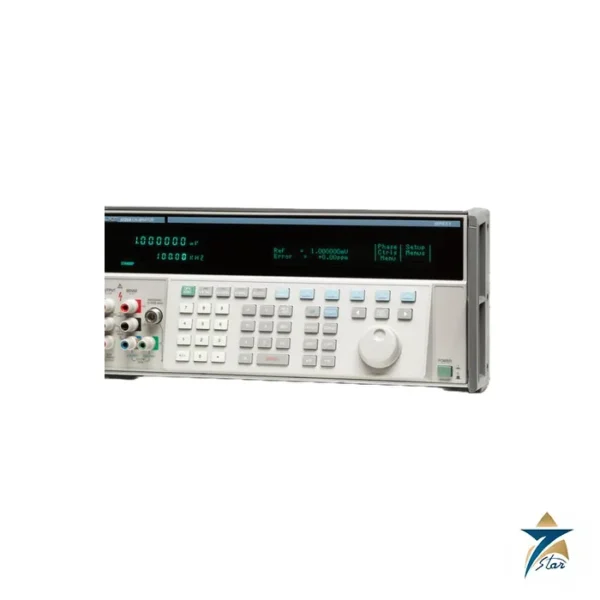
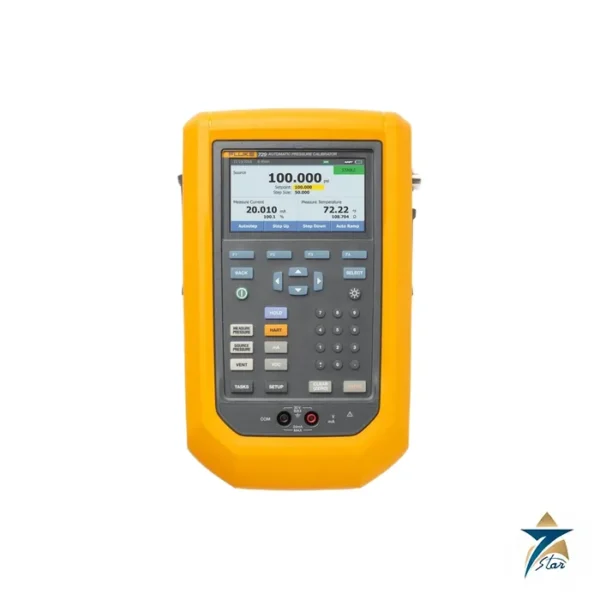
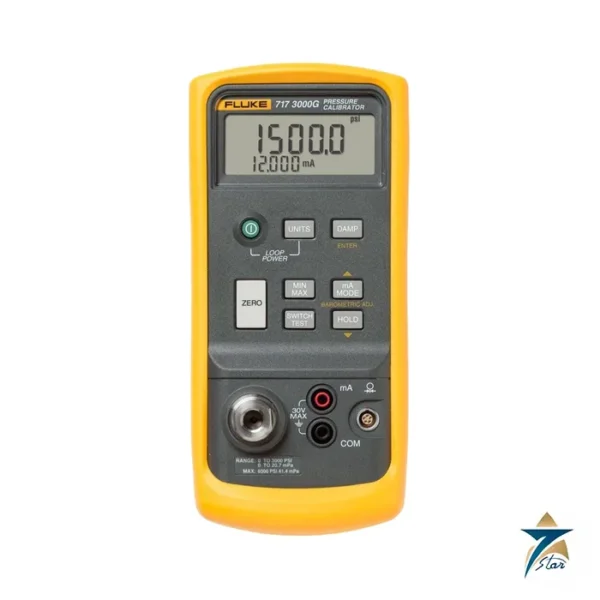
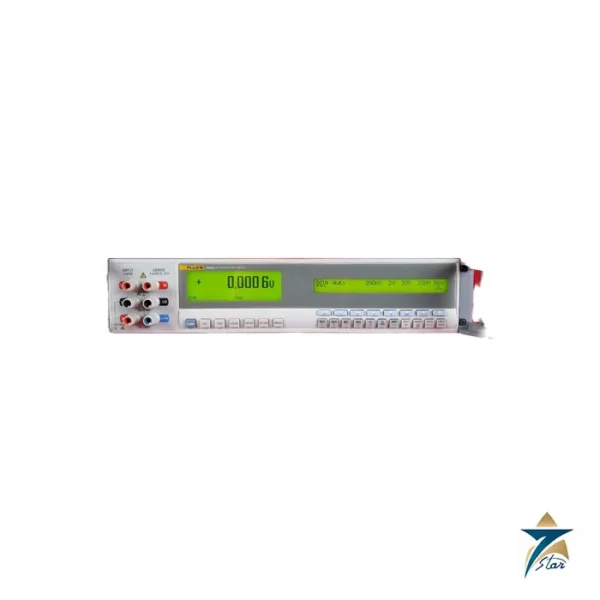
Seven Star LLC supplies models from the Fluke 71xb Calibrator range in Oman and the GCC. Compare the related models below and request a quote for the one that matches your application.



























Reviews
There are no reviews yet.