Brand:

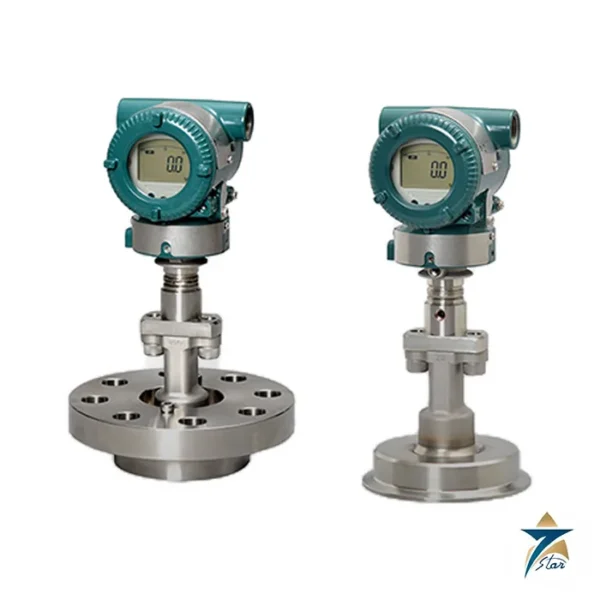
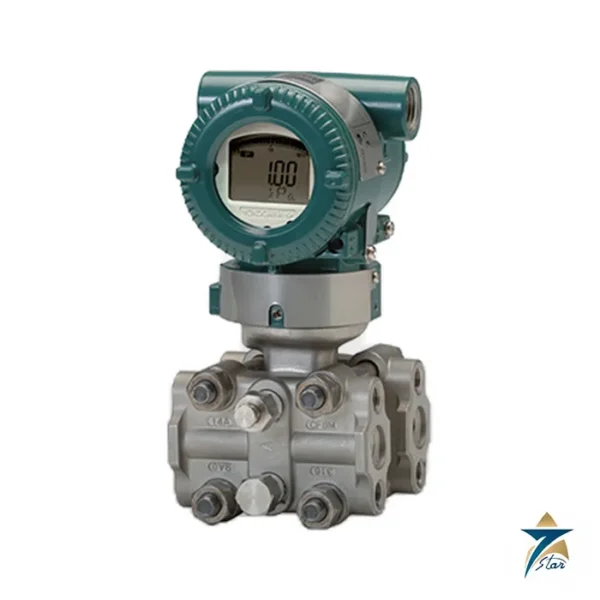
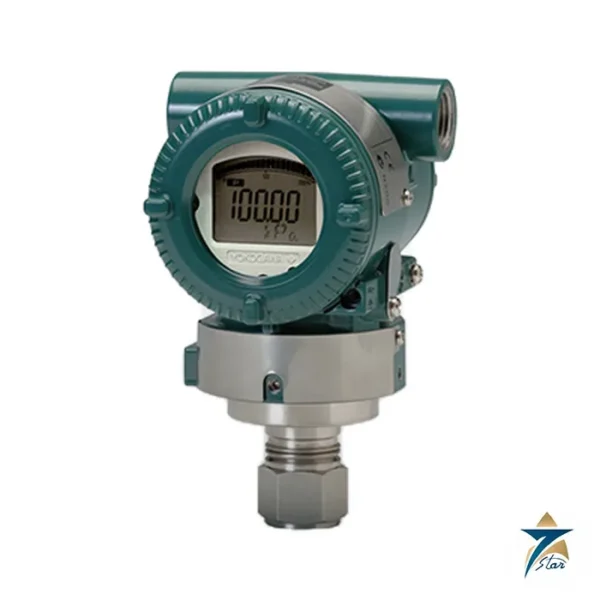
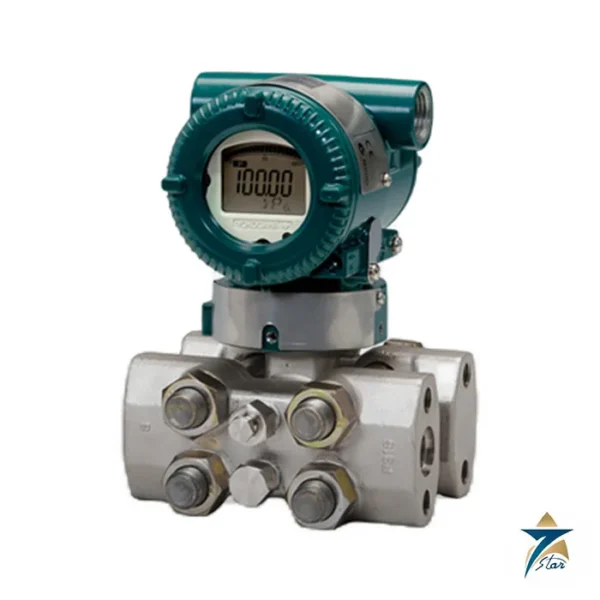
Yokogawa EJX118A Diaphragm Sealed DP Transmitter

Description

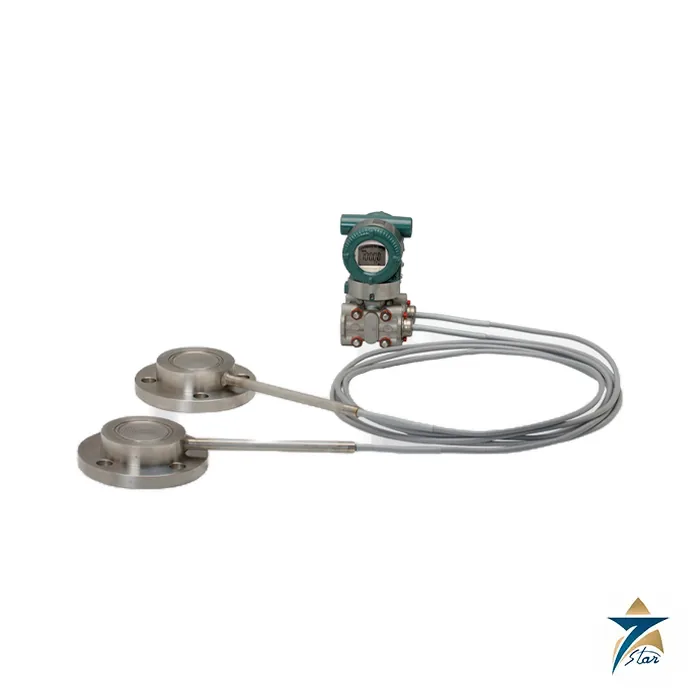
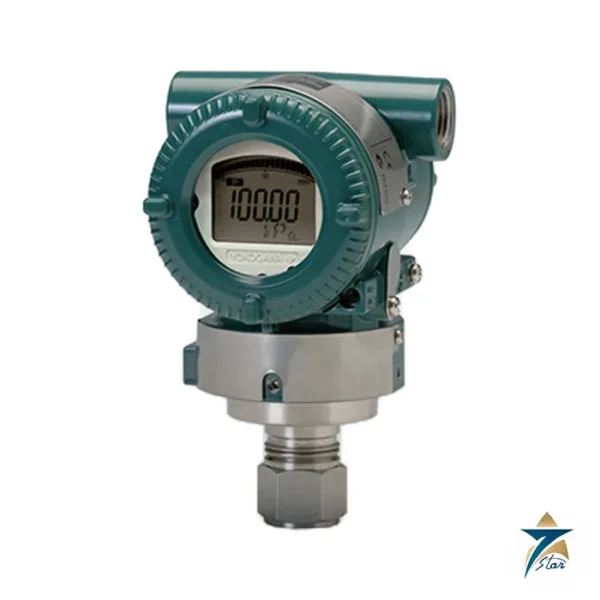
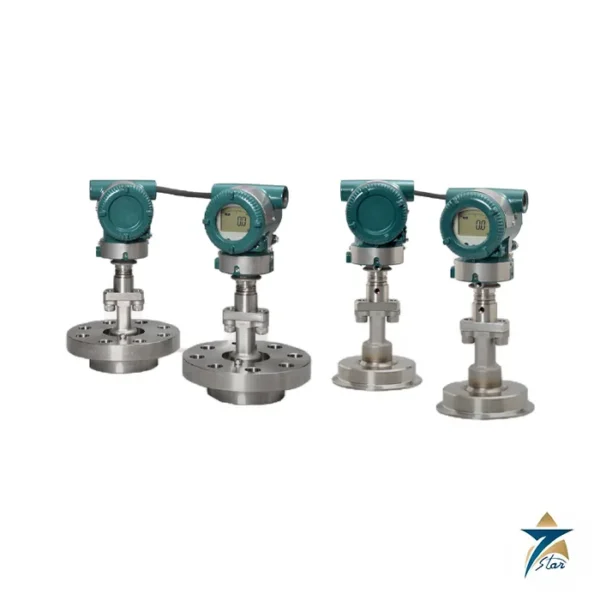
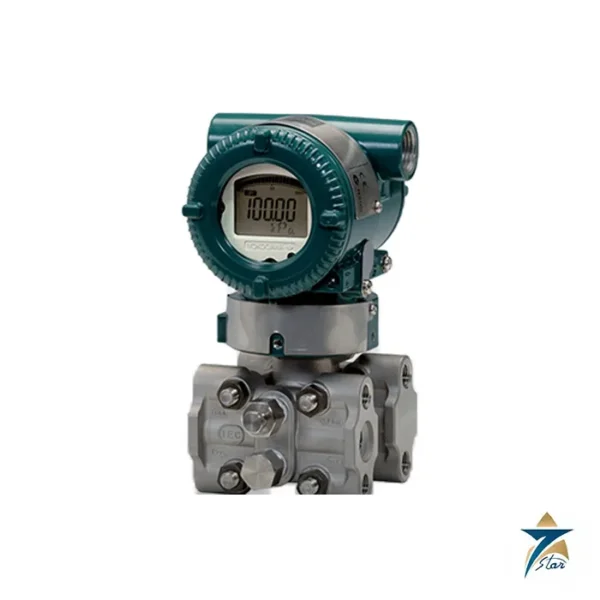
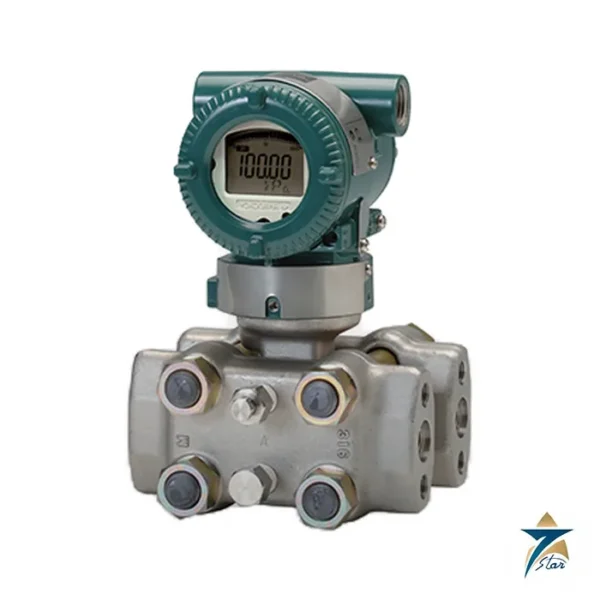
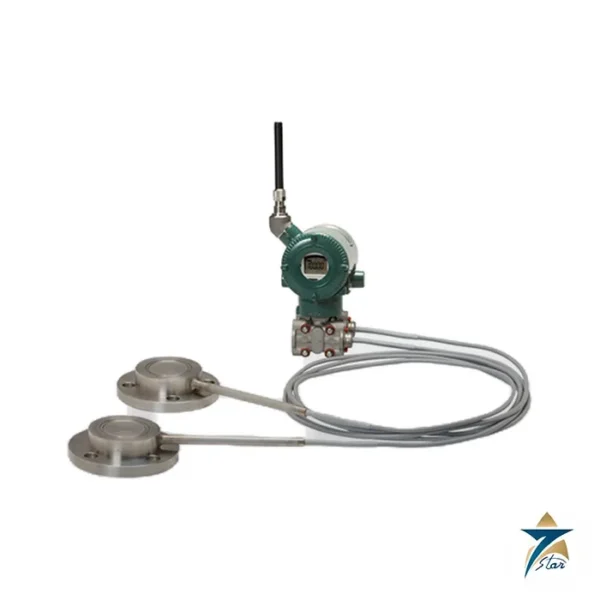
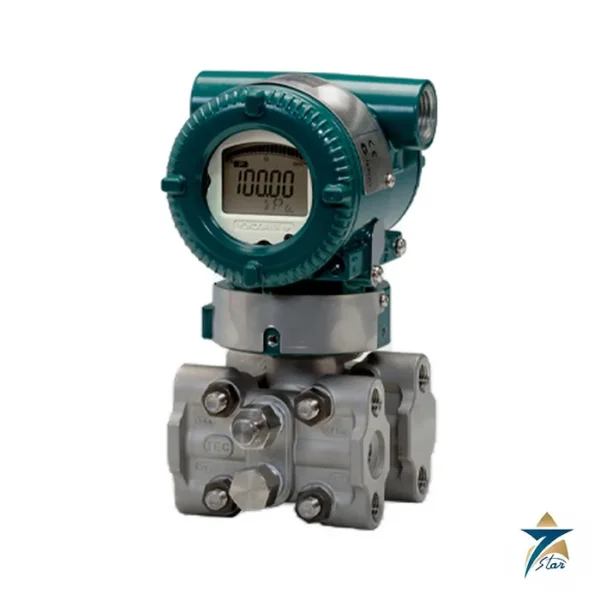
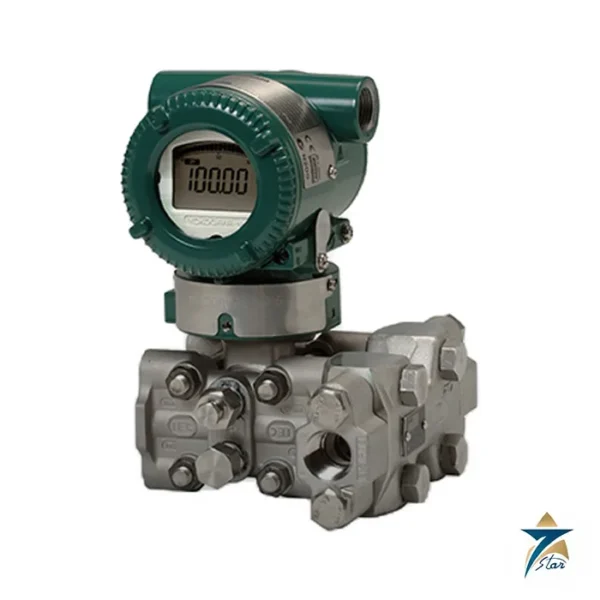
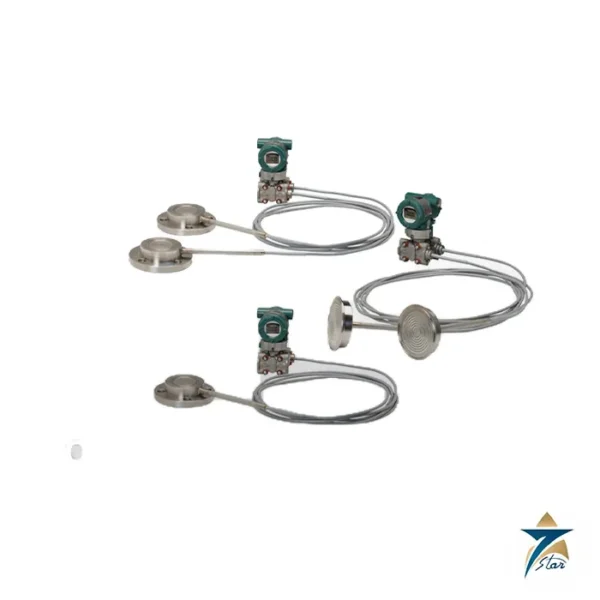
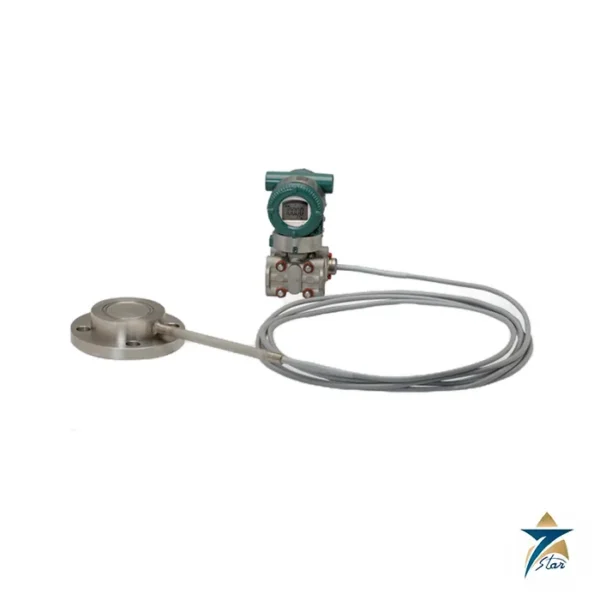
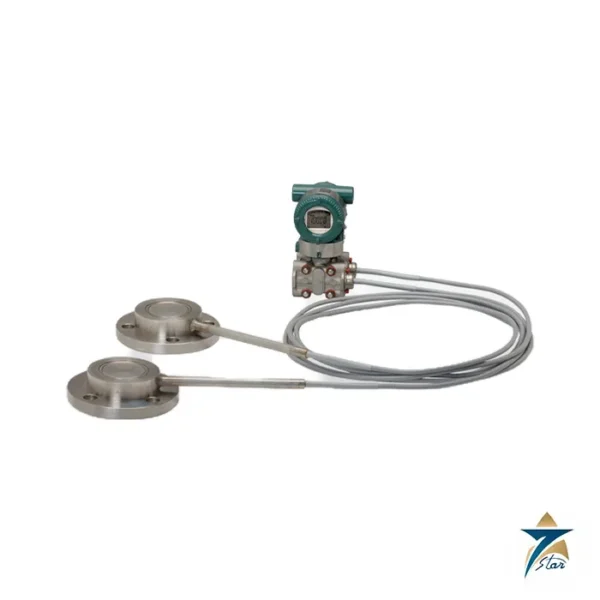
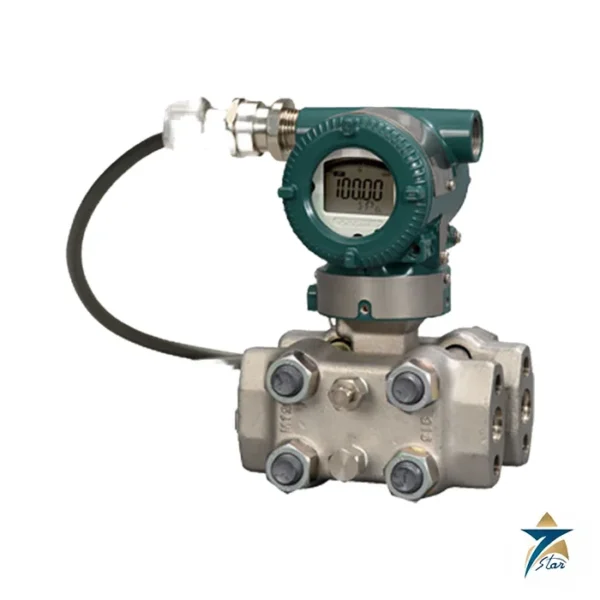
The Yokogawa EJX118A is a diaphragm sealed differential pressure transmitter for jobs where the process fluid must never enter the sensing capsule. Two remote diaphragm seals, joined to the transmitter by capillaries filled with fill fluid, carry the pressure to a silicon resonant sensor that outputs 4 to 20 mA DC with BRAIN or HART communication superimposed on the loop. According to the manufacturer’s general specifications GS 01C25H01-01EN, it can measure liquid, gas or steam flow, liquid level, density and pressure. This page describes the EJX118A for buyers in Oman and the GCC who need the correct model code, a datasheet and a quotation for replacement or project supply.

Two capsules are offered. The M capsule spans 2 to 100 kPa (range limits minus 100 to 100 kPa), while the H capsule spans 10 to 500 kPa (range limits minus 500 to 500 kPa). Reference accuracy is plus or minus 0.15 percent of span once the calibrated span is at or above 10 kPa (M capsule) or 100 kPa (H capsule), and the response time of the differential pressure signal is about 200 ms with damping at zero, including 45 ms of dead time. The amplifier damping can be set from 0.00 to 100.00 seconds.

Key features of the EJX118A

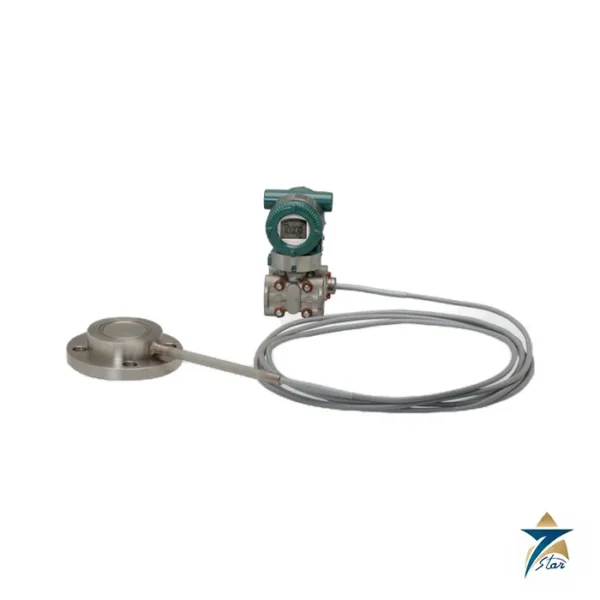
  • Remote diaphragm seals on both sides, with capillary and a PVC-sheathed SUS304 protection tube.
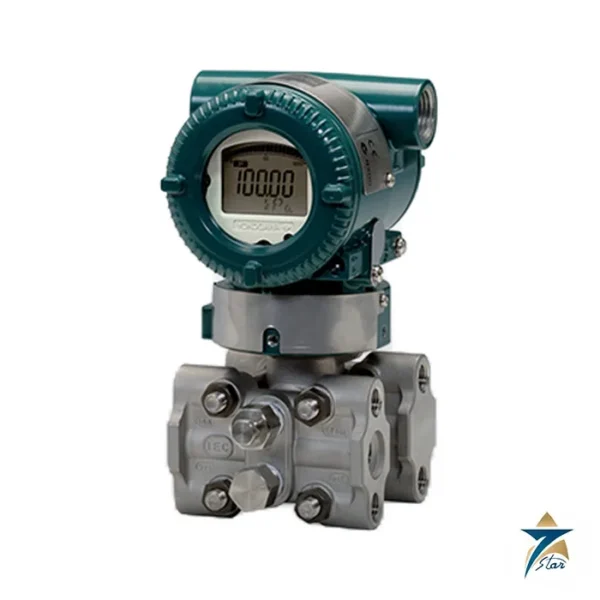
  • Multi-sensing: static pressure is measured too and can be shown on the integral indicator or read over communication.
  • Optional advanced diagnostics detect which side of an impulse line is plugged.
  • Capillary fill fluid density compensation corrects the zero shift caused by ambient temperature on the capillary.
  • A 10-segment signal characterizer is available for the 4 to 20 mA output.
  • Optional status output: one sink-type transistor contact rated 30 V DC, 120 mA DC maximum, for user-set high or low alarms.
  • SIL 2 capability for a single transmitter and SIL 3 capability for dual use, under IEC 61508, for the non-fieldbus output codes.

Technical specifications of the EJX118A

Parameter Value from the datasheet
Model EJX118A, diaphragm sealed differential pressure transmitter
Output Two-wire 4 to 20 mA DC, linear or square root, output range 3.6 to 21.6 mA
Output signal codes D (BRAIN), E (HART 5), J (HART 5 / HART 7), F (FOUNDATION Fieldbus), G (PROFIBUS PA)
M capsule span / range 2 to 100 kPa / minus 100 to 100 kPa
H capsule span / range 10 to 500 kPa / minus 500 to 500 kPa
Supply voltage 10.5 to 42 V DC general use; 10.5 to 32 V DC with lightning protector /A; 10.5 to 30 V DC intrinsically safe
Load 0 to 1290 ohm for operation; 250 to 600 ohm for digital communication
Ambient temperature Minus 40 to 60 deg C; minus 30 to 60 deg C with LCD display
Working pressure 2.7 kPa abs (fill code A and B) up to the flange rating
Static pressure effect Span plus or minus 0.02 percent per 0.69 MPa; zero plus or minus 0.014 percent of URL
Ambient temperature effect Plus or minus (0.25 percent span + 0.06 percent URL) per 28 deg C
Static pressure accuracy Plus or minus 0.2 percent of span at 1 MPa or higher
Protection IP66/IP67, Type 4X
Weight, flush type 16.1 kg with 3-inch ANSI Class 150 flange and 5 m capillary, without indicator and bracket

Fill fluid and temperature choices for the EJX118A

The fill fluid code decides both the temperature window and the vacuum capability. Code A silicone oil handles process temperatures of minus 10 to 250 deg C; code B silicone oil covers minus 30 to 180 deg C and is marked as the most typical choice; code C high temperature silicone oil runs from 10 to 310 deg C; code D fluorinated oil for oil-prohibited service runs from minus 20 to 120 deg C; code E ethylene glycol covers minus 50 to 100 deg C. Vacuum duty needs codes 1, 2 or 4, which allow working pressure down to 0.013 kPa abs for codes 1 and 2. Tantalum wetted parts limit the process temperature to 200 deg C.

Where EJX118A transmitters are used

In Oman and across the GCC the model suits crude stabilisation columns, sour and viscous services, sulphur and bitumen lines, desalination brine headers, and condensate or boiler drum level where impulse lines would freeze, clog or crystallise. Because the seal isolates the sensing cell, it is also a reasonable fit for slurries and sticky fluids in cement, fertiliser and paper plants. Seal diameter and fill choice should be fixed with the process data in hand.

How Yokogawa EJX118A differs from other EJX variants

Compared with the EJX110A, which uses direct impulse piping, the EJX118A moves the process interface onto remote seals. Compared with the single-seal EJX438A gauge model, it carries two seals and reads a differential value. Its M capsule has a minimum span of 2 kPa and its H capsule a maximum of 500 kPa; the EJX438A instead works in the megapascal range up to 16 MPa. Flange options reach JIS 10K, 20K and 40K, ANSI Class 150, 300 and 600, JPI and DIN PN10/16 to PN64 on the flush design.

Process connection styles for EJX118A

Three seal styles exist. Flush type uses a 3-inch or 2-inch flange (1 1/2-inch also exists, always with a flushing ring). Extended type uses a 4-inch or 3-inch flange with an extension length chosen from the code table, and weighs 21.7 kg in the 4-inch ANSI Class 150 example with a 100 mm extension. Combination type mixes a 4-inch extended seal on the high side with a 3-inch flush seal on the low side, at 18.9 kg. Wetted materials for the flush seal are 316L SST, Hastelloy C-276, tantalum or titanium, and flange material is S25C, 304 SST or 316 SST.

Selection and compatibility notes

The housing can be cast aluminium, corrosion-resistant aluminium or ASTM CF-8M stainless steel, which adds 1.5 kg. Electrical entries are G 1/2, 1/2 NPT or M20, and cover flange bolts are B7 carbon steel, 316L SST or 660 SST. The datasheet states the transmitter should sit at least 600 mm below the high-pressure process connection, and that distance can be affected by temperature, pressure and fill fluid. Check the seal wetted material against the process, because the datasheet warns that a wrong choice can leak corrosive fluid or let fill fluid enter the process.

Installation and commissioning of EJX118A

Mount the body on a 2-inch pipe with the optional 304 or 316 SST flat bracket, route the capillaries with a gentle radius and keep them strapped and out of direct heat. Tag number, units, LRV and URV are normally shipped as ordered. At site, set the zero with the external adjustment screw, which has 0.01 percent resolution of span, or re-range with the push-button indicator. A loop test and a check of the damping value complete commissioning. The loop power must reach at least 16.6 V DC at the transmitter to keep BRAIN and HART communication working.

Maintenance of EJX118A

Self-diagnostics report CPU failure, hardware failure, configuration error and process alarms for differential pressure, static pressure and capsule temperature. The upscale alarm is 110 percent or 21.6 mA and the downscale alarm is minus 5 percent or 3.2 mA, with NAMUR NE43 output limits available through option codes C2 or C3. Do not bend, kink or cut the capillary, and protect the diaphragm face when removing the seal. Periodic zero checks and a visual inspection of the protection tube are sufficient for most services.

A full code reads EJX118A followed by output, capsule, bolting, housing, entry, indicator and bracket codes, then the flange, material, fill and capillary choices. Send the complete model code from the nameplate when asking for a replacement, because the same base model can be built in hundreds of configurations.

Documents and quotation

The manufacturer’s general specifications GS 01C25H01-01EN are available for download on this page. Seven Star LLC is an independent supplier serving Oman and the GCC and is not affiliated with the manufacturer. To receive a quotation for the Yokogawa EJX118A, send the RFQ with the full model and suffix code, the capsule range, the flange and fill details and the quantity needed.

Other Models in the Ejx Seal Range

Seven Star LLC supplies models from the Ejx Seal range in Oman and the GCC. Compare the related models below and request a quote for the one that matches your application.

ModelCategory
Yokogawa EJX118A Diaphragm Sealed DP TransmitterPressure TransmittersYou are viewing this model
Yokogawa EJX438A Diaphragm Sealed Gauge Pressure TxPressure TransmittersView details
Datasheets & Documents
  • PDF Datasheet Yokogawa EJX118A Datasheet Download
Reviews (0)

Reviews

There are no reviews yet.

How would you rate this product?

It takes about 10 seconds — just tap a star. Your email is never published.

About brand

Yokogawa is the Japanese measurement and industrial automation company behind the DPharp EJA and EJX pressure transmitters, CENTUM distributed control systems and ProSafe-RS safety systems. Tamisuke Yokogawa set it up in 1915 as an electric meter research institute in Shibuya, Tokyo. It began selling electric meters in 1917, was incorporated as Yokogawa Electric Works in 1920, and has been Yokogawa Electric Corporation since 1986. In 1975 it released CENTUM, which it describes as the world's first distributed control system.

Seven Star LLC is an independent supplier in Muscat. We list Yokogawa transmitters, flowmeters, analysers, controllers, recorders and CENTUM and ProSafe spare modules, and supply them to oil and gas, power, water and process plants in Oman and the GCC by model code.

Yokogawa at a glance

Established 1915, Shibuya, Tokyo, by Tamisuke Yokogawa with Ichiro Yokogawa and Shin Aoki
Milestones Electric meters from 1917; incorporated in 1920; CENTUM DCS in 1975; renamed Yokogawa Electric Corporation in 1986
Headquarters Tokyo, Japan
Product families Pressure and temperature transmitters, magnetic, vortex and Coriolis flowmeters, liquid and gas analysers, controllers and recorders, CENTUM VP DCS, ProSafe-RS safety systems and STARDOM controllers

Yokogawa products we list

Family Models Typical use
Pressure and DP transmitters EJA110E, EJA430E, EJA530E, EJX110A, EJX530A, EJX910A multivariable Pressure, level and DP flow measurement in process plants
Temperature transmitters YTA610, YTA710 RTD and thermocouple signals converted to 4-20 mA, HART or fieldbus
Flowmeters ADMAG AXG, ADMAG AXW, ROTAMASS TI, VY vortex, VF701 Water and conductive liquids, mass flow of hydrocarbons, steam and gas
Analysers TDLS8000 laser gas analyser, FLXA402, FLXA21 DO, E7042UD zirconia cell, K9471DS cover Combustion O2, in-situ gas analysis, pH, conductivity and dissolved oxygen
Controllers and recorders UT35A/UT32A, UT32A-D, UT55A/UT52A, UT75A, UP35A/UP32A, UP55A, YS1700, GX10/GX20, GP10/GP20, GM10, µR20000 Single-loop control, furnace programs and data recording
Control and safety systems CP451-10 processor, ADV161, ADV551, node interface unit, ProSafe-RS, ProSafe-RS Lite, ProSafe-SLS, FCN-500 Spares and expansions for CENTUM DCS, safety systems and STARDOM
Battery packs S9129FA, S9185FA, S9548FA Memory backup batteries for DCS and controller modules

The EJA and EJX transmitters use Yokogawa's DPharp sensor: two silicon resonators whose vibration frequency changes with pressure, so the output is a digital frequency rather than an analogue strain signal. The model code describes the instrument completely. In EJA110E, "110" is a differential pressure transmitter, and the letters after the dash set the span, wetted materials, process connection, electrical output and approvals. When you replace a transmitter, sending the full code from the nameplate avoids a mismatch in range or materials.

Where Yokogawa products are used

In Oman and the GCC, Yokogawa transmitters, analysers and control systems are found in oil and gas production, gas processing and LNG, refineries and petrochemical plants, power and desalination stations, and water treatment. Many plants still run CENTUM CS 3000 and CENTUM VP systems that need spare I/O modules and batteries.

Ordering Yokogawa products: what we need

Send the full model and suffix code from the nameplate (for example EJA110E-JMS5J-912NN/KF22) and the style code. For DCS modules, add the module type and system version. For analysers, send the sensor type, measuring range and process conditions.

Facts checked against Yokogawa's corporate history, October 2026.

FAQ

Questions about the Yokogawa EJX118A Diaphragm Sealed DP Transmitter

Answers from our engineering team on installation, compatibility and integration.

01Which capsules and ranges does the Yokogawa EJX118A offer?
The M capsule has a span of 2 to 100 kPa and the H capsule a span of 10 to 500 kPa, with range limits of minus 100 to 100 kPa and minus 500 to 500 kPa respectively.
02What fill fluids can the EJX118A use?
Codes A and B silicone oil, C high temperature silicone oil to 310 deg C, D fluorinated oil, E ethylene glycol to minus 50 deg C, and 1, 2 or 4 silicone oil for high vacuum use.
03Is the EJX118A suitable for SIL applications?
Non-fieldbus versions are certified for SIL 2 for a single transmitter and SIL 3 capability for dual use under IEC 61508, per the datasheet.
04How high is the reference accuracy of the EJX118A?
Plus or minus 0.15 percent of span once the span is at or above 10 kPa (M) or 100 kPa (H); below that the datasheet gives a formula that adds a term based on URL divided by span.
05How should the EJX118A be positioned relative to the process?
The datasheet recommends mounting the transmitter at least 600 mm below the high-pressure process connection, with this distance affected by temperature, pressure and fill fluid.