Brand:

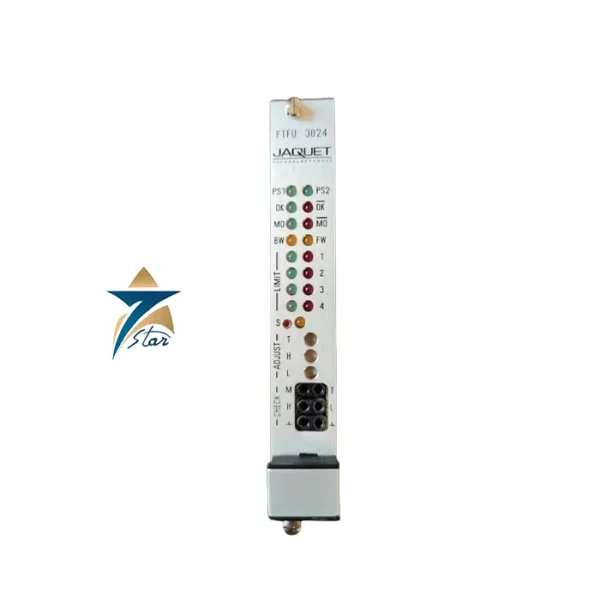
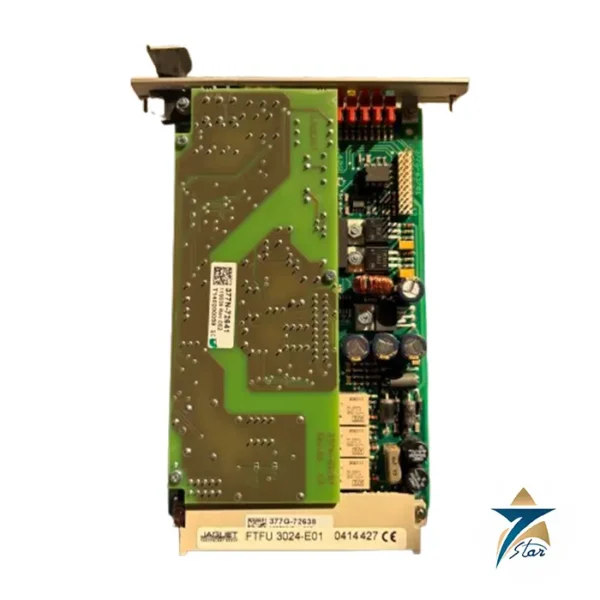
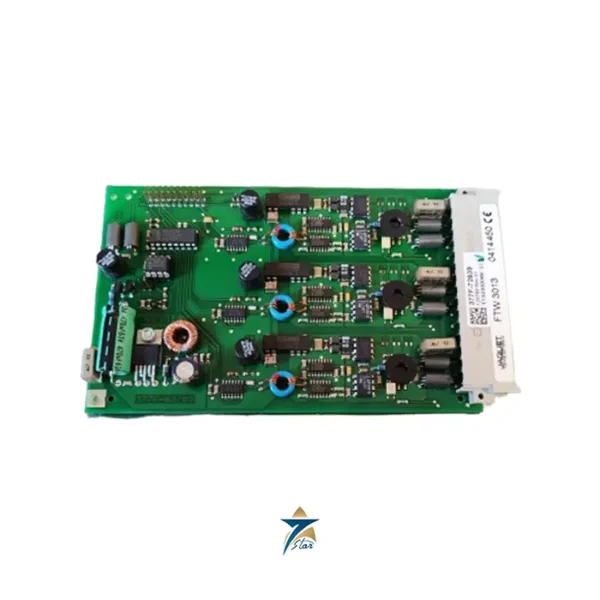
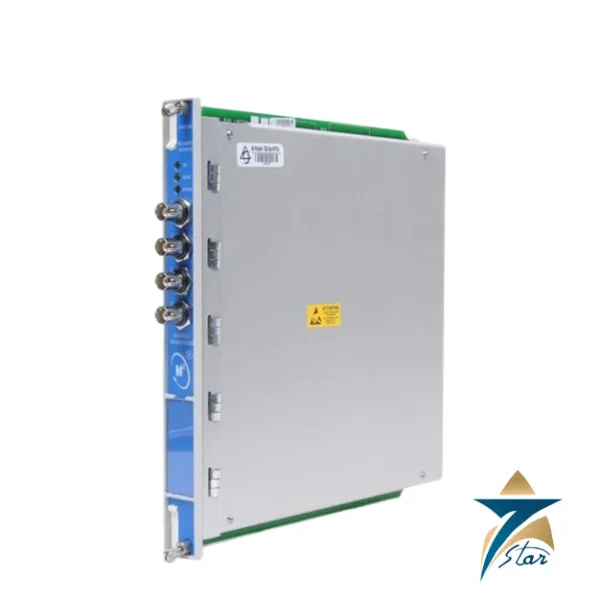
SHINKAWA VM-5Y7-01/IS0 Relay Module

Description

Overview

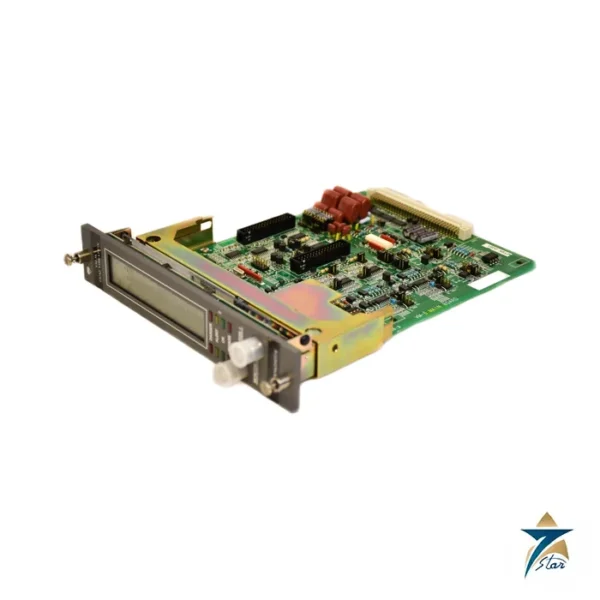
The Shinkawa VM-5Y7 Relay Module is an output interface unit within the VM-5 series machinery protection system, converting monitor alarm states into hard-wired relay contacts for plant control and shutdown circuits. It provides four relay points covering DANGER1, ALERT1, DANGER2, and ALERT2 alarm signals from the connected VM-5 monitor modules.

Engineered for turbine supervisory instrumentation (TSI) and machinery protection applications, the VM-5Y7 delivers reliable, electrically isolated alarm outputs that integrate directly with PLC, DCS, and safety systems, providing the robust contact interface required for trip and annunciation duties.

Engineering & Design

The relay module is designed to plug into the VM-5 series instrument rack alongside monitor modules, with alarm contacts rated 250VAC 5A and 30VDC 5A for direct connection to external circuits. Each contact set is configured as normally energised or de-energised to match the alarm philosophy of the installation, and the plastic-sealed construction protects the relay mechanism from the rack environment.
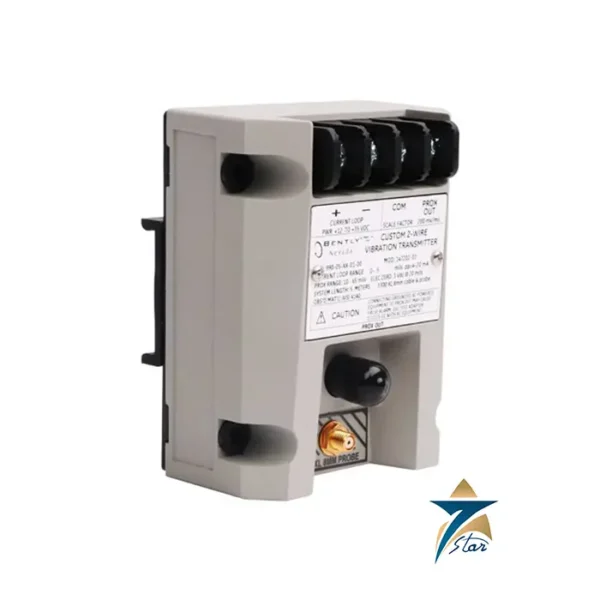
With a contact life rated at 100,000 operations or more, the VM-5Y7 delivers long, dependable service life in continuous monitoring applications. The module operates from 0°C to 65°C with storage capability from -30°C to +85°C, consistent with the VM-5 series industrial specification.
Key Features

  • Four relay points: DANGER1, ALERT1, DANGER2, ALERT2
  • Contact rating 250VAC 5A / 30VDC 5A
  • Contact life 100,000 operations or more
  • Normally energised or de-energised alarm contact operation
  • Plastic-sealed protective construction
  • VM-5 series rack integration
  • Operating temperature 0°C to 65°C
  • Storage temperature -30°C to +85°C

Applications

  • Turbine supervisory instrumentation alarm output
  • Machinery protection trip and shutdown circuits
  • Annunciation and control room indication
  • PLC and DCS alarm input interfacing
  • Compressor and generator protection systems
  • VM-5 system expansion and spares

Specifications

Specification Value
Model VM-5Y7 Relay Module
Relay Points 4 points (DANGER1, ALERT1, DANGER2, ALERT2)
Contact Rating 250VAC 5A / 30VDC 5A
Contact Life 100,000 operations or more
Contact Operation Normally energised or de-energised (configurable)
Construction Plastic-sealed protection
System VM-5 series instrument rack
Operating Temperature 0 to 65°C
Storage Temperature -30 to +85°C

Relay modules are the final link between a machinery protection system and the plant trip and annunciation circuits, and the Shinkawa VM-5Y7 Relay Module is engineered to make that link dependable. Each VM-5Y7 provides four relay points that mirror the DANGER and ALERT states of the VM-5 monitors, giving the protection engineer a clean, hard-wired interface to the plant.

Alarm output reliability is essential, and the Shinkawa VM-5Y7 Relay Module provides it; Seven Star LLC supplies the Shinkawa VM-5Y7 Relay Module as a standard VM-5 series component.

The Shinkawa VM-5Y7 relay module provides the relay outputs for the alarm functions, and the Shinkawa VM-5Y7 relay module is the relay module of the vibration monitoring system.

The relay contacts of the VM-5Y7 are rated for the 250 V AC control circuits and are replaced as a complete module without soldering. The wiring of the relay outputs is made on the rear terminal block, and the module is labelled with the channel number for the annunciator mapping. The status of each relay is visible with the LED on the module front, which supports the point to point verification during the commissioning of the machine protection panel.

Why Seven Star LLC

Seven Star LLC supplies the Shinkawa VM-5Y7 Relay Module for machinery protection systems across the Gulf, with complete documentation and configuration guidance. Our specialists help confirm contact configuration and integration with your plant alarm and trip philosophy.

We support VM-5 system expansion, spares, and replacement programmes for turbine and compressor monitoring installations in power, oil and gas, and industrial facilities.

Interface Engineering

The 250VAC 5A and 30VDC 5A contact ratings of the VM-5Y7 are sufficient for direct connection of annunciator inputs, PLC cards, and interposing relays without additional buffering. The configurable normally energised or de-energised operation allows the module to match either energise-to-trip or de-energise-to-trip philosophies.

Rated for 100,000 operations or more, the relay contacts provide many years of service in continuous monitoring applications, and the plastic-sealed construction protects the internal mechanism from the rack environment.

Request a Quote for SHINKAWA VM-5Y7-01/IS0 Relay Modul

For the Shinkawa VM-5Y7 Relay Module, VM-5 series relay module or any related control and instrumentation requirement, contact the Seven Star LLC team. Submit a formal inquiry through our RFQ page with your module, I/O and system configuration, and our specialists will respond with a detailed commercial proposal and the official Shinkawa documentation.

Matching the VM-5Y7 Suffix Code

Shinkawa relay modules are supplied in different versions, and the suffix after the base model (for example -01 and the option code that follows) defines the configuration. Read the full model code from the label on the installed module and compare it with the rack drawings. Record which monitor modules the relay module serves, how each relay is wired, and whether each contact works normally energised or de-energised in your plant. A module that looks the same but has a different option code may not behave the same way in your trip circuit.

Commissioning and Loop Checks

Relay outputs carry machine trips, so every point should be tested after a module change. Coordinate with operations and apply the bypasses your procedures require. A typical check sequence is:

  • confirm the wiring on the rear terminal block against the loop drawings;
  • force or simulate ALERT and DANGER states on the associated monitor module;
  • check each relay LED and verify the change of state at the DCS, PLC, annunciator or trip relay;
  • confirm the fail-safe behaviour by checking what the contacts do on power loss;
  • record the results and remove bypasses only after all points pass.

Maintenance and Troubleshooting

  • Alarm in the monitor but no signal in the DCS: check the relay LED first; if it has changed state, look for wiring, fuse or interposing relay problems downstream.
  • Relay LED does not change on alarm: check the alarm assignment and logic settings in the monitor module before replacing the relay module.
  • Intermittent contact behaviour: contacts switching loads beyond their rating or inductive loads without suppression wear faster; use interposing relays for larger loads.

Include relay outputs in your periodic proof testing of machinery protection trips, and keep a record of each module’s configuration.

Use in Oman and the GCC

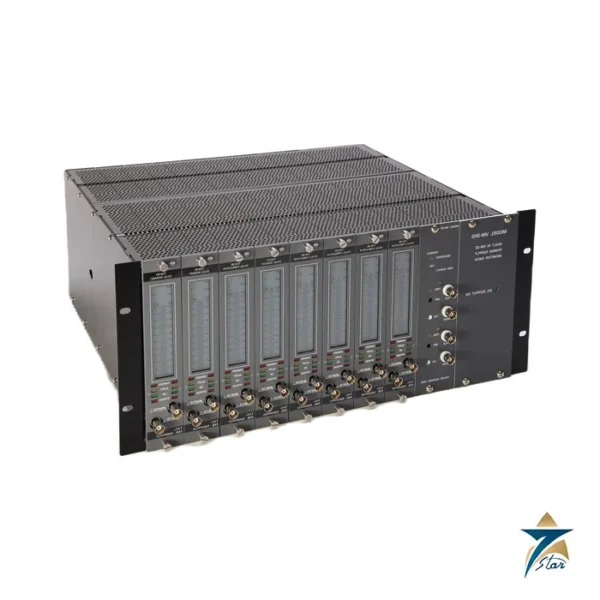
VM-5 systems protect steam and gas turbines, compressors and generators across the region’s power, desalination and oil and gas plants. Because a failed relay module can take several trip paths out of service, many sites keep one tested spare per rack type.

Sourcing Through Seven Star LLC

Send Seven Star LLC the full model code and rack details, and we will confirm the match and provide a quotation and lead time.

Other Models in the Shinkawa VM-5 Machinery Monitoring System Range

Seven Star LLC supplies models from the Shinkawa VM-5 Machinery Monitoring System range in Oman and the GCC. Compare the related models below and request a quote for the one that matches your application.

ModelCategory
Shinkawa VM-5W1 Dual Power Instrumentation RackVibration MonitoringView details
SHINKAWA VM-5Z1/IS0 Power SupplyVibration MonitoringView details
SHINKAWA VM-5K-411512-000-000-111-0/IS0/EX5 Dual Vibration MonitorVibration MonitoringView details
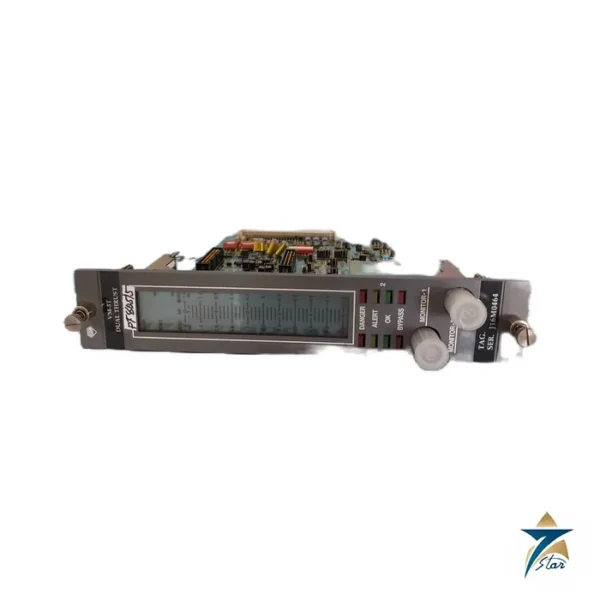
SHINKAWA VM-5T-93012-000-000-111-0/IS0/EX5 Thrust Position ModuleVibration MonitoringView details
SHINKAWA VM-5F-312-000-000-111-00/IS0/EX5 Temperature MonitorVibration MonitoringView details
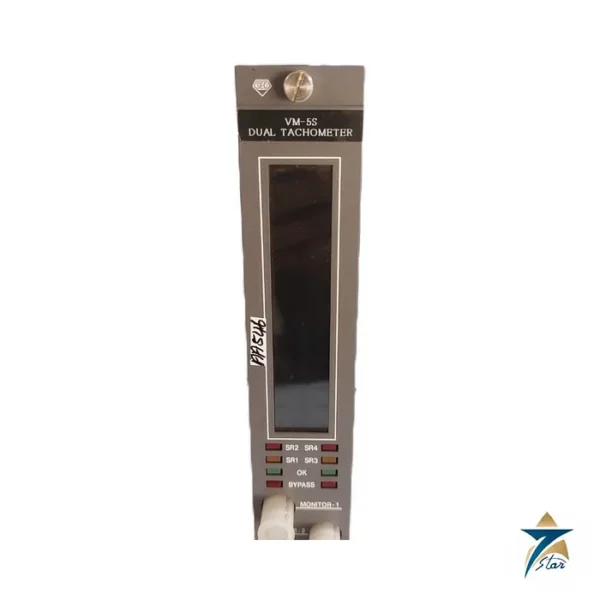
SHINKAWA VM-5S Dual TachometerVibration MonitoringView details
SHINKAWA VM-5P3-1-00-00-0/IS0 Phase Marker ModuleVibration MonitoringView details
SHINKAWA VM-5Y1-02/IS0 Relay ModuleVibration MonitoringView details
SHINKAWA VM-5Y7-01/IS0 Relay ModuleVibration MonitoringYou are viewing this model

Related Products

Datasheets & Documents
  • PDF Datasheet SHINKAWA VM-5Y7-01/IS0 Relay Modul Datasheet Download
Reviews (0)

Reviews

There are no reviews yet.

How would you rate this product?

It takes about 10 seconds — just tap a star. Your email is never published.

About brand

Turbine and compressor trains in many Asian-built power and process plants are protected by Shinkawa vibration monitoring. Shinkawa Electric Co., Ltd. of Tokyo makes eddy current displacement transducers, vibration sensors and rack-based monitors for rotating machinery. Seven Star LLC lists Shinkawa VM-5 and VM-700 series monitor modules, sensors and converters, and sources them by full model code for machinery protection systems in Oman.

Shinkawa company profile

Roots 1927. Incorporated as Shinkawa Electric Co., Ltd. in 1951
Head office Chiyoda, Tokyo, Japan
Sensors Displacement and vibration transducers made since 1977. Development and manufacture are at Shinkawa Sensor Technology (founded 1994) in Hiroshima
Product families Eddy current proximity probes with drivers (converters), velocity and acceleration sensors, LVDTs, and machinery protection monitors and condition monitoring systems
Typical machines Steam and gas turbines, generators, centrifugal compressors, large pumps and fans

Milestones

  • 1927: The business that became Shinkawa starts in Japan.
  • 1951: Incorporated as Shinkawa Electric Co., Ltd.
  • 1977: Displacement and vibration transducers are first made.
  • 1994: Shinkawa Sensor Technology is founded in Hiroshima for sensor development and manufacture.

Shinkawa monitors and sensors listed

Series Function Listed models
VM-5 rack Machinery protection monitor system VM-5K dual vibration, VM-5T thrust position, VM-5S tachometer, VM-5F temperature, VM-5P3 phase marker
VM-5 system modules Relays, power, rack and communication VM-5Y1 and VM-5Y7 relays, VM-5Z1 power supply, VM-5W1 rack, VM-53 communication
VM-700 series Compact stand-alone vibration monitors VM-701B, VM-704B, VM-741B, VM-751B1
VK series (VL model codes) Eddy current displacement sensors VL-202A08R, VL-452A11A
Converters Probe drivers and signal converters 2M04-500

Shinkawa's current catalog also shows the FK transducer series and the VM-7 monitor. This matters when an older part has to be matched with a present-day equivalent.

How a Shinkawa protection chain works

An eddy current probe sits a set distance from the shaft. Its driver (converter) turns the gap into a voltage, and the monitor turns that voltage into vibration, thrust position or speed values with alert and danger set points. The probe, extension cable and driver are calibrated together for one total system length and one target material, usually AISI 4140 shaft steel. Changing one part without matching the other two shifts the calibration. The monitor relays feed the turbine or compressor trip logic, and buffered outputs go to analysis systems. Many protection systems of this kind are specified to API 670.

Where Shinkawa vibration monitoring is used

Shinkawa systems measure shaft vibration, axial (thrust) position, speed, phase reference and bearing temperature on steam turbines, gas turbines, generators, compressors, pumps and fans. In the GCC they are found mainly in power stations, desalination plants, refineries and petrochemical units with Japanese or Korean machinery packages.

Ordering Shinkawa parts: what we need

Shinkawa model codes are long and every field counts. A monitor code such as VM-5K-411512-000-000-111-0/IS0/EX5 defines the input type, range, options and suffix codes, so copy the complete string from the module label, including everything after the slashes. For sensors, send the VL or FK model code, probe tip diameter, cable length and the matching driver or converter model, since the probe, extension cable and driver work as a calibrated set. A serial number and a photo of the label help us confirm the item in the manufacturer's documentation. Where a model is no longer produced, we propose the successor the manufacturer names.

Facts checked against Shinkawa Electric company information and product documentation, October 2026.

FAQ

Questions about the SHINKAWA VM-5Y7-01/IS0 Relay Module

Answers from our engineering team on installation, compatibility and integration.

01What does the VM-5Y7 relay module do?
It converts VM-5 monitor alarm states into hard-wired relay contacts for DANGER1, ALERT1, DANGER2, and ALERT2 signals for plant control and shutdown circuits.
02What is the contact rating?
The relay contacts are rated 250VAC 5A and 30VDC 5A with a contact life of 100,000 operations or more.
03Can the alarm contacts be configured?
Yes, each contact can be configured as normally energised or de-energised to match the installation alarm philosophy.
04Which rack does it fit?
The VM-5Y7 plugs into the VM-5 series instrument rack alongside other VM-5 monitor modules.
05What temperature range does it operate in?
The module operates from 0°C to 65°C with storage from -30°C to +85°C.