Overview
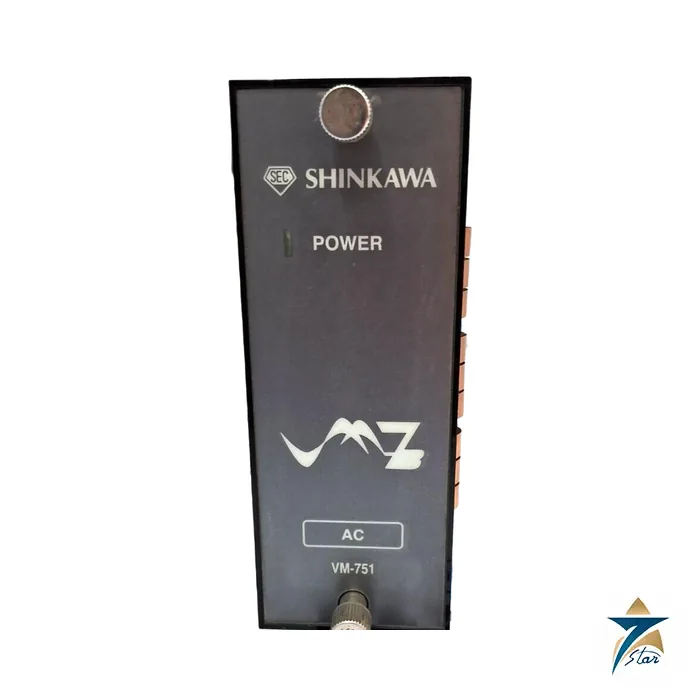
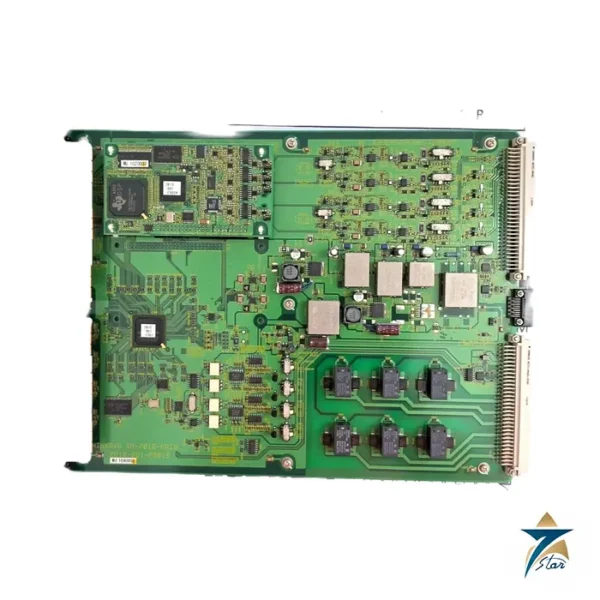
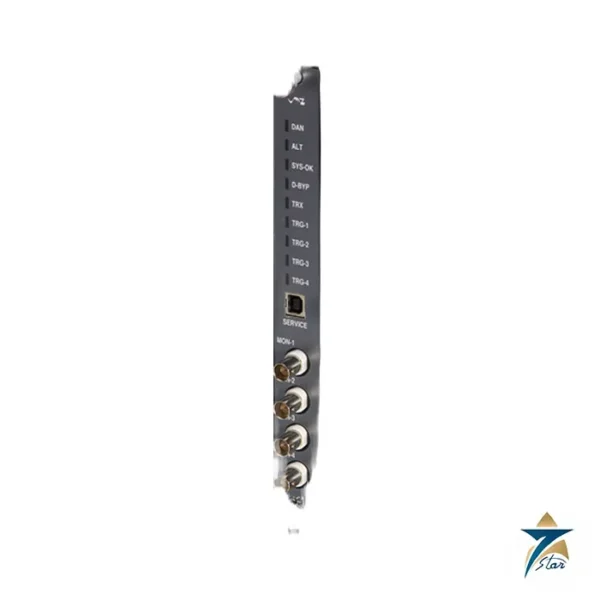
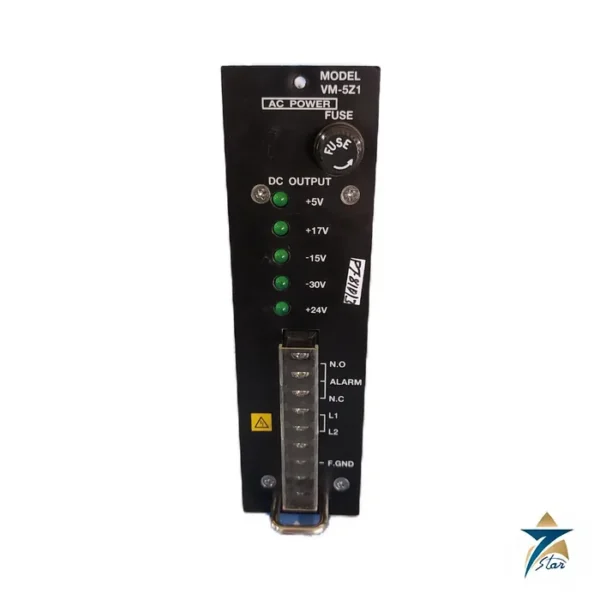
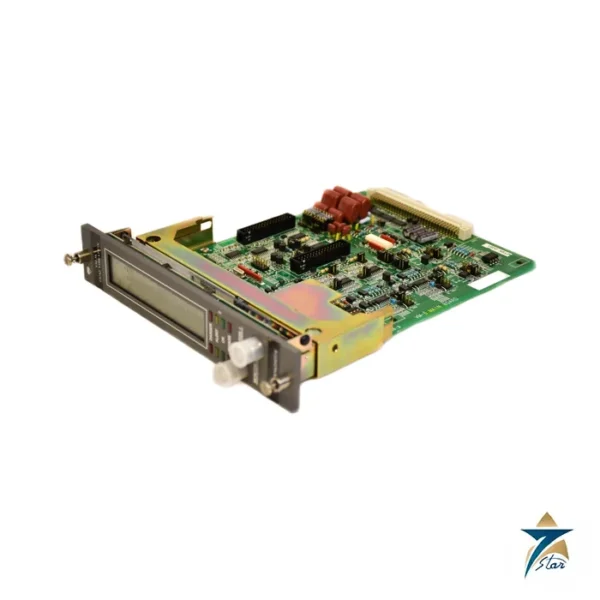
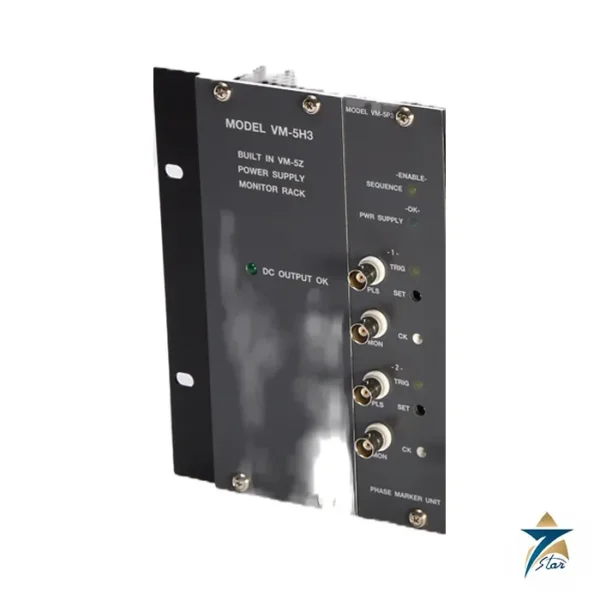
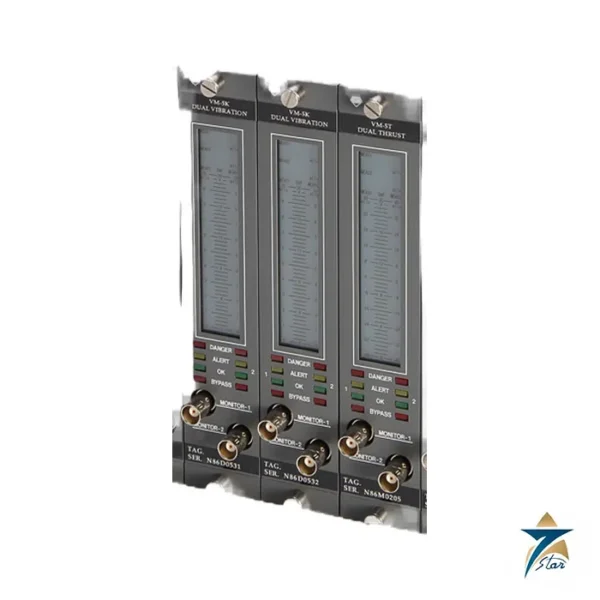
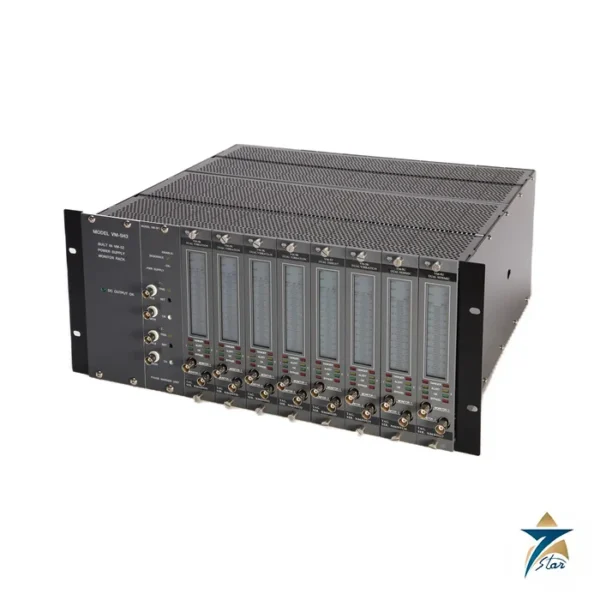
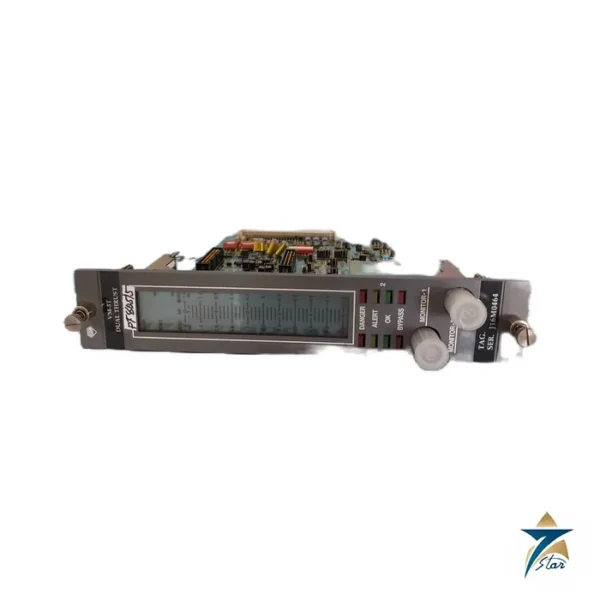
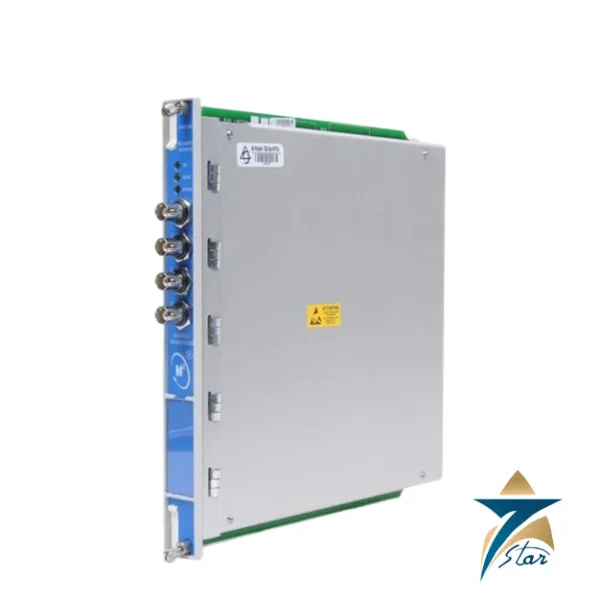
The Shinkawa VM-751B1/NB1/TRP vibration monitor belongs to the Shinkawa VM series and is used for continuous vibration monitoring of rotating machinery. The monitor conditions the sensor signal, compares the level with the alarm setpoints and operates the alarm and trip relays of the protection circuit, while the DC output provides the live vibration value for the recorder and the DCS. The NB1 and TRP codes define the terminal and option configuration of the channel.
The VM-751B1 channel is configured with the terminal block and option codes of the part number, and the monitor is verified against the installed set before shipment. The alarm and trip setpoints are adjusted during commissioning, and the DC output provides the live vibration value for the recorder and the DCS. The relay outputs feed the protection circuit, and the channel is tested with the simulated signal before the machine is started.
Engineering and Design
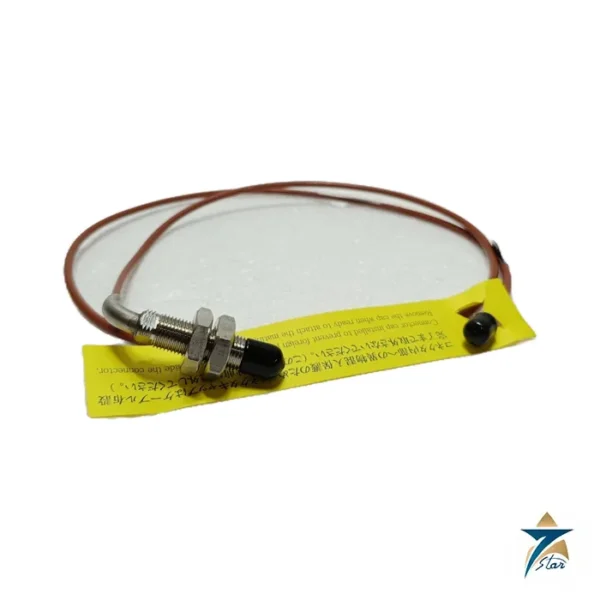
The VM-751B1 accepts the vibration sensor signal from the bearing housing and produces a conditioned DC output proportional to the measured level. The alarm and trip setpoints are adjustable, allowing the protection function to be tuned to the machine train. The relay outputs are wired into the shutdown circuit and the DC output feeds the trending system, so the monitor serves both protection and condition monitoring.
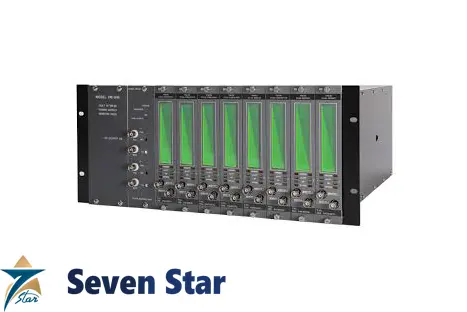
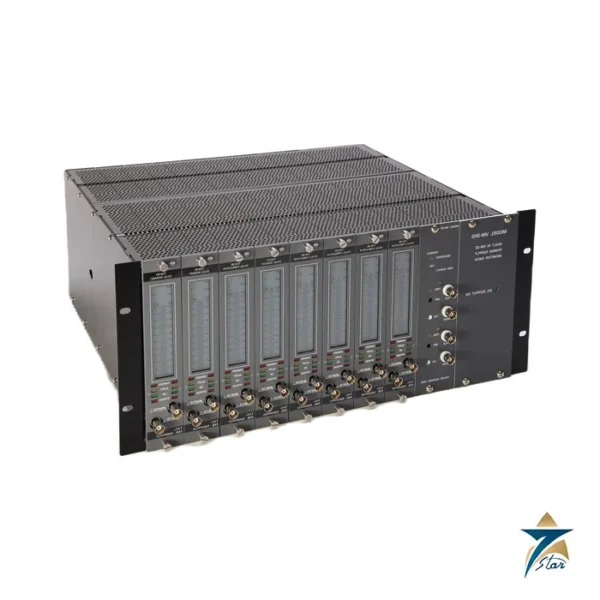
The suffix codes in the part number specify the terminal block arrangement and the option set for the installation, and the monitor is shipped complete with the matching configuration. Following the VM series practice, the monitor is rack or panel mounted in the control room with the wiring diagram supplied by Shinkawa. The legacy VM series is supported through the discontinued products channel, and this monitor provides a verified spare for running Shinkawa systems.
The VM-751B1 channel is installed in the control cabinet with the sensor cable routed from the machine to the monitor input terminals. The alarm and trip setpoints are adjusted during commissioning to the machine train, and the verification is recorded in the commissioning report. The relay outputs are wired into the protection circuit, and the DC output is connected to the recorder or the DCS for continuous trending of the vibration level. The monitor is powered from the plant supply and is tested with the simulated signal before the machine is started. The NB1 and TRP suffixes define the terminal block arrangement and the option set of the channel, and the spare is verified against the installed configuration before shipment. Shinkawa supports the legacy VM series through the discontinued products channel with the outline drawings and wiring diagrams. Plants that operate a Shinkawa condition monitoring system keep the VM-751B1 as a drop-in spare channel, which keeps the protection scheme operational while the failed unit is repaired and shortens the plant downtime. The channel is commissioned by the instrument technician and the setpoints are recorded in the plant log. The monitor is supplied in the rack or panel format of the VM series for the control room installation. The channel is part of the protection scheme on the machines where it is fitted, and supply is on request with lead time confirmed at quotation. The analog output scaling is checked against the sensor calibration during the verification.
Key Features
- Continuous vibration monitoring channel
- Adjustable alarm and trip setpoints
- DC output for recorder and DCS
- Terminal and option configuration codes
- Rack or panel mounting
- Part of Shinkawa VM series
Applications
The VM-751B1 is used on pumps, compressors, motors and turbine auxiliaries in power plants, oil and gas facilities and industrial plants where continuous bearing vibration monitoring is required.
Specifications
| Product line |
Shinkawa VM seriesnType: vibration monitornModels: VM-751B1 with NB1/TRP optionsnInput: vibration sensor signalnOutputs: alarm, trip, DC signalnMounting: rack or panelnManufacturer: Shinkawa Electric Co., Ltd. |
Why Seven Star LLC
Seven Star LLC supplies Shinkawa VM series monitors to reliability teams across Oman and the GCC. Every part number is checked before your order is confirmed, and our team verifies the monitor configuration and cabling for your machine train.
The NB1 and TRP option codes on the VM-751B1 define a specific terminal block and relay configuration, and we confirm these against your existing panel wiring before an order is placed, since substituting a monitor with a different option set can mean the relay contacts do not land on the terminals your protection circuit already expects, requiring rewiring work that a correctly specified spare would have avoided entirely. We keep a record of the exact configuration codes used across your site so repeat orders for the same channel type are matched consistently over time, even when years pass between purchases.
Consistent Spares Across Multi-Year Projects
Rotating equipment protection channels are often ordered years apart, sometimes by different procurement staff who were not involved in the original installation, and a small configuration mismatch between orders can go unnoticed until the spare is already on site and does not fit the panel. We help plants avoid this by keeping a documented history of the exact VM-751B1 configuration used on each channel, so a repeat order draws on that record rather than a fresh best guess at the part number.
Request a Quote for Shinkawa VM-751B1/NB1/TRP Vibration Monitor
Submit a formal inquiry through our RFQ page with the VM-751B1 part number and your machine configuration. We will confirm the matching channel and respond with a formal quotation. | Inquiry Form
Related Products
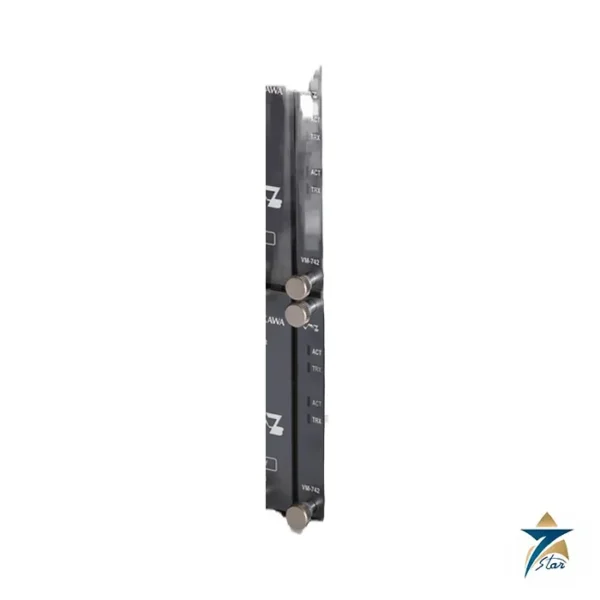
See also: Shinkawa VM-742B1-1/CS1 Vibration Monitor.






















Reviews
There are no reviews yet.