- Automation & ControlView all 3,142 products
- Automation Accessories
- AC Drives
- PLC & I/O Cards
- Industrial Communications
- Vibration Monitoring
- Controllers & Data Acquisition
- Isolator & Barrier
- Safety Switches & Guard Locking
- Encoders
- Motor Soft Starters
- CCTV & Security
- Pneumatic Cylinders
- HMI Displays
- Servo Drives
- Industrial Computers
- Machine Vision
- Automation Software
- Robotics
Brand: Metrohm
Metrohm 6.0233.100 Combined pH Glass Electrode SGJ 14/15
Description
Overview
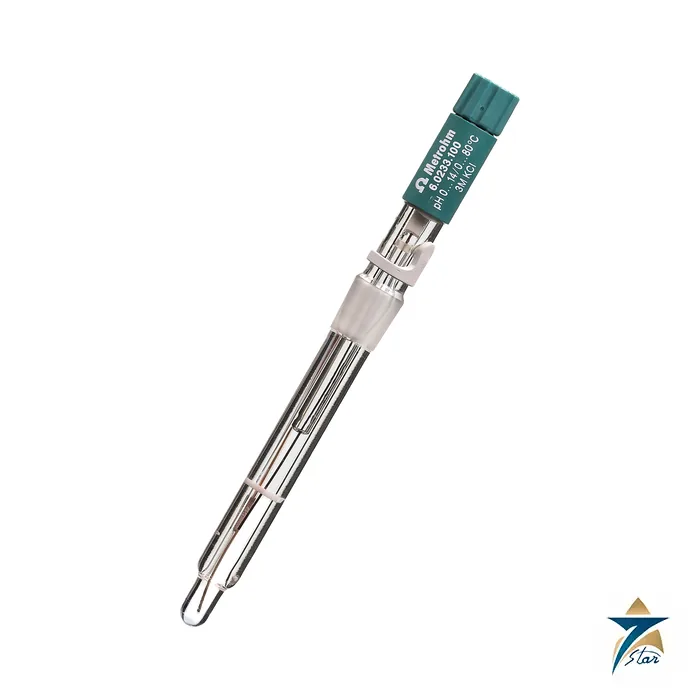
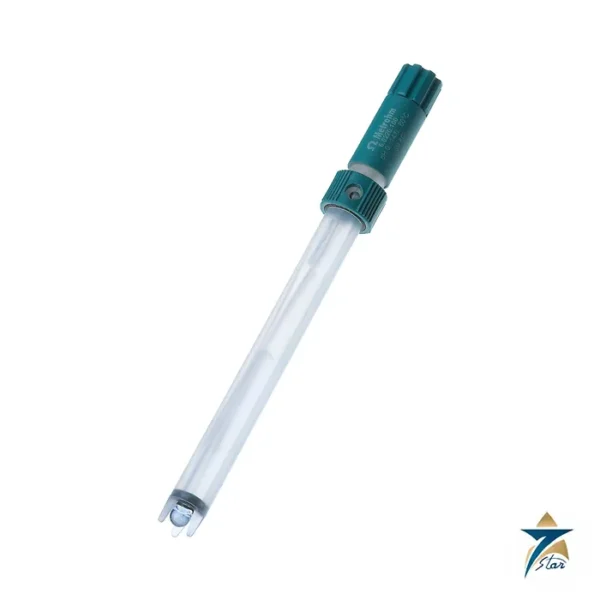
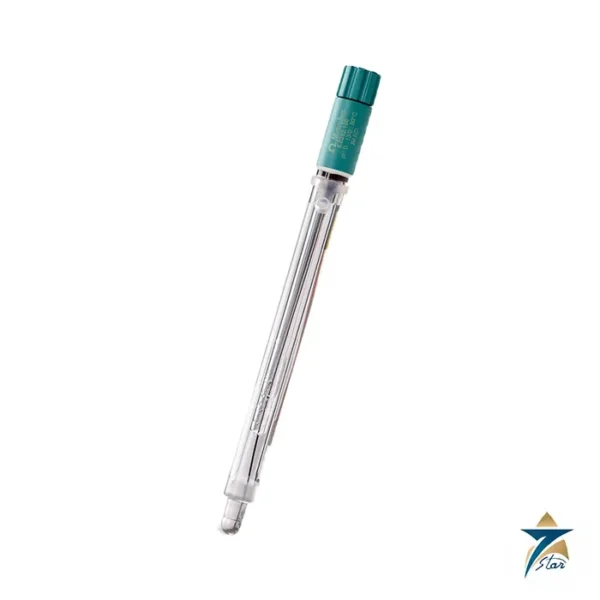
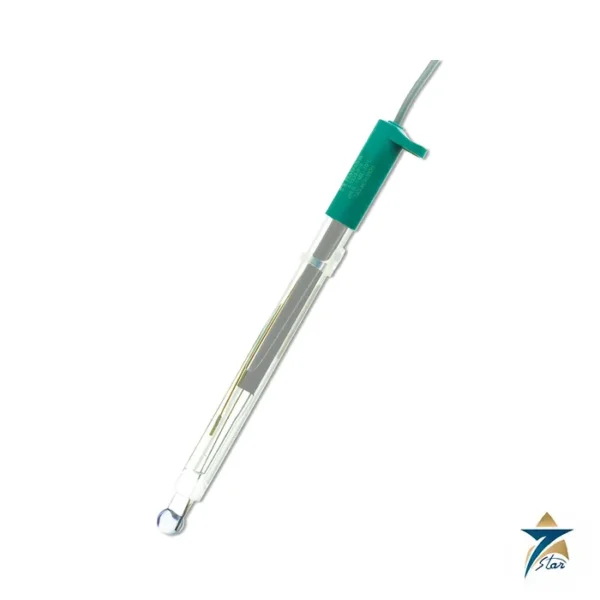
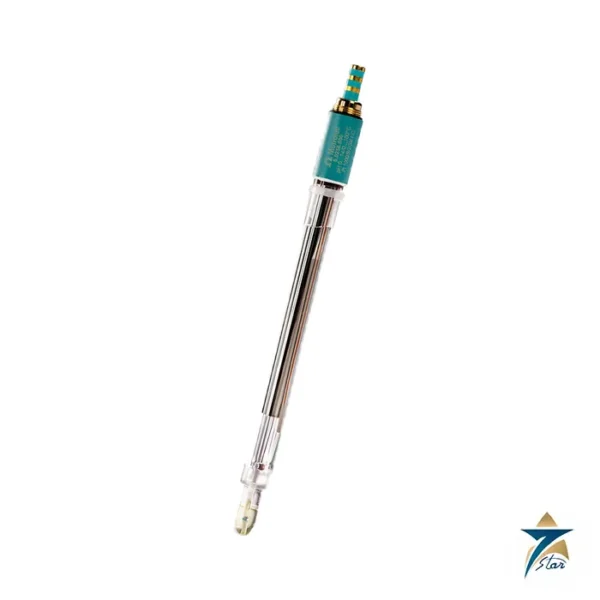
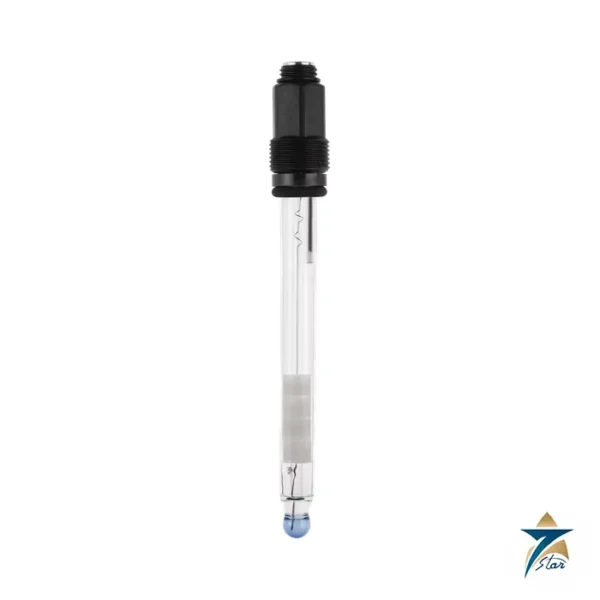
The Metrohm 6.0233.100 is a combined pH glass electrode that Metrohm built for ordinary aqueous acid and base titrations. A glass measuring membrane and an Ag/AgCl reference system share one glass shaft, so a single probe delivers the potential that a titrator or pH meter converts into a pH reading. It is a straightforward laboratory workhorse: filled with 3 mol/L potassium chloride, stored in Metrohm storage solution, and ready for use as soon as the protective cap is removed. Seven Star LLC is an independent supplier serving Oman and the GCC.
What sets the Metrohm 6.0233.100 apart from other combined pH electrodes in the Metrosensor range is its standard ground-joint sleeve, designated SGJ 14/15, together with a hemispherical membrane of glass type T. Labs that run automated titration stands tend to prefer this construction because the sleeve can be loosened for cleaning and re-wetted quickly.
Technical data for Metrohm 6.0233.100
| Property | Value from the Metrohm product data |
|---|---|
| Order number | 6.0233.100 |
| Electrode type | Combined pH glass electrode |
| Sleeve | Standard ground joint SGJ 14/15 |
| Membrane glass type | T |
| Membrane shape | Hemisphere |
| pH range | 0 to 14 |
| Temperature range, long-term and short-term | 0 to 80 degrees C |
| Membrane resistance | 150 to 400 MOhm |
| Resistance of the electrode | 5 kOhm |
| Electrode zero point | plus or minus 15 mV |
| Slope | above 0.97 |
| Diaphragm | Ceramic diaphragm |
| Reference system | LL system, c(KCl) = 3 mol/L |
| Electrolyte flow rate | 10 to 25 microlitres per hour at 10 cm water column |
| Maximum installation length | 101 mm |
| Minimum immersion depth | 20 mm |
| Shaft | Glass, 12 mm diameter top and bottom |
| Plug-in head | Metrohm plug-in head G |
Reading the numbers behind this electrode
The membrane resistance of 150 to 400 megaohm is typical for a low-resistance membrane glass and explains why the electrode responds quickly in aqueous solutions near room temperature. The zero point of plus or minus 15 mV describes how far the potential may deviate from zero at pH 7, and the slope above 0.97 means that the electrode delivers more than 97 percent of the theoretical Nernst response per pH unit. When a titrator reports a slope below about 96 percent, the Metrohm leaflet points to diaphragm treatment as the first measure, not immediate replacement.
The electrolyte flow of 10 to 25 microlitres per hour is deliberately modest. It keeps the liquid junction stable while slowly refreshing the reference electrolyte, which is why the fill opening should be open during measurement, as the leaflet instructs for combined electrodes.
How Metrohm 6.0233.100 differs from other pH glass electrodes
Metrohm sells several combined glass electrodes with similar looks but different jobs. The 6.0233.100 uses a ceramic diaphragm and the SGJ 14/15 sleeve with a 5 kOhm electrode resistance and a 101 mm maximum installation length. The Ecotrode with order number 6.0232.100 uses a flexible sleeve and a lower resistance of 3 kOhm. The Unitrode 6.0259.100 has a fixed ground-joint diaphragm intended for viscous and alkaline samples. The Profitrode 6.0255.100 is a double-junction design for samples that contaminate a reference system. Choose the Metrohm 6.0233.100 when the sample is a clean aqueous acid or base titration and you want a conventional, easily serviced reference junction.
Where this electrode is used in Oman and the GCC
Quality laboratories in refineries, desalination plants, power stations and water utilities across Oman and the GCC measure pH in feed water, boiler water, cooling water treatment chemicals and process effluent. Acid number work, alkalinity titrations and neutralisation checks on caustic and acid dosing solutions are typical uses. Environmental and municipal labs apply the same style of electrode when they validate drinking water or wastewater limits. The 0 to 80 degrees C temperature range covers hot sample handling after sample cooling, but it is not meant for samples above 80 degrees C.
Selection and compatibility notes
It carries a Metrohm plug-in head G, so it connects with a standard electrode cable to Metrohm titrators and pH meters. It has no integrated temperature sensor, so a separate Pt1000 sensor or a temperature input must be used when temperature compensation is needed. For non-aqueous titrations in alcohol or other solvents, the Metrohm leaflet recommends the Solvotrode; for solutions with solids, the Unitrode; and for low-ion samples, the Aquatrode Plus. Solutions containing sulfide may deposit black silver sulfide in the diaphragm, which can be treated with a thiourea solution described in the leaflet. Perchlorate samples call for a double-junction electrode with a potassium-free bridge electrolyte.
Commissioning
On arrival, check that the electrode works by carrying out a pH calibration or the electrode test available on Metrohm titrators. Open the closure of the filler opening and make sure the reference electrolyte reaches up to it. Remove the protective cap, rinse the tip without touching it, and connect the cable. Because the electrode is stored in the dedicated storage solution, it needs no prior conditioning. Calibrate with at least two buffers that bracket the expected sample range and record slope and zero point for your quality log.
Care and storage
Rinse the electrode after every measurement and keep the tip clean. Never place electrodes in an ultrasonic bath, since the treatment can damage them. Store the electrode with the diaphragm covered in the 3 mol/L KCl based storage solution recommended for this type, and close the filler opening; never store it dry. If air bubbles appear in the electrolyte, flick the electrode gently downward. A sluggish response can be tackled by loosening the ground-joint sleeve and refilling fresh electrolyte, or by immersing the electrode in hot water up to 70 degrees C, with a little washing-up liquid if needed, to free a jammed diaphragm.
Ordering notes
State the full order number 6.0233.100 when you request a quotation, together with quantity and whether you also need electrode cables, storage solution or buffer solutions. Customers often order a spare electrode with every titrator because glass membranes age even in storage.
Related items you may also need: Metrohm 916 Ti-Touch Compact Potentiometric Titrator | Metrohm 2035 Process Analyzer | Metrohm 888 Titrando Potentiometric Titrator | All Metrohm products.
Documents and quotation
The Metrohm leaflet for pH glass and gel electrodes is supplied with this page and covers commissioning, measuring, cleaning, storage and troubleshooting. To receive a quotation, send an RFQ listing Metrohm 6.0233.100, the quantity and your delivery location in Oman or the GCC, and mention the titrator or meter it will be used with.
Datasheets & Documents
- Datasheet Metrohm 6.0233.100 Combined pH Glass Electrode SGJ 14/15 Datasheet Download
Reviews (0)
How would you rate this product? Cancel reply
About brand
Metrohm is a Swiss maker of instruments for chemical analysis, founded in 1943 by Bertold Suhner in Herisau, where it is still headquartered. It is best known for titration and also makes ion chromatography, electrochemistry, spectroscopy and process analysers. Metrohm is owned by a foundation.
Seven Star LLC lists the Metrohm 905 Titrando, the 916 Ti-Touch and the 2035 Process Analyzer, and supplies Metrohm instruments and accessories to laboratories and plants in Oman and the GCC.
Metrohm company profile
| Founded | 1943, Herisau, Switzerland |
|---|---|
| Founder | Bertold Suhner |
| Headquarters | Herisau, Switzerland |
| Ownership | Metrohm Foundation |
| Product families | Titrando and Ti-Touch titrators, ion chromatography systems, 2035 and 2060 process analysers, electrodes |
Metrohm instruments listed here
The 905 Titrando is a high-end potentiometric titrator for use with Dosino dosing units. It runs dynamic (DET), monotonic (MET) and set endpoint (SET) titrations, takes up to four 800 Dosino units, recognizes intelligent iTrode electrodes, and is operated from tiamo or OMNIS software or a Touch Control. The 2035 Process Analyzer is an online wet-chemistry analyzer for automatic analysis of samples drawn from the process.
Metrohm products we list
| Family | Examples |
|---|---|
| Liquid Analytical Systems | 2035 Process Analyzer, 905 Titrando Potentiometric Titrator, 916 Ti-Touch Compact Potentiometric Titr… |
Ordering Metrohm equipment: what we need
Metrohm article numbers follow a fixed pattern (the 905 Titrando is 2.905.0010), and that number is the best reference for instruments, electrodes and accessories. For a new application, tell us the sample, the parameter and its concentration range, the method or standard you follow, and for a process analyzer the number of sample streams and the signals your control system needs.
Facts checked against Metrohm's published company history, October 2026.
Browse Metrohm products by category: Liquid Analytical Systems.
FAQ
Questions about the Metrohm 6.0233.100 Combined pH Glass Electrode SGJ
Answers from our engineering team on installation, compatibility and integration.
01What is the pH range of the Metrohm 6.0233.100?
The Metrohm data lists a pH range of 0 to 14 with a long-term and short-term temperature range of 0 to 80 degrees C for this combined electrode.
02Which sleeve and diaphragm does the Metrohm 6.0233.100 have?
It has a standard ground-joint sleeve SGJ 14/15 and a ceramic diaphragm, with an LL reference system filled with 3 mol/L potassium chloride.
03Does the Metrohm 6.0233.100 include a temperature sensor?
No. The product data lists no integrated sensor, so temperature compensation needs a separate Pt1000 or an input on the titrator or meter.
04How should the Metrohm 6.0233.100 be stored?
Keep it in Metrohm storage solution with the diaphragm covered and the filler opening closed. The leaflet says an electrode must never be stored dry.
05What are the zero point and slope values of the 6.0233.100?
The electrode zero point is plus or minus 15 mV and the slope is above 0.97, with a membrane resistance of 150 to 400 MOhm.


Reviews
There are no reviews yet.