WIKA 910.15 syphons and connecting pipes for pressure instruments, to 550 °C
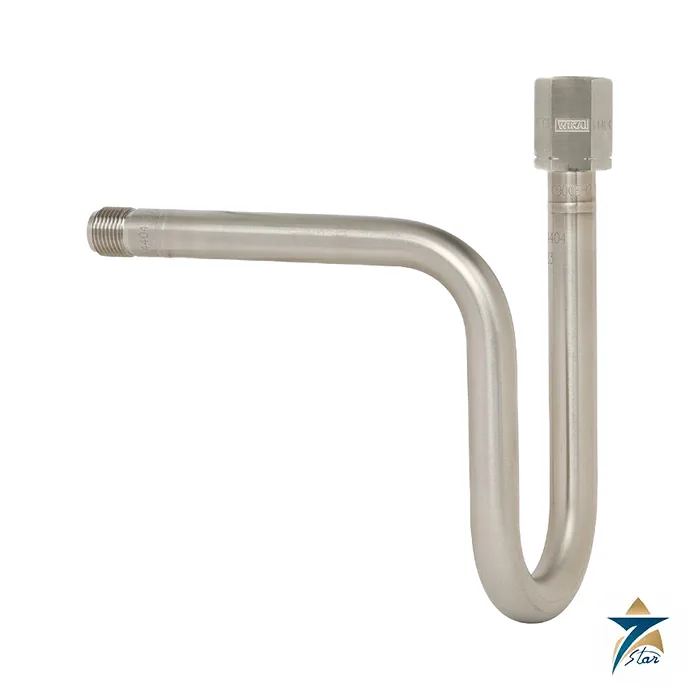
The WIKA 910.15 is a family of stainless steel and carbon steel syphons and connecting pipes that sit between a hot process line and a pressure gauge or transmitter. The syphon collects condensate and acts as a cooling element, so hot gas, vapour or steam does not reach the instrument. The data sheet gives permissible temperatures up to 550 °C [1,022 °F] and nominal pressures up to 420 bar [6,091 psi], and describes a compact form that suits vibrating applications. Seven Star LLC supplies the 910.15 in Oman and the GCC as an independent supplier in Muscat; this page explains the geometries and ordering choices so that an RFQ can be placed correctly.
How a syphon protects the instrument
A syphon is a bent pipe in which condensate collects. In steam and hot vapour service the condensate forms a liquid plug that prevents the hot medium reaching the Bourdon tube or the sensor. The data sheet recommends filling the syphon with a cooling barrier liquid before the pressure line is commissioned, because otherwise the first burst of steam can reach the instrument. The bends also dampen pressure spikes and pulsations to a degree, so the syphon is not only a thermal but also a mechanical protection.
The geometry follows DIN 16282. U-form syphons are intended for horizontal pressure tapping and trumpet-form syphons for vertical tapping. A compact form minimises the effect of vibrations and also protects against pressure spikes and pulsations. For applications that need no syphon, WIKA offers straight or angular (90 degree elbow) connecting pipes. Customer-specific combinations of valves and instruments can be built on request.
Technical specifications of the 910.15
| Parameter |
Specification |
| Manufacturer / part number |
WIKA / 910.15 |
| Design standard |
DIN 16282 forms A, B, C and D; NPT and industrial standard variants |
| Forms |
U-form (A, B), trumpet form (C, D), compact form, straight and angular connecting pipes |
| Materials |
Carbon steel, phosphated; stainless steel 316L |
| Maximum temperature |
550 °C [1,022 °F] |
| Nominal pressure |
To 420 bar [6,091 psi]; max. operating pressure 160 bar [2,320 psi] for the standard DIN forms |
| Instrument connection |
G 1/2 with LH-RH adjusting nut (DIN 16283), or 1/2 NPT connection sleeve, or M20 x 1.5 |
| Process connection |
G 1/2 B, M20 x 1.5 or 1/2 NPT male (forms A and C); weld-in 2 x 45° (forms B and D) |
| Pipe diameter |
20 mm in the drawings of the U form and trumpet form |
| Certificates |
Standard, or with 3.1 certificate per EN 10204 including material proof of wetted metal parts |
| Pressure-temperature limits |
Separate diagrams for U and trumpet form, compact form and connecting pipes |
The four DIN 16282 forms and their threads
| Form |
Shape |
Process connection |
Max. pressure |
| A |
U-form, threaded |
G 1/2 B (or M20 x 1.5, 1/2 NPT male) |
160 bar |
| B |
U-form, weld-in |
Weld-in, 2 x 45° |
160 bar |
| C |
Trumpet form, threaded |
G 1/2 B (or M20 x 1.5, 1/2 NPT male) |
160 bar |
| D |
Trumpet form, weld-in |
Weld-in, 2 x 45° |
160 bar |
The data sheet lists separate order numbers for carbon steel and for 316L stainless steel, each in a standard version and a version with 3.1 inspection certificate. For 1/2 NPT versions a connection sleeve replaces the LH-RH adjusting nut. Because the pipes are bent, the dimensions at the bending points vary slightly with the manufacturing process, which should be remembered when the syphon has to fit a fixed panel space. Industrial standard variants, such as a straight U form, are also shown on later pages of the data sheet.
Where the 910.15 fits and related WIKA accessories
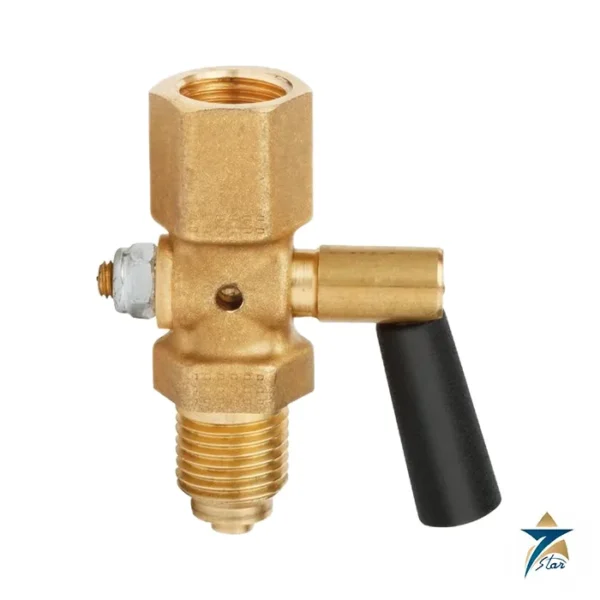
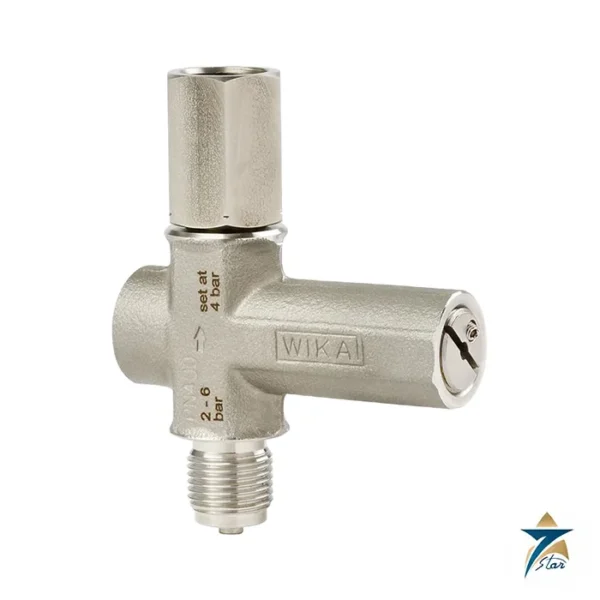
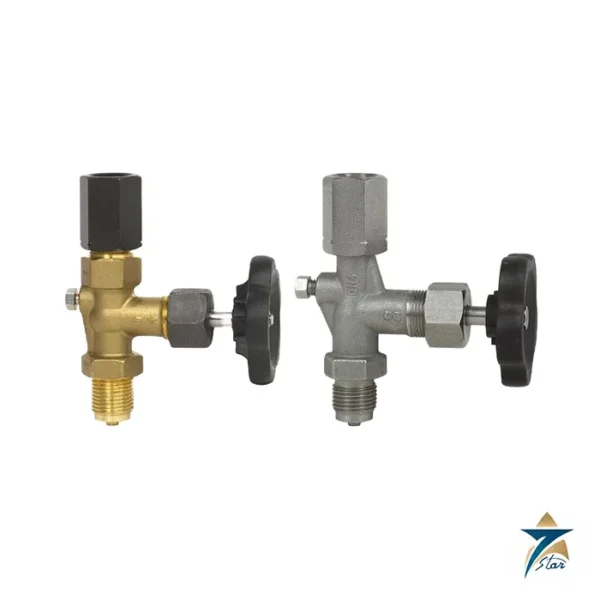
The usual assembly is: line connection, syphon 910.15, shut-off valve 910.11 or stopcock 910.10, snubber 910.12 if needed, then the gauge or transmitter. If only cooling is needed and the medium is a clean hot liquid or gas, the threaded cooling element 910.32 is a shorter alternative, with limits of 200 °C and 600 bar. An overpressure protector 910.13 may be added for protection against surges. A mounting bracket 910.16 supports the arrangement, and sealings 910.17 close parallel threads. The 910.15 pipe is a pressure-bearing part, so the material, form and connection must match the line specification.
Selection and ordering checklist for the 910.15
- Maximum medium temperature and pressure, checked against the pressure-temperature diagram.
- Geometry: U-form for horizontal tapping, trumpet form for vertical tapping, compact form for vibration, or connecting pipe.
- Process side: threaded (forms A and C) or weld-in (forms B and D).
- Thread type: G 1/2 B, M20 x 1.5 or 1/2 NPT.
- Material: carbon steel or 316L stainless steel.
- Certification: standard or 3.1 with material proof.
- Whether the instrument connection needs an LH-RH adjusting nut or a connection sleeve.
Installation, commissioning and maintenance of the 910.15
Install the syphon so that it will hold liquid: the lowest point of the bend must not be drained by the fitting position. Before commissioning a steam or hot vapour line, fill the syphon with water or another barrier liquid and open the isolation valve slowly. For vertical tapping use the trumpet form and for horizontal tapping the U-form. Support the pipe if the instrument is heavy, particularly in areas with vibration, where the compact form is the better option. During outages, check for scale or sludge in the bend; a blocked syphon will give a stale reading.
Typical applications in Oman and the GCC
In Oman and the Gulf the 910.15 is installed on steam headers, boiler and steam-turbine instrumentation, condensate lines, hot oil circuits and process heaters in power and desalination plants and in refining. The temperature rating to 550 °C and the 316L stainless steel option suit high-temperature steam and coastal environments. Carbon steel versions are used on inland utility steam lines where the specification allows.
Information to send with an RFQ
- Model 910.15 with DIN 16282 form
- Material and certificate requirement
- Process and instrument connection
- Medium, maximum pressure and temperature
- Quantity and delivery site
Documents and quotation
The WIKA data sheet for the 910.15 is attached on this page, with pressure-temperature diagrams, dimension drawings and order numbers.
Send the form, material and connection and Seven Star LLC will confirm availability and a quotation.
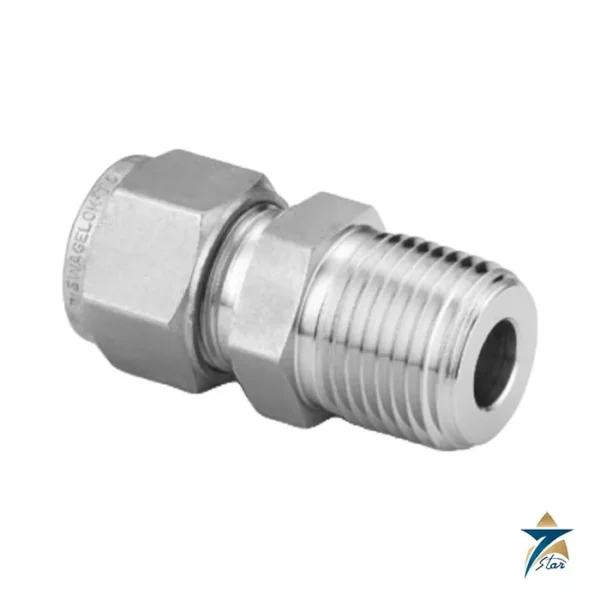
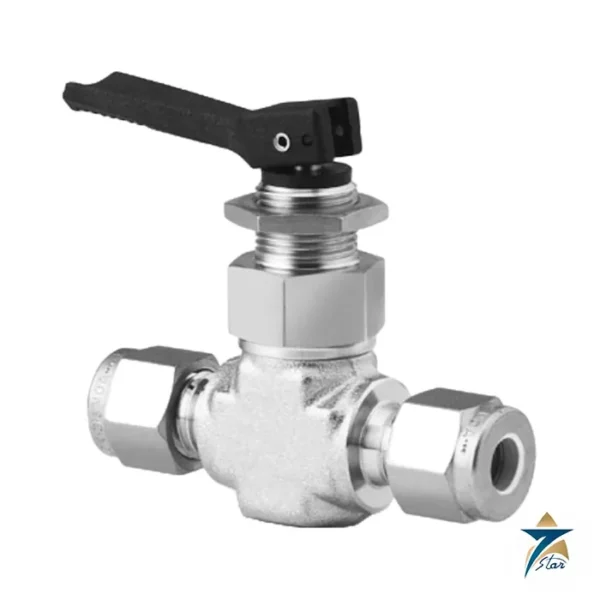
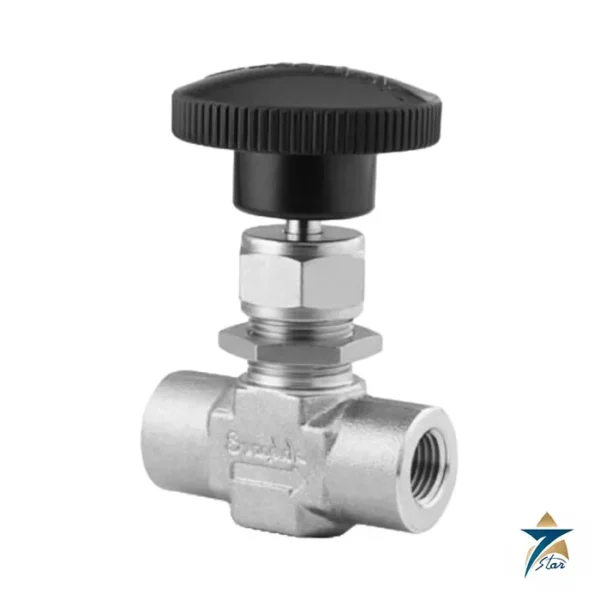
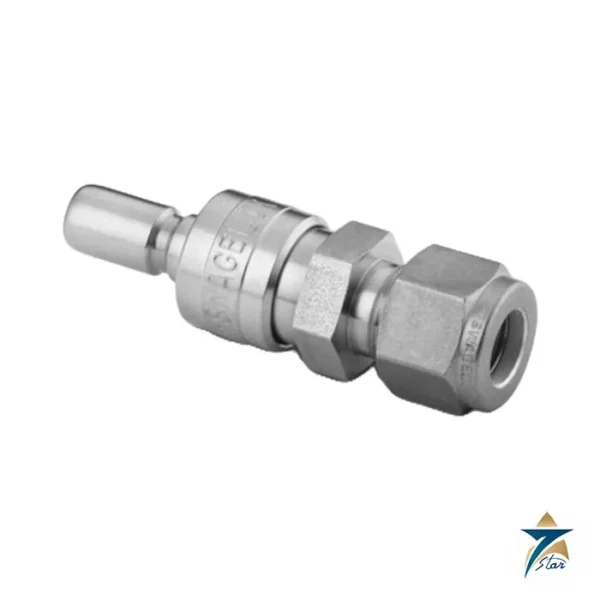
Other Models in the Wika 910 Valves Range
Seven Star LLC supplies models from the Wika 910 Valves range in Oman and the GCC. Compare the related models below and request a quote for the one that matches your application.




















Reviews
There are no reviews yet.