Fisher A11 high-performance butterfly valve NPS 30 to 72
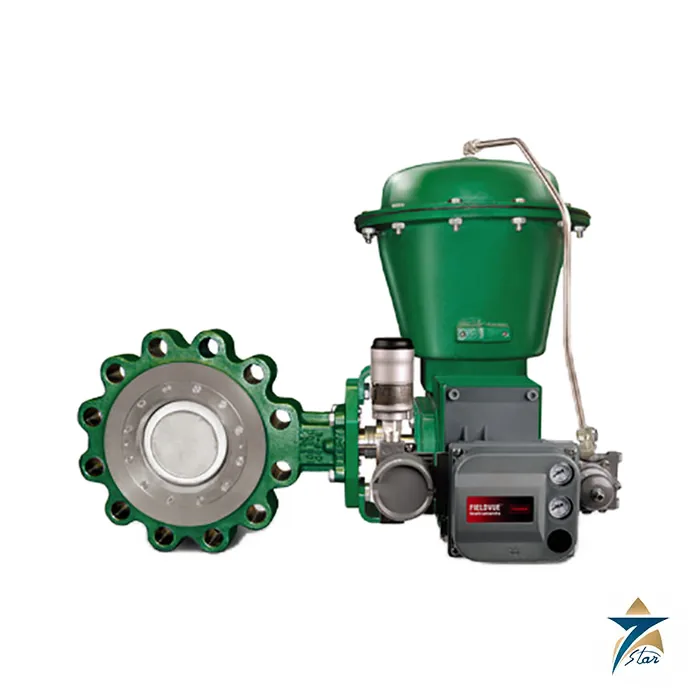
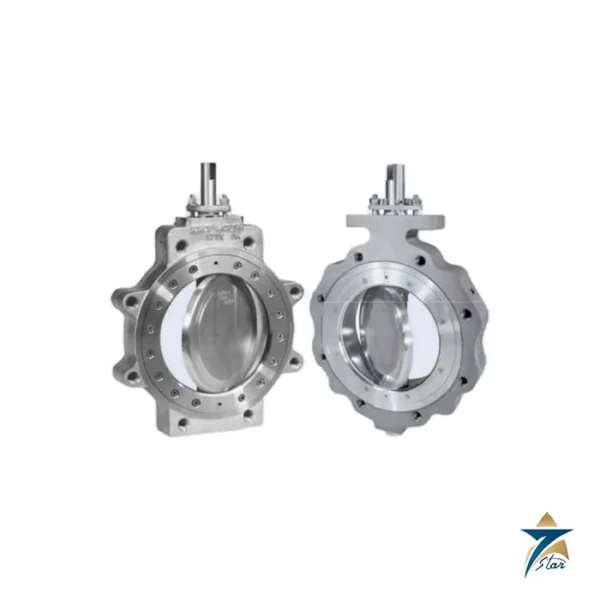
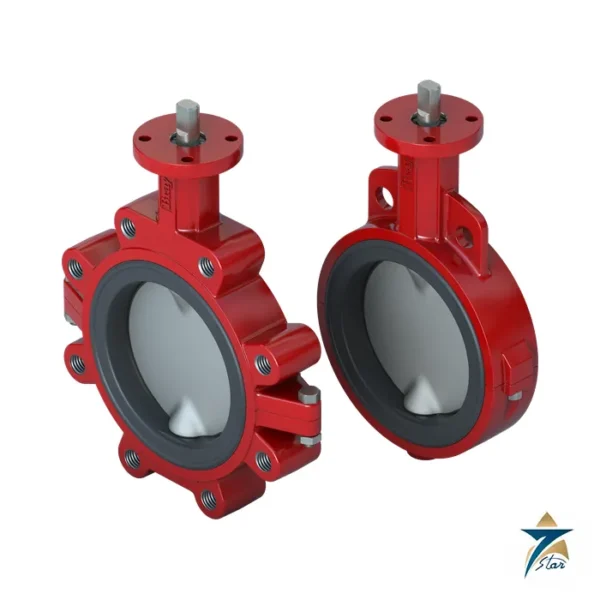
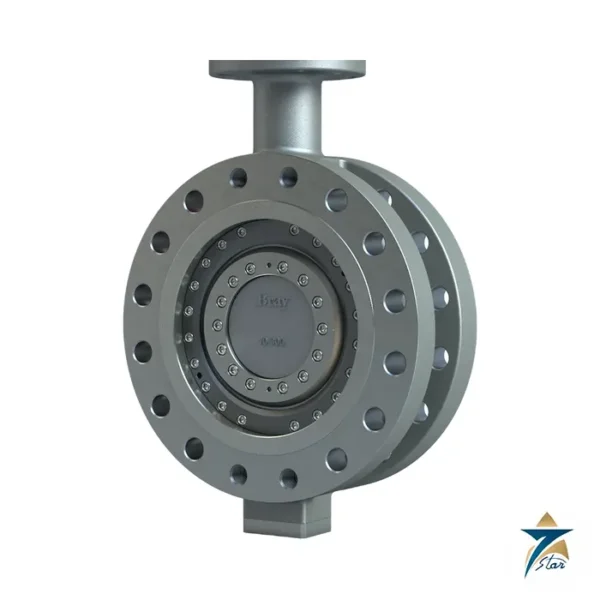
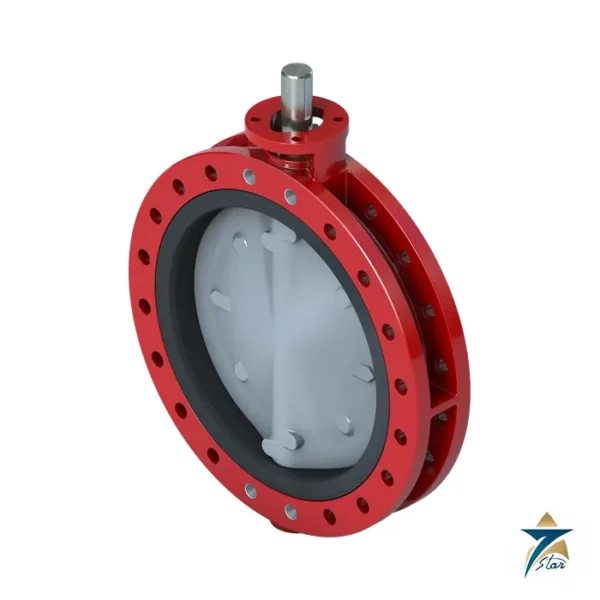
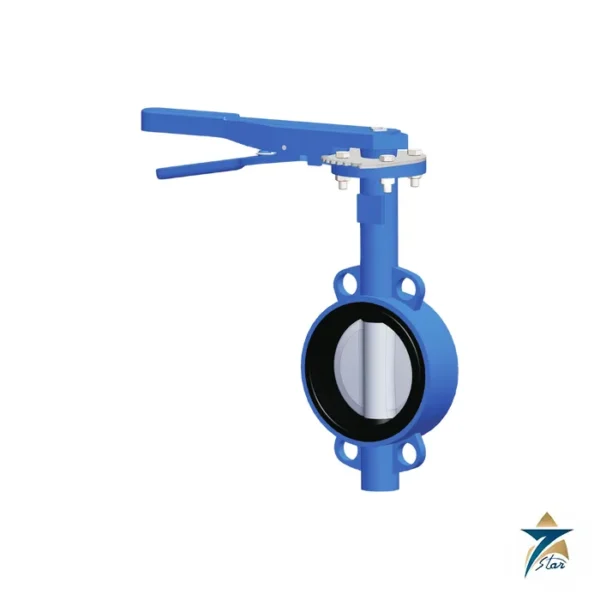
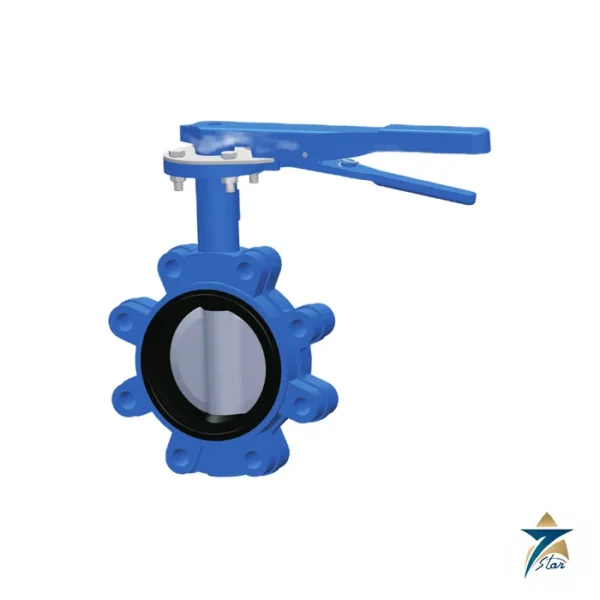
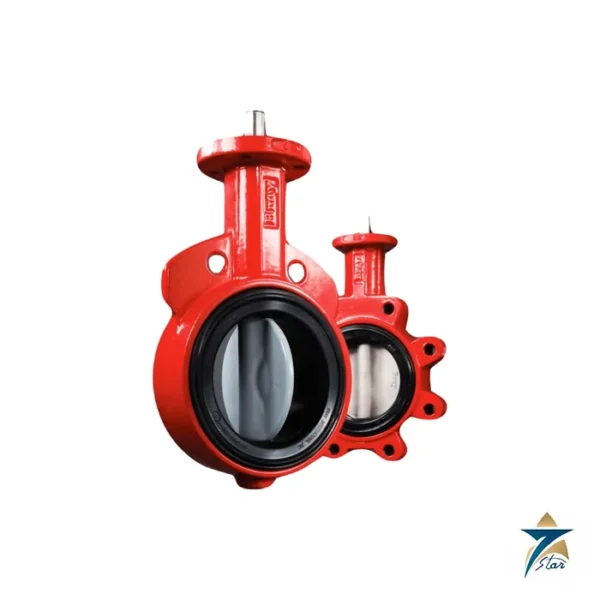
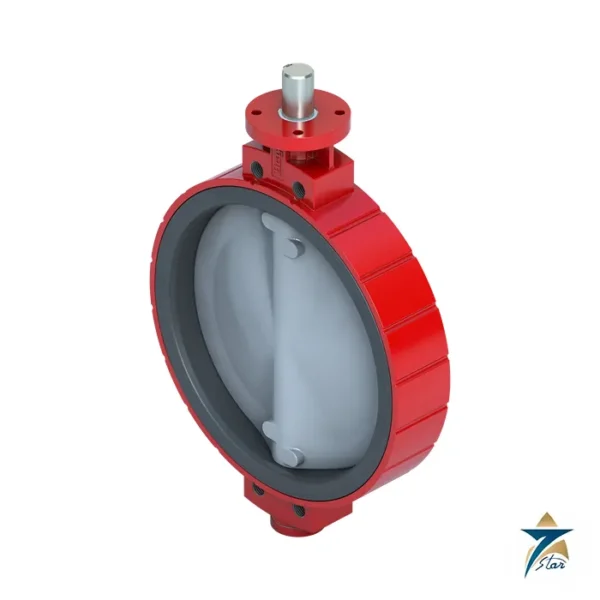
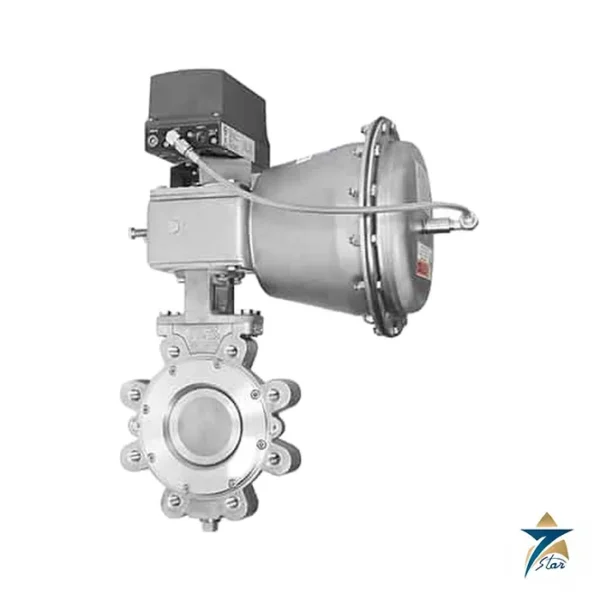
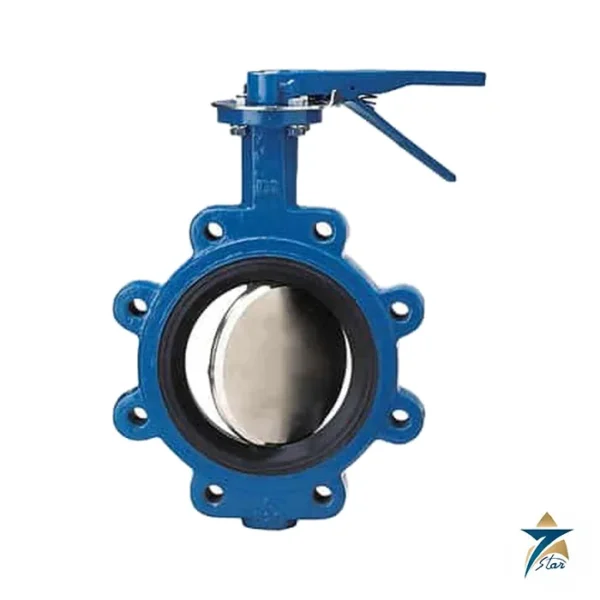
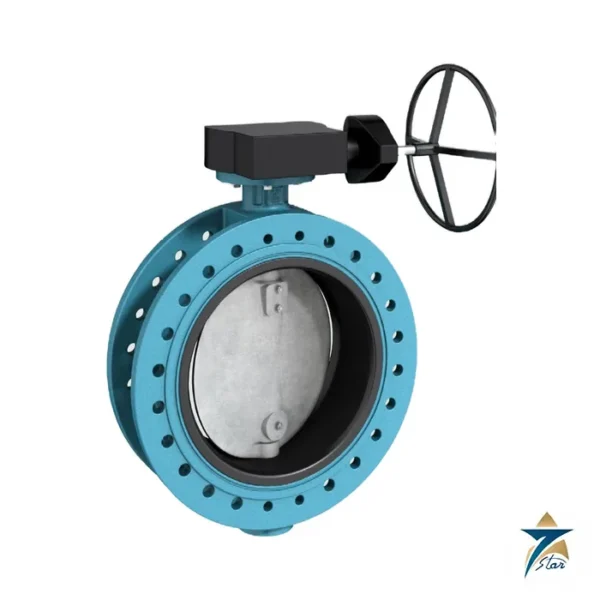
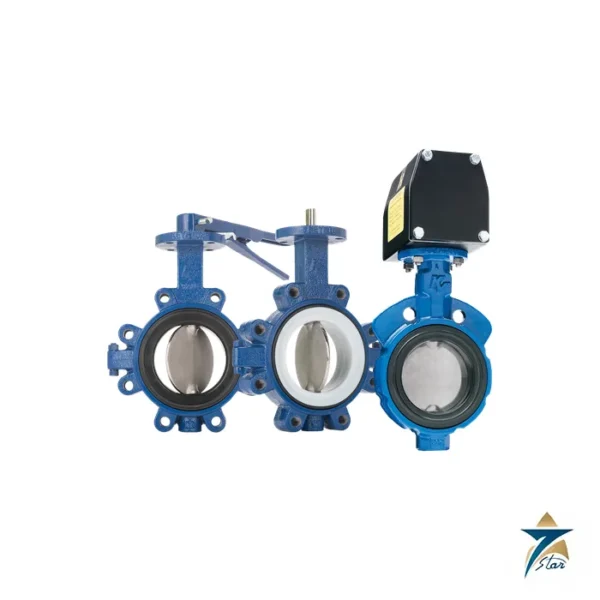
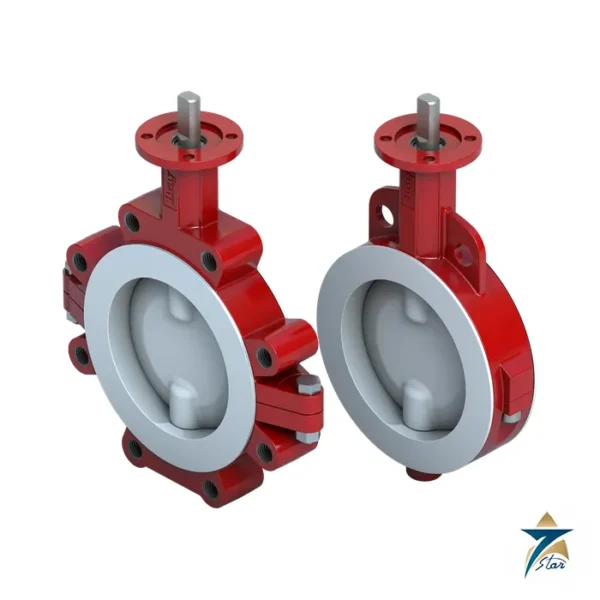
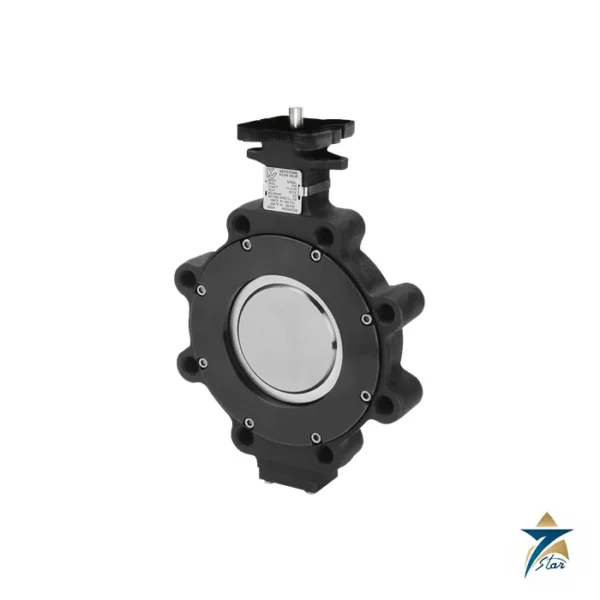
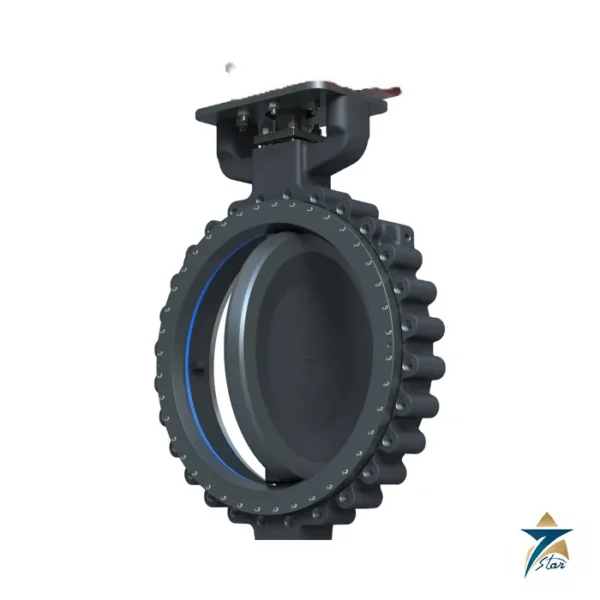
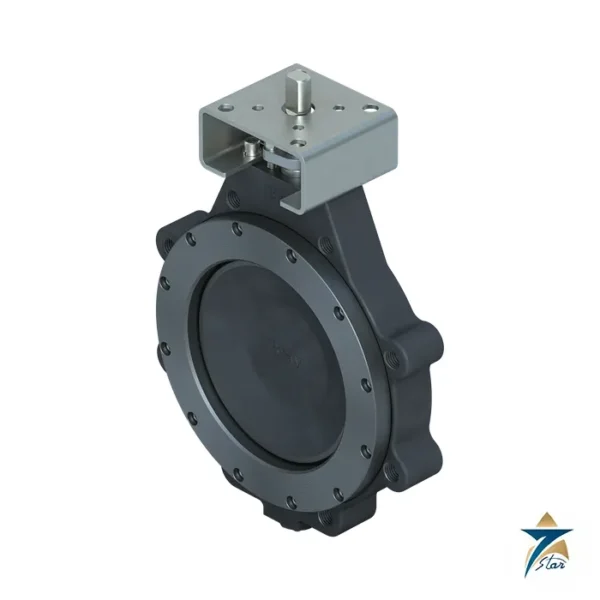
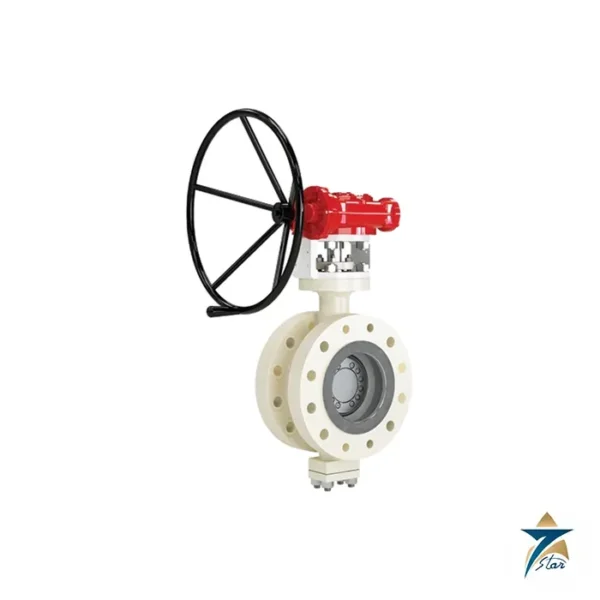
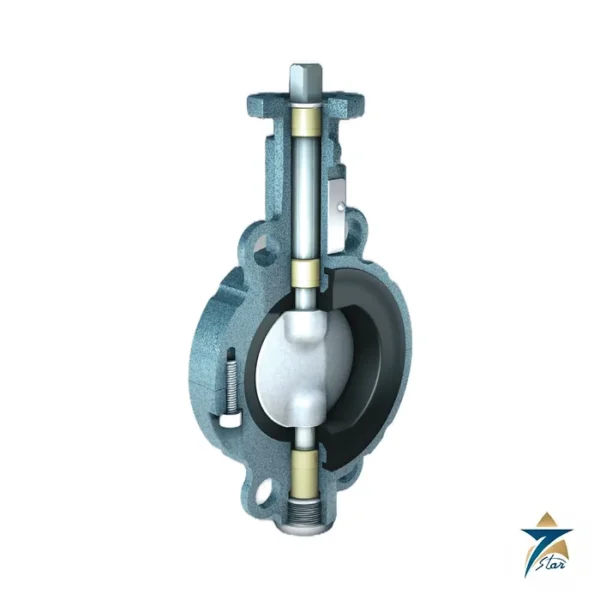
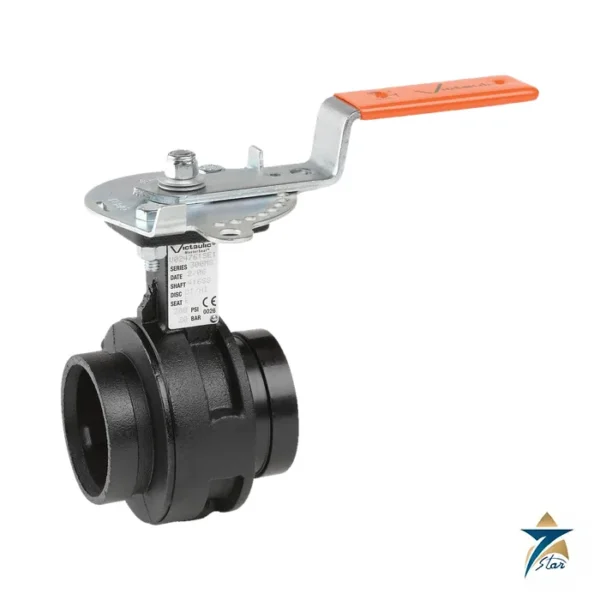
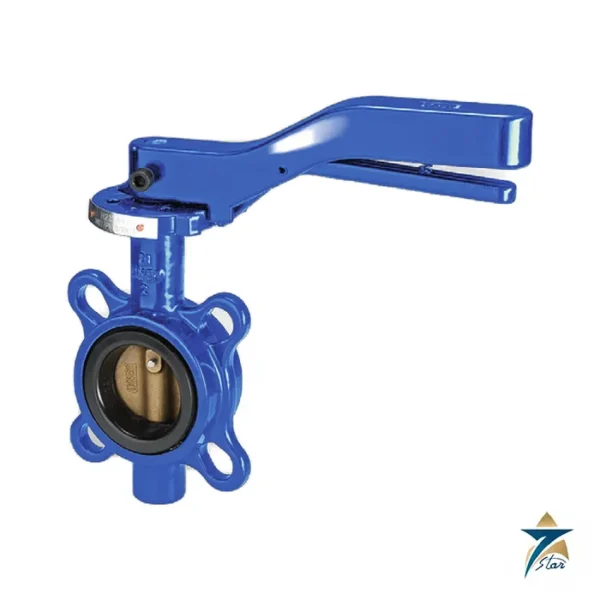
The A11 is a Fisher high-performance butterfly valve for large line sizes, NPS 30 through 72, in wafer (flangeless) or lugged (single-flange) body styles. It is designed for tight shutoff over wide pressure and temperature ranges, including cryogenic duty, and it can be used for both throttling and on-off service. A keyed shaft connects to handlevers, handwheels, pneumatic piston or diaphragm actuators and electric actuators. For smaller sizes in the same family Fisher uses the 8560 and 8580 designs, so the A11 sits at the large-diameter end of the range.
A11 technical specifications
| Parameter |
Specification |
| Manufacturer / part number |
Fisher A11 high-performance butterfly valve |
| Sizes |
NPS 30 through 72 in CL150/150, CL150 and CL300 body ratings |
| Body styles |
Wafer or lugged, fitting between raised-face flanges |
| Flange standards |
ASME B16.47 Class A and MSS SP-44 (NPS 30-48: CL150 and 300); API 605 / B16.47 Class B on request |
| Shutoff (ANSI/FCI 70-2, IEC 60534-4) |
Soft seal: Class VI; metal seal: Class IV (reverse direction); NOVEX: Class IV, Class VI optional; Phoenix III: Class VI (reverse); cryogenic CTFE: Class IV, with aluminum back-up ring Class VI |
| Flow characteristic |
Modified equal percentage |
| Disk rotation |
Clockwise to close |
| Seal temperature |
Metal seal to 704°C (1300°F) NACE or 816°C (1500°F) otherwise; NOVEX seal to 816°C (1500°F), up to NPS 36 |
| Body materials |
WCC steel (-29 to 427°C), CF8M (-254 to 538°C), dual-certified CF8M/CF10M (over 538 to 816°C), LCC (-45 to 343°C) |
| Shaft materials |
S17400, N05500, N07718, S20910, N07750 depending on temperature |
| Bearings |
PEEK, PTFE composition, nitrided 316 stainless, Alloy 6 depending on service |
| Sour service |
Trim and bolting comply with NACE MR0175-2002, MR0103 and MR0175 / ISO 15156 |
How the A11 seals and why the seal choice matters
The A11 uses a pressure-assisted dynamic seal around the disk, which lets smaller and cheaper actuators achieve full ASME B16.34 shutoff. Five seal configurations are offered: the standard soft seal with an elastomeric back-up ring for low to moderate temperature, a stainless steel metal seal for severe and high-temperature service, the NOVEX stainless seal for severe, cryogenic and high-temperature service (CL150/150, 150 and 300, up to NPS 36), the Phoenix III metal-and-polymer seal for fire-safe low to moderate temperature use, and the Cryo-Tight seal for low-temperature service. Metal, NOVEX, Phoenix III and cryogenic seals need a coated disk seating surface, with chrome plating, chromium coat or chromium carbide offered across temperature bands. Torque to open and close is the same regardless of which side sees differential pressure, and the shutoff class in the reverse direction is stated separately for the metal-based seals.
Where the A11 fits in large pipelines and actuators
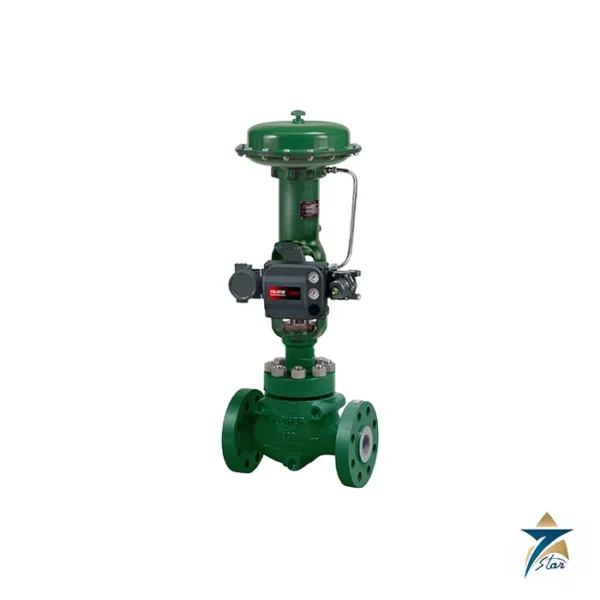
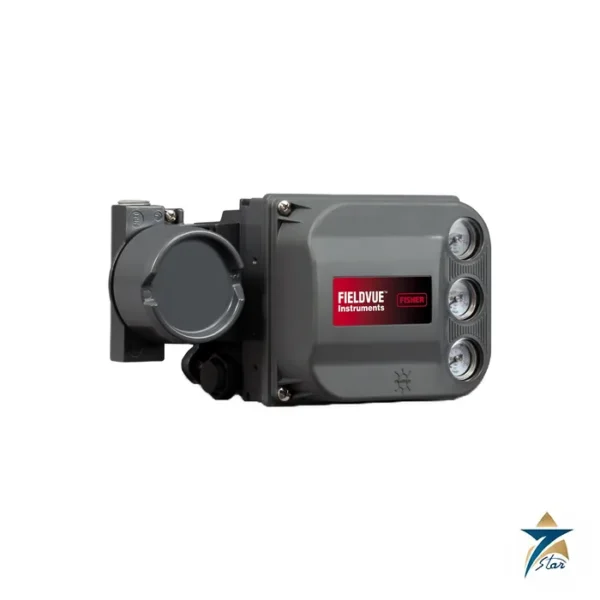
Large-diameter butterfly valves are common as isolation and control valves in cooling water, seawater intake, flue gas, air and exhaust ducts, and low-pressure gas headers. Spring-return pneumatic actuators give fail-safe action; double-acting pneumatic, electric actuators and handwheels are also listed. Positioners and digital valve controllers such as the DVC6200 are applied for throttling, and the Fisher 1061 pneumatic piston rotary actuator already on our site is a typical partner. The valve body self-centers on the line flange bolts, and seal retainer screws are placed so they do not interfere with flat sheet or spiral wound line gaskets.
A11 selection and ordering checklist
- Line size NPS 30 to 72 and the required flange standard (B16.47 Class A or B).
- Body class: CL150/150, CL150 or CL300, with pressure and temperature design points.
- Service: throttling or on-off, flow rate and allowable pressure drop; check pressure drop and noise using the manufacturer sizing method.
- Seal: soft, metal, NOVEX, Phoenix III or cryogenic, with the shutoff class required and direction of differential pressure.
- Body, disk and shaft materials for temperature and corrosion, including sour service.
- Packing: standard or live-loaded for low emissions.
- Actuator and fail action, with the instrument package.
- Wafer or lugged style.
Installation, commissioning and maintenance
Install with the shaft horizontal where possible and allow clearance for the disk swing inside adjacent piping and reducers. Flush the line before installation, because debris scores the seal. Because the disk rotates clockwise to close, verify actuator action against the required fail position. Live-loaded packing needs periodic checks of the load rather than ad-hoc tightening. Seal rings, back-up rings and packing are the usual spares; large sizes should be maintained with lifting plans and a clean assembly area.
Typical A11 applications in Oman and the GCC
Typical Gulf uses are circulating water and seawater cooling systems at power and desalination plants, large air and flue gas ducts, tank farm and terminal manifold isolation, and water transmission headers. Where seawater is handled, specify CF8M or coated materials and appropriate bearings. For hydrocarbon isolation with fire-safe requirement, ask about the Phoenix III seal.
A11 seal configurations compared
| Seal |
Shutoff class |
Service |
| Standard soft seal |
Class VI |
Low to moderate temperature |
| Metal seal |
Class IV (reverse) |
Severe and high temperature, 704 to 816°C |
| NOVEX seal |
Class IV; VI optional |
Severe, cryogenic and high temperature to 816°C, up to NPS 36 |
| Phoenix III seal |
Class VI (reverse) |
Severe, low to moderate temperature, fire-safe |
| Cryo-Tight seal |
Class IV or VI with aluminum ring |
Low temperature |
Information to send with an A11 enquiry
- Size, flange class and body style.
- Service fluid, pressure, temperature and differential.
- Required shutoff class and seal preference.
- Actuator, fail action and instruments.
- Quantity and destination.
Site conditions in Oman for the A11
Valves and their accessories in Oman work in demanding conditions: high ambient temperatures, direct sun on outdoor pipe racks, dust, and corrosive coastal air at many oil, gas and water sites. When you specify the A11, confirm the pressure and temperature ratings, body and trim materials and any sour-service or hazardous-area requirements against the actual line data, and check that seals and soft parts suit the process medium and the full temperature range.
For reliable operation, plan access for maintenance, define which spare parts are kept on site, and record the configuration of each installed A11. Sending the complete process data sheet with your RFQ allows the selection to be checked before the order is placed.
Documents and quotation for the A11
A manufacturer product bulletin for the A11 is attached on this page. Seven Star LLC is an independent supplier in Muscat.
Send the A11 size, class and service conditions and we will confirm availability and quote.




















Reviews
There are no reviews yet.