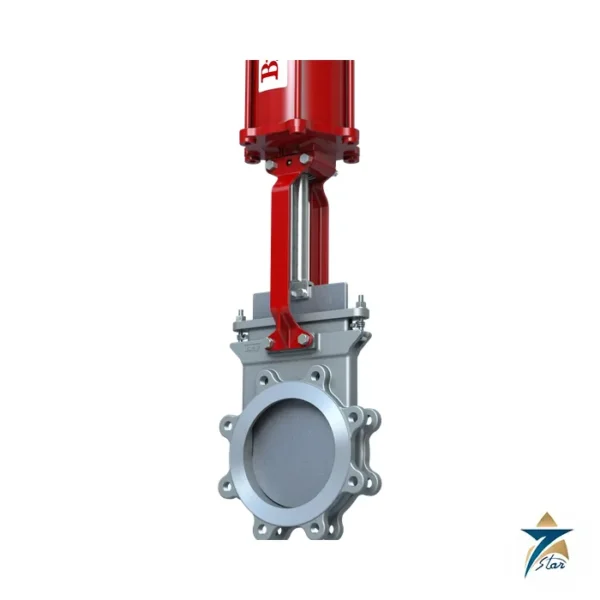
Bray McCannalok S-41R double offset butterfly valve for low-pressure steam
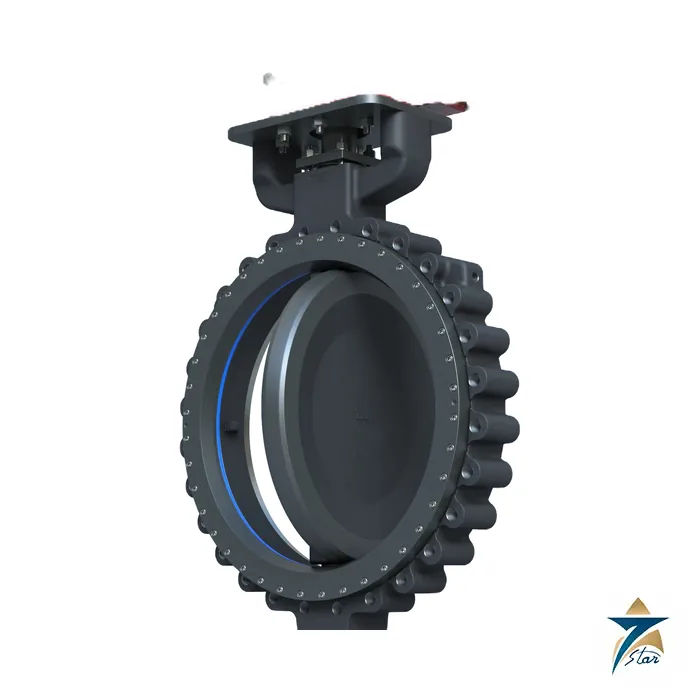
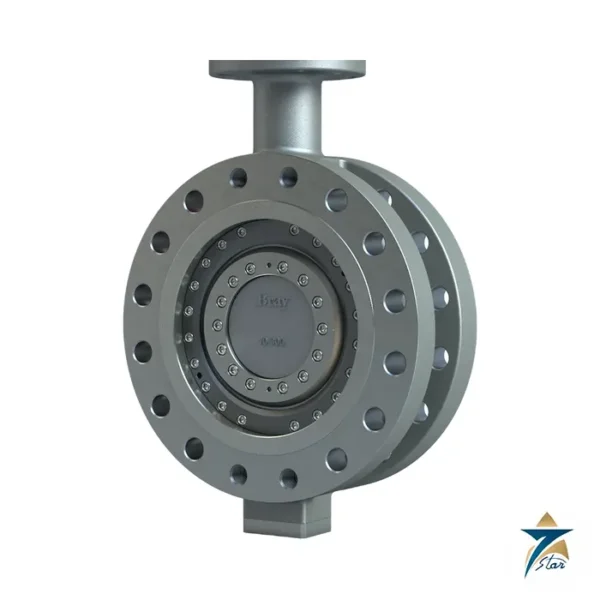
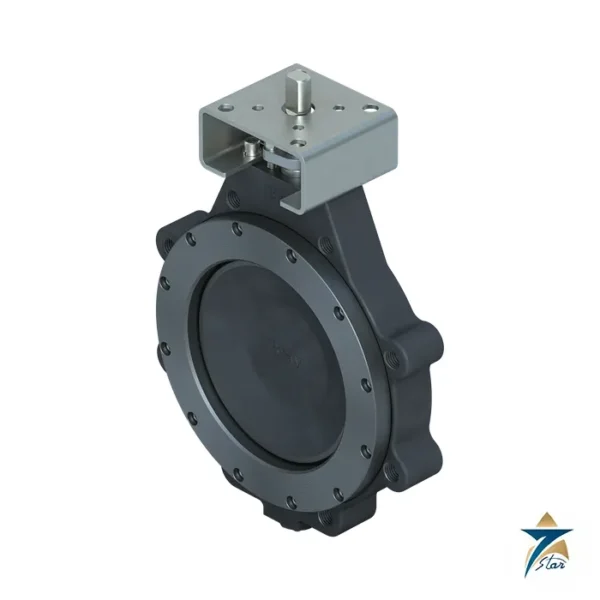
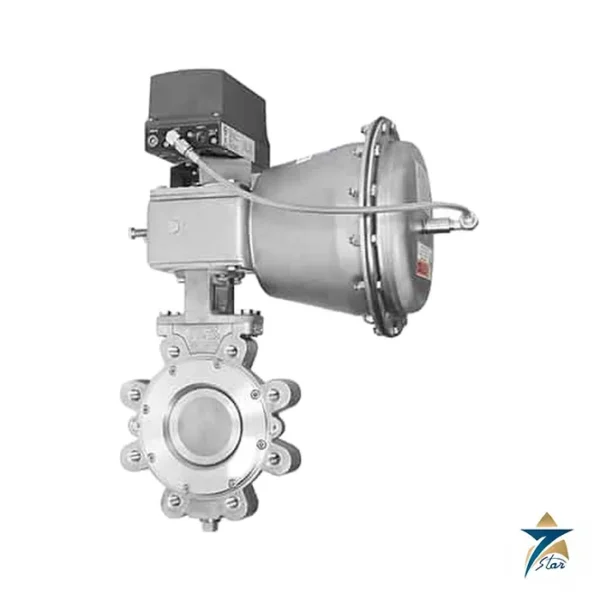
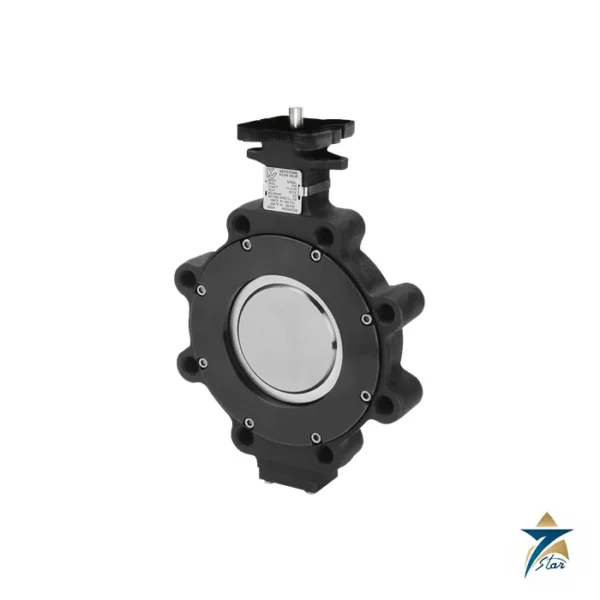
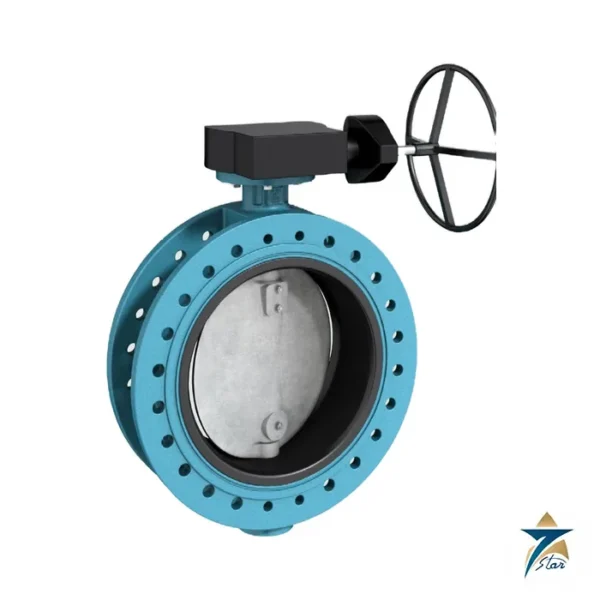
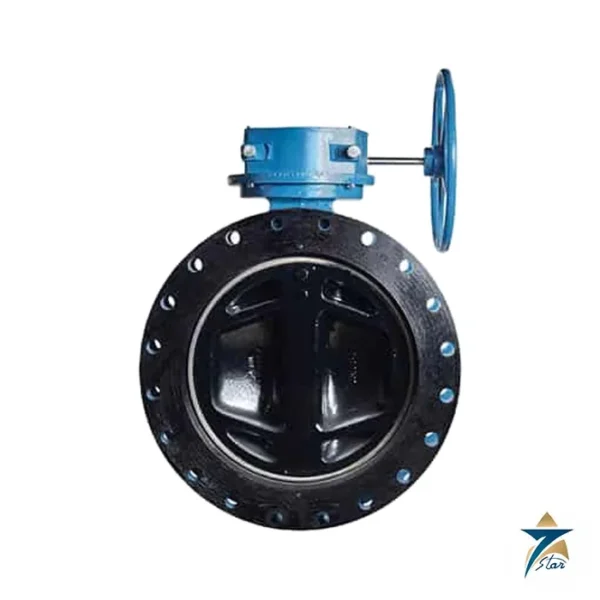
The Bray McCannalok S-41R is a lighter, lower-cost member of the McCannalok high performance butterfly valve family. It keeps the double offset geometry and the energized resilient seat of the standard McCannalok valves, but is sized and rated for one specific duty: low-pressure steam, such as evaporator steam and escape steam in sugar mills. The valve is made in large sizes, from NPS 16 to NPS 54 (DN 400 to DN 1400), and is limited to 100 psi (7 bar), which is how the weight and cost are kept down compared with a full-rating high performance valve. Seven Star LLC supplies Bray valves in Oman and the GCC as an independent supplier in Muscat.
The model name is simple to read. “S” is the Bray series prefix, “41” is the McCannalok high performance butterfly valve platform in lug and flanged bodies, and “R” marks the reduced-weight version for low-pressure steam. Buyers sometimes search for it as Series 41R, S41R or S-41R; all three describe the same valve.
S-41R technical specifications
| Parameter |
Specification |
| Manufacturer / part number |
Bray / McCannalok S-41R (Series 41R) |
| Valve type |
Double offset high performance butterfly valve |
| Size range |
NPS 16 to 54 (DN 400 to DN 1400) |
| Pressure rating |
100 psi (7 bar) |
| Temperature range |
-20°F to 500°F (-29°C to 260°C) |
| Body styles |
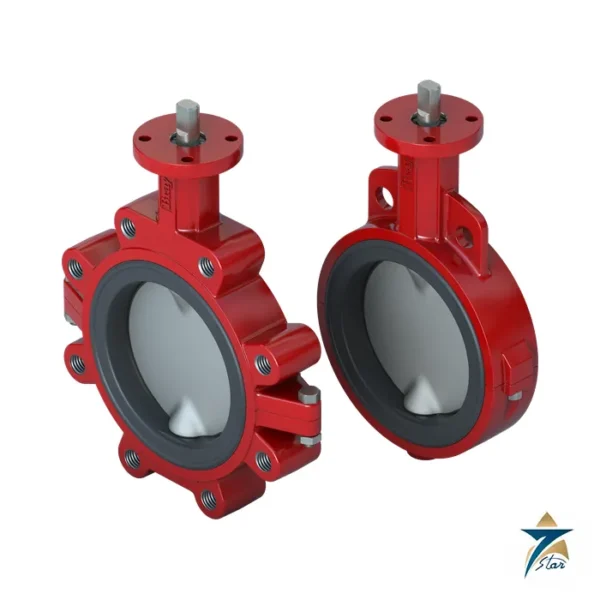
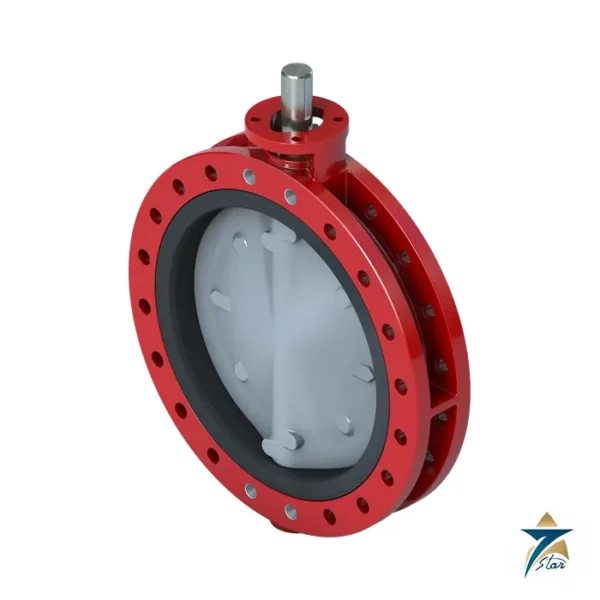
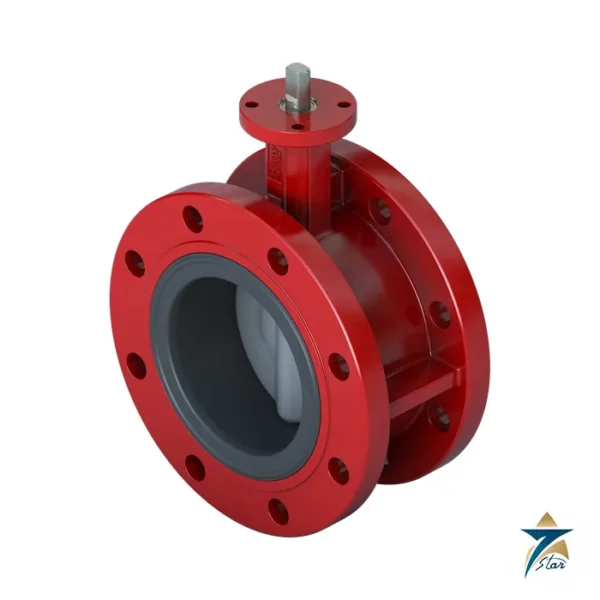
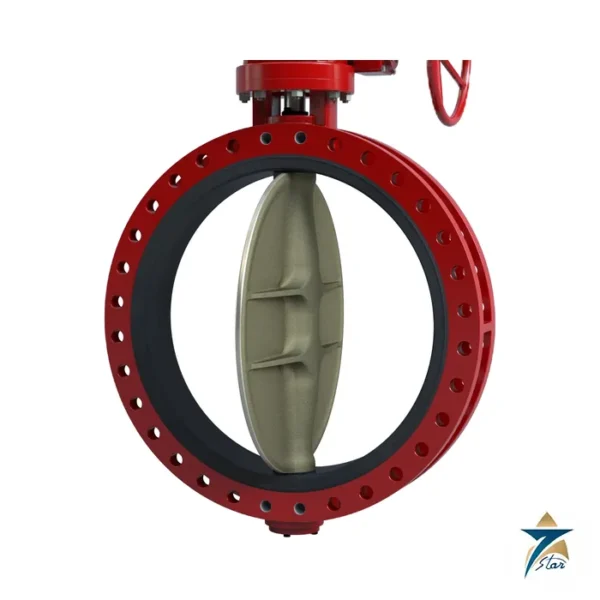
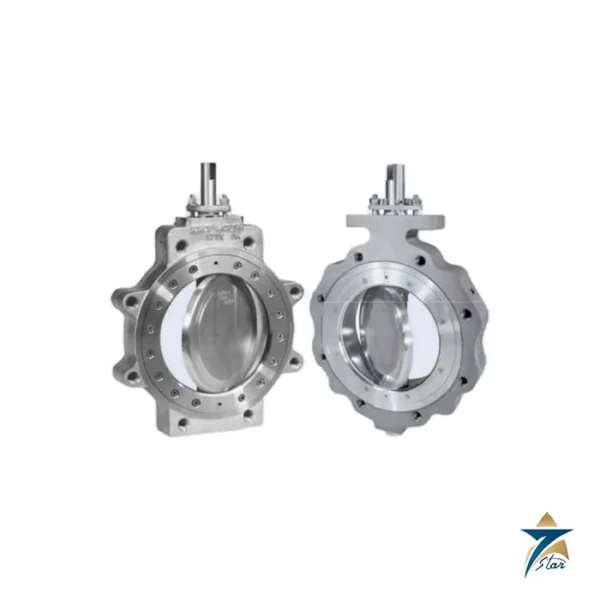
Lug and double flanged |
| Body material |
Phosphatized ductile iron or phosphatized carbon steel |
| Disc |
Carbon steel with stainless steel edge |
| Stem |
17-4 PH stainless steel, one-piece |
| Seat |
RPTFE, bidirectional, pressure-assisted |
| Shutoff |
Bidirectional zero leakage; dead-end service at full rating |
| Design and face-to-face |
API 609 Category B; ASME B16.34; EN 593; MSS SP 68; face-to-face to API 609 Category B, EN 558, ISO 5752 |
| Flange drilling |
ASME B16.5, ASME B16.47, EN 1092-1; other drillings available |
| Seat test |
API 598, EN 12266, ISO 5208, MSS SP 61 |
| Actuator mounting |
ISO 5211 top flange |
| Listed certifications |
CE (PED 2014/68/EU), SIL 3 capable, CRN, ANSI/NSF 61/372 per datasheet |
How the S-41R energized seat seals
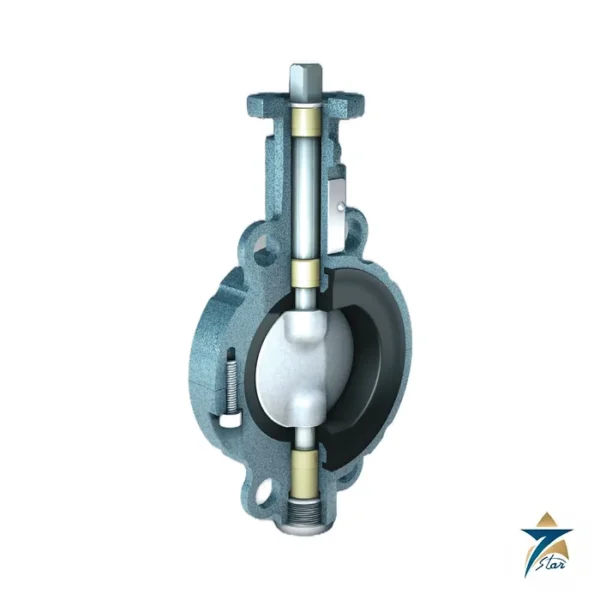
The disc of a double offset valve is carried away from the seat as soon as it leaves the closed position, so the seat is not dragged along its whole circumference during every stroke. That is what gives a long cycle life in a valve this size. The S-41R seat adds an energizer ring that is fully encapsulated and never touches line media. At zero differential pressure the seat seals through interference fit with the disc. When line pressure acts on the seat from either side, the pressure pushes the seat lip into the disc edge, so tightness increases with differential pressure instead of falling away.
The seat is held by a full-faced retainer, fixed with screws located outside the sealing area. This keeps the seat in the right position even without a mating flange in place, and it makes replacement a bench job rather than a welding job. Bray states a seat life of one million cycles with reliable sealing, and the family has been tested to more than 100,000 cycles with zero leakage. For plant staff, the practical meaning is that the same seat design can be maintained with a single set of spares across S-41R and the higher-pressure McCannalok valves.
Body, stem and packing design of the S-41R
The stem is a single piece of 17-4 PH stainless steel and is retained inside the body, so it cannot be ejected if the actuator is removed. Packing is PTFE rings with a carbon fiber anti-extrusion ring, adjustable from outside with quarter-turn adjustments, so tightening does not require actuator removal. Top and bottom stem bearings carry the stem against side loads from the actuator and thermal movement. An internal over-travel stop protects the seat from being crushed if the actuator limit is set wrongly.
The body has an extended neck. According to the datasheet, this gives room for two inches of insulation and still leaves access to the packing and the actuator mounting. For steam service this matters: the line is normally lagged for personnel protection and energy saving, and a valve neck that is too short forces the insulation to stop short of the packing gland.
Where S-41R fits in a steam system
The S-41R is aimed at low-pressure steam and escape steam on evaporator trains. A multiple-effect evaporator has large-diameter vapour lines running at low pressure between effects, and these lines need isolation valves that are tight, light and affordable at sizes that are expensive in other valve types. A butterfly valve with a short face-to-face length suits these lines, and the double offset seat lets operators keep a bubble-tight boundary for maintenance.
Within the Bray range, the S-41R sits below the standard McCannalok Series 40/41, which carries higher pressure ratings. If the line is above 100 psi, or is a hydrocarbon or chemical duty, the standard McCannalok valve is the right comparison. For water, seawater cooling lines or other cold services in large diameters, resilient seated families such as Series 30/31, 32/33 or 35/36 are often compared on cost. Seven Star LLC can check the line class and quote the right Bray series.
Selection and ordering checklist for S-41R
- Confirm the maximum steam pressure is at or below 100 psi (7 bar) and the temperature does not exceed 500°F (260°C), including any upset condition.
- Choose lug or double flanged body and the flange standard: ASME B16.5, ASME B16.47 or EN 1092-1.
- Choose ductile iron or carbon steel body and note any coating requirement for outdoor or coastal locations.
- Specify dead-end service if the valve will be used as an end-of-line blind.
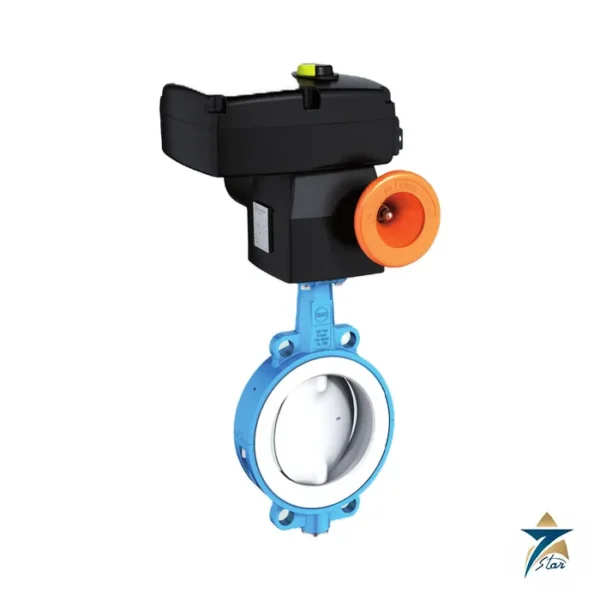
- Decide the operator: manual gear, pneumatic or electric. The ISO 5211 top flange accepts all of them.
- State the insulation thickness so the neck length can be checked.
Installation and maintenance of the S-41R valve
Large butterfly valves are heavy and awkward. Lift by the body, never by the actuator or the stem, and keep the disc slightly open during storage to avoid permanent set in the seat. Before installation, clean the pipe flange faces and check the bore for weld spatter, because spatter will score the disc edge on the first stroke. In lug bodies, tighten bolts in a star pattern and follow the bolting guide for the chosen flange class. Do not forget to open the disc before pulling the line together, so the disc edge does not touch the flange.
In service, inspect the stem packing after the first heat cycles, since PTFE packing settles after thermal expansion. Adjust the gland a small amount at a time. Cycle valves that spend long periods fully open or closed; this keeps the seat free and shows early any actuator problem. When the seat finally wears, the full-face retainer lets the seat be removed without special tools, so stock a seat kit with the retainer screws for the sizes in your plant.
Typical applications of S-41R in Oman and the GCC
Raw sugar and refinery sugar plants are the first target of the S-41R, but low-pressure steam on large lines is found in many other GCC industries too. Desalination plants use large steam and vapour lines in thermal MSF and MED units. Power stations have auxiliary steam headers and turbine gland steam lines. Petrochemical and fertiliser plants run low-pressure steam networks for tracing, stripping and heating. In these locations heat, dust and humid coastal air attack coatings and gland packing, so the phosphatized finish, stainless stem and adjustable packing are practical advantages, and users should still plan a coating specification for the site.
Information to send with an S-41R RFQ
- Line size, flange standard and drilling, and lug or flanged body.
- Steam pressure and temperature, normal and maximum.
- Dead-end service requirement and shutoff test standard.
- Actuator type, supply voltage or air pressure, and fail position.
- Insulation thickness, coating and any inspection or documentation requirements.
- Quantity and delivery location.
Documents and quotation
The Bray McCannalok S-41R datasheet is attached on this page with the specification summary, design standards, materials and certifications.
Send the line data and actuator requirement and Seven Star LLC will confirm the correct S-41R configuration and quote supply to Oman and the GCC.


















Reviews
There are no reviews yet.