Full-flanged butterfly valves up to 3,000 mm for pipelines and pump stations
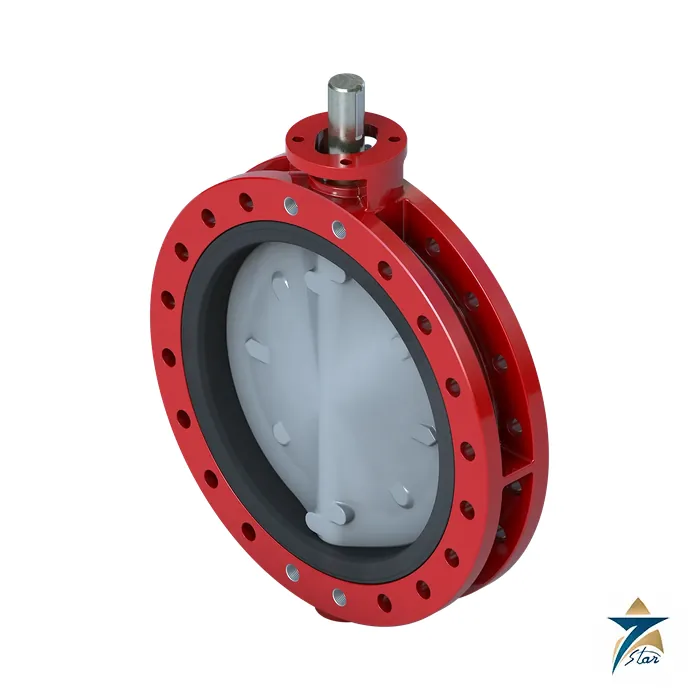
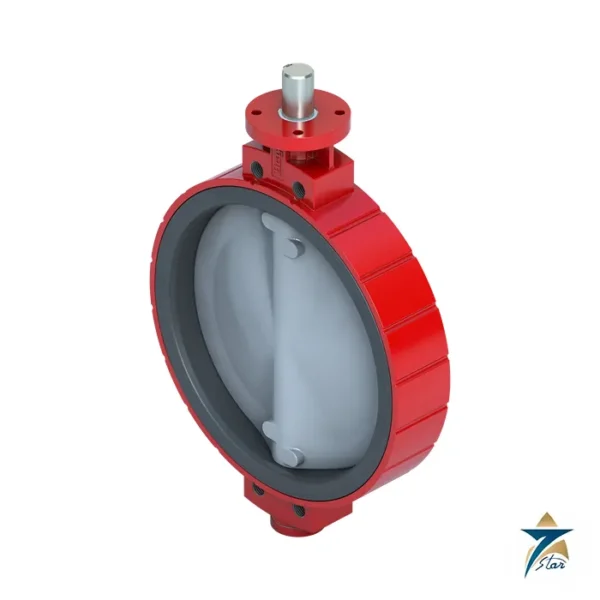
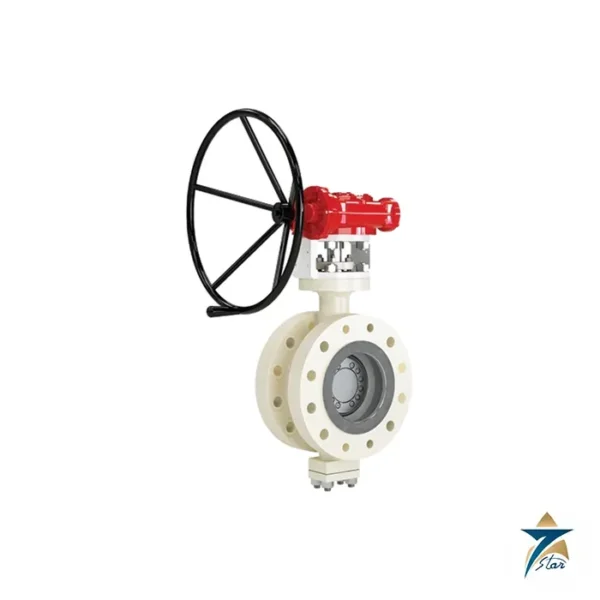
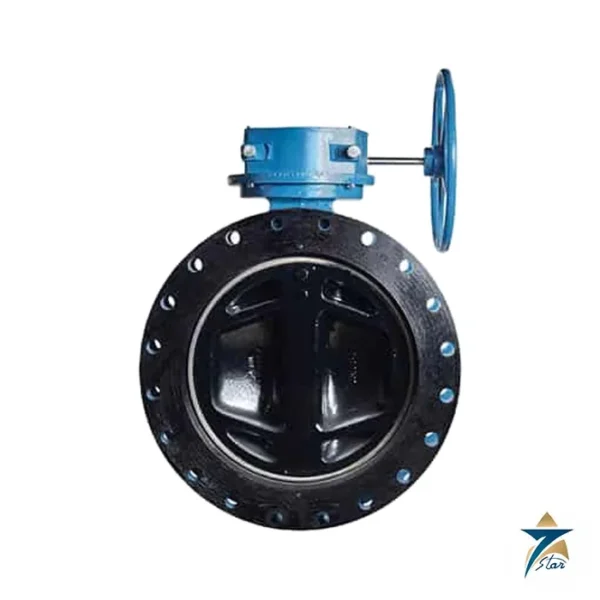
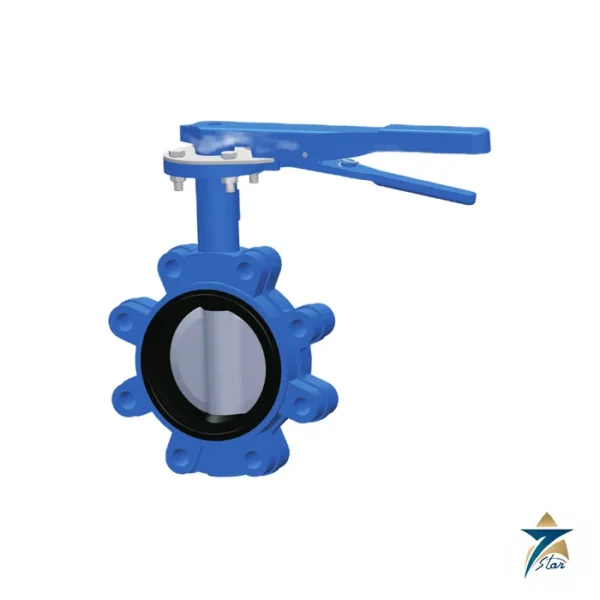
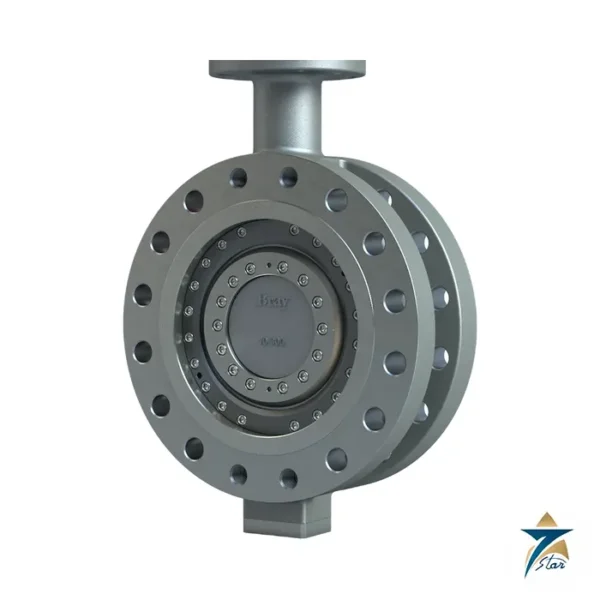
The Bray Series 35/36 is a family of one-piece, full-flanged resilient seated butterfly valves for sizes from NPS 22 to 120 (DN 550 to 3000). It adds three things to the smaller Series 32/33: an externally adjustable packing system, a maximum size of 120 inches, and the flexibility of a fully flanged body that can be bolted at both ends or used for dead-end service. Series 35 is rated 75 psi (5.2 bar) and Series 36 is rated 150 psi (10.3 bar) for bidirectional bubble-tight shutoff.
Valves of this size usually serve water transmission mains, pump station isolation, power-plant cooling circuits and desalination intakes. The design brief for these services is long life with minimal maintenance, and Bray addresses it with a seat that isolates the body and stem from the medium, a blowout-proof stem, PTFE-faced bearings and a packing that can be adjusted without removing the actuator or gear operator.
Technical specifications
| Parameter |
Specification |
| Size range |
NPS 22 to 120 (DN 550 to 3000) |
| Series 35 rating |
75 psi (5.2 bar) bidirectional; dead end 30 psi (2.1 bar) |
| Series 36 rating |
150 psi (10.3 bar) bidirectional; dead end 50 psi (3.4 bar) |
| Body rating |
150 psi (10.3 bar) |
| Body style |
One-piece, full flanged |
| Flange compatibility |
ASME 125/150, PN 10 or other international standards |
| Body material |
Cast iron or ductile iron (standard); carbon steel; 316 stainless steel; Monel; Hastelloy; duplex; super austenitic |
| Disc |
Nylon 11 coated ductile iron (standard); 316 or 304 stainless steel; nickel aluminum bronze; Monel; duplex; super austenitic |
| Stem |
416 stainless steel (standard); 304, 316, 17-4 PH |
| Seat |
Replaceable tongue-and-groove, EPDM (standard), BUNA-N or FKM; bonded seats on NPS 54 and larger |
| Packing |
Self-adjusting V-type, externally adjustable; BUNA-N |
| Bearings |
Lubricant-impregnated bronze or PTFE-encapsulated stainless steel; brass thrust bearing |
| Disc-to-stem connection |
Internal spline (NPS 22-48 standard; 54-120 selected); double keyed (54-120 selected) |
| Actuator mounting |
ISO 5211 |
| Velocity limits (on/off) |
Fluids 30 ft/s (9 m/s); gases 175 ft/s (54 m/s) |
| Quality and test |
Built to a written ISO 9001 program; tested to 110 percent of rated pressure |
Source: Bray brochure B-1050 and Series 35, 36 recommended specification sheet. The 35F and 36H variants have their own rating tables in the brochure.
Why the seat and stem design matter at this size
Bray contrasts its tongue-and-groove seat with strip seats that expose the body, stem and disc stem hole to the line medium and shorten life in corrosive service. The Bray seat totally encases the body, so the body can stay in ductile iron or cast iron rather than being upgraded to a corrosion-resistant alloy for every duty. The seat is peroxide cured, which the specification sheet says prevents oxidation of the seat surface and keeps torque low over the life of the valve.
The disc-to-stem connection is internal, so there are no external screws or taper pins to loosen. The stem can be removed by pulling it out of the disc, which makes field service simpler, and every stem design has a blowout-proof retaining ring. The V-type packing prevents external substances from entering the upper stem bore.
Related large-diameter versions and what to confirm
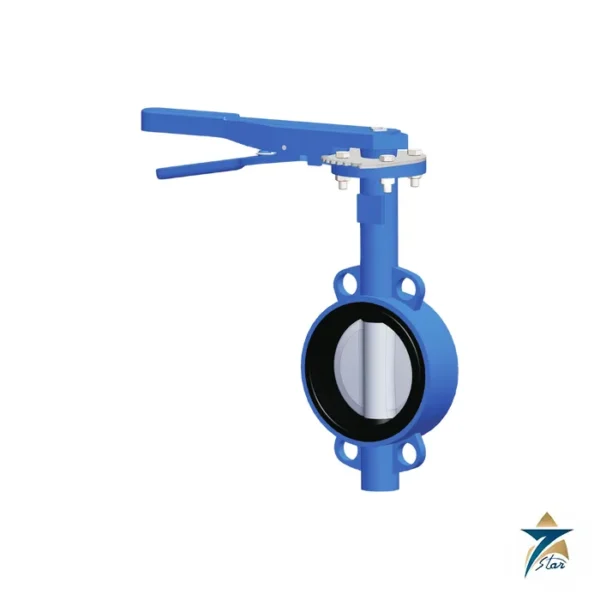
The brochure also lists the Series 35F for high-chloride service in NPS 32 to 60 at 75 psi, and the Series 36H for NPS 22 to 60 at 232 psi (16 bar). For sizes up to 36 inch in wafer form, the Series 32/33 may be sufficient. Large valves are always fitted with a gear operator or actuator, so please provide the differential pressure, medium, temperature, flange standard, drilling, seat material, coating system and operator when requesting a quotation.
| Series |
Body and size |
Rating |
| 35/36 (this page) |
Full flanged, NPS 22-120 |
75 / 150 psi |
| 35F |
Full flanged, NPS 32-60, high chloride |
75 psi |
| 36H |
Full flanged, NPS 22-60 |
232 psi (16 bar) |
| 32/33 |
Wafer, NPS 22-36 |
75 / 150 psi |
Choosing between Series 35 and Series 36
The two series share the same body concept; the difference is the shutoff rating. Series 35 suits gravity mains, cooling water returns and low-head pump discharges where 75 psi (5.2 bar) bidirectional shutoff is ample. Series 36 is the choice for pumped transmission lines and stations where the shutoff pressure approaches 150 psi (10.3 bar). Dead-end ratings are lower for both (30 psi and 50 psi respectively), so a valve that will isolate a line with the downstream flange removed should be checked against the dead-end value, not the bidirectional one.
Material selection for water and seawater service
| Service |
Typical points to review |
| Potable and treated water |
Ductile iron body with Nylon 11 coated disc and EPDM seat is the standard combination; confirm any drinking-water approval required by the project. |
| Seawater intakes and brine |
Disc and stem materials such as nickel aluminum bronze, duplex or super austenitic grades are listed options; the body interior is isolated from the medium by the seat. |
| Hydrocarbon-contaminated water |
BUNA-N or FKM seats are listed alternatives to EPDM where oil contact is expected. |
Final material choice should follow the fluid analysis and the project specification; the table is a starting point, not a substitute for corrosion engineering.
Actuation and operation
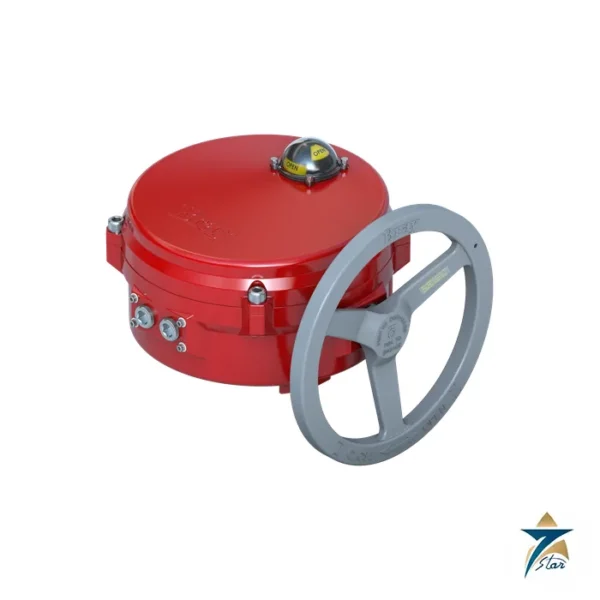
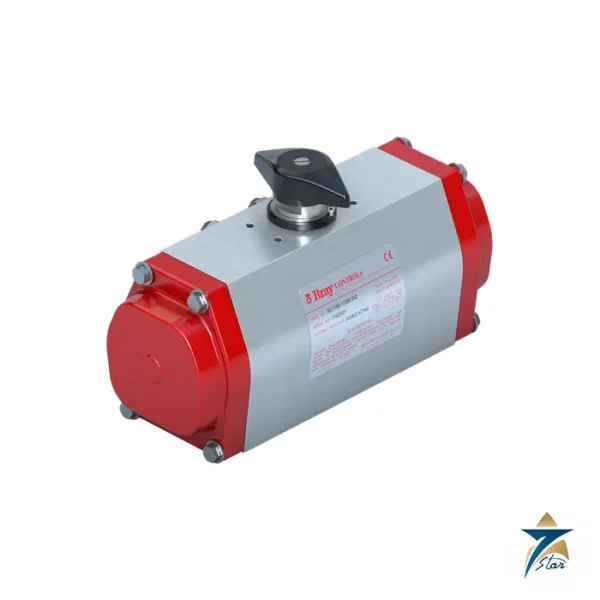
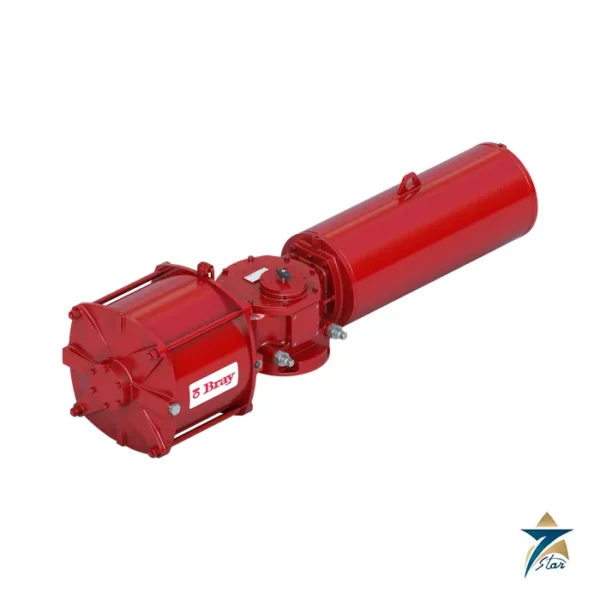
At these diameters the valve is almost always gear- or actuator-operated. Torque grows quickly with diameter and with seat compression, so actuator sizing should be based on Bray torque data for the specific size, pressure and seat material. Slow closing is important in long pipelines to limit surge; operating time is set by the gearbox ratio or actuator speed and should be agreed with the hydraulic designer. Because the packing on Series 35/36 is externally adjustable, a weeping stem can be corrected without removing the operator, which saves effort when a large gearbox or electric actuator is fitted.
Installation and maintenance
- Check that mating flanges match the ordered drilling (ASME 125/150, PN 10 or other) before the valve ships to site.
- Install with the disc slightly open so the seat face is not damaged during bolting, and tighten flange bolts evenly in a cross pattern.
- Provide lifting points and supports; valves of several tonnes must not hang on the pipework.
- Exercise valves that remain open for long periods during planned maintenance to confirm they will close on demand.
- The replaceable tongue-and-groove seat allows seat renewal; bonded seats on NPS 54 and larger follow a different service route, so ask for the relevant maintenance manual.
Applications in Oman and the GCC
Large resilient-seated butterfly valves are used in desalination plant intakes and outfalls, water transmission from coastal plants to inland reservoirs, district cooling, and cooling-water systems in power and process plants. Logistics also count: a 3,000 mm valve is a heavy, oversize load, so shipping dimensions and site access should be considered early.
What to include in your RFQ
- Series (35 or 36), size and quantity.
- Flange standard and drilling.
- Body, disc, stem and seat materials, and the fluid and temperature.
- Operator type: manual gearbox, electric or pneumatic actuator, with control requirements.
- Coating, testing and documentation requirements.
Documents and quotation
The Bray brochure B-1050, which includes the 35/36 section, is attached as the datasheet; the page also lists the 35/36 recommended specification sheet, standard valve dimensions and the installation, technical and safety manuals.
See the wider range of control and isolation valves on our catalogue, or send the model name and order number for a quotation.



Reviews
There are no reviews yet.