Overview: Precision Detection for Process Gas Chromatography
The Siemens Maxum II FID 302A Detector Assembly, part number 2021651-002, is a flame ionization detector assembly engineered specifically for the Siemens Maxum Edition II process gas chromatograph – one of the most widely deployed online GC platforms across refinery, petrochemical, and gas processing facilities worldwide. Supplied with a standard 0.038-inch inlet tube and delivered complete without the heater sub-assembly, this FID 302A unit is the detection component responsible for converting trace hydrocarbon concentrations in a process stream into a measurable electrical signal for the analyzer’s data system.
As an independent specialized supplier of legacy and current-generation Siemens Maxum II analyzer spare parts, Seven Star LLC sources and supplies the FID 302A Assembly 2021651-002 to refineries, gas plants, and petrochemical complexes across Oman and the wider GCC. Working directly with process analyzer maintenance teams, Seven Star LLC helps operators avoid extended analyzer downtime by maintaining access to genuine, correctly specified Maxum II detector hardware backed by technical sourcing support.
Detection Principle: Flame Ionization
The FID 302A operates on the flame ionization principle, in which the process sample – carried by hydrogen and combustion air – is burned at a small jet inside the detector body. As hydrocarbon molecules pass through the hydrogen flame, they are pyrolyzed and ionized, generating a stream of charged carbon-containing ions and electrons proportional to the number of carbon atoms present in the sample. A polarized collector electrode positioned above the flame captures this ion current, which is then amplified by the analyzer’s electrometer circuit into a signal proportional to hydrocarbon concentration.
Because the ionization response is closely proportional to carbon content across a wide range of hydrocarbon species, the FID 302A delivers the high sensitivity and wide linear dynamic range that process gas chromatography demands for applications such as trace hydrocarbon impurity analysis, natural gas composition monitoring, and petrochemical purity verification. The 0.038-inch standard inlet tube on this assembly is sized to match the Maxum II’s standard column and valve configuration, ensuring the detector integrates directly into the analyzer’s existing sample flow path without requiring custom plumbing modification.
Engineering Design of the FID 302A Assembly
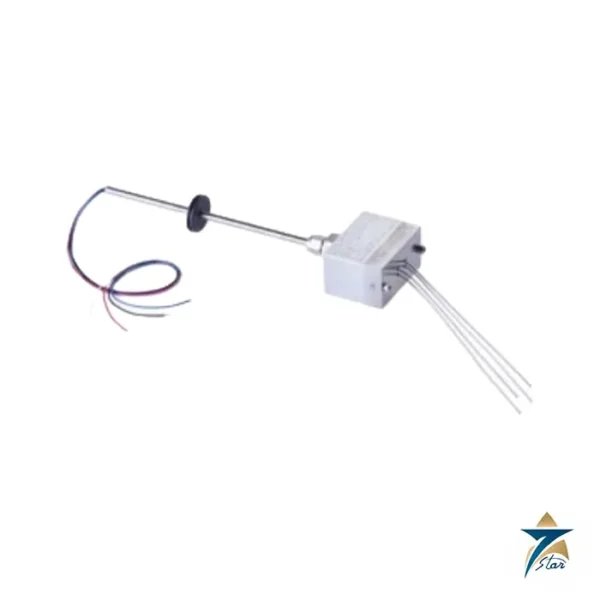
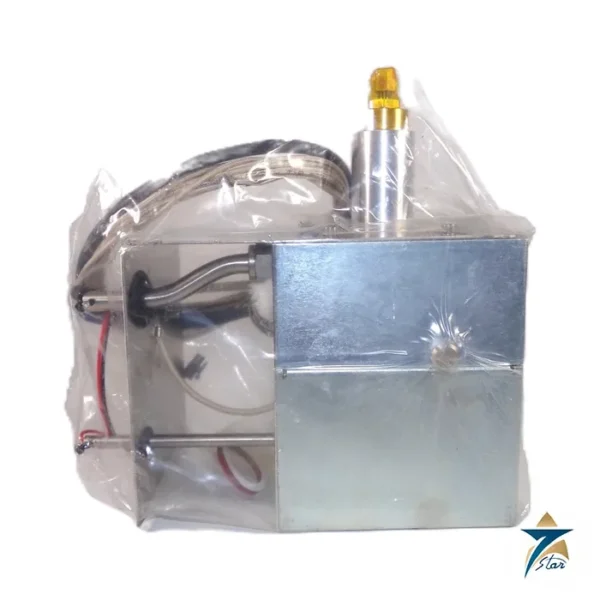
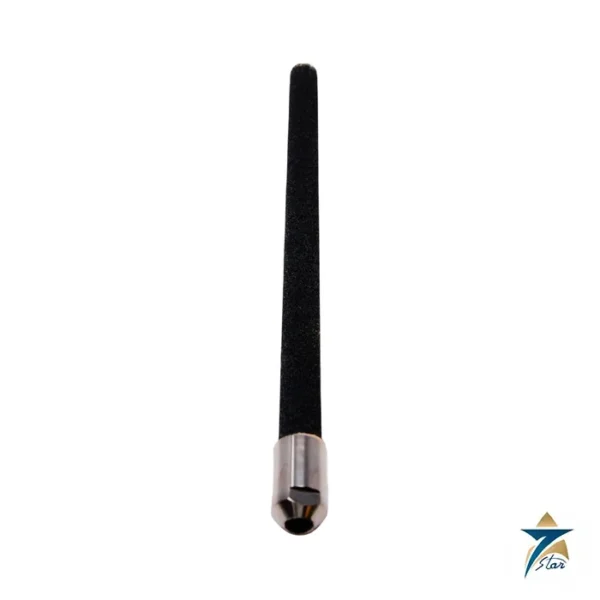
The FID 302A Assembly is constructed as a self-contained detector body incorporating the flame jet, ignition and flame-sense circuitry interface, collector electrode assembly, and the 0.038-inch inlet fitting, engineered for direct mounting into the Maxum Edition II detector oven. Supplied complete without heater, this assembly variant is intended for installations where the existing air bath heater or a separately sourced heater module is retained or replaced independently, giving maintenance teams flexibility during partial detector rebuilds.
Materials and fitting tolerances on the FID 302A are held to the precision required for stable flame geometry and consistent ion-collection efficiency over long service intervals. Because the detector operates continuously at process analyzer sites, the assembly is engineered to tolerate repeated ignition cycles and the thermal stress of sustained flame operation while maintaining a stable baseline signal, which is critical to the repeatability of quantitative hydrocarbon measurements in a 24/7 process environment.
Ignition, Dynamic Range, and Detector Body Construction
Ignition of the hydrogen/air flame within the Maxum Edition II FID detector body is performed by the FID igniter, which is lit from the analyzer HMI, and the analyzer’s electrometer and flame-sense circuitry continuously confirm flame presence so that a flame-out condition is reported to the analyzer’s data system as a fault rather than silently invalidating subsequent chromatographic measurements. Siemens documents the Maxum Edition II FID’s dynamic range at approximately seven orders of magnitude (107) with a linear response range of roughly six orders of magnitude (106), and a smallest documented measuring range of 0 to 1 ppm at ±3% accuracy at a detector oven temperature of 60°C, reflecting the sensitivity needed to resolve trace hydrocarbon impurities in high-purity feedstock and product streams.
Detector body construction on the Siemens Maxum II FID 302A Detector Assembly relies on stainless steel tubing for the sample and gas flow paths together with a quartz jet assembly at the flame itself, and the complete detector oven is built and certified to flameproof/explosion-proof requirements appropriate for installation inside a classified process analyzer shelter. Because the 2021651-002 configuration is supplied complete without heater, Seven Star LLC advises maintenance teams to confirm the condition of the existing air-bath heater assembly, or to source a compatible replacement heater alongside the detector body, before scheduling a detector change-out on an operating Maxum Edition II analyzer.
Key Features
The FID 302A Detector Assembly is engineered to restore full flame ionization detection capability on the Maxum Edition II platform. Key characteristics include:
- Direct-fit replacement flame ionization detector assembly for the Siemens Maxum Edition II process gas chromatograph.
- Standard 0.038-inch inlet tube matching the analyzer’s native column and valve configuration.
- Complete detector body without heater, suited to partial detector rebuild and maintenance scenarios.
- High sensitivity to trace hydrocarbon concentrations across a wide linear dynamic range.
- Stable collector electrode geometry for consistent, repeatable ion-current response.
- Genuine Siemens Maxum II part number 2021651-002 for correct fit and calibration compatibility.
Industrial Applications
The FID 302A Assembly is deployed wherever a Maxum Edition II analyzer is configured for hydrocarbon-sensitive process gas chromatography, including natural gas quality and BTU monitoring at custody transfer points, trace hydrocarbon impurity detection in petrochemical feedstock and product streams, and refinery unit monitoring where fast, sensitive carbon-response detection is required to support process control and product quality decisions. Its wide dynamic range also supports applications spanning from parts-per-million impurity tracking to full-range hydrocarbon composition analysis on the same analyzer platform.
Seven Star LLC supports refinery instrumentation teams, gas processing operators, and petrochemical maintenance departments across Oman, Muscat, Sohar, and the broader GCC region with sourcing of Maxum Edition II FID detector hardware, helping analyzer houses maintain measurement continuity during scheduled maintenance and unplanned detector replacement events alike.
Technical Specifications
The table below summarizes the core specifications of the Siemens Maxum II FID 302A Detector Assembly as supplied by Seven Star LLC.
| Parameter |
Specification |
| Model / Part Number |
FID 302A Assembly, P/N 2021651-002 |
| Detector Type |
Flame Ionization Detector (FID) |
| Inlet Tube |
0.038-inch, standard |
| Heater |
Not included (complete without heater) |
| Target Platform |
Siemens Maxum Edition II Process Gas Chromatograph |
| Fuel / Support Gases |
Hydrogen (fuel), combustion air |
| Typical Application |
Trace and full-range hydrocarbon concentration measurement |
| Hardware Condition |
New, genuine Siemens part number |
| Target components |
Carbon (hydrocarbons) |
| Measurement type |
Mass |
| Selectivity |
Combustible components |
| Dynamic range |
10^7 |
| Linear range |
10^6 |
| Smallest measuring range |
0 to 1 ppm ±3% (at 60 °C oven temperature) |
| Typical measuring range |
0 to 100 ppm ±1% FS up to 0 to 100% ±0.5% FS (at 60 °C oven temperature) |
| Detector temperature range |
105 to 260 °C |
| Hydrogen fuel gas |
Purity 5.0 (>=99.999%), 500 to 1000 kPa, 30 to 50 ml/min per FID |
| Combustion air |
Synthetic, hydrocarbon free, 500 to 1000 kPa, approx. 400 ml/min per FID |
Supply Gas Requirements
The Maxum Edition II detectors service manual describes the FID as very sensitive to all types of hydrocarbons and to contamination in gases or supply lines. For a high signal-to-noise ratio, the supply gases (hydrogen and air) and the carrier gas should have a purity of 99.999% with a hydrocarbon content below 2 ppm, expressed as methane. Siemens suggests filtering supply gases with a molecular sieve filter, and strongly recommends a catalytic air treater if plant air is used.
Siemens lists hydrogen combustion gas at purity 5.0 (at least 99.999%) and 500 to 1000 kPa (72.5 to 145 psig), consuming 30 to 50 ml/min per FID. Combustion air is synthetic, hydrocarbon free, at 500 to 1000 kPa and approximately 400 ml/min per FID. With a methanator, the FID can also detect carbon monoxide and carbon dioxide, which broadens its use beyond hydrocarbons.
FID Repair Kits and Maintenance Notes
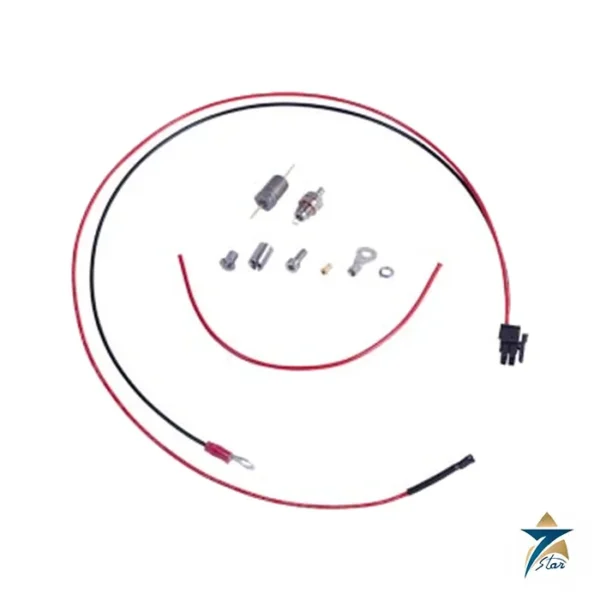
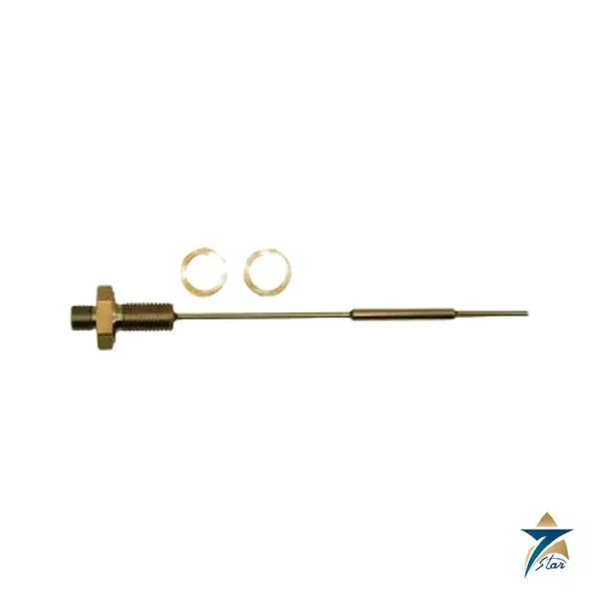
Siemens documents the Maxum II FID as an explosion-proof device with required safety systems that must not be compromised during service, and servicing should only be carried out with the approval of local safety personnel. Repair kits listed in the service manual include the FID seal kit 2020387-701, FID filter kit 2020388-701 and FID quartz jet kit 2020389-701, plus igniter kits 202273-001 (115 V) and 202273-002 (230 V).
The mesh filter sits in the combustion chamber on the combustion air input and is replaced rather than reused, because it is difficult to remove without damage. The quartz jet is a thin quartz tube that includes the burner nozzle tip. After an igniter change, the flame is lit from the analyzer HMI by opening the Maintenance Menu, choosing Detectors and Real Time Chroms, selecting the FID and viewing the chromatogram.
Request a Quote for Siemens Maxum II FID 302A Detector Assembly 2021651-002
Seven Star LLC is a dedicated supplier of Siemens Maxum Edition II process gas chromatograph spare parts and detector assemblies throughout Oman and the GCC. To request a formal B2B quotation, verify current availability and lead time, or confirm compatibility of the FID 302A Assembly 2021651-002 with your specific Maxum II configuration, contact our instrumentation sourcing team today.
Related Products

 Automation & Control
 Electrical & Power
 Fittings & Valves
 Sensors & Transmitters
 Emergency Power
 Analyzer Systems
 Metering Systems
 Welding
 Fire & Gas Systems
 Motors, Pumps & Turbines
 Portable Test & Measurement
 Compressor & Cooling
 Bearings & Power Transmission
 Filtration
 Safety & PPE
 Material Handling & Lifting Equipment
 Non-Destructive Testing (NDT)
















Reviews
There are no reviews yet.