Overview
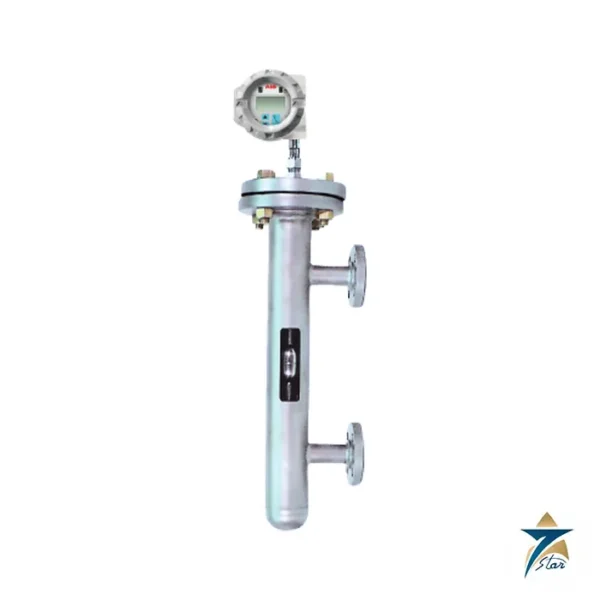
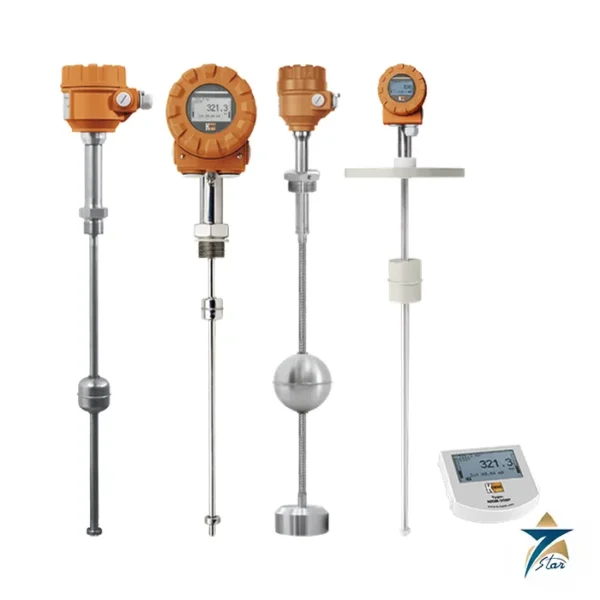
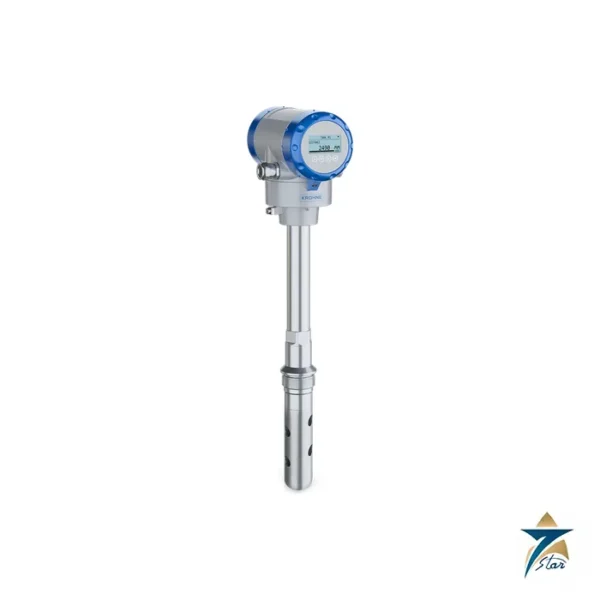
The Tecfluid LT-R153 is a bypass magnetic level transmitter with an integrated switch, part of Tecfluid’s Series LT magnetic level gauge range. It combines continuous 4–20mA level output with a built-in switch function in a single instrument, letting a facility get both continuous level monitoring and a discrete high/low alarm point without installing two separate devices on the same vessel.
As a member of Tecfluid’s established bypass chamber level indicator family, the LT-R153 is built for liquid level applications where a direct-insertion probe isn’t practical or where visual indication alongside electronic output is valuable. Seven Star LLC supplies the Tecfluid LT-R153 to process and storage facilities across Oman and the GCC.
Operating Principle
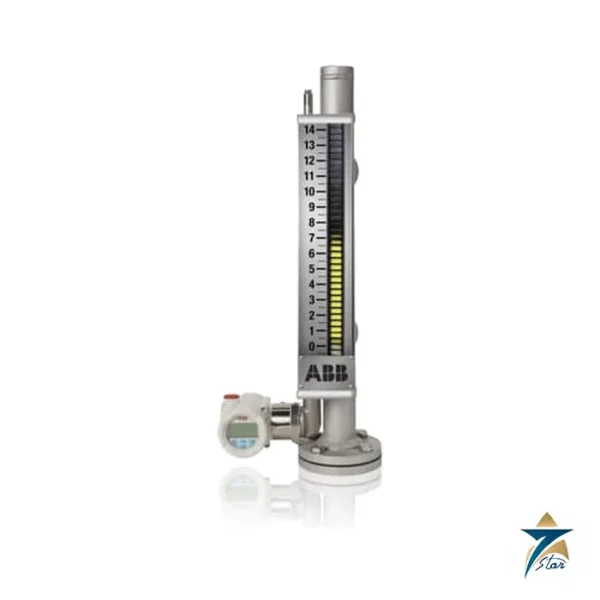
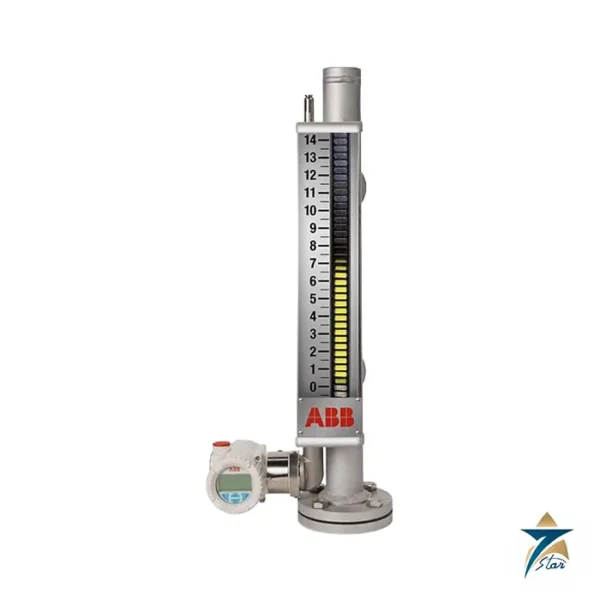
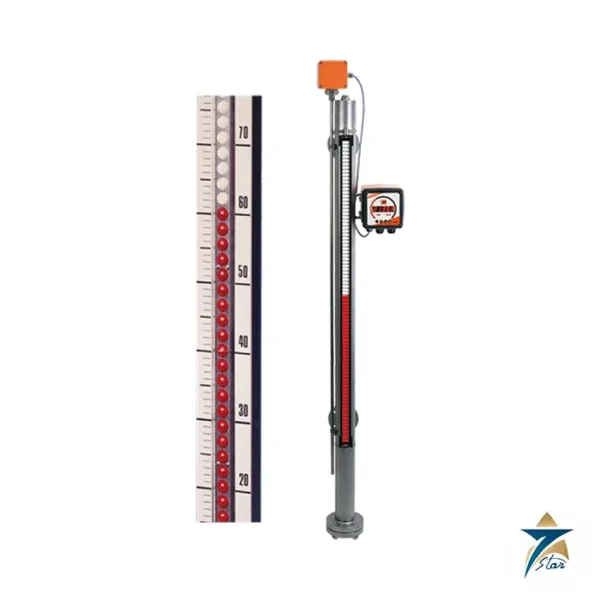
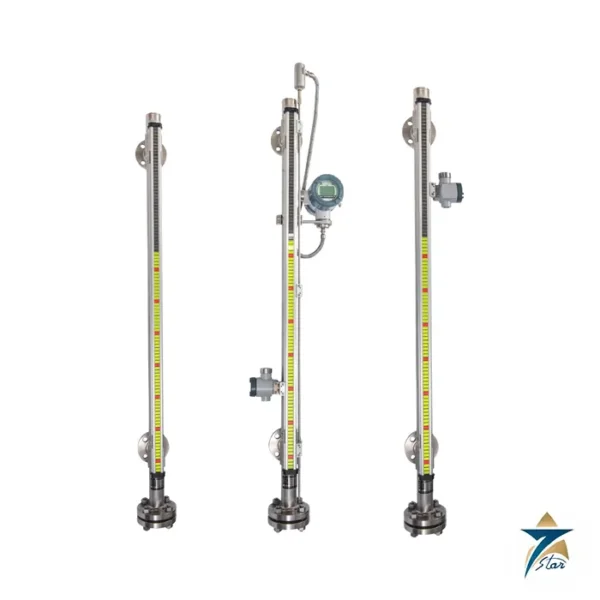
The LT-R153 uses a magnetic float inside a bypass chamber connected to the vessel at two points; as liquid level changes, the float rises and falls with it, and its internal magnet couples through the chamber wall to both the visual indicator flags (in the Series LT gauge tradition) and to a magnetostrictive or reed-based transmitter element that generates a continuous 4–20mA signal. The integrated switch trips at a factory- or field-set level, providing a discrete alarm or interlock signal independent of the continuous output.
Engineering Design of the Tecfluid LT-R153
Across the Series LT range that the LT-R153 belongs to, measurement spans from 150mm up to 15m depending on configuration, with a continuous output accuracy of ±10mm via the LTE or LTDR transmitter option. Process connections are available as EN 1092-1/ASME B16.5 flanges or BSP/NPT threaded fittings, with pressure ratings from PN10 to PN40 depending on materials selected. Float materials span EN 1.4404 stainless steel, titanium, and various plastics (PVC, PP, PVDF, PTFE) to match the process fluid’s chemical compatibility requirements.
Key Features
- Combined continuous level transmitter and discrete switch in one instrument
- Bypass chamber magnetic float design
- 4–20mA continuous output, ±10mm accuracy
- Measurement span from 150mm to 15m (series range)
- Flanged (EN 1092-1/ASME B16.5) or threaded (BSP/NPT) connections
- Pressure ratings PN10 to PN40
- Float material options: stainless steel, titanium, PVC, PP, PVDF, PTFE
- Visual level indication alongside electronic output
Industrial Applications
The LT-R153 is specified for storage tank and process vessel level monitoring across Muscat, Sohar, and Salalah, where a combined transmitter-plus-switch instrument simplifies installation compared with fitting a separate transmitter and a separate switch on the same vessel. Its bypass chamber design also provides a visual reference alongside the electronic signal, useful for local operator checks.
Across the GCC’s process, chemical, and storage terminal sectors, the LT-R153’s material options make it adaptable to a wide range of stored liquids, from water and light hydrocarbons to more chemically aggressive fluids requiring PTFE or titanium float construction, while its combined output/switch function reduces the instrument count needed per tank.
Technical Specifications
| Parameter |
Specification |
| Model |
Tecfluid LT-R153 |
| Type |
Bypass magnetic level transmitter with integrated switch |
| Output |
4–20mA continuous + discrete switch |
| Accuracy |
±10mm |
| Measurement Span (series) |
150mm to 15m |
| Process Connection |
Flanged (EN 1092-1/ASME B16.5) or threaded (BSP/NPT) |
| Pressure Rating |
PN10 to PN40 |
| Float Materials |
SS (EN 1.4404), titanium, PVC, PP, PVDF, PTFE |
Selecting the Right LT-R153 Configuration
A bypass level instrument is built around the vessel it serves, so the order data must describe the vessel connection as well as the measurement. Before requesting a Tecfluid LT-R153, confirm:
- Centre-to-centre distance between the two vessel nozzles and the required measuring span
- Process connection standard, size and pressure rating
- Liquid specific gravity at operating temperature, which determines float selection
- Chemical compatibility of the process liquid with the chamber and float material
- Required switch point position and whether it acts as a high or low alarm
- Output needs of the control system and any hazardous-area requirements
Level Gauge Installation and Commissioning
Mount the chamber vertically and fit isolation valves on both process connections plus a drain valve at the bottom, so the instrument can be isolated and flushed without emptying the vessel. Insert the float the right way up before closing the chamber. Keep strong magnetic fields and ferromagnetic structures away from the chamber, as they can disturb both the indicator and the transmitter. During commissioning, open the valves slowly to avoid float impact, then compare the visual indication with the transmitter output and check that the switch operates at the intended level.
Maintenance and Troubleshooting
- Indicator and output stuck – float held by deposits or sediment; isolate, drain and clean the chamber
- Level reading offset – liquid density differs from the float design value
- Switch not tripping – check the switch position along the chamber and the wiring to the alarm circuit
- Indicator flags out of step – a sudden surge may have disturbed them; reset with a magnet
On viscous or crystallising products, a regular flushing routine keeps the float moving freely.
Applications in Oman and the GCC
In the region the Tecfluid LT-R153 suits chemical dosing tanks at water treatment plants, fuel and lubricant storage, and process vessels where operators value a local level view during rounds alongside the signal in the control room. Where instruments are exposed to high ambient temperatures and direct sun, shading the transmitter housing is good practice.
Sourcing from Seven Star LLC
Seven Star LLC supplies Tecfluid flow and level instruments across Oman and the GCC. Send us the vessel drawing and process data, and our team will review the span, connection and float material before quotation.
Request a Quote for Tecfluid LT-R153 – Magnetic Level Transmitter with Switch
Contact Seven Star LLC for a quotation and availability on the Tecfluid LT-R153 magnetic level transmitter with switch across Oman and the GCC. Our team can help configure the correct measurement span, connection, and float material for your vessel.
Browse the full Tecfluid range or see more Level Transmitter products supplied by Seven Star LLC in Oman and the GCC.





























Reviews
There are no reviews yet.