OPTIBAR PC 5060 ceramic capacitive pressure transmitter and what sets it apart
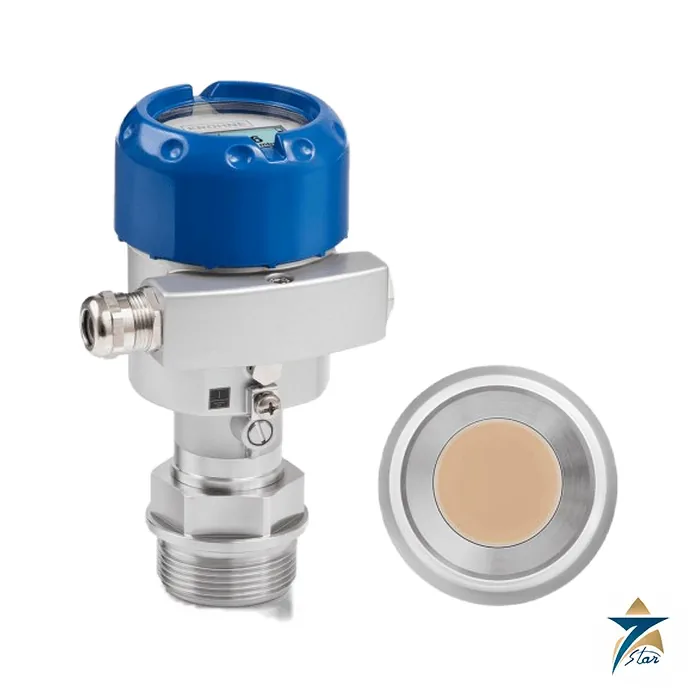
The KROHNE OPTIBAR PC 5060 is a process pressure transmitter built around a ceramic capacitive measuring cell, KROHNE’s CERTEC type. A sapphire-ceramic diaphragm of more than 99.9% aluminium oxide is joined to a ceramic base body, and the cell is dry, with no fill oil. That construction gives the PC 5060 its main selling points: maximum overload and vacuum resistance, no wear in the cell, survival of sudden temperature shocks and low ranges down to 25 mbar. It reads gauge or absolute pressure and hydrostatic level in open tanks, and electronic differential pressure when a slave sensor is added.
Where its metallic sibling, the OPTIBAR PM 5060, uses a welded metal diaphragm for ranges up to 1000 bar, the PC 5060 covers 25 mbar to 100 bar and is selected when the medium is abrasive, when vacuum or over-range spikes are likely, or when a front-flush ceramic face is wanted. Two cell sizes are used: 17.5 mm for small process connections and 28 mm for larger ones, and the larger cell is required for the 100 bar range.
Technical specifications of the OPTIBAR PC 5060
| Parameter |
Specification |
| Manufacturer / part number |
KROHNE / OPTIBAR PC 5060 (C) |
| Measuring principle |
Capacitive ceramic cell; relative or absolute pressure |
| Measuring range |
25 mbar to 100 bar (0.73 to 1450 psi); ranges with vacuum such as -1 to 0 bar and -1 to +25 bar |
| Overload capacity |
For example 0 to 1 bar range withstands +35 bar; 0 to 25 bar range +125 bar; 0 to 60 bar and 100 bar ranges +200 bar |
| Reference accuracy |
Classes 0.05%, 0.10% and 0.20% of set span (availability varies by range and connection) |
| Long-term stability |
28 mm cell: below 0.05 x TD in one year and 0.1 x TD in five years |
| Step response |
Below 85 ms |
| Process temperature |
Up to +150 °C without diaphragm seal with extended-temperature cell; PVDF connection limited to +100 °C |
| Wetted materials |
Ceramic diaphragm; process connection 316L, PVDF, Alloy C22, Alloy C276, Duplex or Titanium Grade 2 |
| Seals |
FKM, EPDM or FFKM measuring cell seal; hygienic fittings with form seal |
| Output and supply |
2-wire 4-20 mA with HART 7; Foundation Fieldbus and Profibus PA; 9.6 to 35 V DC for non-Ex |
| Approvals |
Ex ia, Ex d and Ex t approvals; SIL 2/3 by TÜV Rheinland per the product page |
Check the overload and minimum-pressure table for your chosen range; limitations from the process connection and from absolute versus gauge type may apply.
How the ceramic cell measures pressure
The process pressure deflects the ceramic diaphragm and changes the capacitance between the diaphragm and an electrode on the base body. The electronics convert this to a pressure signal. Because ceramic is stiff and elastic, the diaphragm returns to zero after an overload or a vacuum, which is the basis of the high overload rating, and because there is no transfer fluid the cell does not suffer from fill-oil expansion with temperature. The datasheet lists a climate-compensated cell variant for greater stability across ambient temperature change.
The cell temperature is measured too, with a resolution below 0.2 K, and the electronics section covers -40 to +85 °C. As on the whole OPTIBAR series, setup is done on the integrated display and adjustment module with four keys, with the Bluetooth OPTICHECK Pressure Mobile app, or with a DTM in PACTware, AMS or PDM.
Where the OPTIBAR PC 5060 fits and related KROHNE pressure transmitters
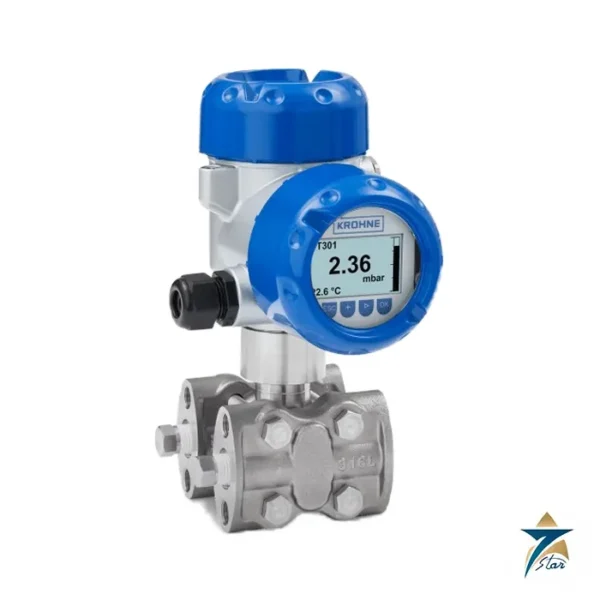
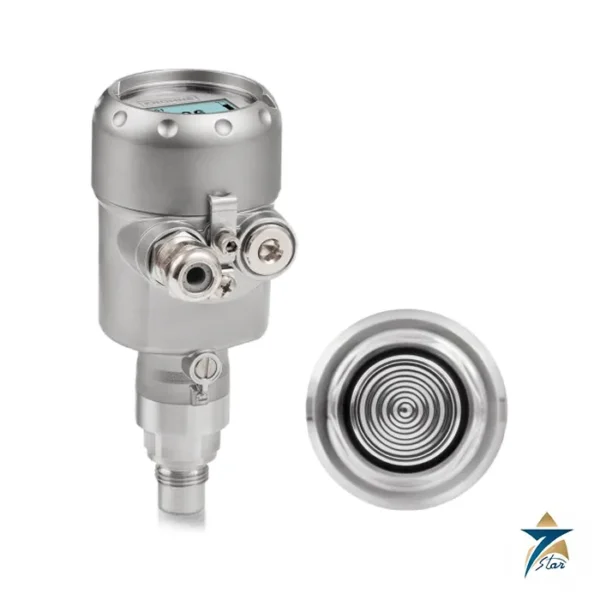
The PC 5060 fits chemical, water and wastewater, power and marine services where the medium is abrasive, contains solids or is aggressive toward steel, as well as batch tanks where level and overpressure can exceed the normal range. For metallic diaphragms and high pressures use the OPTIBAR PM 5060, for differential flow and level the OPTIBAR DP 7060, and for compact hygienic switching the OPTIBAR PSM 2010 already listed on our site. A remote-sensor version with IP68 rating, with the converter separated from the sensor, is shown on the KROHNE product page for wet pits and submerged measurement.
Selection and ordering checklist for the OPTIBAR PC 5060
- Measuring type: gauge, absolute, level, or electronic differential.
- Range and turn-down, including any vacuum portion, and the maximum overload to expect.
- Process medium, temperature and abrasion; PVDF or alloy connections for corrosives.
- Process connection, thread or hygienic flush, with cell diameter implied.
- Seal material (FKM, EPDM or FFKM) and form seal for hygienic fittings.
- Remote sensor with IP68 if the location floods.
- Housing, display, protocol and hazardous-area approval.
Installation, commissioning and maintenance
Install with the diaphragm pointing down where practical, since the datasheet reference position effect is below 0.2 mbar and any zero offset can be corrected. Do not poke or clean the ceramic diaphragm with hard tools. For level, set the density and the height of the liquid column so the display reads in metres or percent. Where the medium can crystallise or cake, a flush connection is easier to keep clear than a recessed port.
The cell is wear-free, so service consists of checking zero, inspecting the gasket and cable glands and confirming that vent and moisture paths are intact on gauge versions. A tightening torque of 20 Nm applies to process connections per the datasheet. Save the configuration after commissioning so a replacement electronics can be loaded with the same data.
Typical applications in Oman and the GCC
Typical uses include supply-pressure monitoring on water and desalination lines, dry-run protection of dosing and delivery pumps, level in chemical day tanks and sumps, and pressure monitoring on compressed-air and vacuum lines. Marine and port facilities and power-plant auxiliaries are also listed industries. In hot, dusty and humid conditions use sealed glands and, where flooding or washdown occurs, choose an IP68 or stainless housing. Sun exposure raises electronics temperature, so a sunshade helps keep within the -40 to +85 °C electronics window.
PC 5060 versus PM 5060
| Item |
OPTIBAR PC 5060 |
OPTIBAR PM 5060 |
| Cell |
Ceramic capacitive |
Metallic diaphragm, piezoresistive or strain gauge |
| Range |
25 mbar to 100 bar |
100 mbar to 1000 bar |
| Strength |
Overload, vacuum, thermal shock, abrasion |
High pressure, hygienic flush, diaphragm seals |
| Temperature (no seal) |
Up to +150 °C |
Up to +150 °C |
Information to send with an RFQ for the OPTIBAR PC 5060
- Medium, pressure range with vacuum and overload expectations, and temperature.
- Gauge, absolute, level or differential measurement.
- Process connection and wetted material, plus seal type.
- Housing, display, signal protocol and hazardous-area approval.
- Quantity and delivery timing.
Documents and quotation
A KROHNE technical datasheet for the OPTIBAR PC 5060 C is attached on this page. Send the details above and we will confirm availability and prepare a quotation for the OPTIBAR PC 5060 in Oman and the GCC as an independent supplier in Muscat.
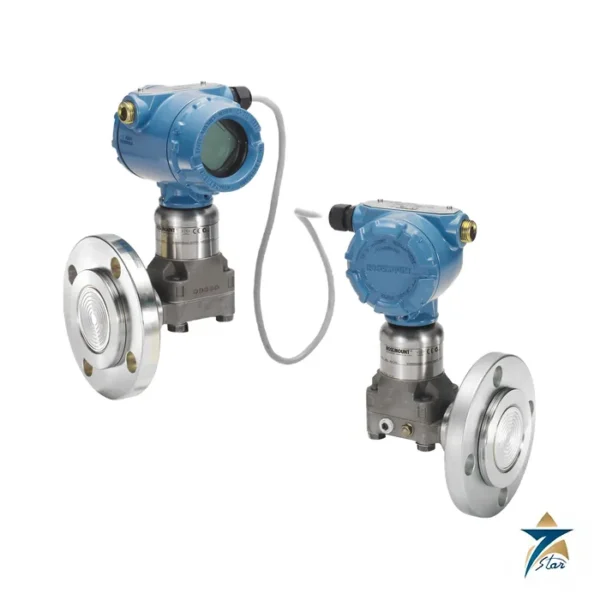
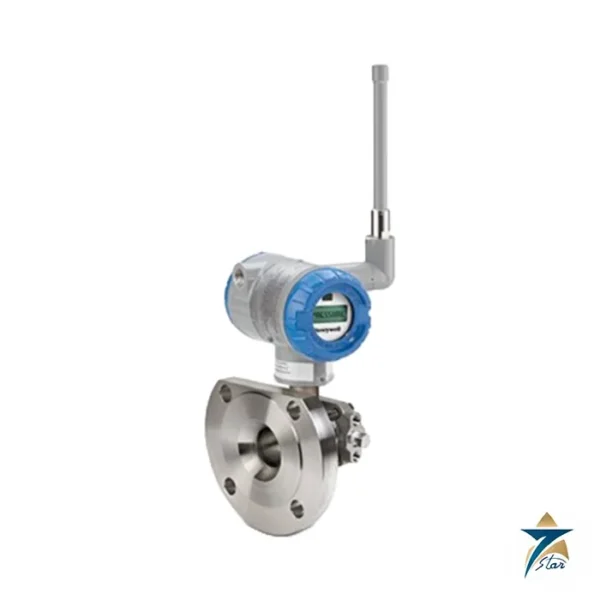
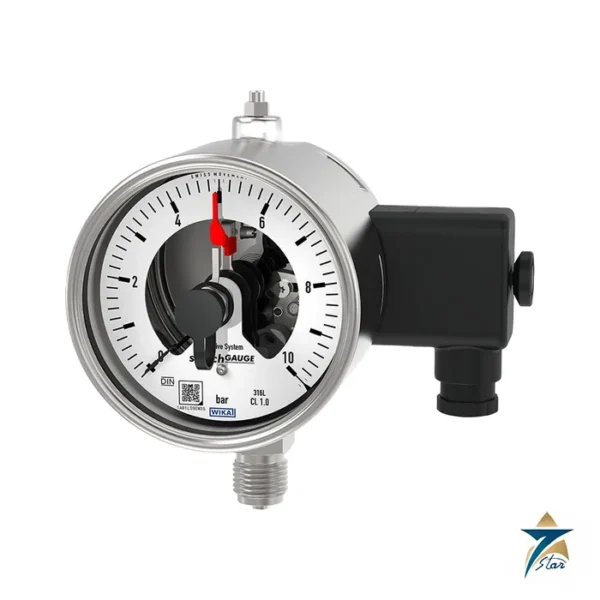
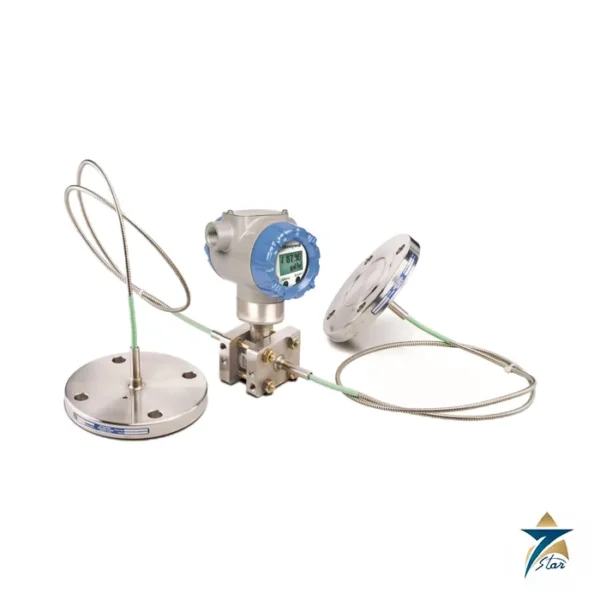
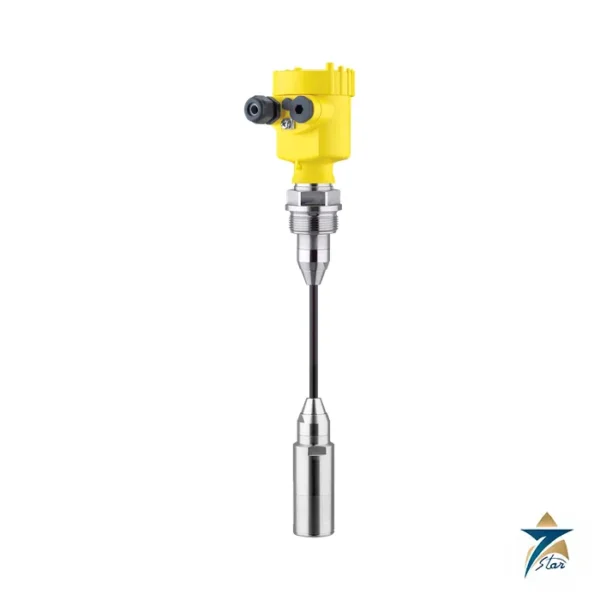
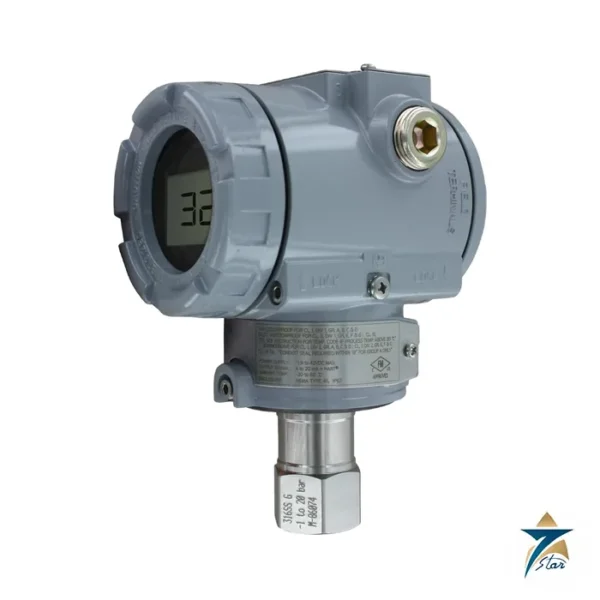
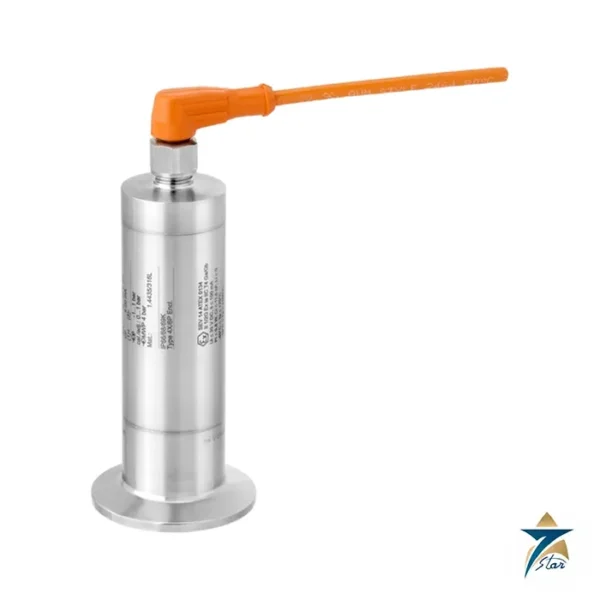
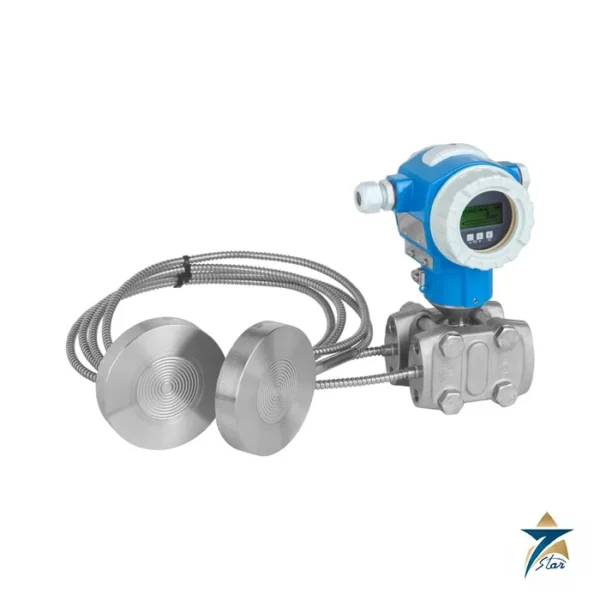
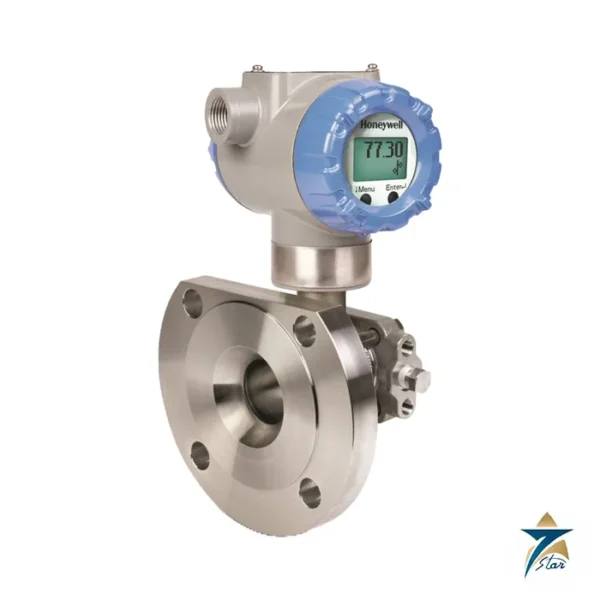
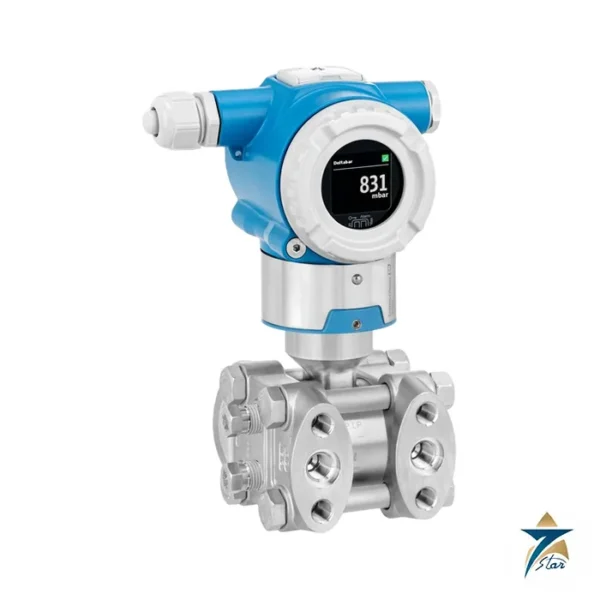
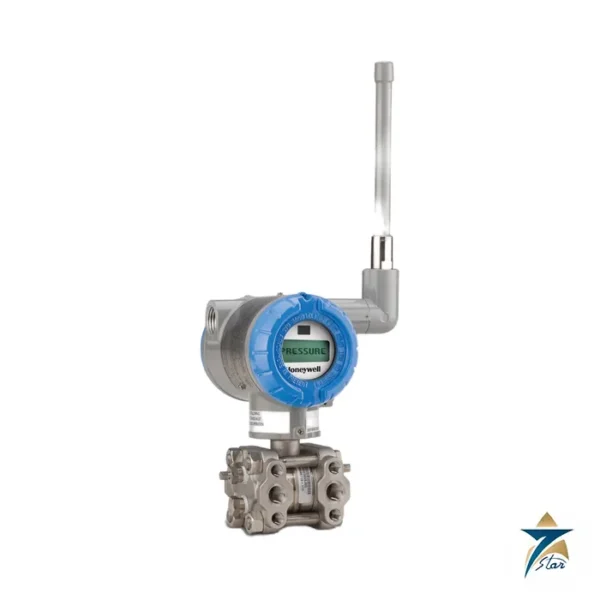
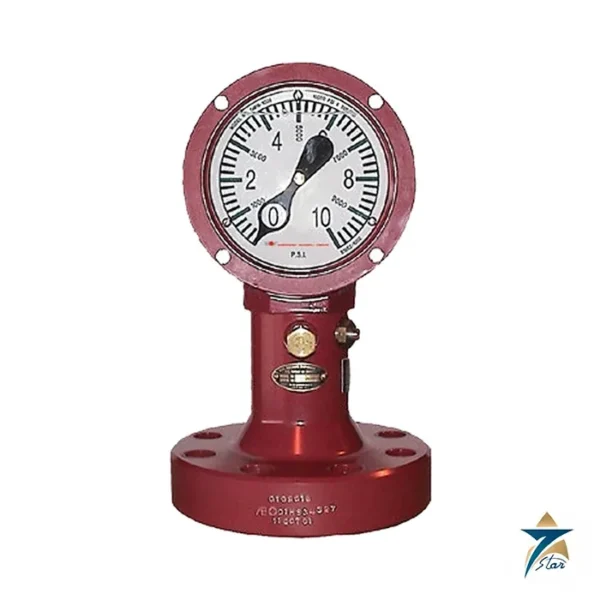
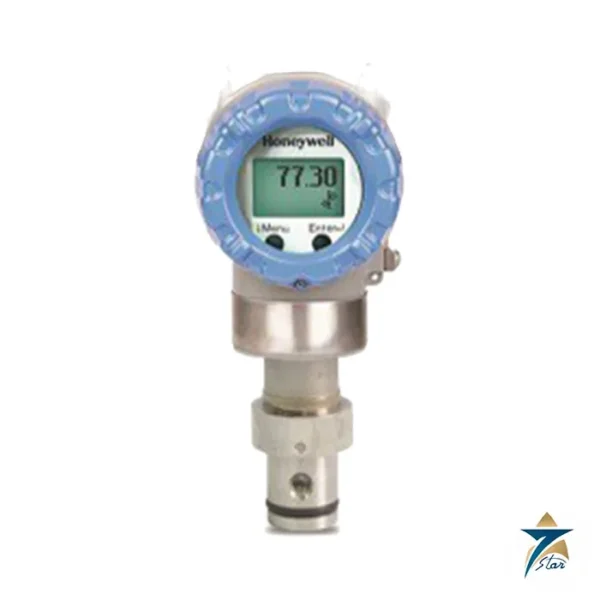
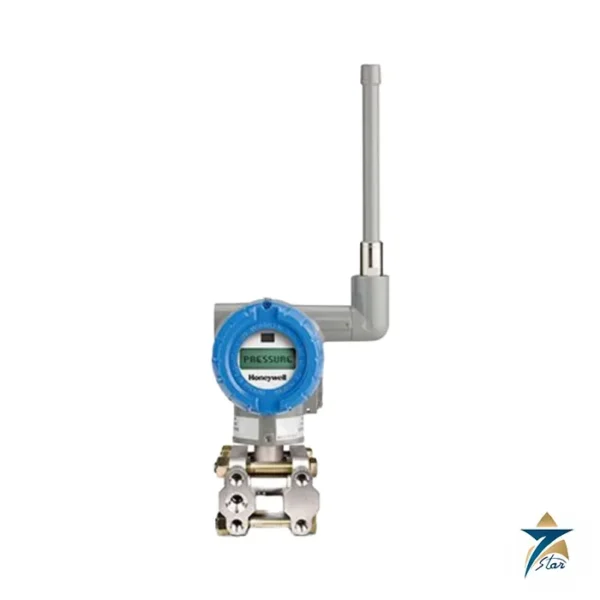
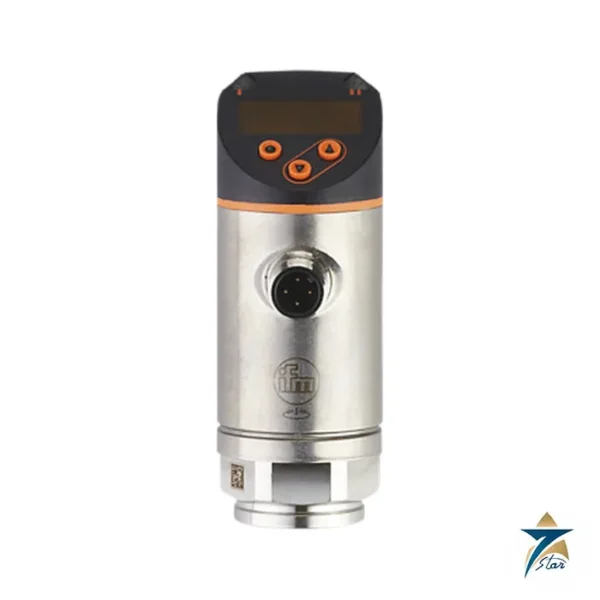
Other Models in the Krohne Optibar Range
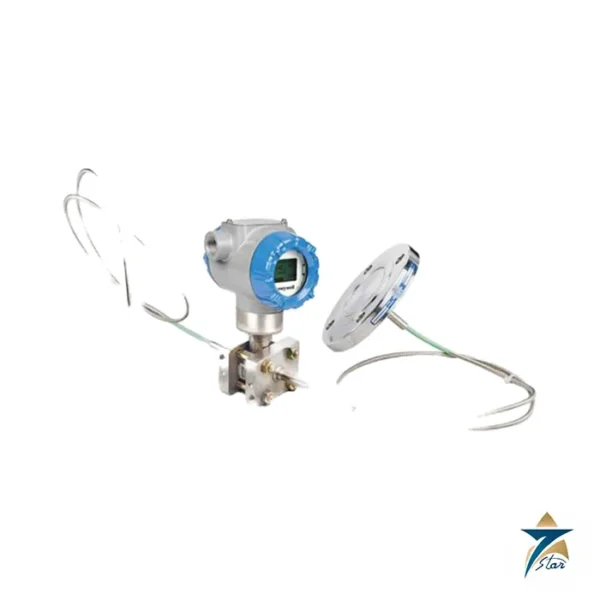
Seven Star LLC supplies models from the Krohne Optibar range in Oman and the GCC. Compare the related models below and request a quote for the one that matches your application.




















Reviews
There are no reviews yet.