Electromagnetic flowmeter for standard water and wastewater
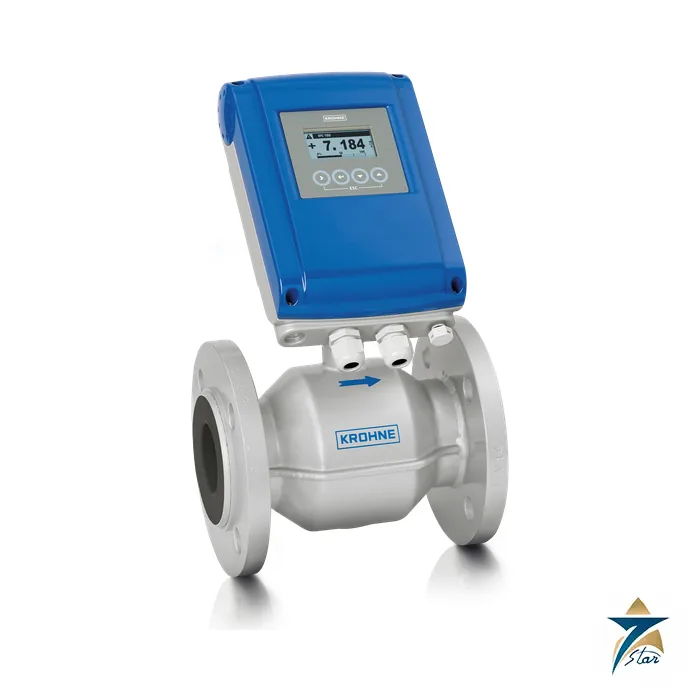
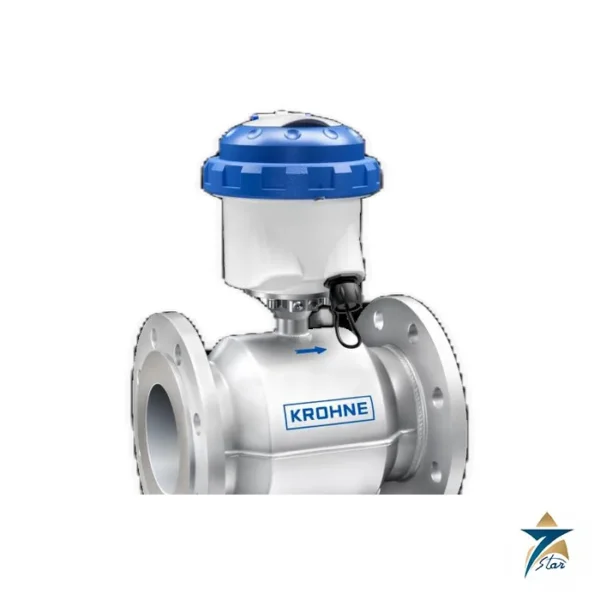
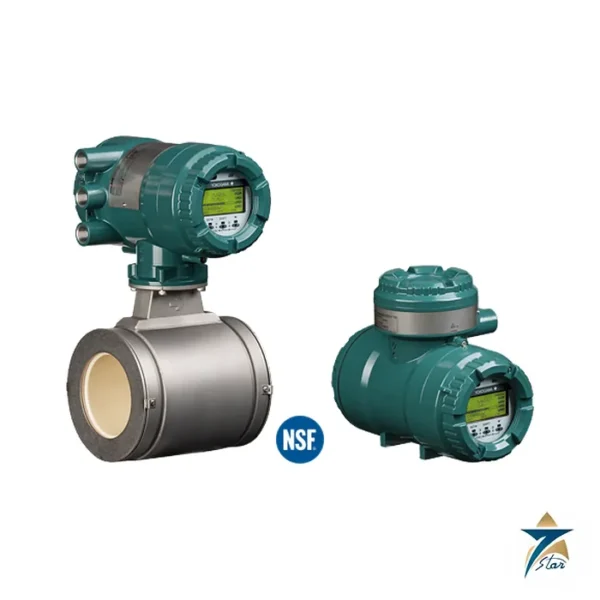
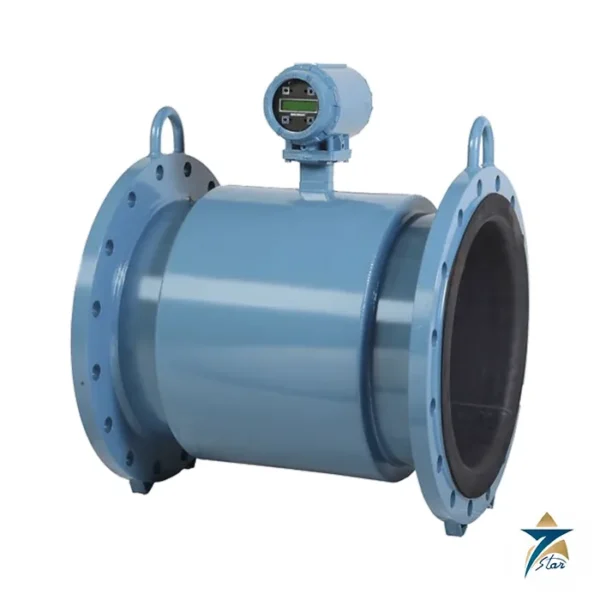
The KROHNE OPTIFLUX 2100 is an electromagnetic flowmeter for general water and wastewater duty. It combines the OPTIFLUX 2000 sensor with the IFC 100 converter, in compact (C) or remote (W) form, and offers bidirectional measurement over a wide dynamic range with a standard accuracy of +/-0.3 percent of measured value or +/-1 mm/s.
Liners are polypropylene or hard rubber, suited to low-concentration chemicals, and the remote version in IP68 / NEMA 6P form can sit in chambers that flood constantly. The product page lists drinking-water approvals including DVGW, NSF, KTW, WRAS, KIWA and ACS, Ex approvals (ATEX, IECEx, NEPSI, FM, CSA) and a long list of marine approvals.
Technical specifications
| Parameter |
Specification |
| Model |
OPTIFLUX 2100 C (compact) / W (remote); sensor OPTIFLUX 2000 with IFC 100 |
| Principle |
Electromagnetic |
| Accuracy (standard) |
+/-0.3 % of measured value or +/-1 mm/s |
| Liner |
Polypropylene (PP) or hard rubber |
| Flange sizes |
EN 1092-1 DN25 to DN1200; ASME 1 to 48 in; JIS 25 to 1000A |
| Pressure |
Max. 40 barg / 580 psig (PN40, ASME Cl 300, JIS 20k) |
| Process temperature |
-5 to +90 C / +23 to +194 F |
| Outputs |
4 to 20 mA, pulse, frequency, status; HART |
| Protection |
Compact up to IP69; remote sensor IP68 / NEMA 6P |
| Drinking water |
DVGW, NSF, TZW, KTW, WRAS, KIWA, ACS as listed |
| Ex approvals as printed |
ATEX, IECEx, NEPSI, FM, CSA |
| Verification |
On-site check with the OPTICHECK service tool |
Typical applications
The manufacturer lists abstraction and irrigation, distribution network monitoring, raw and drinking-water treatment, treatment chemicals, sewage networks, storm-water overflows, municipal wastewater plants and desalination (sea water, permeate).
With a standard wet calibration, tamper-proof design and diagnostics covering conductivity and electrode state, it targets standard duty where very high accuracy is not required. For custody transfer or higher accuracy, the WATERFLUX 3300 or OPTIFLUX 4300 are the usual upgrades.
How to specify
State line size and flange standard, liner (PP or hard rubber), electrode material, compact or remote, cable length for remote units, and approvals. As a derived example, a DN200 PN16 drinking-water main would use a hard-rubber liner and a flange to EN 1092-1.
The attached document is the quick start for the OPTIFLUX 2000 sensor family, so use it for installation and wiring, and ask for the technical datasheet when exact tolerances are needed.
Plan the pipework before ordering. An electromagnetic meter needs a full pipe, stable earthing or grounding rings for plastic pipes, and straight inlet and outlet runs given in the installation chapter. The IFC 100 converter provides the 4 to 20 mA, pulse and status outputs that connect to a PLC or a SCADA remote terminal at pumping stations.
For retrofit projects, give the existing pipe material, flange standard and face-to-face length so that the replacement meter fits without pipework changes. Mention whether grounding rings are present, because plastic or lined pipes need them, and note the available supply voltage and the output that the control system expects.
Key features of the OPTIFLUX 2100
- Electromagnetic principle with no moving parts in the flow path, so there is no mechanical wear and practically no pressure loss beyond that of the open pipe.
- Bidirectional measurement, useful in networks where flow can reverse, such as ring mains, reservoir feed and draw lines or pumping stations with bypasses.
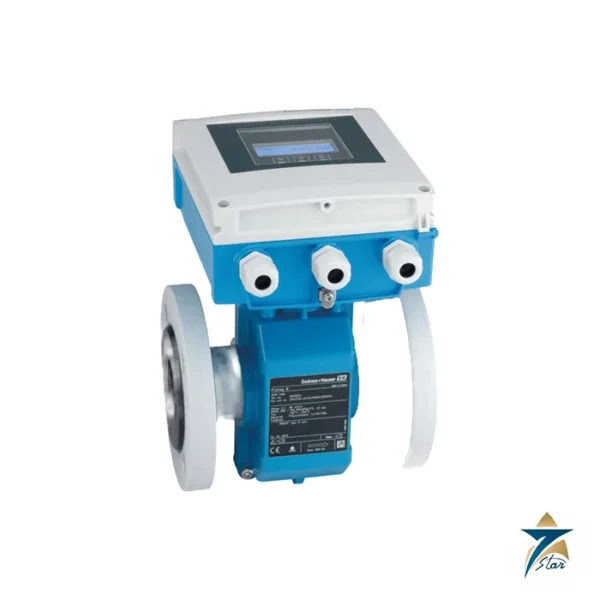
- Choice of compact (C) or remote (W) converter mounting with the IFC 100 electronics.
- Polypropylene or hard rubber liner, selected to suit drinking water, raw water, wastewater and low-concentration treatment chemicals.
- Diagnostics covering conductivity and electrode condition, which help operators distinguish a process problem from an instrument problem.
- On-site verification with the OPTICHECK service tool, avoiding removal of the meter from the line for routine checks.
Compact or remote: choosing the version
The compact 2100 C puts the converter directly on the sensor. It is the simpler installation: one device, one cable gland area and no interconnecting cable to route. It suits above-ground pipework in pump houses and treatment buildings where the display can be read easily and the meter is not exposed to flooding.
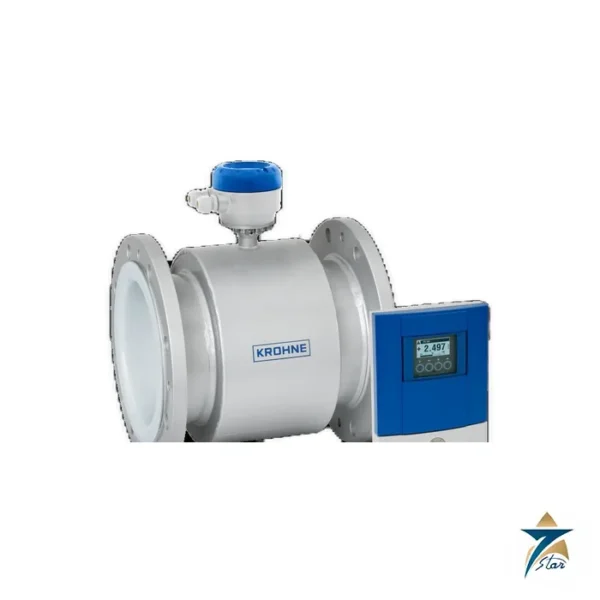
The remote 2100 W separates the IFC 100 converter from the sensor. This is the usual choice for buried chambers, valve pits and locations with strong vibration or high surface temperature, because the electronics can be mounted on a wall or in a kiosk at a convenient height. The sensor itself can then be supplied in the IP68 / NEMA 6P form for permanent flooding. Remember to state the required signal cable length when ordering a remote unit.
Liner selection in practice
| Liner |
Typical use |
Points to consider |
| Hard rubber |
Drinking-water mains, raw water, irrigation, larger line sizes |
A common choice for potable water; confirm the drinking-water approval needed for the project |
| Polypropylene (PP) |
Wastewater, treatment chemicals at low concentration, smaller line sizes |
Check the chemical compatibility of the dosed medium and the process temperature against the datasheet |
Electrode material should be selected together with the liner. For aggressive dosing chemicals or desalination brine, send the medium and its concentration so the combination can be checked against the manufacturer’s resistance tables.
Installation and maintenance notes
- Install the meter where the pipe is always full; a rising section or a low point is preferable to the top of a pipe bridge where air collects.
- Keep the electrode axis roughly horizontal so that air bubbles or sediment do not cover an electrode.
- Provide the straight inlet and outlet lengths stated in the installation chapter, and avoid installing directly downstream of a partially open valve or pump discharge.
- On plastic or internally lined pipes, fit grounding rings so the fluid is referenced to the meter; on bare metal pipes, bond the flanges as described in the quick start.
- Do not use the meter body to support the pipework, and tighten flange bolts evenly to protect the liner face.
- Periodic checks normally consist of reading the converter diagnostics and, where a verification record is required, running OPTICHECK on site.
Use in Oman and GCC water networks
Utilities and contractors in the region measure flow in transmission mains, district metering areas, reservoirs, sewage pumping stations and treated-effluent irrigation lines. The OPTIFLUX 2100 fits these duties because it has no moving parts to clog with sand or debris and because the flooded-chamber version tolerates chambers that collect groundwater or storm runoff. For desalination plants, the manufacturer lists sea water and permeate among the applications; the liner and electrodes should be confirmed for the specific salinity.
High ambient temperatures and direct sun are common on exposed pipework. A sunshade over the converter, or the remote version with the electronics mounted in a shaded panel, helps keep the display readable and the electronics within their rated ambient range.
What to include in an RFQ
- Nominal size and flange standard (EN 1092-1, ASME or JIS) with pressure rating.
- Medium, conductivity if known, and maximum process temperature and pressure.
- Liner and electrode material preference.
- Compact or remote version, and cable length for remote installations.
- Required outputs (4 to 20 mA, pulse, frequency, status, HART) and the supply voltage available on site.
- Drinking-water, Ex or marine approvals required by the project specification.
- Quantity, tag numbers and whether grounding rings are needed.
Documents and quotation
Quote requests are handled from this page: attach your tag list or the full code, and note the liner, line size, flange standard and approvals. The attached PDF (KROHNE OPTIFLUX 2000 quick start (EN)) is the reference for every value above, and it should be checked again for the final configuration. See also Flowmeters.









Reviews
There are no reviews yet.