High-end water flowmeter with custody-transfer approvals
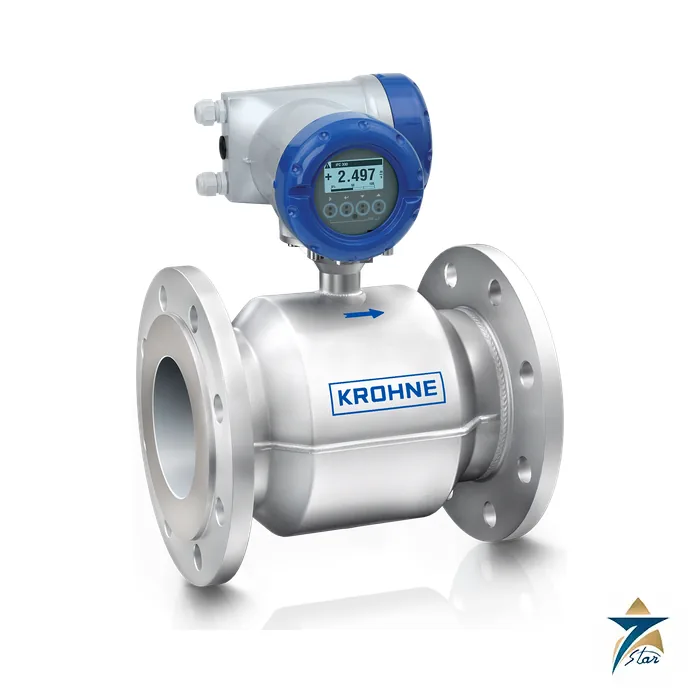
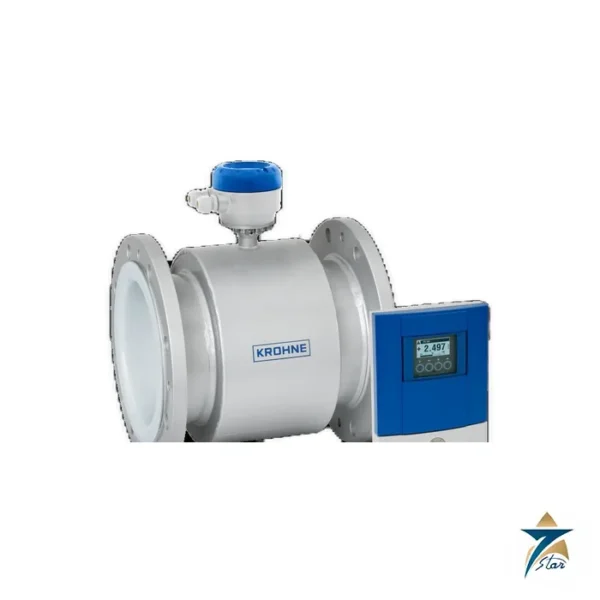
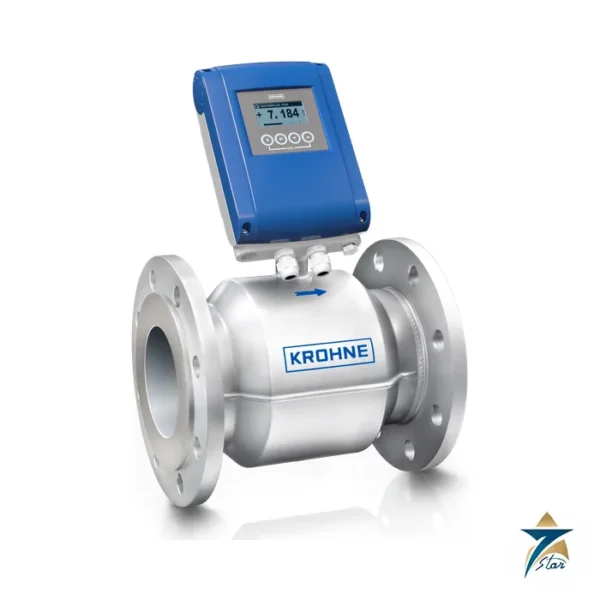
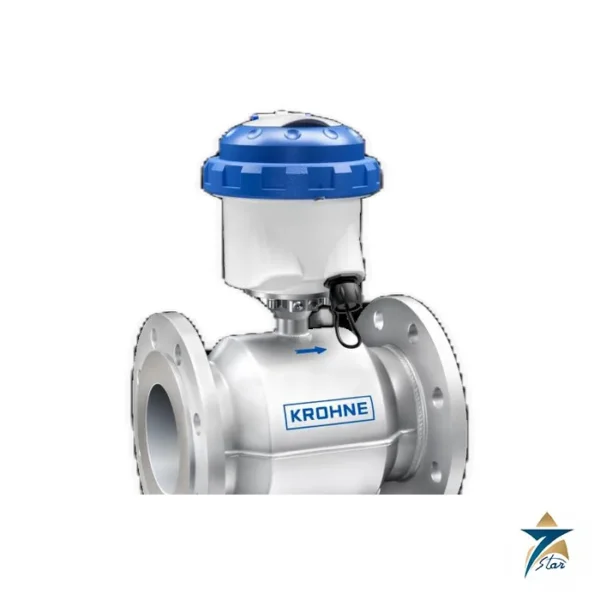
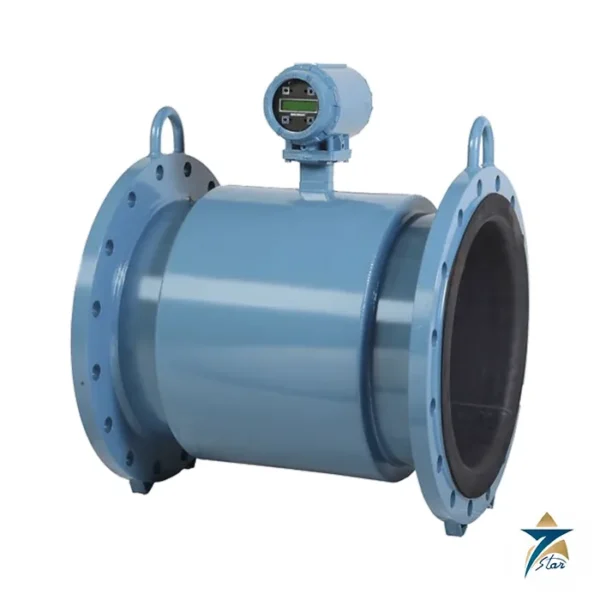
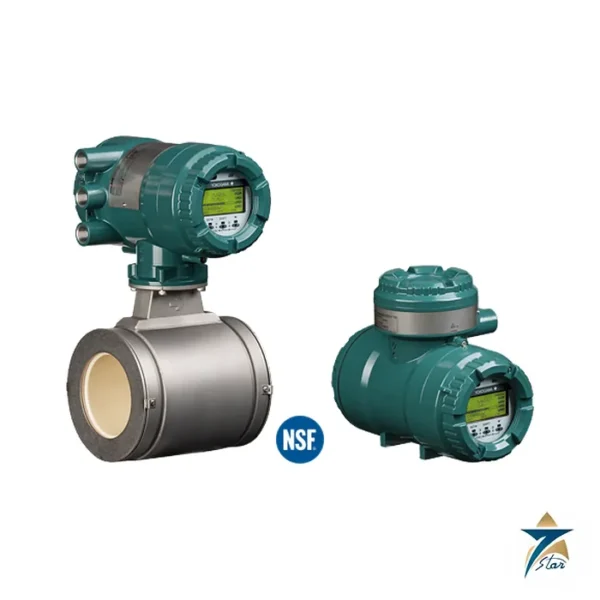
The KROHNE WATERFLUX 3300 is the high-end electromagnetic flowmeter of the WATERFLUX range, intended for demanding water applications and custody transfer. The manufacturer lists approvals MI-001 and OIML R49 for water metering and MI-004 for heat meter applications, plus the same potable-water certificates as the 3100.
Error is only +/-0.2 percent of measured value or +/-1 mm/s. A patented reference electrode can remove the need for grounding rings, and extensive sensor and process diagnostics follow NAMUR NE 107. The converter options span more outputs than the 3100: HART, FOUNDATION Fieldbus, PROFIBUS PA and DP, Modbus RTU and PROFINET, with limit switches, pulse, frequency and status outputs.
Technical specifications
| Parameter |
Specification |
| Model |
WATERFLUX 3300 C / F / W; sensor WATERFLUX 3000 with IFC 300 class converter |
| Principle |
Electromagnetic, rectangular reduced cross-section |
| Accuracy |
+/-0.2 % of measured value or +/-1 mm/s |
| Liner |
Polyamide 11 (Rilsan) |
| Flange sizes |
EN 1092-1 DN25 to DN600; ASME 1 to 24 in; JIS 25 to 600A |
| Pressure |
Max. 16 barg / 230 psig |
| Process temperature |
-5 to +70 C / +23 to +158 F |
| Analog and binary outputs |
4 to 20 mA; limit switches, pulse, frequency, status |
| Digital outputs |
HART, FOUNDATION Fieldbus, PROFIBUS PA/DP, Modbus RTU, PROFINET |
| Custody transfer approvals as printed |
MI-001, MI-004, OIML R49 (water and cooling/heat) |
| Drinking water |
DVGW, NSF, TZW, KTW, WRAS, KIWA, ACS as listed |
When to pick the 3300
Choose it for fiscal metering of consumption, bulk water supply, district heating networks and any installation that needs higher accuracy or a fieldbus interface. For standard network monitoring the WATERFLUX 3100 is more economical.
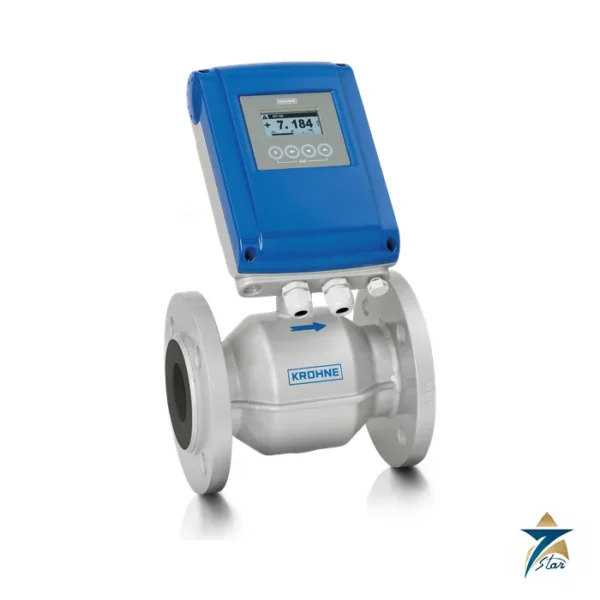
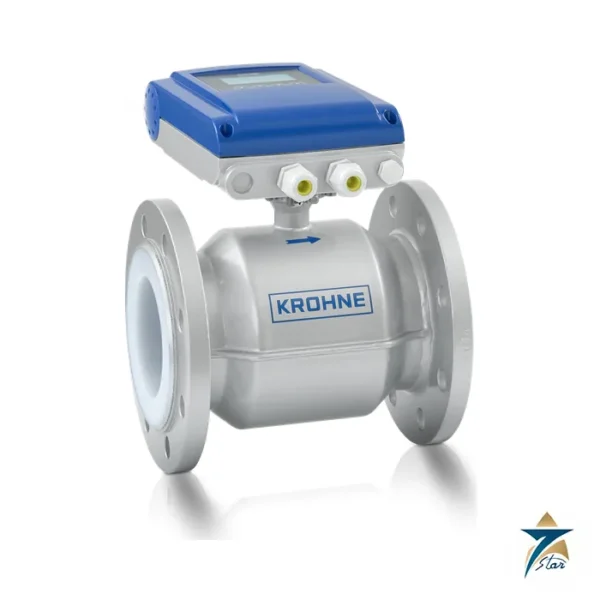
It is offered in compact, rack and field-mounted versions, and it can be verified on site with the OPTICHECK service tool.
Because the rectangular cross-section increases the local velocity, the meter keeps its performance at low flow, which matters for night-time consumption in distribution districts. Rack and field versions place the electronics away from damp chambers, and the diagnostics report electrode fouling or empty pipe before it affects billing.
Documents and approvals
Custody transfer certificates depend on the final configuration, so state the country and authority requirement with your request. Verify the certificate numbers and validity dates against the approval documents of the exact device.
The datasheet hosted here is the WATERFLUX 3000 family document. A derived reminder: sensor and converter must be ordered together as one approved metering system for custody use.
For fiscal use plan sealing of the converter, verification access and the maximum flow of the network, since the rated accuracy applies only inside the stated flow range of the approval. Ask for the exact certificate that your utility or regulator accepts, and keep calibration documentation with the meter after installation.
Installation of the metering point
An electromagnetic meter measures the average velocity of a conductive liquid, so the most important installation rule is that the measuring tube must always be completely full. Avoid placing the WATERFLUX 3300 at the highest point of a line, where air can collect, or directly upstream of an open discharge. A rising section or a low point in the pipe is usually preferred. Follow the inlet and outlet straight-run guidance in the KROHNE datasheet, and keep pumps, partly open valves and tees at the distances it recommends so that the flow profile is not disturbed.
Align the flanges carefully and centre the gaskets so they do not protrude into the flow. Tighten the flange bolts evenly in a cross pattern to the values given in the installation documentation, because uneven tightening can stress the liner. For custody-transfer points, plan from the start where the seals will be applied and how the verification officer will reach the converter and the nameplate.
Commissioning and verification
Check that the converter parameters match the line size, the calibration data on the nameplate and the units required for billing. Confirm the flow direction setting, totaliser configuration, output scaling and, where used, the fieldbus addressing. With water flowing, compare the meter reading against a plausibility check such as a reservoir level change or an upstream reference, and record the start-up values together with the serial numbers of sensor and converter.
Where the meter is part of an approved metering system, the commissioning record, sealing details and certificate copies should be kept together. Repeating an on-site check with the OPTICHECK service tool at defined intervals provides documented evidence that the meter continues to operate as delivered.
Chambers, heat and humidity in Oman and the GCC
Water meters in the region are often installed in underground chambers on distribution networks or in exposed pump stations. Chambers can flood or remain damp for long periods, while equipment above ground sees intense solar radiation and high ambient temperatures in summer. In such cases a rack or field-mounted converter, already mentioned above, lets the electronics sit in a dry, shaded cabinet away from the sensor. Sun shades over any outdoor converter reduce internal temperature and keep the display readable.
Desalinated water and blended supplies are common in Oman. Their conductivity can differ from groundwater, so confirm with the datasheet that the liquid conductivity is above the minimum required for electromagnetic measurement. Sand carried in after pipe repairs can wear or coat internal surfaces, so flush new lines before the meter goes into fiscal service.
Routine maintenance
Electromagnetic meters have no moving parts in the flow, so maintenance concentrates on diagnostics. Review the NAMUR NE 107 status messages regularly, investigate electrode or empty-pipe warnings promptly, inspect cable glands and the terminal compartment for moisture, and confirm that seals remain intact after any work at the metering point.
Documents and quotation
Quote requests are handled from this page: attach your tag list or the full code, and note the custody-transfer certificate, output and line size. The attached PDF (KROHNE WATERFLUX 3000 technical datasheet (EN)) is the reference for every value above, and it should be checked again for the final configuration. See also Flowmeters.














Reviews
There are no reviews yet.