Brand:

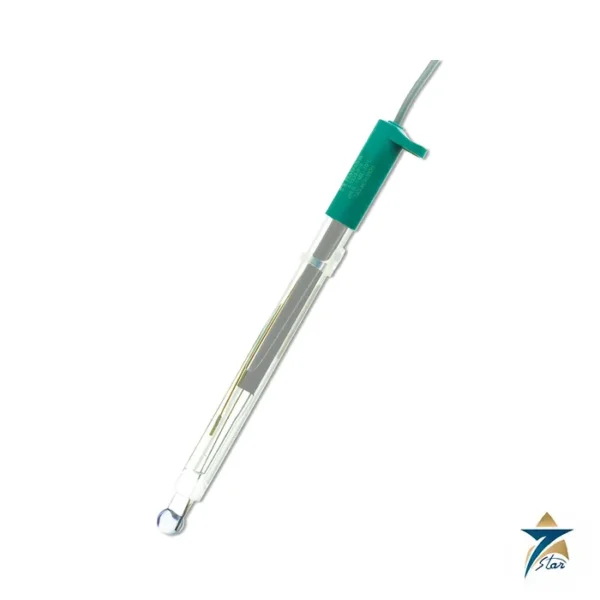
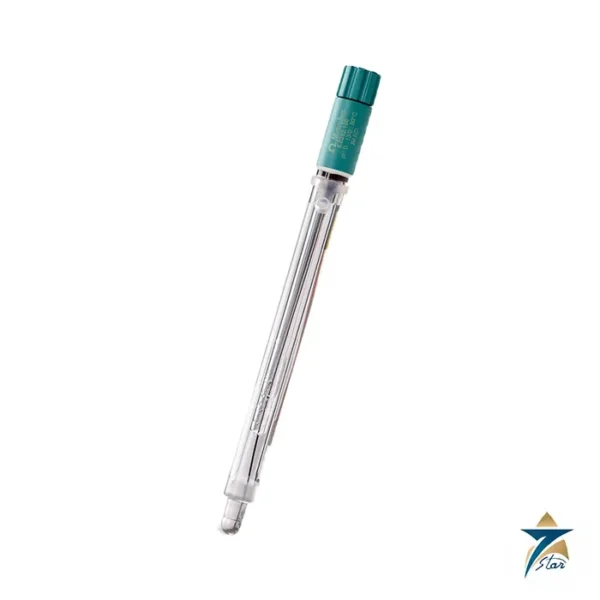
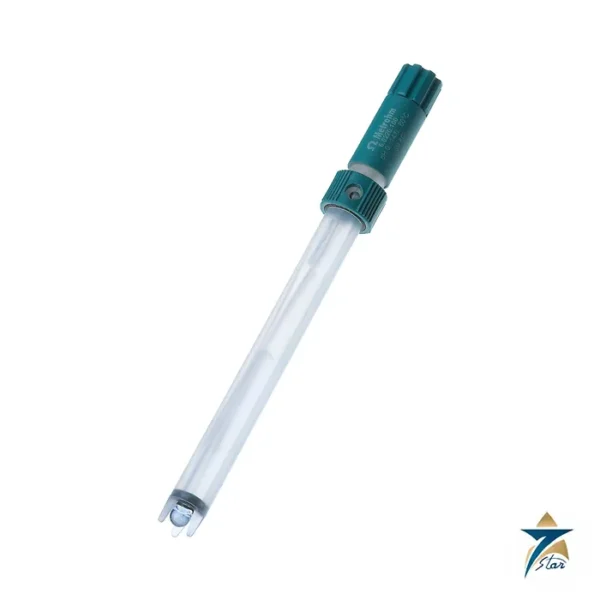
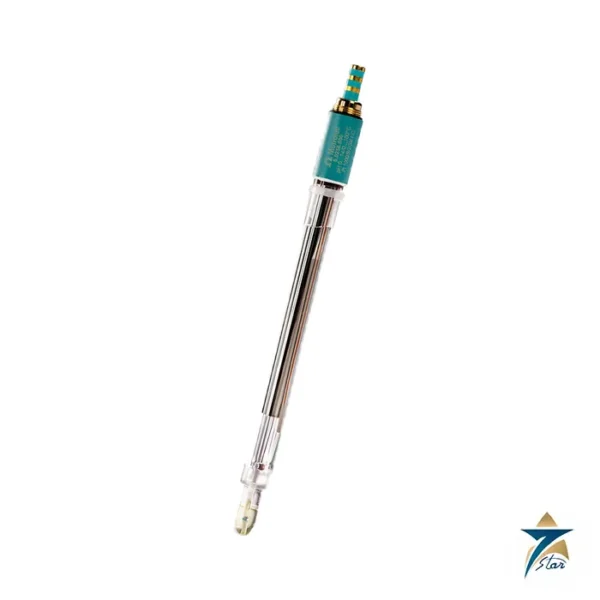
Metrohm 6.0259.100 Unitrode Combined pH Electrode

Description

Overview

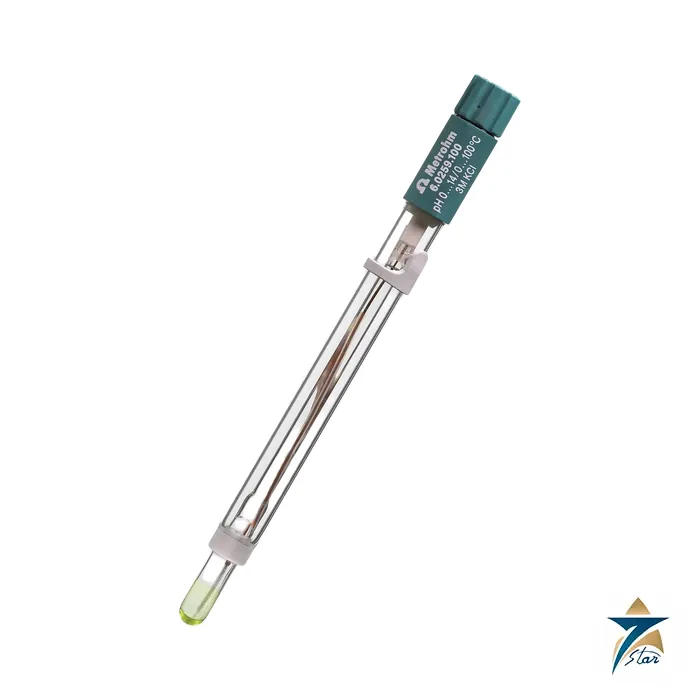
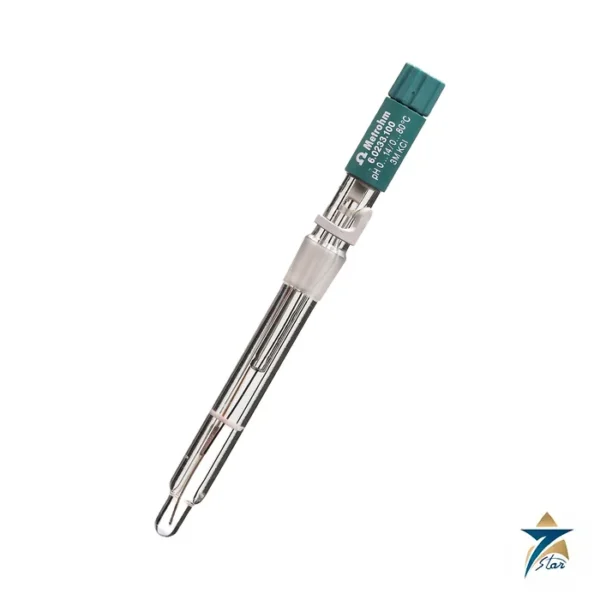
Difficult samples are where a pH electrode earns its keep, and the Metrohm 6.0259.100 Unitrode is Metrohm’s answer for viscous, alkaline or warm liquids. It is a combined pH glass electrode with a fixed ground-joint diaphragm, a construction that resists contamination better than a ceramic pin. Metrohm describes it as particularly suitable for pH titrations in difficult, viscous or alkaline samples at elevated temperatures. Seven Star LLC is an independent supplier serving Oman and the GCC.

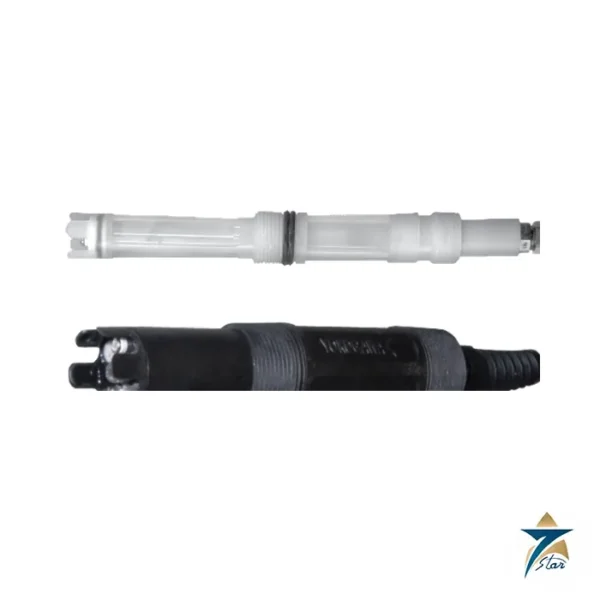
The electrode carries glass type U with a cylindrical membrane, which has a larger surface than the hemispherical membrane of the general-purpose electrodes. That cylinder is the reason the Unitrode is stable in samples that coat or foul small glass bulbs.

Key data of Metrohm 6.0259.100

Parameter Value
Order number Metrohm 6.0259.100, Unitrode
pH range 0 to 14
Temperature, long-term 0 to 80 degrees C
Temperature, short-term 0 to 100 degrees C
Membrane glass Type U, cylinder
Membrane resistance 150 to 500 MOhm
Electrode resistance 5 kOhm
Zero point plus or minus 15 mV
Slope above 0.97
Diaphragm Fixed ground-joint diaphragm
Reference system LL system, KCl 3 mol/L
Flow rate 5 to 30 microlitres per hour at 10 cm water column
Installation length 113 mm maximum
Minimum immersion depth 25 mm
Shaft Glass, 12 mm
Plug-in head Metrohm plug-in head G

Why a fixed ground joint matters

In a flexible sleeve electrode, the reference electrolyte leaves through a ground joint that can be loosened for cleaning. In the Unitrode the joint is fixed, which makes the junction rugged and insensitive to contamination, so oily or solid-bearing samples do not clog it as easily. The price of that robustness is that the electrolyte cannot be flushed by loosening the sleeve, so you control the flow through the 5 to 30 microlitres per hour characteristic and keep the filling hole open during use.

How Metrohm 6.0259.100 differs from other Metrosensor pH electrodes

Against the 6.0233.100, which has a ceramic diaphragm, hemispherical type T glass, 0 to 80 degrees C in all conditions and a 101 mm length, the Unitrode adds a 100 degrees C short-term limit, a cylindrical membrane and a 113 mm length. Against the Ecotrode 6.0232.100 at 125 mm, it is shorter yet more resistant. The 6.0258.010 shares the same glass and diaphragm but has a fixed cable and an integrated Pt1000 temperature sensor, while this Metrohm 6.0259.100 uses a plug-in head and needs a separate temperature input.

Applications for the Oman and GCC market

High-alkalinity samples occur at caustic dosing skids, in boiler blowdown, in cleaning solutions from desalination membranes and in paint or detergent plants. Viscous media include lubricants after extraction, emulsions and slurries from food production. Elevated sample temperature is common in the Gulf region, where cooling is limited, so the 100 degrees C short-term limit helps during measurements taken shortly after sampling. For these jobs a laboratory can standardise on one robust electrode.

Electrolyte options

The standard filling is KCl at 3 mol/L with storage in Metrohm storage solution. Metrohm also mentions Idrolyte as an alternative reference electrolyte for measurements above 80 degrees C, and in that case the electrode should be stored in Idrolyte. Do not mix the two; refill only with the electrolyte that matches the storage choice, and mark the electrode so that colleagues do not swap them.

Installation and first measurement

Inspect the electrode on receipt and check its function through a pH calibration. Remove the protective cap, open the filler opening, and connect the electrode with a standard Metrohm cable. Immerse at least 25 mm, the minimum depth in the data, and avoid touching the glass. Use two or three buffers near the expected sample range and keep a record of slope and zero point to detect ageing.

Maintenance

Rinse after every sample. Solutions containing solids can be wiped carefully with a moist cloth, and sulfide deposits are treated as the leaflet describes. Never clean in an ultrasonic bath. Between measurements keep the diaphragm wet in the matching storage electrolyte and never leave the electrode dry. Replace the electrode when slope remains low after the diaphragm treatment or when the response becomes sluggish.

Reading the figures in practice

Membrane resistance of 150 to 500 megaohm is higher than the upper limit of the T glass used in the 6.0233.100, which tops out at 400 megaohm. A higher resistance can slow response at low temperature, but at the elevated temperatures this electrode is meant for, the resistance falls steeply and the response is quick. The zero point of plus or minus 15 mV and the slope above 0.97 are the same guarantees as for the other combined electrodes, which means calibration routines do not need to change when a laboratory mixes electrode types on different stands.

The electrolyte flow range is wider than for the Ecotrode, at 5 to 30 microlitres per hour against 10 to 25. That spread is a reminder that real flow depends on the sample, its temperature and the height of the electrolyte column. In a hot, viscous sample the flow may differ from the data point, so the filling level should be inspected more often than for cold aqueous work.

Troubleshooting in demanding matrices

When a titration curve becomes noisy, check three things in order: the cable and plug, the electrolyte level, and the diaphragm. A black deposit points to sulfide, handled with the thiourea in hydrochloric acid treatment from the Metrohm leaflet. A sluggish response after a caustic sample often needs a rinse in dilute acid and then a longer soak in storage solution. If the sample contains hydrogen peroxide or formaldehyde, the leaflet advises a double-junction electrode such as the Profitrode instead, and that advice applies to this Unitrode as well.

Planning spares

Glass electrodes age with use and with time, so laboratories running daily titrations typically hold one spare per instrument. Standardising on the Metrohm 6.0259.100 for all difficult samples reduces the number of different spare types in the cupboard. Record installation dates on the electrode label so that service intervals follow actual use.

Related items you may also need: Metrohm 888 Titrando Potentiometric Titrator | Metrohm 916 Ti-Touch Compact Potentiometric Titrator | Metrohm 2035 Process Analyzer | All Metrohm products.

Points to confirm for the Metrohm 6.0259.100

  • If the Metrohm 6.0259.100 is a like-for-like replacement, read the full code from the installed nameplate and compare it with this page.
  • For each Metrohm 6.0259.100 request we confirm the exact code, new or surplus condition and lead time in writing.
  • Dimensions, ratings and connection data for the Metrohm 6.0259.100 are in the datasheet attached to this page.
  • The Metrohm 6.0259.100 belongs to our liquid analysis sensors range and can be delivered to Muscat, Sohar, Duqm and other GCC locations.

Documents and quotation

The Metrohm leaflet on pH glass and gel electrodes is supplied with this page. Send an RFQ with Metrohm 6.0259.100, quantity, and delivery location in Oman or the GCC, and tell us whether you will also need cables, storage solution or buffers.

Other Models in the PH Electrodes Range

Seven Star LLC supplies models from the PH Electrodes range in Oman and the GCC. Compare the related models below and request a quote for the one that matches your application.

ModelCategory
Metrohm 6.0233.100 Combined pH Glass Electrode SGJ 14/15Liquid Analysis SensorsView details
Metrohm 6.0259.100 Unitrode Combined pH ElectrodeLiquid Analysis SensorsYou are viewing this model
Datasheets & Documents
  • PDF Datasheet Metrohm 6.0259.100 Unitrode Combined pH Electrode Datasheet Download
Reviews (0)

Reviews

There are no reviews yet.

How would you rate this product?

It takes about 10 seconds — just tap a star. Your email is never published.

About brand

Metrohm is a Swiss maker of instruments for chemical analysis, founded in 1943 by Bertold Suhner in Herisau, where it is still headquartered. It is best known for titration and also makes ion chromatography, electrochemistry, spectroscopy and process analysers. Metrohm is owned by a foundation.

Seven Star LLC lists the Metrohm 905 Titrando, the 916 Ti-Touch and the 2035 Process Analyzer, and supplies Metrohm instruments and accessories to laboratories and plants in Oman and the GCC.

Metrohm company profile

Founded 1943, Herisau, Switzerland
Founder Bertold Suhner
Headquarters Herisau, Switzerland
Ownership Metrohm Foundation
Product families Titrando and Ti-Touch titrators, ion chromatography systems, 2035 and 2060 process analysers, electrodes

Metrohm instruments listed here

The 905 Titrando is a high-end potentiometric titrator for use with Dosino dosing units. It runs dynamic (DET), monotonic (MET) and set endpoint (SET) titrations, takes up to four 800 Dosino units, recognizes intelligent iTrode electrodes, and is operated from tiamo or OMNIS software or a Touch Control. The 2035 Process Analyzer is an online wet-chemistry analyzer for automatic analysis of samples drawn from the process.

Metrohm products we list

Family Examples
Liquid Analytical Systems 2035 Process Analyzer, 905 Titrando Potentiometric Titrator, 916 Ti-Touch Compact Potentiometric Titr…

Ordering Metrohm equipment: what we need

Metrohm article numbers follow a fixed pattern (the 905 Titrando is 2.905.0010), and that number is the best reference for instruments, electrodes and accessories. For a new application, tell us the sample, the parameter and its concentration range, the method or standard you follow, and for a process analyzer the number of sample streams and the signals your control system needs.

Facts checked against Metrohm's published company history, October 2026.

FAQ

Questions about the Metrohm 6.0259.100 Unitrode Combined pH Electrode

Answers from our engineering team on installation, compatibility and integration.

01What makes the Metrohm 6.0259.100 suitable for difficult samples?
Metrohm describes the Unitrode as suited to viscous, alkaline samples at elevated temperatures, thanks to a fixed ground-joint diaphragm that resists contamination.
02What is the short-term temperature limit of the Metrohm 6.0259.100?
The data gives 0 to 80 degrees C for long-term use and 0 to 100 degrees C for short-term use, with Idrolyte as an option above 80 degrees C.
03Does the Metrohm 6.0259.100 have a built-in temperature sensor?
No. It has a Metrohm plug-in head G. The related 6.0258.010 adds an integrated Pt1000 sensor and a fixed cable.
04What glass and membrane shape does the Metrohm 6.0259.100 use?
It uses membrane glass type U in a cylindrical shape, with a membrane resistance of 150 to 500 MOhm and a slope above 0.97.
05What immersion depth does the Metrohm 6.0259.100 need?
The minimum immersion depth is 25 mm and the maximum installation length is 113 mm on a 12 mm glass shaft.