Brand:

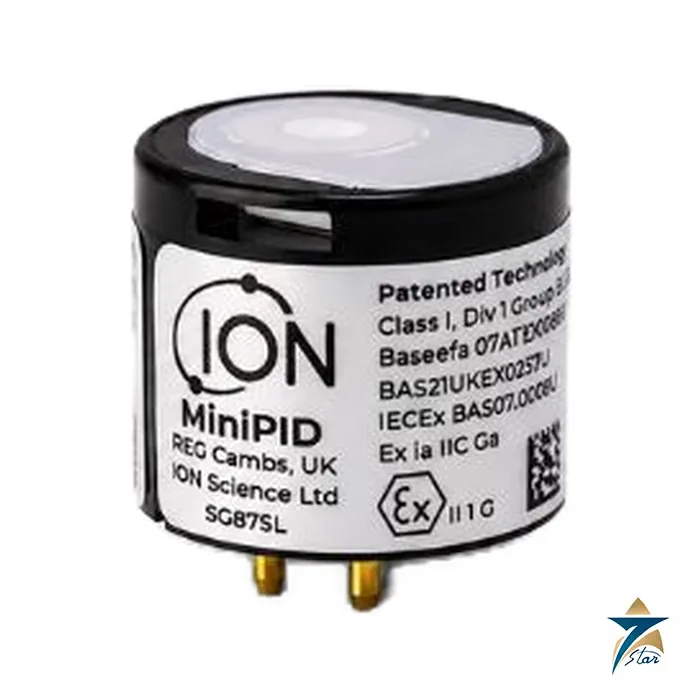
ION Science MiniPID 2 PPB VOC PID Gas Sensor

Description

Overview

The ION Science MiniPID 2 PPB is a photoionisation detector built as an OEM sensor module for gas instruments that need to see volatile organic compounds at very low concentrations. The datasheet describes it as optimised for an exceptionally low background signal, which pushes the lowest reading down to 1 ppb while keeping a range above 40 ppm. Seven Star LLC is an independent supplier serving Oman and the GCC. The notes below explain what that means for instrument designers, maintenance teams and buyers who replace sensors in fixed or portable monitors.

Why a low background matters

A photoionisation sensor produces a small current when ultraviolet light ionises organic molecules in the sample. At the very bottom of the scale, that current is competing with the sensor’s own background, which comes from lamp light striking the electrodes and from leakage. If the background is high and unstable, a technician cannot tell whether a reading of two ppb is air or noise. The PPB model is built so that the baseline is quiet, and the datasheet pairs this with a sensitivity of more than 30 mV per ppm, which is what makes a one ppb detection limit realistic. The T90 response time is under 8 seconds, so a leak search can be done at walking speed.

Datasheet values for ION Science MiniPID 2 PPB

Item Value
Electrode stack colour white
Minimum detection limit 1 ppb
Range more than 40 ppm
T90 response time less than 8 seconds
Sensitivity more than 30 mV/ppm
Lamp 10.6 eV
Lamp-out diagnostic yes
Supply voltage, internal regulator 3.6 to 18 V (10 to 18 V when not intrinsically safe)
Supply voltage, regulated supply 3 to 3.6 V
Current 20 to 32 mA, 130 mA for 100 ms at start-up
Power consumption 100 mW at 3.3 V
Output signal 0 to rail voltage minus 0.1 V
Temperature range minus 40 to plus 65 degrees C
Humidity range 0 to 99 percent RH, non-condensing
Sensor body life more than 5 years
Lamp life 10,000 hours
Package Series 4/A
Order codes MP3SBLBAU2 (3.0 to 3.2 V), MP3SBLBBU2 (3.2 to 3.6 V), MP3SBLBCU2 (3.6 to 10.0 V), MP3SBLBNU2 (3.6 to 18 V)
Hazardous area approvals ATEX II 1G Ex ia IIC Ga and IECEx Ex ia IIC Ga, minus 40 to plus 55 degrees C ambient at 1.1 W; UL913 Class I, II, III Division 1; EAC

Features of the ION Science MiniPID 2 PPB

  • Wide dynamic range from 1 ppb to above 40 ppm in one sensor.
  • Lamp life of 10,000 hours and a sensor body life of more than five years.
  • Anti-contamination design and resistance to humidity up to 99 percent RH non-condensing.
  • Lamp-out diagnostic so the host instrument knows when the sensor is no longer measuring.
  • Serviceable electrode stack and lamp, so a contaminated sensor can be refurbished rather than discarded.
  • Intrinsic safety certification for hazardous areas.

Where it is used

ION SENSE lists industrial health and safety, confined space entry, HVAC, air quality monitoring, arson investigation, indoor air quality monitoring, leak detection and soil contamination and remediation. In Oman and the GCC those translate into area monitors around tank farms and loading bays, handheld instruments for entry permits, fixed detectors in plant rooms, and environmental surveys at remediation sites where vapour from fuel spills has to be tracked at trace levels.

How MiniPID 2 PPB differs from the other MiniPID 2 sensors

Choose the PPB version when you need the lowest practical detection limit while keeping a range above 40 ppm. The PPB WR trades sensitivity for range, with a 20 ppb limit and more than 200 ppm. The PPB XF has the same 1 ppb limit and more than 40 ppm range but adds a long-life filter and a slower T90 of under 12 seconds. The HS goes down to 0.5 ppb, with a range of only above 3 ppm and a 0 to 40 degrees C operating window, and the PPM versions are intended for hundreds to thousands of ppm. The 10.0 eV and 11.7 eV models change the lamp rather than the electronics.

Electrical integration

With the internal regulator the sensor runs from 3.6 to 18 V, though the supply must be 10 to 18 V when intrinsic safety is not required. A regulated 3 to 3.6 V supply may be used directly. Current is 20 to 32 mA, with a start-up pulse of 130 mA for 100 ms, and the output swings from zero up to the rail voltage less 0.1 V. The four order codes differ only in the supply voltage range for which the intrinsically safe certification is valid, so match the code to your design. ION SENSE offers an ION CONNECT kit with UART and I2C communication and PC software for calibration and alarm thresholds, an ION TRANSMIT board with RS-485 Modbus RTU and 4 to 20 mA output, and an ION GAS HOOD for impressed flow.

Choosing the sensor for a build

Before committing to a design, list the compounds, the alarm level and the worst humidity the sensor will see. For low alarm levels in clean air, the PPB gives the cleanest baseline. For gases above a few tens of ppm, a wide range or PPM sensor avoids saturation. Remember that photoionisation responds to many compounds, not to a single gas, so the reading is a total of ionisable vapours expressed in the calibration gas equivalent. Where one compound must be separated from others, the lamp energy or a different technology may be needed, and it is worth discussing the target gas when you request a quotation.

Maintenance and calibration

Expect to clean the electrode stack and replace the lamp when the response drops or the lamp-out flag appears. Calibrate with isobutylene or the target gas at a known concentration and apply a response factor for the compound you actually measure. Keep the window clean of dust and oil, since contamination reduces sensitivity first at the low end where this sensor works.

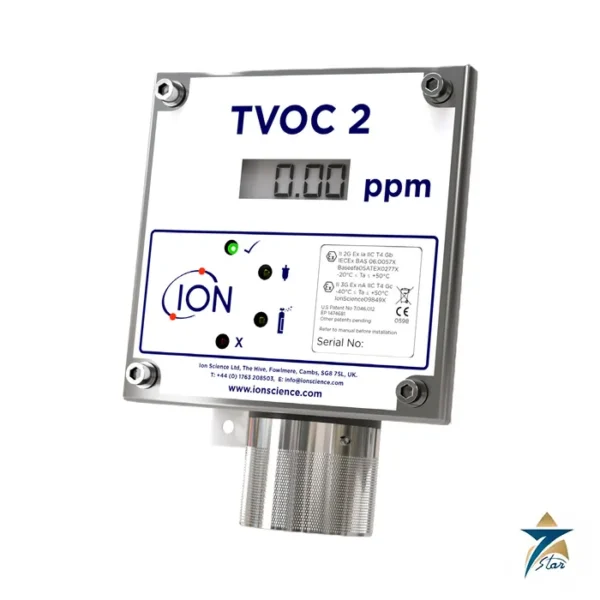
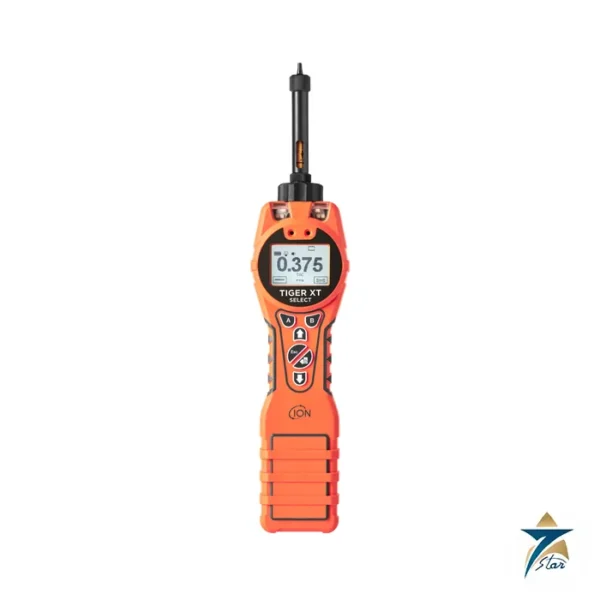
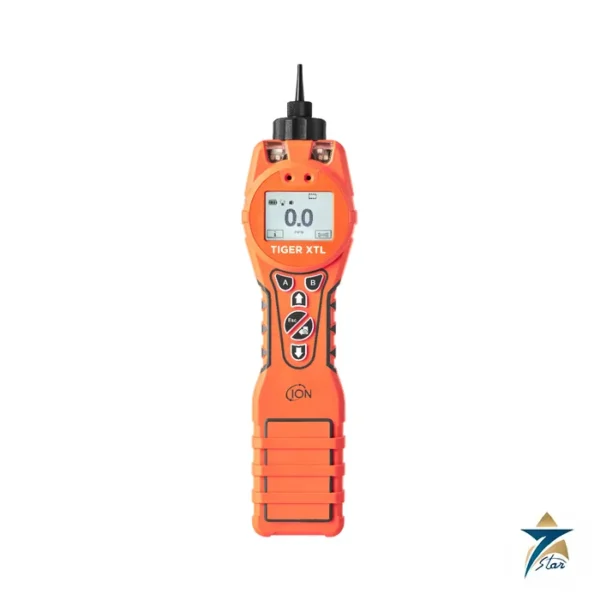
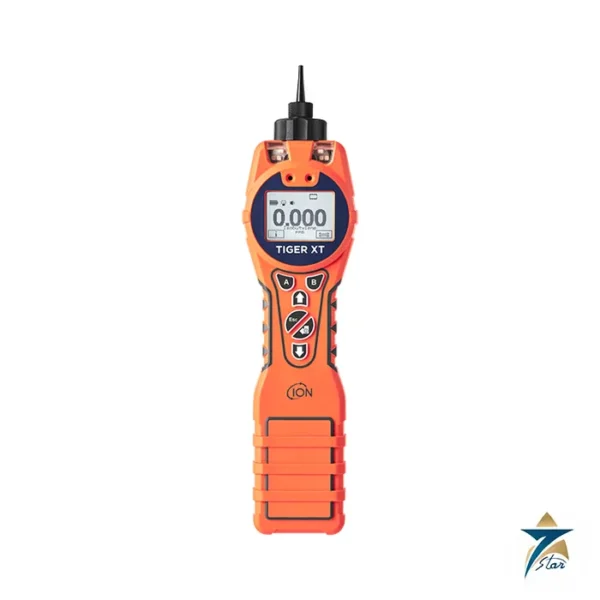
Related items you may also need: ION Science Titan 2 Fixed Benzene Monitor | ION Science Tiger XT Handheld VOC Detector | Crowcon IR Plus Infrared Hydrocarbon Gas Detector | All ION Science products.

Points to confirm for the ION Science MiniPID 2 PPB

  • If the ION Science MiniPID 2 PPB is a like-for-like replacement, read the full code from the installed nameplate and compare it with this page.
  • For each ION Science MiniPID 2 PPB request we confirm the exact code and lead time in writing.
  • Dimensions, ratings and connection data for the ION Science MiniPID 2 PPB are in the datasheet attached to this page.
  • The ION Science MiniPID 2 PPB belongs to our fire & gas detectors range and can be delivered to Muscat, Sohar, Duqm and other GCC locations.
  • Plants that run the ION Science MiniPID 2 PPB on critical service often hold a spare unit in the store.

Documents and quotation

The ION Science MiniPID 2 PPB datasheet from the manufacturer covers the performance data, approvals and order codes. We include the sensor datasheet with this page; it shows the drawings and the order codes. Send your RFQ stating the model, the order code that matches your supply voltage, the quantity, and your delivery location in Oman or the GCC.

Datasheets & Documents
  • PDF Datasheet ION Science MiniPID 2 PPB VOC PID Gas Sensor Datasheet Download
Reviews (0)

Reviews

There are no reviews yet.

How would you rate this product?

It takes about 10 seconds — just tap a star. Your email is never published.

About brand

ION Science is a British maker of gas detection instruments, based in Fowlmere, Cambridgeshire. It has been active since 1989 and is best known for photoionisation detectors (PIDs) that measure volatile organic compounds at low concentrations. Its portable and fixed instruments are used for worker exposure monitoring, leak detection and environmental surveys.

Seven Star LLC is an independent supplier in Muscat. We list ION Science detectors for oil and gas, petrochemical and environmental users in Oman and the GCC.

ION Science company profile

Active since 1989, United Kingdom
Head office Fowlmere, Cambridgeshire
Core technology Photoionisation detection (PID) with patented Fence Electrode design
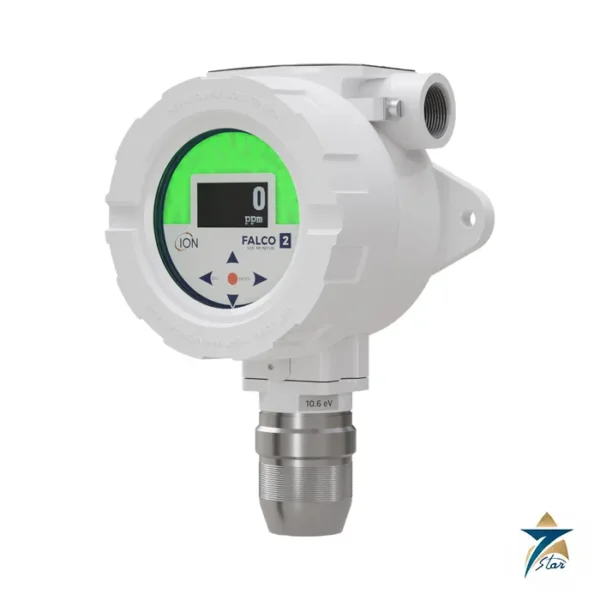
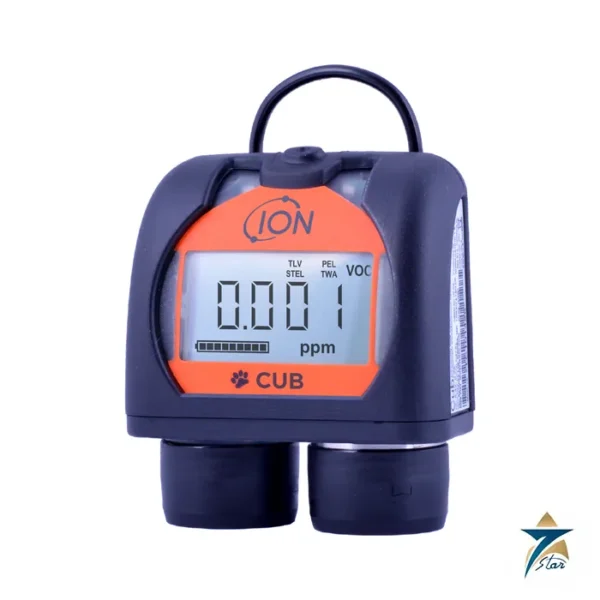
Product families Tiger XT and Cub portable PIDs, Titan benzene monitor, Falco fixed detectors

Milestones

  • 1989: ION Science begins operating.
  • 1998: Patents its PID sensor.
  • 2002: Patents the Fence Electrode for humidity-resistant PIDs.
  • 2017: Opens its head office in Fowlmere.

ION Science product series

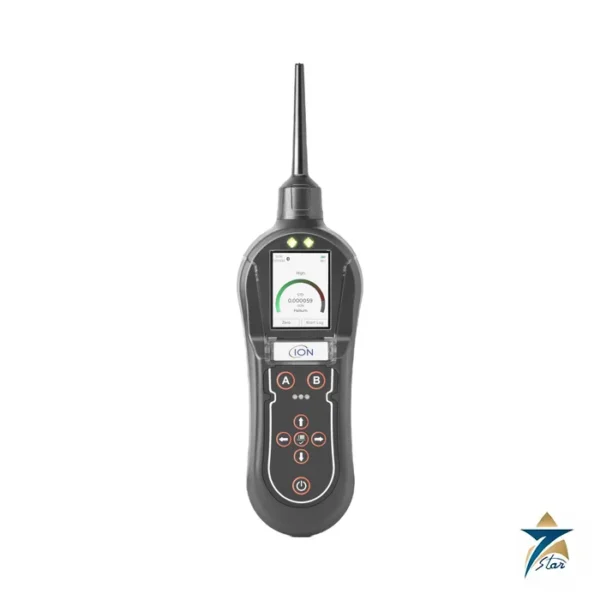
The Tiger XT is a handheld VOC detector for hazardous areas, and the Titan 2 is a fixed benzene monitor.

A PID uses ultraviolet light to ionise volatile organic compounds and measures the resulting current, which allows detection down to ppb levels. Response factors convert the reading for each specific compound. General VOC detectors measure the total, while benzene-specific monitors separate benzene from other hydrocarbons, which matters because benzene has very low exposure limits.

Where ION Science detectors are used

Leak detection, confined space entry checks, worker exposure monitoring, refinery and terminal benzene monitoring, and environmental and soil surveys.

Ordering ION Science detectors: what we need

Send the model, the compounds and ranges, lamp type, hazardous-area requirement and accessories such as probes, filters and calibration kits.

Facts checked against ION Science's published company history, October 2026.

FAQ

Questions about the ION Science MiniPID 2 PPB VOC PID Gas Sensor

Answers from our engineering team on installation, compatibility and integration.

01What is the minimum detection limit of the ION Science MiniPID 2 PPB?
The datasheet gives a minimum detection limit of 1 ppb with a range above 40 ppm, a sensitivity above 30 mV per ppm and a T90 below 8 seconds.
02Which order codes exist for the MiniPID 2 PPB?
MP3SBLBAU2 for 3.0 to 3.2 V, MP3SBLBBU2 for 3.2 to 3.6 V, MP3SBLBCU2 for 3.6 to 10.0 V and MP3SBLBNU2 for 3.6 to 18 V intrinsically safe supply.
03Is the MiniPID 2 PPB intrinsically safe?
Yes, it carries ATEX II 1G Ex ia IIC Ga and IECEx approvals from minus 40 to plus 55 degrees C at 1.1 W, plus UL913 Class I, II, III Division 1.
04How long does the lamp last in the MiniPID 2 PPB?
The datasheet specifies a lamp life of 10,000 hours and a sensor body life of more than 5 years, with a serviceable electrode stack and lamp.
05What is the difference between the PPB and PPB WR sensors?
The PPB detects down to 1 ppb with a range above 40 ppm; the PPB WR detects down to 20 ppb but covers above 200 ppm.