Sensor that tells fuel from water in a containment sump
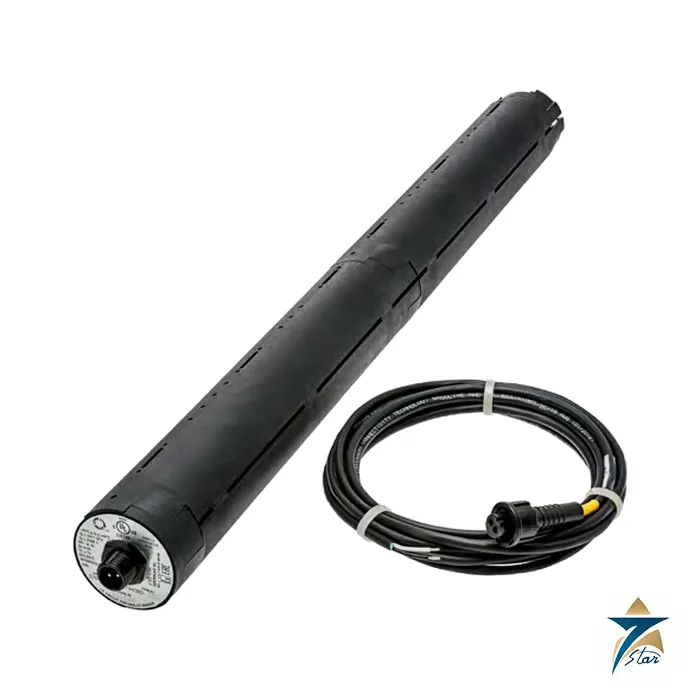
The Veeder-Root Discriminating Containment Sump Sensor, part number 0794380-352, is installed in a containment sump area and detects the presence of hydrocarbons and also differentiates them from other liquids such as water. It reports to a Veeder-Root tank gauge console, so a sump that fills with water produces a different alarm from one that has a fuel leak.
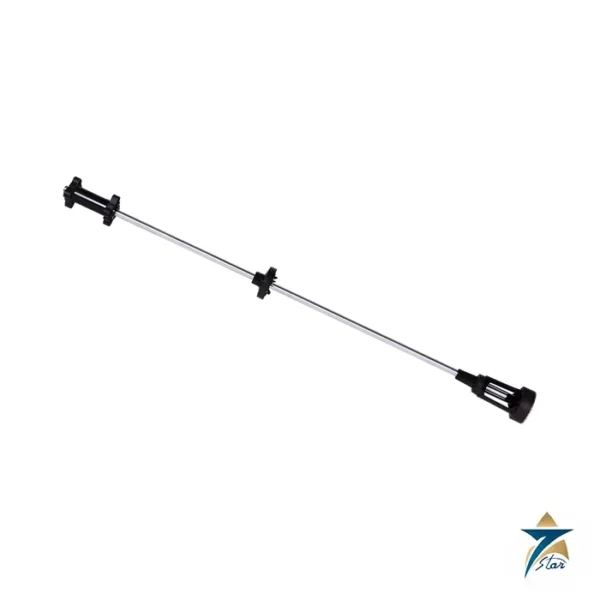
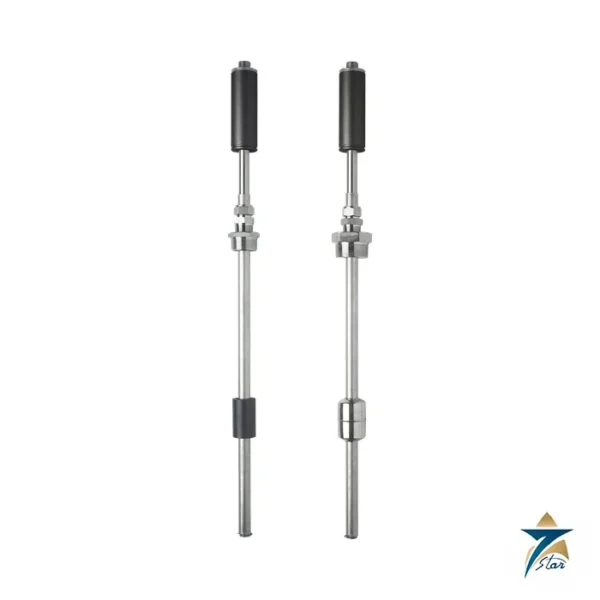
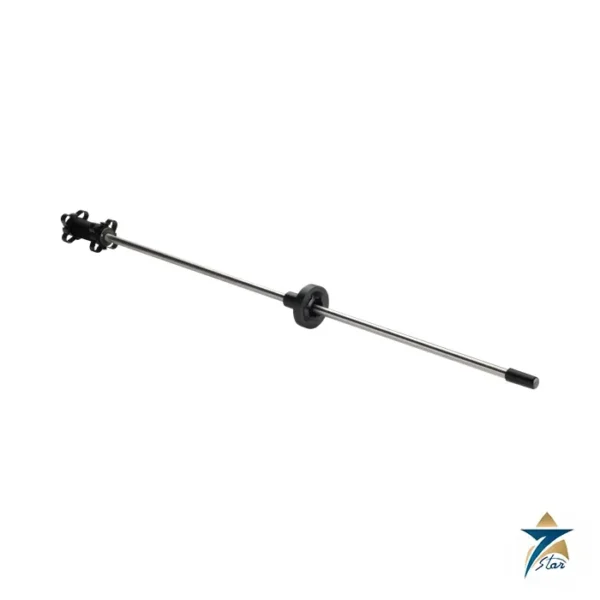
It is a discriminating level-sensing sensor with a product-permeable element and a reed switch and float. A permeable material saturated with fuel raises a fuel alarm, while a float reports water at two levels: low liquid at 1.35 in and high liquid at 12.28 in. The sensor is 22.1 in tall and 2.2 in in diameter and is supplied with a 12 ft cable.
Technical specifications
Values come from the Veeder-Root sensor specification P/N 577013-750-02 Rev. AF (2025).
| Parameter |
Specification |
| Manufacturer / part number |
Veeder-Root 0794380-352 Discriminating Containment Sump Sensor |
| Sensor type |
Discriminating level sensing |
| Operating principle |
Product permeable element with reed switch and float |
| Product activation height |
Gas (fuel): 0.125 in (3.175 mm) |
| Water activation heights |
Low: 1.35 in (3.4 cm); high: 12.28 in (31.19 cm) |
| Alarm states |
Normal (no liquid); low liquid; high liquid; fuel alarm (permeable material saturated with fuel); sensor out (not communicating) |
| Operating temperature |
+32 to +140 °F (0 to +60 °C) |
| Dimensions |
22.1 in (56.1 cm) high; 2.2 in (5.6 cm) diameter |
| Standard cable length |
12 ft (3.66 m) |
| Installation kit |
0330020-012 Universal Sensor Mounting Kit (sold separately) |
| Console and software |
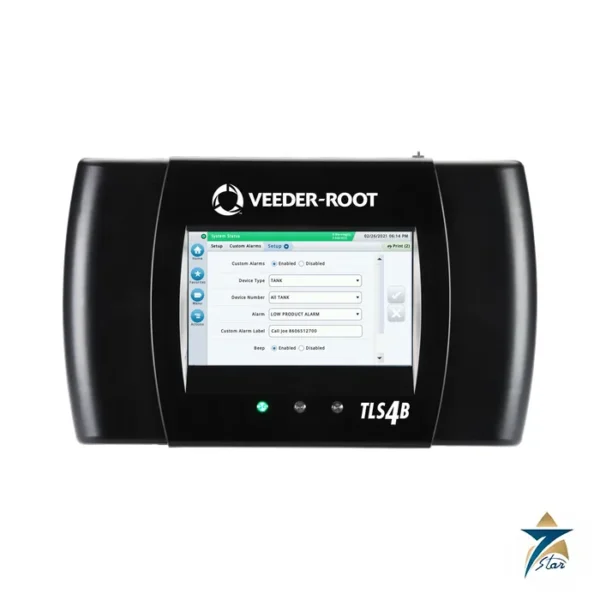
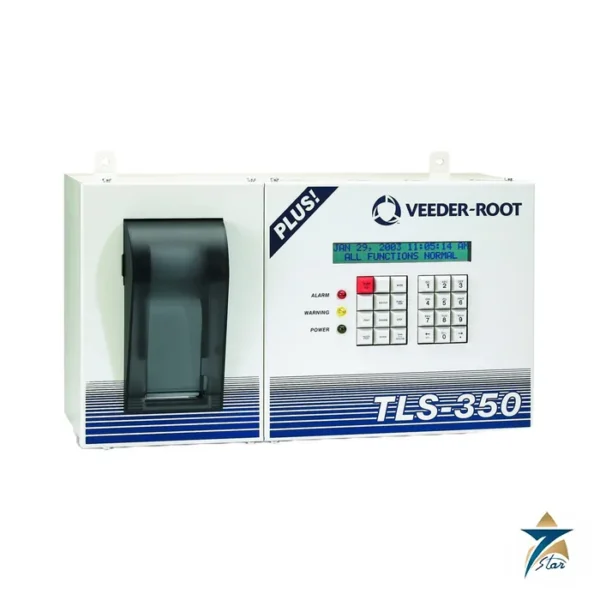
TLS-450PLUS 6.A or higher; TLS-450 4.A or higher; TLS4 / TLS4i / TLS4B / TLS4c 6.A or higher; TLS-350/R/PLUS 124/324 or higher; TLS-350J; TLS-300i |
| Interface modules |
USM 0332812-001 (16 inputs); USIOM-AC 0330020-750 (12) and -751 (6); interstitial sensor interface module 0329358-001 (8 inputs); 4 probe / 4 sensor module 0329356-003; 4 probe / 8 sensor module 0330230-001 |
| Manufacturer warranty |
1 year parts and labor with system; 1 year parts only when purchased separately |
Where and how it is mounted
The datasheet’s example installation shows the sensor beside the submersible pump in a containment sump, with an optional universal mounting kit (brackets and clamp), a weatherproof junction box, a seal-off and rigid conduit to the console, and a cord grip supplied with the cable. The sheet also lists typical locations for Veeder-Root sensors in general, such as dispenser pans, spill containment, STP sumps, annular space, monitoring wells and oil/water separator tanks, so check the compatibility matrix in the datasheet for the fuel and location you need.
Fuel compatibility is shown as a matrix in the datasheet against gas, diesel, kerosene, jet fuel, aviation gas, ethanol blends, biodiesel, green diesel, DEF, waste oil and motor oil; the matrix is not reproduced here, so please refer to the PDF for the product you will monitor.
What to confirm before ordering
- Console model and software version, and a free sensor input or interface module.
- Sump depth and cable run: the standard cable is 12 ft, so confirm distance to the junction box.
- Whether discrimination between fuel and water is needed; a non-discriminating sensor is a different part.
- Fuel and liquid type against the datasheet’s compatibility matrix.
Installing the sensor in the containment sump
Before installation, clean the sump of water, fuel residue and debris so that the sensor starts in its normal state, and check the sump for cracks or failed penetration fittings that would let groundwater in. Place the sensor at the lowest point of the sump, standing upright and resting on the floor, so that small amounts of liquid reach it first. Keep it clear of piping, the pump and cables so that it cannot be knocked over during maintenance. Route the cable to the junction box with enough slack for removal and inspection, make the splice according to the Veeder-Root installation instructions, and keep the connection dry and sealed. Wiring between the junction box and the console must follow the hazardous-area rules that apply to the forecourt or fuel depot.
Commissioning with the tank gauge console
Once the sensor is wired, program it on the console with its location and type, then confirm that the console shows the normal state. Where site procedures allow, test the water alarms by raising the water level in a controlled way, and confirm that the low and high liquid alarms appear with the correct sump name. Make sure the alarm messages reach the people who must respond, whether that is the station manager, the maintenance contractor or a remote monitoring service, and record the results in the site compliance file.
Responding to alarms
A water alarm usually points to rainwater or groundwater entering the sump, while a fuel alarm points to a leak from piping, fittings or the pump. Treat every fuel alarm as a possible leak, inspect the sump and follow the site emergency procedure. After a fuel alarm, the sensor should be checked and serviced or replaced according to the manufacturer instructions before the system is returned to normal monitoring.
Maintenance in Omani and GCC fuel stations
Fuel stations and depots in Oman and the wider Gulf face strong sun, high ground temperatures, sand and occasional heavy rain. Sand and dust that enter sumps during maintenance or through loose covers build up around the sensor, so include sump cleaning in routine inspections and keep sump lids properly closed. The operating range of the sensor ends at +60 °C; sumps exposed to direct sun with poorly fitting covers should be checked to make sure conditions inside stay within this range. After heavy rain or flooding, inspect sumps for water and check that the alarms behaved as expected. Annual or periodic inspections required by the fuel company or local authority are a good time to review the sensor, its cable and the junction box together.
Documents and quotation
The Veeder-Root specification sheet for the 0794380-352 sensor is attached to this page as a PDF. Send us the console, sump details and fuel and we will prepare a quotation. Seven Star LLC is an independent supplier in Muscat; price and lead time are confirmed per RFQ. This sensor is filed under our level instrumentation category, the nearest leaf for fuel and liquid detection.
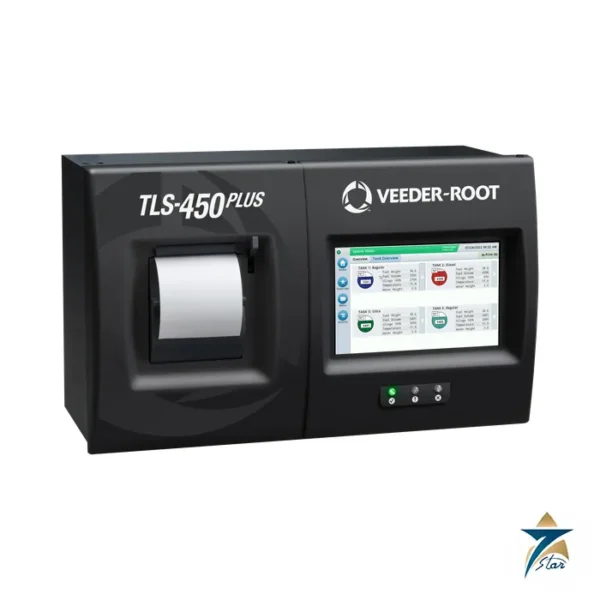
See also: Veeder-Root TLS-450PLUS Automatic Tank Gauge Console.







Reviews
There are no reviews yet.