Brand:

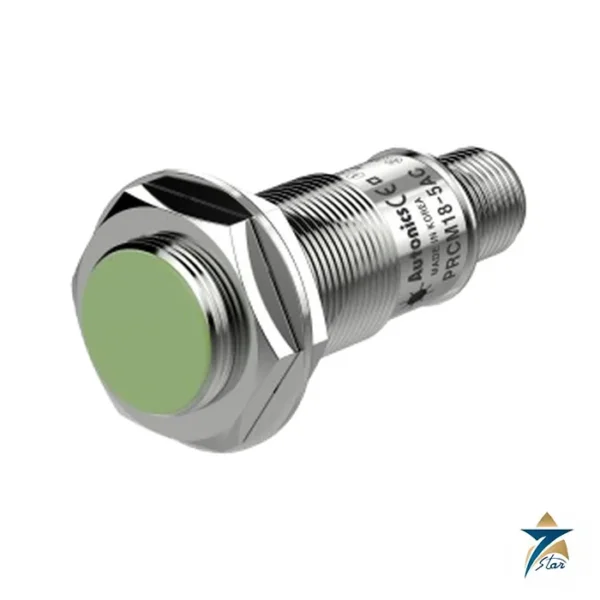
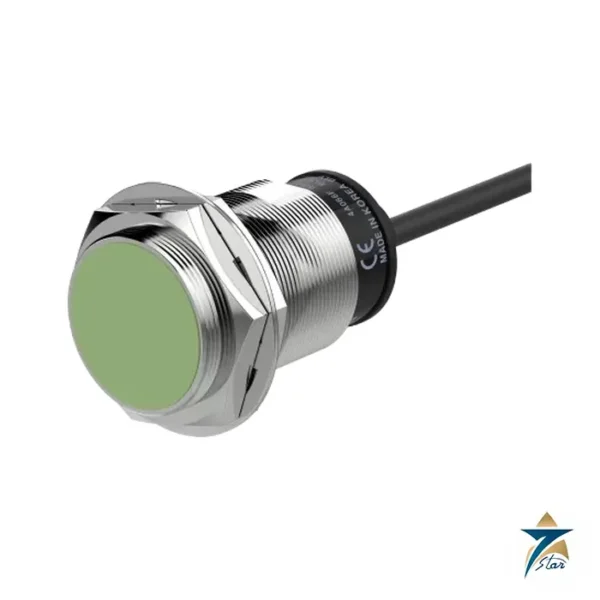
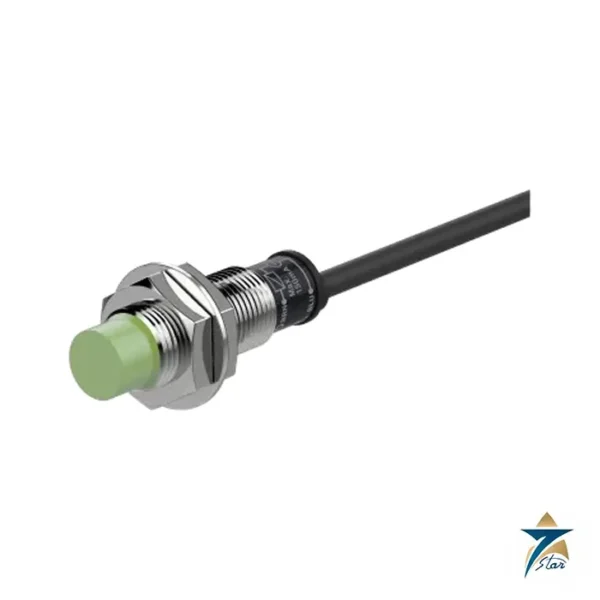
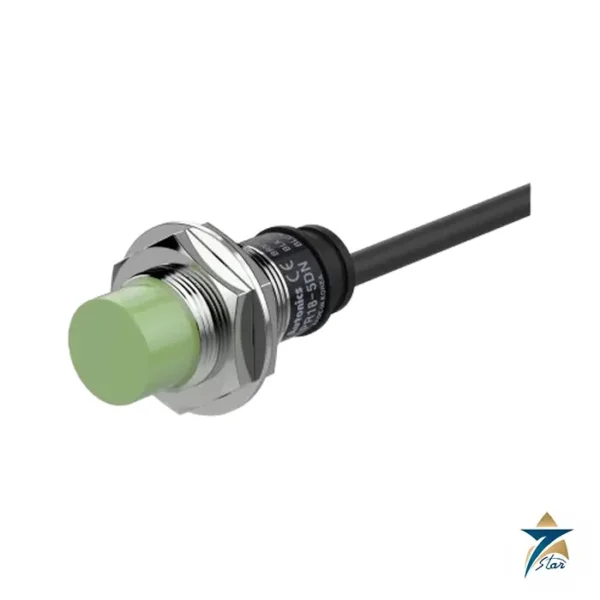
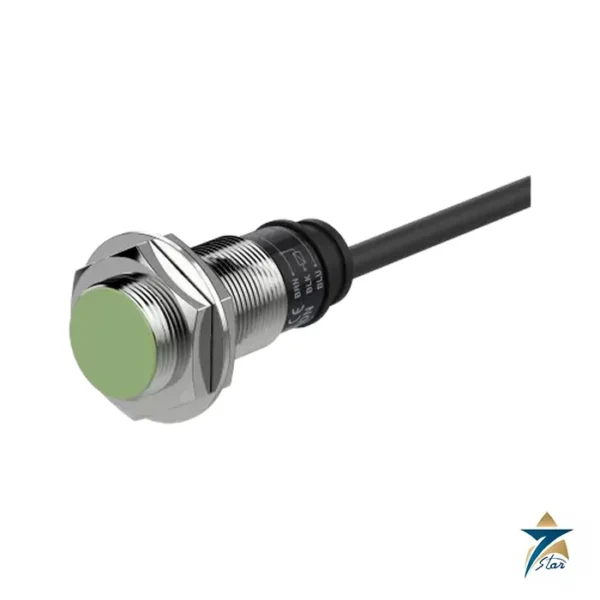
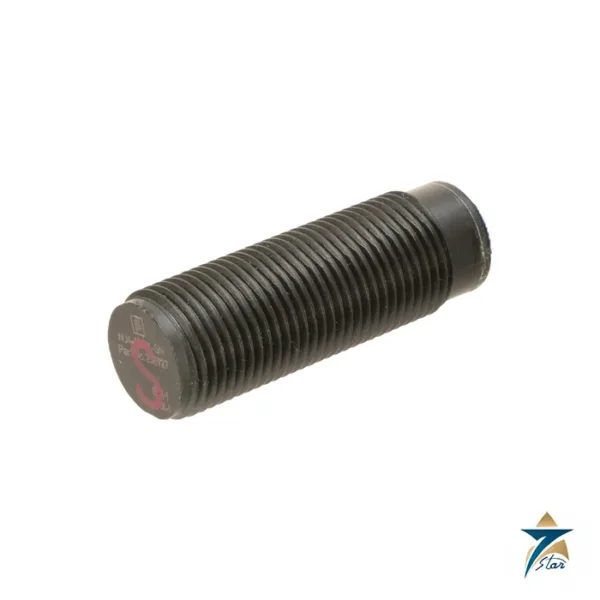
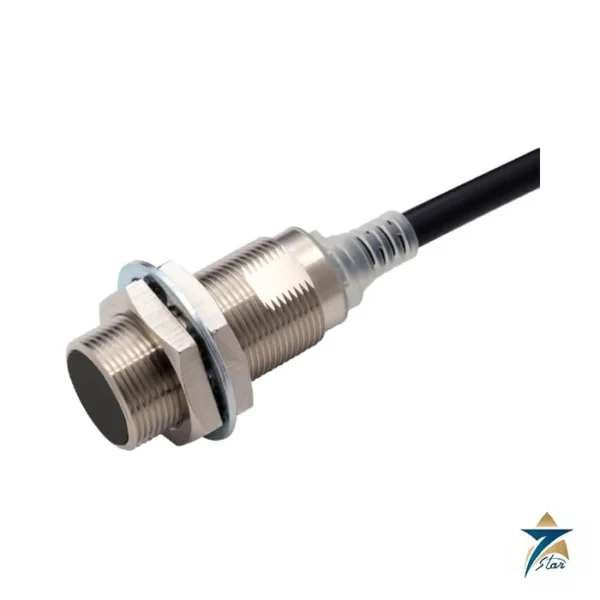
Autonics PR18-8AO M18 AC 2-Wire Inductive Proximity Sensor

Description

Overview

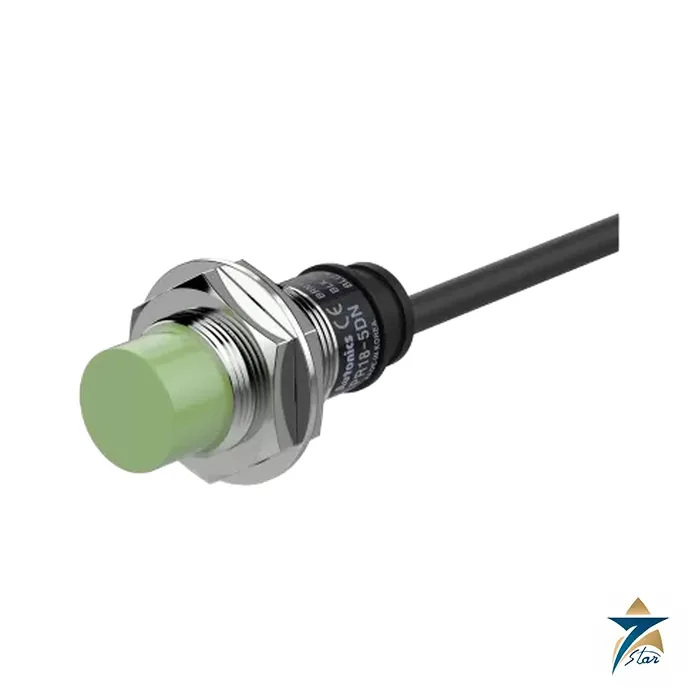
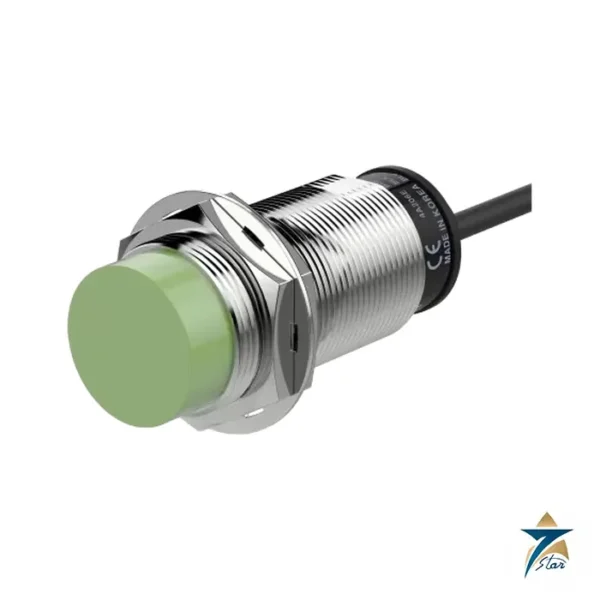
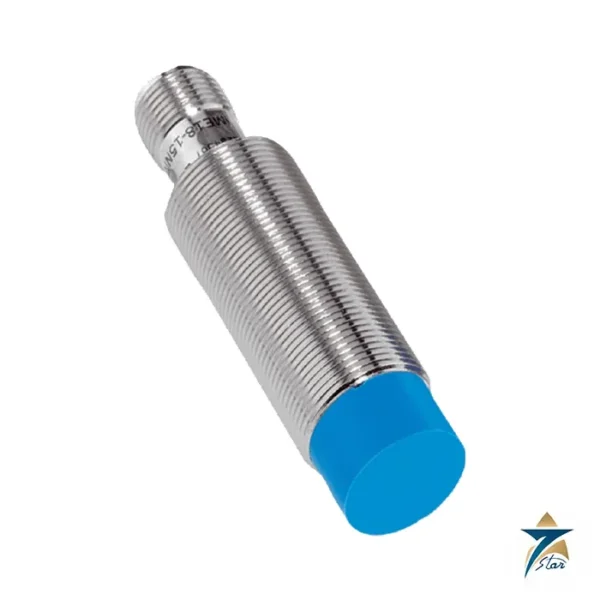
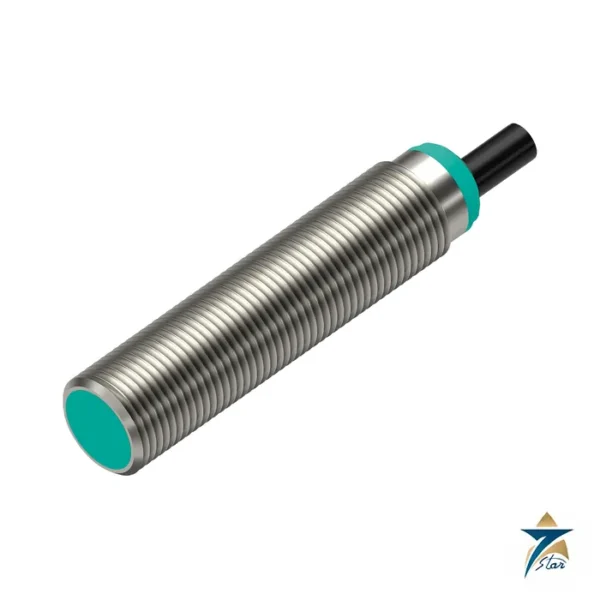
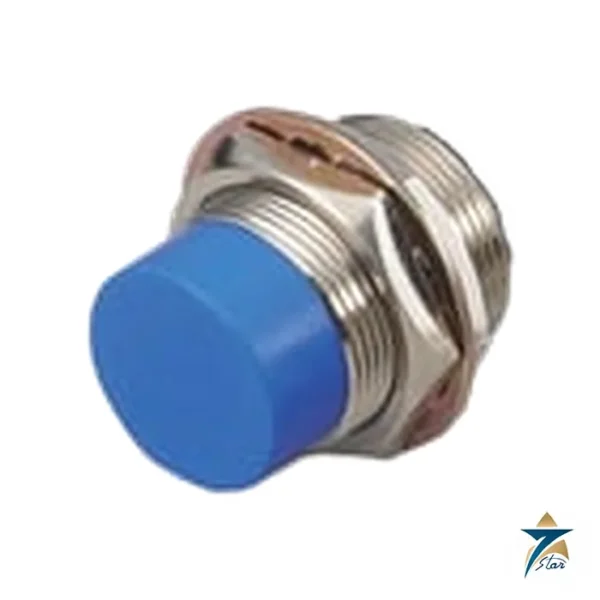
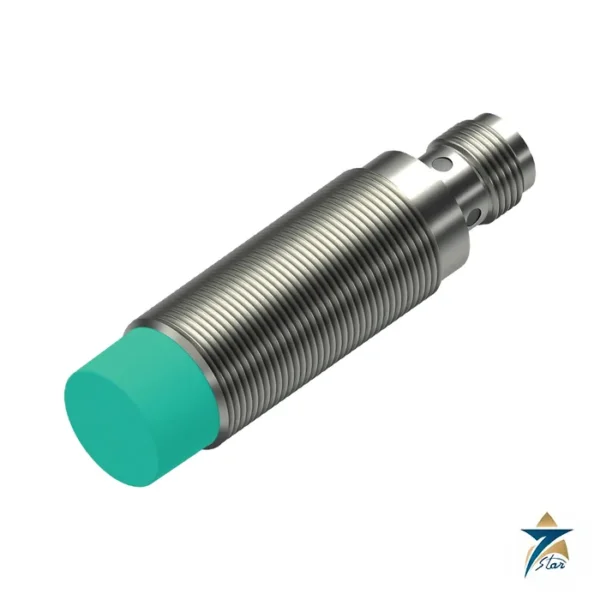
Mains-powered sensing without a separate 24 V supply is the idea behind the Autonics PR18-8AO. This M18 cylindrical inductive proximity sensor has only two wires, connects in series with the load across 100 to 240 V AC, and detects steel at up to 8 mm because its head is the non-flush type. Seven Star LLC is an independent supplier serving Oman and the GCC. The specifications below come from the PR series AC 2-wire instruction manual and are specific to this code.

Two-wire AC sensors still appear in older motor control centres, valve limit circuits and conveyor interlocks where the load is a contactor coil, a small solenoid or a relay and where there is no DC rail nearby. Replacing such a unit with a three-wire DC sensor would mean new wiring, which is why the exact AC code is requested.

Understanding the code Autonics PR18-8AO

After PR comes the diameter of the sensing side, 18 mm. The number 8 after the dash is the sensing distance in millimetres. In the AC ordering table the letter A in the power-supply position stands for 100 to 240 V AC, and the last letter O means normally open, while C would mean normally closed. As there is no L, W or CM in the code, the body is normal length with a 2 m cable. The reference letters of the ordering table also include an A in the first position for the spatter-resistant PTFE coated version, which this code does not have.

Specifications of Autonics PR18-8AO

Item Data
Supply 100 to 240 V AC, 50/60 Hz, operating range 85 to 264 V AC
Sensing side 18 mm diameter, non-flush
Sensing distance 8 mm
Setting distance 0 to 5.6 mm
Standard target Iron 25 x 25 x 1 mm
Response frequency 20 Hz
Hysteresis 10 percent of sensing distance or less
Leakage current 2.5 mA or less
Load current 5 to 200 mA
Residual voltage 10 V or less
Protection circuit Surge protection
Insulation Double or reinforced insulation
Dielectric strength 2,500 V AC for one minute, live part to case
Ambient temperature -25 to 70 C
Enclosure IP67
Cable 5 mm, 2-wire, 2 m, AWG 22
Weight About 118 g, about 130 g with packing

What two-wire AC means for wiring

Both wires are connected in series with the load: the brown and blue leads can be wired in either direction, and the manual states that the load should be connected before power is applied. Since the sensor itself needs a small current to stay alive, it leaks up to 2.5 mA through the load even when switched off. Small relays, indicator lamps and PLC input cards that have high-impedance inputs can hold on from this leakage, so check the holding current of the load. The minimum load current is 5 mA; a load that draws less may not switch reliably.

The residual voltage drop across the sensor is up to 10 V, so the load sees a lower voltage than the supply when the output is on. On 110 V circuits that is no problem for a contactor, but on low-voltage supplies it must be considered.

How PR18-8AO differs from other PR AC variants

The flush PR18-5AO senses only 5 mm but can be mounted level with steel. The 12 mm PR12-4AO has a 4 mm range and takes a 150 mA maximum load instead of 200 mA. The 30 mm PR30-15AO reaches 15 mm and weighs about 170 g. All AC types respond at only 20 Hz, a limit of the two-wire AC technique, so choose the DC three-wire PR18-8DN when you must count parts at speed.

Mounting and clearances

The non-flush head of the PR18-8AO needs a metal-free zone with a diameter of 54 mm and a depth of 14 mm in front of the face. Between two sensors facing each other leave at least 48 mm, and side by side 54 mm. Tighten each nut to no more than 14.7 N m, both front and rear. Keep the face at around 5.6 mm from the target, which is 70 percent of the rated distance, so that the plus or minus 10 percent thermal drift does not cause a missed detection.

Choosing between AC and DC sensing

The Autonics PR18-8AO suits circuits where mains voltage is already present at the machine. Its advantages are simple wiring, the absence of a DC supply and the ability to drive contactor coils directly within the 200 mA limit. Its limits are the 20 Hz response, the 10 V residual drop and the leakage of up to 2.5 mA. A DC three-wire sensor such as the PR18-8DN is faster, has lower residual voltage and fits modern PLC inputs, so for new designs the DC type is usually preferred and the AC type is kept for replacement and mains-powered interlocks.

Another consideration when specifying the Autonics PR18-8AO is the standard target. The 8 mm distance is measured with an iron plate of 25 x 25 x 1 mm. Targets of stainless steel, brass, copper or aluminium give a shorter distance because the correction factor of these metals is lower, so verify the gap on the real part. The setting distance of 0 to 5.6 mm should be treated as the working range.

Applications in Oman and the GCC

In Gulf industry the AC two-wire sensor is found on legacy gate and damper limit circuits, on slow chain conveyors in packaging plants, on steel pallet detection at warehouse docks and on the overtravel limit of small hoists. Because the response is slow, it is best for events counted in seconds, such as an end stop reached or a guard closed. It is not designed for explosive atmospheres according to the manual.

Safety notes and maintenance

The supply voltage is dangerous, so disconnect the circuit before wiring or replacing the unit; the manual lists connection, repair or inspection under power as a fire and shock hazard. Clean the sensor with a dry cloth. Inspect the cable jacket at flexing points, because a cracked jacket on a mains sensor is a shock risk. Where a failure could cause serious injury, install an independent fail-safe device.

Ordering information

Please quote the full code PR18-8AO for the Autonics PR18-8AO including the A for AC and the O for normally open. A normally closed unit has C in the last position and is a different part number. The M12 connector cable accessories for AC sensors use a different series than the DC ones, and the fixing bracket and spatter cover are sold separately.

Related items you may also need: Autonics PR18-8DN M18 Inductive Proximity Sensor 8 mm | Autonics E40S6-2500-6-L-5 Rotary Encoder Incremental | SICK IMF18-08BPSNC0S IMF Inductive Proximity Sensor | All Autonics products.

Documents and quotation

The AC 2-wire series instruction manual is attached as the datasheet. For a quotation send an RFQ to Seven Star LLC with PR18-8AO, the quantity and the delivery place, and we will confirm stock and lead time for Oman and the GCC.

Datasheets & Documents
  • PDF Datasheet Autonics PR18-8AO M18 AC 2-Wire Inductive Proximity Sensor Datasheet Download
Reviews (0)

Reviews

There are no reviews yet.

How would you rate this product?

It takes about 10 seconds — just tap a star. Your email is never published.

About brand

Autonics is a South Korean maker of sensors and controllers, founded in 1977 as a small engineering business making controllers for looms. It took the Autonics name in 1988 and opened a new corporate headquarters in Busan in 2014. Autonics makes proximity and photoelectric sensors, rotary encoders, temperature controllers, counters, timers and stepper motor systems, with factories in Busan and Yangsan.

Seven Star LLC lists the Autonics E40S6-2500-6-L-5 incremental rotary encoder and supplies Autonics sensors and control devices in Oman and the GCC.

Autonics company profile

Founded 1977, South Korea
Current name Autonics, since 1988
Headquarters Busan, South Korea
Factories Busan and Yangsan
Product families E40 and E50 rotary encoders, PR proximity sensors, BJ photoelectric sensors, TK temperature controllers

Milestones

  • 1977: The company is founded.
  • 1988: Renamed Autonics Corporation.
  • 2014: Opens its Busan headquarters.

Reading the Autonics E40S encoder code

E40S is the 40 mm diameter shaft-type incremental encoder, and the 6 that follows is the 6 mm shaft. 2500 is the resolution in pulses per revolution. The next 6 means six output signals: A, B and Z with their inverted signals. L is a line driver output and the final 5 is a 5 V DC supply. The same 40 mm body is made in hollow shaft form as the E40H and E40HB series.

Where Autonics encoders are used

Servo and spindle feedback, conveyor length measurement, packaging and printing machines.

Ordering Autonics encoders: what we need

Send the complete model string from the label. If it is worn off, give the body and shaft diameter, pulses per revolution, output type, supply voltage and cable or connector style.

Facts checked against Autonics corporate profiles, October 2026.

FAQ

Questions about the Autonics PR18-8AO M18 AC 2-Wire Inductive Proximity

Answers from our engineering team on installation, compatibility and integration.

01What supply does the Autonics PR18-8AO use?
It is an AC two-wire sensor for 100 to 240 V AC at 50 or 60 Hz, with an operating window of 85 to 264 V AC.
02What does the O stand for in PR18-8AO?
The O at the end means the output is normally open, so the load switches on when a steel target enters the 8 mm sensing range.
03What is the minimum load for the PR18-8AO?
The control output range is 5 to 200 mA, so a load drawing less than 5 mA may not switch reliably, and leakage is up to 2.5 mA when off.
04Can PR18-8AO count fast parts?
No, the response frequency of the AC two-wire family is 20 Hz, so it suits slow events; use a DC type for fast counting.
05How should the PR18-8AO be mounted?
It is non-flush, so keep a free zone of 54 mm diameter and 14 mm depth in front, 48 mm face to face and 54 mm side by side.