EV-130U: what this EV series sensor is and how its code reads
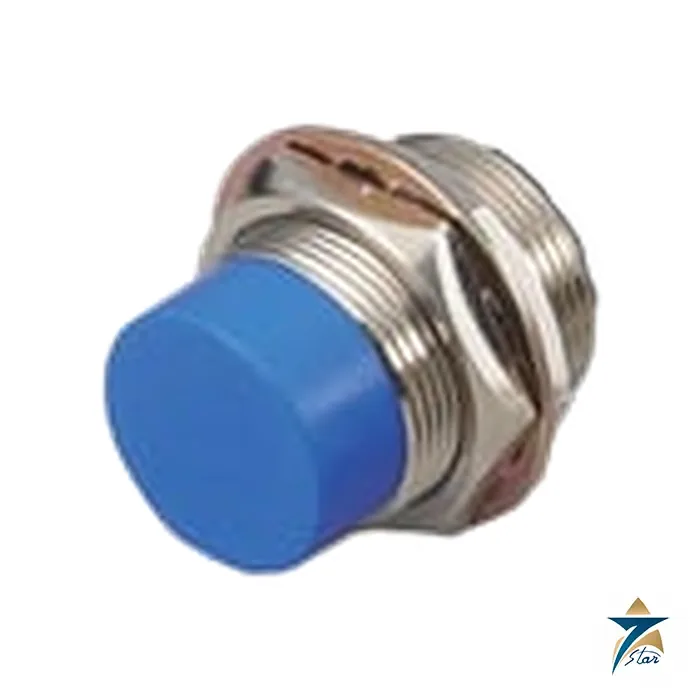
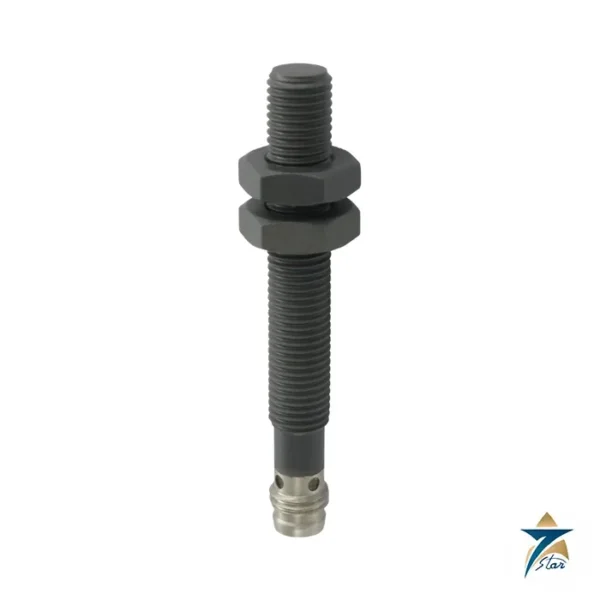
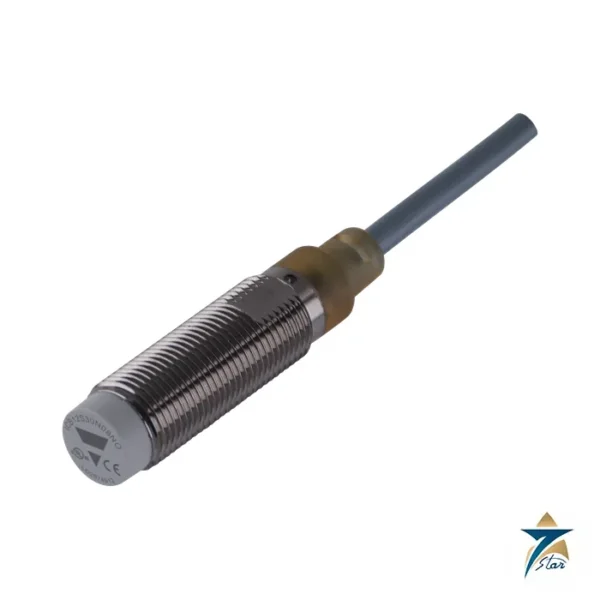
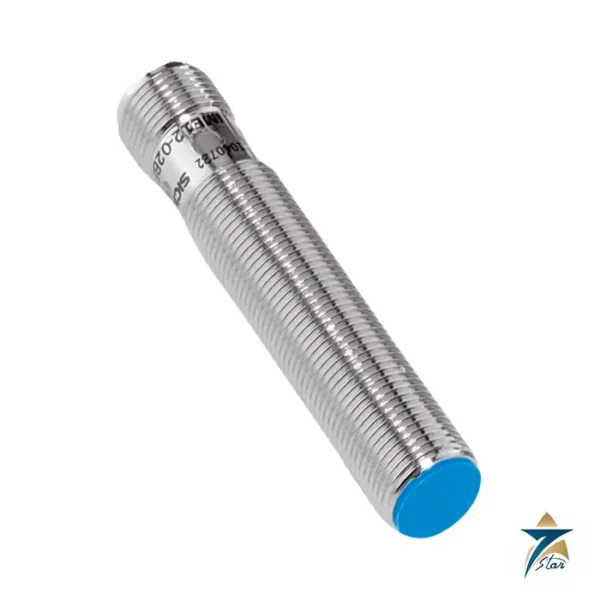
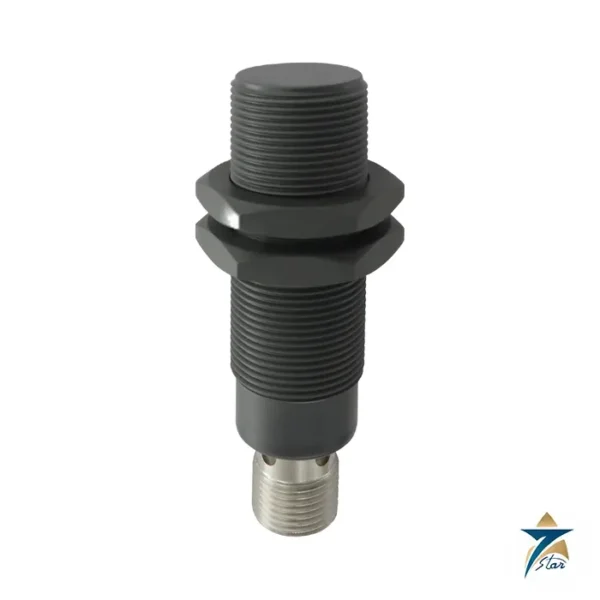
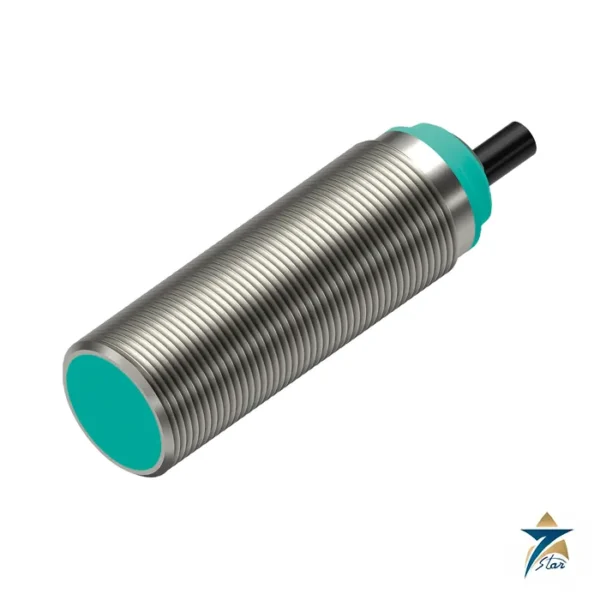
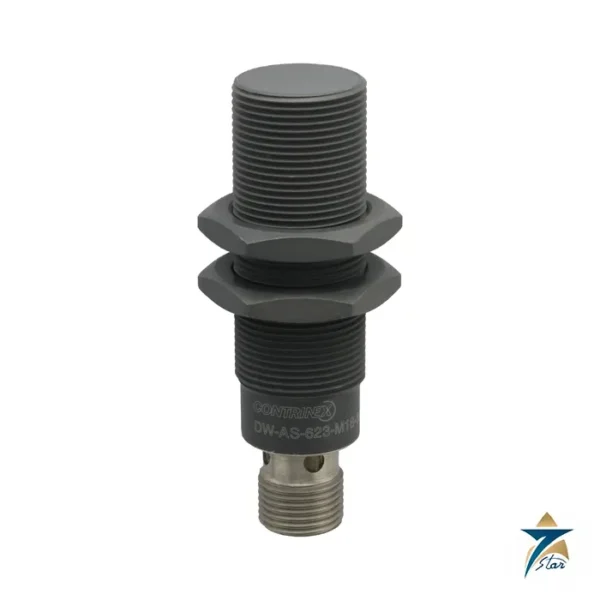
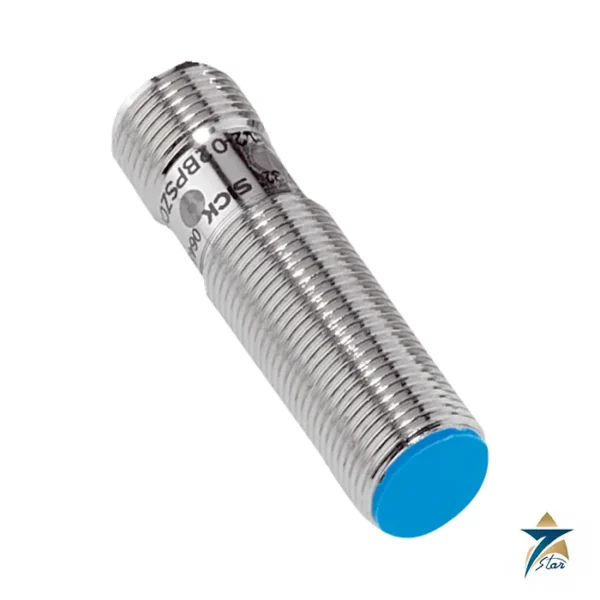
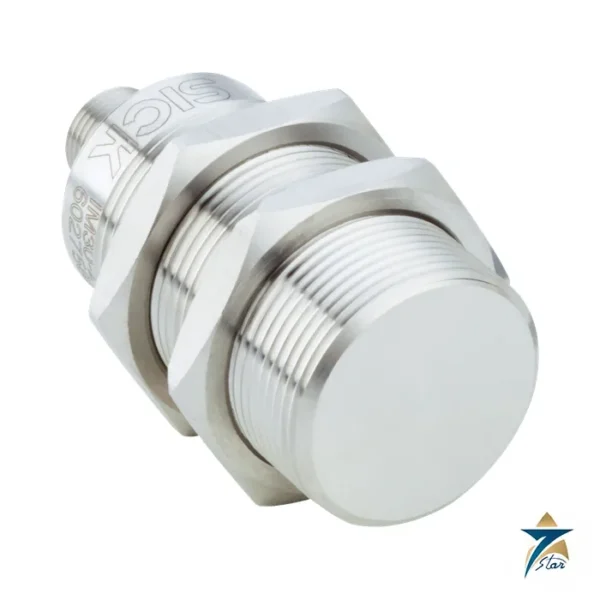
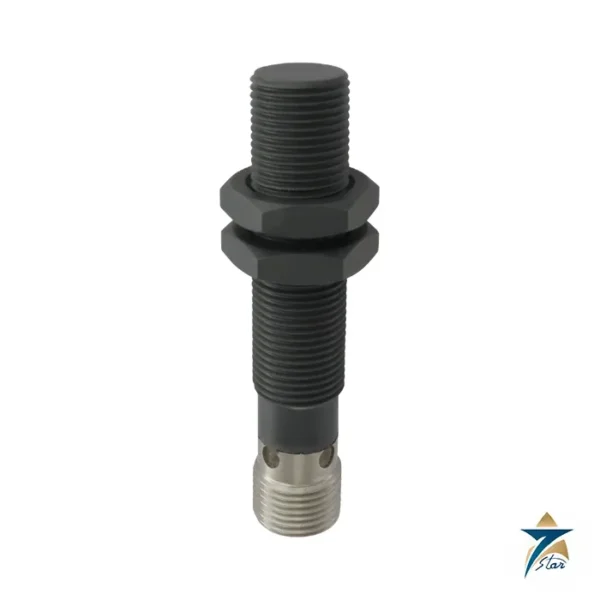
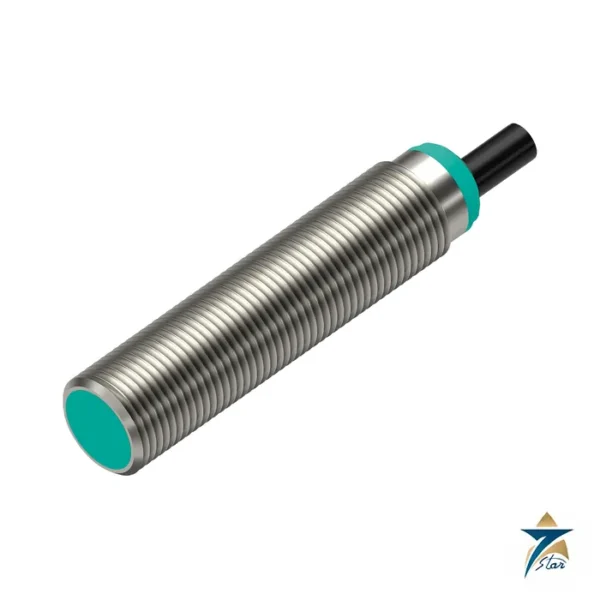
EV-130U is a Keyence EV series product, listed by the maker as: Main Unit, Unshielded Type, M30. The EV series is a family of self-contained inductive proximity sensors in threaded metal housings, available shielded and unshielded in M8 to M30 sizes. The amplifier is inside the housing, so the sensor connects straight to a PLC input. Seven Star LLC supplies EV-130U in Oman and the GCC as an independent supplier in Muscat, not affiliated with the manufacturer.
EV is the series, 130 the M30 size and U marks unshielded. The shielded equivalent carries M, as in EV-130M.
EV-130U is the long-range option in the family: an unshielded M30 body with a 27 mm rated sensing distance for ferrous metal. The response frequency is 250 Hz, so it suits slower targets such as large gears, couplings and valve stems.
EV-130U technical specifications
| Parameter |
Specification |
| Manufacturer / part number |
Keyence / EV-130U |
| Product description |
Main Unit, Unshielded Type, M30 |
| Type |
DC , Non-shielded |
| Shape |
M30 |
| Detecting distance |
27 mm ±10% |
| Detectable object |
Ferrous metals (see Characteristics for nonferrous metals) |
| Standard target (iron, t=1 mm 0.04″ ) |
70 x 70 mm |
| Hysteresis |
20% max. of detecting distance, within -10 to +70°C |
| Response frequency |
250 Hz |
| Operation mode |
N.O. |
| Temperature characteristics |
-5 to +20%, within -10 to +70°C |
| Control output (switching capacity) |
5 to 200 mA |
| Protection circuit |
Reversed polarity, short-circuit, surge voltage |
| Cable length |
2 m |
| Rating |
Power voltage: 12 to 24 VDC, Ripple (P-P) 20 % or less |
| Current consumption (leakage current) |
Current consumption (leakage current): 1.0 mA max., Residual voltage: 3.6 V max. (with 2-m cable) |
| Residual voltage |
Residual voltage: 3.6 V max. (with 2-m cable) |
| Environmental resistance |
Enclosure rating: IP67 |
| Ambient temperature |
-25 to +80 °C (No freezing) |
| Relative humidity |
35 to 95 % RH (No condensation) |
| Vibration resistance |
10 to 55 Hz, Double amplitude 1.5 mm , 2 hours in each of the X, Y, and Z directions |
| Shock resistance |
1,000 m/s² , 3 times in each of the X, Y, and Z directions |
| Case material |
Nickel-plated brass |
| Weight |
Approx. 260 g |
Values in the table are taken from the maker’s model page for EV-130U. Treat them as nominal and confirm the exact conditions in the instruction manual before final design.
How the sensing principle behind EV-130U works
An inductive proximity sensor generates a high-frequency magnetic field at its face. When a metal object approaches, eddy currents damp the oscillation, and the electronics switch the output once the amplitude falls below a threshold. Because nothing touches the target, the sensor has no moving parts to wear.
Shielded types concentrate the field at the face so they can be flush-mounted in metal, while unshielded types project a wider field and reach farther. The detecting distance in the table assumes the standard target stated for that model, and non-ferrous metals are detected at a reduced distance.
Where EV-130U fits: related EV series parts
EV sensors replace limit switches on valve positions, door latches, cylinder ends and guard checks. Two-wire and three-wire versions exist, so confirm wiring and the PLC input type.
The EV series range includes the following part numbers, which are listed for cross-reference: EV-108M, EV-112M, EV-118M, EV-130M, EV-108U, EV-112U, EV-118U, EV-130U, EV-12M, EV-18M and EV-30M. Whether a particular combination is compatible should be confirmed from the maker’s documents. Closely related models from the same family that you may also want to compare include EV-118M, EV-108U.
Selecting EV-130U: ordering checklist
- Thread size (M8, M12, M18, M30) and shielded or unshielded.
- Detecting distance versus the real gap, with margin for target material.
- Output type, polarity and operating mode (N.O.).
- Cable length or connector.
- Temperature range and enclosure rating.
- Tightening torque and mounting nuts.
For EV-130U specifically, confirm the output type, the connection style and the rated distance shown in the table above against the real installation drawing before placing an order.
Installing and maintaining EV-130U
Tighten the lock nuts evenly, keep unshielded types clear of surrounding metal by the distance stated in the manual, and set the working gap to roughly half the rated distance for stable operation. Protect cables from mechanical damage.
Because there is no calibration, maintenance is limited to inspecting the face and cable, confirming the indicator lamp responds, and checking that mounting has not loosened from vibration.
Typical applications of EV-130U in Oman and the GCC
Inductive sensors are used throughout Oman and GCC oil and gas, power and water facilities for valve-position feedback, machine tool end stops, conveyor counting and rotating-speed detection. The metal housing tolerates dust, heat and vibration on pumps, skids and compressor packages.
A 27 mm gap tolerates the mechanical play found on large rotating equipment. Extra heat, dust and humidity are normal in the region, so check the ambient temperature and enclosure rows in the table against the real mounting location, including direct sunlight on outdoor skids.
EV series models compared with EV-130U
The table lists the EV series models in our current range with the maker’s own description, to help you see how EV-130U differs from its neighbours.
| Model |
Maker description |
| EV-130U |
Main Unit, Unshielded Type, M30 |
| EV-118M |
Main Unit, Shielded Type, M18 |
| EV-108U |
Main Unit, Unshielded Type, M8 |
Information to send with your EV-130U RFQ
- Exact part number: EV-130U (and quantity, including any matching transmitter, receiver, reflector or head).
- Output polarity required by your PLC input card (NPN or PNP).
- Cable length or connector type and the mounting method.
- Ambient conditions: temperature, washdown, dust and direct sunlight.
- Project reference, delivery location in Oman or the GCC and required lead time.
- Any related items needed, such as brackets, cables, reflectors or a mating amplifier.
Documents and quotation
Send us the part number EV-130U and we will confirm available documents, including the maker’s datasheet and instruction manual where we can provide them. Prices are quoted per request and are not shown on this page.
Seven Star LLC is an independent supplier in Muscat serving Oman and the GCC. We are not affiliated with the manufacturer, and we quote against your RFQ with delivery and lead time confirmed in the quotation.






















Reviews
There are no reviews yet.