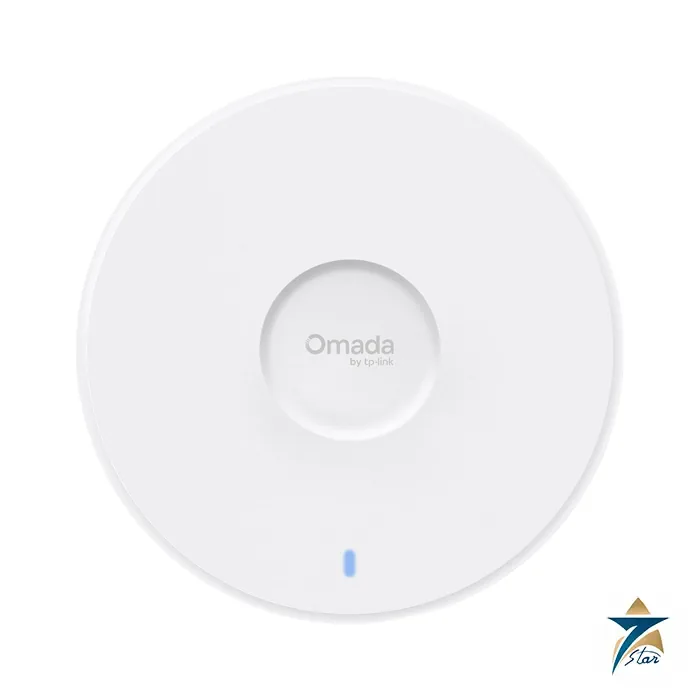
A tri-band Wi-Fi 7 ceiling access point with a 10G PoE+ port
The EAP773 is an Omada ceiling-mount tri-band Wi-Fi 7 access point with 2.4, 5 and 6 GHz radios, each 2×2. TP-Link quotes up to 11.0 Gbps for the US model (BE11000) and up to 9.3 Gbps for the EU model (BE9300), and builds it around a 10G PoE+ port to carry that traffic.
The datasheet lists 320 MHz channels in 6 GHz, Multi-Link Operation, Multi-RUs, 4K-QAM, more than 380 concurrent connections and coverage up to 1500 sq ft (140 sq m). It supports 802.3at PoE or a 12 V DC supply and is managed through Omada SDN, the cloud or standalone, with PPSK, multiple portals, mesh and seamless roaming.
Technical specifications
Datasheet values for EAP773; rates are physical-layer maxima, not typical throughput.
| Parameter |
Specification |
| Radio |
| Wi-Fi standards |
6 GHz: 802.11ax/be; 5 GHz: 802.11a/n/ac/ax/be; 2.4 GHz: 802.11b/g/n/ax/be |
| Spatial streams |
2.4, 5 and 6 GHz: each 2×2 with 2 streams, MU-MIMO supported |
| Channel bandwidth |
5 GHz: up to 240 MHz (EHT); 6 GHz: up to 320 MHz |
| Maximum rate (datasheet highlights) |
Up to 11.0 Gbps (US) and 9.3 Gbps (EU), tri-band |
| 802.11be 5 GHz rate |
8.6 Mbps to 4324 Mbps (MCS0-MCS13, NSS 1-2) |
| 802.11ax 2.4 GHz rate |
8.6 Mbps to 574 Mbps |
| 802.11ax 5 GHz and 6 GHz rate |
8.6 Mbps to 2402 Mbps each |
| 802.11ac 5 GHz rate |
6.5 Mbps to 1733 Mbps |
| Antenna (peak gain, onboard) |
2.4 GHz: 2 x 4 dBi; 5 GHz: 2 x 5 dBi; 6 GHz: 2 x 5 dBi; Bluetooth 1 x 5 dBi |
| Bluetooth |
BLE 5.2, 1 Mbps |
| Interface |
| Ethernet |
1 x 100M/1G/2.5G/5G/10G multigigabit RJ45 with PoE in; 1 x 12 V DC input |
| Memory |
Flash 1024 Mbit; DRAM 8192 Mbit |
| Power |
| Input |
802.3at PoE+ 42.5-57 V, 0.6 A; or 12 VDC / 2.5 A |
| Consumption |
25.4 W under PoE+ with all radios 2×2; idle 11.1 W (PoE) |
| Surge protection |
Ethernet ports 4 kV |
| ESD protection |
Air 8 kV, contact 4 kV |
| Environment |
| Operating / storage temperature |
0 to 40 C / -30 to 70 C |
| Humidity |
10-90% operating, 5-90% storage, non-condensing |
| Altitude |
Up to 2000 m |
| Dimensions (main unit) |
220 x 220 x 32.5 mm |
| Weight (main unit) |
0.73 kg |
| Mounting |
Ceiling, wall, junction box and T-bar (kits included) |
| MTBF |
295,992 h at 25 C |
| Software |
| BSSIDs |
24 (8 per band) |
| Concurrent connections |
380+ |
| Coverage (datasheet) |
Up to 1500 sq ft (140 sq m) |
Reading the numbers: the headline 11.0 Gbps (US) and 9.3 Gbps (EU) are sums across three radios and are physical-layer maxima, not single-client speeds. A single client typically uses one band at a time unless it supports Multi-Link Operation. The 25.4 W PoE+ draw with all radios active means a switch with 240 W of PoE budget can power about nine units at full load (derived). A 10G switch port is only needed to carry the combined traffic of many busy clients; for moderate use a 2.5G port is enough.
Radio, 6 GHz and roaming features
- Tri-band Wi-Fi 7 (802.11be) with MLO, Multi-RUs and 4K-QAM; 320 MHz in 6 GHz.
- 1 x multigigabit RJ45 port, 100M to 10G, with PoE in, plus a 12 V DC input.
- 24 BSSIDs (8 per band), 380+ concurrent connections, BLE 5.2.
- WPA3, PPSK with or without RADIUS, captive portal options and MAC filtering.
- Ceiling, wall, junction-box and T-bar mounting kits included.
Ordering notes for the EAP773
Order code EAP773; the datasheet (version 2.0) covers US and EU variants, which differ in maximum speed. Unlike the EAP670, the box contains the access point, installation guide and mounting kit only; there is no power adapter listed, so power it by PoE+ or order the 12 V / 2.5 A supply separately. Check that the connected switch supplies 802.3at power and provides at least a 2.5G port; a 10G switch port is needed to use the full uplink rate.
Power, mounting and operating limits
The PoE draw is 25.4 W with all three radios active, so budget switch power per port accordingly. The unit is rated 0 to 40 degrees C and up to 2000 m altitude, with a storage range of -30 to 70 degrees C. Note that 6 GHz availability depends on country regulations, as the datasheet states country-specific restrictions apply to frequency bands.
Dense offices, retail and hotel use
It is aimed at bandwidth-intensive indoor areas: offices, retail, multi-dwelling buildings and hotels. Clients must support Wi-Fi 7 or 6 GHz to benefit from the extra band; older devices still use 2.4 and 5 GHz.
Information to send with an RFQ for the TP-Link EAP773 Omada Tri-Band Wi-Fi 7 Ceiling AP
Wireless equipment is quoted per site and per coverage area. For the TP-Link EAP773 Omada Tri-Band Wi-Fi 7 Ceiling AP, describe the space to be covered, the number of concurrent users or devices, and the building type, since concrete walls and metal structures reduce range. Note any outdoor areas, yards or warehouses that also need coverage.
- Number of units, and whether a controller or cloud management is already in place.
- Power source: PoE switch, PoE injector or local adapter, with the PoE standard required.
- Mounting: ceiling, wall or pole, and any weather protection for outdoor use.
- Licensing or SIM requirements for LTE models, and the operator band to be used.
A floor plan with the proposed positions lets coverage be estimated before the equipment is ordered.
Related items and documents
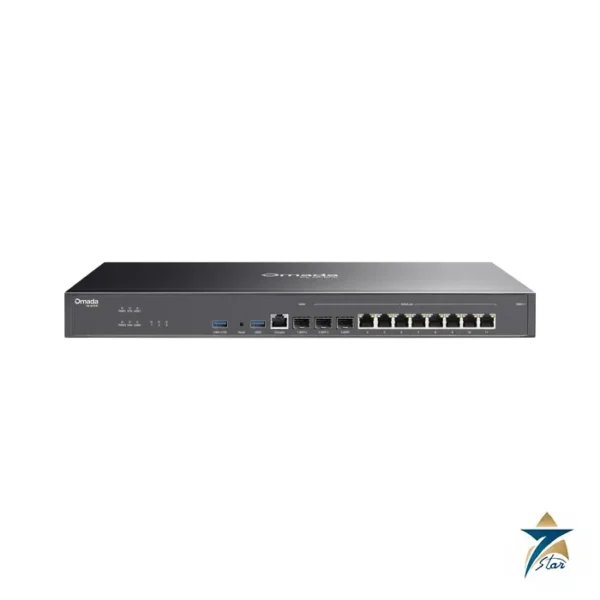
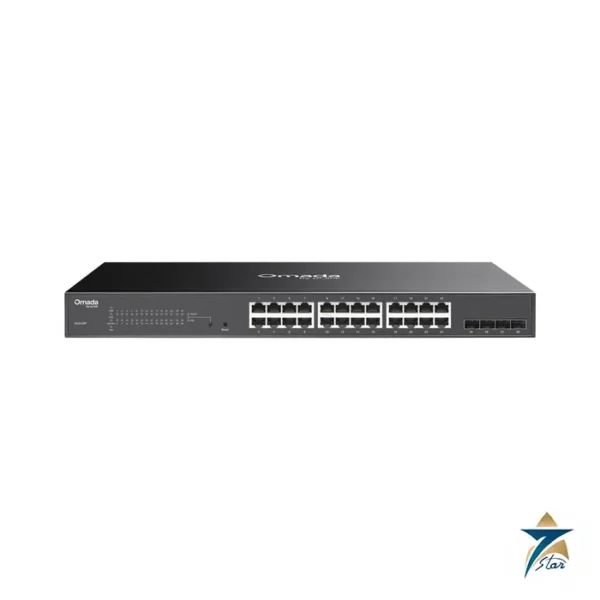
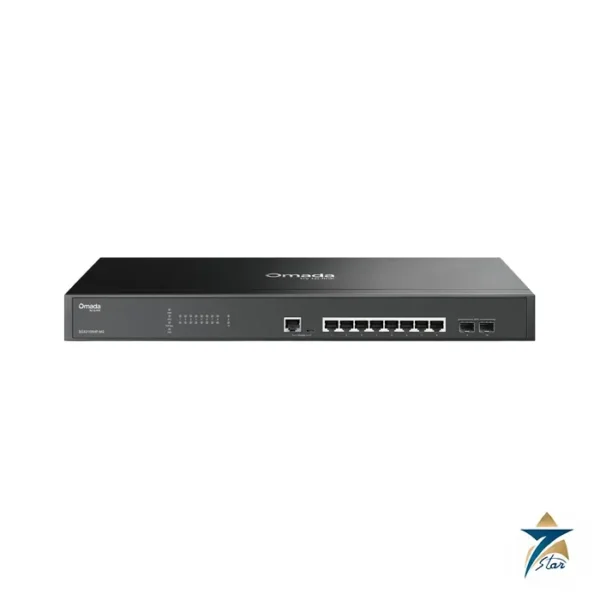
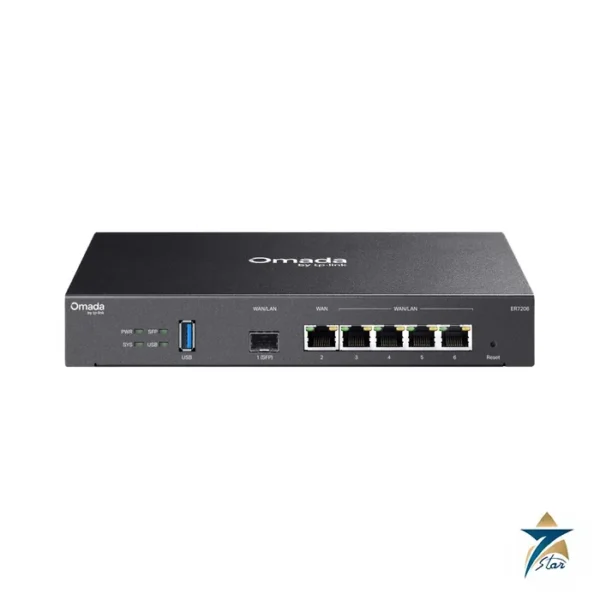
For lower cost see the EAP670; use the SG3210XHP-M2 for 2.5G PoE and ER8411 at the 10G edge. See the industrial communications category.
The datasheet PDF accompanies this page. Quotations for EAP773 are issued on request.






















Reviews
There are no reviews yet.