Brand:

ION Science Hydrosteel 6500 Multipoint Hydrogen Flux Monitor

Description

Overview

Corrosion inside a pipe or vessel wall can be tracked from the outside by watching hydrogen escape through the steel. The ION Science Hydrosteel 6500 is a portable, multipoint hydrogen flux analyser built for that task. Seven Star LLC is an independent supplier serving Oman and the GCC. The manufacturer’s brochure, version 2.0, calls it the first multipoint hydrogen flux corrosion monitor, and this page restates the brochure for corrosion engineers and integrity teams in refining, gas processing and petrochemical plants.

When corrosion generates hydrogen atoms at the inner surface of carbon steel, some of them diffuse through the wall and emerge as hydrogen molecules on the outside. Measuring that flux gives a direct, non-intrusive indication of active corrosion in near real time, without the limits of wall thickness resolution that apply to ultrasonic thickness readings, and without removing a coupon.

Working principle of the ION Science Hydrosteel 6500

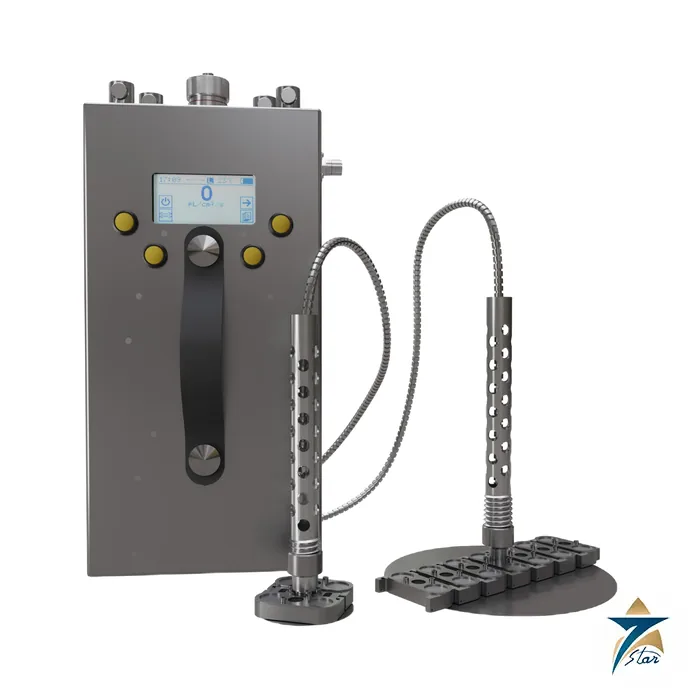
A flexible metal plate is attached magnetically to the pipe or vessel. Air is drawn between the underside of the plate and the steel surface, collecting hydrogen leaving the steel. The sample stream passes over a hydrogen sensor, and from the sample flow, the area under the plate and the rise in hydrogen concentration the instrument calculates and displays the flux. The result is shown in picolitres of hydrogen per square centimetre per second, over a range of 0 to 2,500 with resolution below 2.

The ION Science Hydrosteel 6500 has four ports, so up to four probes can be sampled sequentially or in a multipoint set-up. The brochure notes that four independent sample lines provide confidence in measurement integrity and allow a detailed flux signature to be built during a corrosion episode or after a mitigation measure.

Specification table for ION Science Hydrosteel 6500

Item Published value
Range 0 to 2,500 pL per square cm per second
Resolution Below 2 pL per square cm per second hydrogen from steel
Reproducibility 5 percent or 1 pL per square cm per second, whichever is greater
Response, 27 inch (70 cm) conduit 1 percent in 8 s, 50 percent in 25 s, 90 percent in 60 s
Response, 78 inch (200 cm) conduit 1 percent in 17 s, 50 percent in 35 s, 90 percent in 75 s
Operation time 70 hours continuous; months at programmed intervals
Sensor life and pump life Sensor 1 year; pump over 1,500 hours
Operating temperature -10 to +50 degrees C
Calibration 100 ppm hydrogen; self-calibrating flow
Memory and interface 2 GB SD card; USB 2.0; backlit 128 x 64 LCD
Weight and size 4.1 kg (4.45 kg with case); 320 x 150 x 100 mm
Ingress protection IP54
Certification ATEX II 1G Ex ia IIC T4 Ga; IECEx Ex ia IIC T4 Ga
Warranty 1 year standard, 2 years extended

How Hydrosteel 6500 differs from other hydrogen and gas instruments

The ION Science Hydrosteel 6500 is not a gas detector in the sense of the Tiger or Falco: it does not warn of a hazard in air but measures a flux through a solid. Its four-port design and the new roaming probe, which attaches more reliably and tolerates a wider temperature range, distinguish it from single-point flux meters. Two probe sizes are supplied: a small probe for steel of 3.5 inch diameter and above and a large probe with a 200 x 150 mm collector, and the analyser is compatible with the stationary HT-S and AT-S probes for permanent monitoring points.

Where the Hydrosteel 6500 is applied in Oman and the GCC

The brochure lists sour corrosion control, hydrogen induced cracking risk monitoring, naphthenic acid corrosion monitoring, materials testing, hydrogen bakeout monitoring and HF alkylation corrosion monitoring. For Gulf refineries and sour gas plants that means checks on overhead lines, amine units, water wash systems, crude distillation units and pre-weld bakeouts on equipment in hydrogen service. Flux readings indicate when corrosion rates change after a crude switch or after scale removal, which would not show up in a thickness survey until months later.

Field use and handling

The instrument is designed for use in PPE: robust panel-mount buttons, a backlit display and a leather harness for the analyser and probes. The steel-clad conduit extends up to 10 metres, and Staubli connectors make pneumatic connections quick. Data are stored on a 2 GB SD card with logging from 1 Hz up to one reading per day, with transfer and software updates through USB. The case provides IP54 protection against dust and splashes.

Interpreting flux results

Hydrogen flux is a trend tool. A single value is less informative than a series taken at the same location over time, so engineers define measurement points, mark them on the pipe and revisit them at regular intervals. A rising flux suggests that corrosion has accelerated, for example after a change in feed, a loss of inhibitor or a water wash upset, while a falling flux after a mitigation step shows that the measure is working. At low temperatures the flux is generated by corrosion involving hydrogen promoters such as sour gas and hydrofluoric acid, and it also signals the risk of hydrogen induced cracking. At elevated temperatures it relates to naphthenic acid corrosion, so the same measurement is useful across a wide range of units. Because hydrogen diffuses slowly through thick steel, a delay between a process change and the flux response is normal and increases with wall thickness. Combine flux data with thickness readings and process data to build a complete corrosion picture.

Routine care of ION Science Hydrosteel 6500

The sensor life is quoted at one year and the pump at more than 1,500 hours, so plan replacements accordingly. Calibrate with 100 ppm hydrogen, check the conduit and plate seals before every campaign and keep the collection surface clean. Remember that flux depends on temperature and thickness, so record both for each measurement. The brochure suggests that for HF alkylation monitoring at least one probe be used with a background probe and three data points be taken per day.

Ordering notes for Hydrosteel 6500

State whether you require extra roaming probes or stationary probes, the conduit length and any spares. Confirm the full kit contents with the supplier before ordering.

Related items you may also need: ION Science Tiger XT Handheld VOC Detector | ION Science Titan 2 Fixed Benzene Monitor | Dakota NDT CX2 Corrosion Thickness Gauge | All ION Science products.

How to specify the exact ION Science Hydrosteel 6500 configuration

The ION Science Hydrosteel 6500 is offered as a model with several kit and accessory options, so the exact supply is defined by the points below rather than by the model name alone.

  • Target gas or gases and the measuring range needed for the ION Science Hydrosteel 6500 application.
  • Lamp or sensor option where the instrument offers more than one, for example the standard VOC lamp or a selective configuration.
  • Hazardous area approval required for the site, such as ATEX or IECEx zone rating.
  • Accessories needed with the unit, such as charger, calibration adaptor, sampling probe, carry case or docking station.
  • Any data logging, software or calibration certificate requirement for your records.

Share these points, or the part number printed on an existing unit or previous order, and the quotation will list the confirmed kit contents.

Documents and quotation

The manufacturer’s Hydrosteel 6500 brochure is attached to this page as a datasheet. Send your RFQ with the part number Hydrosteel 6500, the quantity and your delivery location in Oman or the GCC.

Datasheets & Documents
  • PDF Datasheet ION Science Hydrosteel 6500 Multipoint Hydrogen Flux Monitor Datasheet Download
Reviews (0)

Reviews

There are no reviews yet.

How would you rate this product?

It takes about 10 seconds — just tap a star. Your email is never published.

About brand

ION Science is a British maker of gas detection instruments, based in Fowlmere, Cambridgeshire. It has been active since 1989 and is best known for photoionisation detectors (PIDs) that measure volatile organic compounds at low concentrations. Its portable and fixed instruments are used for worker exposure monitoring, leak detection and environmental surveys.

Seven Star LLC is an independent supplier in Muscat. We list ION Science detectors for oil and gas, petrochemical and environmental users in Oman and the GCC.

ION Science company profile

Active since 1989, United Kingdom
Head office Fowlmere, Cambridgeshire
Core technology Photoionisation detection (PID) with patented Fence Electrode design
Product families Tiger XT and Cub portable PIDs, Titan benzene monitor, Falco fixed detectors

Milestones

  • 1989: ION Science begins operating.
  • 1998: Patents its PID sensor.
  • 2002: Patents the Fence Electrode for humidity-resistant PIDs.
  • 2017: Opens its head office in Fowlmere.

ION Science product series
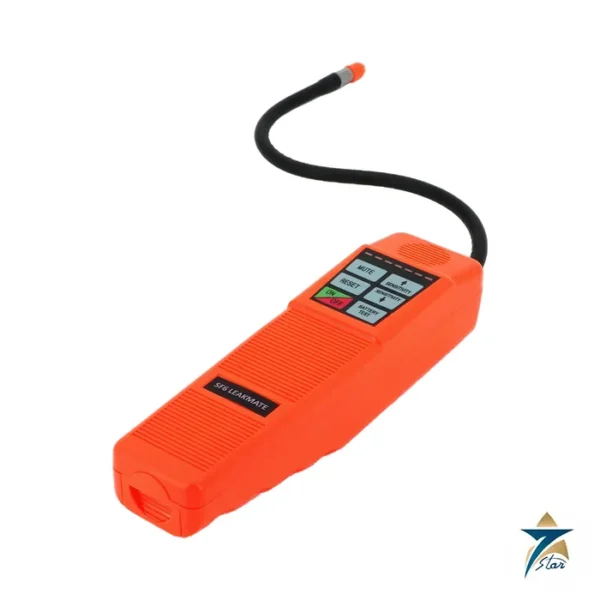
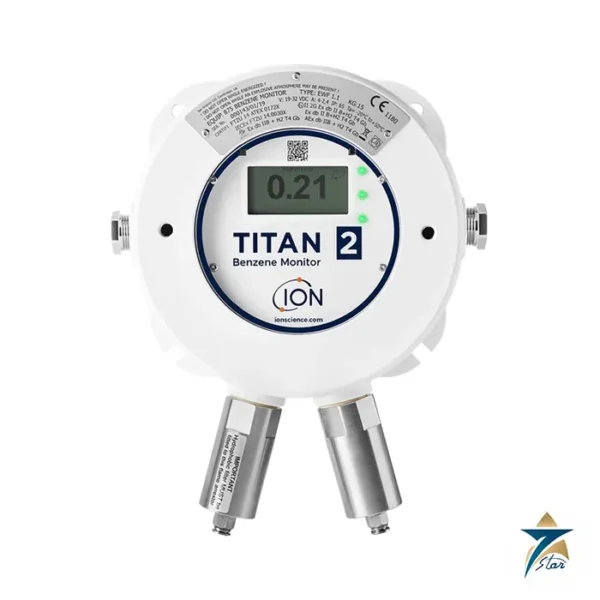
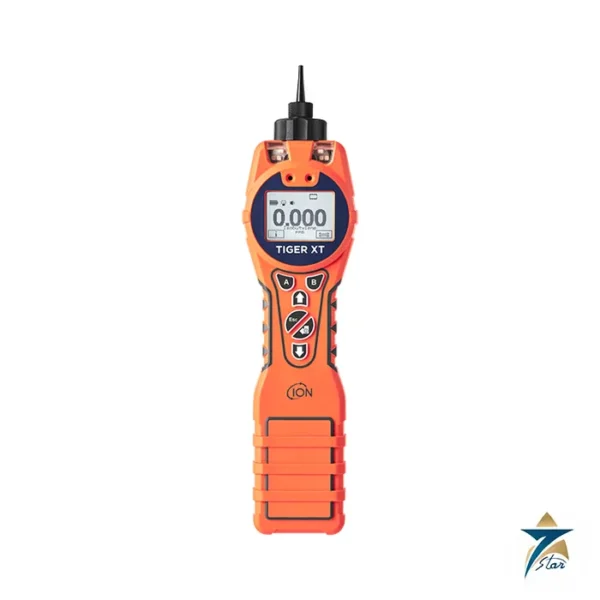
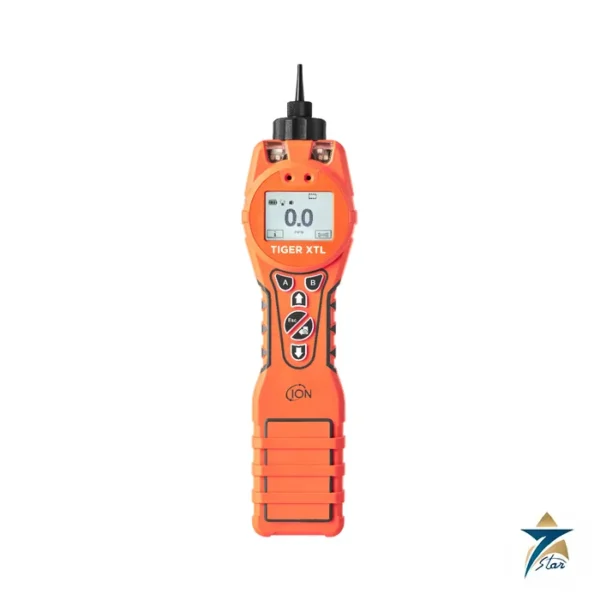
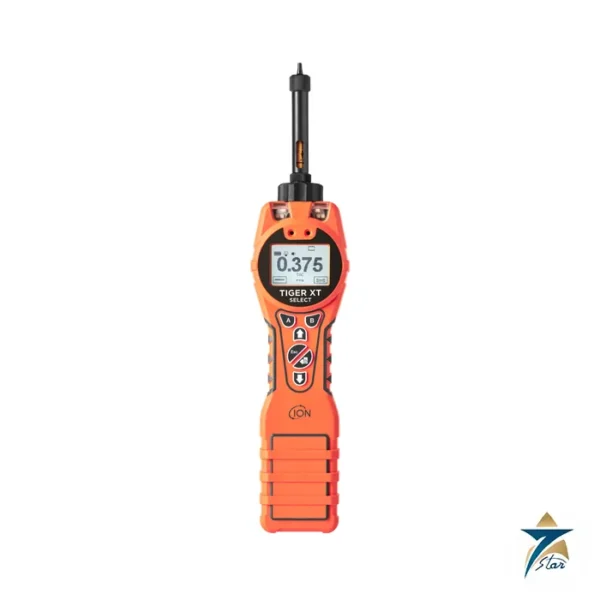
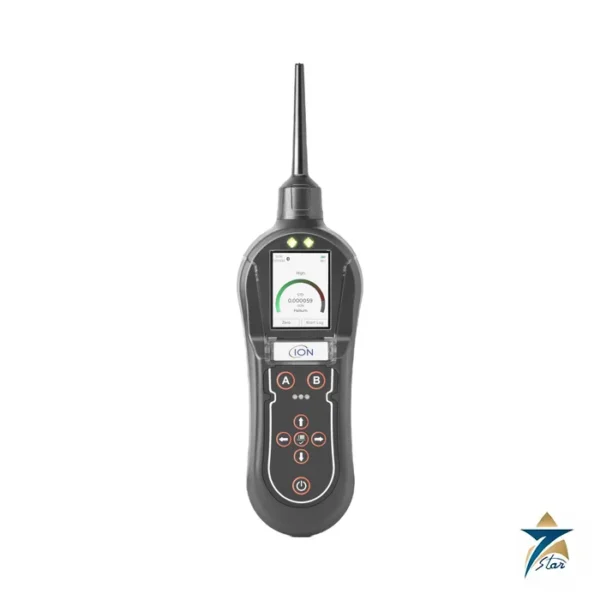
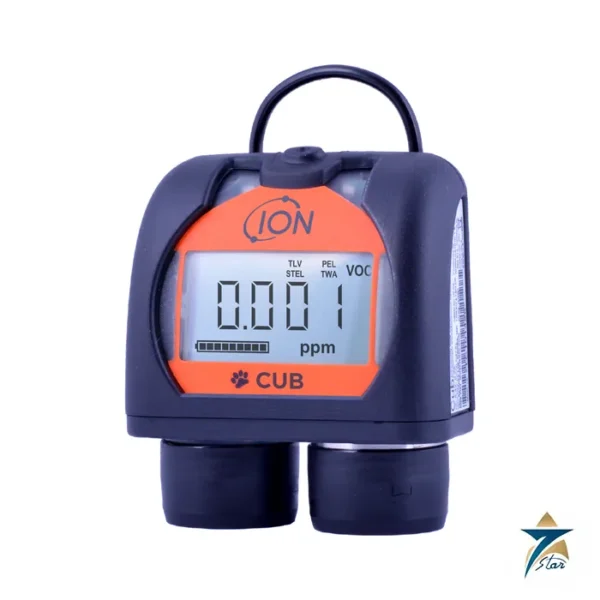
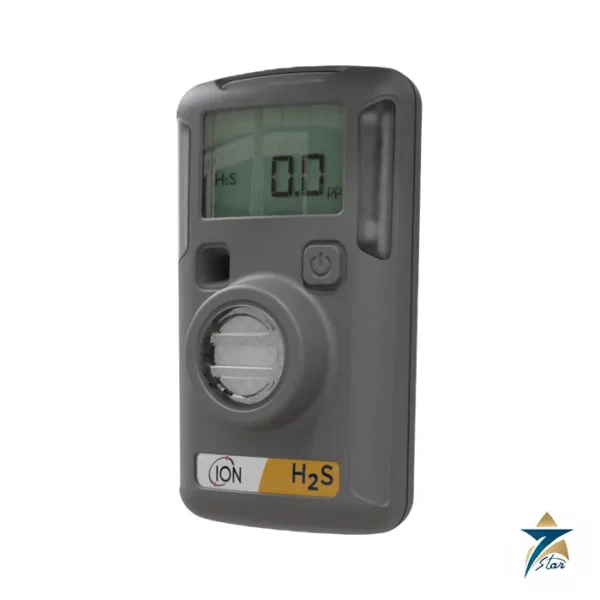
The Tiger XT is a handheld VOC detector for hazardous areas, and the Titan 2 is a fixed benzene monitor.

A PID uses ultraviolet light to ionise volatile organic compounds and measures the resulting current, which allows detection down to ppb levels. Response factors convert the reading for each specific compound. General VOC detectors measure the total, while benzene-specific monitors separate benzene from other hydrocarbons, which matters because benzene has very low exposure limits.

Where ION Science detectors are used

Leak detection, confined space entry checks, worker exposure monitoring, refinery and terminal benzene monitoring, and environmental and soil surveys.

Ordering ION Science detectors: what we need

Send the model, the compounds and ranges, lamp type, hazardous-area requirement and accessories such as probes, filters and calibration kits.
Facts checked against ION Science's published company history, October 2026.

FAQ

Questions about the ION Science Hydrosteel 6500 Multipoint Hydrogen

Answers from our engineering team on installation, compatibility and integration.

01What does the ION Science Hydrosteel 6500 measure?
It measures hydrogen flux through steel, from 0 to 2,500 pL per square cm per second, as a non-intrusive indicator of corrosion activity.
02How many probes can the Hydrosteel 6500 monitor?
It has four ports for sequential or multipoint measurements, supporting small and large roaming probes and stationary HT-S and AT-S probes.
03How long does the Hydrosteel 6500 run on battery?
It runs up to 70 hours of continuous battery operation, or months at programmed measurement intervals.
04Is the Hydrosteel 6500 intrinsically safe?
Yes. It carries ATEX II 1G Ex ia IIC T4 Ga and IECEx Ex ia IIC T4 Ga certification, with IP54 protection.
05What applications does the Hydrosteel 6500 serve?
The brochure lists sour corrosion control, HIC risk monitoring, naphthenic acid corrosion, materials testing, hydrogen bakeout and HF alkylation monitoring.