Brand:

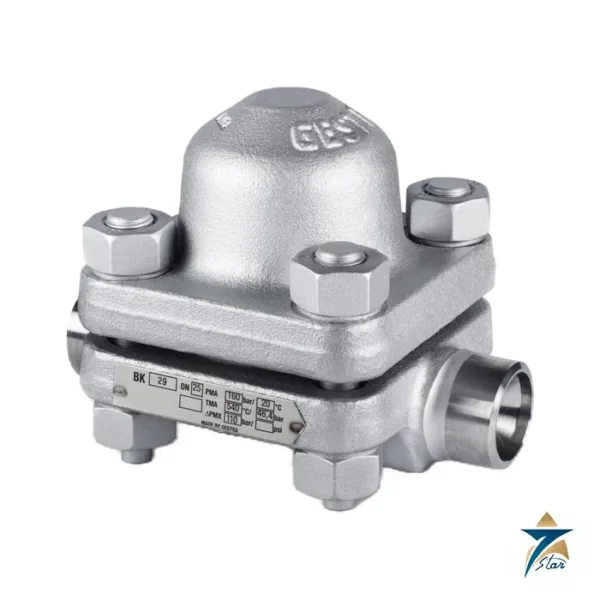
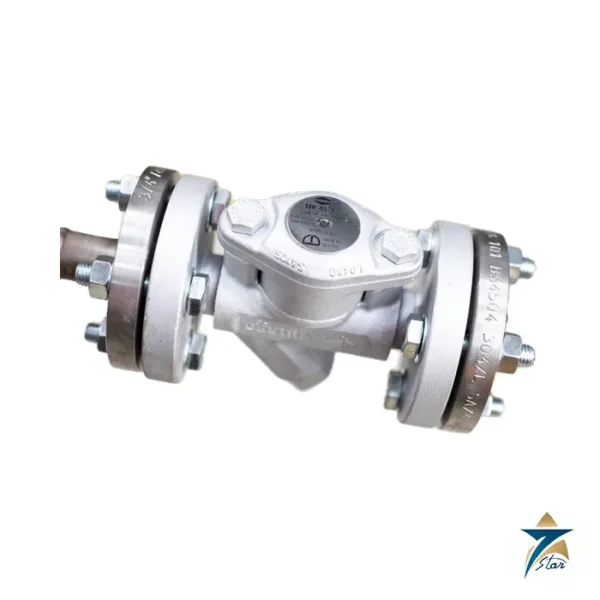
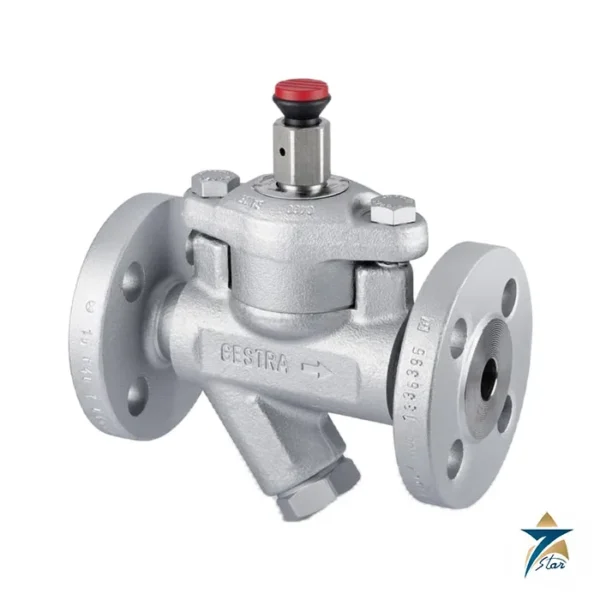
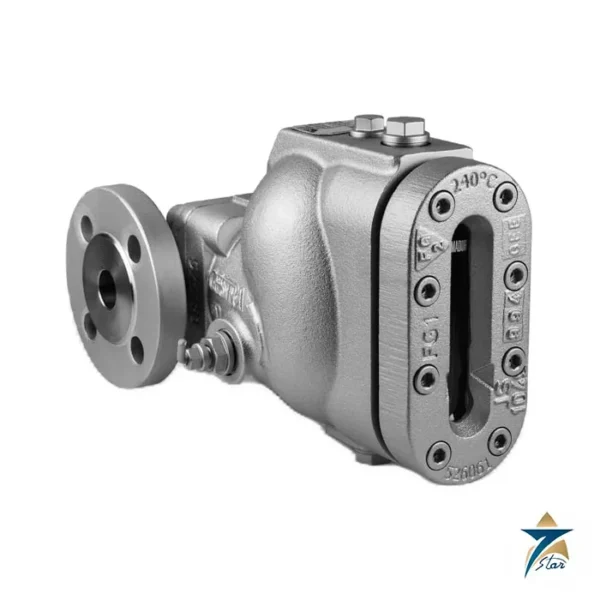
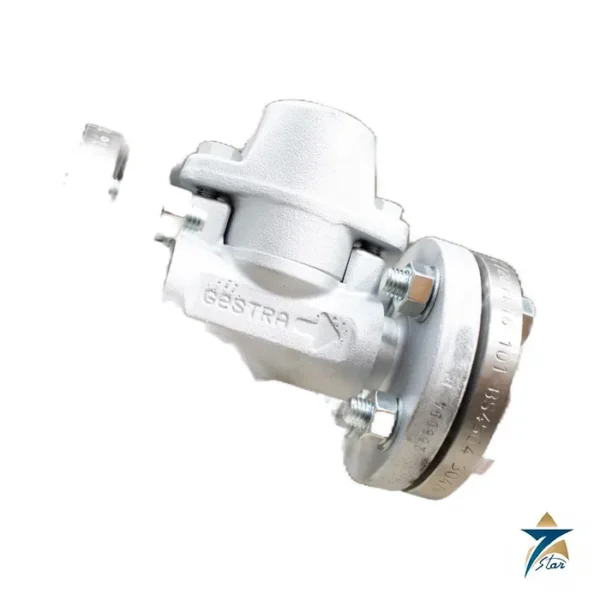
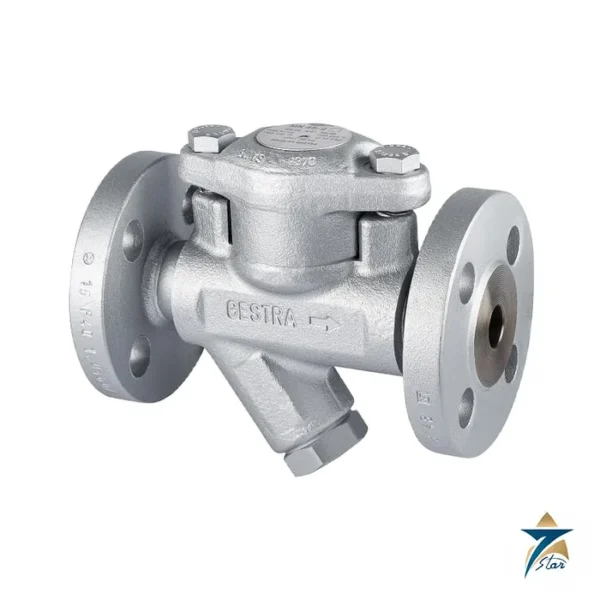
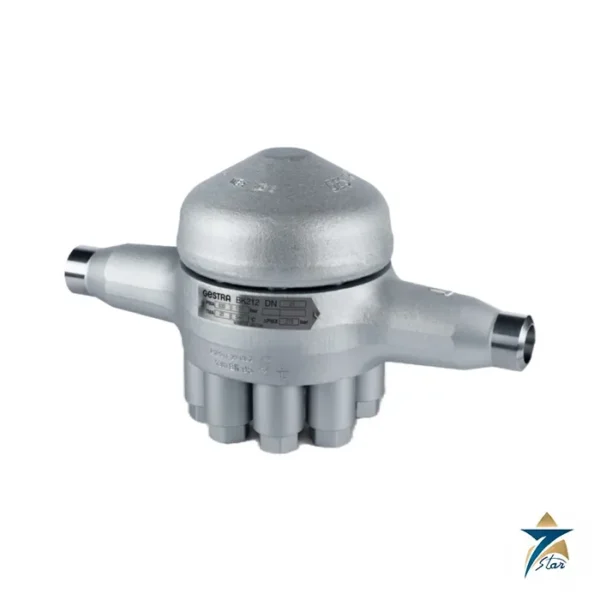
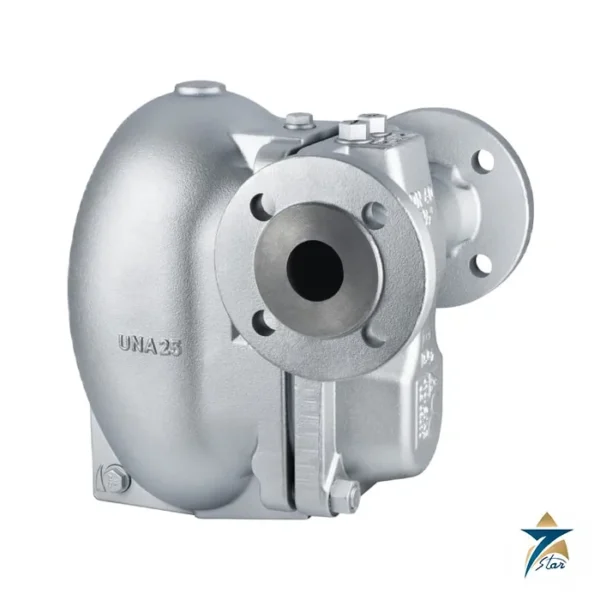
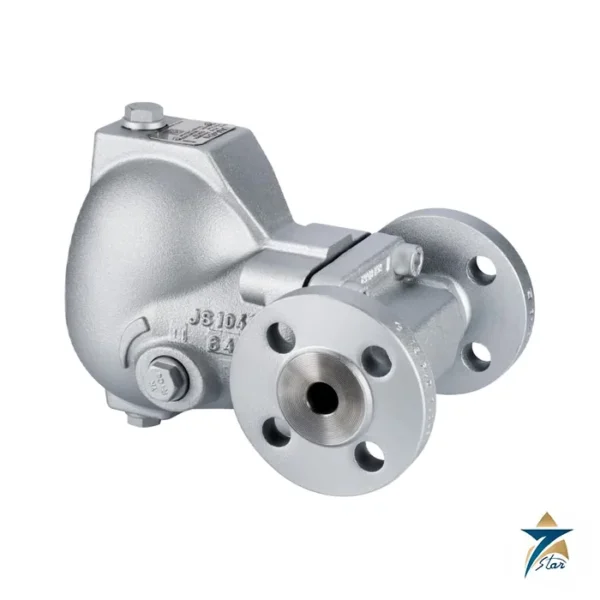
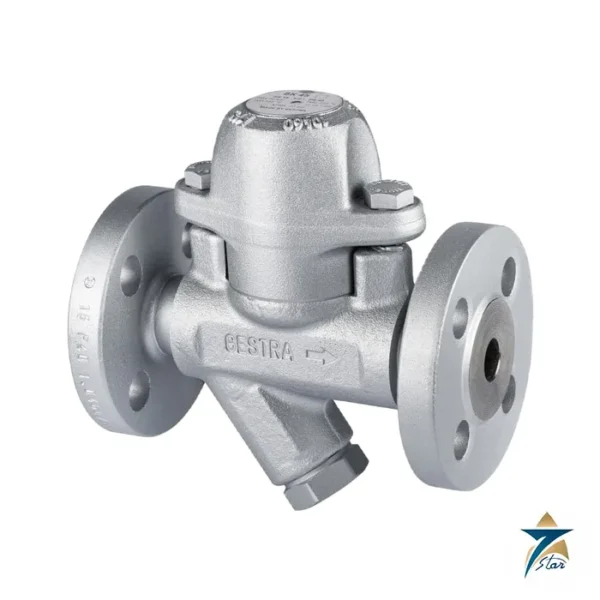
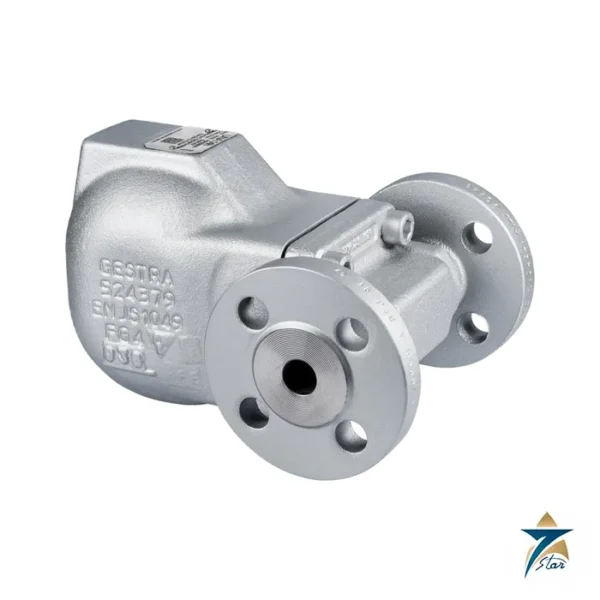
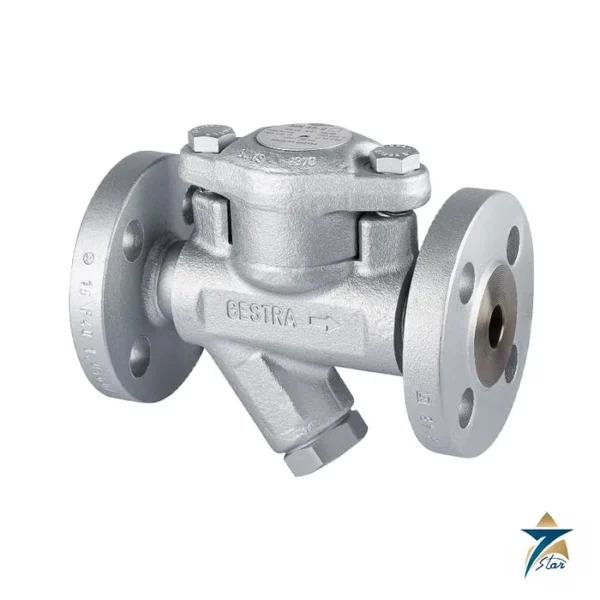
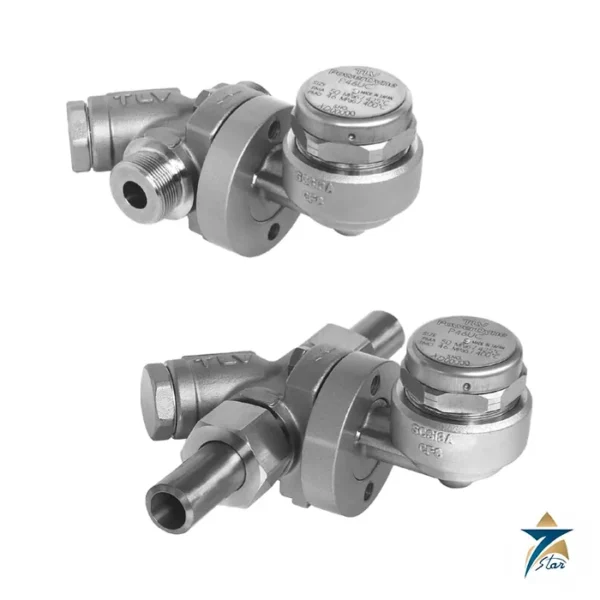
GESTRA BK 37 High-Pressure Bimetallic Steam Trap PN 63 Class 400

Description

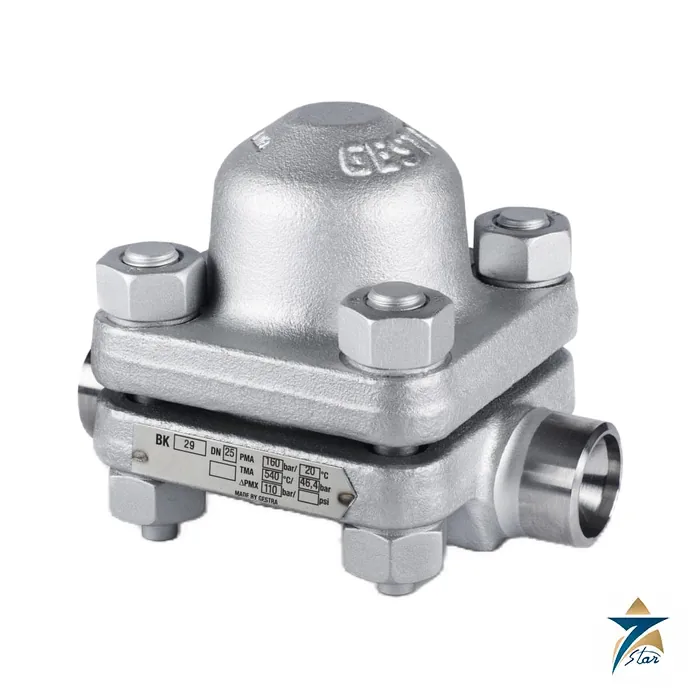
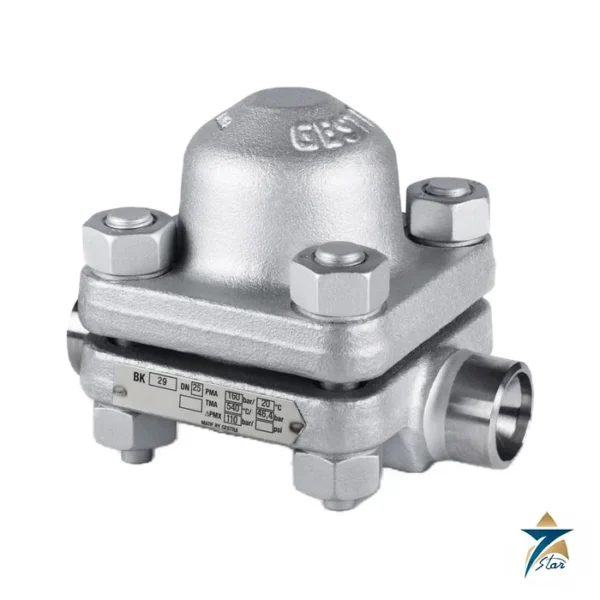
GESTRA BK 37: PN 63 / Class 400 high-pressure steam trap

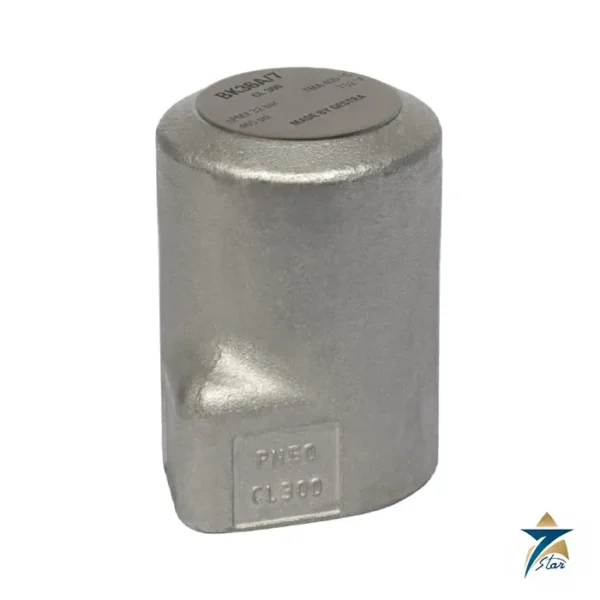
High-pressure steam systems need traps that survive both pressure and wear. The GESTRA BK 37 is a bimetallic Thermovit trap made of 1.5415 alloy steel in DN 15, 20 and 25, rated PN 63 / Class 400 and quoted by the datasheet at an admissible differential pressure of 45 bar (652 psi). Its nozzle stem and seat are made of a wear-resistant titanium alloy.

Seven Star LLC is an independent supplier serving Oman and the GCC and is not affiliated with the manufacturer. The description below is based solely on the manufacturer’s datasheet.

Function of the BK 37

At start-up the trap is wide open so cold condensate and air leave quickly. As the temperature climbs, the bimetallic plates in the Thermovit regulator deflect and move the stage nozzle toward closed. Just before the condensate reaches saturation temperature the orifice shuts tightly, and the thermodynamic effect of the stage-nozzle chamber helps with closing. The factory setting lets the trap discharge condensate with virtually no banking-up, and automatic air venting continues during operation. The datasheet notes that it can be installed in any position and has an internal strainer and an integral non-return valve action.

BK 37 technical data

Parameter Value
Type GESTRA BK 37 / BK 37-ASME
Nominal sizes DN 15, 20, 25 (1/2, 3/4, 1 inch)
Rating PN 63 / Class 400
Flange rating 100 barg at 20 °C and 150 °C; 94 at 265 °C; 80.9 at 350 °C; 73 at 415 °C; 44.2 at 500 °C
Butt/socket-weld rating 100 barg at 20 to 400 °C; 85 at 470 °C; 61 at 500 °C; 30.9 at 530 °C
ASME rating 103.4 barg at 20 °C; 100.9 at 100 °C; 85.7 at 300 °C; 42.8 at 500 °C
Admissible differential pressure 45 barg (652 psi)
Body and cover 1.5415 (A182 F12 as listed)
Studs and nuts 1.7709 / A193 B7 and A194 Gr.4
Temperature sensor Corrosion resistant Duo stainless steel
Nozzle stem and seat Wear-resistant titanium alloy
Gasket Graphite/CrNi
Flanged length 210 mm (DN 15), 230 mm (DN 20 and 25) EN; 230 mm ASME
Flanged weight 8, 9, 10 kg (EN); 7, 9, 9 kg (ASME)
Butt-weld and socket-weld 160 mm; about 5.0 kg and 5.1 kg

How BK 37 differs from BK 28 and BK 29

All three share a datasheet. The BK 37 is rated PN 63 / Class 400 and is limited to 45 bar differential pressure. The BK 28 steps up to PN 100 / Class 600 at 85 bar differential and the BK 29 to PN 160 / Class 900-1500 at 110 bar differential, with a 1.7335 body. The BK 37 also has its own hot-condensate curve on the capacity chart, while the BK 28 and BK 29 share a second curve. If the pressure drop in your application is above 45 bar, move to the BK 28 rather than using the BK 37 at its limit.

Typical use of BK 37

Examples include HP steam header drains in power plants, drain points on turbine bypass stations, high-pressure heaters in process units, and steam tracing on very hot lines where the pressure class is high. The default factory setting is for virtually no banking-up, so heat transfer surfaces stay clear of condensate.

Fitting BK 37

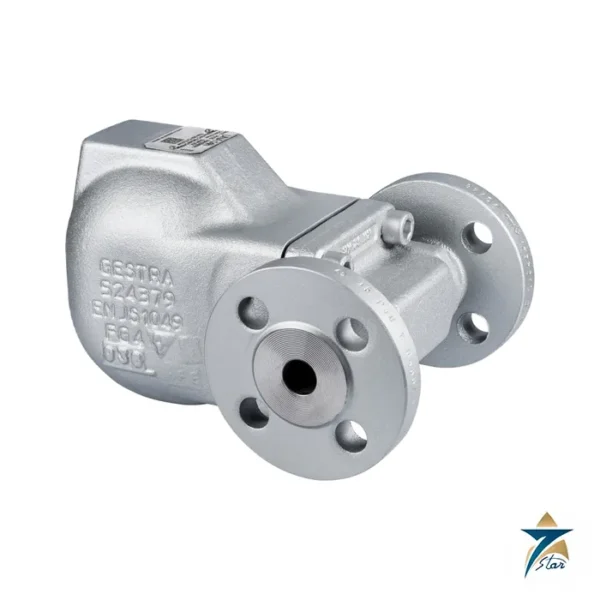
Choose between EN 1092-1 flanges (PN 63 or PN 100), ASME B16.5 Class 400 or 600 flanges, butt-weld ends to EN 12627 or ASME B16.25 Schedule 80, or socket-weld ends to EN 12760 or ASME B16.11 Class 3000. Flange diameters are 105, 130 and 140 mm for the EN version. Because the trap weighs up to 10 kg, support the pipe near it.

Reading the BK 37 rating tables

The datasheet prints separate tables because the permitted pressure depends on the end connection. For EN flanges the pressure holds at 100 barg up to 150 °C and falls to 44.2 barg at 500 °C. For welded or socket-weld ends, calculated to EN 12516-2, the trap keeps 100 barg up to 400 °C and still allows 30.9 barg at 530 °C, which is a large advantage on hot lines. For ASME flanges, calculated to ASME B16.34, the figures are given in psi as well: 1500 psi at 100 °F falling to 745 psi at 900 °F. The differential limit remains 45 bar (652 psi) in every case, so even though the body is rated for 100 bar, the BK 37 is a medium-differential trap and should not be selected for drains that see a larger drop.

That distinction matters in practice. A drain at 60 bar discharging to a flash vessel at 8 bar has a differential of 52 bar, which is above the BK 37 limit but below the BK 28 limit. Always calculate inlet minus outlet pressure, not inlet pressure alone, and record the result next to the trap tag so that later pressure changes can be compared with the limit. Also record the flange standard and class, since PN 63 and Class 400 hardware are not interchangeable even though both are listed for the BK 37.

Spare and maintenance notes for BK 37

Components listed are cover, Thermovit regulator, strainer, gasket, body, nuts, studs with reduced shank and nameplate. Replace the gasket whenever the cover is lifted. Test certificates to EN 10204 can be requested with the order at extra cost, and the inspection requirement must be stated at the time of order.

Documents and quotation

Download the BK 37 datasheet here. Send your RFQ with part number BK 37, quantity, connection standard and steam data, and we will reply for Oman and the GCC.

Ordering Checklist for the GESTRA BK 37

Before you ask for a quotation for the GESTRA BK 37, check the full order code on the nameplate of the unit you are replacing, the supply voltage, and the process or signal ranges your system expects. If this is an upgrade rather than a like-for-like swap, tell us the existing make and model so that mounting, wiring and connection details can be checked against the steam traps & steam specialties already installed. For multi-unit orders, list the quantity per site and the delivery location in Oman or the wider GCC, so packing, paperwork and lead time can be confirmed in a single quotation.

Installation and Commissioning Planning

Planning ahead shortens downtime when a GESTRA BK 37 goes into service. Confirm the available mounting space, cable entry or process connection, and the tools and spare seals needed on the day. Keep the existing configuration or calibration data so the new unit can be set up to match, and check that loop drawings and the asset register are updated after the swap. If the installation has to fit a short shutdown window, tell us the date when you request a quotation so that delivery of the GESTRA equipment can be planned around it.

Other Models in the BK 37/28/29 Range

Seven Star LLC supplies models from the BK 37/28/29 range in Oman and the GCC. Compare the related models below and request a quote for the one that matches your application.

ModelCategory
GESTRA BK 28 Bimetallic Steam Trap PN 100 Class 600 DN 15-25Steam Traps & Steam SpecialtiesView details
GESTRA BK 37 High-Pressure Bimetallic Steam Trap PN 63 Class 400Steam Traps & Steam SpecialtiesYou are viewing this model
Datasheets & Documents
  • PDF Datasheet GESTRA BK 37 High-Pressure Bimetallic Steam Trap PN 63 Class 400 Datasheet Download
Reviews (0)

Reviews

There are no reviews yet.

How would you rate this product?

It takes about 10 seconds — just tap a star. Your email is never published.

About brand

GESTRA is the German steam and condensate specialist behind the UNA ball float steam traps, the MPA blowdown valves and a long line of boiler level and conductivity controls. It was founded in Bremen in 1902 by Gustav F. Gerdts, and has been part of Spirax Sarco since 2017.

Seven Star LLC is an independent supplier in Muscat. We list GESTRA steam traps, blowdown valves and boiler control equipment, and supply GESTRA parts and spares to boiler houses and process plants in Oman and the GCC.

GESTRA company profile

Established 29 October 1902, Bremen, Germany, by Gustav Friedrich Gerdts; renamed Gustav F. Gerdts KG in 1907
Ownership history Became a stock corporation (GESTRA AG) in 1987, was taken over by Flowserve in 2002, and has been part of the Spirax Sarco group since 2017
Product families Steam traps, non-return and check valves, boiler blowdown valves, control valves, and boiler control electronics for level, conductivity and temperature
Applications Steam boilers, steam distribution and condensate return in process plants, power stations, hospitals, food and textile plants

Milestones

  • 1902: Gustav Friedrich Gerdts founds the company in Bremen on 29 October.
  • 1907: The company is renamed Gustav F. Gerdts KG.
  • 1987: It becomes a stock corporation, GESTRA AG.
  • 2002: Flowserve takes over GESTRA.
  • 2017: GESTRA becomes part of the Spirax Sarco group.

GESTRA products we list

Series Type What it does
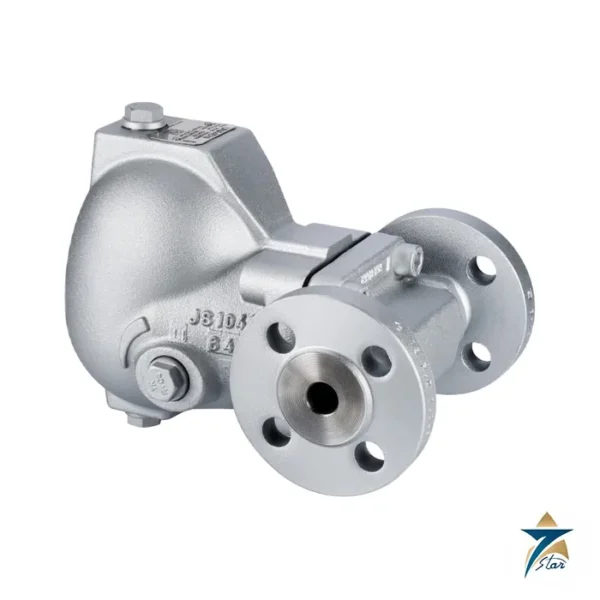
UNA 45, UNA 16, UNA 38 Ball float steam traps Continuous condensate discharge from heat exchangers and process equipment; the UNA 38 is the high-pressure version (PN 100)
BK 45 Bimetallic steam trap Robust trap for steam main drainage and tracing, resistant to water hammer
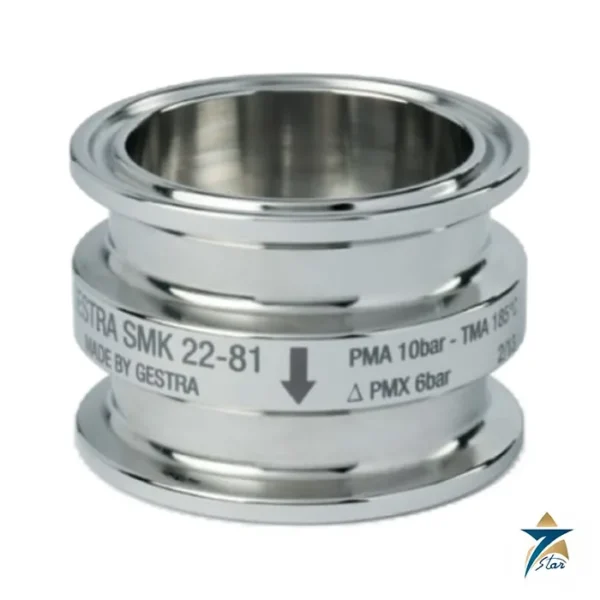
MK 45, TK 23, SMK 22-81 Thermostatic steam traps Air venting and condensate discharge; the SMK 22-81 is the sanitary version for clean steam
MPA 46 Rapid-action blowdown valve Short, intermittent bottom blowdown that removes sludge from the boiler
NRS 1-54, NRR 2-50, NRR 2-60, NRGT 26-2 Boiler level controls Water level limiting, feedwater control and continuous level measurement
LRGT 16-1, LRR 1-50 Conductivity measurement and control Keeps boiler water conductivity in range through continuous blowdown
TRS 5-50 Safety temperature limiter SIL 3 temperature limiting for boilers and hot water systems

The type of steam trap follows the duty. Ball float traps discharge condensate as soon as it forms, which suits heat exchangers with changing loads. Thermostatic and bimetallic traps hold condensate back slightly and suit steam mains, tracing and air venting. On the boiler itself, GESTRA level and conductivity electronics work as a system: electrodes or transmitters in the boiler, controllers in the panel, and the feedwater and blowdown valves they drive.

Where GESTRA products are used

In Oman and the GCC, GESTRA equipment is used in boiler houses of refineries, petrochemical and fertiliser plants, power and desalination stations, food and beverage plants, laundries, hotels and hospitals.

Ordering GESTRA parts: what we need

Send the type designation, pressure rating (PN) and connection size (DN), the end connection (flanged, screwed or socket weld), the operating pressure and condensate load for steam traps, and the supply voltage and bus type (CAN bus, 4-20 mA) for control equipment. For electrodes, add the insertion length.

Facts checked against GESTRA company history and Bremen city records, October 2026.

FAQ

Questions about the GESTRA BK 37 High-Pressure Bimetallic Steam Trap PN

Answers from our engineering team on installation, compatibility and integration.

01What is the pressure rating of the BK 37?
PN 63 / Class 400, with sizes DN 15, 20 and 25 and an admissible differential pressure of 45 bar (652 psi).
02What material are the nozzle and seat of the BK 37?
The nozzle stem and seat are made of a wear-resistant titanium alloy, according to the datasheet.
03How does the BK 37 differ from the BK 28?
The BK 28 is PN 100 / Class 600 with 85 bar differential pressure; the BK 37 is PN 63 / Class 400 at 45 bar.
04Which end connections exist for the BK 37?
EN and ASME flanges, butt-weld ends, and socket-weld ends to EN 12760 or ASME B16.11 Class 3000.
05Can the BK 37 be installed in any position?
Yes, the datasheet says installation in any position; it also has an internal strainer and integral non-return valve action.