- Automation & ControlView all 2,798 products
- Automation Accessories
- AC Drives
- PLC & I/O Cards
- Industrial Communications
- Vibration Monitoring
- Controllers & Data Acquisition
- Isolator & Barrier
- Safety Switches & Guard Locking
- Motor Soft Starters
- CCTV & Security
- Encoders
- Pneumatic Cylinders
- HMI Displays
- Servo Drives
- Industrial Computers
- Machine Vision
- Automation Software
- Robotics
Brand: CMP Products
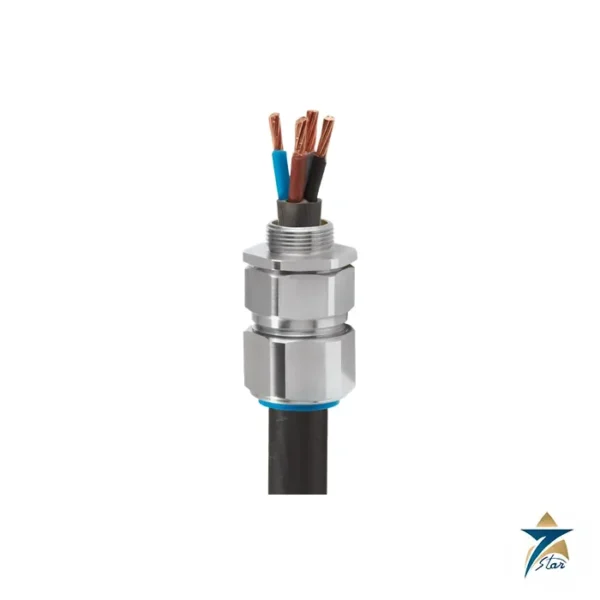
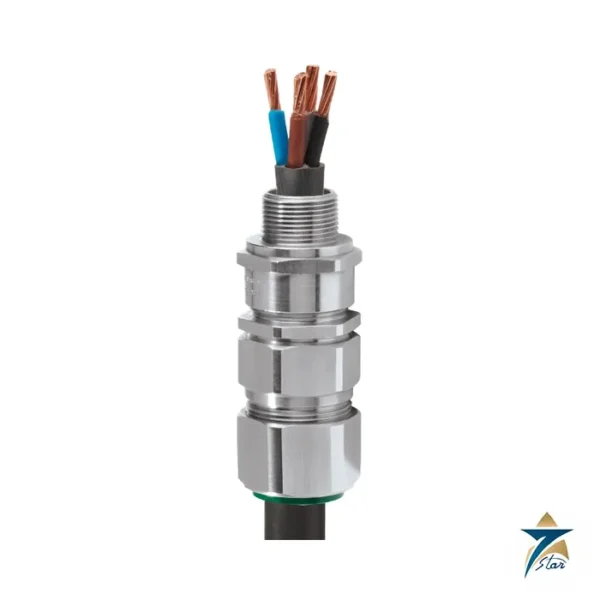
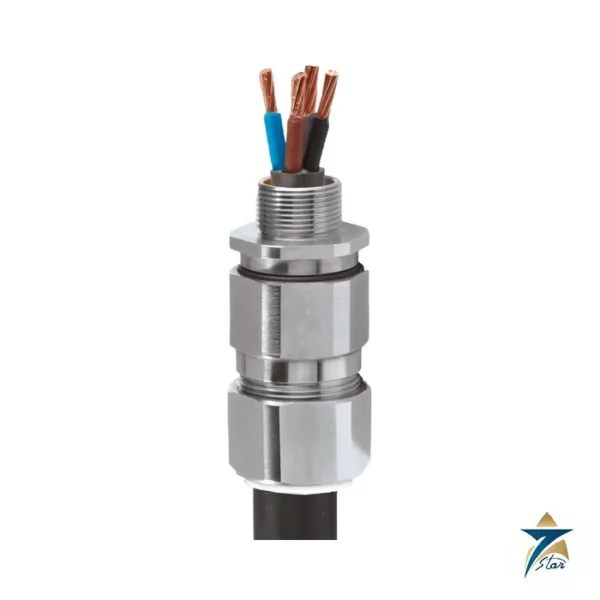
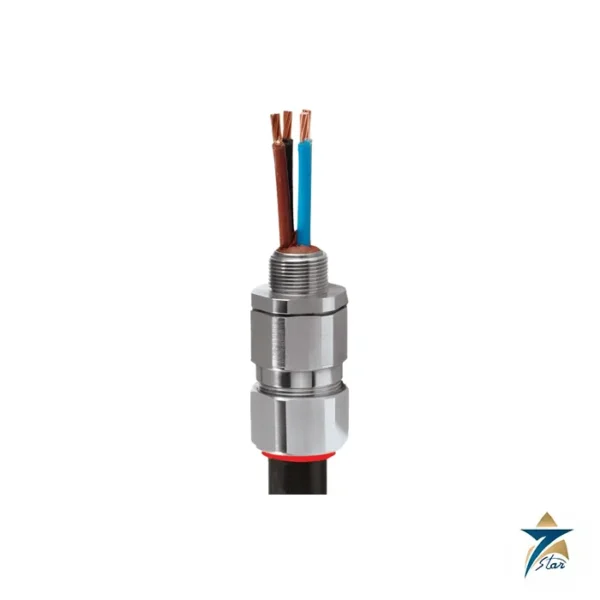
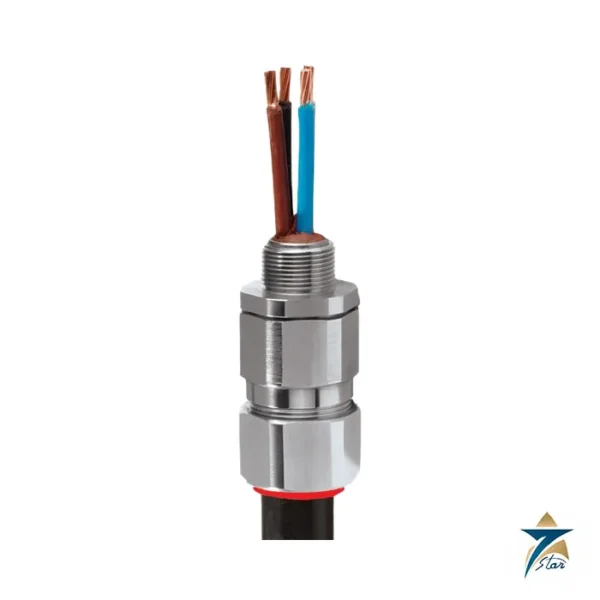
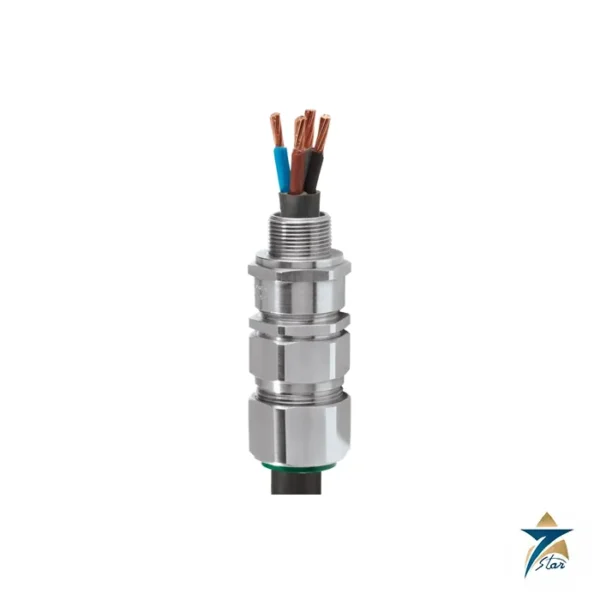
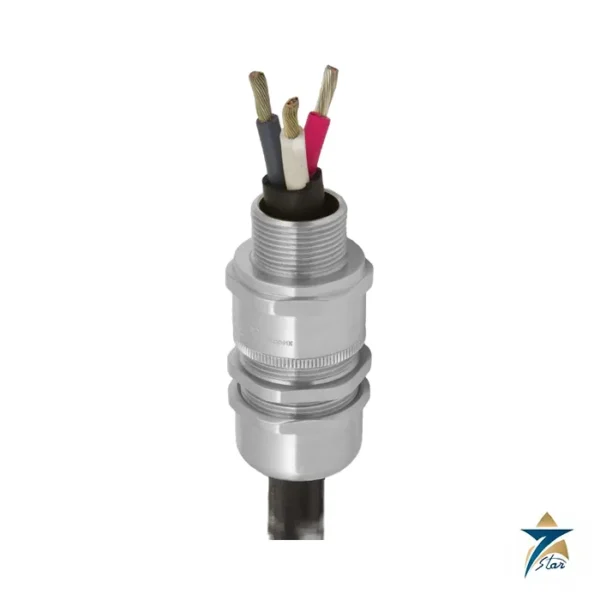
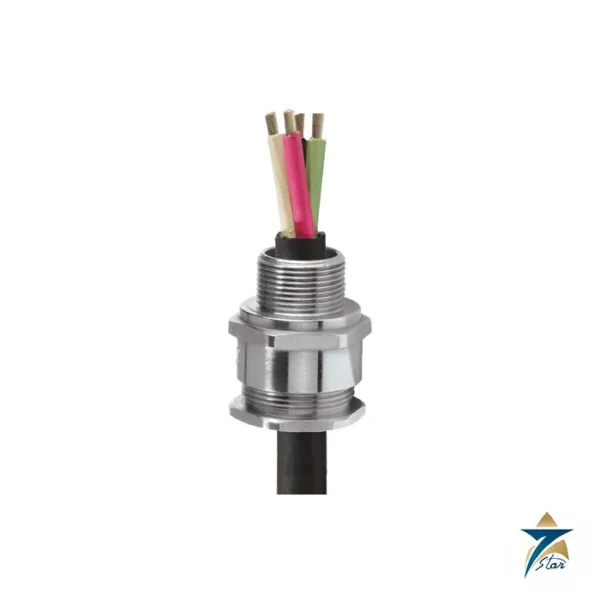
CMP T3CDS Triton Explosive Atmosphere Cable Gland
Description
Overview
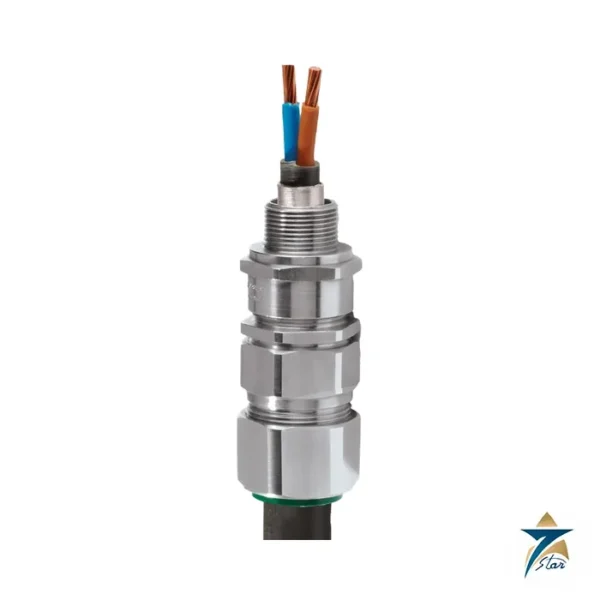
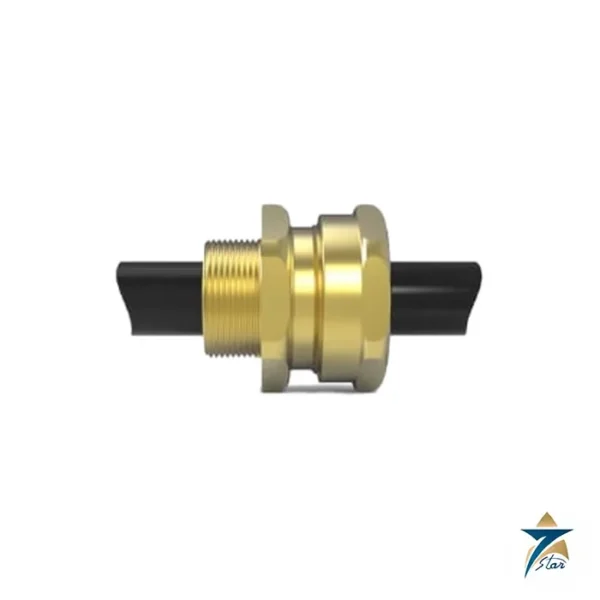
The CMP T3CDS, marketed as Triton CDS, is a double-seal explosive atmosphere cable gland for armoured and braided cables. It terminates a cable at the entry of an Ex d flameproof or Ex e increased safety enclosure, clamps the armour metal-to-metal for earth continuity, seals the inner bedding with a compensating displacement seal (CDS) and seals the outer sheath with a controlled load retention seal. CMP Products markets it as a globally approved gland, and the CMP T3CDS data sheet lists IECEx, ATEX, UKEX, cCSAus and UL certification alongside a long list of national and marine approvals.
Seven Star LLC supplies the CMP T3CDS to EPC contractors, electrical installers and plant maintenance teams in Oman and the GCC, with engineering support in Muscat. In upstream oil and gas, gas processing and petrochemical plants, a cable gland is a small item that carries a large share of the hazardous-area inspection burden, so being able to source a gland that accepts almost every armour type from one ordering code simplifies both procurement and site inspection.
Sealing Principle of the Triton CDS
The inner seal of the T3CDS is designed for the problem of cold flow: thermoplastic cable bedding slowly creeps away from a fixed compression seal over time, which can reduce the sealing force at a flameproof entry. The compensating displacement seal is built to keep its grip as the bedding relaxes, and CMP references its Technical Document TS002 on reducing the effects of cold flow. The seal is made from CMP SOLO LSF, a halogen-free thermoset elastomer, and it seals on the cable inner bedding to form the flameproof path for Ex db IIC Gb applications.
The outer seal of the CMP T3CDS grips the cable sheath to keep water, dust and deluge spray out of the gland. CMP supplies an outer seal tightening guide (OSTG) that tells the installer how many turns to apply for a given cable diameter, so the seal is neither under-compressed nor over-tightened. The design includes an integral protected deluge seal tested to DTS01:91, and the gland achieves IP66, IP67 and IP68, with IP68 tested to a minimum depth of 30 metres for 12 hours.
Engineering Design of the CMP T3CDS
The CMP T3CDS follows a fully sequential, three-step installation, and it can be installed directly into an enclosure or remotely before final connection. Armour is terminated with a reversible armour cone and the AnyWay universal clamping ring. The stepped cone (W) suits single wire armour and aluminium wire armour, while the grooved cone (X) is used for wire braid, steel tape armour and aluminium strip armour and also covers SWA, AWA or PWA when the armour falls outside the stepped-cone range. Metal-to-metal clamping is achieved regardless of cable diameter.
The CMP T3CDS is designed to BS 6121 Part 1, IEC 62444 and EN 62444, with impact Level 8 and Type D cable anchorage. Brass and stainless steel versions achieve IK10 (20 joules) to IEC 62262. Body materials are brass, electroless nickel plated brass, copper-free aluminium (below 0.4% copper) and 316 stainless steel, and the electrical classification is Category B, rising to Category A when used on braid, tape or pliable wire armour cables.
Key Features
The main engineering points of the CMP T3CDS, taken from the CMP data sheet and installation instructions, are:
- Inner compensating displacement seal on the cable bedding, designed to reduce the effects of cold flow at flameproof entries.
- Controlled outer load retention seal with the outer seal tightening guide to prevent over-tightening of the sheath seal.
- Integral protected deluge seal complying with DTS01:91 for offshore and firewater deluge zones.
- One gland family covers SWA, AWA, PWA, STA, aluminium strip armour, screened EMC braid and wire braid armour.
- Operating temperature of -60 °C to +130 °C as standard for desert, arctic and hot-equipment duties.
- Ingress protection IP66, IP67 and IP68 plus NEMA Type 4X when CMP installation accessories are used.
- Seventeen sizes from 20S16 (M20) to 130 (M130), with metric and NPT entry threads.
- Combined ordering reference that identifies size, type and material, for example 32T3CDS1RA534 for nickel plated brass 1 1/4 in NPT.
Industrial Applications
A typical CMP T3CDS installation is the termination of armoured power, control and instrument cables into Ex d motor terminal boxes, Ex e junction boxes and control stations on wellhead skids, gas compression trains, crude oil gathering stations and refinery process units. Because the same CMP T3CDS accepts both wire armour and braid, it is commonly specified on projects that mix IEC wire-armoured cable with marine braided cable, such as FPSOs, jack-up rigs, offshore platforms and coastal terminals. It sits naturally alongside Ex field devices such as the MEDC BG Ex de manual call point and the MEDC SM87 hazardous area beacon, where each cable entry needs a certified gland.
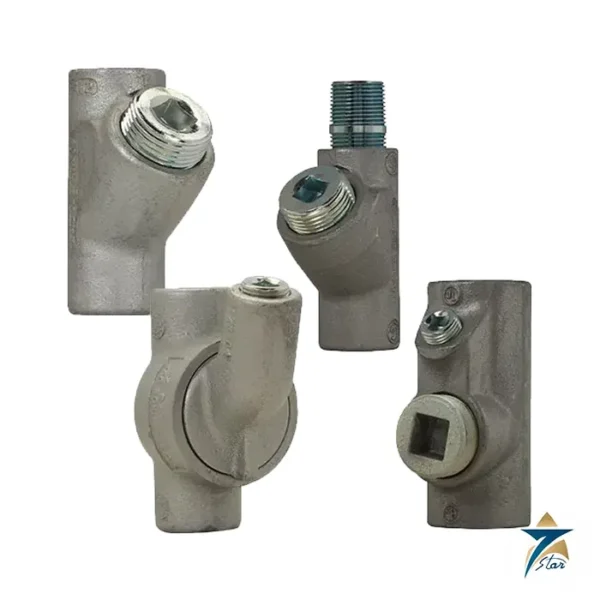
In Oman, the CMP T3CDS suits oil and gas concession areas in the interior, the Sohar and Duqm industrial zones, LNG facilities at Sur and power and desalination plants along the Batinah coast, where wide temperature swings, sand and salt-laden air put pressure on gland seals. Seven Star LLC supplies the CMP T3CDS with the matching shrouds, earth tags and locknuts, and our Muscat team can check cable dimensions against the selection table before an order is placed. Where a conduit sealing fitting is preferred to a gland, the Cooper Crouse-Hinds EYS1/EZS1 sealing fittings are also available.
Technical Specifications
The table below summarises the main data for the CMP T3CDS from CMP technical data sheet TDS440 Rev 24 (05/25). The attached document contains the full cable gland selection table and certificate numbers.
| Parameter | Specification |
|---|---|
| Model | CMP T3CDS (Triton CDS) explosive atmosphere cable gland |
| Cable types | SWA, AWA, PWA, STA, ASA, screened flexible EMC wire braid (CY/SY), wire braid armour (SWB) |
| Protection concepts (IECEx) | Ex db IIC Gb, Ex eb IIC Gb, Ex nR IIC Gc, Ex ta IIIC Da, Ex db I Mb, Ex eb I Mb |
| Certificates | IECEx CML 18.0183X; ATEX CML18ATEX1326X / CML18ATEX4318X; UKEX CML 21UKEX1258X / 4259X; cCSAus 1310517; UL E256367 |
| Design specification | BS 6121 Part 1:1989, IEC 62444, EN 62444 |
| Mechanical classification | Impact Level 8, cable anchorage Type D; IK10 (brass and stainless steel) |
| Ingress protection | IP66, IP67, IP68 (30 m for 12 hours); NEMA Type 4X; deluge DTS01:91 |
| Temperature range | -60 °C to +130 °C (standard) |
| Seals | Inner compensating displacement seal and outer load retention seal, CMP SOLO LSF halogen-free thermoset elastomer |
| Materials | Brass, electroless nickel plated brass, copper-free aluminium, 316 stainless steel |
| Sizes and threads | 20S16 to 130; M20 to M130 metric, 1/2 in to 5 in NPT |
| Overall cable diameter | 6.1 mm (size 20S16) to 123.2 mm (size 130) |
| Marine approvals | Lloyd’s Register, DNV, ABS, Bureau Veritas |
How to Order
To order the CMP T3CDS, send Seven Star LLC your cable schedule with the overall diameter, inner bedding diameter, armour type and entry thread for each circuit, and our engineers will confirm the correct size, cone and material. We supply on request and provide engineering support in Muscat, and the technical data sheet and installation instructions are attached to this page for download. Contact our electrical and instrumentation team for a formal quotation for projects in Oman and the GCC.
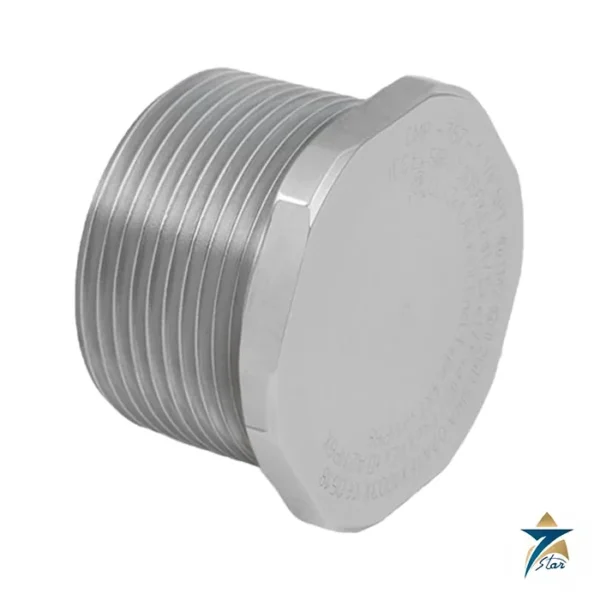
See also: CMP A2F Explosive Atmosphere Cable Gland for Unarmoured Cable.
Datasheets & Documents
Reviews (0)
How would you rate this product? Cancel reply
About brand
CMP Products is a British manufacturer of cable glands, cable cleats and accessories for industrial and hazardous areas. The CMP brand was created in 1957, when British Engines Limited began making cable terminating glands. British Engines was founded in 1922 in Newcastle upon Tyne by the brothers Harold and Charles Lamb and is still owned by the Lamb family.
Seven Star LLC sources and supplies CMP cable glands for explosive atmospheres to contractors in Oman, including the E1FW and the Triton T3CDS, among other glands and cable cleats listed on this page.
CMP Products company profile
| Founded | 1957, as the cable gland business of British Engines Limited |
|---|---|
| Parent | British Engines Limited, founded in 1922 in Newcastle upon Tyne by Harold and Charles Lamb |
| Headquarters | Cramlington, Northumberland, United Kingdom |
| Ownership | Lamb family, through the British Engines group |
| Product families | Industrial and hazardous-area cable glands for armoured and unarmoured cable (Ex d, Ex e), barrier glands, cable cleats, shrouds, earth tags and locknuts |
Milestones
- 1922: Harold and Charles Lamb found British Engines Limited in Newcastle upon Tyne.
- 1957: British Engines introduces cable terminating glands under the CMP brand.
CMP cable glands listed here
The T3CDS Triton is a gland for armored cables with a compensating displacement seal, a design that sets the inner seal correctly across the cable diameter range, and an integral deluge seal. CMP lists it as Ex db, Ex eb, Ex nR and Ex ta, with IP66, IP67 and IP68 ratings. The E1FW is the explosive atmosphere gland for steel wire armored (SWA) and aluminum wire armored (AWA) cable.
CMP Products products we list
Ordering CMP glands: what we need
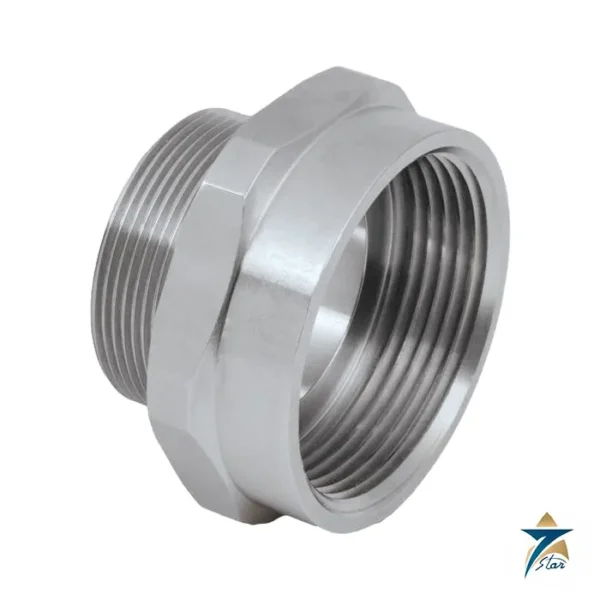
A gland is sized to the cable, so send the cable type and three dimensions: inner bedding diameter, outer sheath diameter and armor wire size. Add the entry thread and size (metric or NPT), the gland material (brass, nickel-plated brass or stainless steel) and accessories such as locknut, earth tag, sealing washer and shroud. GCC project specifications usually name the certificate required.
Facts checked against CMP Products catalogues and British Engines company information, October 2026.
FAQ
Questions about the CMP T3CDS Triton Explosive Atmosphere Cable Gland
Answers from our engineering team on installation, compatibility and integration.
01Which cable types can the CMP T3CDS terminate?
The CMP T3CDS accepts steel wire armour, aluminium wire armour, pliable wire armour, steel tape armour, aluminium strip armour, screened EMC braid and wire braid armour. The stepped cone (W) is used for SWA and AWA, while the grooved cone (X) is used for braid, tape and strip armour.
02Why does the CMP T3CDS use a compensating displacement seal?
Thermoplastic cable bedding can cold flow away from a fixed seal over time. The Triton compensating displacement seal is designed to reduce that effect, keeping the flameproof inner seal effective, as described in CMP Technical Document TS002.
03Is the CMP T3CDS suitable for offshore deluge areas?
Yes. The gland includes an integral protected deluge seal tested to DTS01:91 and is rated IP66, IP67 and IP68, with IP68 tested at 30 metres for 12 hours. Nickel plated brass or 316 stainless steel bodies are recommended for offshore and coastal sites.
04What information is needed to select the right CMP T3CDS size?
You need the inner bedding diameter, the overall cable diameter, the armour type and thickness, and the entry thread of the enclosure. These values are checked against the selection table in the CMP data sheet, which runs from size 20S16 (M20) to 130 (M130).
05Does Seven Star LLC supply the CMP T3CDS in Oman?
Yes. Seven Star LLC supplies the CMP T3CDS and its accessories to projects in Oman and the GCC, with engineering support in Muscat. Our team can check your cable data against the CMP selection table before quotation.


Reviews
There are no reviews yet.