- Automation & ControlView all 3,060 products
- Automation Accessories
- AC Drives
- PLC & I/O Cards
- Industrial Communications
- Vibration Monitoring
- Isolator & Barrier
- Controllers & Data Acquisition
- Safety Switches & Guard Locking
- Motor Soft Starters
- Encoders
- CCTV & Security
- Pneumatic Cylinders
- HMI Displays
- Servo Drives
- Industrial Computers
- Machine Vision
- Automation Software
- Robotics
Brand: CMP Products
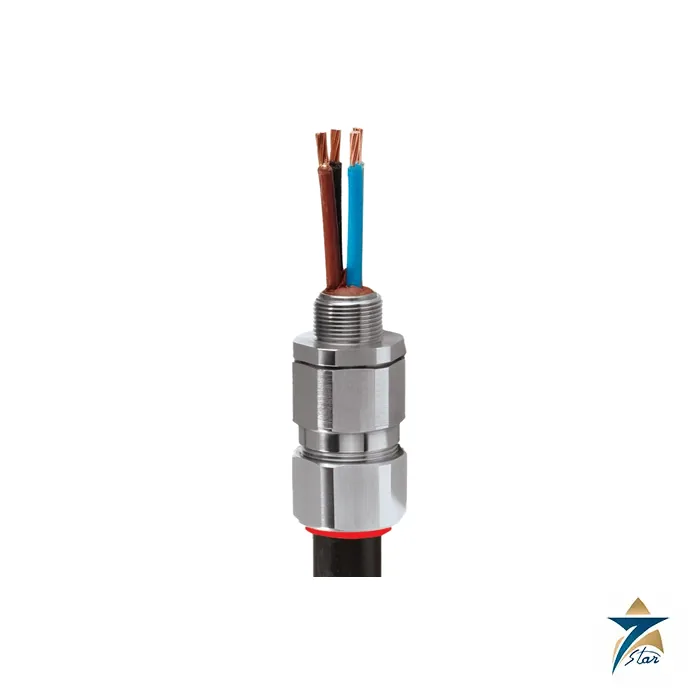
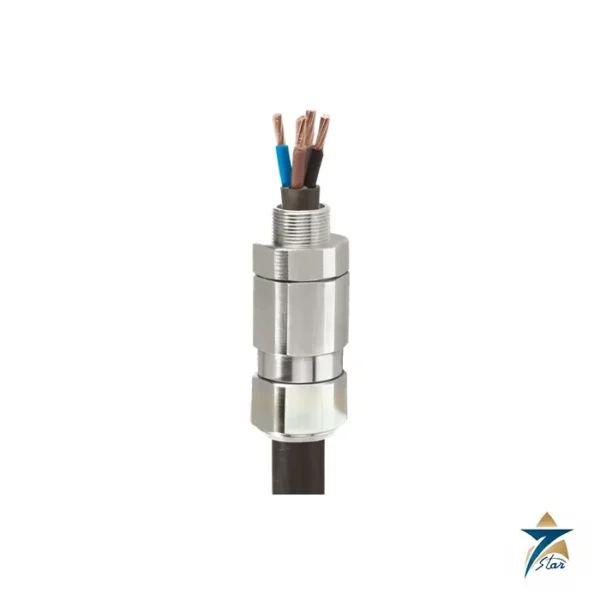
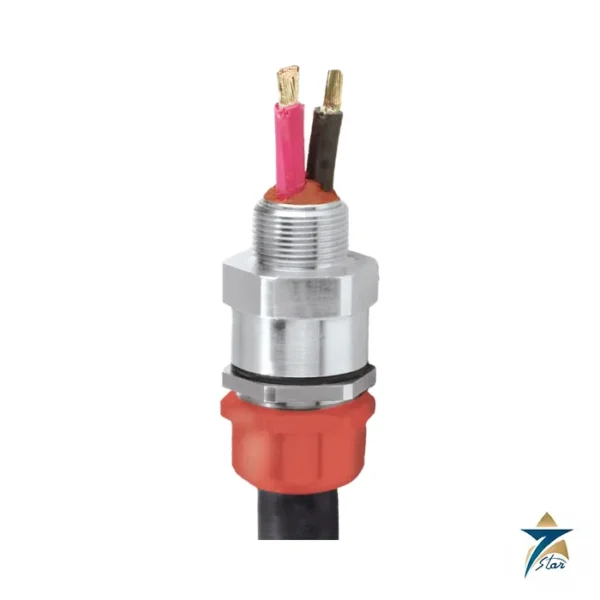
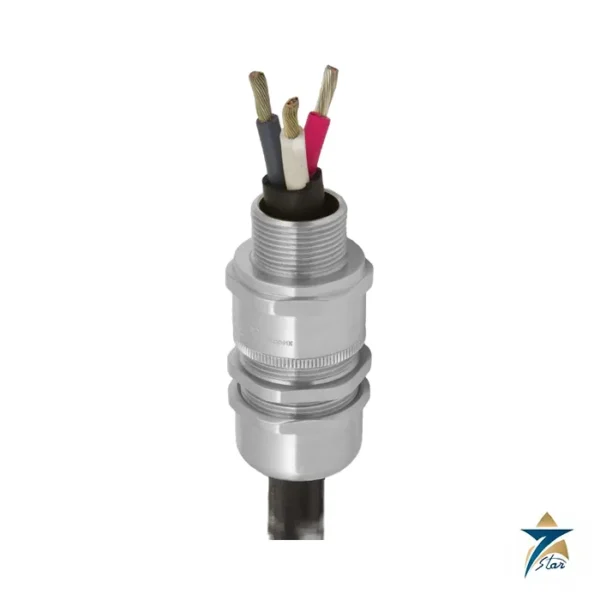
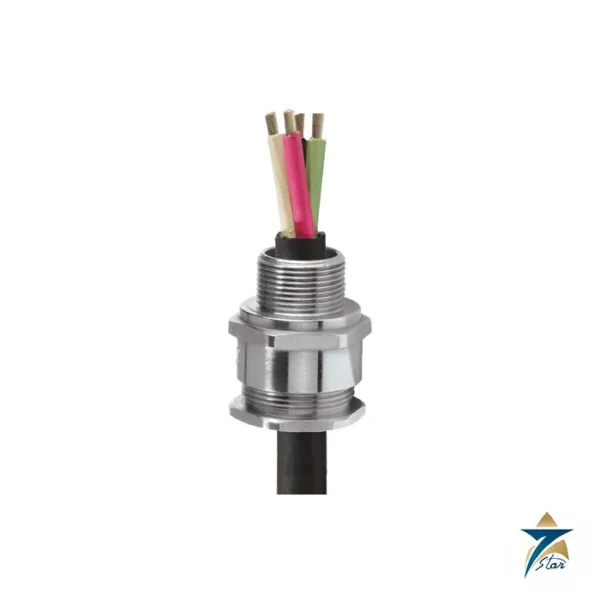
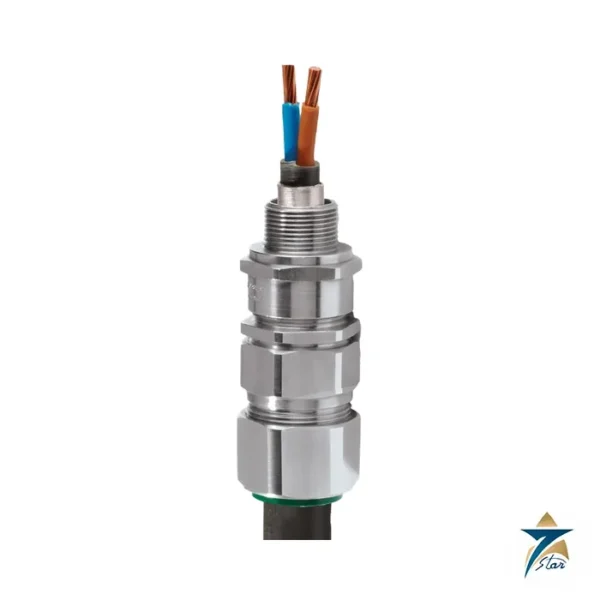
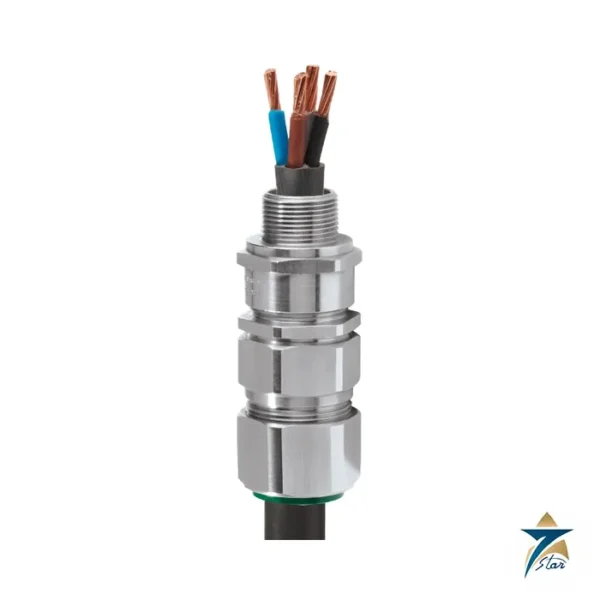
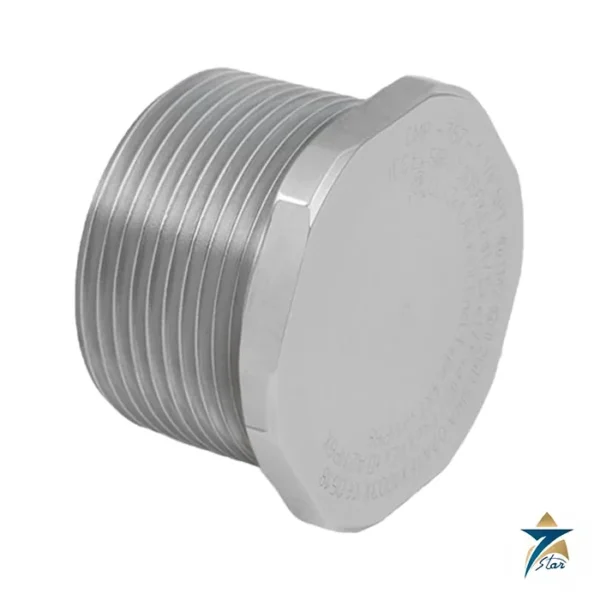
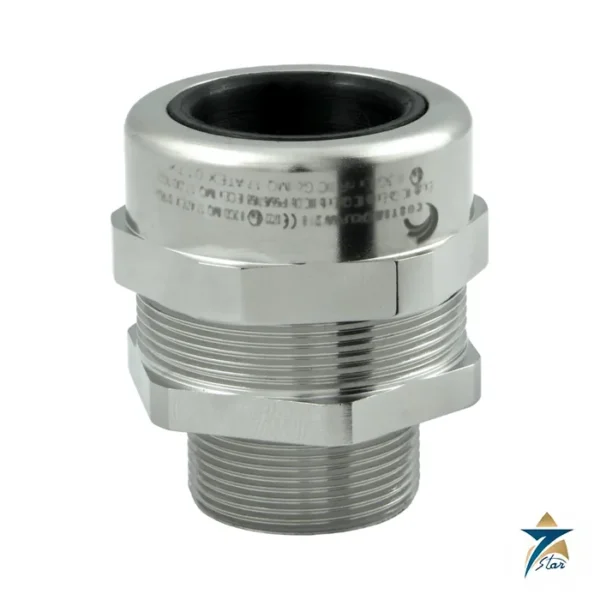
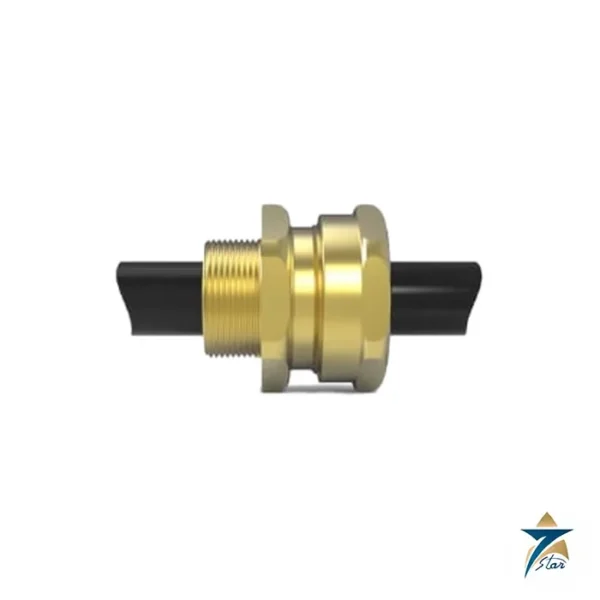
CMP PX2K Explosive Atmosphere Barrier Cable Gland
Description
Overview
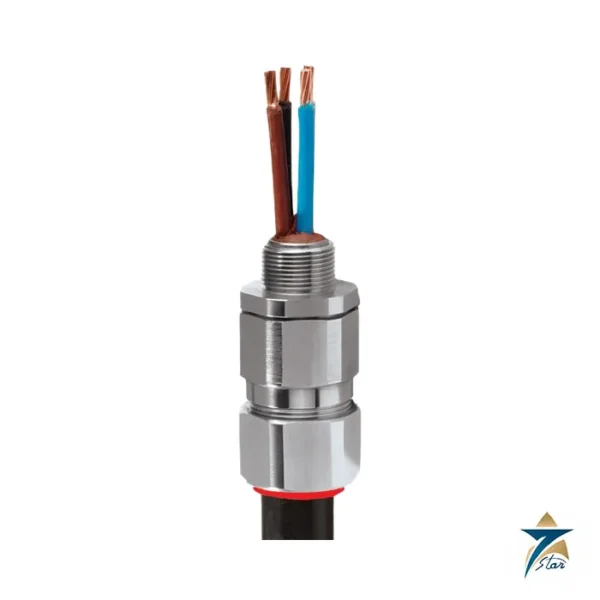
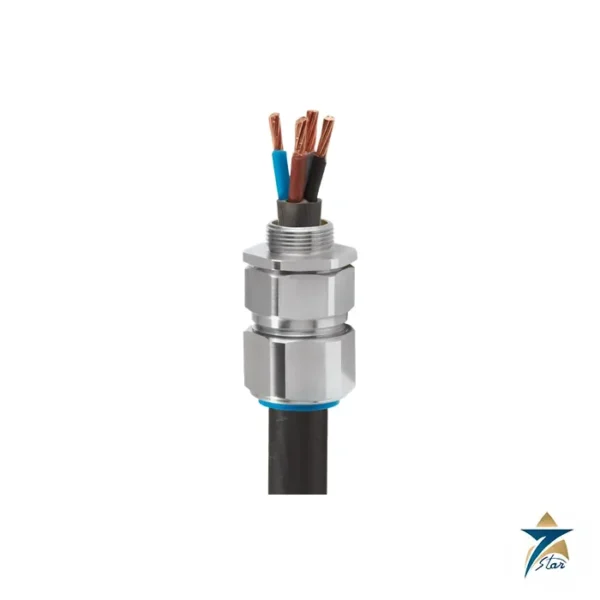
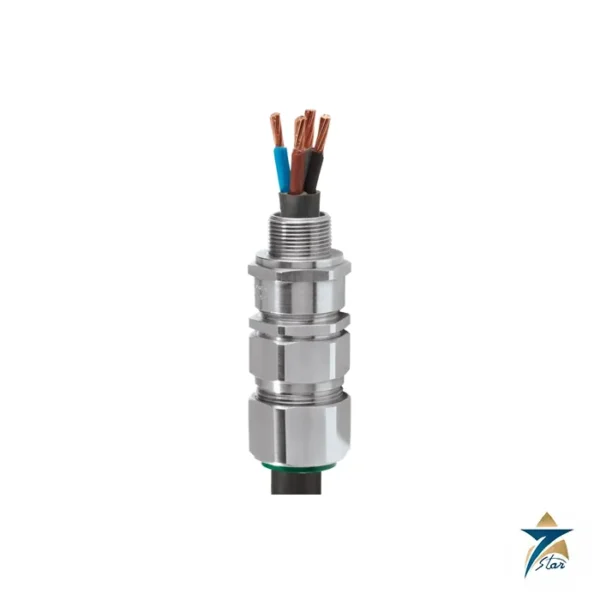
The CMP PX2K is a barrier cable gland for explosive atmospheres. Instead of compressing a rubber seal onto the cable bedding, it seals the cable with a two-part epoxy compound that is packed between and around the individual cores after the inner sheath has been removed. Once cured, the compound forms a solid flameproof barrier inside the gland, so gas cannot travel through the interstices of the cable and the seal is not affected by cold flow of the bedding. The CMP PX2K terminates all common armour types and is certified for Ex db IIC Gb, Ex eb IIC Gb, Ex nR IIC Gc and Ex ta IIIC Da, as well as for Class I, Division 1 under UL and cCSAus.
Seven Star LLC supplies the CMP PX2K and its compound kits to hazardous-area projects in Oman and the GCC, with engineering support in Muscat. Barrier glands are usually specified where the installation standard leaves no choice: Ex d enclosures containing an ignition source in Zone 1, larger flameproof enclosures in Group IIC, and cables whose construction is not compact and filled enough to rely on a compression seal alone.
Barrier Sealing Principle
IEC 60079-14 sets out when a compression-sealed gland is acceptable at a flameproof entry and when a barrier seal is required, taking account of the gas group, the enclosure volume, the presence of an internal ignition source and the cable construction. The CMP PX2K is the answer to the cases that call for a barrier. During installation, the cores are separated, compound is pressed into the crutch of the cable and packed between the cores, and the compound tube is then filled until it seats against the armour cone. The cured epoxy blocks the path between the conductors, which is something a seal on the outside of the bedding cannot do.
The compound must be left undisturbed and cured for 24 hours at a temperature of not less than 10 °C before the equipment is energised in a flammable atmosphere, according to the CMP installation instructions. Outside the barrier, the gland uses a CMP outer seal on the cable sheath, made from CMP SOLO LSF halogen-free thermoset elastomer, with an integral protected deluge seal and an outer seal tightening guide that sets the correct number of turns for the cable diameter.
Engineering Design of the CMP PX2K
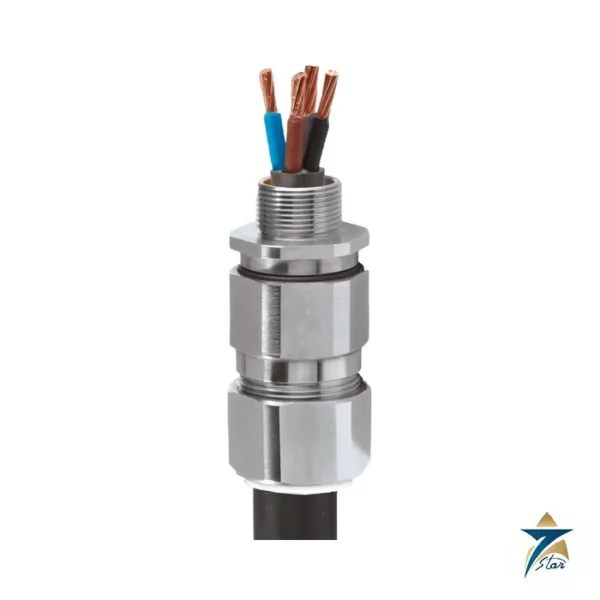
The CMP PX2K grips the armour metal-to-metal between a detachable compound tube and cone and the AnyWay universal clamping ring, giving a robust earth path and good EMC performance on screened cables. Two cone profiles are used: the stepped cone (W) for single wire armour and aluminium wire armour, and the grooved cone (X) for wire braid, steel tape armour and aluminium strip armour. The gland can be installed directly into the enclosure or remotely and then fitted.
Mechanical data follows BS 6121 Part 1, IEC 62444 and EN 62444 with impact Level 8 and Type D cable anchorage, and IK10 (20 joules) for brass and stainless steel. The electrical classification is Category B, or Category A when terminating braid, tape or pliable wire armour. Bodies are available in brass, electroless nickel plated brass, 316 stainless steel and copper-free aluminium, and the CMP PX2K is rated from -60 °C to +85 °C, a lower upper limit than the +130 °C rating of the CMP compression-seal types.
Key Features
Engineers usually choose the CMP PX2K for the following reasons:
- Epoxy compound barrier seals around the individual cores and eliminates any risk of cold flow at the flameproof joint.
- Suitable for SWA, AWA, PWA, STA, aluminium strip armour, wire braid armour and screened EMC braided cables.
- Certified Ex db IIC Gb and Ex eb IIC Gb under IECEx, ATEX and UKEX, with Ex nR IIC Gc and Ex ta IIIC Da.
- cULus and cCSAus certification for Class I, Division 1 and 2, Groups A, B, C and D.
- IP66, IP67 and IP68 ingress protection with DTS01:91 deluge compliance.
- Controlled outer load retention seal and outer seal tightening guide to prevent over-tightening.
- Fifteen sizes from 20S16 to 100, covering up to 200 cores in the largest size.
- Materials include 316 stainless steel for offshore and corrosive coastal installations.
Industrial Applications
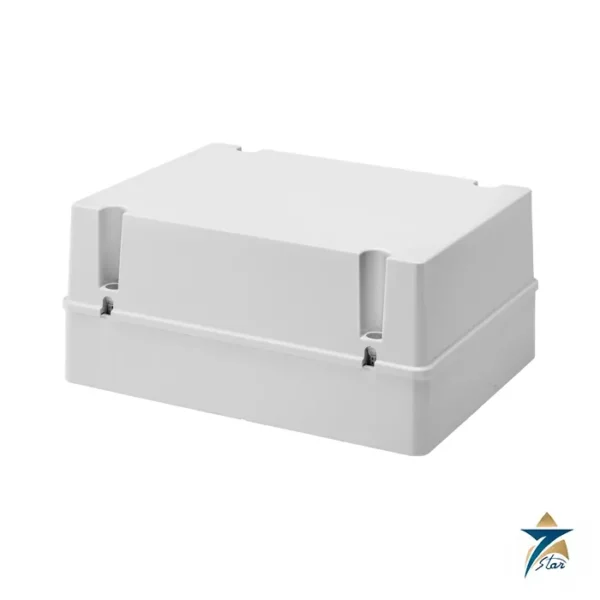
Typical uses of the CMP PX2K include cable entries into Ex d motor starters, flameproof switch and control stations, Ex d lighting and junction boxes with internal terminals or switching devices, analyser shelters and skid-mounted packages for gas compression, separation and metering. It also appears on equipment such as the MEDC DB3 explosion-proof alarm sounder and actuators like the AUMA SAEx explosion-proof actuator, where the project specification calls for barrier glands on all Ex d entries regardless of enclosure size.
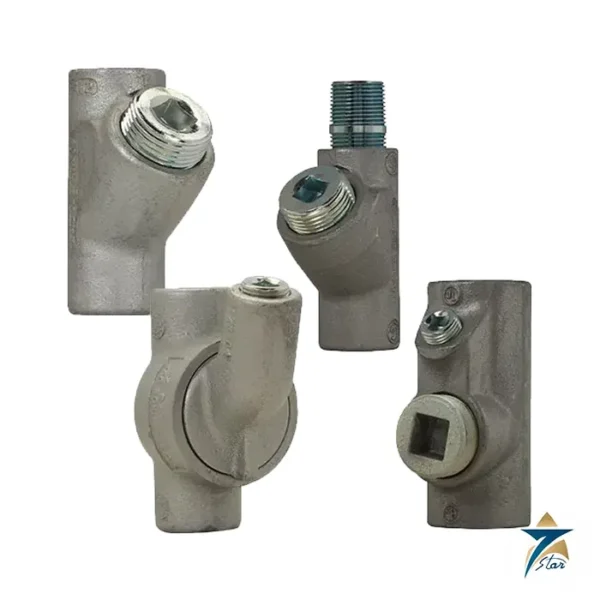
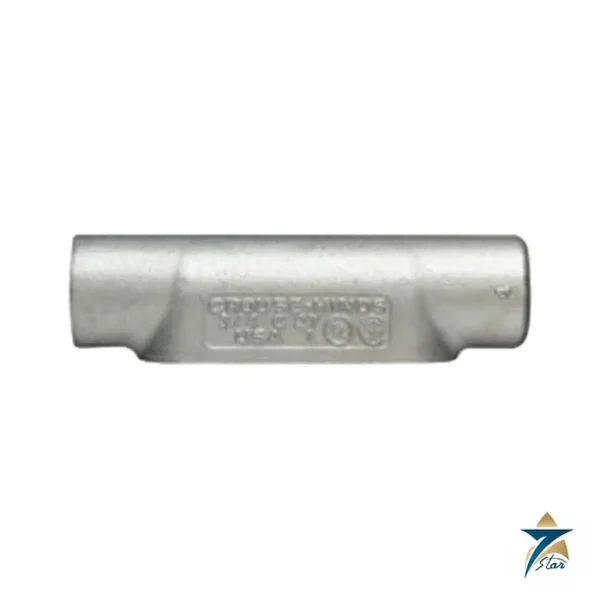
In Oman, sour gas fields, gas processing plants, LNG trains and refineries frequently write barrier glands into their electrical specifications for Zone 1 areas, and the CMP PX2K is a familiar choice for those packages. Seven Star LLC supplies the CMP PX2K with compound kits, shrouds, earth tags and locknuts, and our engineers in Muscat can check core counts and diameters against the selection table so the correct size is supplied the first time. For conduit systems, the Cooper Crouse-Hinds EYS1/EZS1 sealing fittings offer the equivalent barrier function.
Technical Specifications
The data for the CMP PX2K below is taken from CMP technical data sheet TDS502 Rev 18 (07/25). The full selection table, including the maximum number of cores per size, is in the attached document.
| Parameter | Specification |
|---|---|
| Model | CMP PX2K explosive atmosphere compound barrier cable gland |
| Cable types | SWA, AWA, wire braid armour (SWB), screened EMC braid (CY/SY), PWA, STA, strip armour (ASA) |
| Protection concepts (IECEx) | Ex db IIC Gb, Ex eb IIC Gb, Ex nR IIC Gc, Ex ta IIIC Da, Ex db I Mb, Ex eb I Mb |
| Certificates | IECEx CML 18.0182X; ATEX CML18ATEX1325X / CML18ATEX4317X; UKEX CML 21UKEX1214X / 4215X; cCSAus 2288626; cULus E161256, E201187 |
| North American rating | Class I, Div 1 and 2, Groups A, B, C and D; Class I, Zone 1 AEx d IIC Gb, AEx e IIC Gb |
| Ingress protection | IP66, IP67, IP68 (30 m for 12 hours); deluge DTS01:91 |
| Temperature range | -60 °C to +85 °C |
| Seals | Inner epoxy compound barrier; outer seal in CMP SOLO LSF halogen-free thermoset elastomer |
| Materials | Brass, electroless nickel plated brass, 316 stainless steel, copper-free aluminium |
| Sizes and threads | 20S16 to 100; M20 to M100 metric, 1/2 in to 4 in NPT |
| Maximum cores | 21 (size 20S16) to 200 (size 100) |
| Overall cable diameter | 6.1 mm to 101.4 mm across the range |
| Compound curing | 24 hours at not less than 10 °C before energising |
How to Order
To request a quotation for the CMP PX2K, send Seven Star LLC the cable type, number of cores, conductor size, bedding and overall diameters and the enclosure entry thread. We supply on request with engineering support in Muscat, and the data sheet and compound gland installation instructions are available for download on this page. Contact our team for barrier gland packages for projects in Oman and the GCC.
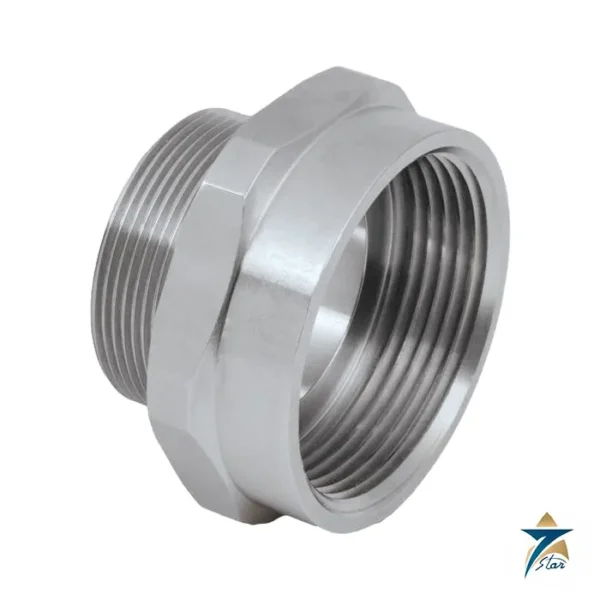
See also: CMP PXSS2K Double Seal Barrier Cable Gland for Unarmoured Cable; CMP 737 Thread Adaptors and Reducers for Explosive Atmospheres.
Datasheets & Documents
Reviews (0)
How would you rate this product? Cancel reply
About brand
CMP Products is a British manufacturer of cable glands, cable cleats and accessories for industrial and hazardous areas. The CMP brand was created in 1957, when British Engines Limited began making cable terminating glands. British Engines was founded in 1922 in Newcastle upon Tyne by the brothers Harold and Charles Lamb and is still owned by the Lamb family.
Seven Star LLC sources and supplies CMP cable glands for explosive atmospheres to contractors in Oman, including the E1FW and the Triton T3CDS, among other glands and cable cleats listed on this page.
CMP Products company profile
| Founded | 1957, as the cable gland business of British Engines Limited |
|---|---|
| Parent | British Engines Limited, founded in 1922 in Newcastle upon Tyne by Harold and Charles Lamb |
| Headquarters | Cramlington, Northumberland, United Kingdom |
| Ownership | Lamb family, through the British Engines group |
| Product families | Industrial and hazardous-area cable glands for armoured and unarmoured cable (Ex d, Ex e), barrier glands, cable cleats, shrouds, earth tags and locknuts |
Milestones
- 1922: Harold and Charles Lamb found British Engines Limited in Newcastle upon Tyne.
- 1957: British Engines introduces cable terminating glands under the CMP brand.
CMP cable glands listed here
The T3CDS Triton is a gland for armored cables with a compensating displacement seal, a design that sets the inner seal correctly across the cable diameter range, and an integral deluge seal. CMP lists it as Ex db, Ex eb, Ex nR and Ex ta, with IP66, IP67 and IP68 ratings. The E1FW is the explosive atmosphere gland for steel wire armored (SWA) and aluminum wire armored (AWA) cable.
CMP Products products we list
Ordering CMP glands: what we need
A gland is sized to the cable, so send the cable type and three dimensions: inner bedding diameter, outer sheath diameter and armor wire size. Add the entry thread and size (metric or NPT), the gland material (brass, nickel-plated brass or stainless steel) and accessories such as locknut, earth tag, sealing washer and shroud. GCC project specifications usually name the certificate required.
Facts checked against CMP Products catalogues and British Engines company information, October 2026.
FAQ
Questions about the CMP PX2K Explosive Atmosphere Barrier Cable Gland
Answers from our engineering team on installation, compatibility and integration.
01When is a barrier gland such as the CMP PX2K required instead of a compression gland?
IEC 60079-14 requires a barrier seal at certain Ex d entries, depending on the gas group, enclosure volume, whether the enclosure contains an ignition source and the cable construction. Many oil and gas specifications also mandate barrier glands on all Ex d entries in Zone 1. The CMP PX2K is designed for these cases.
02How long does the CMP PX2K compound take to cure?
According to the CMP installation instructions, the compound must be left undisturbed and cured for 24 hours at a temperature of not less than 10 degrees C before the equipment is operated in a flammable atmosphere.
03What temperature range does the CMP PX2K cover?
The data sheet rates the CMP PX2K from -60 to +85 degrees C. The compression-seal CMP types such as the T3CDS and E1FW are rated to +130 degrees C, so the operating temperature at the entry should be checked when selecting a barrier gland.
04Is the CMP PX2K approved for North American Class I Division 1 locations?
Yes. The data sheet lists cULus and cCSAus certification for Class I, Division 1 and 2, Groups A, B, C and D, as well as Class I, Zone 1 AEx d and AEx e ratings, where the cable is permitted by NEC or CEC.
05Can Seven Star LLC supply PX2K glands with compound kits in Oman?
Yes. Seven Star LLC supplies the CMP PX2K with compound, shrouds, earth tags and locknuts to projects in Oman and the GCC, with engineering support in Muscat.


Reviews
There are no reviews yet.