

- Automation & ControlView all 2,894 products
- Automation Accessories
- AC Drives
- PLC & I/O Cards
- Industrial Communications
- Vibration Monitoring
- Controllers & Data Acquisition
- Isolator & Barrier
- Safety Switches & Guard Locking
- Motor Soft Starters
- CCTV & Security
- Encoders
- Pneumatic Cylinders
- HMI Displays
- Servo Drives
- Industrial Computers
- Machine Vision
- Automation Software
- Robotics
















Automation & Control
Encoders
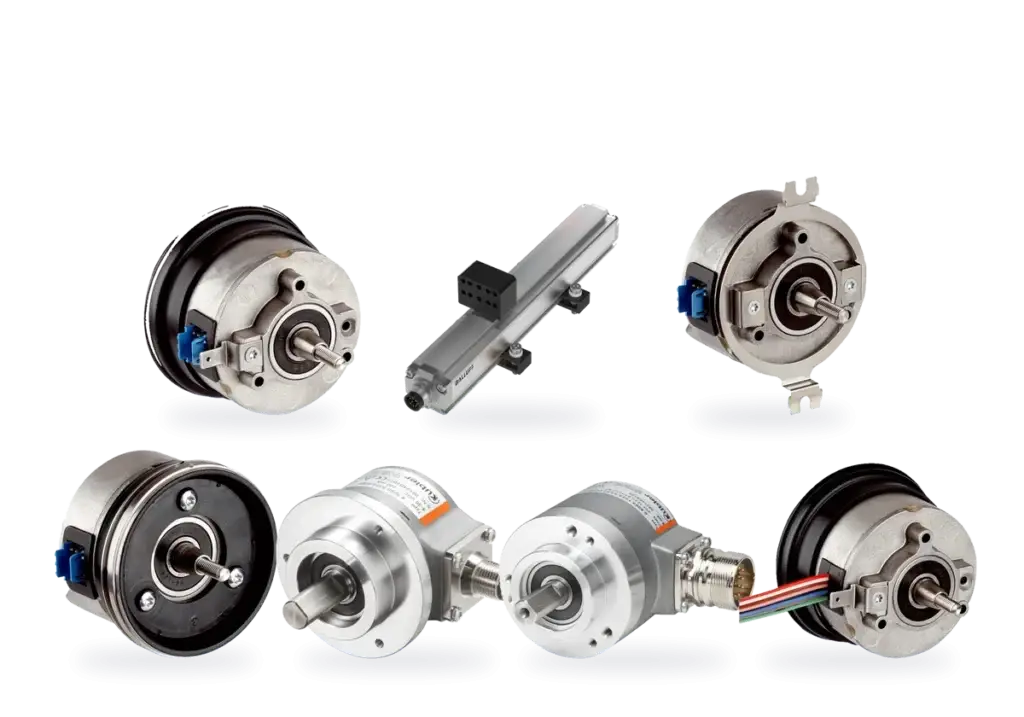
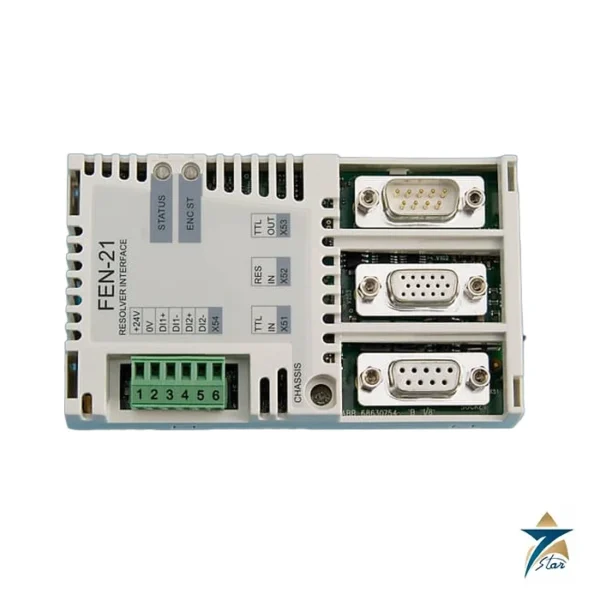
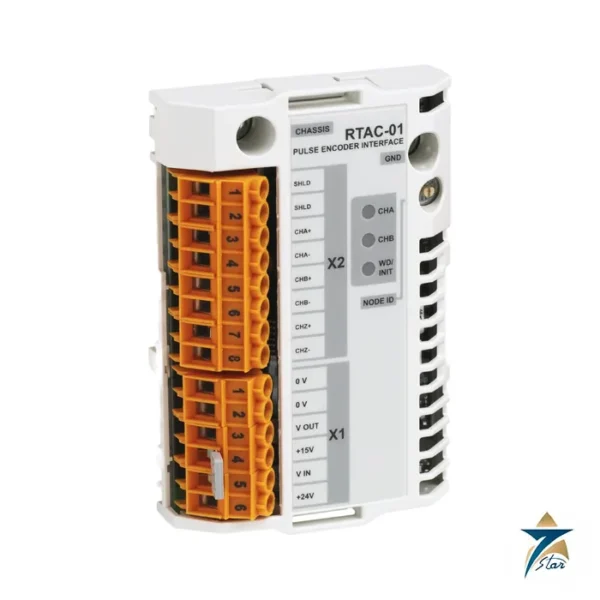
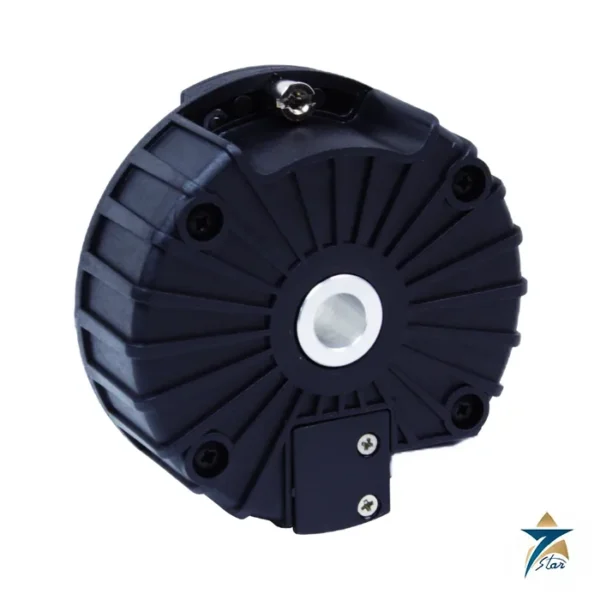
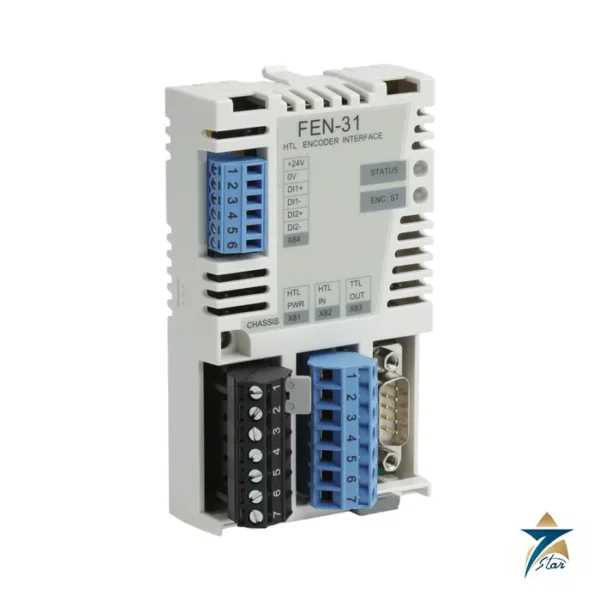
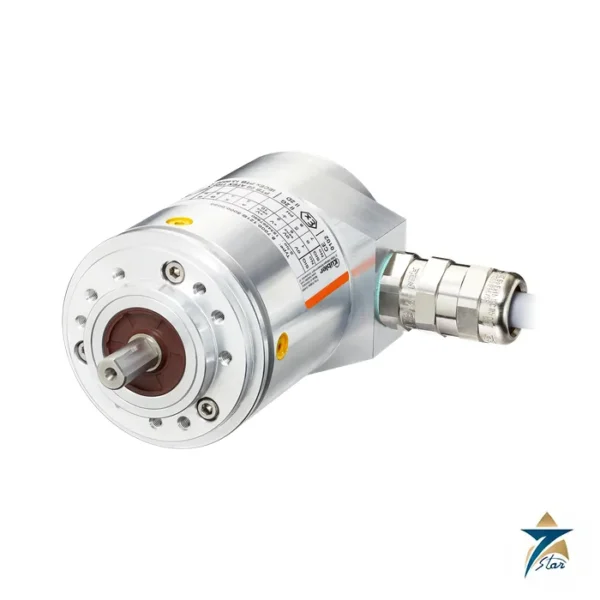
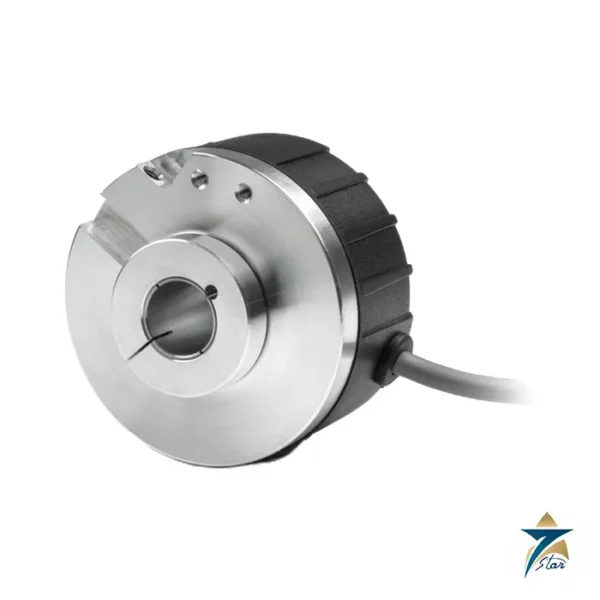
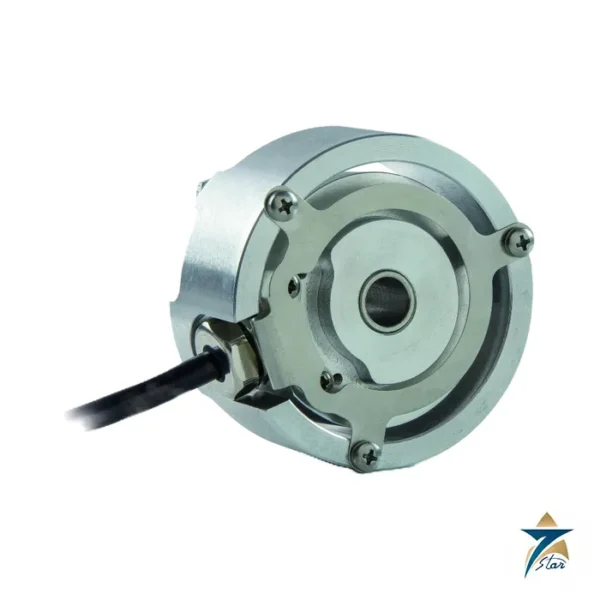
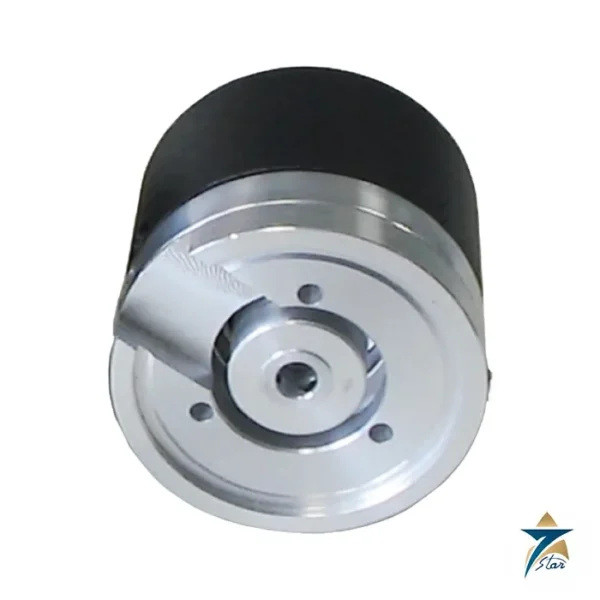
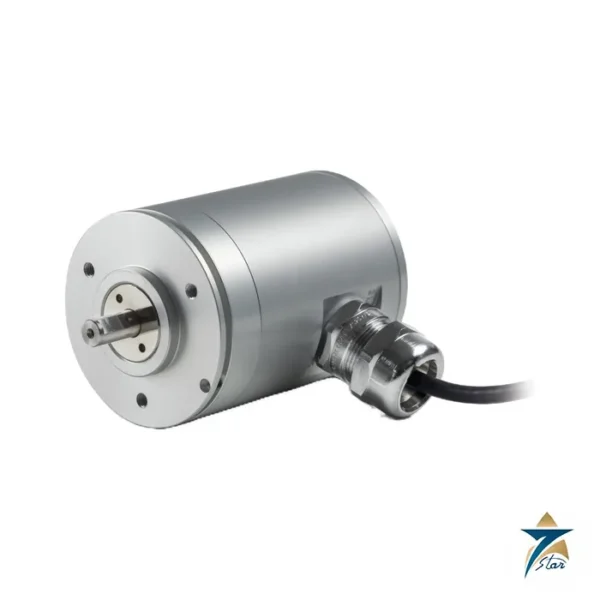
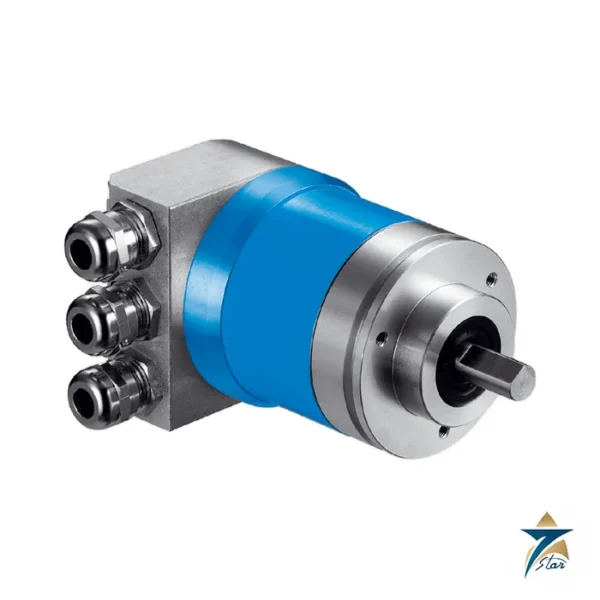
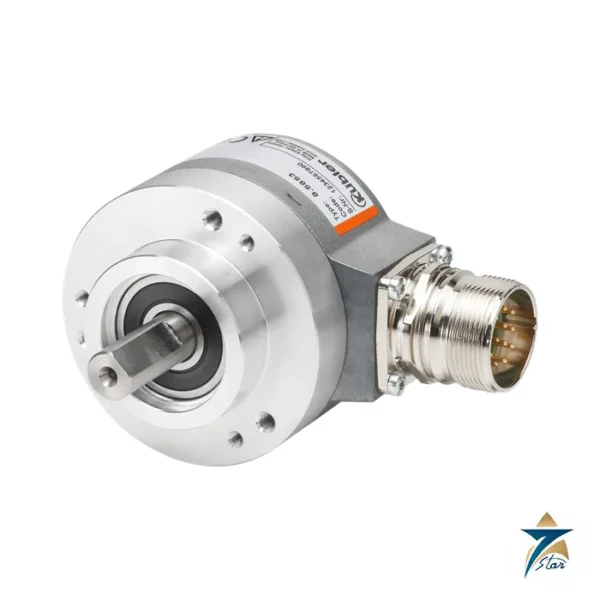
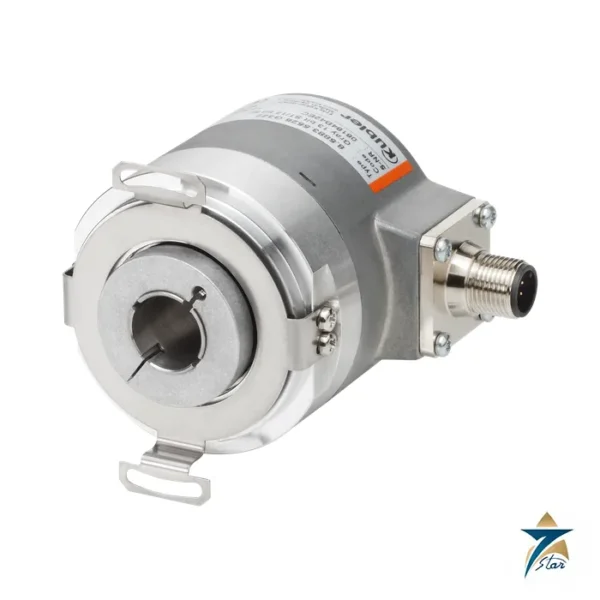
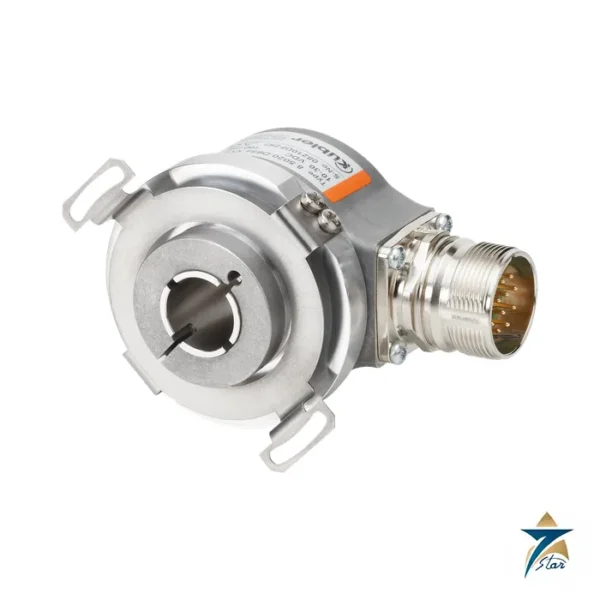
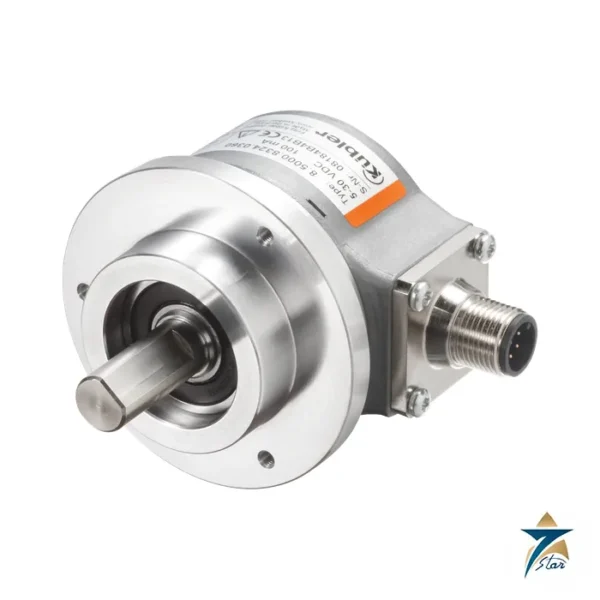
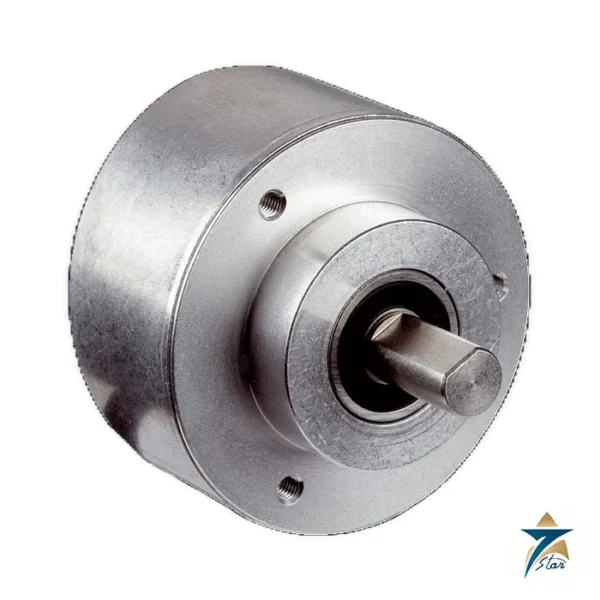
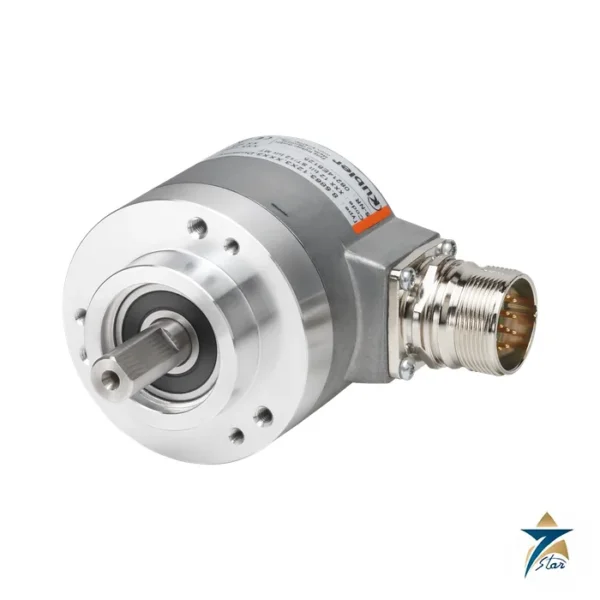
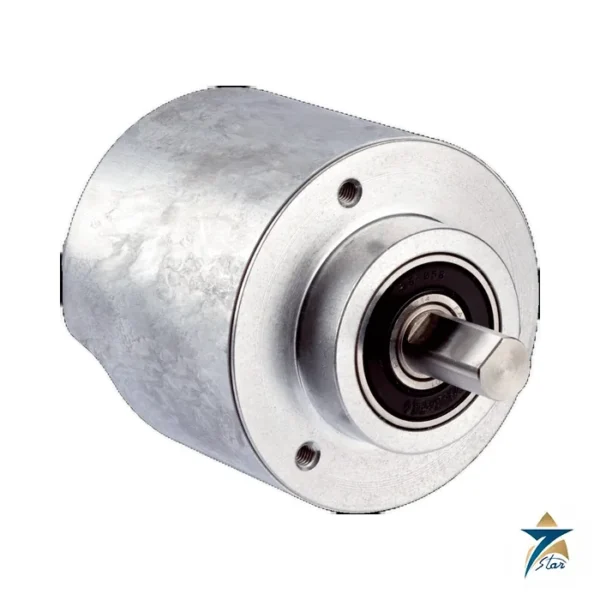
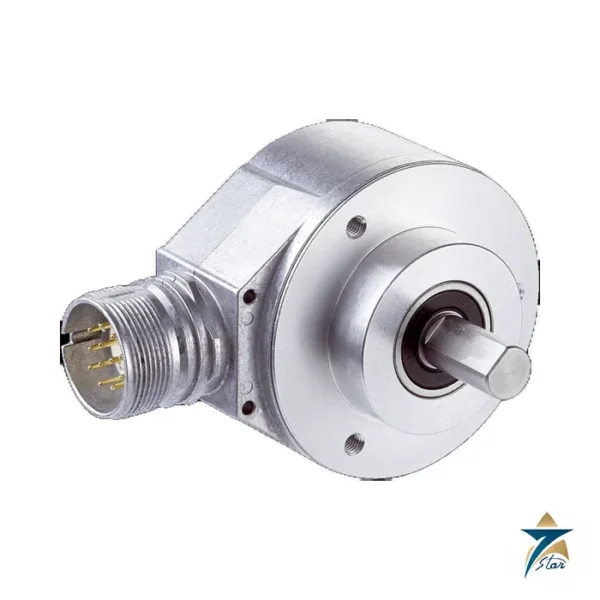
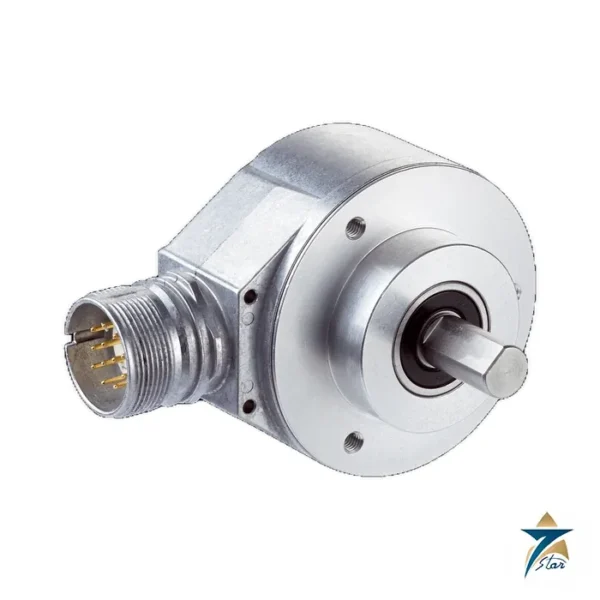
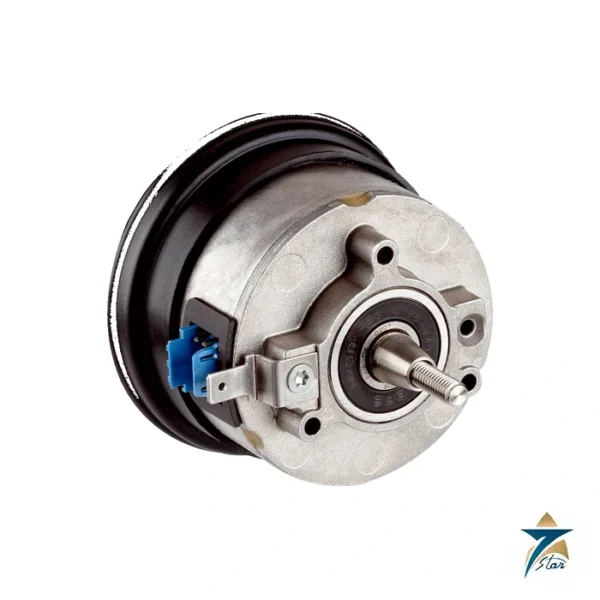
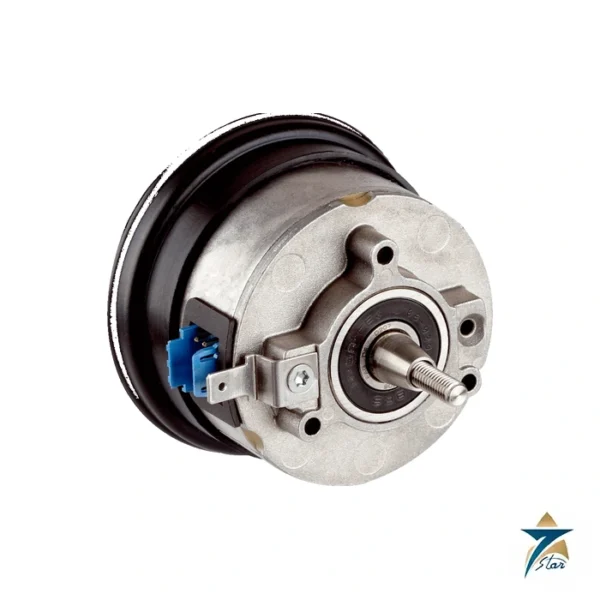
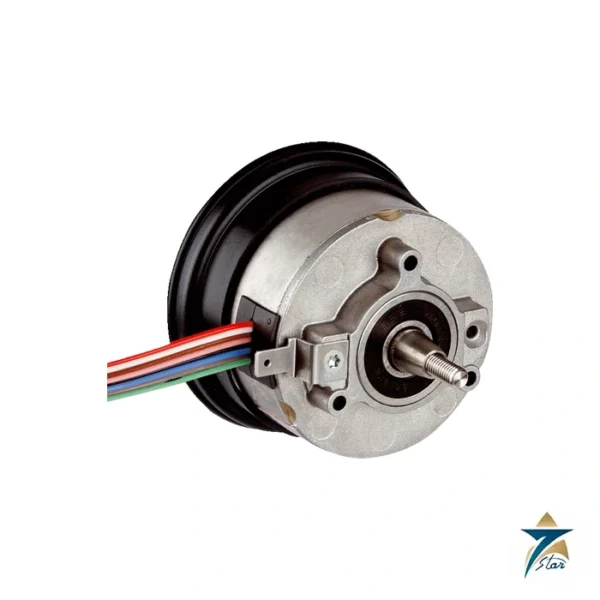
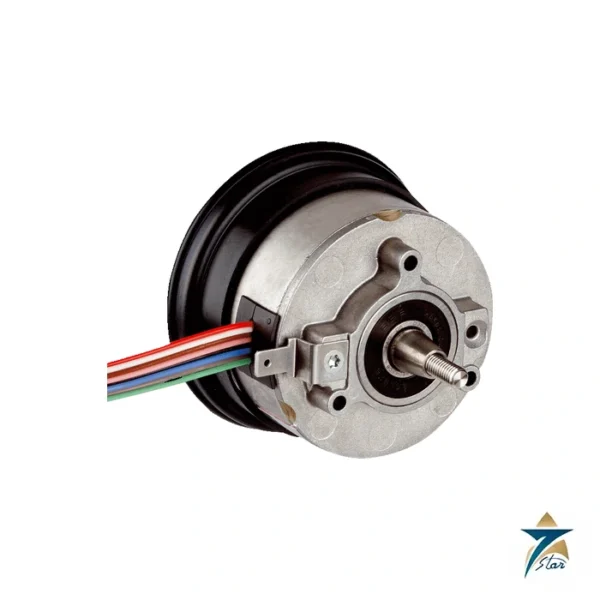
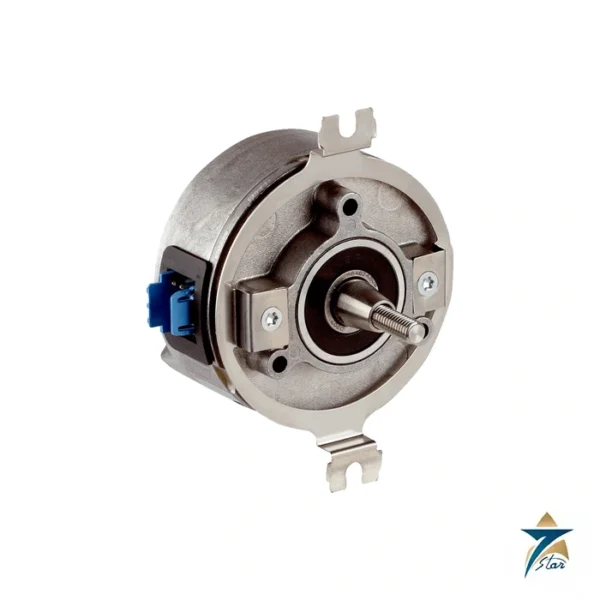
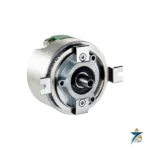
Encoders and position sensors convert mechanical movement into an electrical signal that a drive, PLC or controller can use. At Seven Star LLC in Oman this category lists SICK absolute and incremental encoders and motor feedback systems, an Autonics incremental rotary encoder, a Balluff Micropulse magnetostrictive linear position sensor and an HB Products linear short-stroke position transmitter in an Ex version. The range is growing, and other encoder models can be sourced on request.
Read the full category guide- 55 products
- 10 brands
Category guide
About Encoders
Encoders and position sensors convert mechanical movement into an electrical signal that a drive, PLC or controller can use. At Seven Star LLC in Oman this category lists SICK absolute and incremental encoders and motor feedback systems, an Autonics incremental rotary encoder, a Balluff Micropulse magnetostrictive linear position sensor and an HB Products linear short-stroke position transmitter in an Ex version. The range is growing, and other encoder models can be sourced on request.
Rotary encoders and linear position sensors
An incremental rotary encoder outputs a fixed number of pulses per shaft revolution, usually on two channels shifted by 90 degrees so the controller can read direction, plus a reference pulse once per turn. It is the usual choice for speed feedback and length measurement. An absolute encoder reports a unique position value and keeps it through a power loss. Magnetostrictive linear sensors measure the position of a magnet along a rod or profile without contact, which is why they are common inside hydraulic cylinders and on presses, gates and valve actuators. Short-stroke position transmitters give a continuous signal over a short travel, typically for valve stem or actuator position.
Data needed to quote an encoder
For a rotary encoder send the shaft type and diameter, flange, resolution in pulses per revolution, output circuit (line driver, push-pull or open collector), supply voltage and connection type. For a linear sensor send the stroke length, output signal, mounting style and, for use in the GCC oil and gas sector, the required Ex marking.
What to include in your inquiry
These details let us quote the right item the first time.
- Full part number or order code
- Hardware and firmware revision, when replacing a part
- Control system or PLC family it must work with
- New installation or replacement of an obsolete part
- Quantity and required delivery date
Missing some of them? Send what you have. A nameplate photo or an old part number is enough to start.
Brands in Encoders
All brands →









Related categories
- Automation Accessories845
- AC Drives377
- PLC & I/O Cards335
- Industrial Communications297
- Vibration Monitoring252
- Controllers & Data Acquisition185
- Isolator & Barrier165
- Safety Switches & Guard Locking63
- Motor Soft Starters60
- CCTV & Security56
- Pneumatic Cylinders54
- HMI Displays45
- Servo Drives44
- Industrial Computers31
- Machine Vision12
- Automation Software9
Most viewed in Encoders
Guides and articles
All articles → Absolute vs Incremental Encoder: Single-Turn, Multi-Turn, SSI, BiSS, EnDat and Resolution Explained
 Servo vs Stepper Motors: Servo Drive Basics, Feedback, Tuning and Sizing Inertia for Motion Control
 Linear Guide Selection and Ball Screw Sizing: Preload, Accuracy Classes, Life Calculation and Lubrication