- Automation & ControlView all 3,044 products
- Automation Accessories
- AC Drives
- PLC & I/O Cards
- Industrial Communications
- Vibration Monitoring
- Isolator & Barrier
- Controllers & Data Acquisition
- Safety Switches & Guard Locking
- Motor Soft Starters
- Encoders
- CCTV & Security
- Pneumatic Cylinders
- HMI Displays
- Servo Drives
- Industrial Computers
- Machine Vision
- Automation Software
- Robotics
Brand: Moore Industries
Moore Industries TRY/PRG/4-20MA/10-30DC/-ISF [LH2MSP] Transmitter
Description
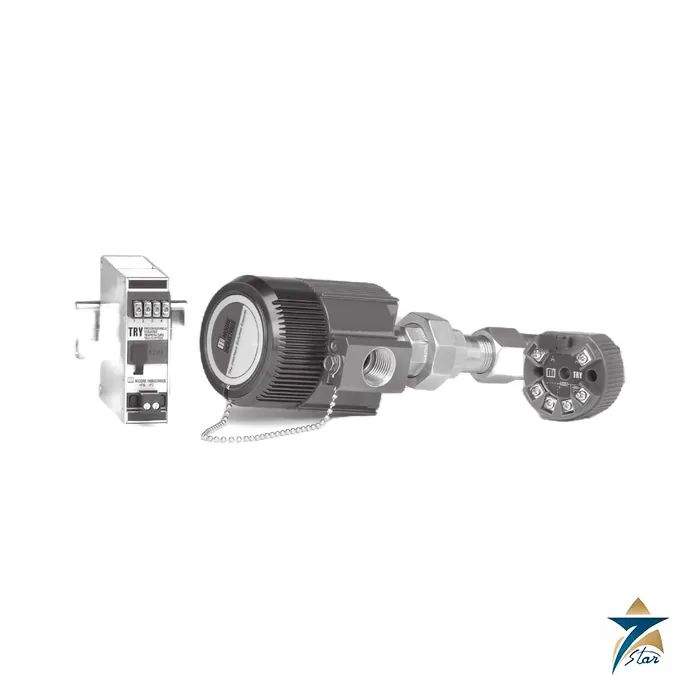
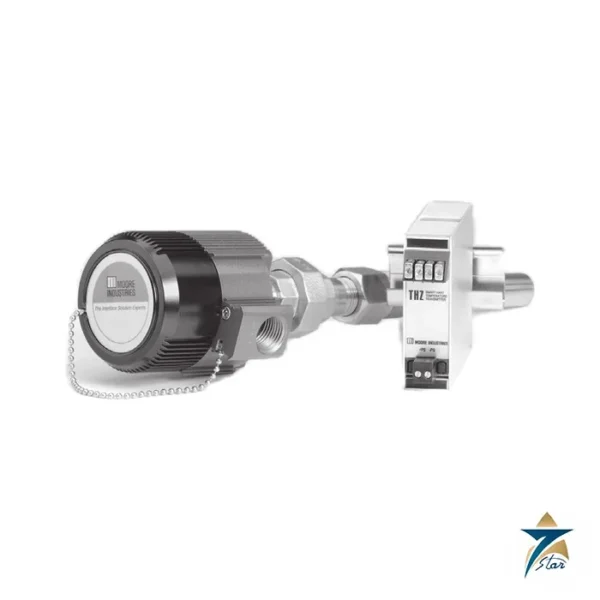
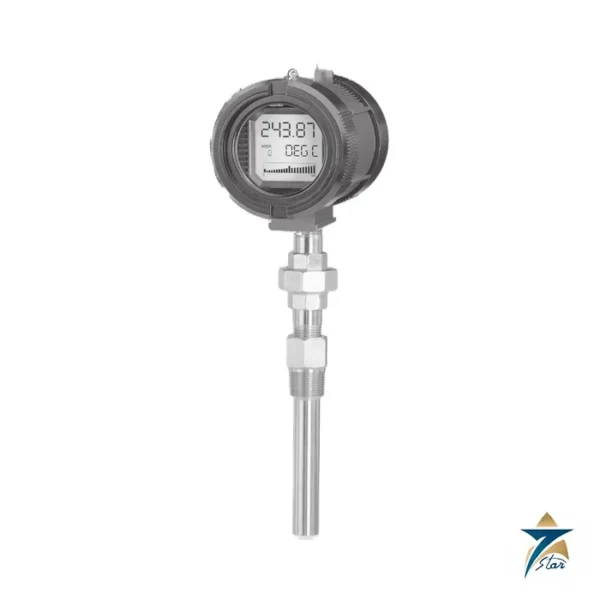
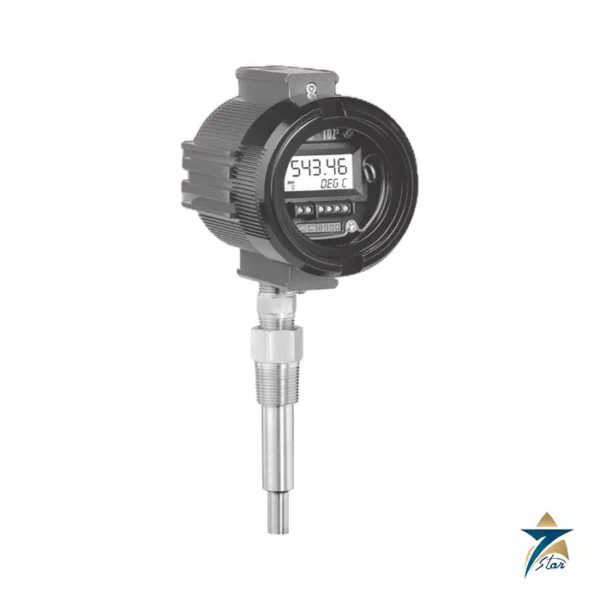
Moore Industries TRY/PRG/4-20MA/10-30DC/-ISF [LH2MSP]: an I.S. TRY for explosion-proof heads
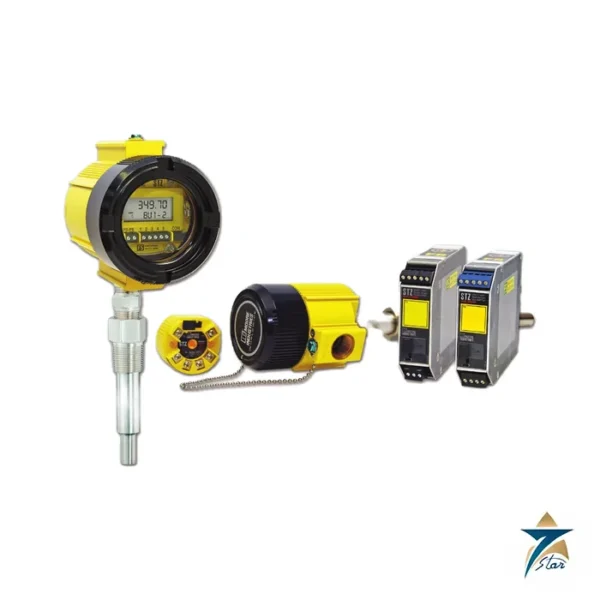
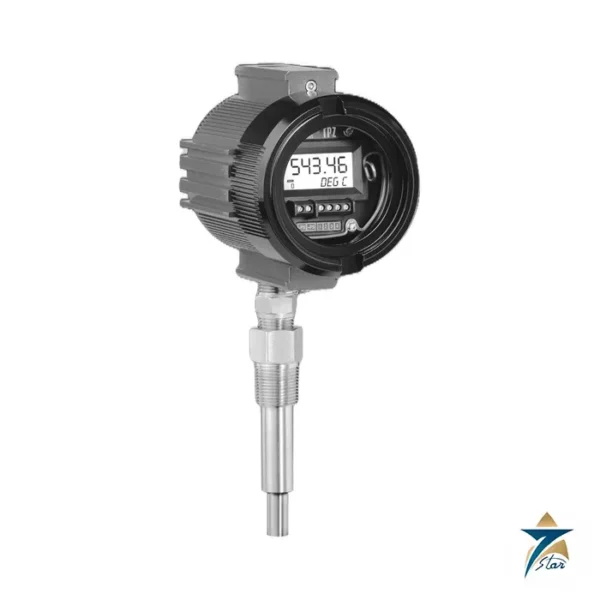
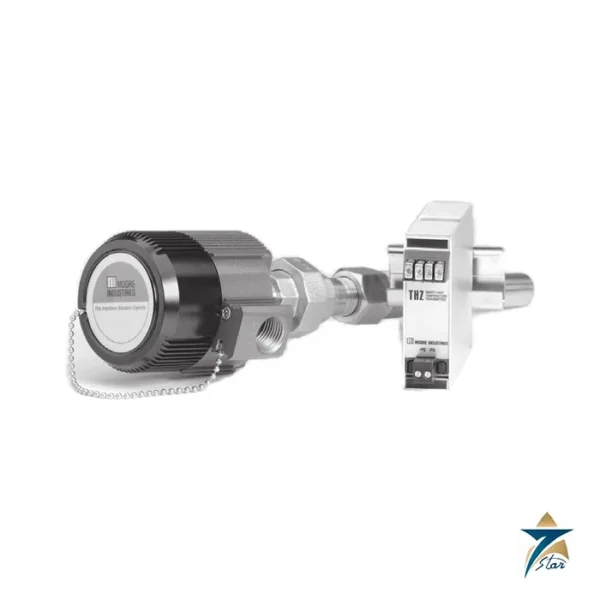
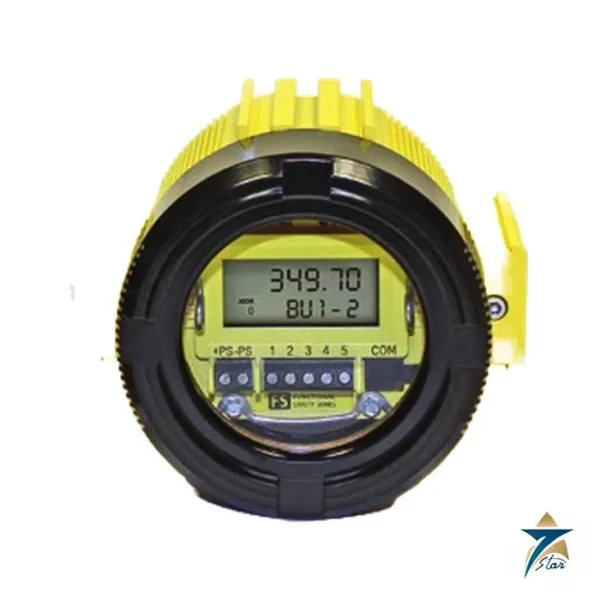
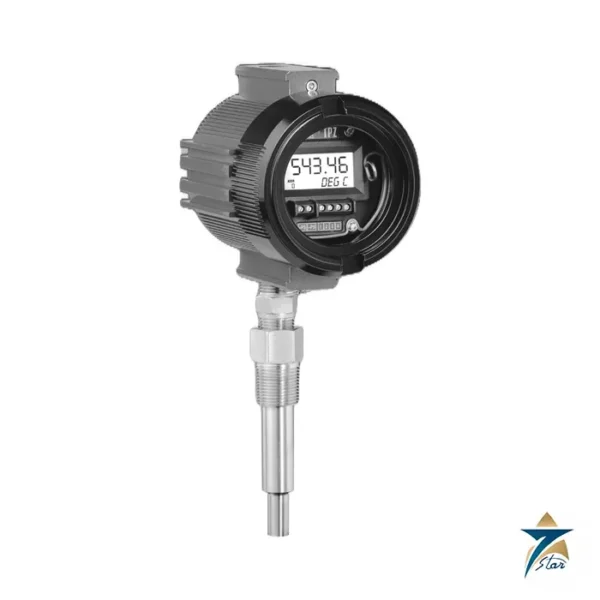
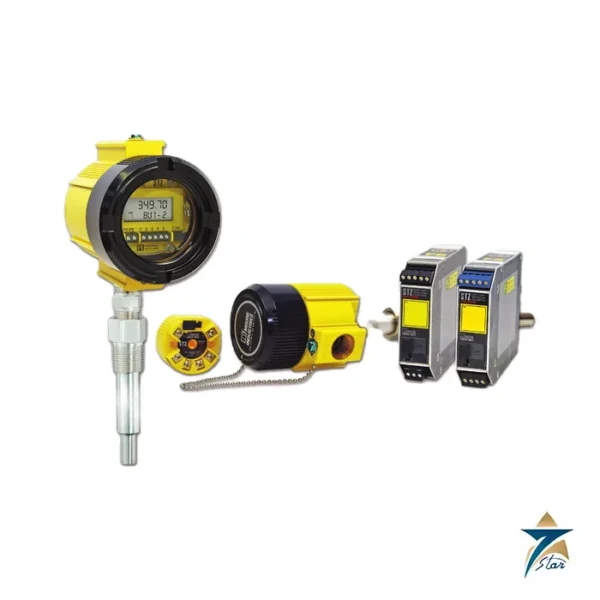
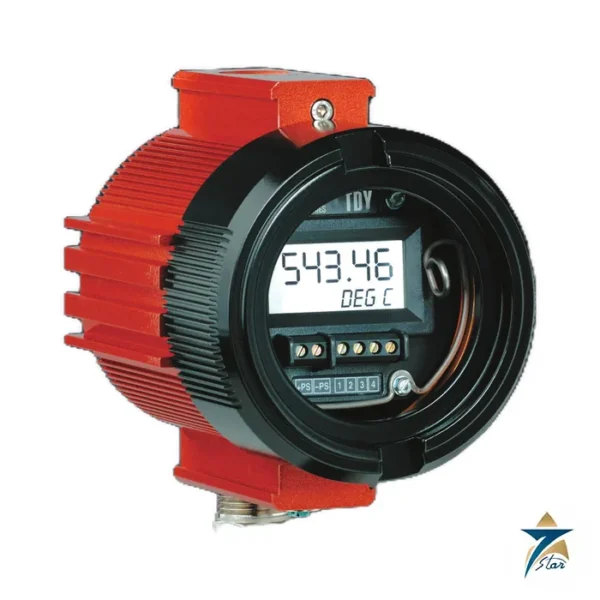
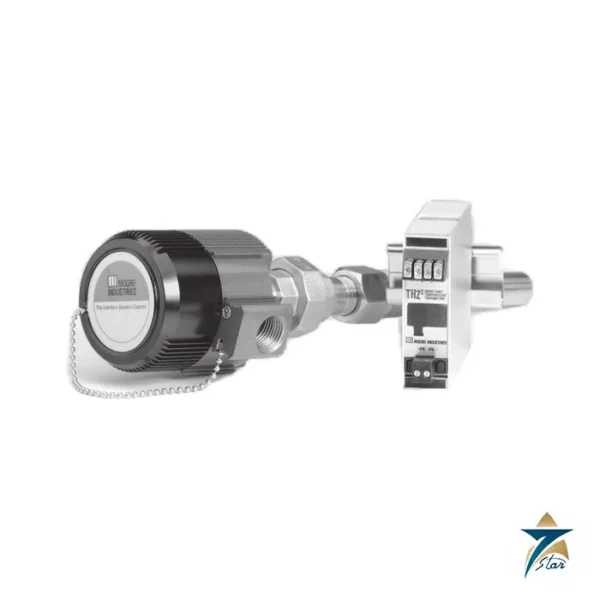
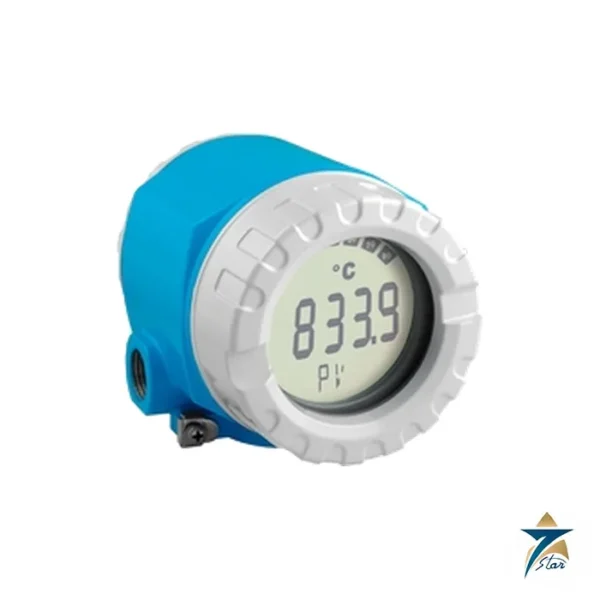
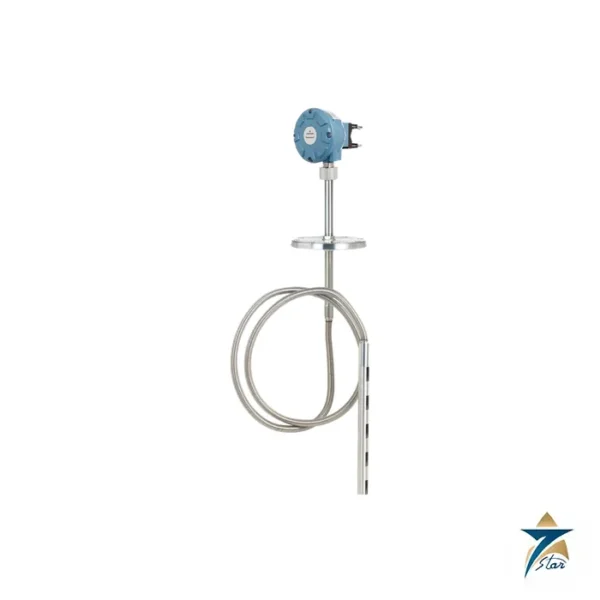
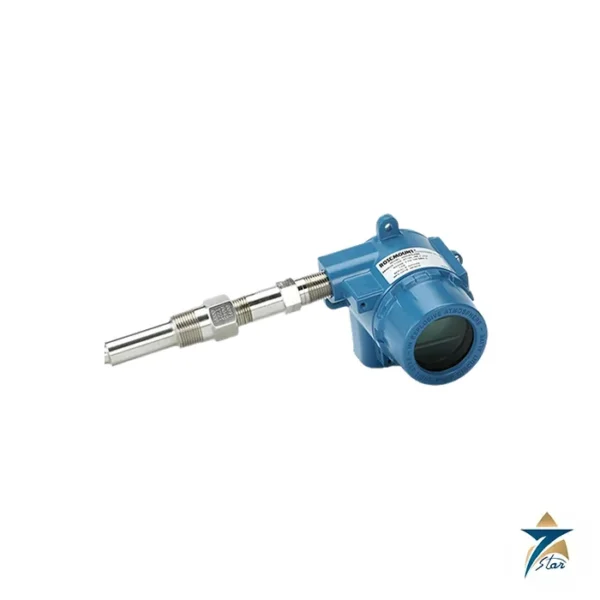
Moore Industries TRY/PRG/4-20MA/10-30DC/-ISF [LH2MSP] is the isolated PC-programmable TRY transmitter in the -ISF intrinsically safe version, supplied in an LH2MSP explosion-proof connection head. The head has an M20 cable entry and a 1/2-inch NPT process entry, a metal cover, and the P suffix adds the base plate and U-bolts for a 2-inch pipe.
The TRY family exists in two flavours: the isolated TRY and the non-isolated TRX. The code starting with TRY therefore tells the buyer the input is galvanically separated from the loop, a point that matters on grounded thermocouples and when several sensors share a ground.
Because the transmitter is a two-wire unit with a measurement cycle of eight updates per second, it is often used in loops where a fast response is helpful, such as steam temperature control or heat exchanger bypass control. The 256 ms typical rise time and 500 ms typical step response keep dead time small.
Strengths of TRY/PRG/4-20MA/10-30DC/-ISF [LH2MSP]
- Twenty-three RTD types plus nine thermocouple types, with millivolt, resistance and potentiometer sources.
- Fast measurement cycle of 8 times per second, quoted as twice as fast as comparable microprocessor transmitters.
- Total sensor diagnostics with burnout to 24 mA or 3.3 mA.
- Windows software sets everything from one screen and stores the settings in non-volatile memory.
- Isolation of 1500 Vrms in the HPP module, which is the module fitted inside the LH head.
The datasheet also lists that the configuration software can be downloaded from the manufacturer website and that a fuse-protected USB cable is required by ATEX for products installed in intrinsically safe areas.
TRY/PRG/4-20MA/10-30DC/-ISF [LH2MSP] data table
Values come from the TRY and TRX datasheet.
| Parameter | Value for TRY/PRG/4-20MA/10-30DC/-ISF [LH2MSP] |
|---|---|
| Model code | TRY/PRG/4-20MA/10-30DC/-ISF [LH2MSP] |
| Unit | TRY isolated PC-programmable temperature transmitter (the TRX is the non-isolated sibling) |
| Input | PRG: 23 RTD types (2-, 3-, 4-wire; Pt, Cu, Ni; 10 to 1000 ohm), 9 thermocouple types, -50 to 1000 mV, 0 to 4000 ohm, potentiometer |
| Output | 4-20 mA, linear and scalable |
| Supply | 10-30 V DC for intrinsically safe use |
| Option | -ISF: FM approved intrinsically safe; not available with DIN housing |
| Housing | LH2MSP: aluminum explosion-proof/flameproof head, M20 cable entry and 1/2-inch NPT process entry, metal cover, base plate and U-bolts |
| Output accuracy | 4.8 microamps (0.03% of the 4-20 mA span) |
| Isolation | 1500 Vrms in HPP; 500 Vrms in DIN |
| Response | 256 ms typical rise, 500 ms typical step |
| Measurement cycle | 8 updates per second |
| Burnout | Upscale to 24 mA or downscale to 3.3 mA; 21.4 mA overrange; 23.6 mA sensor failure |
| Weight | HPP 65 g; DIN 184 g; LH housing 549 g |
| Stability T/C, mV (1/3/5 years) | 0.11%, 0.18%, 0.24% |
| Ambient | -40 to +85 C; 0 to 95% RH |
| Immunity | 20 V/m at 20-1000 MHz per SAMA 33.1; 10 V/m at 80-1000 MHz per IEC 1000-4-3 |
The table shows that the unit has several current limits: 21.4 mA when the input is over range, 23.6 mA when the sensor fails or a wire breaks, and the burnout direction selectable to 24 mA upscale or 3.3 mA downscale. Make sure the DCS input card recognises these values as failures rather than as valid readings.
How TRY/PRG/4-20MA/10-30DC/-ISF [LH2MSP] differs from the TRX and from other TRY housings
The TRX non-isolated version accepts 8-42 V DC (8-30 V DC for I.S.) and carries no input isolation; this TRY carries 10-30 V DC for I.S. use and 1500 Vrms in the HPP. The DIN style of the TRY cannot take intrinsic safety options such as -ISF, so hazardous-area approval requires an HPP module in a head such as the LH2MS.
Weight differs by housing: 65 g puck, 184 g DIN and 549 g for the LH family of heads. The LH2MSP code therefore trades mass for the flameproof enclosure and pipe-mount kit.
Applications
It is used for reactor skin temperatures, heat exchanger shells and hot tank measurements, where an analog 4-20 mA loop is the standard and a smart HART protocol is not necessary. Because it is isolated, it suits thermocouples on grounded vessels.
In Oman, the explosion-proof head with M20 entries is convenient for sites that standardise on metric glands.
Selecting TRY/PRG/4-20MA/10-30DC/-ISF [LH2MSP]
Match the I.S. approval to your site: -ISF is FM, while -ISA (ANZEx TestSafe), -ISC (CSA) and -ISE (ATEX) are separate options. For flameproof ATEX certification of the head itself, the E suffix on LH2 applies, as does A for ANZEx.
Check that the loop supply provides between 10 and 30 V DC at the transmitter with I.S. barrier loss accounted for.
Installing TRY/PRG/4-20MA/10-30DC/-ISF [LH2MSP]
Mount the head on the 2-inch pipe, fit the sensor and cable glands, and connect the loop. Use a PC and the configuration cable to select the input type, range, damping and burnout. Close the metal cover fully.
For I.S. areas use the fuse-protected USB cable, as noted in the datasheet.
Maintenance
The unit has no internal adjustments. Check the head seals and cover threads, verify the loop output with a calibrator, and keep the saved configuration file for replacements.
If the output sits at the burnout level, check the sensor and wiring first.
Keep a short checklist at the time of installation: sensor type and range written on a tag, the intrinsic safety approval label visible, the cover closed and tightened, and the configuration file stored. These small steps simplify later audits of the hazardous-area installation.
Supply of TRY/PRG/4-20MA/10-30DC/-ISF [LH2MSP]
Quote TRY/PRG/4-20MA/10-30DC/-ISF [LH2MSP] in full in your enquiry and state the sensor type.
Seven Star LLC is an independent supplier serving Oman and the wider GCC and is not affiliated with the manufacturer; all names and part numbers are used only to identify the product being requested.
Documents and quotation
The datasheet for Moore Industries TRY/PRG/4-20MA/10-30DC/-ISF [LH2MSP] can be sent with our quotation. Submit an RFQ with the part number, quantity and delivery point.
Datasheets & Documents
- Datasheet Moore Industries TRY/PRG/4-20MA/10-30DC/-ISF [LH2MSP] Transmitter Datasheet Download
Reviews (0)
How would you rate this product? Cancel reply
About brand
Moore Industries is an American manufacturer of signal interface instruments, founded in 1968 by engineer Leonard W. Moore in North Hills, California. Its first product was the SCT signal converter, built in a friend's workshop. The company has been at its North Hills headquarters since 1974 and still designs and builds its products there, known for rugged aluminium housings.
Seven Star LLC, an independent supplier in Oman, lists Moore Industries temperature transmitters, limit alarm trips, isolators and a PID backup controller, and sources units and replacements by full model number.
Moore Industries company profile
| Founded | 1968, North Hills, California, USA, by Leonard W. Moore |
|---|---|
| Headquarters | North Hills, California, since 1974 |
| Ownership | Privately owned (Moore Industries-International, Inc.) |
| First product | SCT signal converter |
| Product families | Signal isolators and converters (ECT, SCT), temperature transmitters (TRY, THZ), alarm trip units (SPA), miniMOORE multichannel signal conditioners, HART interfaces, SIL-rated safety logic solvers (STA) |
Milestones
- 1968: Leonard W. Moore founds the company and builds the first SCT signal converter.
- 1974: The company moves into its North Hills headquarters.
- 2009: miniMOORE wins a Control Engineering Engineers' Choice Award.
Moore Industries product families on this page
The manufacturer's catalog is arranged by function, and many of the items listed here map onto it directly:
- Temperature transmitters: the TRX, and the STZ functional safety dual input smart HART transmitter
- Alarm trips: the SPA2 programmable limit alarm trip, including an SPA2 with HLPRG input and four relay outputs
- Signal isolators, repeaters and converters: the SIX
- PID controllers and backup stations: the 535 in 1/4 DIN format
Other catalog groups include temperature assemblies and sensors, I/P and P/I converters, remote I/O, HART gateways and interfaces, indicators, and fieldbus device couplers.
Where Moore Industries instruments are used
These are control room and marshalling cabinet devices, plus field-mounted transmitters. Typical jobs are isolating a 4-20 mA loop between two systems, converting a thermocouple or RTD signal for a DCS input, adding an independent high or low trip next to the control system, and keeping a control loop running on a backup station when the main controller is out of service. Process plants in oil and gas, chemicals and power across the GCC use them for exactly these tasks.
Moore Industries products we list
Ordering Moore Industries instruments: what we need
Moore Industries model numbers are built from fields separated by slashes: unit, input, output, power and options, followed by the housing code in brackets. Every field matters. Send the complete string from the label, the serial number, and for programmable units the input type and range you want set. State any hazardous area or functional safety requirement, because approved versions are ordered with their own option codes.
Facts checked against trade press obituaries of Leonard W. Moore (Control Engineering, Control Global), October 2026.
Browse Moore Industries products by category: Temperature Instrumentation, Controllers & Data Acquisition, Isolator & Barrier.
FAQ
Questions about the Moore Industries TRY/PRG/4-20MA/10-30DC/-ISF
Answers from our engineering team on installation, compatibility and integration.
01What is the difference between TRY and TRX?
The TRY has isolated input while the TRX is non-isolated; the TRY HPP is rated at 1500 Vrms.
02What does -ISF mean?
It is the FM approved intrinsically safe option, not available with the DIN housing.
03What does LH2MSP describe?
An aluminum explosion-proof connection head with an M20 cable entry, 1/2-inch NPT process entry, a metal cover and a pipe-mount kit.
04How is it configured?
With Windows-based configuration software and a serial or USB cable; the USB cable with fuse protection is required for ATEX I.S. installations.
05How fast does it measure?
It updates the output eight times per second.


![Moore Industries TRY/PRG/4-20MA/10-30DC/-ISF [LH2MSP] Transmitter Moore Industries TRY/PRG/4-20MA/10-30DC/-ISF [LH2MSP] Transmitter](https://omansevenstar.com/wp-content/uploads/2026/11/moore-industries-try-prg-4-20ma-10-30dc-isf-lh2msp-isolated-pc-programmable-temperature-transmitter.webp)
Reviews
There are no reviews yet.