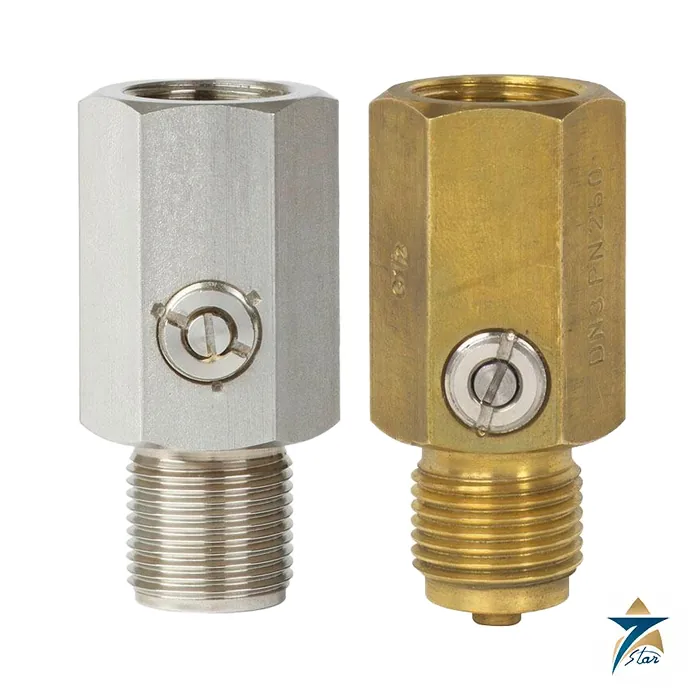
WIKA 910.12 adjustable pressure gauge snubber, brass, steel or stainless steel
The WIKA 910.12 is an adjustable snubber that protects pressure gauges and other pressure measuring instruments from pressure surges and pulsation. It has an adjustment screw that changes the flow cross-section, so it can be matched to the real operating conditions and readjusted at any time, even during operation. The data sheet states nominal pressures up to 400 bar and a maximum temperature of 120 °C, with a version for aggressive media in stainless steel. Seven Star LLC supplies the 910.12 in Oman and the GCC as an independent supplier in Muscat, and this page explains how the snubber works, which body materials exist and how to specify one in an RFQ.
How the 910.12 snubber protects the gauge
A Bourdon tube gauge or a mechanical contact gauge reacts to every pressure peak, so a pulsating line wears the movement, makes the pointer unreadable and shortens the instrument life. The 910.12 is installed between the measuring point and the gauge. Inside, a spindle adjusted by a screw restricts the flow path to the instrument. A narrow passage slows the pressure change to the gauge, so pulses are averaged out while the static pressure still reaches the instrument. WIKA lists compressors, steam engines, hydraulic presses and tensile testing machines as sources of pulsation that the snubber largely compensates. The result is a longer service life of the gauge and a better reading accuracy.
Because the passage is adjustable, the same part can serve a gentle pulsation or a severe one. Opening the screw makes the gauge respond faster; closing it damps more. The best setting is found by watching the pointer: the aim is a steady pointer that still follows real pressure changes in a time that suits the process.
Technical specifications of the 910.12
| Parameter |
Specification |
| Manufacturer / part number |
WIKA / 910.12 |
| Function |
Adjustable pressure surge and pulsation damper |
| Nominal pressure |
Up to 400 bar (PN 400) |
| Temperature range |
-10 … +120 °C |
| Instrument connection |
G 1/2 female per EN 837-1/7.3 |
| Process connection |
G 1/2 B per EN 837-1/7.3 |
| Body material |
Brass, steel (rust-protected) or stainless steel 1.4571 |
| Spindle |
Stainless steel 1.4404 |
| Sealing |
NBR (brass, steel) or FPM (stainless steel version) |
| Order numbers |
9090185 brass, 9090193 steel, 9091262 stainless steel 1.4571 |
| Option: other connections |
G 1/4, G 3/8 per EN 837-1/7.3, M20 x 1.5, 1/4 NPT, 1/2 NPT |
| Option: material |
Monel |
| Option: cleanliness |
Oil- and grease-free for oxygen: max. 50 bar or +60 °C (brass and 1.4571 only) |
| Option: certificate |
Inspection certificate 3.1 per DIN 50049 / EN 10204 |
Materials and which version to choose for the 910.12
Three standard versions exist. The brass body with a stainless spindle and NBR sealing is the economical choice for clean, non-aggressive media in utility systems. The rust-protected steel version gives the same rating in a more robust body for hydraulic and oil service. The stainless steel 1.4571 body with FPM sealing is the version for aggressive media, even in aggressive environments, which makes it the usual choice near the coast or in chemical plants. Monel can be supplied on request, and the oxygen-clean version is limited to 50 bar or 60 °C and only offered in brass and 1.4571. Always check the seal against the medium: NBR is unsuitable for some oils and solvents, in which case the FPM version is the safer base.
Where the 910.12 fits and related WIKA accessories
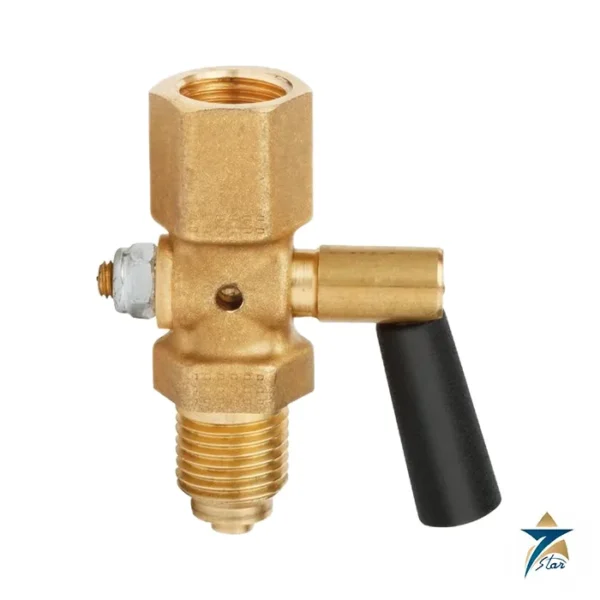
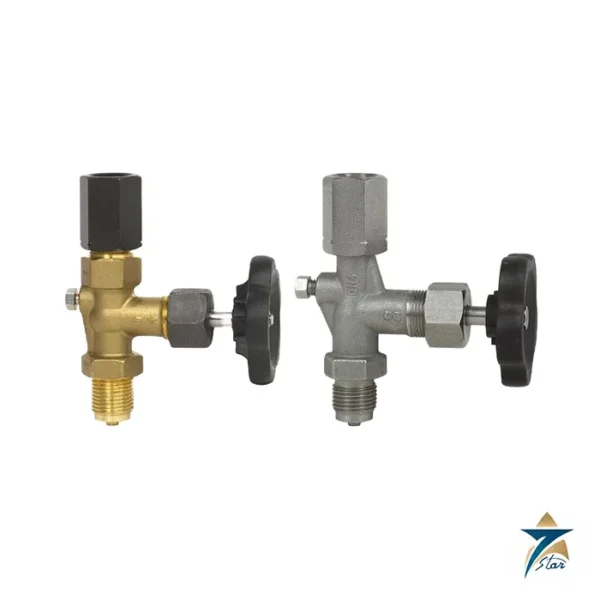
In a typical gauge assembly the snubber sits directly before the instrument, after the shut-off valve 910.11 or the stopcock 910.10. On hot media a syphon 910.15 or a cooling element 910.32 is placed ahead of the snubber so that the snubber and gauge see a lower temperature. An overpressure protector 910.13 handles occasional surges beyond the scale range, while the snubber handles continuous pulsation; the two do different jobs and are sometimes used together. A mounting bracket 910.16 can support the assembly, and sealings 910.17 close each parallel thread. For installations where the gauge is liquid-filled, such as the 213.53 or 213.40, a snubber still helps on severe pulsation.
Selection and ordering checklist for the 910.12
- Maximum pressure and temperature of the line.
- Body material: brass, steel, stainless steel 1.4571 or Monel.
- Sealing compatibility: NBR or FPM.
- Connection threads if G 1/2 is not what the line and gauge use.
- Cleanliness: oxygen, oil- and grease-free.
- Inspection certificate 3.1 for the wetted parts.
- Quantity and, where relevant, the gauge or transmitter model it will protect.
Installation, adjustment and maintenance of the 910.12
Fit the snubber with the process connection on the line side and the instrument on the female G 1/2 side, using flat sealing rings (model 910.17) on the parallel threads. Start with the adjustment screw moderately open, pressurise the line and observe the pointer. If it still trembles, close the screw a little and re-observe; if it lags noticeably behind real pressure changes, open it again. Because the passage is narrow, a snubber can block with dirt or crystallising medium; in that case it must be removed and cleaned, or a design with a larger passage should be considered. A blocked snubber can make a gauge read too low or stay at a stale value, so verify the reading against a second source if the process is critical.
Typical applications in Oman and the GCC
In Oman and the Gulf the 910.12 is used on the discharge of reciprocating pumps, on compressor discharge and interstage points, on dosing pump lines, hydraulic power units and on diesel-engine fuel and oil circuits. Industrial sites with heavy start-stop operation of pumps also benefit. On steam lines the snubber should be combined with a syphon so that condensate and not live steam reaches the instrument.
Snubber versions at a glance
| Body |
Spindle |
Sealing |
Pressure |
Order number |
| Brass |
1.4404 |
NBR |
400 bar |
9090185 |
| Steel, rust-protected |
1.4404 |
NBR |
400 bar |
9090193 |
| 1.4571 stainless |
1.4404 |
FPM |
400 bar |
9091262 |
Information to send with an RFQ
- Model 910.12 and body material
- Process and instrument connection sizes
- Medium, pressure and temperature
- Special cleanliness or certificate needs
- Quantity and delivery site
Documents and quotation
The WIKA data sheet for the 910.12 is attached on this page. It lists materials, order numbers, options and dimensions.
Send the material, connection and operating data and Seven Star LLC will confirm availability and a quotation.
Other Models in the Wika 910 Valves Range
Seven Star LLC supplies models from the Wika 910 Valves range in Oman and the GCC. Compare the related models below and request a quote for the one that matches your application.




















Reviews
There are no reviews yet.