Fisher EW series (EWD, EWS, EWT) expanded-end globe control valves
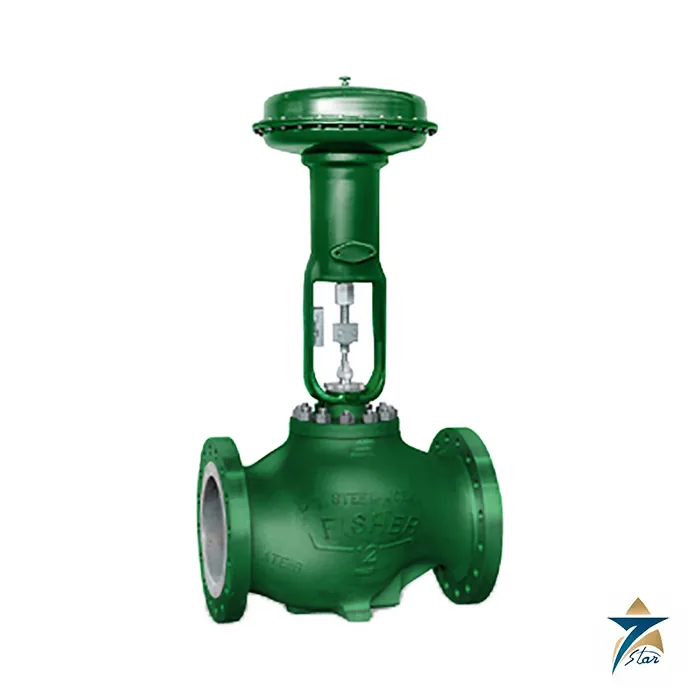
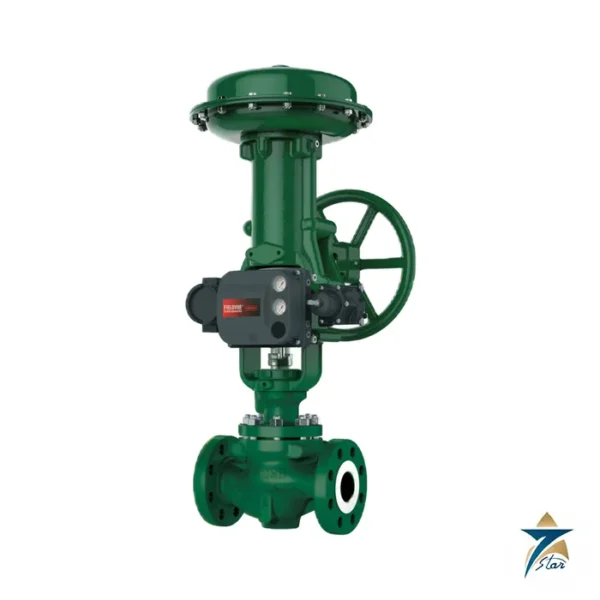
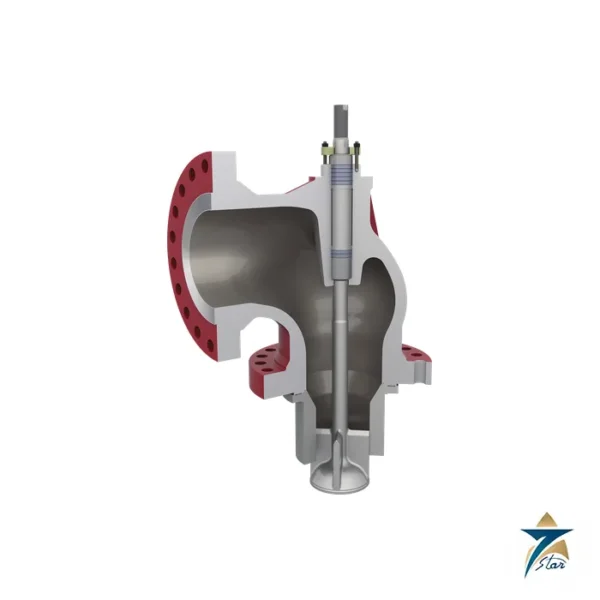
The Fisher EW series is the high-capacity branch of the easy-e family of sliding-stem control valves. The body has a large internal cavity and expanded end connections, so a valve sized, for example, NPS 8×6 has an 8 in. flange connection around a 6 in. effective trim. Sizes run from NPS 4×2 through 12×8. The result is an economical high-flow body that keeps outlet velocity within practical limits and often removes the need for line swages. Three plug styles define the series: the EWD balanced plug with metal-to-metal seating, the EWS unbalanced plug with tighter shutoff, and the EWT balanced plug with metal-to-PTFE seating. Seven Star LLC supplies Fisher EW valves in Oman and the GCC as an independent supplier in Muscat, and this page follows the Fisher EW product bulletin (D100023X012, July 2016).
EW series technical specifications
| Parameter |
Specification |
| Manufacturer / part number |
Fisher (Emerson) / EW series (EWD, EWS, EWT) |
| Valve style |
Single-port globe body, cage guided, push-down-to-close plug |
| Sizes (end connection x trim) |
NPS 4×2, 6×4, 8×4, 8×6, 10×6, 12×6, 10×8 and 12×8 in CL150, 300 and 600; NPS 8×6 and 12×8 in CL900 |
| End connections |
Raised-face or ring-type joint flanges per ASME B16.5 (CL150 to 900), raised-face per EN 1092-1/B, buttwelding per ASME B16.25 (Schedule 40, 80, XXS, 100 or 120 depending on size and class) |
| Body and bonnet materials |
WCC and LCC carbon steel, WC9 chrome moly, CF8M (316 stainless); others on request |
| Trim temperature |
Metal seats standard to 427 °C / 800 °F; PEEK-ring EWT to 316 °C non-oxidizing, 260 °C oxidizing |
| Flow characteristics |
Quick-opening, linear or equal percentage standard cages; Cavitrol III and Whisper Trim III cages: linear |
| Shutoff (ANSI/FCI 70-2) |
EWD metal Class II standard, III or IV optional; EWS Class IV standard; Class V with C-seal (EWD) or PEEK-ring EWT options |
| Packing |
Standard PTFE, double PTFE, graphite, ENVIRO-SEAL PTFE, Duplex or Graphite ULF, HIGH-SEAL |
| Noise reduction |
Up to 18 dBA (Whisper Trim I), 30 dBA (Whisper Trim III), 40 dBA (WhisperFlo) |
| Sour service |
Optional materials for NACE MR0175 / ISO 15156 and MR0103 |
EWD, EWS and EWT: which plug style is which
The EWD uses a balanced plug and metal seating, the standard choice for general service over a wide range of pressure drops and temperatures. It meets Class II shutoff, with Class III or IV optional on NPS 6×4 and larger using multiple graphite piston rings, which allow Class IV up to 593 °C. The EWS has an unbalanced plug and clamped seat ring, giving tighter shutoff than the EWD; Class IV is standard and the seat can be metal-to-metal or optionally metal-to-PTFE. The EWT combines a balanced plug with a PTFE seal for stringent shutoff, and with spring-loaded PTFE seals and PEEK anti-extrusion rings its temperature limit rises above 232 °C. A suffix of -1 (EWD-1, EWS-1, EWT-1) means the NPS 12×8 CL900 body with a seat ring threaded into the valve body, which uses a hung cage to lessen gasket problems from thermal growth of long parts.
Why expanded ends help
When a control valve is installed in an oversized line to hold velocity down, a conventional body forces swages or a heavy reducer. The EW body has expanded end connections, so the inlet and outlet match the larger pipe while the trim is sized for control. In power plants with oversized piping and in high-pressure gas reducing stations where sonic velocities appear at a conventional valve outlet, this arrangement combines flow capacity with noise attenuation. The NPS 12×8 CL900 butt-welded bodies carry increased ratings (Intermediate Standard Ratings) beyond the standard ASME B16.34 classes, so check the supplement for pressure and temperature limits.
Trim, noise and cavitation options
- Standard cages: quick-opening, linear or equal percentage, in full-size or restricted-capacity trims that swap without changing the body.
- Cavitrol III cages: eliminate cavitation damage in liquid service; flow is always down.
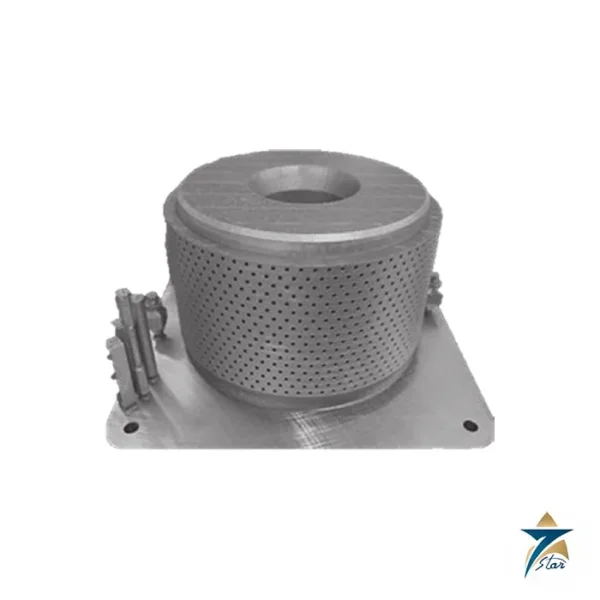
- Whisper Trim I and III and WhisperFlo cages: attenuate aerodynamic noise in gas and steam; flow is always up on Whisper Trim III.
- C-seal trim: metal plug seal for Class V shutoff on the EWD up to 593 °C.
- Bellows seal bonnet: ENVIRO-SEAL bellows bonnet for hard-to-handle fluids up to 566 °C.
Selection checklist for EW valves
- Line size, effective trim size and pressure class, including the CL900 option for NPS 8×6 and 12×8.
- EWD, EWS or EWT according to the shutoff and temperature requirement.
- Body material and trim materials from the bulletin tables for the process medium and temperature.
- Cage type for the service: standard, Cavitrol III for liquids, Whisper Trim or WhisperFlo for noise.
- Bonnet style: plain, cast or fabricated extension, bellows seal, cryogenic or seismic options.
- Packing system, including emission-compliant ENVIRO-SEAL packing.
Installation and maintenance
The valve is installed with the flow arrow in agreement with the cage selection: normally down for EWD, EWT and standard cages, normally up for EWS, always down for Cavitrol and always up for Whisper Trim III. Standard 316 stainless packing box parts, FGM gaskets and shared easy-e trim parts keep the spare list manageable. Optional lubricators, leak-off connections, drain plugs and nuclear-service packing are available. Actuators commonly mated to easy-e globe valves are the Fisher 657 and 667 diaphragm and piston types, fitted with a digital valve controller.
EW valve applications in Oman and the GCC
High-capacity bodies with reduced outlet velocity are used in power and water plants for feedwater, steam pressure reduction and turbine bypass, in gas plants for pressure let-down stations, and in oil and gas production facilities for large-flow separator and compressor recycle duty. The sour-service constructions help with wellhead and gathering applications. The high-ambient climate and the desire for low noise near occupied buildings often drive the choice of Whisper Trim III or WhisperFlo cages.
Related Fisher products
Siblings in the easy-e line listed at Seven Star LLC include the ED, EAD and EDR valves for smaller bodies, and the easy-e ES, ET and EZ. Common positioners are the FIELDVUE DVC6200 and DVC2000.
Information to send with an RFQ
- Fluid, phase, flow range, inlet and outlet pressure, temperature and allowable noise level.
- Line size and valve size (for example NPS 8×6), pressure class and end connection type.
- Shutoff class, material standard (including sour-service edition) and bonnet style.
- Actuator action, fail position, positioner and accessories.
Documents and quotation
The Fisher EW series product bulletin is attached to this page as a datasheet. Send your duty data and we will confirm a matching construction and prepare a quotation.
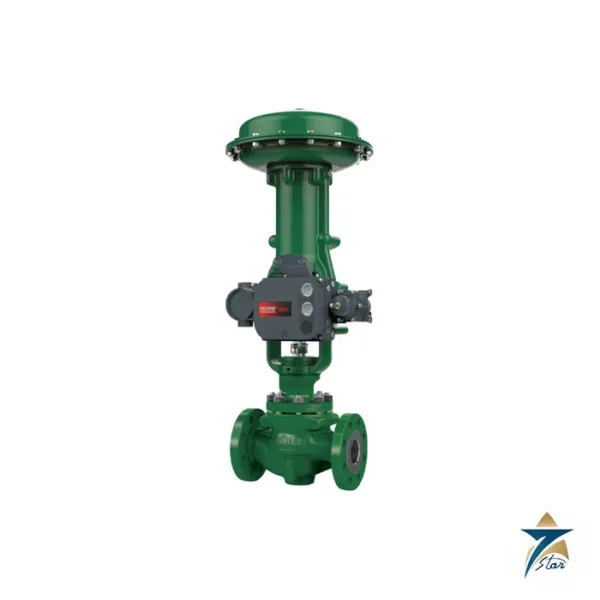
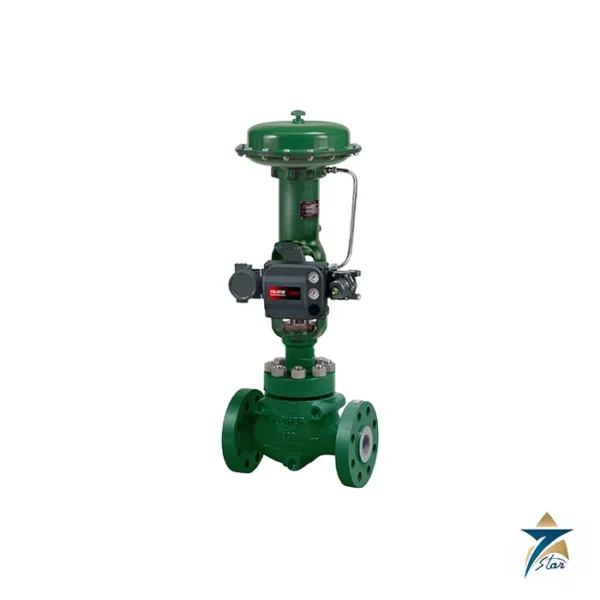
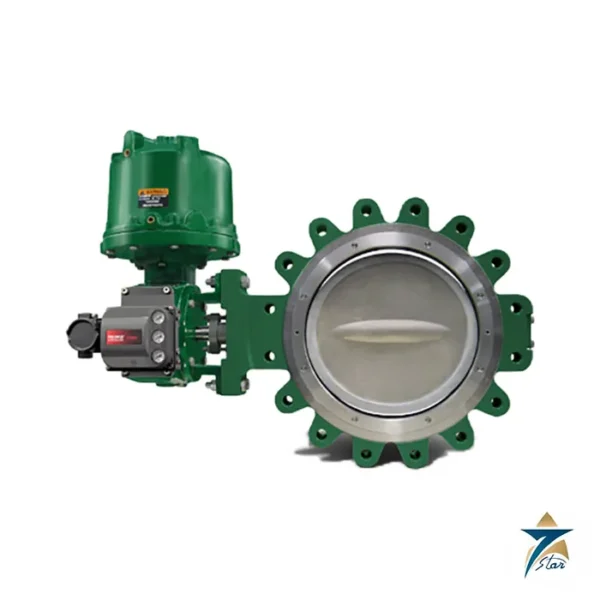
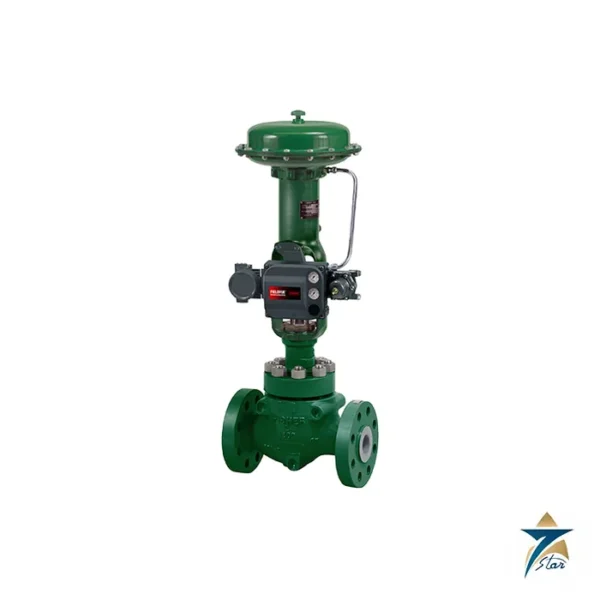
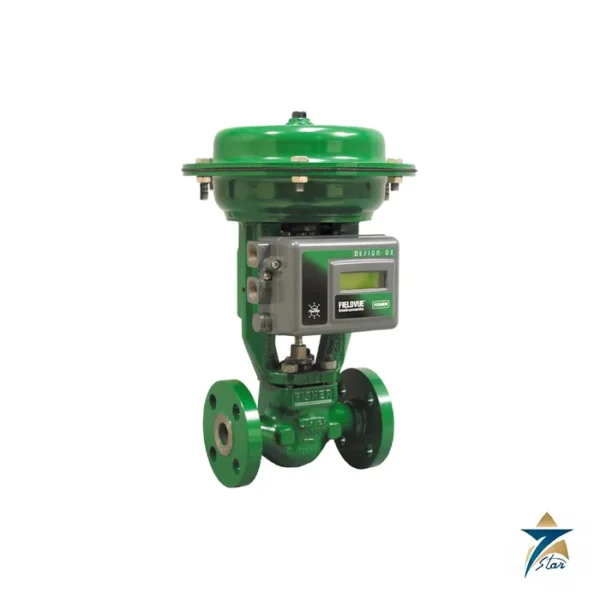
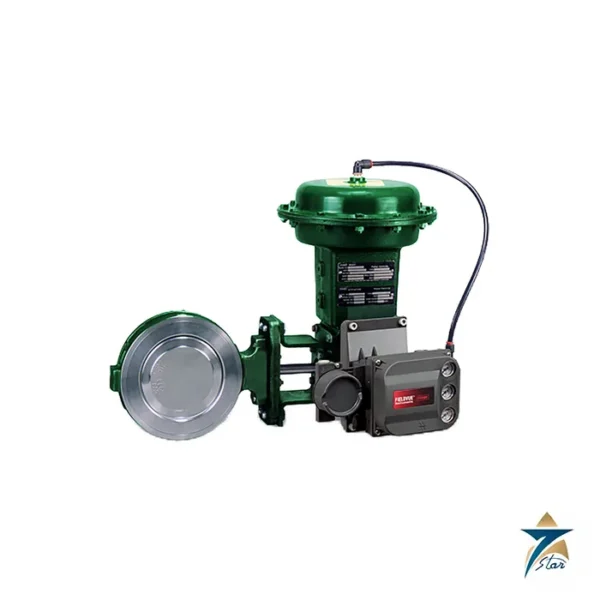
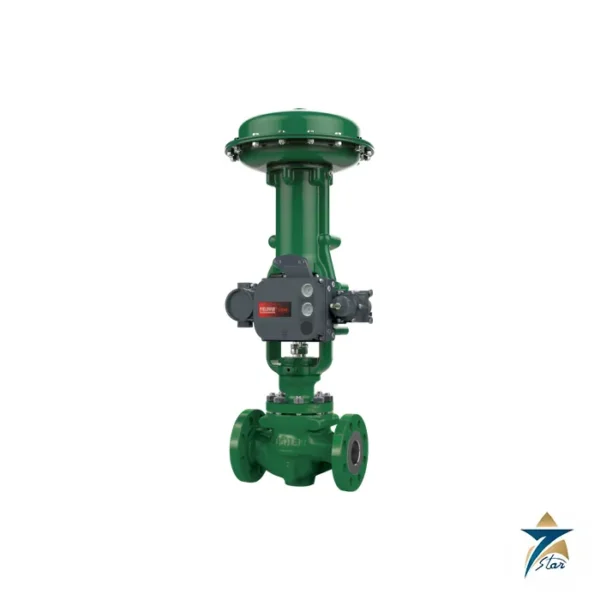
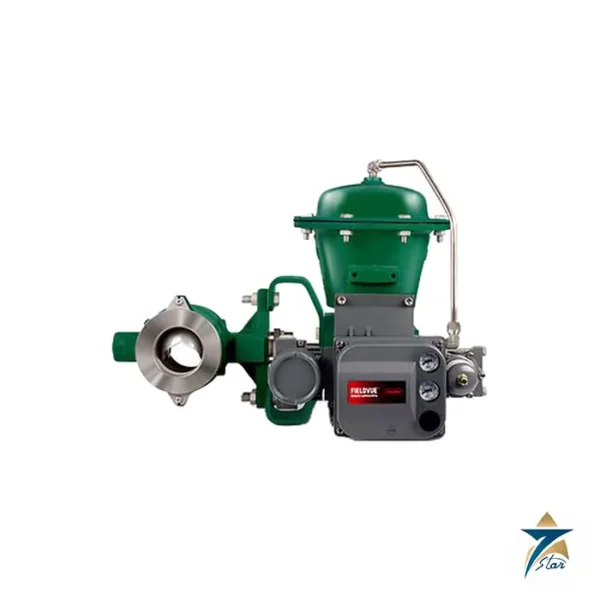
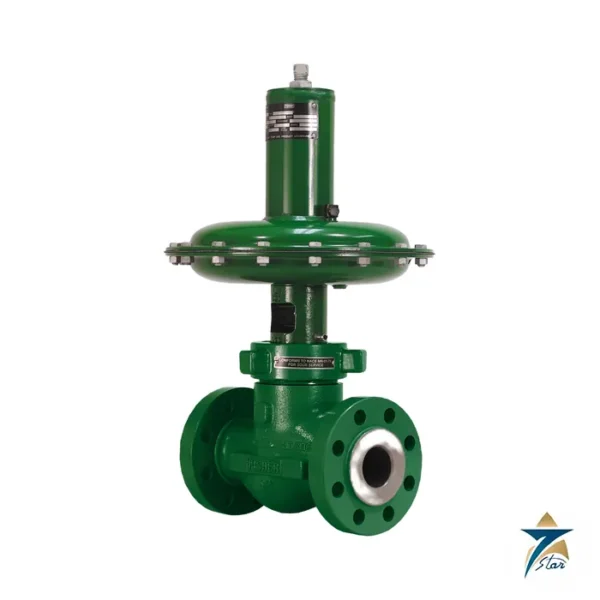
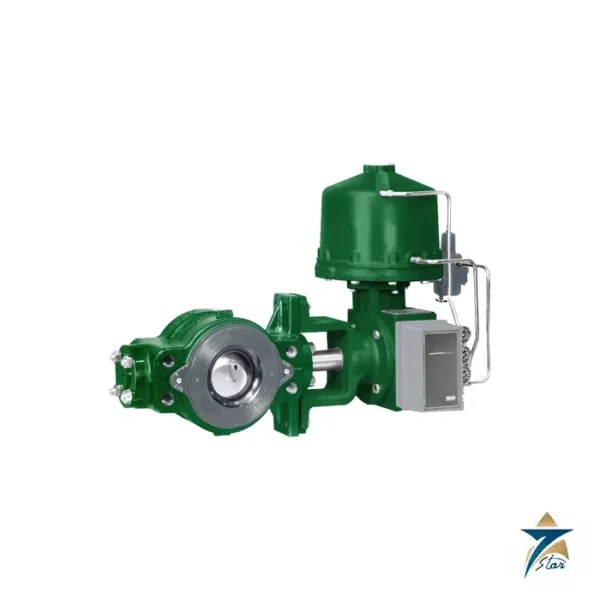
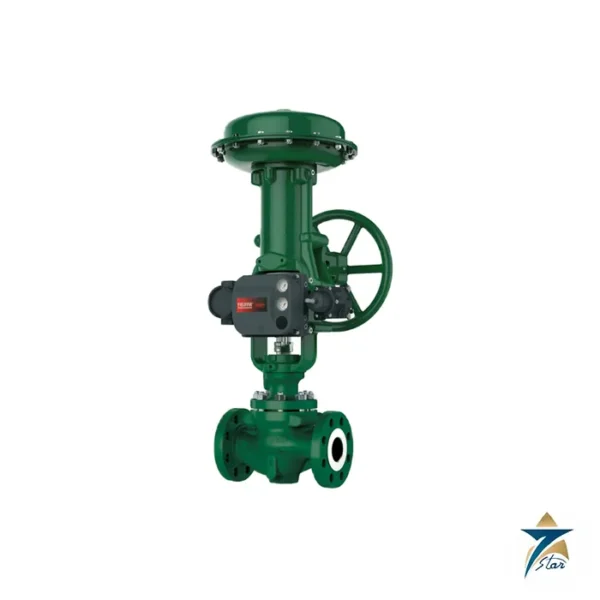
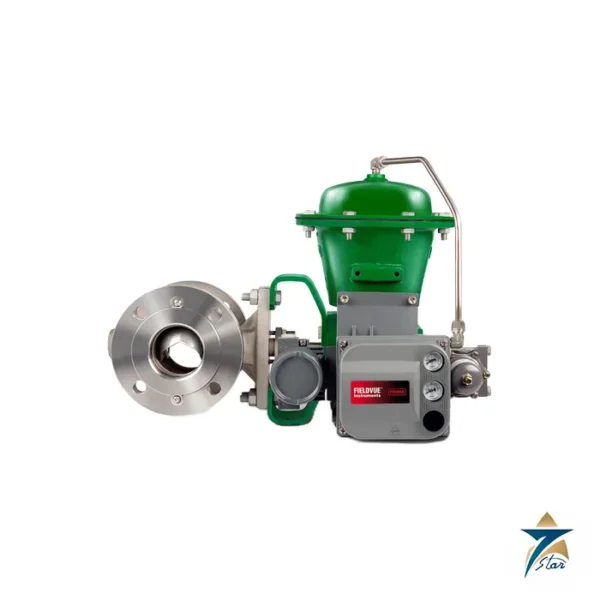
Other Models in the Fisher Easy E Globe Range
Seven Star LLC supplies models from the Fisher Easy E Globe range in Oman and the GCC. Compare the related models below and request a quote for the one that matches your application.

























Reviews
There are no reviews yet.