Fisher 299H pilot-operated pressure reducing regulator
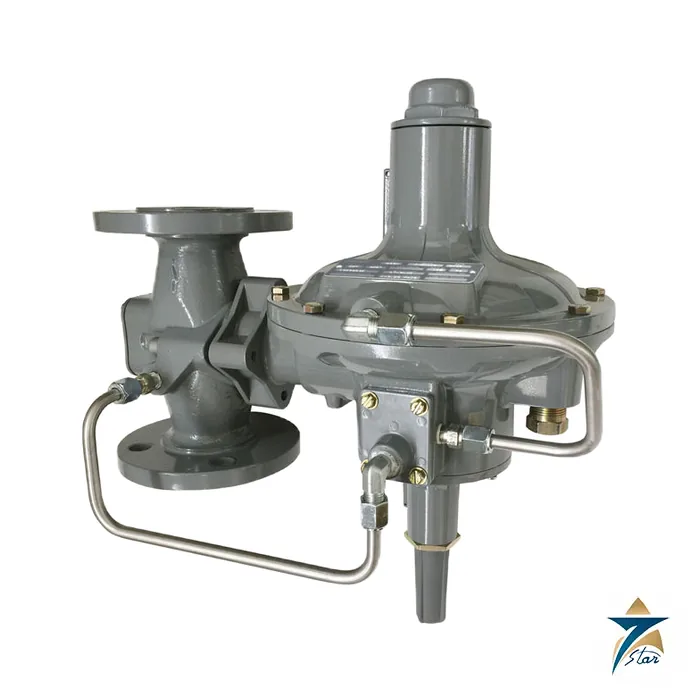
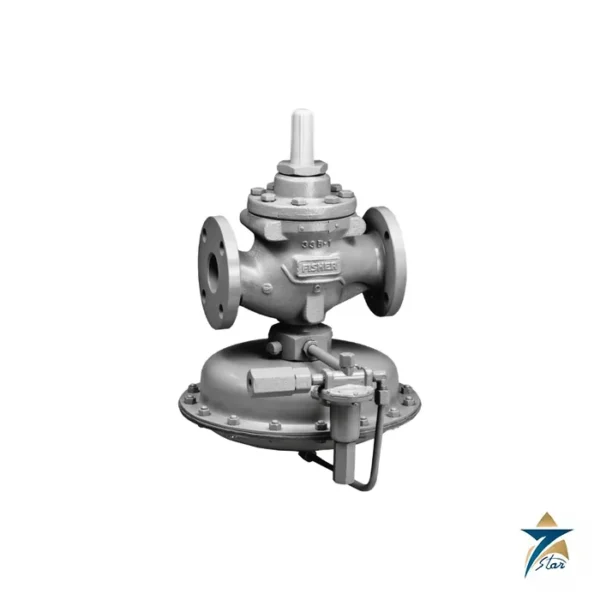
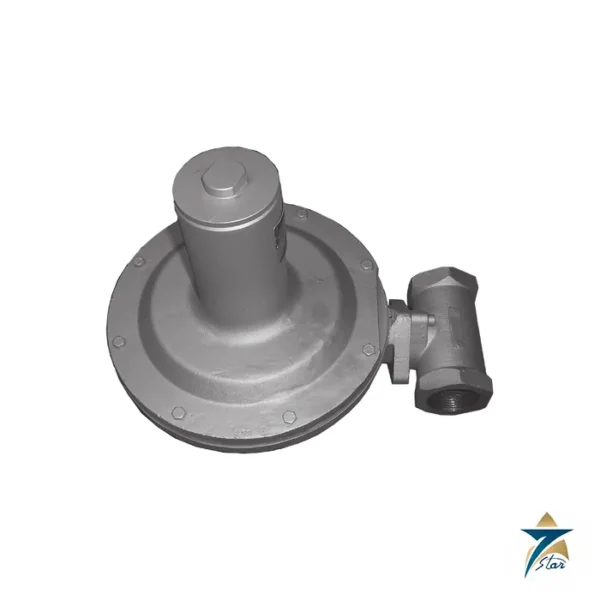
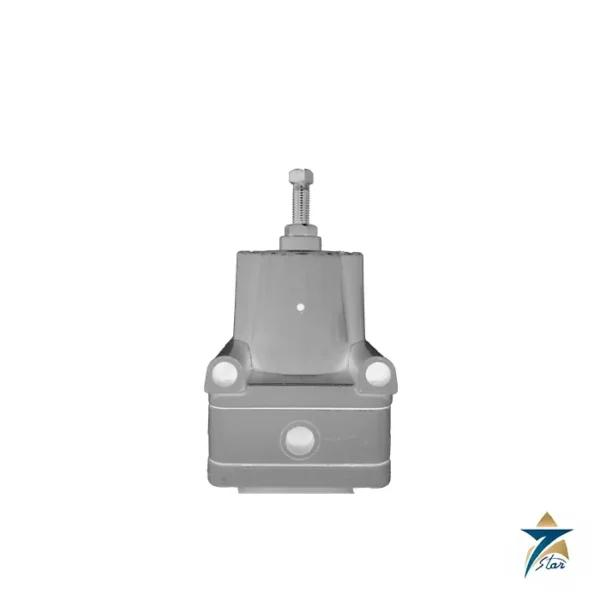
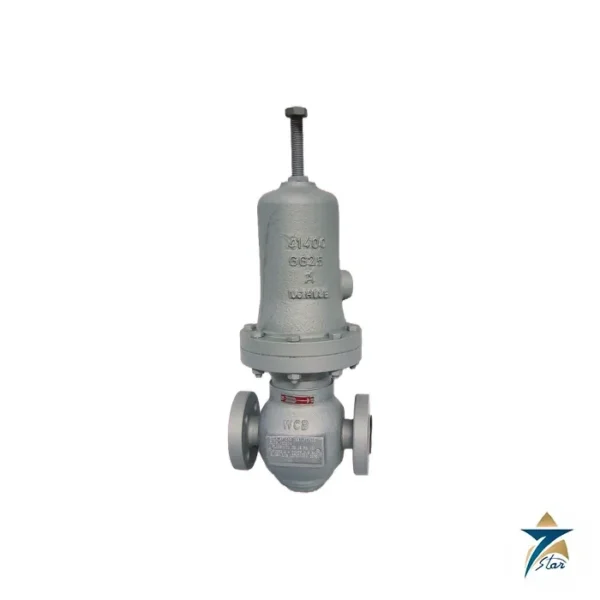
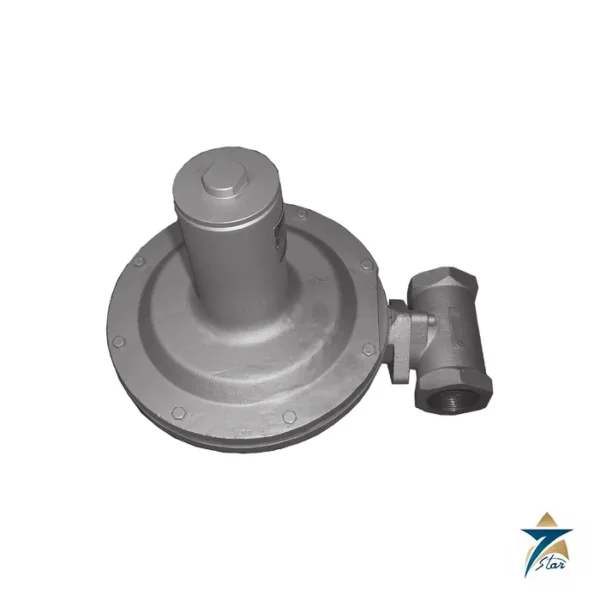
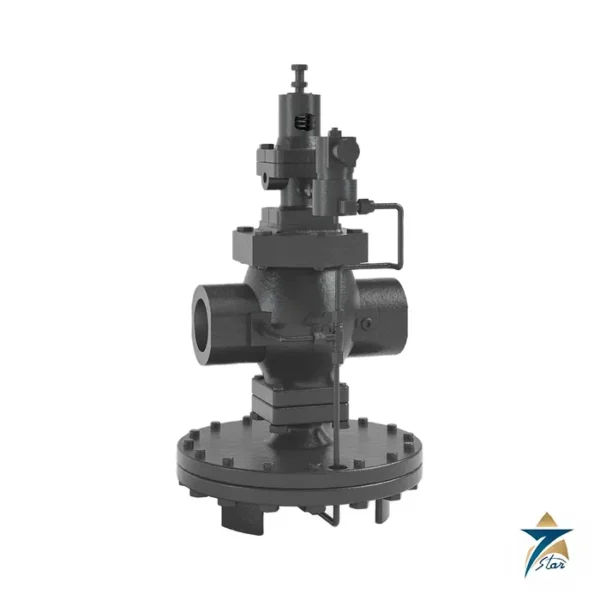
The Fisher 299H is a compact pilot-operated gas pressure regulator in which the pilot is mounted directly on the actuator casing. It is used where a clean downstream pressure is needed at widely varying flow, with inlet pressure up to 175 psig / 12.1 bar depending on orifice size and outlet settings up to 60 psig / 4.1 bar.
The 299H name covers four types. The base 299H is the pressure reducer. The 299HR adds a token internal relief valve in the pilot. The 299HV adds a Type VSX8 slam-shut device, and the 299HVR combines slam-shut and token relief. Seven Star LLC supplies the Fisher 299H series in Oman and the GCC as an independent supplier in Muscat, quoting the exact type and spring from your gas data.
Decoding the four 299H types
| Type |
Construction |
Protection |
| 299H |
Pilot-operated pressure reducer, integral pilot |
Standard |
| 299HR |
299H plus token relief for thermal-expansion overpressure |
Relief in pilot |
| 299HV |
299H plus VSX8 slam-shut (overpressure, or over and underpressure) |
Slam-shut |
| 299HVR |
299HV plus token relief |
Slam-shut and relief |
Fisher 299H technical specifications
| Parameter |
Specification |
| Manufacturer / part number |
Fisher (Emerson) / 299H Series (Bulletin 71.2, D102683X012) |
| Design |
Pilot-operated, pilot integral to actuator casing |
| Maximum operating inlet |
175 psig / 12.1 bar for 1/4 x 3/8, 3/8 and 1/2 in. orifices; 150 psig / 10.3 bar for 3/4 in.; 125 psig / 8.6 bar for 7/8 in.; 100 psig / 6.9 bar for 1 in.; 80 psig / 5.5 bar for 1-3/16 in. |
| Outlet (control) ranges |
3.5 in. w.c. up to 30 to 60 psig / 9 mbar up to 2.1 to 4.1 bar, in nine spring ranges |
| Maximum casing and emergency outlet |
66 psig / 4.5 bar |
| Maximum set pressure, Type 299HV |
16 psig / 1.1 bar |
| Slam-shut trip pressure (VSX8) |
21 psig / 1.45 bar maximum for 299HV and 299HVR |
| Minimum differential for full stroke |
1.5 psid / 0.10 bar d |
| Accuracy (fixed factor, PFM) |
±1% of absolute control pressure |
| Temperature capability |
-20 to 150 °F / -29 to 66 °C |
| Body sizes |
1-1/4, 1-1/2 and 2 in. (DN 50); NPT, CL125 FF, CL250 RF, CL150 RF or PN 10/16 depending on material |
| Body materials |
Cast iron, ductile iron or steel (steel for 299H and 299HR only) |
| Pressure registration |
Internal, external or dual; 3/4 NPT control line |
| Fixed restriction sizes |
0.044 in. / 1.1 mm (standard gain), 0.071 in. / 1.8 mm (low gain), 0.082 in. / 2.1 mm (lower gain) |
| Diaphragms, disk and O-rings |
Nitrile (NBR); aluminum casings; stainless steel pilot screen and tubing |
| Approximate weight |
21 lb / 10 kg |
How the Fisher 299H regulates pressure
The main valve supply pressure reaches the pilot through factory piping from the inlet side of the body, so no separate upstream pilot line is needed on standard installations. When downstream pressure moves, the actuator diaphragm reacts immediately and corrects the main valve position, while the pilot responds at the same time and sets the final position. This lets the main valve use its full travel, which gives more capacity than a direct-operated unit of the same body size.
Registration can be internal, external or dual. Two screws and O-rings convert internal registration to external or dual registration. The valve and pilot also include reverse-pressure mechanisms that protect the parts at startup or after a sudden rise in downstream pressure.
Choosing between 299H, 299HR, 299HV and 299HVR
The token relief in the 299HR and 299HVR is only meant to signal and relieve a minor rise from thermal expansion, so it is not a substitute for a full relief valve. Where an overpressure event must stop the gas completely, the 299HV and 299HVR use the VSX8 slam-shut, which can be set for overpressure shutoff or for overpressure and underpressure shutoff and acts independently of the main valve. An optional reed switch (299HV and 299HVR only) sends a remote signal when the VSX8 trips.
The bulletin also describes a no-bleed monitor arrangement that pipes the pilot bleed to the intermediate pipe, which removes downstream bleed and keeps system lockup at the worker regulator pressure instead of the monitor setting. Related Fisher regulators for other duties include the CS800 series for commercial and industrial service and the EZH for high-pressure stations.
Fisher 299H selection and ordering checklist
- Type: 299H, 299HR, 299HV or 299HVR according to the protection needed.
- Body size, material and end connection, noting that steel bodies exist only for 299H and 299HR.
- Orifice size against inlet pressure, because the allowed inlet falls from 175 psig for small orifices to 80 psig for the 1-3/16 in. orifice.
- Outlet spring range from the nine available springs, and the slam-shut trip setting for V types.
- Registration: internal, external or dual, and the control line route.
- Fixed restriction (red, green or blue) for the gain required.
- Pilot supply options: P590 filter or Type 67CF filtered supply regulator (only one can be ordered). Use a supply regulator where inlet varies more than ±20 psi and published accuracy is needed at inch water column setpoints.
- Optional travel indicator and reed switch.
Installing and maintaining the Fisher 299H
Install in a clean line section, and add the pilot filter if the upstream pipe carries scale. The main valve disk and orifice can be inspected without removing the body from the line, because the actuator and pilot come away from the body on a two-bolt flange. O-rings are reusable at serviceable joints and no gaskets are used.
During startup there is no special procedure; bring pressure up slowly, check the setpoint with a gauge and, for V types, test the slam-shut trip and reset. Keep spare diaphragms, disks and O-rings, and note that the bulletin lists spring part numbers by outlet range, which makes spring identification from the nameplate straightforward.
Applications in Oman and the GCC
The bulletin lists natural gas distribution, gas supply to industrial boilers, furnaces, ovens and mixers, and plant air service. In Oman and the GCC that translates to city gas and industrial estate metering stations, fuel gas supply to boilers and heaters at power and desalination plants, and utility gas in petrochemical and food factories. The temperature rating of -20 to 150 °F covers outdoor stations, but regulators in direct desert sun should be shaded from radiant heat.
Fisher 299H family reference
| Type |
Slam-shut |
Token relief |
Steel body |
| Type |
Slam-shut |
Token relief |
Steel body |
| 299H |
No |
No |
Yes |
| 299HR |
No |
Yes |
Yes |
| 299HV |
Yes |
No |
No |
| 299HVR |
Yes |
Yes |
No |
Body material options vary by type as shown in the table. Confirm the exact combination against the manufacturer bulletin before ordering.
Information to send with a Fisher 299H RFQ
- Type (299H, 299HR, 299HV or 299HVR) and nameplate details if replacing a unit.
- Gas, inlet pressure range, outlet setpoint and maximum flow.
- Body size and end connection.
- Slam-shut settings and reed switch requirement for V types.
- Spares needed: diaphragms, pilot parts, springs, filters.
Documents and quotation
The official 299H bulletin is a large file, so it is not attached on this page. Send the part number and we will confirm available documents.
Seven Star LLC quotes against the exact type and spring range. Send the process data above to our Muscat office to start an RFQ.
























Reviews
There are no reviews yet.