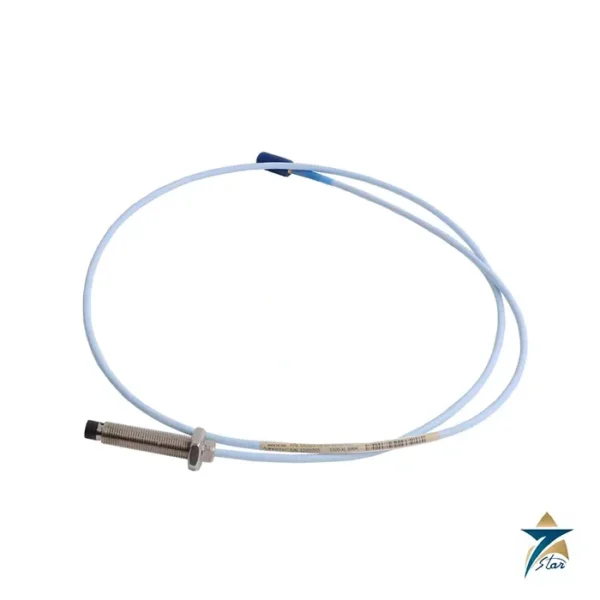
Brand:

Bently Nevada Orbit 60 Machinery Protection System

Description

Overview

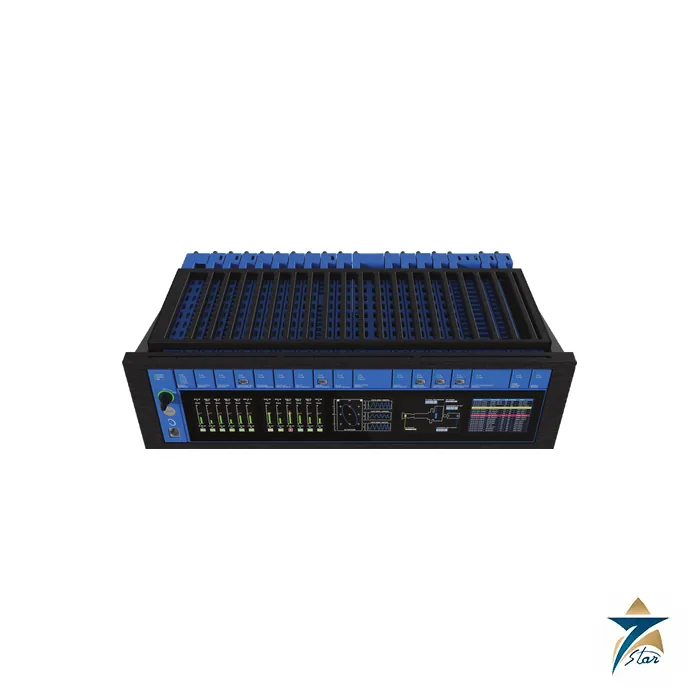
The Bently Nevada Orbit 60 Series is the newest machinery protection and condition monitoring platform from Bently Nevada, a Baker Hughes business, and the fifth generation of full-featured protection systems after the 5000, 7200, 3300 and 3500 Series. Baker Hughes developed it from more than 200 customer engagements, which identified three priorities: cybersecure protection and condition monitoring in one system, lower installation cost through smaller and more flexible hardware, and easier movement of data between machinery monitoring and process control. The result is a 3U, 19-inch chassis that holds 60 or more channels, which Baker Hughes says is roughly the channel count of a 3500 rack in about half the space.
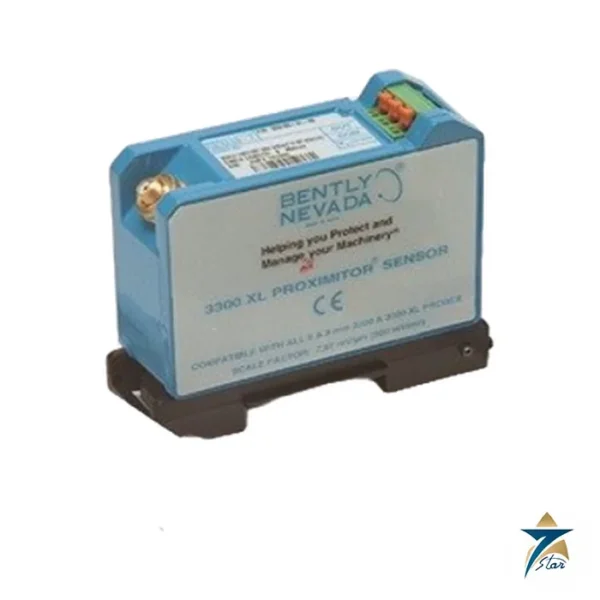
Seven Star LLC supplies the Bently Nevada Orbit 60 to operators of turbines, compressors, pumps and generators across Oman and the GCC. Many regional plants already run 3500 racks, and our engineers in Muscat help customers plan new Bently Nevada Orbit 60 installations, expansions and migrations, matching modules to the existing sensors and to the protection philosophy of each machine train.
Operating Principle

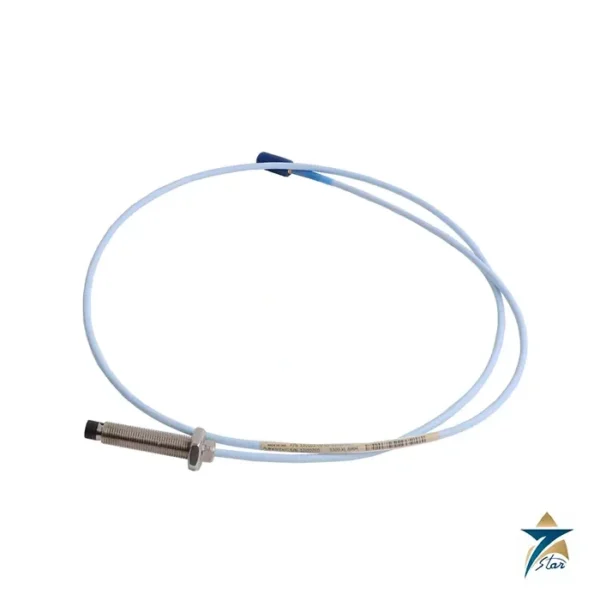
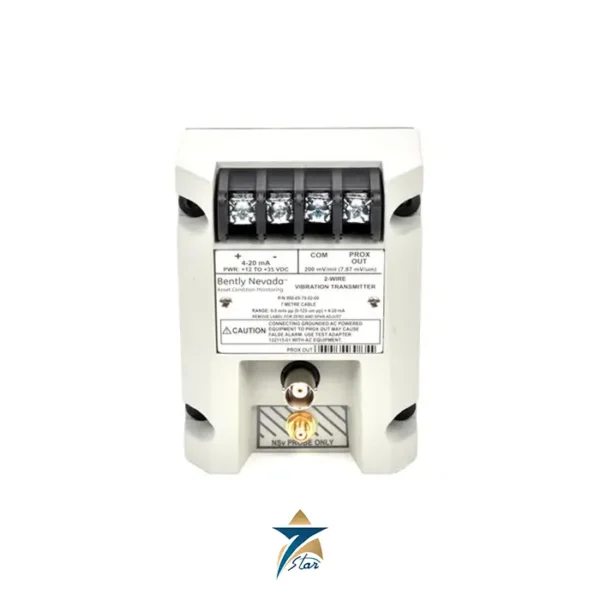
Orbit 60 separates its functions into dedicated modules. Input modules condition signals from proximity probes, accelerometers, velocity sensors, LVDTs, RTDs, thermocouples and process transmitters. The Protection Processing Module (PPM) evaluates alarm and danger setpoints and drives SIL-rated relay outputs, with one PPM typically handling 32 dynamic and hundreds of static points and multiple PPMs supported for larger channel counts or redundancy. Condition Monitoring Modules (CMMs) process waveforms and spectra at the edge, inside the rack, and pass data to System 1 and Cordant Asset Health software for diagnostics by machinery engineers.

Three technologies define the Bently Nevada Orbit 60. Orbit aXess is a patented circuit design that lets protection and condition monitoring share the same rack and I/O while data moves only from protection to condition monitoring, never back, so users keep full configuration access to condition monitoring without exposing the protection layer. Orbit Xtend links chassis through a virtual digital backplane over copper or fibre, allowing two chassis and up to 65 dynamic channels to operate as one rack with chassis up to 2 km apart. Orbit conneX provides bi-directional digital communication so one interface can publish alarms and values to the control system and bring process data into condition monitoring.

Engineering Design of the Bently Nevada Orbit 60

The chassis measures about 19 by 5.2 by 9.7 inches and can be panel mounted with integral clamps, fitted to 19-inch EIA rails or bulkhead mounted. Each module has a public side for day-to-day access to buffered outputs and status LEDs and a utility side where field wiring is terminated, with buffered outputs and LEDs repeated on both. The system runs from standard +24 V dc instrument power in simplex or redundant form, and a physical keylock adds local security. Baker Hughes lists global Division 2 and Zone 2 hazardous area approvals.

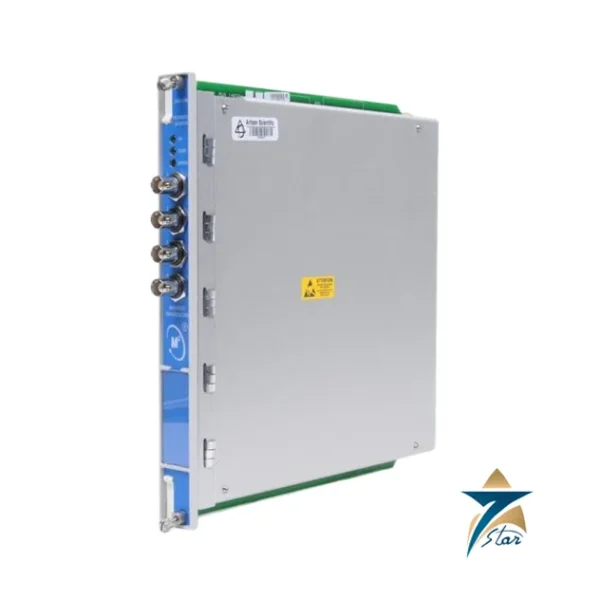
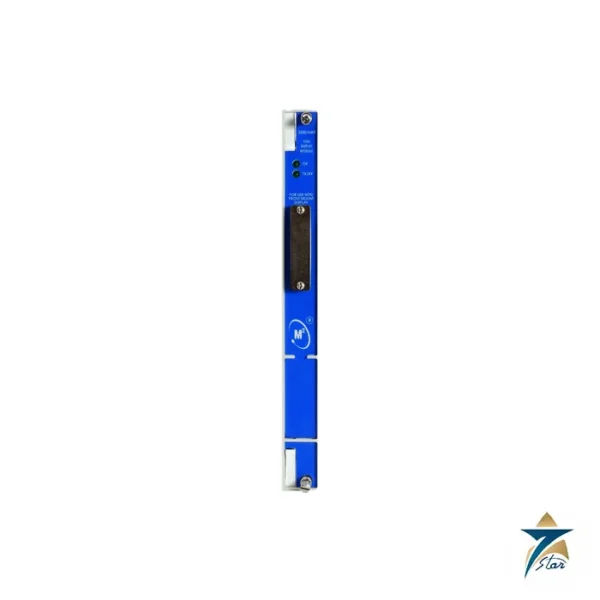
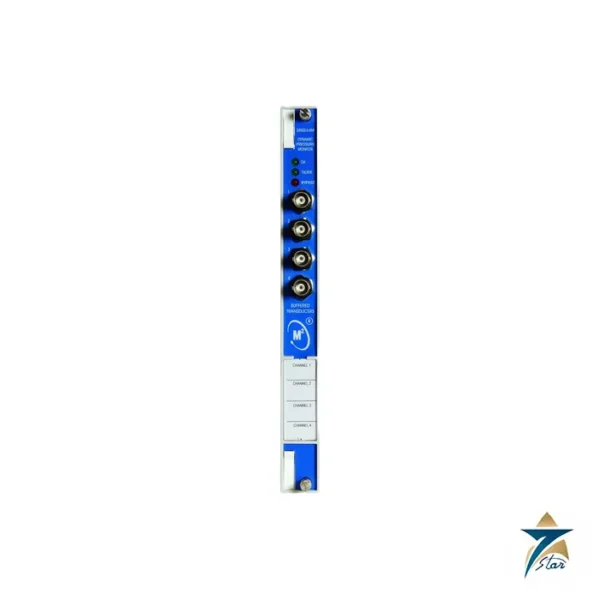
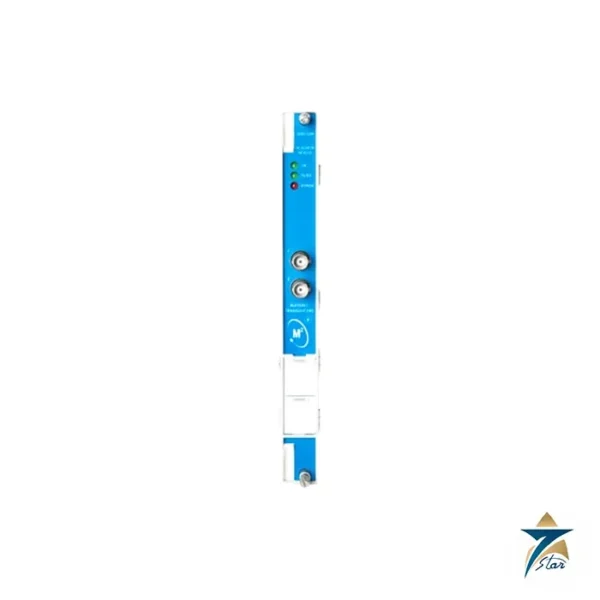
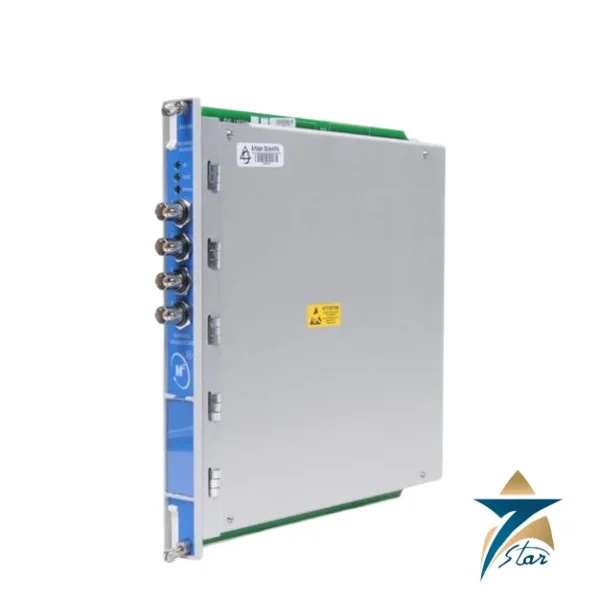
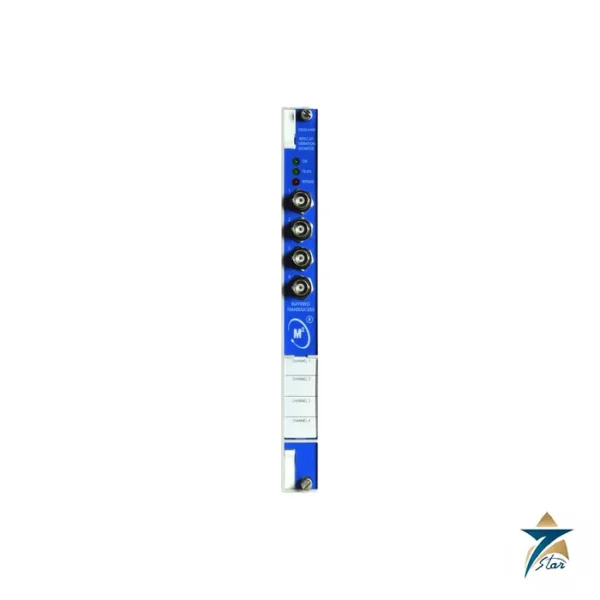
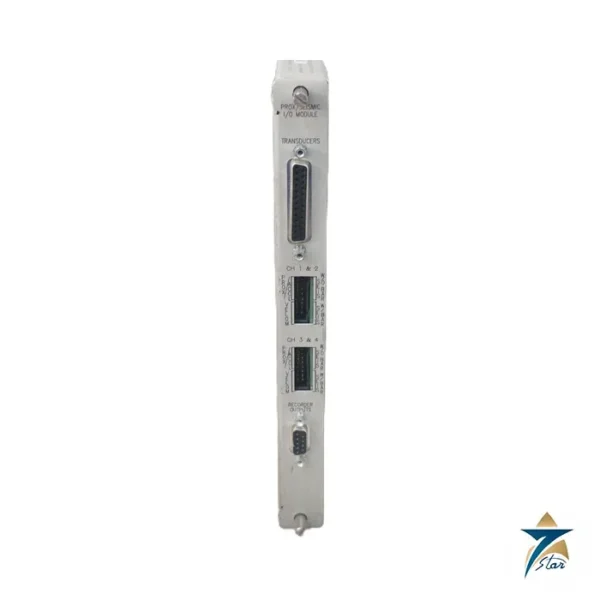
The Bently Nevada Orbit 60 module range includes a Power Input Module, System Interface Module, Protection Processing Module, Condition Monitoring Module, Communications Gateway Module with Modbus TCP and EGD protocols, a Bridge Module for distributed chassis, four-channel Dynamic Input Modules, a four-channel High-Speed Keyphasor Input Module recommended above 12,000 rpm, a four-channel AC LVDT module, six-channel Static Input Modules, eight-channel Recorder Output Modules and eight-relay Relay Output Modules in solid-state or electromechanical versions. Configuration is done in Orbit Studio, which supports offline configuration and live data checks during factory acceptance testing.

Key Features

The Bently Nevada Orbit 60 offers the following capabilities for critical machinery.

  • 3U, 19-inch chassis holding 60 or more channels, saving panel space compared with earlier platforms.
  • Protection functions independent of condition monitoring, designed to meet SIL-2 requirements and API 670 module failure limits.
  • Patented Orbit aXess technology isolating the protection network from the condition monitoring network.
  • Orbit Xtend virtual backplane linking chassis up to 2 km apart to reduce field wiring.
  • Orbit conneX bi-directional digital integration with control systems and historians.
  • Inputs for proximity, velocity, acceleration, dynamic pressure, LVDT, RTD, thermocouple, discrete and process signals.
  • SIL-rated relay outputs and fully programmable recorder outputs in 4-20 mA, 1-5 V dc or 0-10 V dc.
  • Edge condition monitoring feeding System 1 and Cordant Asset Health software.

Industrial Applications

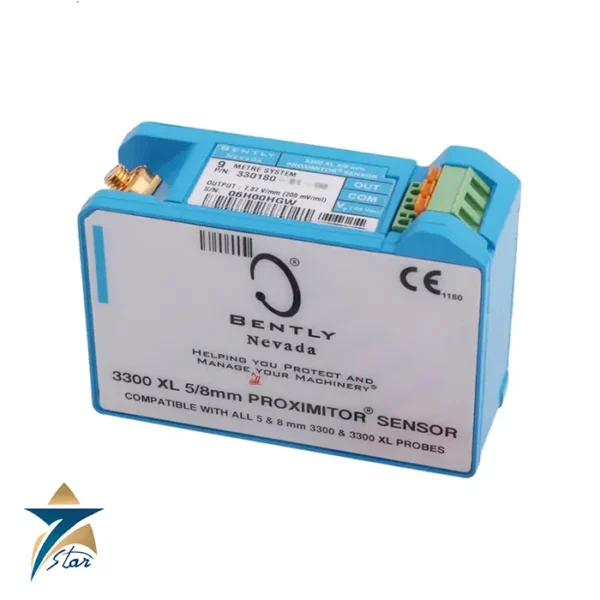
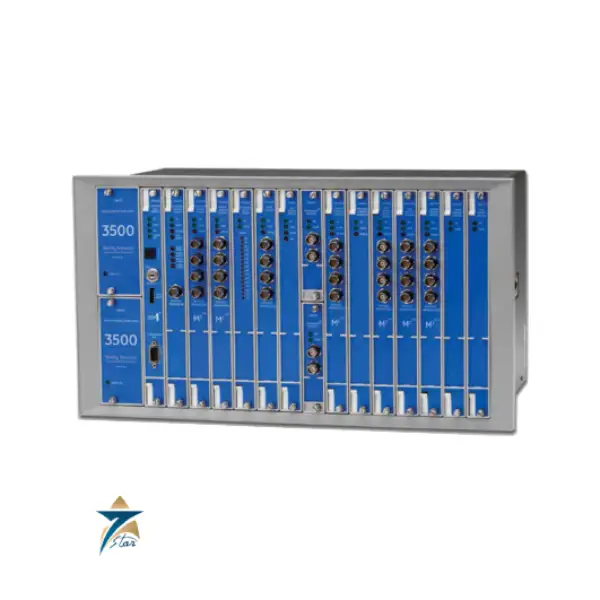
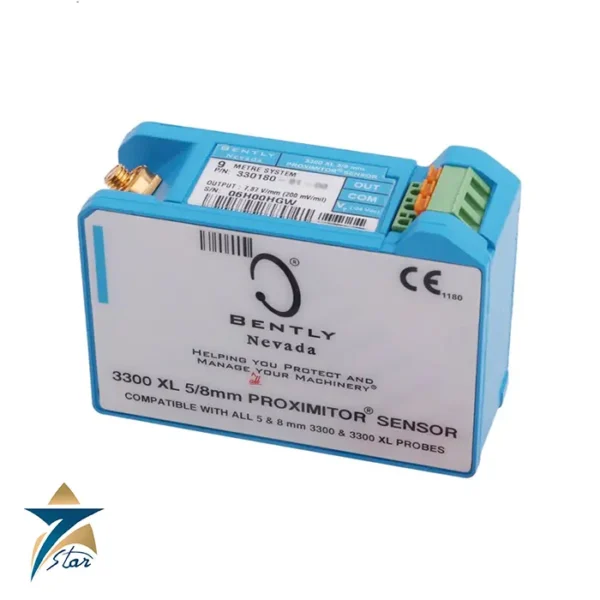
The Bently Nevada Orbit 60 is aimed at the same critical machinery that 3500 racks protect today: gas and steam turbines, centrifugal and reciprocating compressors, large pumps, gearboxes, generators and motors. In Oman this means gas compression and injection trains in the interior fields, LNG and petrochemical compressors in Sur and Sohar, turbine generators at independent power plants and large seawater pumps at desalination plants. Projects often combine the system with proximity transducers such as the Bently Nevada 3300 XL 8mm proximity transducer system and compare it with an expansion of the existing Bently Nevada 3500 machinery protection system.

Seven Star LLC supports these users with model selection and sourcing support from Muscat, covering sensors, monitors and spare modules for both new Bently Nevada Orbit 60 systems and installed 3500 racks, including modules such as the Bently Nevada 3500/42M proximitor seismic monitor, for customers in Oman and the GCC.

Technical Specifications

The Bently Nevada Orbit 60 information below is summarised from the Baker Hughes Orbit 60 Series brochure. Detailed ratings for each module are given in the individual Baker Hughes datasheets.

Parameter Specification
Model Bently Nevada Orbit 60 Series machinery protection and condition monitoring system
Chassis 3U, 19-inch; approx. 19 x 5.2 x 9.7 in; 60+ channels
Mounting Panel cutout with integral clamps, 19-inch EIA rails or bulkhead
Power +24 V dc instrument power, simplex or redundant
Dynamic Input Module 4 channels: proximity, DC LVDT, speed, dynamic pressure, velocity and acceleration
High-Speed Keyphasor Module 4 channels, recommended above 12,000 rpm
AC LVDT Input Module 4 channels, 4-, 5- and 6-wire AC LVDTs
Static Input Module 6 channels: RTD, thermocouple, discrete contacts, process variables
Relay Output Module 8 SPDT relays, solid-state or electromechanical
Recorder Output Module 8 channels, 4-20 mA, 1-5 V dc or 0-10 V dc
Protection Processing Module Typically 32 dynamic and hundreds of static points per PPM; redundancy supported
Communications Communications Gateway Module with Modbus TCP and EGD; Ethernet ports for configuration and displays
Distributed racks Xtend: 2 chassis, up to 65 dynamic channels, up to 2 km apart
Standards focus API 670 module failure limits; designed for SIL-2 requirements
Hazardous area Global Division 2 / Zone 2 approvals

How to Order

Send your formal RFQ for the Bently Nevada Orbit 60 to Seven Star LLC with the machine train details, channel counts, sensor types and relay and communication requirements. Our instrumentation division in Muscat will help define the module list, coordinate delivery across Oman and the GCC, and share the Baker Hughes brochure available for download on this page. Contact our engineering team to plan your Bently Nevada Orbit 60 protection and condition monitoring project.

Ordering Notes for the Bently Nevada Orbit 60

In specifications, purchase requests and search tools the Bently Nevada Orbit 60 is also written as “Orbit60”. These notations all refer to this same product, so any of them can be used in an enquiry; the full order code on the nameplate is still the safest reference.


Orbit 60: Planning an Upgrade

The Bently Nevada Orbit 60 is a machinery protection and condition monitoring system. When it replaces an older rack, the existing sensors and wiring are checked first.

  • Channels – number and type of sensor inputs.
  • Existing system – rack type and transducers already installed.
  • Outputs – relays, analogue outputs and communication.

Send your channel list and existing system details, and we quote the matching configuration.

Datasheets & Documents
  • PDF Brochure Bently Nevada Orbit 60 Series Brochure (Baker Hughes) Download
Reviews (0)

Reviews

There are no reviews yet.

How would you rate this product?

It takes about 10 seconds — just tap a star. Your email is never published.

About brand

Bently Nevada is the American machinery protection and condition monitoring brand behind the 3500 rack, the 3300 XL proximity probe and the System 1 software. It was founded in 1961 in Minden, Nevada, and is today a Baker Hughes business.

Seven Star LLC is an independent supplier in Muscat. We list Bently Nevada monitors, I/O modules, probes, proximitors, velocity transducers and transmitters for rotating equipment in Oman and the GCC, and source them by full part number.

Bently Nevada company profile

Established 1961, Minden, Nevada, USA, by Donald E. Bently. The business started earlier as Bently Scientific in Berkeley, California (1956).
Known for The first commercial eddy-current proximity transducers for measuring shaft vibration and position on high-speed turbomachinery
Ownership Acquired by GE Energy in 2002; part of Baker Hughes since GE Oil & Gas combined with Baker Hughes in 2017
Rack generations 5000 series (from 1965), 3300 series (from 1988), 3500 series (from 1995), Orbit 60 (current platform)
Product families Machinery protection racks, proximity probes and proximitors, Keyphasor sensors, velocity and acceleration transducers, 2-wire vibration transmitters, general-purpose monitors, portable analyzers, wireless sensors and System 1 condition monitoring software
Typical machines Steam and gas turbines, centrifugal and reciprocating compressors, pumps, motors, generators, fans and gearboxes

Milestones

  • 1956: Donald E. Bently starts Bently Scientific in Berkeley, California.
  • 1961: The company moves to Minden, Nevada, as Bently Nevada.
  • 1965: The 5000 series monitoring system is introduced.
  • 1988: The 3300 series follows.
  • 1995: The 3500 machinery protection system is launched.
  • 2002 and 2017: GE Energy acquires Bently Nevada; it becomes part of Baker Hughes in 2017.

Bently Nevada product series

Series Type What it does
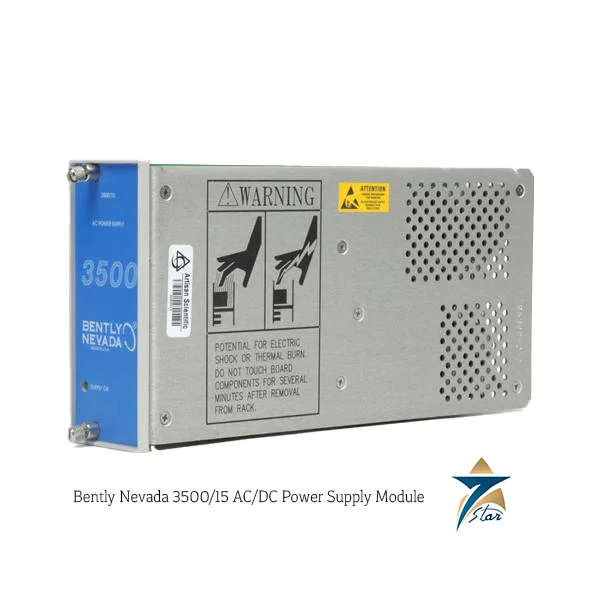
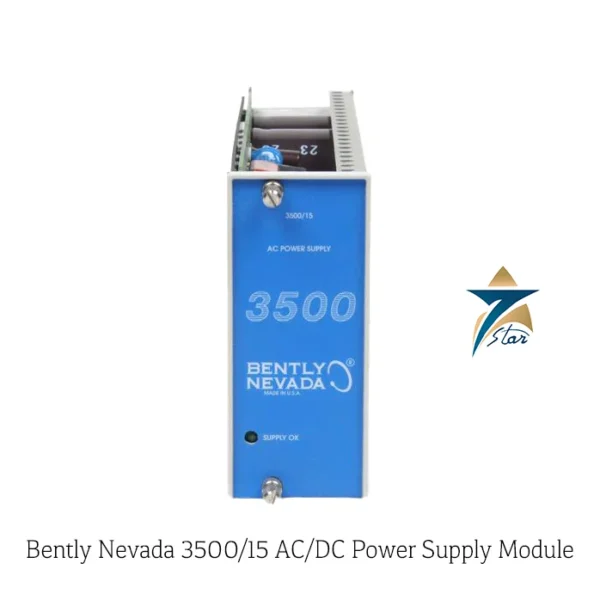
3500 Machinery protection rack Continuous online protection with alarm and danger relays. Modules include the 3500/15 power supply, 3500/20 rack interface, 3500/25 Keyphasor, 3500/42M proximitor/seismic, 3500/50 tachometer, 3500/60 temperature, 3500/33 relay and 3500/92 communication gateway
3500 recip modules Reciprocating compressor monitoring 3500/70M impulse velocity, 3500/72M rod position and 3500/77M cylinder pressure
Orbit 60 Protection and monitoring platform The current Bently Nevada platform for protection, condition monitoring and data integration with System 1
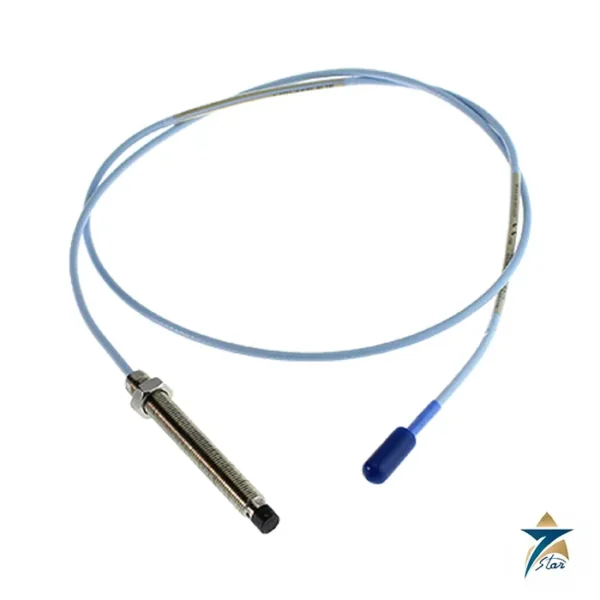
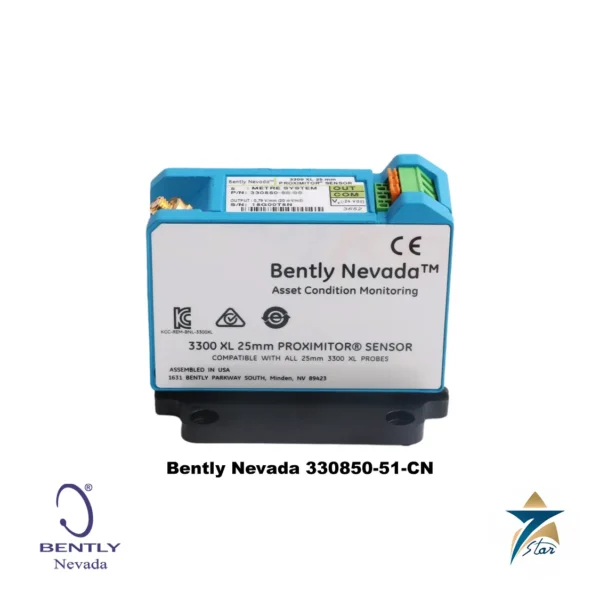
3300 XL 8 mm Proximity transducer system Probe, extension cable and proximitor sensor for radial vibration, thrust position and Keyphasor reference on fluid-film bearing machines; also 5 mm and 25 mm versions
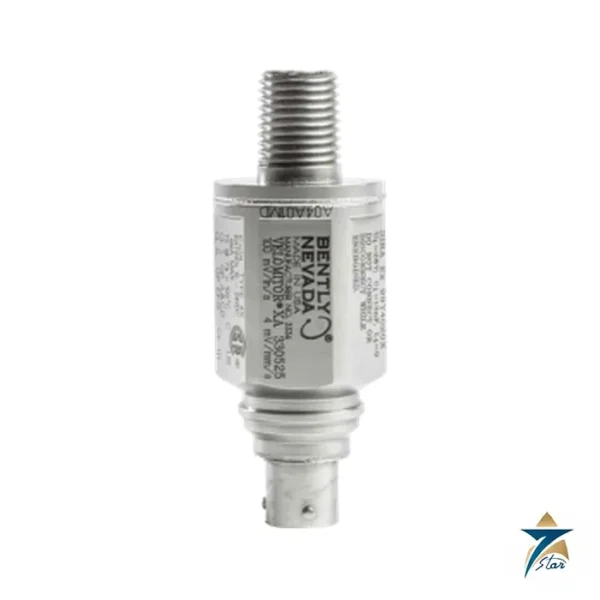
330500 Velomitor, 190501 Velomitor CT Piezo-velocity sensors Casing velocity on rolling-element bearing machines and low-speed cooling tower fans
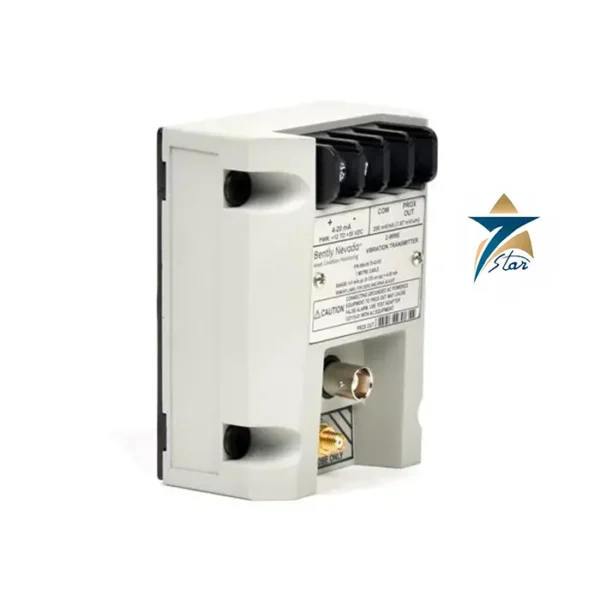
990 and 991 2-wire transmitters 4-20 mA vibration (990) and thrust position (991) signals straight into a PLC or DCS, without a monitor rack
1900/65A, 2300 Compact monitors Protection for balance-of-plant pumps, fans and motors where a full 3500 rack is not justified

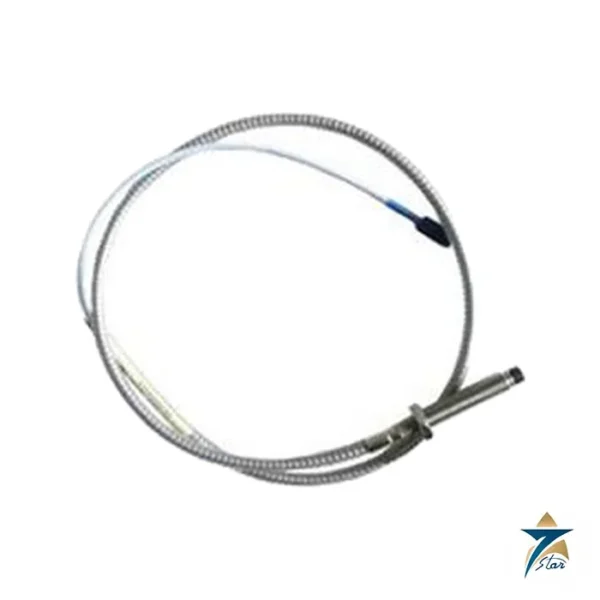
A proximity probe measures the gap to the shaft, so it sees shaft movement inside a fluid-film bearing directly. A velocity or acceleration sensor sits on the casing and suits rolling-element bearing machines. Critical turbomachinery usually carries two X-Y probes per bearing, two axial probes for thrust position and a Keyphasor probe for speed and phase.

Where Bently Nevada systems are used

In Oman and the GCC, Bently Nevada racks and probes protect gas turbines, compressors and steam turbines in gas processing, LNG, refining, petrochemical, power and desalination plants. Many installations are 3500 racks that have run for years, so most requests are for like-for-like module, probe, extension cable and proximitor replacements, plus upgrades to newer monitors.

Ordering and replacement: what we need

For probes and proximitors, send the full part number with all option digits (for example 330101-00-27-10-02-05). The digits set the probe length, cable length, connector and approvals, and the probe, cable and proximitor must match in total system length. For 3500 modules, send the module and I/O part numbers from the rack and say whether the I/O is internal or external termination, or barrier type. If a module is obsolete, we quote the replacement that Bently Nevada names and point out any configuration or firmware change.

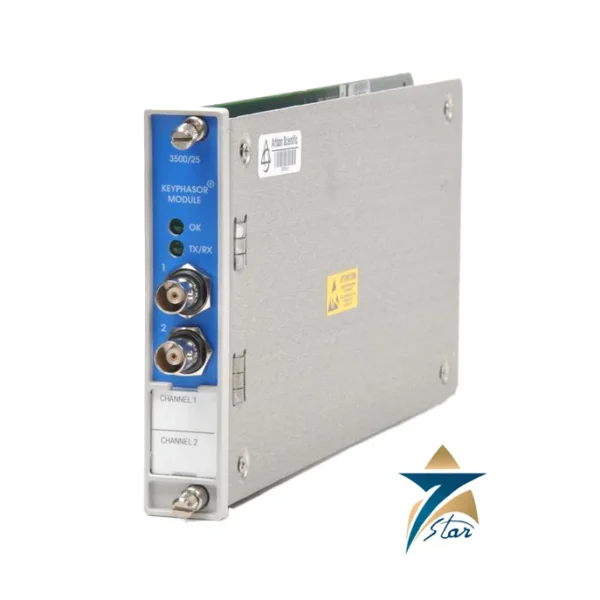
Frequently requested Bently Nevada models: Bently Nevada 3300 XL 8mm Proximity Probe, Bently Nevada 125680-01 3500/40M Proximitor I/O Module, Bently Nevada 149369-01 3500/25 Enhanced Keyphasor Module, Bently Nevada 126648-02 Isolated Keyphasor I/O Module, External, Bently Nevada 3500/61 Temperature Monitor with Recorder Outputs, Bently Nevada 3500/50M Tachometer Module.

Facts checked against Baker Hughes Bently Nevada pages and published company history, October 2026.

Planning a 3500 rack upgrade or a module replacement? Our Bently Nevada 3500 modules guide explains what each monitor, relay and communication module does, and the 3500 module replacement checklist lists the details to confirm before you order.

FAQ

Questions about the Bently Nevada Orbit 60 Machinery Protection System

Answers from our engineering team on installation, compatibility and integration.

01How does the Bently Nevada Orbit 60 differ from the 3500 system?
Baker Hughes describes the Bently Nevada Orbit 60 as the fifth-generation platform after the 3500 Series. Its 3U, 19-inch rack holds approximately the same number of channels as a 3500 rack in about half the space, and it adds aXess segregation between protection and condition monitoring, Xtend distributed racks and conneX digital integration.
02Can the Bently Nevada Orbit 60 be used for condition monitoring only?
Yes. Condition monitoring is built into the architecture through Condition Monitoring Modules, and the brochure states that Orbit 60 can be used for protection alone, condition monitoring alone or both. Without a Protection Processing Module it works as a condition monitoring system feeding System 1 and Cordant Asset Health software.
03Does Orbit 60 meet API 670 requirements?
Baker Hughes states that Orbit 60 meets the API 670 requirement that a single module failure may only affect four dynamic or six static channels, and that the system was designed to meet SIL-2 requirements. Redundant Protection Processing Modules are used where a PPM failure must not affect any channel.
04Which sensors can be connected?
Dynamic input modules accept most commercially available proximity probes, DC LVDTs, speed sensors, dynamic pressure sensors and two- and three-wire velocity and acceleration transducers, including +24 V IEPE accelerometers. Static modules accept RTDs, thermocouples, discrete contacts and process variables, and an AC LVDT module serves valve position and case expansion.
05Does Seven Star LLC supply the Bently Nevada Orbit 60 in Oman?
Yes. Seven Star LLC supplies Bently Nevada Orbit 60 systems and modules to oil and gas, power and petrochemical operators in Oman and the GCC, alongside the 3500 Series and Bently Nevada sensors, with engineering support from our office in Muscat.