Samson 44-2 pressure reducing valve (Type 2442) and 44-3 safety shut-off valve (Type 2443)
The Samson 44-2, catalogued by Samson as Type 2442, is a self-operated pressure reducing valve with a balanced plug and a diaphragm actuator, built for liquids up to 150 °C and for air and nitrogen up to 80 °C. Its sibling, the 44-3 (Type 2443), adds a second operating diaphragm and works as a safety shut-off valve combined with the pressure reducer, aimed at protecting district heating house stations. Both cover set points from 0.5 to 10.5 bar in nominal sizes DN 15 to DN 50 at PN 25. Seven Star LLC supplies the Samson 44-2 in Oman and the GCC as an independent supplier based in Muscat.
Both valves close as the downstream pressure rises, need no auxiliary energy and use an external control line to sense the pressure on the outlet side. They are designed for heating, cooling water, process water and similar clean liquids where the wetted materials are compatible.
Decoding the 44-2 and 44-3 designations
- 44 – the Series 44 range of self-operated regulators.
- 44-2 / Type 2442 – pressure reducing valve with one operating diaphragm.
- 44-3 / Type 2443 – pressure reducing valve with safety shut-off function and two independent operating diaphragms.
The data sheet gives the dual naming (Type 2442 for 44-2, Type 2443 for 44-3) and specifies size, connection type and set point range through the ordering text, so no further suffix code is needed.
Samson 44-2 technical specifications
| Parameter |
Specification |
| Manufacturer / part number |
Samson 44-2 (Type 2442) pressure reducing valve; related 44-3 (Type 2443) safety shut-off valve with pressure reducer |
| Nominal size |
DN 15, 20, 25, 32, 40, 50 |
| Pressure rating |
PN 25 |
| Connections |
Welding ends with connection nuts (standard); threaded ends as special version; flanged body in DN 32, 40 and 50 |
| Medium and temperature |
Liquids up to 150 °C; air and nitrogen up to 80 °C |
| Set point ranges, 44-2 |
0.5–2 bar, 1–4 bar, 2–4.2 bar, 2.4–6.3 bar, 6–10.5 bar |
| Set point ranges, 44-3 |
2–4.2 bar, 2.4–6.3 bar, 6–10.5 bar (a 1–4 bar range appears in the 44-3 row of the data sheet with a footnote; confirm on request) |
| Max. differential pressure |
20 bar (DN 15–25); 12 bar (DN 32–50) |
| Leakage class (44-2) |
≤0.05 % of KVS to IEC 60534-4 |
| Max. pressure at actuator |
1 bar above the closing point set at the valve; protect with a downstream excess pressure valve |
| Valve body |
Red brass CC499K; spheroidal graphite iron EN-GJS-400-18-LT for flanged DN 32–50 |
| Seat, plug |
Seat stainless steel 1.4305; brass CW602N with stainless steel 1.4305 and EPDM soft seal |
| Diaphragm and seals |
EPDM with fabric reinforcement; FKM available for mineral oils |
| Type test |
44-3 type-tested for water by TUV (KVS 1.0 and higher); designed to AGFW FW 504 requirements |
KVS coefficients and flow capacity of the 44-2
Standard KVS values rise with size: 4.0 (DN 15), 6.3 (DN 20), 8.0 (DN 25), 12.5 (DN 32), 16.0 (DN 40) and 20.0 (DN 50). Flanged bodies in DN 32, 40 and 50 offer 12.5, 20 and 25. Restricted-flow versions with KVS 0.4, 1.0 and 2.5 are available in DN 15, 20 and 25, with KVS 5.0 as a special in DN 25 balanced by a bellows. A flow diagram for water in the data sheet helps read the pressure drop for each KVS.
How the 44-2 and 44-3 regulate pressure
Water or another liquid flows through the valve in the arrow direction, and the plug position sets the free cross-section against the exchangeable seat. The downstream pressure is led by a control line to the operating diaphragm, where it produces a force that works against the spring assembly. When outlet pressure rises above the set point, the valve closes; when it falls, the valve opens again. The plug is balanced, so inlet pressure does not push on it, which keeps control accurate even when upstream pressure swings.
In the 44-3 the actuator has a backup diaphragm next to the operating diaphragm. If the operating diaphragm ruptures, the backup diaphragm takes over the control task, and an indicator in the intermediate ring shows the damage; a pressure switch can signal it to a control room. Installation must respect the actuator hanging downward in a horizontal pipe.
Dimensions and weights for the 44-2
| Size |
Length L |
L1 with welding ends |
Weight 44-2, approx. |
| DN 15 |
65 mm |
210 mm |
3.1 kg |
| DN 20 |
70 mm |
234 mm |
3.2 kg |
| DN 25 |
75 mm |
244 mm |
3.5 kg |
| DN 32 |
100 mm |
268 mm |
5.1 kg |
| DN 40 |
110 mm |
294 mm |
13.2 kg |
| DN 50 |
130 mm |
330 mm |
14.8 kg |
The 44-3 weighs a little more at each size, for example 3.9 kg in DN 15 and 16.4 kg in DN 50. Actuator diameter is 116 mm up to DN 32 and 160 mm in DN 40 and 50.
Where the 44-2 fits and related Samson parts
In district heating the 44-3 is combined with a Type 2448 safety excess pressure valve (SEV) in a house station, as shown in the data sheet, to protect the plant from overpressure. The 44-2 serves similar duty where no safety shut-off is required. For air and gas reduction, the Series 44 bellows regulators 44-1B and 44-0B (steam) are the alternatives, and for pressure-independent flow control the Type 2488 or 2489 covers heating circuits that need a flow limit.
Selection and ordering checklist for the 44-2
- Medium and temperature; the materials are suitable for water-based liquids, with FKM for mineral oils.
- Inlet pressure, required outlet set point and maximum flow, to choose size and KVS.
- Whether a safety shut-off function (44-3) is needed, for example under AGFW rules in district heating.
- End connection: welding ends, threaded ends or flanged body.
- Check the differential pressure limit of 20 bar (DN 15 to 25) or 12 bar (DN 32 to 50).
- Plan a downstream excess pressure valve if the system pressure could exceed 1 bar above the closing point at the actuator.
Installation, commissioning and maintenance of the 44-2
Install in a horizontal pipe with the actuator hanging down and the flow arrow in the process direction. Run the control line to a straight section downstream, and flush the pipework before the valve is installed to protect the seat. Open the isolating valves gradually and adjust the set point at the adjuster while watching a gauge on the outlet side.
During service, check the operating diaphragm for cracks, the seat for scoring and the balanced plug for deposits. On a 44-3, test the diaphragm rupture indicator as part of the regular inspection and keep spare diaphragms and seals on the shelf.
Typical applications in Oman and the GCC
In the region the 44-2 is used on chilled and hot water distribution, district cooling substations, cooling water make-up lines, utility water and compressed air or nitrogen reduction stations. The district heating safety function of the 44-3 matters most in cooling or heating networks with a higher primary pressure than the building system.
Information to send with an RFQ for the 44-2
- Medium, temperature, inlet pressure and required outlet pressure
- Flow rate (maximum and minimum)
- Nominal size and end connection
- Need for safety shut-off (44-3), diaphragm rupture signalling
- Material preferences such as FKM, and project tag
Documents and quotation
A Samson datasheet covering the Type 2442 (44-2) and Type 2443 (44-3) is attached on this page.
Send your duty and Seven Star LLC will quote the 44-2 or 44-3 for delivery in Oman and the GCC.
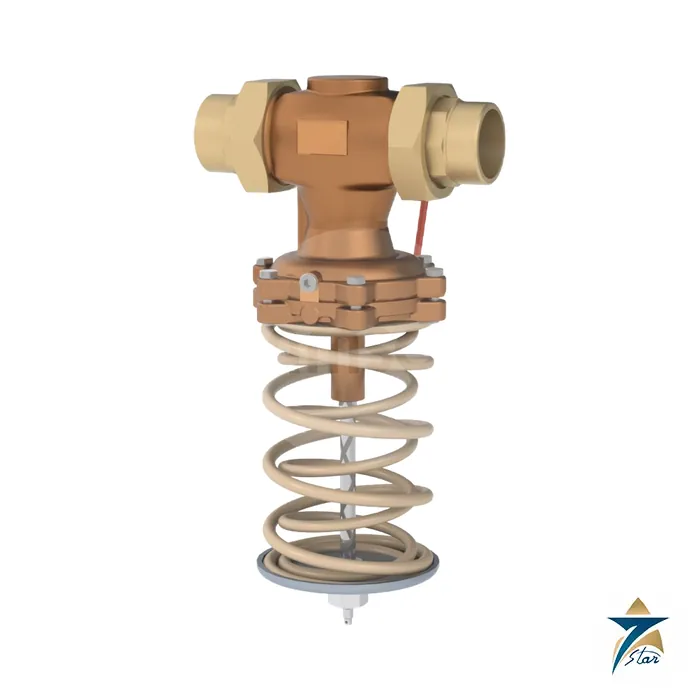
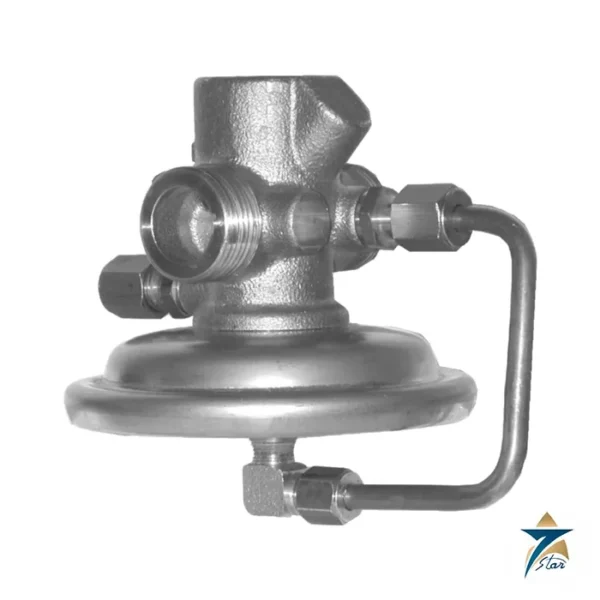
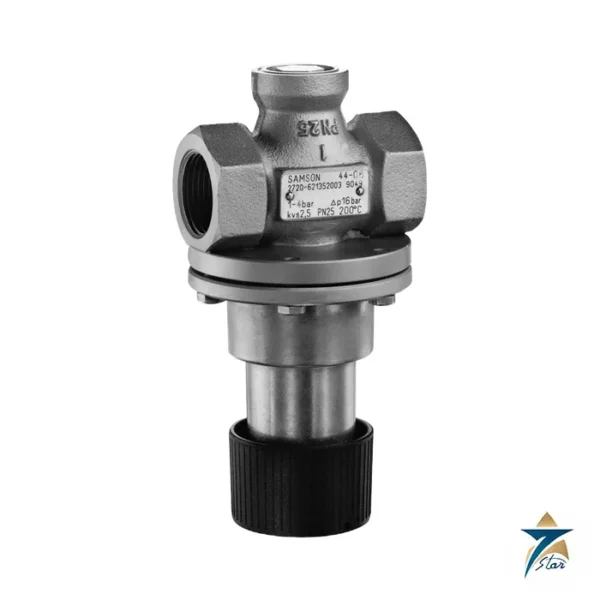
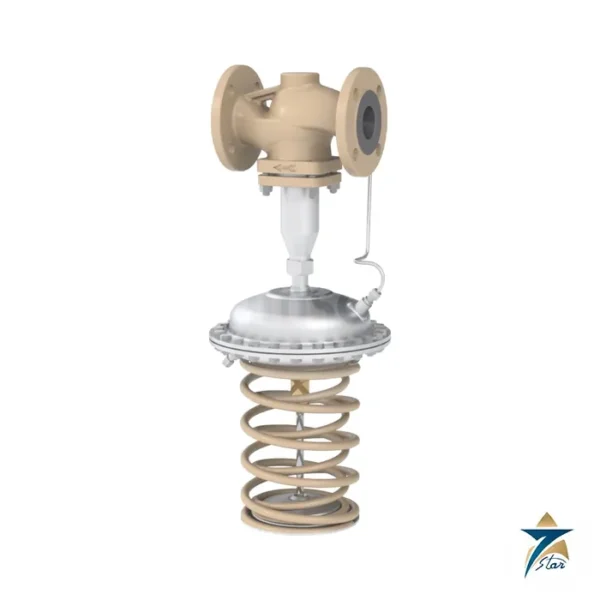
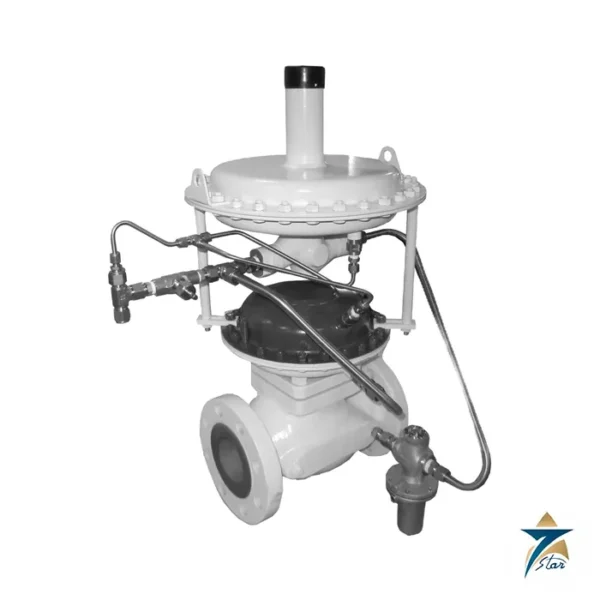
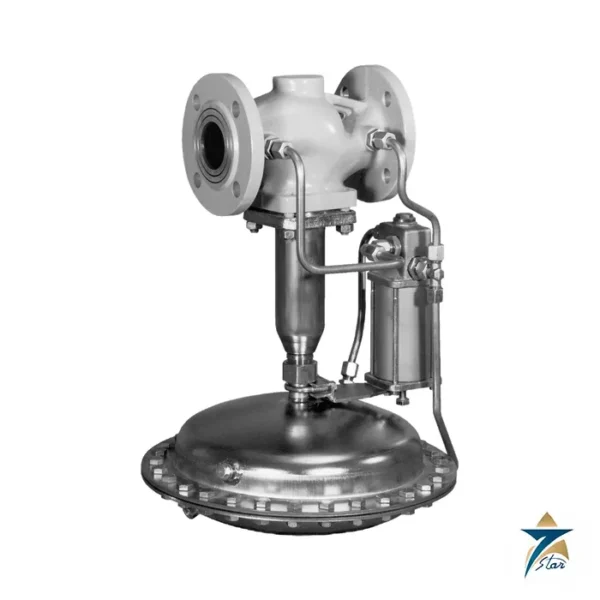
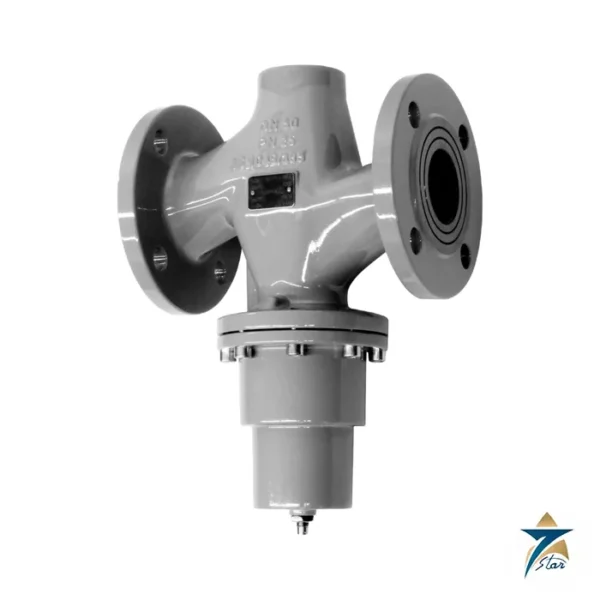
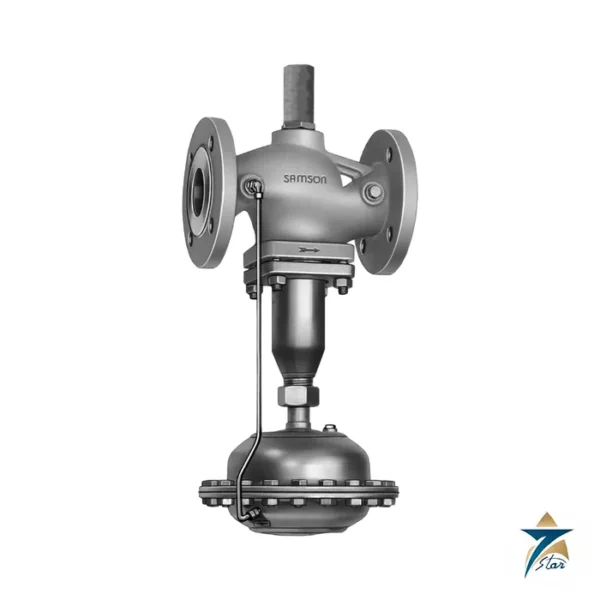
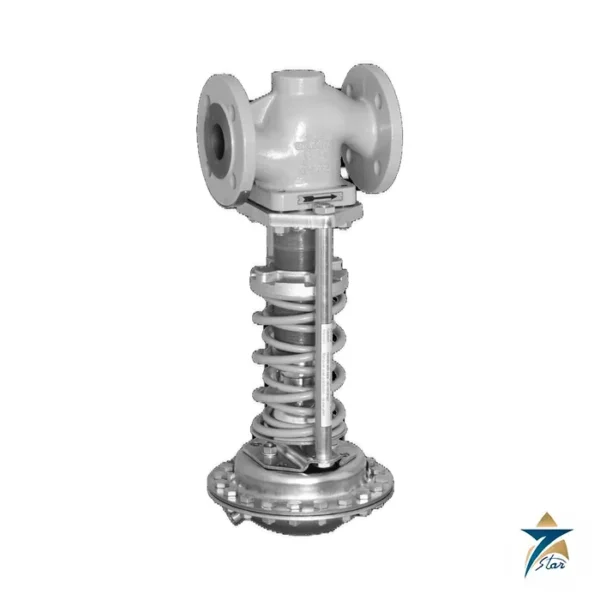
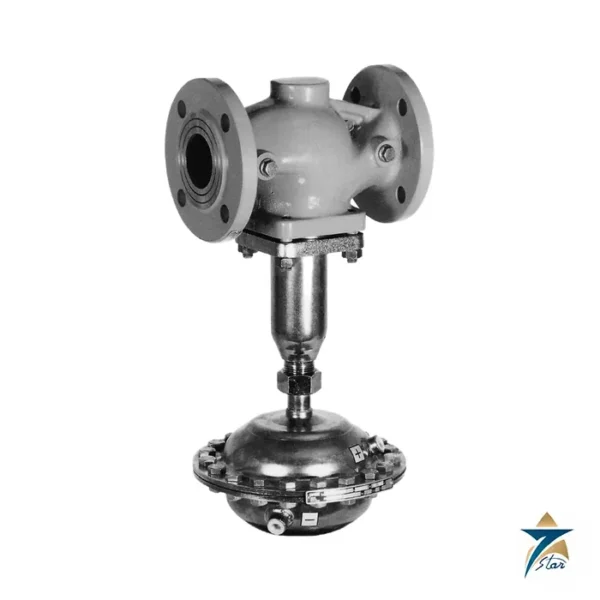
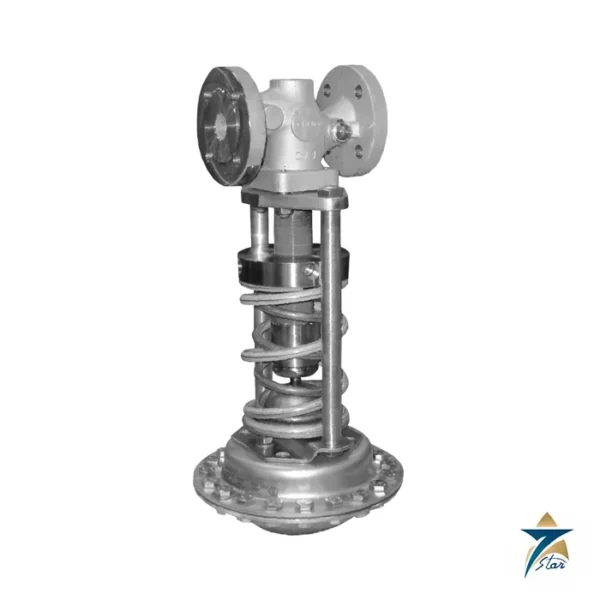
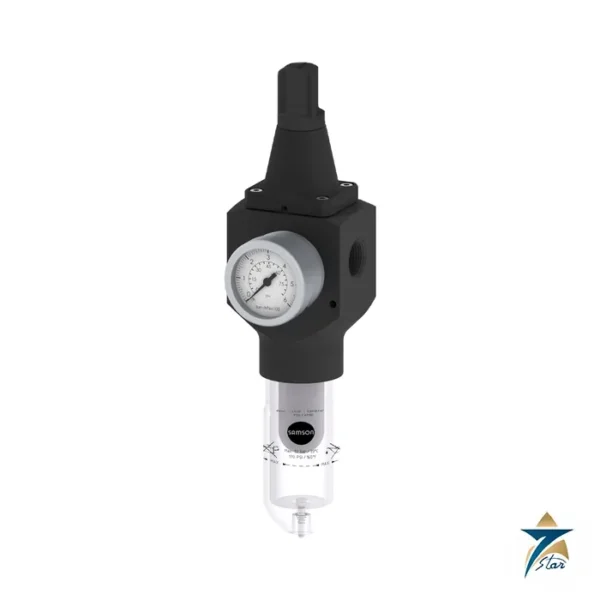
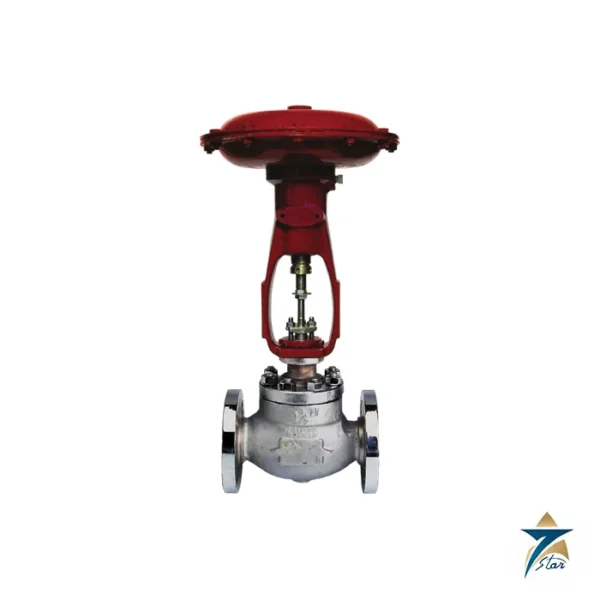
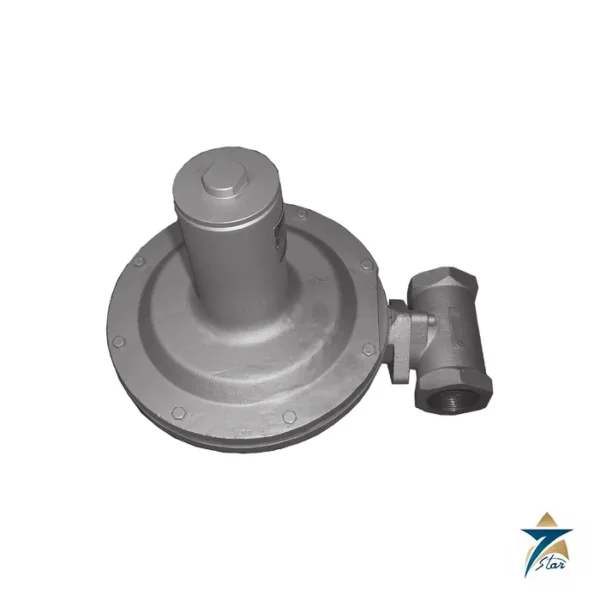
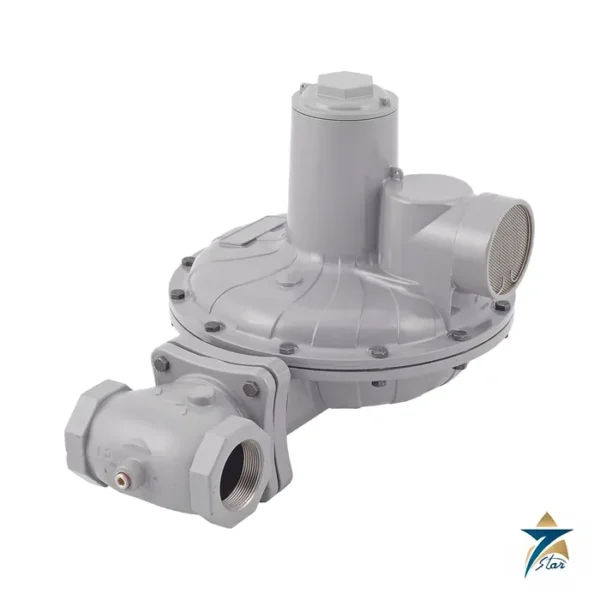
Other Models in the Samson Series 44 Range
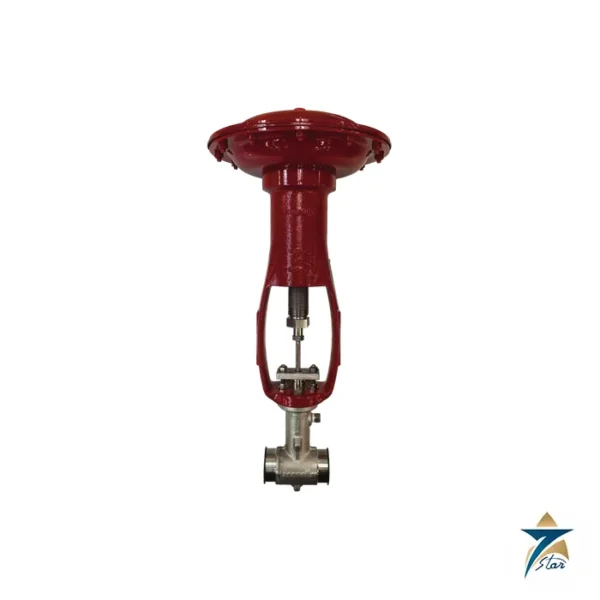
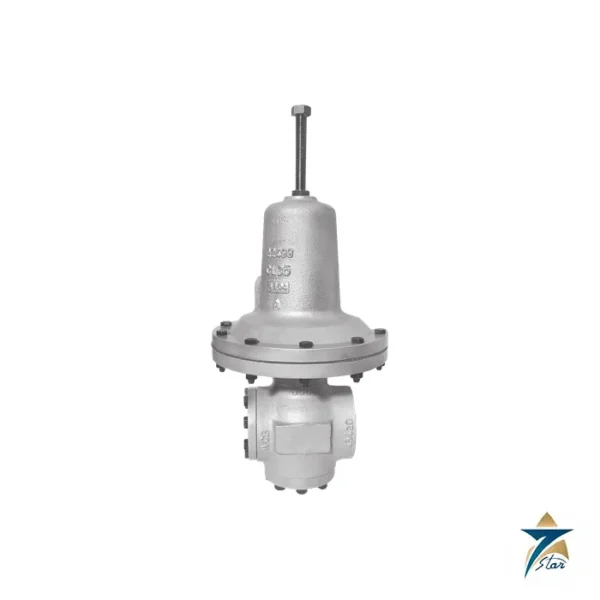
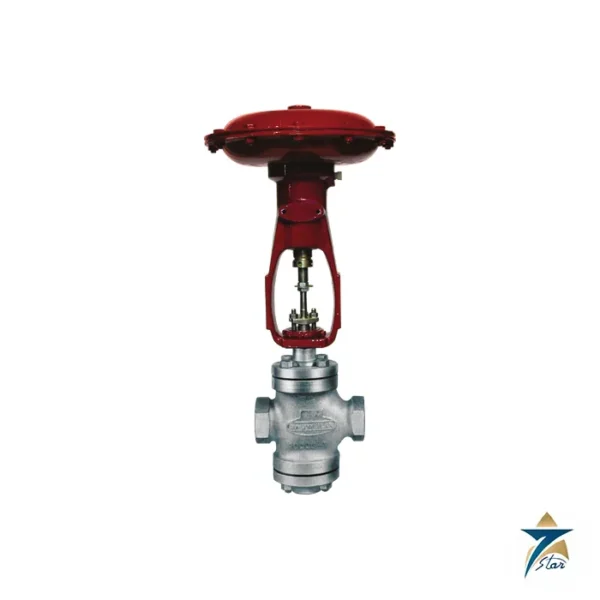
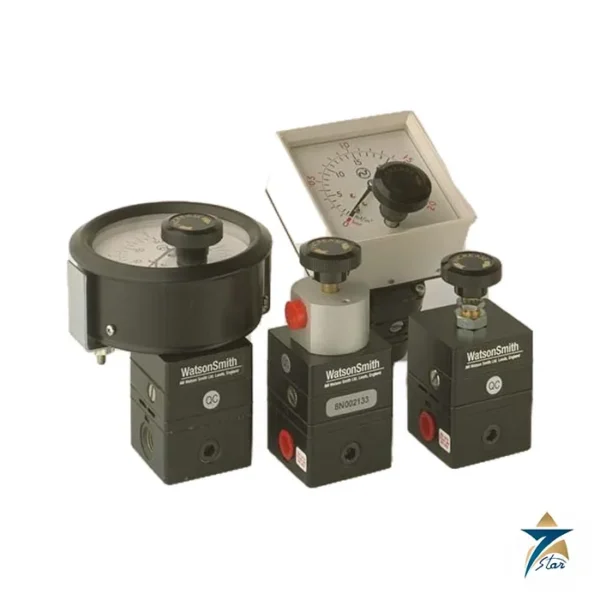
Seven Star LLC supplies models from the Samson Series 44 range in Oman and the GCC. Compare the related models below and request a quote for the one that matches your application.























Reviews
There are no reviews yet.