Brand:

Meinberg GPS EX-PROOF ATEX Explosion Proof GPS L1 Antenna

Description

Overview

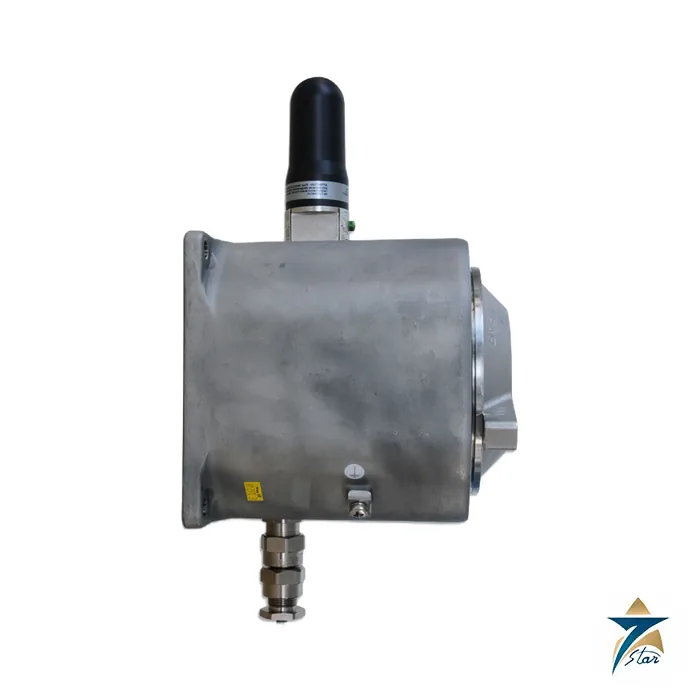
Satellite time is needed in places where a spark is not allowed: tank farms, gas processing plants, offshore platforms and loading terminals. The Meinberg GPS EX-PROOF is Meinberg’s explosion proof active GPS L1 antenna, built for hazardous areas where an explosive mixture is likely to occur in normal operation. It combines a GPS L1 band antenna and a 40 dB amplifier inside a pressure-resistant stainless steel housing. Seven Star LLC is an independent supplier serving Oman and the GCC.

Explosion protection of the Meinberg GPS EX-PROOF

The antenna is compliant with the ATEX Directive 2014/34/EU and certified for Zone 1. The datasheet gives the marking Ex II 2G Ex d IIB T5, states the form factor as Ex d IIC explosion proof enclosure, and cites EN IEC 60079-0:2018 and EN 60079-1:2014 for the general requirements and flameproof enclosures. The test certificate is DEKRA 13 ATEX 0209, and the pressure housing is of type TNCD 191918, with the lid closed and without a disc. The EMC Directive 2014/30/EU is listed as well.

Datasheet values for Meinberg GPS EX-PROOF

Parameter Datasheet value
Antenna type Top-centred passive GPS L1 antenna with integrated 40 dB amplifier
Supply 3 to 16 V DC, typically 20 mA
ATEX marking Ex II 2G Ex d IIB T5
Test certificate DEKRA 13 ATEX 0209
Connector Type-N
Housing dimensions (outside) 190 x 190 x 180 (205) mm, W x H x D
Housing dimensions (inside) 167 x 167 x 134 mm
Material AISI 316L / CF-3M stainless steel, shot peened
IP rating IP65
Weight 16 kg
Temperature range minus 40 to plus 60 degrees C
Warranty Two years
Manual No online manual; contact the maker

How the Meinberg GPS EX-PROOF differs from standard Meinberg antennas

The GPSANTv2 and the GNMANTv2 are light ABS dome antennas weighing 1.4 kg with a mounting kit, with the GNMANTv2 covering several bands. The GPS EX-PROOF is the opposite in character: a single-band L1 antenna, 16 kg in stainless steel, with a 40 dB amplifier and a certificate for Zone 1. It is powered from 3 to 16 V DC and has a narrower temperature range of minus 40 to plus 60 degrees C, against minus 60 to plus 80 for the GPSANTv2. The warranty is two years rather than three.

Where it is used in Oman and the GCC

Hazardous areas make up a large part of the regional energy sector. Refineries, gas plants, tank terminals and offshore platforms may need synchronised time for distributed control, emergency shutdown logs and metering. Mounting an approved antenna inside the classified area, or at its edge, brings the satellite signal to a clock in a safe area. The stainless steel housing resists sea salt, which suits coastal and offshore locations.

Selection and compatibility notes

Check the area classification against the Zone 1, Group IIB marking, with the temperature class T5 in mind for the gases present. Confirm the receiver supplies a voltage within the 3 to 16 V range. Because the datasheet describes an L1 antenna with amplifier, verify with the clock maker whether the receiver expects this type of signal. Plan the cable entry, glands and earthing in line with the certificate and the local hazardous area rules.

Installation and commissioning

The housing weighs 16 kg, so use a strong mast or bracket and lifting aids. Mount the antenna with a clear sky view, connect the Type-N cable through the certified entry, bond the enclosure to earth and follow the installation requirements of the certificate. Check satellite reception at the receiver after power up. Only qualified personnel should work on explosion protected equipment.

Maintenance

Inspect the housing for corrosion, damage and loose fasteners, never open the flameproof enclosure in the hazardous area while energised, and follow the inspection regime required for the zone.

Why flameproof housings are heavy

A flameproof enclosure does not prevent an explosive gas from entering. Instead, it is built strong enough to withstand an internal explosion and to cool escaping gases so that the outside atmosphere is not ignited. That explains the wall thickness and the 16 kg weight of the stainless steel body. The thick walls reduce radio signal strength, which is why the antenna element is placed top centred and the amplifier of 40 dB is built in. Plan for the weight in the mast design.

Safety and documentation for hazardous area equipment

Keep the certificate, the drawing and the installation record together in the equipment file of the plant, since inspectors will ask for them. Record the zone, the gas group, the temperature class and the date of each inspection. Any modification of the enclosure, including drilling or changing the cable entry, can void the certification, so refer such changes to the maker. Use cable glands and stopping plugs that carry their own certificates and suit the enclosure thread, and make sure the cable between the antenna and the safe area clock is routed so that it does not carry hazardous gas through its core into the safe area. Seal the cable at the boundary as the site rules require.

In salt-laden coastal air, wash the housing at intervals and check the fasteners for galling.

Antenna placement in a classified area

Mount the unit where the sky view is widest but also where maintenance staff can reach it safely under the permit system of the plant. A pole on the edge of a process unit is often better than the top of a tall tower, which is hard to inspect. Keep the housing away from hot surfaces, since the stated range ends at 60 degrees C, and shade it if the site has strong direct sun on steel structures. Record the position, the cable route and the earth connection on the as-built drawings.

Ordering notes for Meinberg GPS EX-PROOF

Confirm the hazardous area classification, the cable length and the receiver type in your enquiry. Certified cable glands and mounting hardware are separate items.

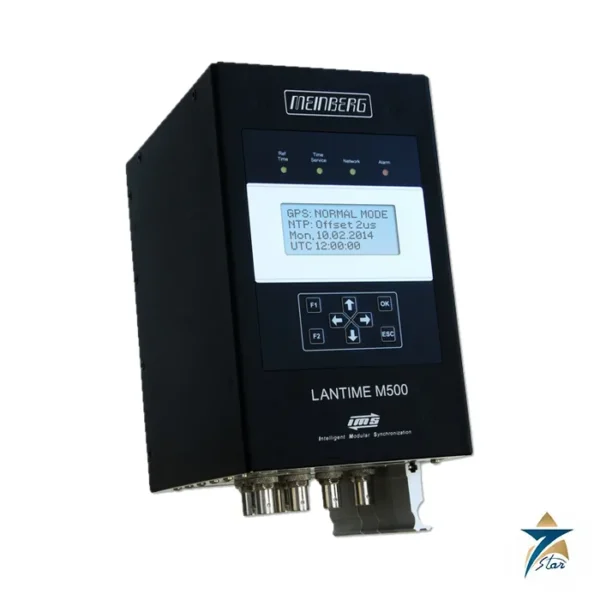
Related items you may also need: Meinberg LANTIME M500 Modular DIN-Rail Time Server | Meinberg LANTIME M320/GPS/AD10 NTP Time Server | Meinberg LANTIME M1000 Modular NTP/PTP Time Server (IMS 1U) | All Meinberg products.

Documents and quotation

The manufacturer datasheet for the Meinberg GPS EX-PROOF is attached to this page. Send your RFQ with the part number, quantity and delivery location in Oman or the GCC.

Other Models in the Meinberg Antennas Range

Seven Star LLC supplies models from the Meinberg Antennas range in Oman and the GCC. Compare the related models below and request a quote for the one that matches your application.

ModelCategory
Meinberg GNMANTv2 Dual-Band Multi-GNSS Antenna, IP65Industrial CommunicationsView details
Meinberg GPSANTv2 GPS and Galileo Antenna with ConverterIndustrial CommunicationsView details
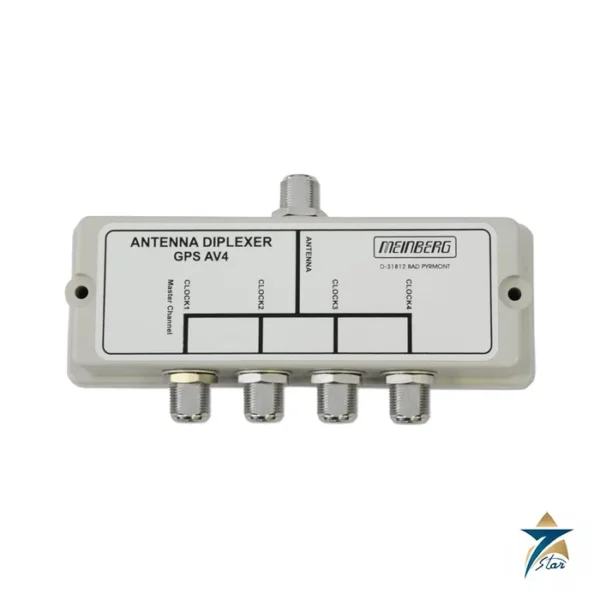
Meinberg GPSAV4 Four-Port GPS Antenna DistributorIndustrial CommunicationsView details
Meinberg GPS EX-PROOF ATEX Explosion Proof GPS L1 AntennaIndustrial CommunicationsYou are viewing this model
Datasheets & Documents
  • PDF Datasheet Meinberg GPS EX-PROOF ATEX Explosion Proof GPS L1 Antenna Datasheet Download
Reviews (0)

Reviews

There are no reviews yet.

How would you rate this product?

It takes about 10 seconds — just tap a star. Your email is never published.

About brand

Meinberg is a German maker of time and frequency synchronisation products, founded in 1979 by the brothers Werner and Günter Meinberg in Bad Pyrmont. It began with DCF77 longwave radio clock receivers and now makes GPS and GNSS-referenced NTP and PTP time servers. Meinberg is family-owned and designs and manufactures its products in Bad Pyrmont.

Seven Star LLC sources and supplies Meinberg LANTIME time servers for utilities and networks in Oman, including the M1000 and M320 listed here.

Meinberg company profile

Founded 1979, Bad Pyrmont, Germany
Founders Werner and Günter Meinberg
Ownership Family-owned
Manufacturing Bad Pyrmont, Germany
Product families LANTIME M150, M250, M320, M500 and M1000 NTP/PTP time servers, IMS modular systems, GNSS and DCF77 receivers, PTP grandmaster clocks

Meinberg LANTIME models listed here

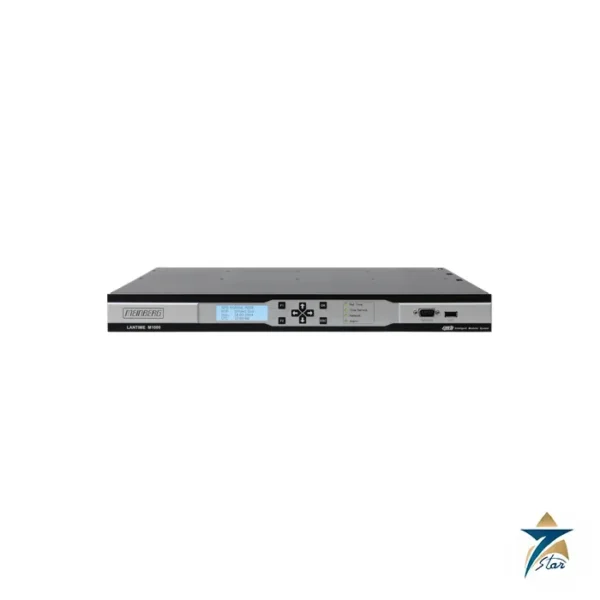
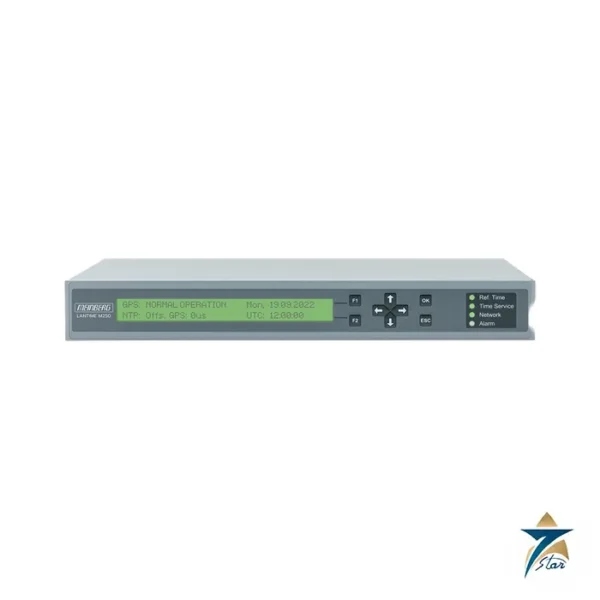
The LANTIME M320 is a 1U rackmount NTP time server. It works as a stratum 1 source with its own reference receiver, and Meinberg offers it with GPS, combined GNSS, DCF77 (PZF), MSF and IRIG time code references. The LANTIME M1000 is a 1U platform on the modular IMS system, with slots for up to two reference clocks, two power supplies and hot-pluggable I/O modules, plus PTP (IEEE 1588) and IEC 61850 time synchronization.

Meinberg products we list

Family Examples
Industrial Communications LANTIME M1000 Modular NTP/PTP Time Serve…, LANTIME M150 DIN-Rail NTP Time Server, LANTIME M250 Compact NTP Time Server, LANTIME M320/GPS/AD10 NTP Time Server, LANTIME M500 Modular DIN-Rail Time Server

Ordering a Meinberg time server: what we need

A Meinberg order code describes the build. In M320/GPS/AD10, GPS is the receiver and AD10 is the wide-range AC/DC power supply. Send the full code or serial number, the reference source, oscillator option, supply voltage, the outputs you need (PPS, 10 MHz, IRIG, extra LAN ports) and the antenna cable length. GCC utility projects often require redundant supplies.

Facts checked against Meinberg's own company history (meinbergglobal.com), October 2026.

FAQ

Questions about the Meinberg GPS EX-PROOF ATEX Explosion Proof GPS L1

Answers from our engineering team on installation, compatibility and integration.

01What explosion protection does the Meinberg GPS EX-PROOF carry?
The datasheet gives ATEX marking Ex II 2G Ex d IIB T5, Zone 1 certification and test certificate DEKRA 13 ATEX 0209.
02What is the Meinberg GPS EX-PROOF housing made of?
It is made of AISI 316L (CF-3M) stainless steel, shot peened, which resists sea salt and suits offshore platforms.
03What supply does the Meinberg GPS EX-PROOF need?
It operates on 3 to 16 V DC with a typical current of 20 mA and includes an integrated 40 dB amplifier.
04How heavy is the Meinberg GPS EX-PROOF?
The antenna weighs 16 kg, and the outside dimensions of the housing are 190 x 190 x 180 (205) mm.
05What temperature range does the Meinberg GPS EX-PROOF cover?
The datasheet lists minus 40 to plus 60 degrees C with an IP65 rating and a Type-N connector.