BI5U-M18-AP6X-H1141 at a glance
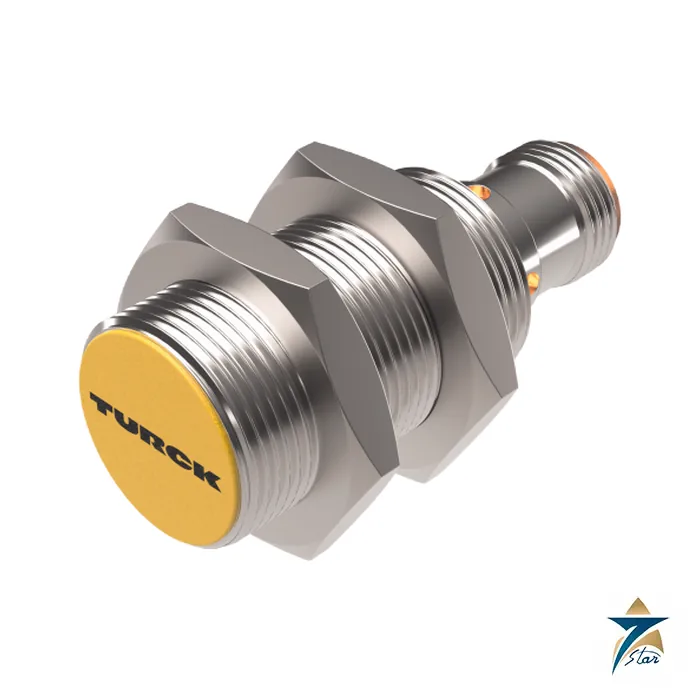
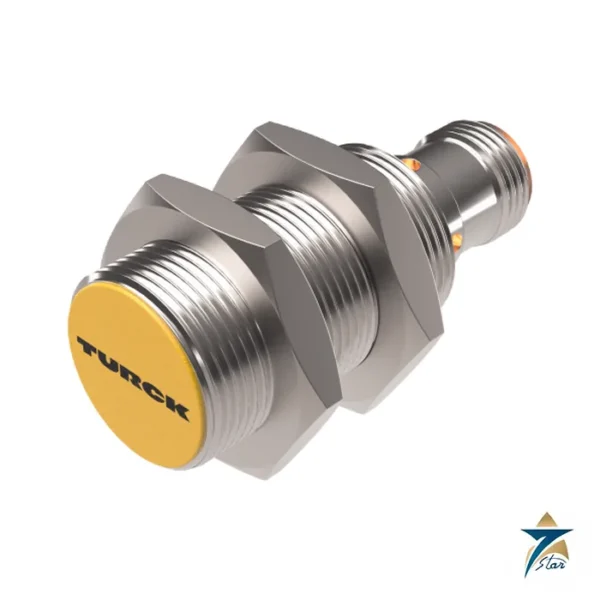
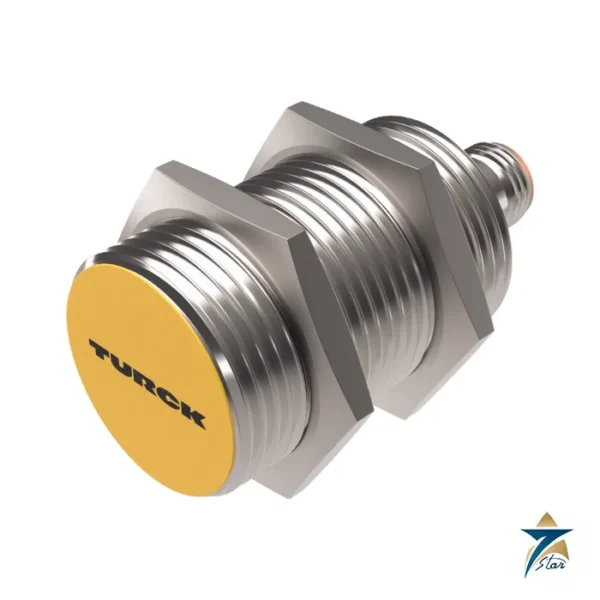
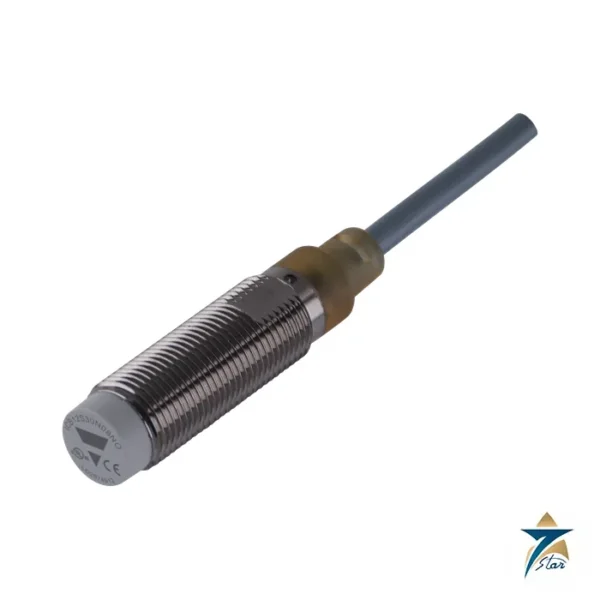
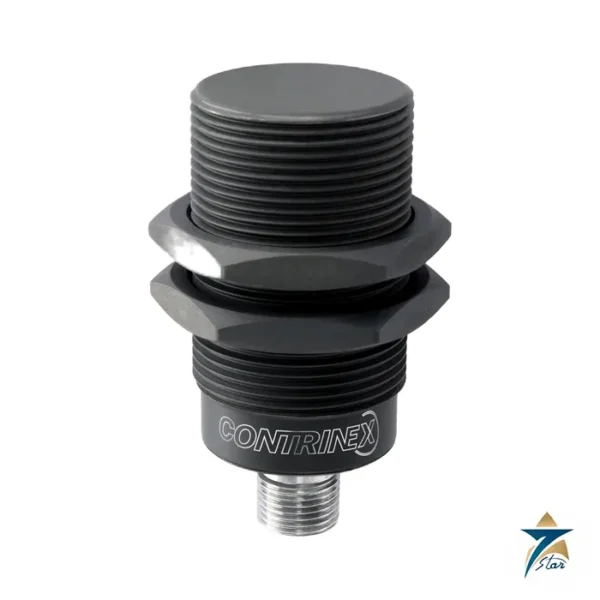
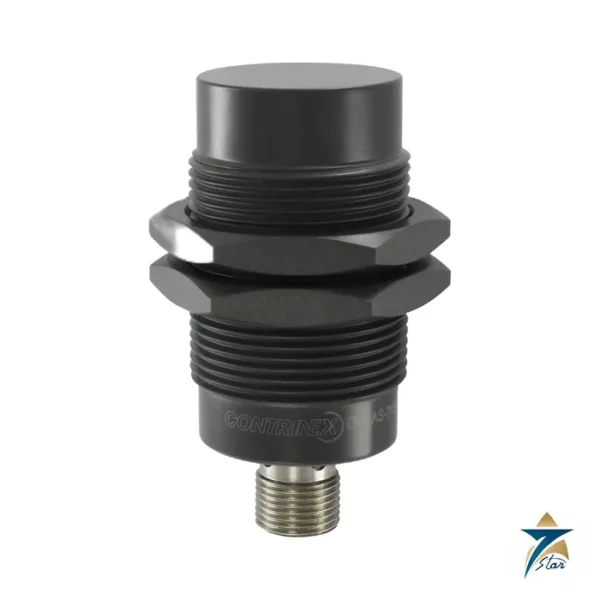
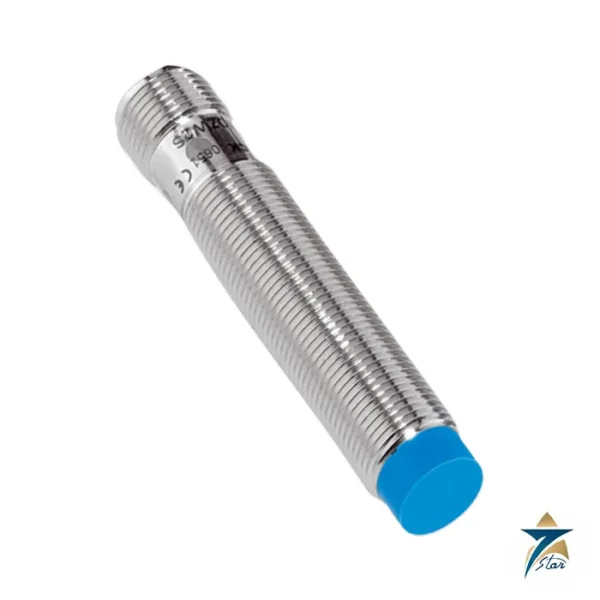
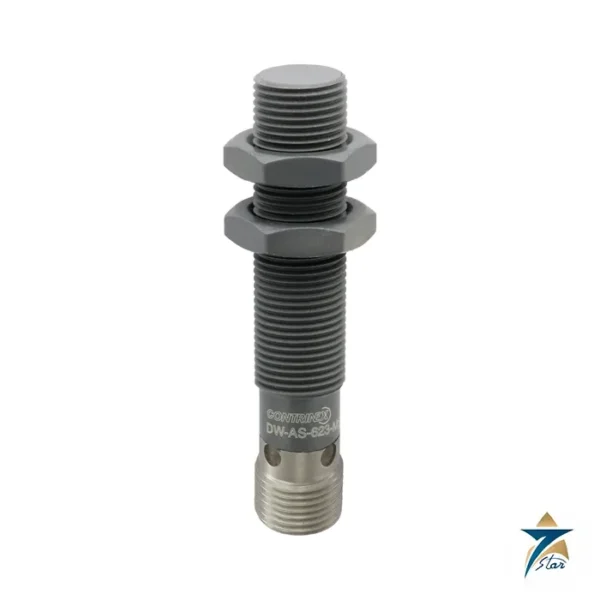
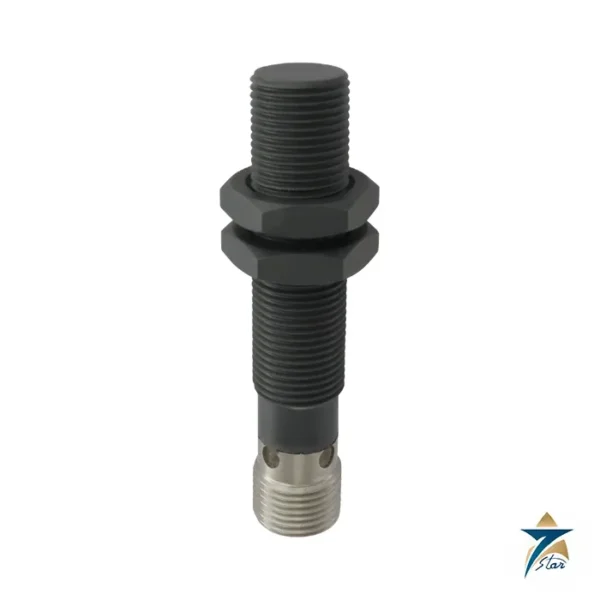
BI5U-M18-AP6X-H1141 is a flush M18 x 1 uprox+ inductive sensor with a 5 mm rated switching distance, IP68 protection and an M12 x 1 male connector, with a 3-wire PNP normally-open output.
Feature list printed by the manufacturer: Protection class IP68; Chrome-plated brass; Factor 1 for all metals; M12 x 1 male connector; High switching frequency; DC 3-wire, 10…30 VDC; Resistant to magnetic fields; NO contact, PNP output; Extended temperature range.
Technical specifications
| Parameter |
Specification |
| Type |
BI5U-M18-AP6X-H1141 |
| Ident number |
1635140 |
| Rated switching distance |
5 mm |
| Mounting conditions |
Flush |
| Secured operating distance |
≤ (0.81 × Sn) mm |
| Repeat accuracy |
≤ 2 % of full scale |
| Temperature drift |
≤ ±10 % |
| Hysteresis |
3…15 % |
| Operating voltage UB |
10…30 VDC |
| Ripple Uss |
≤ 10 % UBmax |
| DC rated operating current Ie |
≤ 200 mA |
| No-load current |
≤ 25 mA |
| Residual current |
≤ 0.1 mA |
| Isolation test voltage |
0.5 kV |
| Short-circuit protection |
yes/Cyclic |
| Voltage drop at Ie |
≤ 1.8 V |
| Wire break/reverse polarity protection |
yes/Complete |
| Output function |
3-wire, NO contact, PNP |
| DC field stability |
300 mT |
| AC field stability |
300 mTSS |
| Switching frequency |
1.5 kHz |
| Design |
Threaded barrel, M18 x 1 |
| Housing material |
Metal, CuZn, Chrome-plated |
| Active area material |
Plastic, PBT |
| Max. tightening torque of housing nut |
25 Nm |
| Electrical connection |
Connector, M12 × 1 |
| Ambient temperature |
-30…+85 °C |
| Vibration resistance |
55 Hz (1 mm) |
| Shock resistance |
30 g (11 ms) |
| Protection class |
IP68 |
| MTTF |
874 years acc. to SN 29500 (Ed. 99) 40 |
| Switching state |
LED, Yellow |
| Mounting distance D |
2 x B |
| Mounting distance W |
3 x Sn |
| Mounting distance T |
3 x B |
| Mounting distance S |
1.5 x B |
| Mounting distance G |
6 x Sn |
Applications and selection notes
Of the M18 sensors on this site this is the one built for speed and temperature: the datasheet gives a 1.5 kHz switching frequency and a -30 to +85 C ambient range, together with factor 1 for all metals and resistance to magnetic fields. It is the natural replacement part when a standard M18 sensor is mounted flush in a bracket and the short 5 mm range is enough, for example on gearbox, shaft-speed and cam pickups.
Installation hint: tighten the housing nut only to the torque shown in the table, keep the active face clear of surrounding metal to the extent the mounting distances require, and route the cable away from welding and heavy motor feeders where practical. A sensor set too close to adjacent metal can switch earlier than the rated distance suggests.
Type code, ident number and checks
Reading the code against the datasheet rows (a derived summary, not Turck’s own key): the leading BI corresponds to the mounting condition shown as Flush, the digits to the rated switching distance of 5 mm, the housing token to the design Threaded barrel, M18 x 1, the output suffix to 3-wire, NO contact, PNP, and the last element to the connection Connector, M12 × 1. Ident number 1635140 identifies this exact variant in the Turck catalogue.
Points to confirm with us before ordering: the target material and gap, the mounting condition (flush or non-flush) against the free zone around the sensor, the supply voltage and output type (PNP or NPN, NO or changeover) of your PLC input, and the connector type and cable length. Everything in the table comes from the datasheet as published, so the maker document is the final reference.
When this sensor is the right choice
The BI5U-M18-AP6X-H1141 is a good fit when an M18 flush pickup must detect metal targets of different materials at the same distance, because factor 1 means the 5 mm rated range does not need to be reduced for stainless steel, aluminium or brass. That avoids the usual guesswork when a machine has mixed target materials, such as brass cams on a steel shaft. The 1.5 kHz switching frequency matters on toothed wheels and fast cams, where the time each tooth spends in front of the sensor is short. The magnetic field resistance listed by Turck makes the sensor suited to positions close to welding equipment or large current conductors, where many conventional inductive sensors can switch falsely.
If the application needs a longer range and the target can be approached without metal around the face, a non-flush sensor may be better. If the PLC input expects a current-sinking signal, an NPN variant is needed instead of this PNP output.
Wiring and commissioning checklist
- Supply the sensor from a 10 to 30 VDC source with ripple kept within 10 % of the maximum supply voltage.
- Check that the load connected to the output draws no more than 200 mA, and allow for the voltage drop of up to 1.8 V across the output when the input threshold is close.
- Use a cable with an M12 x 1 female connector that matches the pinning in the Turck datasheet.
- Fit the sensor into its bracket, set the gap to the target within the secured operating distance and tighten the nut to no more than 25 Nm.
- Move the target past the sensor slowly and watch the yellow LED; it should switch reliably before the target reaches the maximum gap.
Troubleshooting on the machine
If the LED switches but the PLC does not see the signal, check the connector, the cable and the input type. If the LED does not switch at all, check the supply polarity and level; the sensor is protected against reverse polarity, so a wrongly wired supply will simply leave it inactive. Intermittent switching often comes from a target running at the edge of its range, a bracket that has loosened from vibration, or an active face that has been struck by the target. Replace a sensor whose PBT active face is cracked, since moisture can then reach the electronics.
Using it in Omani plant conditions
The -30 to +85 °C ambient range gives margin for sensors mounted on machinery in unshaded outdoor installations in Oman, where housings in direct sun become much hotter than the surrounding air. IP68 protection helps on wash-down lines and in dusty mining, cement and aggregate plants, but connectors should be fully tightened and unused sockets capped to keep fine dust out. The chrome-plated brass housing resists general wear; on coastal sites and port equipment exposed to salt spray, inspect the housing and connector regularly and wipe off salt deposits. Metal chips and dust collecting on the active face can trigger the sensor, so include cleaning of the face in routine machine checks.
Documents and quotation
The official Turck datasheet for BI5U-M18-AP6X-H1141 is hosted here as a PDF so you can check every value before you send an RFQ. Seven Star LLC is an independent supplier in Muscat; we do not set the manufacturer’s specifications, and this page restates what the datasheet prints. For availability and a quotation, send the exact code BI5U-M18-AP6X-H1141 and your quantity through the Inductive Proximity Sensors category or the RFQ form.










Reviews
There are no reviews yet.