Fisher Cavitrol III anti-cavitation trim: one-, two- and three-stage cages
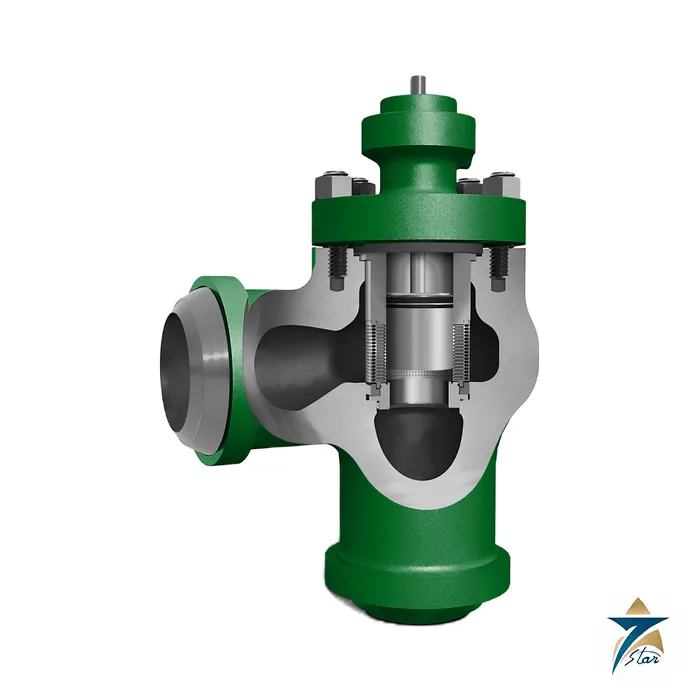
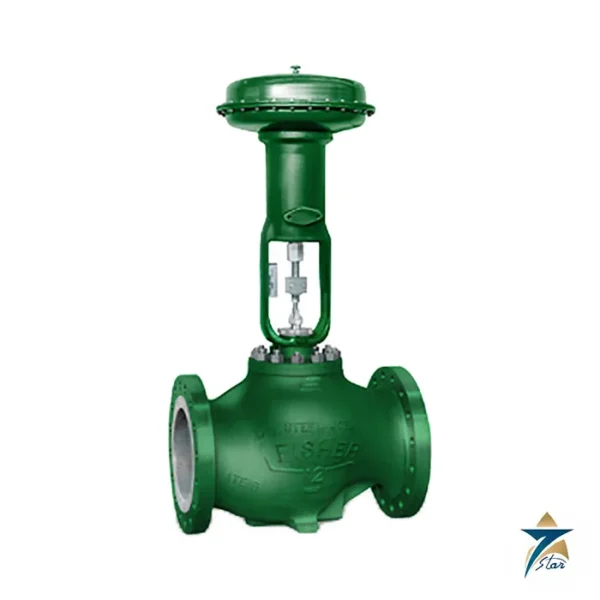
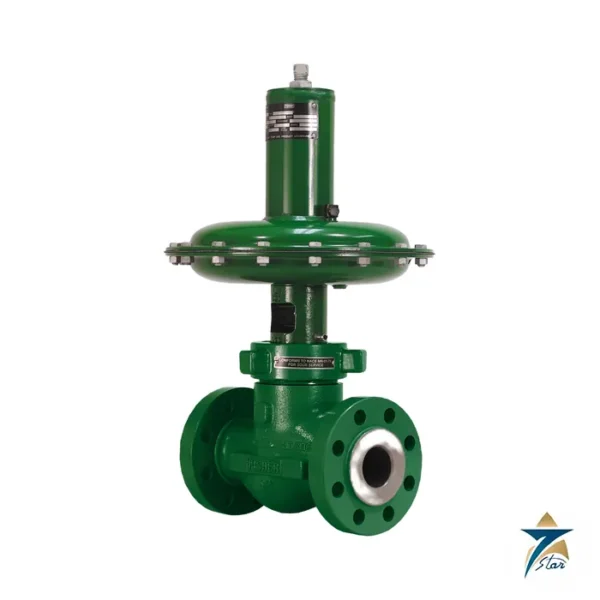
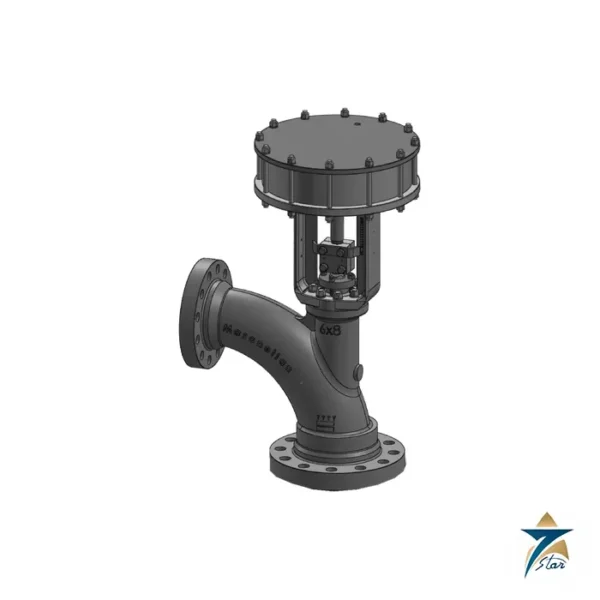
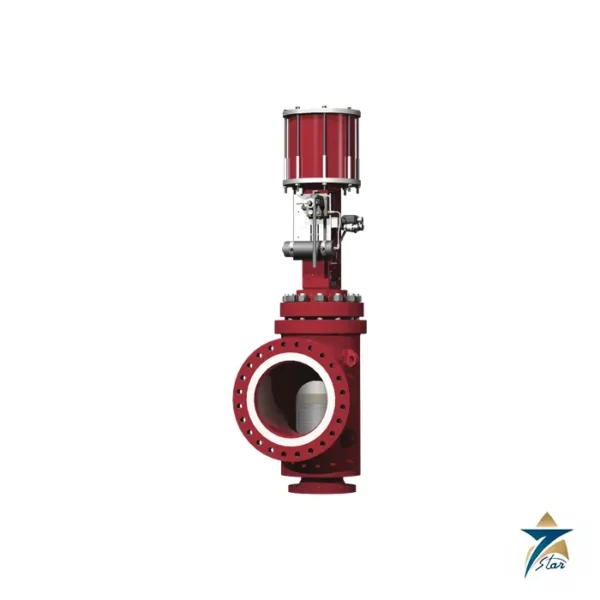
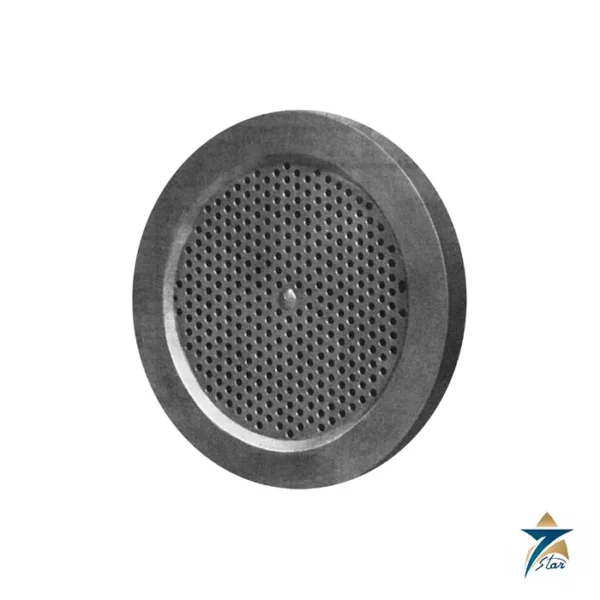
The Cavitrol III trim is a family of cage-guided anti-cavitation trims for Fisher globe and angle control valves in NPS 1 to 24, with weld-end or flanged connections. It is aimed at liquid services in which the pressure at the vena contracta falls to or below the vapor pressure, so vapor bubbles form and then collapse downstream and damage the metal. Cavitrol III controls or, depending on service, helps eliminate that damage by shaping and spacing the holes in the cage so that pressure is dissipated in stages. One-stage trims are normally used where the pressure drop is below 99 bar (1440 psi), and two- and three-stage trims between 99 and 207 bar (1440 and 3000 psi). The trims are common in pump recirculation and start-up systems in power, process, oil production and refining plants.
Cavitrol III specifications
| Parameter |
Specification |
| Manufacturer / part number |
Fisher Cavitrol III one-, two- and three-stage trim |
| Valve bodies |
Fisher globe and angle bodies, NPS 1 to 24 (valve tables in the bulletin) |
| Flow direction |
Flow down: in through cage openings and out through the seat ring |
| Flow characteristic |
Linear with standard cage; characterized cages on request |
| Maximum pressure drop |
One-stage 99.3 bar (1440 psi); two-stage 149 bar (2160 psi); three-stage 207 bar (3000 psi), within the valve class rating |
| Shutoff class (ANSI/FCI 70-2) |
Class IV standard for one-stage; Class V standard for two- and three-stage, optional for one-stage; TSO tight shutoff trim optional |
| Recovery coefficient FL |
Two-stage cage 0.98; three-stage cage 0.99; one-stage per bulletin table |
| Temperature |
One-stage -29 to 232°C (-20 to 450°F); multi-stage per bulletin table and figure |
| Options |
Special characterization cage or valve plug for over 232°C (450°F) |
| Maintenance |
Cage-type trim can be removed and inspected without taking the body out of the line |
How multi-stage pressure reduction prevents cavitation
Cavitation begins when liquid is accelerated through a restriction and its pressure drops to the vapor pressure at the vena contracta. In a standard trim the full pressure drop occurs in one restriction. In the Cavitrol III the cage is drilled with specially shaped holes, and in the multi-stage versions the flow passes through successively larger flow areas, so the pressure falls in steps. Because the flow-down configuration keeps pressure at the inlet to the final stage high, about 85% of the total pressure drop has occurred before the third stage inlet, and the vena contracta pressure there remains above the liquid vapor pressure. In the one-stage trim, the radiused plug edge and the diametrically opposed cage holes direct the cavitating jet away from metal surfaces into the body cavity, which controls damage rather than eliminating it. Standard hardened trim materials resist erosion.
Where Cavitrol III fits: valve bodies, actuators and other severe-service trims
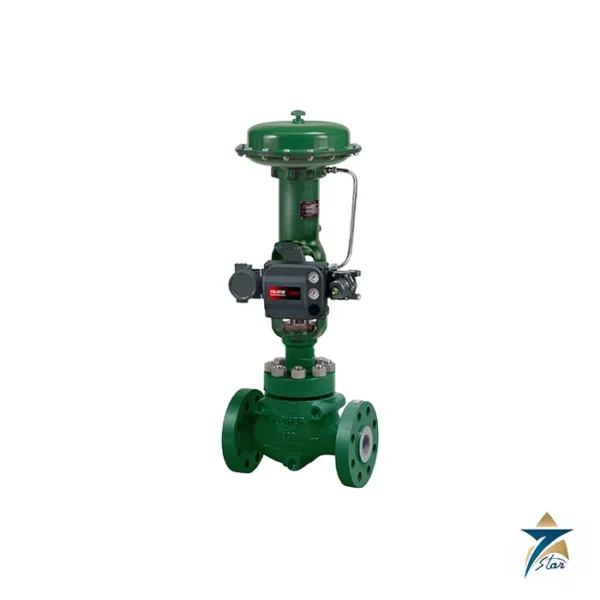
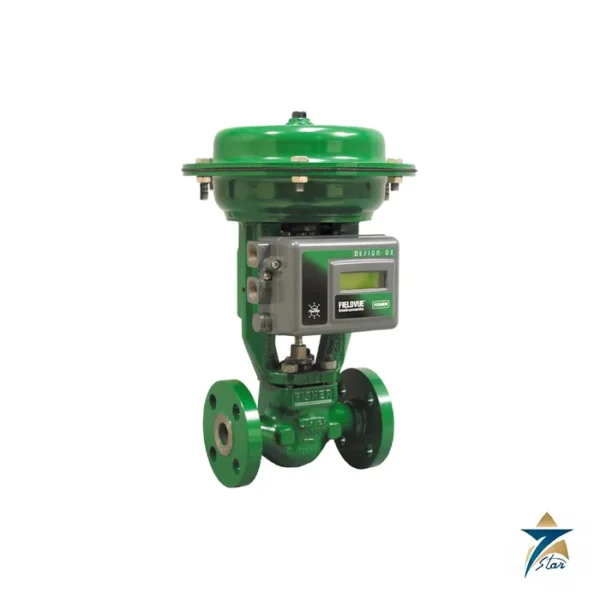
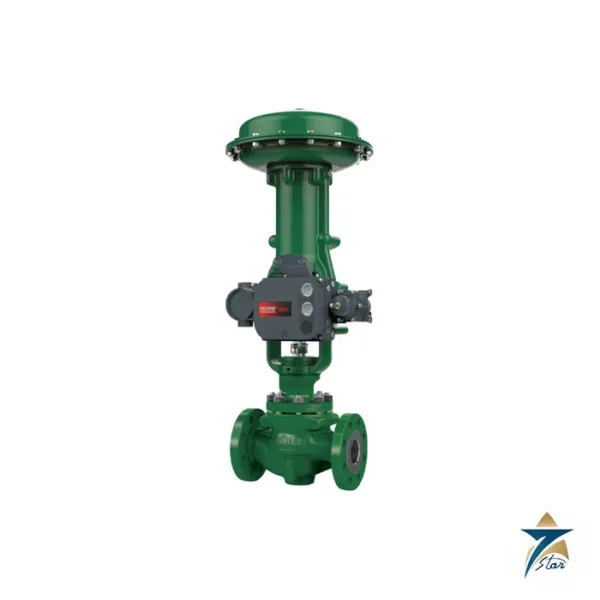
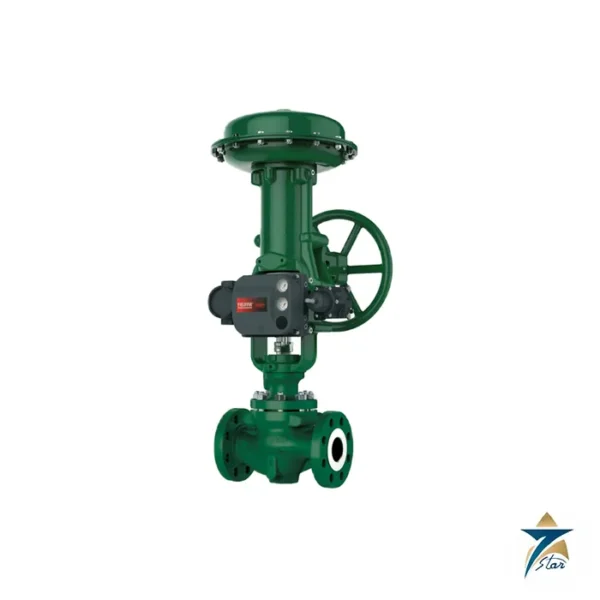
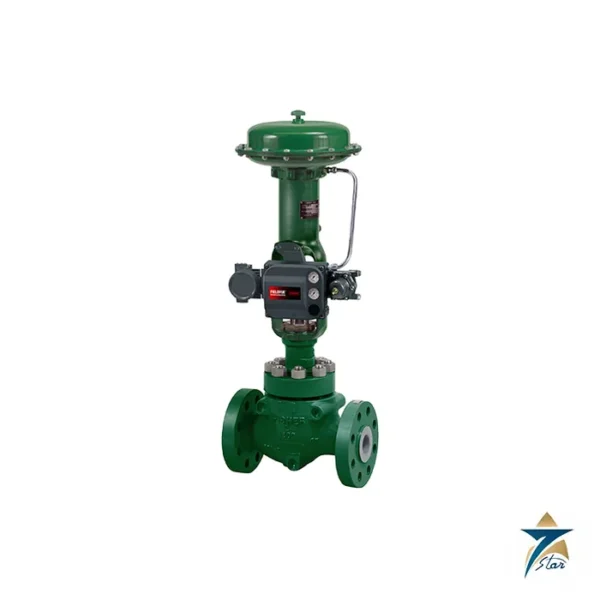
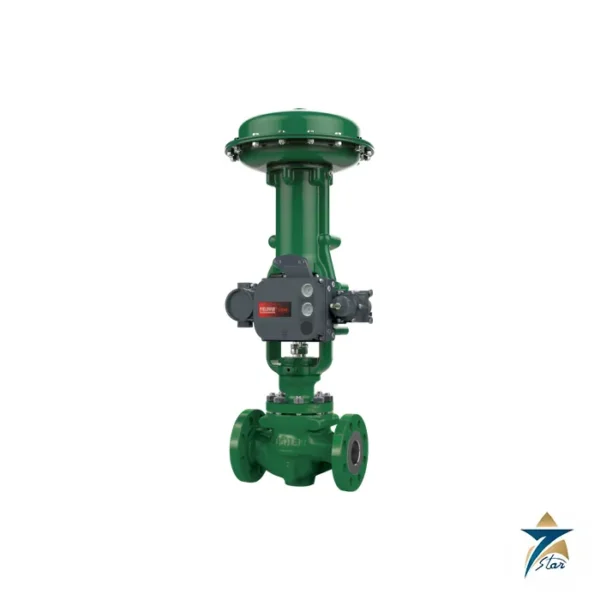
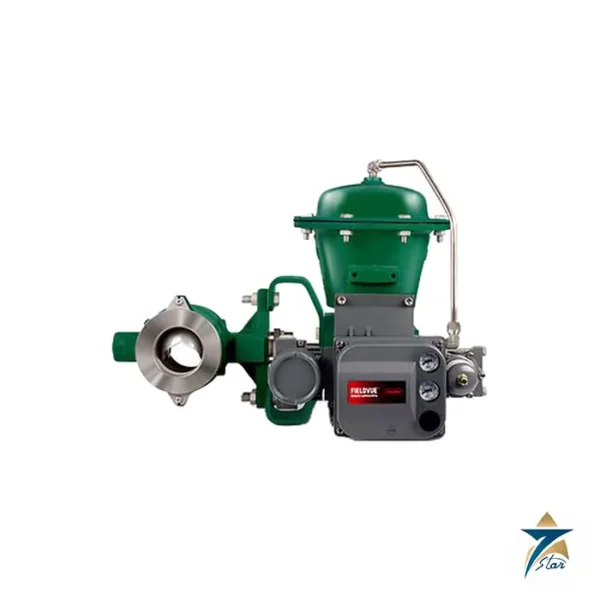
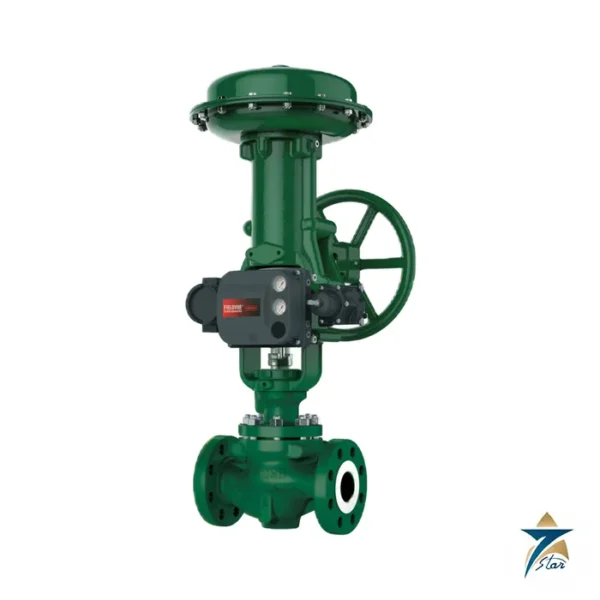
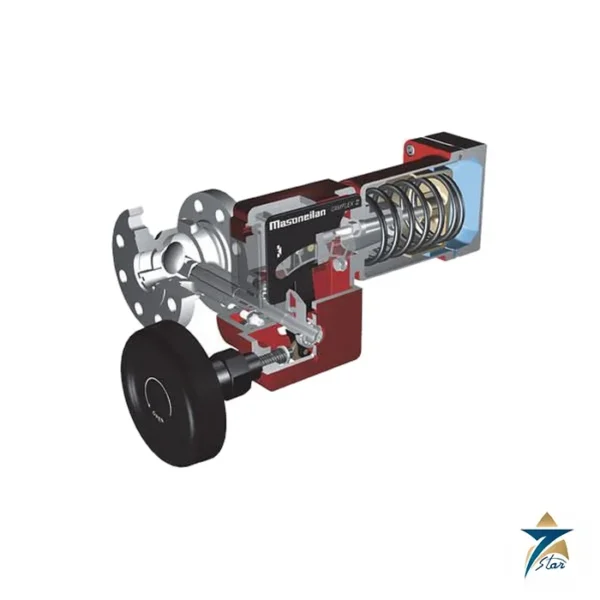
Cavitrol III installs in Fisher sliding-stem bodies such as the ED, EW and HP families listed in the bulletin, and is quick to retrofit because the one-stage trim is interchangeable with standard trims without spacers, longer bolts or special gaskets for sizes above NPS 1. Actuator choice follows the valve body, for example a 585C piston actuator on large high-pressure valves, with a FIELDVUE DVC6200 for positioning. For noise or gas service, the Whisper Trim and Whisper Trim III are the equivalent trims; for erosive or flashing fluids other severe-service trims apply.
Cavitrol III selection and ordering checklist
- Valve body model, size and class.
- Liquid, vapor pressure, inlet pressure and pressure drop at maximum and minimum flows.
- Choice of one-, two- or three-stage trim from the pressure drop.
- Required shutoff class and TSO needs.
- Cage characterization if linear is not adequate.
- Trim and body materials for corrosion and temperature, including NACE.
- Stem and yoke boss diameters and actuator sizing for the unbalance area and seat load.
Installation and maintenance
Cavitrol III trims require flow-down orientation, so verify the direction arrow on the body. Because fine particles seldom clog cage-type trim the way they do labyrinth-type trim, filtration needs are moderate, but strainers are still recommended on pump recirculation lines. Inspect the cage holes, plug seat and seat ring for erosion at turnarounds, and replace the seat ring and plug as a matched set.
Typical Cavitrol III applications in Oman and the GCC
Typical applications include boiler feed pump recirculation and minimum flow valves at power plants, seawater and brine injection control, high-pressure water injection and produced water service in oil production, and condensate let-down at gas plants. These are services in which the manufacturer lists power, process and oil production use. Select materials for seawater chlorides and note that dissolved gas content raises vapor pressure, which should be included in sizing.
Cavitrol III stage selection summary
| Trim |
Pressure drop |
Notes |
| One-stage |
Below 99 bar (1440 psi) |
Class IV standard; plug radius edge directs cavitation away from metal |
| Two-stage |
Up to 149 bar (2160 psi) |
Class V standard; FL 0.98 |
| Three-stage |
Up to 207 bar (3000 psi) |
Class V standard; FL 0.99 |
Information to send with a Cavitrol III enquiry
- Valve model and size, or a datasheet for the control valve.
- Fluid, temperature, vapor pressure and flow conditions.
- Inlet and outlet pressure for each case.
- Required shutoff class and materials.
- Quantity and destination.
Site conditions in Oman for the Cavitrol III
Valves and their accessories in Oman work in demanding conditions: high ambient temperatures, direct sun on outdoor pipe racks, dust, and corrosive coastal air at many oil, gas and water sites. When you specify the Cavitrol III, confirm the pressure and temperature ratings, body and trim materials and any sour-service or hazardous-area requirements against the actual line data, and check that seals and soft parts suit the process medium and the full temperature range.
For reliable operation, plan access for maintenance, define which spare parts are kept on site, and record the configuration of each installed Cavitrol III. Sending the complete process data sheet with your RFQ allows the selection to be checked before the order is placed.
Documents and quotation for Cavitrol III
A manufacturer product bulletin for the Cavitrol III trims is attached on this page. Seven Star LLC is an independent supplier in Muscat.
Send the Cavitrol III valve size and service conditions and we will confirm availability and quote.



























Reviews
There are no reviews yet.