A multi-spectrum infrared flame detector for hydrocarbon fire risk
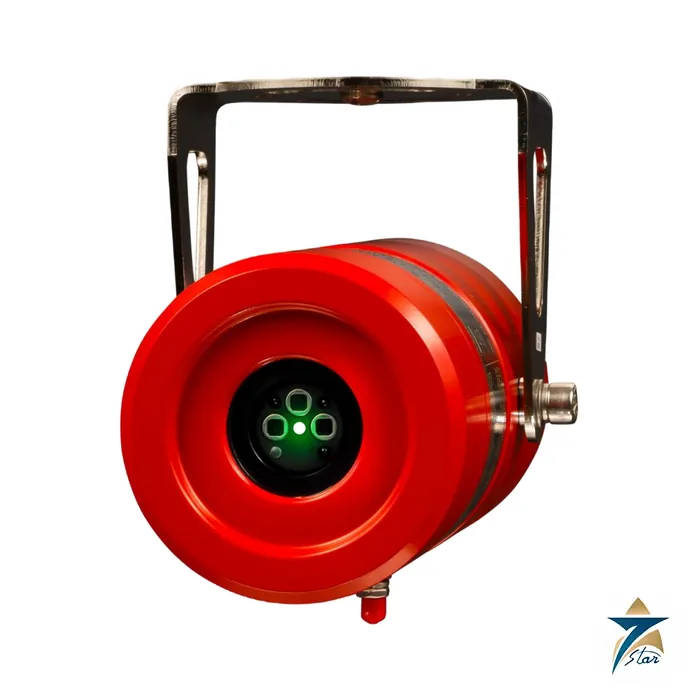
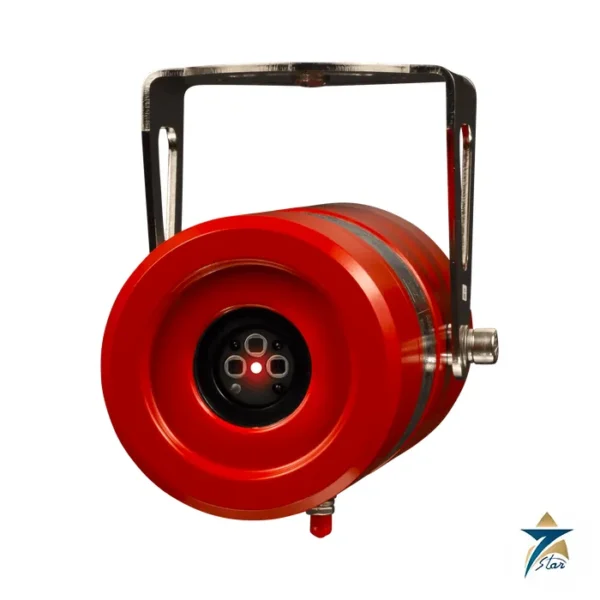
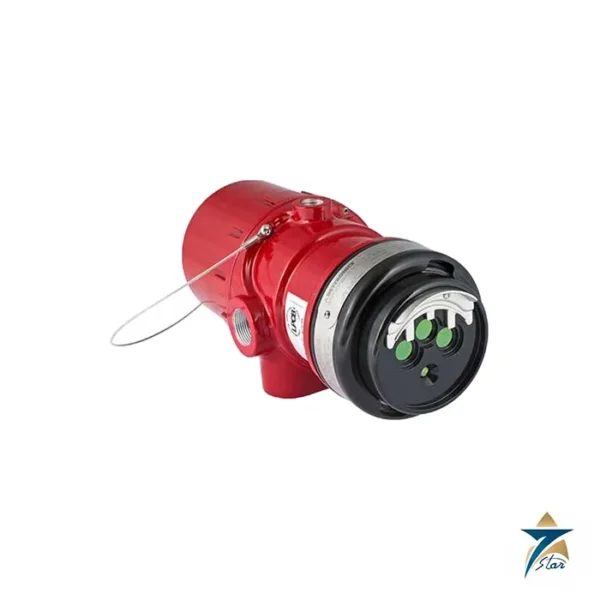
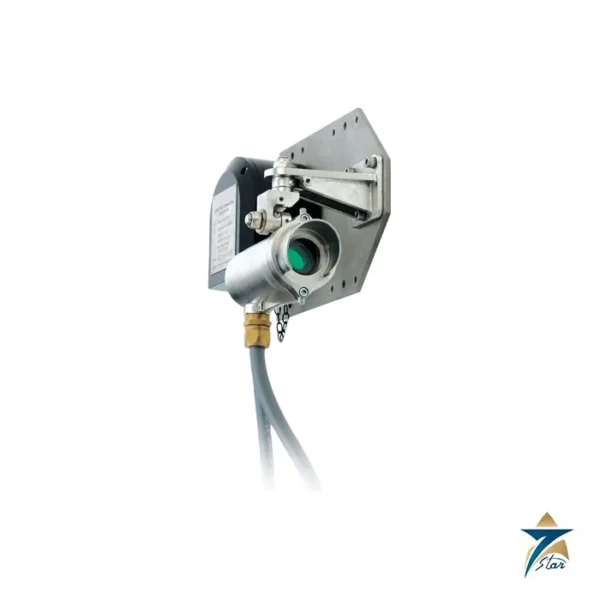
The Crowcon Fgard IR3 is a multi-spectrum infrared flame detector built for hydrocarbon fires on oil and gas, refinery, petrochemical, tank farm, loading rack and power generation sites. It uses current IR flame algorithms to limit false alarms and, per the datasheet, was independently tested to detect a hydrocarbon pan fire at nearly 200 feet in under 5 seconds. Heated optics keep condensation, ice and water off the window, and automatic optical verification checks lens cleanliness and the electronics, so no reflector check is needed.
Technical specifications
| Parameter |
Specification |
| Enclosure |
Copper-free aluminium or 316 stainless steel |
| Dimensions |
100 mm dia x 200 mm (4 in x 8 in) |
| Weight |
Aluminium 2.5 kg (5.5 lb); stainless steel 6.0 kg (13.2 lb) |
| Cable entry |
3/4 inch NPT or M25 |
| Operating voltage |
24 Vdc nominal (18 to 32 Vdc) |
| Power consumption |
3 W minimum without heater; 15 W at 32 Vdc with heater on maximum |
| Response time |
Less than 5 seconds (typical) |
| Outputs |
Relay contacts (DPDT 2 A at 30 Vdc) for alarm and fault; 0-20 mA with fault alerts; HART |
| Operating / storage temperature |
-60 to +85 degC / -60 to +85 degC |
| Humidity |
0 to 93 percent RH, non-condensing |
| Performance approvals |
FM 3260; EN 54-10; IP66 / NEMA 4X; SIL 2 certified to IEC 61508 |
| Hazardous area certification |
Class 1 Div 1 Groups B, C, D T4 (ambient -50 to +85 degC); Class 1 Zone 1 AEx/Ex db IIC T4; ATEX II 2 G Ex db IIC T4; IECEx Ex db IIC T4 (-60 to +85 degC); INMETRO Ex db IIC T4; PESO Ex db IIC T4. CCC and GB-Ex listed as pending |
| Detection range |
Up to 60 m (196 ft) to a 30 cm x 30 cm n-heptane, gasoline or JP4 pan fire at high sensitivity |
Flame sensitivity by fuel
The datasheet lists detection distance by fuel at high and standard sensitivity. Dashes mean no value is given for that fuel.
| Fuel and fire size |
High sensitivity |
Standard sensitivity |
| n-Heptane, 30 x 30 cm |
60 m |
30 m |
| n-Heptane plus arc welding |
60 m |
– |
| Gasoline, 30 x 30 cm |
60 m |
30 m |
| Diesel, 30 x 30 cm |
50 m |
– |
| Crude oil, 0.5 x 0.5 m |
50 m |
– |
| JP4, 30 x 30 cm |
60 m |
30 m |
| Methane, 60 cm plume |
50 m |
30 m |
| Ethanol, 30 x 30 cm |
42 m |
30 m |
| Methanol, 30 x 30 cm |
42 m |
– |
Selecting a flame detector
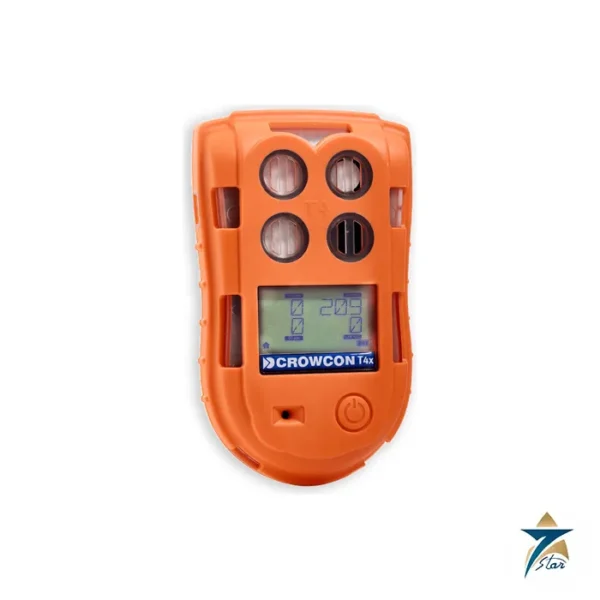
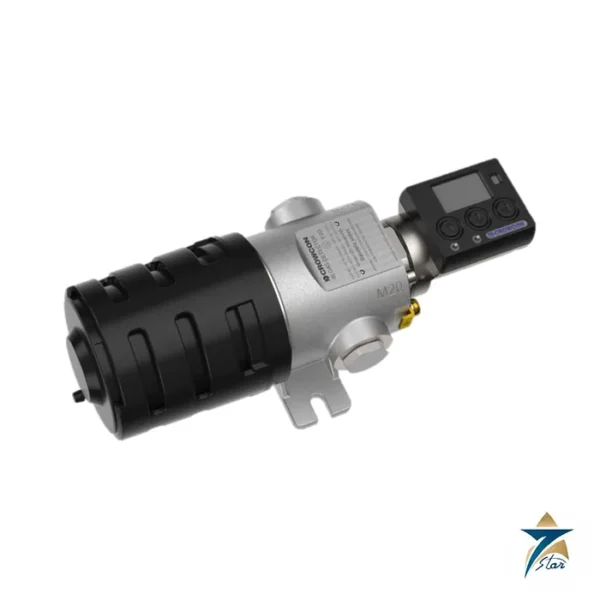
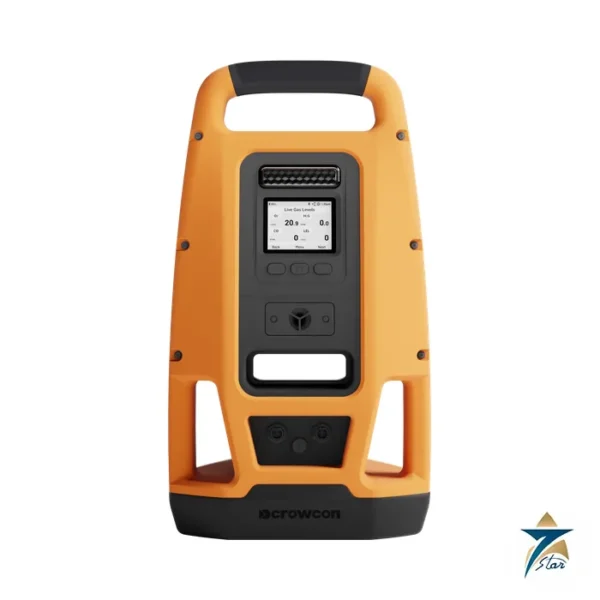
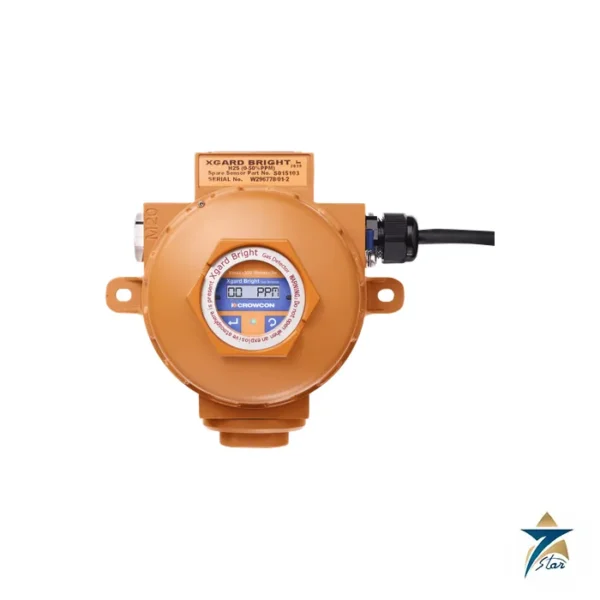
The IR3 is the all-round hydrocarbon choice. Crowcon also offers the Fgard UVIR (ultraviolet and infrared, three sensitivity settings) and the Fgard H2 (optimised for hydrogen flames); choose by the fuel on your site and confirm the field of view, mounting and cabling with your fire and gas designer. Gas detection partners include the Crowcon Xgard Bright, and more are listed under flame detectors.
How the Crowcon Fgard IR3 flame detector works
A hydrocarbon flame gives off infrared radiation in characteristic bands, and it also flickers at a typical low frequency. The Fgard IR3 looks at several infrared bands at once through its window. Its algorithms compare the bands and the flicker pattern, so a real flame is recognised while sources such as hot surfaces, sunlight or welding are less likely to cause an alarm. Heated optics keep the window clear of condensation and ice, and automatic optical verification checks the lens and the electronics, so no separate reflector test is needed.
The detector reports through relays, a 0 to 20 mA output with fault levels and HART, so it can connect to a fire and gas panel or a control system.
Where the Fgard IR3 is used
- Oil and gas production, processing and refinery units.
- Petrochemical plants, tank farms and loading racks.
- Power generation sites and turbine enclosures.
- Areas where liquid or gas hydrocarbon fires are the main risk.
Selection checklist for the Fgard IR3
- Fuel type and fire size, checked against the detection distances in the specification table.
- Sensitivity setting, high or standard, and the distance to the protected area.
- Enclosure: copper-free aluminium or 316 stainless steel for corrosive sites.
- Area approvals: Class 1 Division 1, Zone 1 Ex db IIC T4, ATEX, IECEx and the schemes on the datasheet.
- Safety level: SIL 2 certification under IEC 61508 where the safety loop needs it.
- Supply: 24 Vdc nominal, with power of up to 15 W when the heater is on.
- Cable entry: 3/4 inch NPT or M25.
- Output type: relay, 0 to 20 mA or HART, to suit the panel.
Installation, commissioning and maintenance notes
Position the detector so the protected area is inside its field of view and the line of sight is not blocked by pipework, structures or equipment. Aim it with the mounting bracket, and avoid pointing it at strong reflections or constant heat sources. Run the commissioning checks with the fire and gas panel, including the fault and alarm relays. Keep the window clean in dusty sites, and follow the manufacturer’s test method at the interval your safety procedure sets.
Requesting a quotation for the Crowcon Fgard IR3
Send the fuel, protected area, enclosure material, area classification and output type. Seven Star LLC serves industrial customers in Oman and the GCC and replies with a quotation based on the information provided.
Field of view and detection distance
The stated range of up to 60 m applies to a 30 cm by 30 cm pan fire at high sensitivity, and it is shorter for other fuels and for standard sensitivity. Use the distances in the table when planning the number and the position of detectors, and not the maximum figure alone.
Fire and gas system integration
The detector is one part of a fire and gas system. Confirm the logic, the voting arrangement and the response actions with the system designer so the alarm leads to the right action.
Maintenance and proof testing of flame detectors
Flame detectors are safety devices, so they should be tested on a schedule. Use the test method and the test lamp or tool named in the manual, record each result, and replace any unit that fails to respond. Keep spare units or a repair plan ready for critical areas.
Wiring and output configuration
Wire the supply within the 18 to 32 Vdc range, and size the cable for the heater current in cold sites. Choose between relay, analog and HART outputs when ordering, and confirm the fault levels on the 0 to 20 mA signal with the panel supplier.
Documents and quotation
The attached Crowcon datasheet (UK edition, September 2026) holds the specification and sensitivity table. Send the housing material, cable entry and certification you need with the quantity for a quotation.











Reviews
There are no reviews yet.