- Vibration Monitoring
- PLC & I/O Cards
- Industrial Communications
- Automation Accessories
- Controllers & Data Acquisition
- AC Drives
- Isolator & Barrier
- Industrial Computers
- Encoders
- Safety Switches & Guard Locking
- Automation Software
- HMI Displays
- Motor Soft Starters
- Servo Drives
- CCTV & Security
- Robotics
- Pneumatic Cylinders
- Machine Vision


Category guide
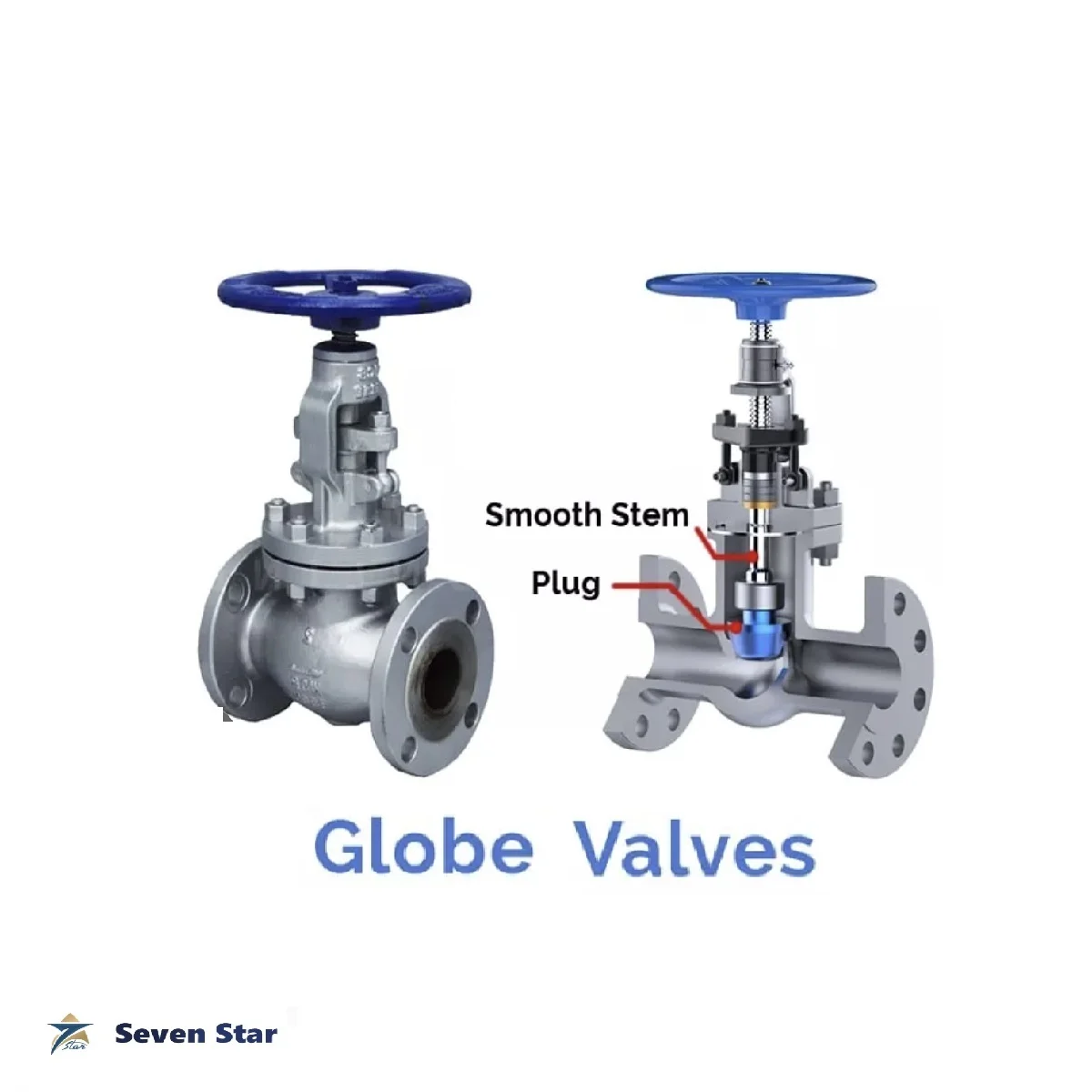
About Globe Valves
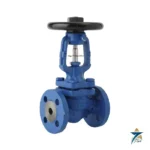
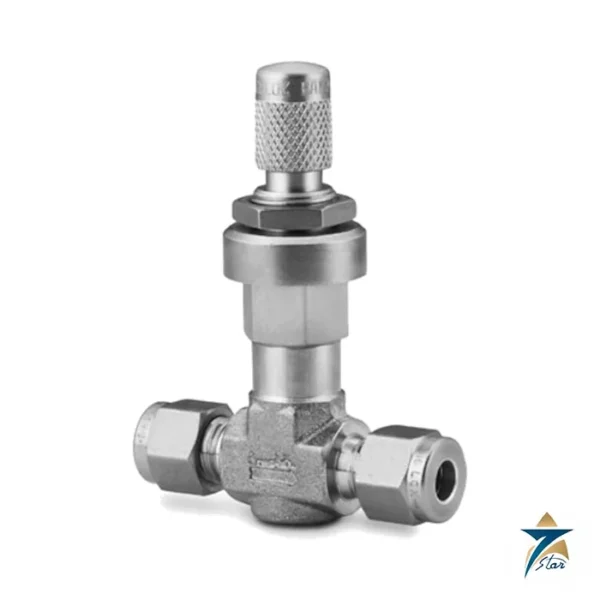
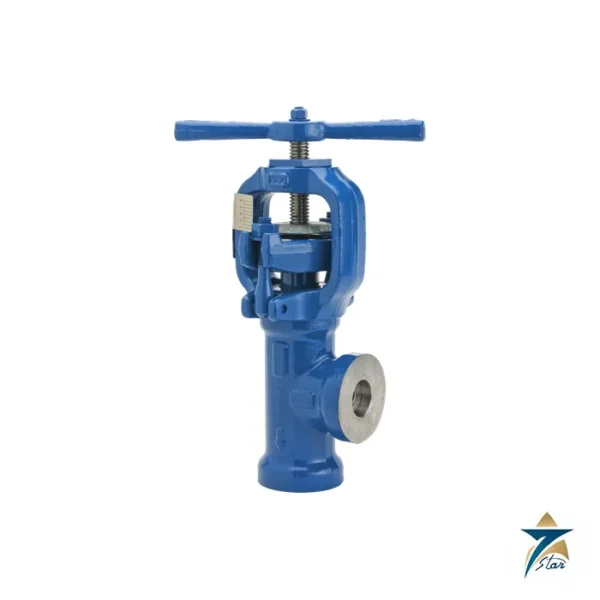
Globe valves in this category are mainly bellows sealed stop valves from Spirax Sarco, used to isolate steam, condensate and other process fluid lines, plus a globe valve from TVN. Seven Star LLC supplies them to plants and utilities contractors in Oman.
A globe valve closes by moving a disc or plug straight onto a seat. That gives tight shut-off and makes the design suitable for regulating flow, at the cost of a higher pressure drop than a gate or ball valve.
Bellows sealed stop valves and other globe valve types listed
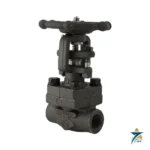
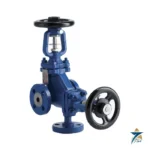
The Spirax Sarco BSA and BSAT families are the core of the listing. In a bellows sealed valve, a metal bellows around the stem forms the primary stem seal, so the fluid does not reach the gland packing in normal operation. The packing remains as a secondary seal. This is why the type is preferred on steam and on fluids where stem leakage is a safety or housekeeping problem. The listing also includes the BSA3HP for higher pressure duty, the A3S and A3SS, the BSA3BD and the DBB3 double block and bleed valve. This is a small category and it is growing; other globe valve models and sizes can be sourced on request.
Selecting a globe valve: the points that matter
Size the valve to the line and check the pressure drop if the valve will be used partly open. Body material has to suit the fluid and the design pressure and temperature; cast iron, SG iron, carbon steel and stainless steel are the common options. Pressure rating and flange standard must agree with the piping class, either EN PN ratings or ASME classes. The disc design also matters. A throttling or regulating disc is a different trim from a plain isolation disc, and a soft-seated disc gives tighter shut-off than a metal seat within its temperature limit. Most globe valves have a marked flow direction that must be respected.
What we need to quote a globe valve
Send the nominal size, pressure rating and flange or end connection standard, body and trim material, the fluid with its maximum pressure and temperature, and the function required: isolation, regulation or double block and bleed. If you are replacing an existing valve, the full product name from the nameplate and the face-to-face dimension help us match it. We supply to projects across the GCC and check each item against the manufacturer documentation.
What to include in your inquiry
These details let us quote the right item the first time.
- Valve type and size (DN / NPS)
- Pressure class and end connection
- Body and trim material
- Fluid, flow rate, inlet and outlet pressure, temperature
- Actuator type and fail position
- Accessories: positioner, limit switches, solenoid
Missing some of them? Send what you have. A nameplate photo or an old part number is enough to start.