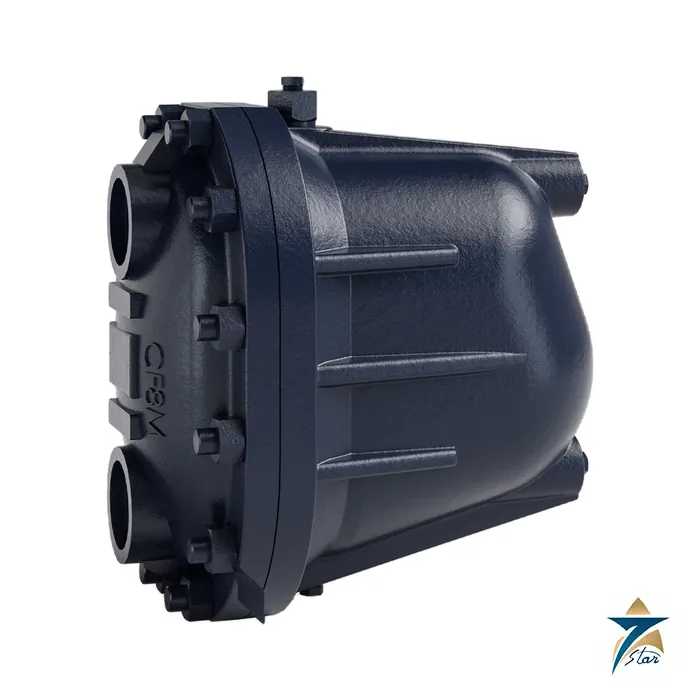
The largest-capacity cast iron F&T trap in the Armstrong range
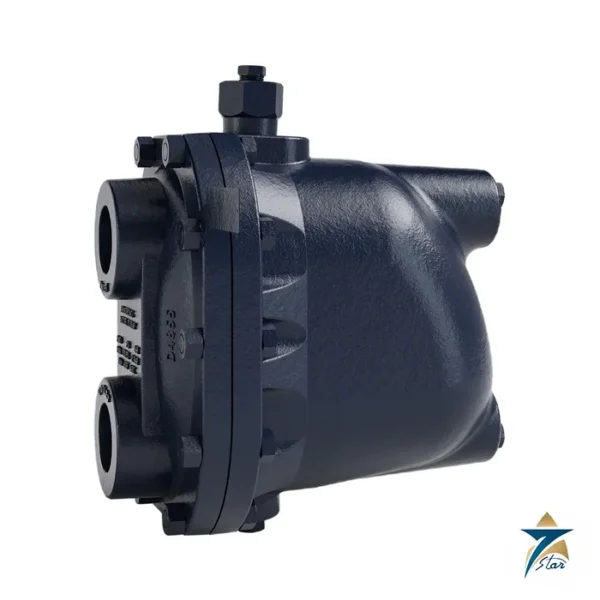
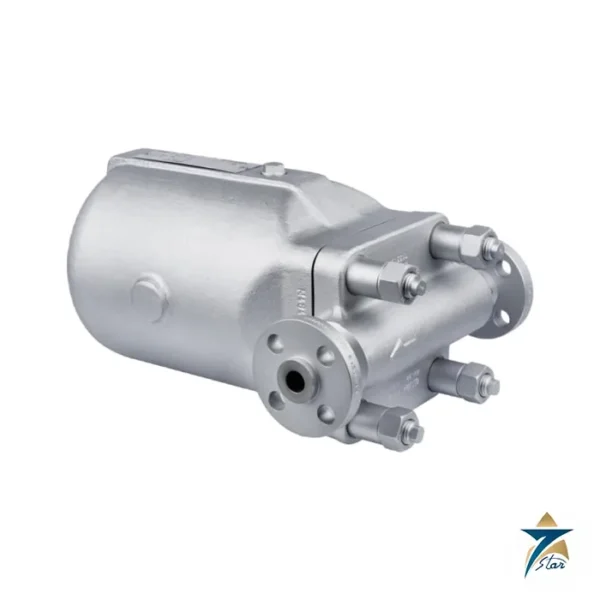
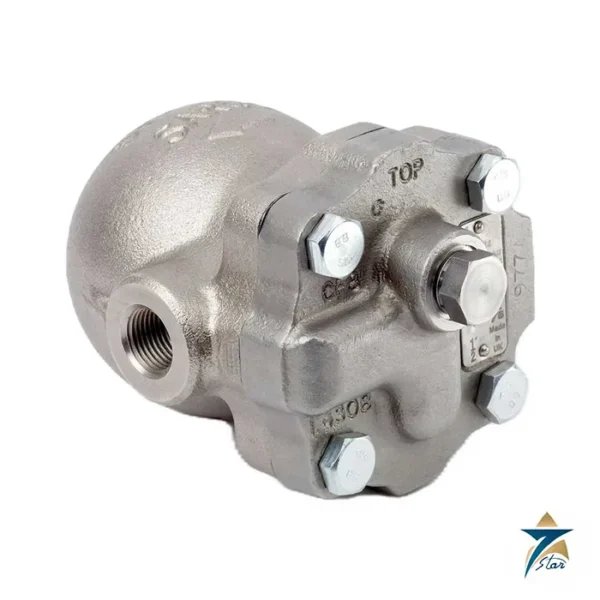
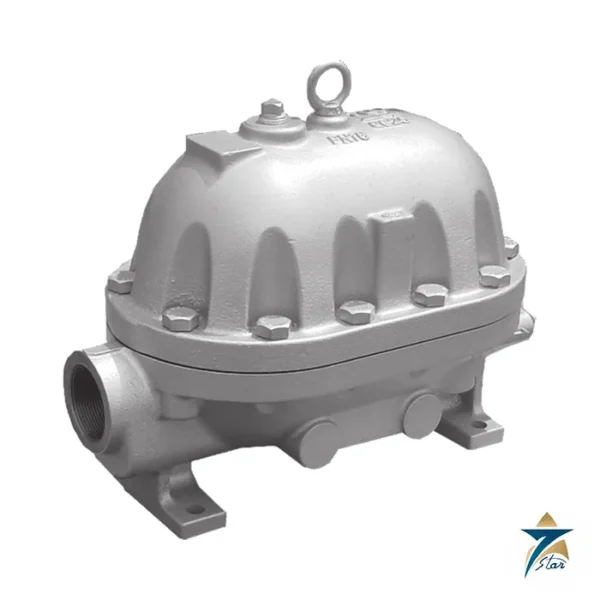
At the top end of Armstrong float and thermostatic traps sits the L and M Series: cast iron bodies for horizontal installation, with an integral thermostatic air vent and capacities to 208,000 lb/hr (94,348 kg/hr) at pressures to 250 psig (17 bar). Floats, valves, seats and lever mechanisms are stainless steel, and the cast iron construction is described in the data sheet as simple yet rugged, giving long, trouble-free service.
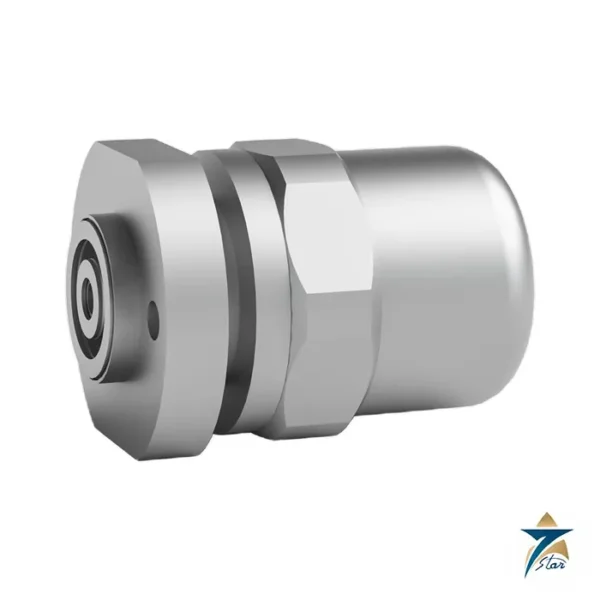
The thermostatic vent is a balanced-pressure phosphor bronze bellows caged in stainless steel, built for heavy-duty industrial use. Because it is balanced-pressure, it follows the steam pressure-temperature curve from zero to 250 psig and vents air at slightly below steam temperature. The bellows maximum operating temperature is printed as 422 F (217 C).
Technical specification
| Parameter |
Specification |
| Models |
Model L: 30-L, 100-L, 150-L, 250-L. Model M: 250-M |
| Maximum allowable pressure (vessel design), L and M |
250 psig @ 450 F (17 bar @ 232 C) |
| Maximum operating pressure |
30-L: 30 psig (2 bar); 100-L: 100 psig (7 bar); 150-L: 150 psig (10 bar); 250-L and 250-M: 250 psig (17 bar), saturated steam |
| Capacity ceiling |
208,000 lb/hr (94,348 kg/hr) |
| Maximum operating temperature of bellows |
422 F (217 C) |
| Body and cap |
ASTM A48 Class 30 |
| Internals |
All stainless steel, 304 |
| Valves and seats |
Stainless steel |
| Drain plug |
Carbon steel |
| Connections |
Screwed NPT and BSPT; flanged (screw on) |
| Connection sizes |
L: 2 in and 2-1/2 in (50, 65 mm); M: 3 in (80 mm) |
| Certified drawing |
CD #1010 |
| Mounting |
Floor mounting bracket available, consult factory |
Dimensions and weight
| Dimension |
Value (as printed for L and M traps) |
| B, height |
20-1/4 in (514 mm) |
| C, width |
14-3/4 in (375 mm) |
| D, bottom to centreline |
4-3/16 in (106 mm) |
| H, length |
19-3/4 in (502 mm) |
| M, centreline to centreline |
11-5/16 in (287 mm) |
| S, gauge glass width |
3-3/4 in (95.2 mm) |
| T, gauge glass height |
12 in (305 mm) |
| Weight |
196 lb (88.9 kg) |
Ordering codes and special configurations
A model code reads in the order pressure, series, connection size, option: for instance 250 M 12 GG. Connection codes are 8 for 2 in, 10 for 2-1/2 in and 12 for 3 in. Options are VB (integral vacuum breaker, 150 psig or 10 bar maximum), LD (liquid drainer, no internal thermostatic vent), CC (condensate controller with flash release) and G/G for an armored gauge glass rated 250 psig at 424 F (17 bar at 218 C), plus FLG when flanges are required, in which case the flange type and class must be specified.
The CC version carries a fixed, restricted orifice near the top of the body to bleed off flash steam and air so the trap can work on syphon drainage and cascade service, where lifting condensate to the trap releases flash steam that would otherwise close an ordinary trap. The LD liquid drainer uses the access port in the top of the body as a back vent to the drained equipment to prevent air or gas binding when it drains water or other liquids from gases under pressure. Capacity data for these configurations is referenced to separate pages in the Armstrong catalogue.
Installation notes from the data sheet
Armstrong gives three installation instructions that are specific to this series. Where the load may approach the trap maximum capacity, increase the discharge line by one size, as close to the trap cap as practical. In severe service, or above 30 psig, use an anchoring bracket or other support to limit stress on the piping. And, in capitals in the sheet, L and M units must be warmed up gradually and in the proper sequence, with a recommended warm-up rate not exceeding 100 F per 8 minutes.
These are heavy bodies, 196 lb (88.9 kg), so hoisting points, pipe supports and access for the cap cover need planning. The vacuum breaker (1/2 in NPT, 1-1/4 in high, 7/8 in hex) is recommended where vacuum may hold back condensate and where heating coils under modulated control need protection against freezing and water hammer.
Selection and installation notes
Specify a steam trap from the steam pressure, the condensate load and the connection size, and check the body material and the pressure rating against the system. Fit a strainer upstream, a union or flange for easy removal and isolation valves either side, prime the trap with condensate before start-up where the type requires it, and protect it from freezing. Inspect traps on a regular schedule to find failures early, because a failed trap wastes steam or floods the line.
Information needed for a quotation
Send the full model code, the quantity, the delivery location in Oman or the GCC, the intended use and any accessories needed, so that the complete package can be quoted together.
Documents and supply information
The manufacturer data sheet is attached to this page and should be read together with the project specification and the site risk assessment before a purchase is confirmed. Ratings, standards and dimensions are quoted as printed on that sheet. Lead time, stock position and certificates available with the shipment are confirmed in the quotation, and we supply to Oman and the wider GCC region for industrial, utility and building services projects.
Applications, documents and quotation
Use cases are the largest condensate loads: big shell and tube heat exchangers, bulk air heaters, evaporators and similar plant in refineries, petrochemical complexes, power stations and desalination units around the Gulf. The data sheet makes no hazardous-area or fire-safe claim for these traps, so none is stated here. The metric ductile iron relative is the Armstrong JD and KD Series. Related steam parts are listed in pipes and fittings.
The official data sheet is attached. Seven Star LLC is an independent supplier in Muscat; send the model code, flange details and option suffix and we will confirm the configuration against manufacturer data before we quote.
Related Armstrong International products: Armstrong JD and KD Ultra-Capacity Ductile Iron F&, Armstrong A and AI Series Cast Iron Float and Thermostatic Trap, Armstrong 800 Series Cast Iron Inverted Bucket Steam Trap, Armstrong 200 Series Vertical Inverted Bucket Steam Trap, Armstrong TC-300 Carbon Steel Thermostatic Capsule Steam Trap and Armstrong FT-4000 Stainless Float and Thermostatic Steam Trap.






















Reviews
There are no reviews yet.