- Automation & ControlView all 2,894 products
- Automation Accessories
- AC Drives
- PLC & I/O Cards
- Industrial Communications
- Vibration Monitoring
- Controllers & Data Acquisition
- Isolator & Barrier
- Safety Switches & Guard Locking
- Motor Soft Starters
- CCTV & Security
- Encoders
- Pneumatic Cylinders
- HMI Displays
- Servo Drives
- Industrial Computers
- Machine Vision
- Automation Software
- Robotics
Brand: GESTRA
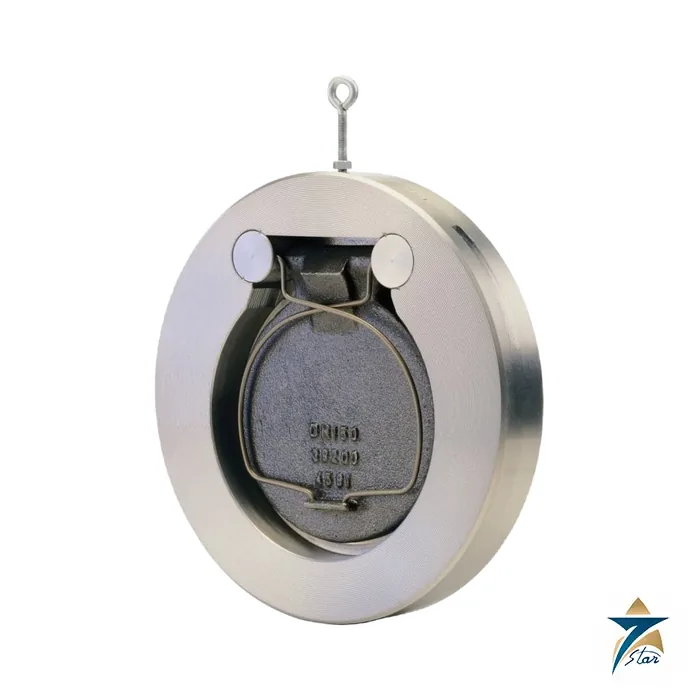
GESTRA CB 26 Wafer Swing Check Valve PN 6-40, DN 50-300
Description
GESTRA CB 26 Wafer Swing Check Valve PN 40: overview
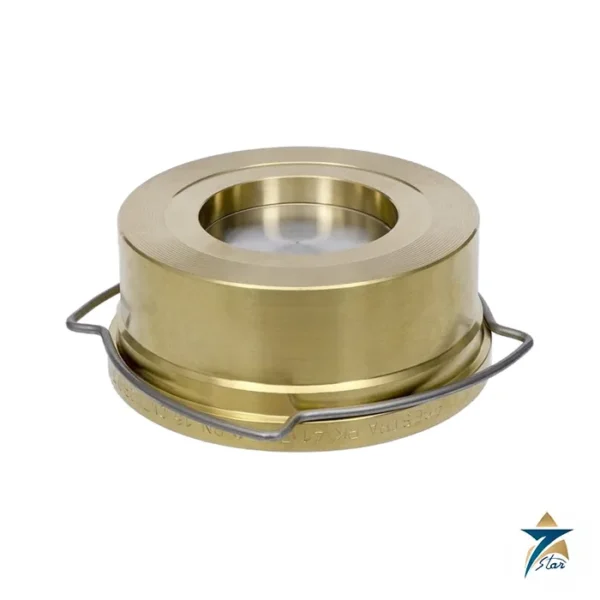
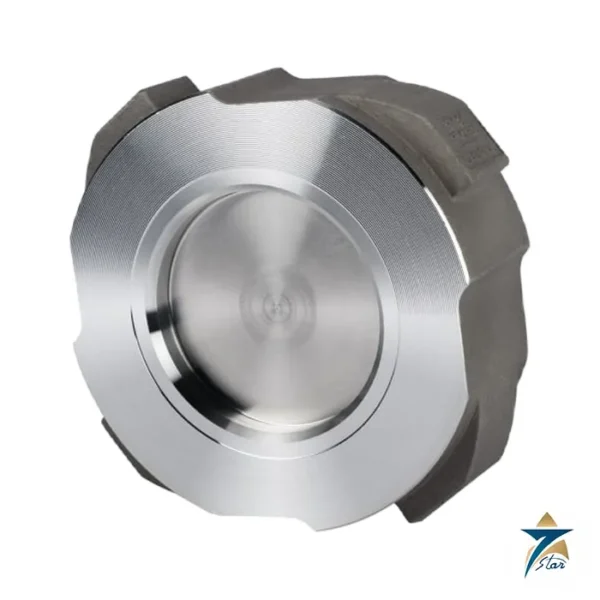
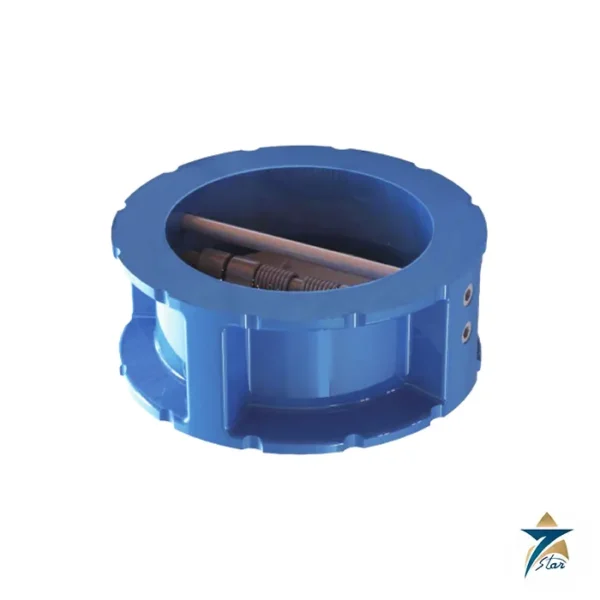
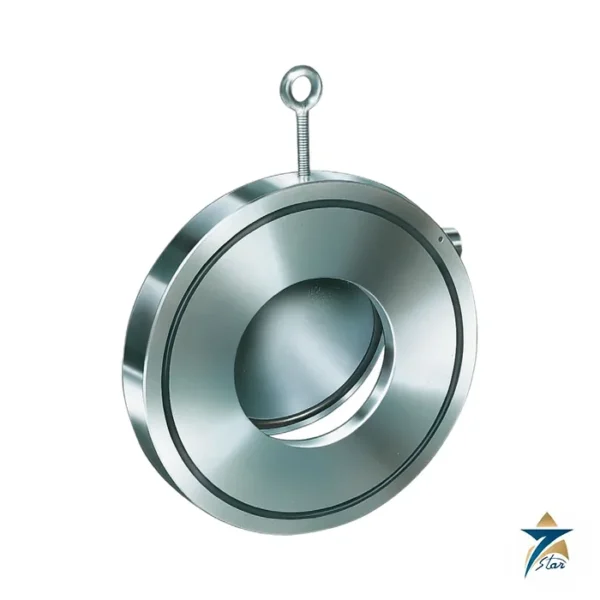
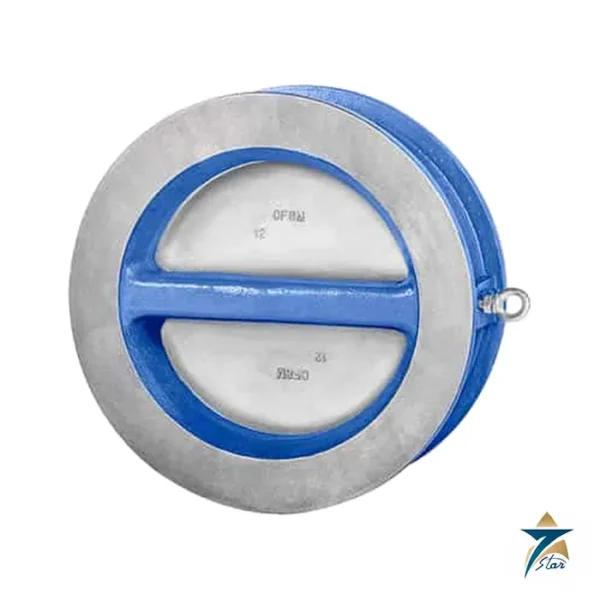
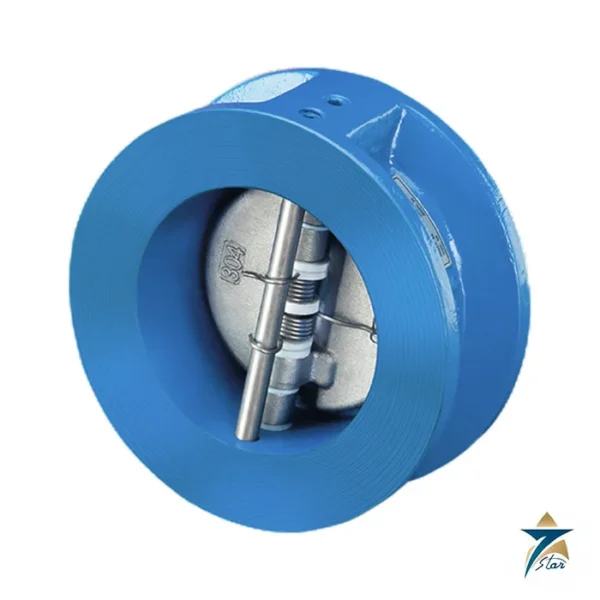
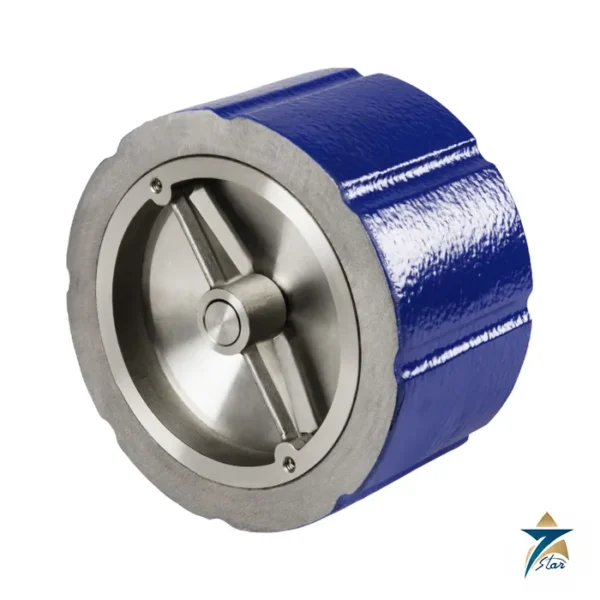
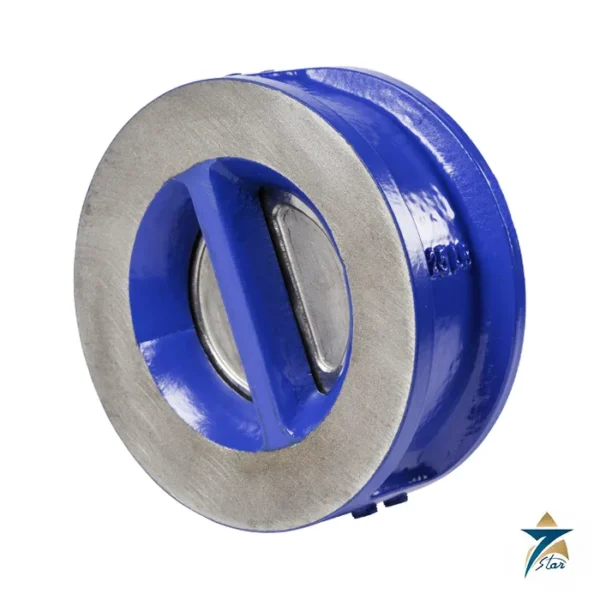
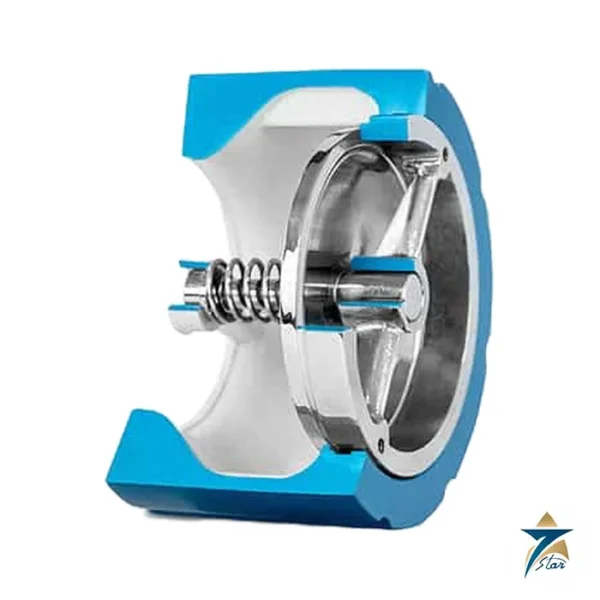
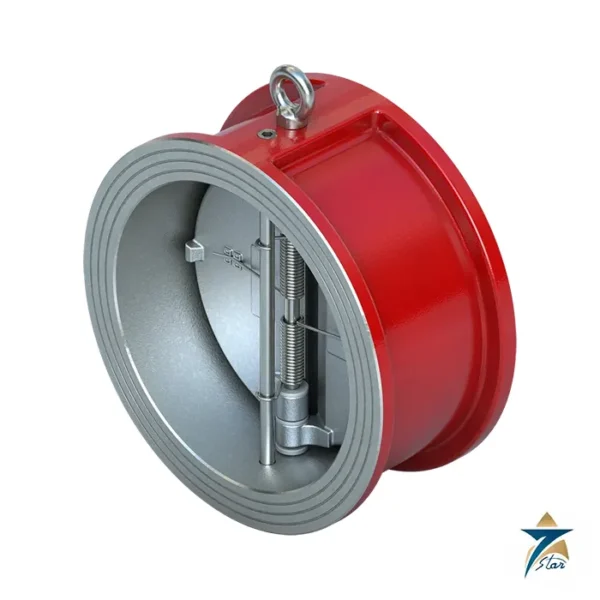
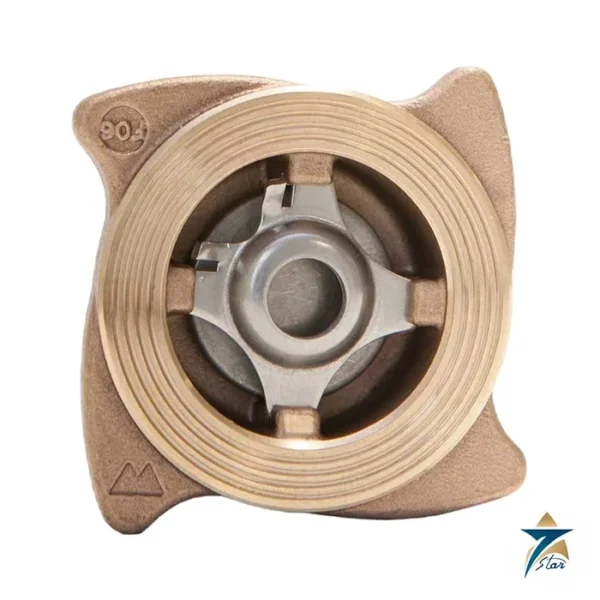
The GESTRA CB 26 is a wafer-type swing check valve for industrial applications with gases, liquids, steam and other non-corrosive media. It is rated PN 6/10/16/25/40 in DN 50 to 300 and fits between flanges to EN 1092 and ASME B16.1 Class 125 and B16.5 Class 150/300. It has a one-piece flap with non-slam spring-assisted closing and a short overall length to EN 558-1, series 96.
Seven Star LLC is an independent supplier serving Oman and the GCC and is not affiliated with the manufacturer. We list the GESTRA CB 26 for buyers who need an exact GESTRA type for a repair, a replacement or a new project and want a clear technical summary before they ask for a quotation. Everything below is condensed from the manufacturer datasheet, so you can compare the CB 26 with the line conditions on your own drawings. Where a value is not stated in the datasheet, we leave it out rather than guess.
GESTRA equipment is common on steam and condensate systems, boiler houses and process plants, and many installed units in Omani and Gulf facilities are now several years old. That is why buyers often search by the exact type designation such as CB 26. Matching the designation, nominal size, pressure rating and connection type is the surest way to get the right replacement, and our team can help check these details against the nameplate or the earlier project documentation before a quotation is issued.
Key features of the CB 26
The datasheet describes the following points about the CB 26. They explain why this wafer swing check valve is chosen for its duty and what to look for when comparing it with other options.
- One-piece flap that opens and closes with flow direction.
- Non-slam, spring-assisted closing.
- Soft seat made of EPDM as standard.
- Low weight for transport and installation.
- Horizontal or vertical installation, with upward flow in vertical pipes.
- Steel body P250GH with stainless flap for DN 50 to 150.
Technical specifications of the CB 26
The table below summarises the main data for the CB 26 taken from the manufacturer datasheet. Always confirm the final pressure and temperature limits against the datasheet for the exact version and connection you plan to order, because ratings depend on connection type and size.
| Parameter | Value |
|---|---|
| Nominal sizes | DN 50 to 300 |
| Pressure ratings | PN 6/10/16/25/40, ASME Class 125/150/300 |
| Pressure at 20 C | 40.0 bar for PN 40 |
| PN 40 limits DN 50-150 | 37.1 bar at 100 C, 33.3 bar at 200 C, 17.1 bar at 420 C |
| Minimum temperature | -10 C |
| Body | 1.0460 / P250GH |
| Flap DN 50-150 | 1.4581 |
| Flap DN 200-300 | 5.3103 EN-GJS-400-18-U-LT |
| Soft seat options | EPDM -40 to 150 C, FPM -25 to 200 C, NBR -30 to 110 C, PTFE -25 to 200 C |
| Fluid groups | Group 1 and group 2 |
Typical applications in Oman and the GCC
The CB 26 is a wafer swing check valve, and the following use cases show where a unit of this kind is typically applied across oil and gas, utilities, water and manufacturing in Oman and the wider GCC. They are examples based on the described function and not a guarantee of suitability, so the actual operating data should always be checked.
- Pump discharge lines in refineries, gas plants and desalination units use wafer swing checks to stop back flow.
- Cooling-water and utility headers in power plants use the short overall length.
- Manufacturing plants use it on process water, air and steam lines.
Selection and compatibility notes
Selecting the CB 26 correctly starts with the process data. Collect the operating pressure, the maximum and minimum temperature, the fluid, the flowrate and the connection standard of the existing pipework, then compare them with the datasheet. The notes below summarise the main decision points for this model.
- Use CB 26 for general industrial service, CB 26A for corrosive fluids and CB 24S for seawater, as the datasheet describes.
- Above 300 degrees C use the version without springs, as stated in the notes.
- Select the soft seat for the fluid; a certain differential pressure is needed for tight shut-off.
Installation and commissioning of the CB 26
Before installing the CB 26, flush the line to remove weld spatter, scale and construction debris, because even a robust wafer swing check valve can be damaged or held open by foreign particles. Check that the flow direction arrow or the marked inlet on the CB 26 matches the piping, and confirm that the nameplate type, size and pressure rating agree with the purchase documents.
Support the pipework so that no piping stress is transferred to the body of the CB 26. Use new gaskets of a type suitable for the fluid and temperature, tighten flange or union bolts evenly and in a cross pattern, and follow the instructions in the manufacturer installation and operating manual for the exact model. If the equipment is used in a potentially explosive area, the plant operator remains responsible for zoning and for preventing static charge, as the datasheet explains for GESTRA equipment.
During commissioning, bring the system up gradually. Open isolation valves slowly, vent trapped air where the design allows, and observe the CB 26 during the first warm-up for leaks at joints and for unusual noise or vibration. Record the first operating pressure and temperature so that later inspections have a reference.
Maintenance and service
Check flap and seat if reverse leakage appears.
In vertical pipes, the flow must always be upward.
A short routine inspection plan helps the CB 26 last longer. Note the date of installation, the service conditions and any events such as water hammer or overpressure. At each planned shutdown, inspect the visible joints, check for external corrosion or leakage and compare performance against the commissioning record. Only use spare parts and gaskets that suit the exact type and rating of the CB 26, and isolate and depressurise the line fully before any work is started.
Related products and ordering notes
Orders for the CB 26 should state the type designation, nominal size, pressure rating, end connection standard, material or version and the quantity required. If you are replacing an existing unit, add the nameplate data and a photograph of the nameplate when possible. The manufacturer family also includes other steam, condensate and flow control products, and we can quote related items together with the CB 26 when you send a combined enquiry. Seven Star LLC does not publish prices on this page, so each enquiry is answered with a written quotation.
Frequently asked questions
What is the CB 26 for? It prevents back flow in lines carrying gases, liquids, steam and other non-corrosive media.
What sizes are available? DN 50 to DN 300. Please confirm against the manufacturer datasheet.
Which standards do the flanges follow? EN 1092 PN 6 to 40, ASME B16.1 Class 125 FF, and ASME B16.5 Class 150 and 300 RF.
What is the standard seat? EPDM. Please confirm against the manufacturer datasheet.
Can it be used in vertical pipes? Yes, but the flow must always be upward.
Documents and quotation
The manufacturer datasheet for the CB 26 is attached to this page as a PDF so you can verify every value above and share it with your engineering team. To receive a quotation, send an RFQ that includes the part number CB 26, the nominal size, the pressure rating and connection type, and the quantity you need. Our team in Muscat will confirm availability and lead time and reply with a written offer for delivery to Oman and the GCC.
Datasheets & Documents
- Datasheet GESTRA CB 26 Wafer Swing Check Valve PN 6-40, DN 50-300 Datasheet Download
Reviews (0)
How would you rate this product? Cancel reply
About brand
GESTRA is the German steam and condensate specialist behind the UNA ball float steam traps, the MPA blowdown valves and a long line of boiler level and conductivity controls. It was founded in Bremen in 1902 by Gustav F. Gerdts, and has been part of Spirax Sarco since 2017.
Seven Star LLC is an independent supplier in Muscat. We list GESTRA steam traps, blowdown valves and boiler control equipment, and supply GESTRA parts and spares to boiler houses and process plants in Oman and the GCC.
GESTRA company profile
| Established | 29 October 1902, Bremen, Germany, by Gustav Friedrich Gerdts; renamed Gustav F. Gerdts KG in 1907 |
|---|---|
| Ownership history | Became a stock corporation (GESTRA AG) in 1987, was taken over by Flowserve in 2002, and has been part of the Spirax Sarco group since 2017 |
| Product families | Steam traps, non-return and check valves, boiler blowdown valves, control valves, and boiler control electronics for level, conductivity and temperature |
| Applications | Steam boilers, steam distribution and condensate return in process plants, power stations, hospitals, food and textile plants |
Milestones
- 1902: Gustav Friedrich Gerdts founds the company in Bremen on 29 October.
- 1907: The company is renamed Gustav F. Gerdts KG.
- 1987: It becomes a stock corporation, GESTRA AG.
- 2002: Flowserve takes over GESTRA.
- 2017: GESTRA becomes part of the Spirax Sarco group.
GESTRA products we list
| Series | Type | What it does |
|---|---|---|
| UNA 45, UNA 16, UNA 38 | Ball float steam traps | Continuous condensate discharge from heat exchangers and process equipment; the UNA 38 is the high-pressure version (PN 100) |
| BK 45 | Bimetallic steam trap | Robust trap for steam main drainage and tracing, resistant to water hammer |
| MK 45, TK 23, SMK 22-81 | Thermostatic steam traps | Air venting and condensate discharge; the SMK 22-81 is the sanitary version for clean steam |
| MPA 46 | Rapid-action blowdown valve | Short, intermittent bottom blowdown that removes sludge from the boiler |
| NRS 1-54, NRR 2-50, NRR 2-60, NRGT 26-2 | Boiler level controls | Water level limiting, feedwater control and continuous level measurement |
| LRGT 16-1, LRR 1-50 | Conductivity measurement and control | Keeps boiler water conductivity in range through continuous blowdown |
| TRS 5-50 | Safety temperature limiter | SIL 3 temperature limiting for boilers and hot water systems |
The type of steam trap follows the duty. Ball float traps discharge condensate as soon as it forms, which suits heat exchangers with changing loads. Thermostatic and bimetallic traps hold condensate back slightly and suit steam mains, tracing and air venting. On the boiler itself, GESTRA level and conductivity electronics work as a system: electrodes or transmitters in the boiler, controllers in the panel, and the feedwater and blowdown valves they drive.
Where GESTRA products are used
In Oman and the GCC, GESTRA equipment is used in boiler houses of refineries, petrochemical and fertiliser plants, power and desalination stations, food and beverage plants, laundries, hotels and hospitals.
Ordering GESTRA parts: what we need
Send the type designation, pressure rating (PN) and connection size (DN), the end connection (flanged, screwed or socket weld), the operating pressure and condensate load for steam traps, and the supply voltage and bus type (CAN bus, 4-20 mA) for control equipment. For electrodes, add the insertion length.
Facts checked against GESTRA company history and Bremen city records, October 2026.
Browse GESTRA products by category: Liquid Analysis Sensors.
FAQ
Questions about the GESTRA CB 26 Wafer Swing Check Valve PN 6-40, DN
Answers from our engineering team on installation, compatibility and integration.
01What is the CB 26 for?
It prevents back flow in lines carrying gases, liquids, steam and other non-corrosive media.
02What sizes are available?
DN 50 to DN 300. Please confirm against the manufacturer datasheet.
03Which standards do the flanges follow?
EN 1092 PN 6 to 40, ASME B16.1 Class 125 FF, and ASME B16.5 Class 150 and 300 RF.
04What is the standard seat?
EPDM. Please confirm against the manufacturer datasheet.
05Can it be used in vertical pipes?
Yes, but the flow must always be upward.


Reviews
There are no reviews yet.