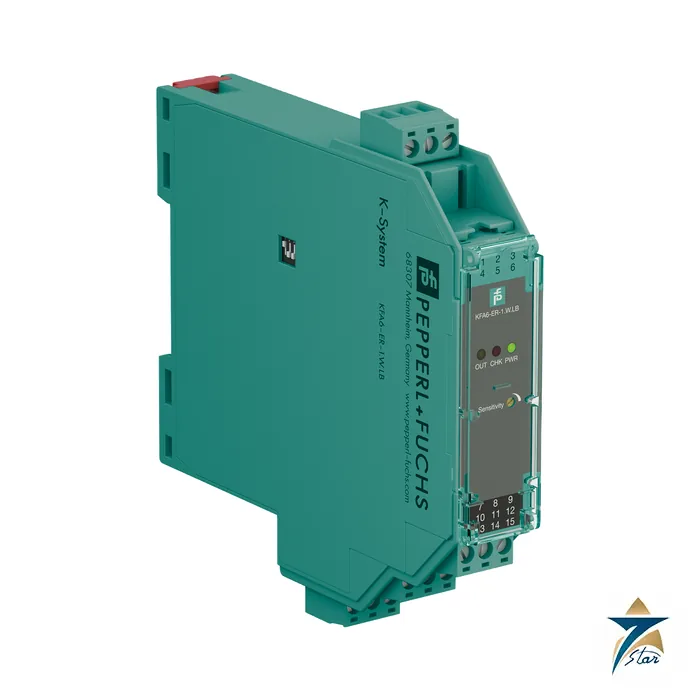
KFA6-ER-1.W.LB conductive level switch amplifier, one channel, 230 V AC
The KFA6-ER-1.W.LB is a one-channel conductive switch amplifier that supplies an AC measuring voltage to level electrodes and switches a relay when the liquid touches them. It runs on 230 V AC and has a second relay that serves as a fault output when lead breakage monitoring is active.
Part number reading: KFA6 is the 230 V AC powered K-System range, ER is the electrode relay (conductive level) function, 1 means one channel, W is the wide-range sensitivity version and LB indicates lead-breakage monitoring. The two-channel sibling is KFA6-ER-2.W.LB.
Seven Star LLC supplies this module in Oman and the GCC as an independent supplier in Muscat.
Technical specifications of the KFA6-ER-1.W.LB
| Parameter |
Specification |
| Manufacturer / part number |
Pepperl+Fuchs KFA6-ER-1.W.LB |
| Input |
Terminals 1 (common), 2 (min), 3 (max); min/max control on 1-2-3 or on/off control on 1-3 |
| Sensitivity |
1 to 150 kΩ, adjustable by potentiometer |
| Time delay |
Damping time constants 0.5 s, 2 s, 5 s or 10 s by DIP switch |
| Output |
Two relay outputs, terminals 7-8-9 and 10-11-12; 253 V AC / 2 A (cos φ > 0.7), 40 V DC / 2 A resistive; max. 192 W / 2000 VA |
| Lead break monitoring |
LED indication; enclosed 430 kΩ resistor between max electrode and reference; output II becomes the fault signal when active |
| Supply |
207 to 253 V AC, 45 to 65 Hz, terminals 14 and 15; ≤ 7 mA; < 1.2 W |
| Isolation |
Reinforced insulation to IEC/EN 61010-1, 300 V rms between input, output and supply |
| Ambient temperature |
-20 to 60 °C; up to 70 °C with the manual mounting conditions |
| Housing |
Type B2, 20 x 119 x 115 mm, IP20, approx. 150 g, screw terminals max. 2.5 mm² |
How the KFA6-ER-1.W.LB senses liquid
The module drives a small alternating voltage between the electrodes. When a conductive liquid bridges the gap, the resistance drops below the set sensitivity threshold and the relay changes state. Using AC rather than DC prevents electrolysis and corrosion at the electrodes.
In min/max mode the unit fills a tank until the max electrode is wet and refills when the min electrode is dry. In on/off mode only two connections are used. The 430 kΩ resistor between max and reference lets the module tell a dry electrode from a broken cable, and the relays go de-energized on a fault so that the plant is put in a safe state.
System fit and related parts
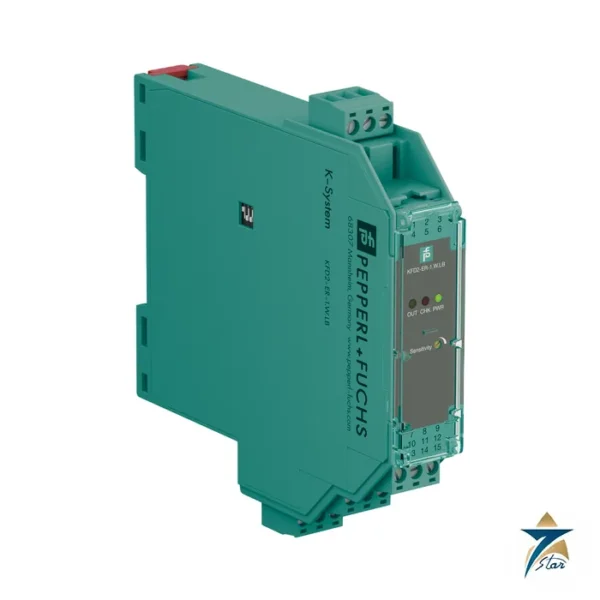
The KFA6-ER-1.W.LB is not an intrinsically safe barrier; the datasheet lists no Ex data. For electrodes in hazardous areas an intrinsically safe electrode amplifier from the same family is needed, and the 24 V DC powered KFD2-ER-1.W.LB is the sibling to compare for DC-supplied panels; confirm its approvals on its own datasheet. In a 230 V AC panel, the KFA6-ER-2.W.LB is the two-channel version.
Selection and ordering checklist for the KFA6-ER-1.W.LB
- Supply 207 to 253 V AC.
- Electrode type and liquid conductivity within 1 to 150 kΩ.
- On/off or min/max control, and whether a separate fault relay is needed.
- Damping time for splashing or sloshing.
- Safe-area installation only.
- One channel per module.
Installation, commissioning and maintenance of the KFA6-ER-1.W.LB
Wire the supply to terminals 14 and 15, the common electrode to 1 and the others to 2 and 3, and fit the 430 kΩ resistor if lead break monitoring is wanted. Raise the liquid to the electrodes and adjust the sensitivity potentiometer until the relay switches reliably. Set the delay by DIP switch.
Inspect electrodes for scale or oil film, which raise the resistance and delay switching. Pull each field wire once to prove that the fault relay operates.
Record the relay contact states in the panel schematic, and test the whole chain from electrode to pump contactor at least once a year, because a conductive level switch that is never tested can fail silently with fouled electrodes.
Sensitivity and electrode practice
The adjustable range of 1 to 150 kΩ lets the KFA6-ER-1.W.LB work with clean water of low conductivity as well as with brines. Always set the threshold with the real medium, not with tap water, because conductivity differs between condensate, seawater and chemical solutions. Keep electrode cables short and screened if they run beside power cables.
Use materials compatible with the liquid, because stainless steel electrodes may corrode in chloride-rich seawater. The module itself only supplies the signal.
Typical applications in Oman and the GCC
In Oman and the GCC the KFA6-ER-1.W.LB is used for sump pumps, cooling water tanks, boiler feedwater and chemical day tanks in safe areas of power, desalination and industrial plants, where a pump should start and stop on conductive level electrodes.
Family comparison
| Part |
Key difference |
| KFA6-ER-1.W.LB (this part) |
1 channel, 230 V AC, fault relay |
| KFA6-ER-2.W.LB |
2 channels, 230 V AC |
| KFD2-ER-1.W.LB |
1 channel, 24 V DC powered sibling |
Information to send with an RFQ
- Part number KFA6-ER-1.W.LB and quantity
- Liquid and conductivity
- On/off or min/max logic
- Damping time
- Supply voltage
- Delivery location
Site conditions in Oman for the KFA6-ER-1.W.LB
Control cabinets in Gulf plants often run hot, because many sit in outdoor kiosks or in rooms where air conditioning is not always reliable. Before you finalise the KFA6-ER-1.W.LB, check the permitted ambient range and any derating stated by the manufacturer against the real temperature inside your panel, and leave the recommended spacing around the device so that heat can escape. Long cable runs between the field and the marshalling cabinet are common on large sites, so confirm the signal types, wiring limits and earthing arrangement early in the design.
It also helps to standardise on a small number of part numbers across a project. Keeping a few spare KFA6-ER-1.W.LB units on site in Oman shortens recovery time after a fault, and documenting configuration settings makes replacement faster for the maintenance team.
Documents and quotation
The manufacturer datasheet for KFA6-ER-1.W.LB is attached on this page, so you can check wiring, approvals and dimensions before ordering. Send the exact part number, quantity and delivery location in Oman or the GCC and Seven Star LLC will reply with a quotation.
Seven Star LLC is an independent supplier in Muscat and is not the manufacturer; confirm availability, lead time and any project approval requirements in your RFQ.
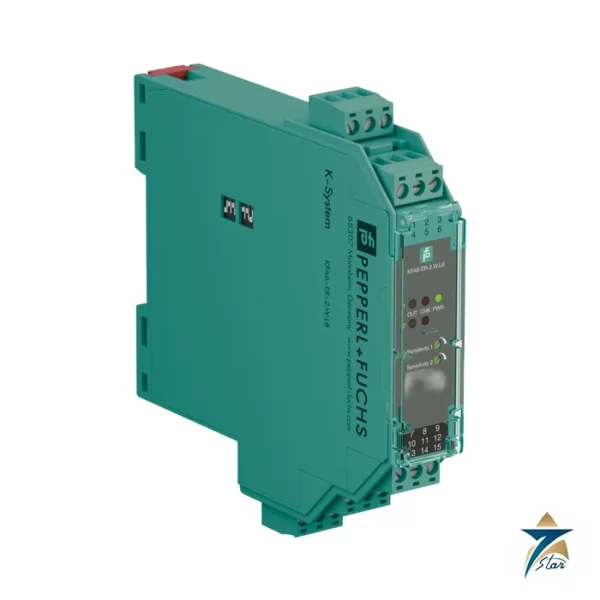
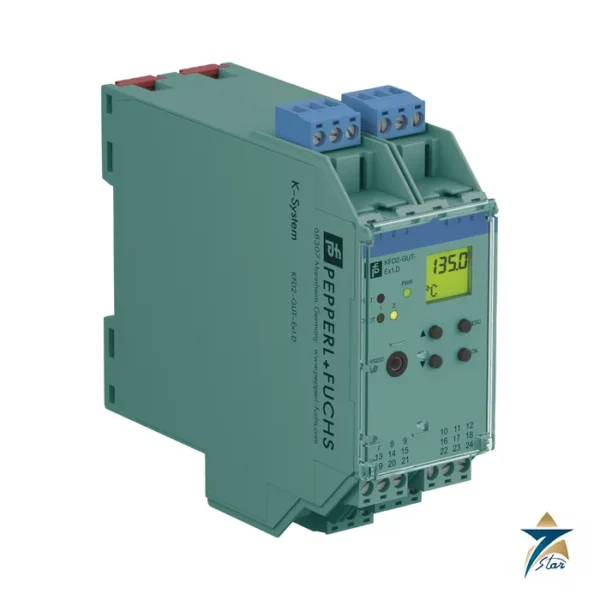
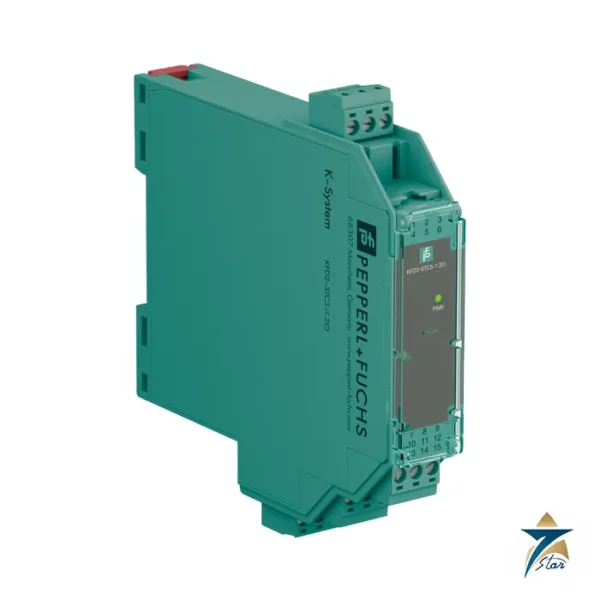
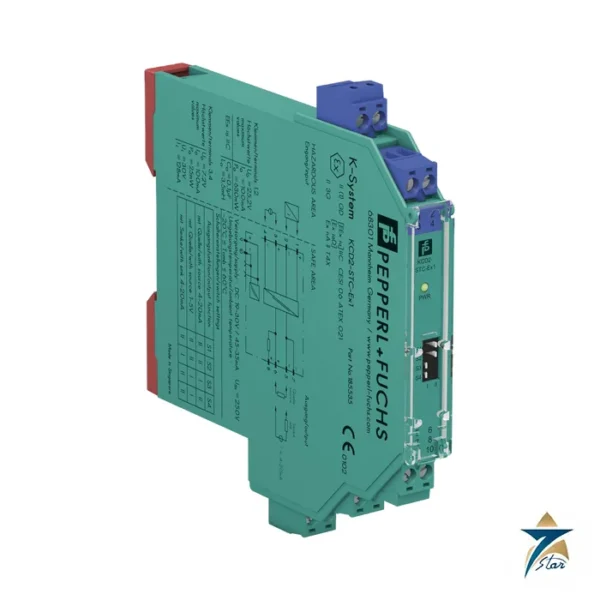
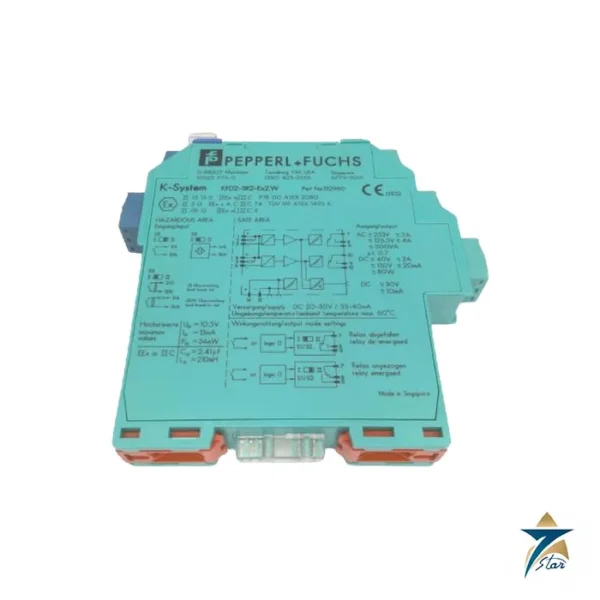
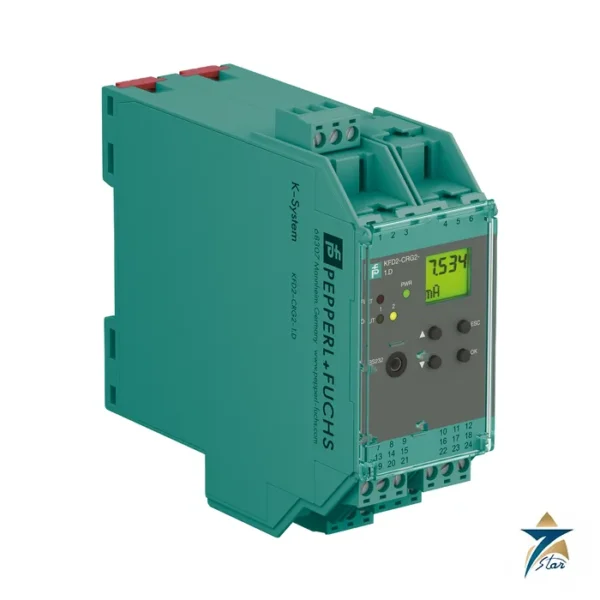
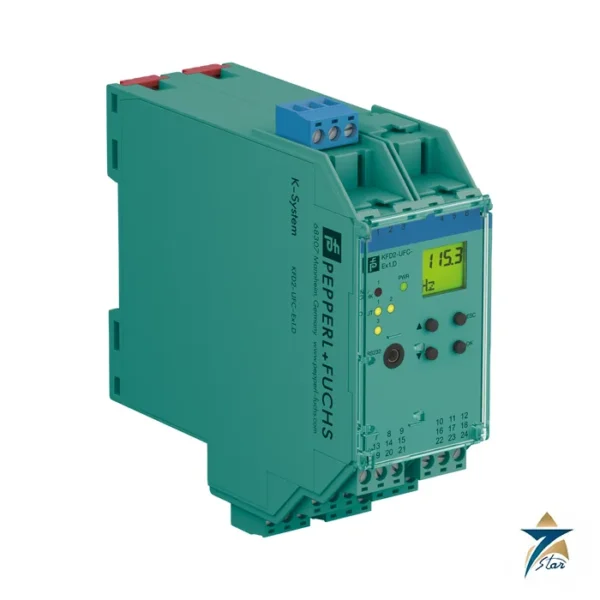
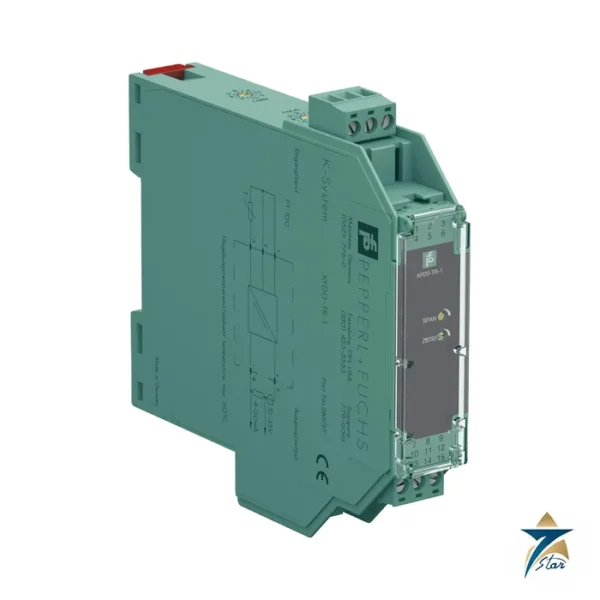
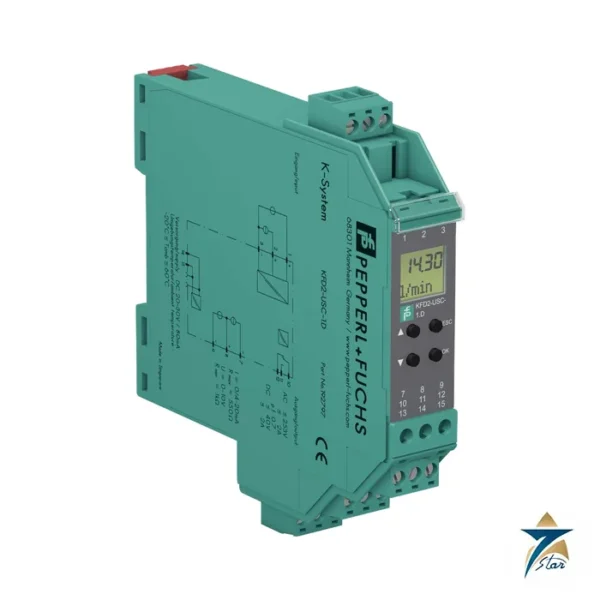
Other Models in the Pf Kfa6 Er Range
Seven Star LLC supplies models from the Pf Kfa6 Er range in Oman and the GCC. Compare the related models below and request a quote for the one that matches your application.



















Reviews
There are no reviews yet.