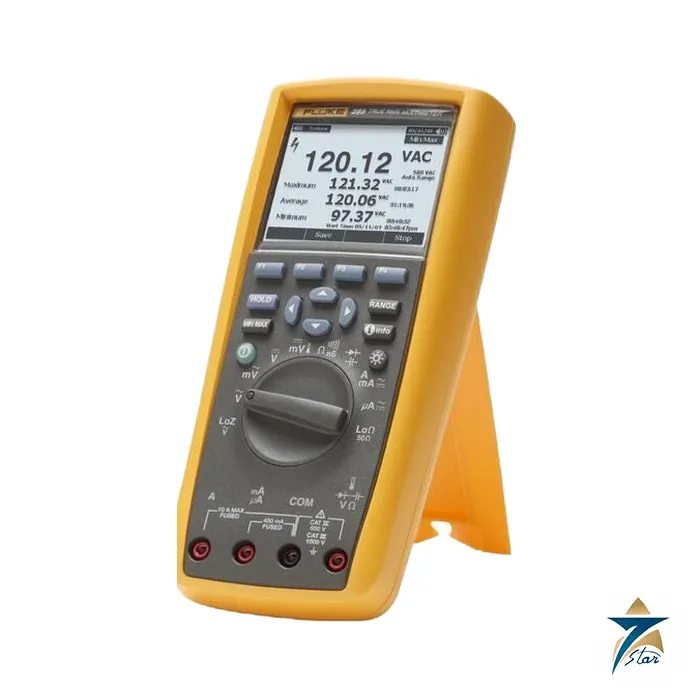
Fluke 289 True-RMS industrial logging multimeter
The Fluke 289 is a handheld digital multimeter with a 50,000-count display, true-RMS AC measurement and built-in data logging for industrial troubleshooting. It records readings over time and plots them on the screen as a trend, which makes intermittent faults visible without sitting beside the equipment. Seven Star LLC supplies the Fluke 289 in Oman and the GCC as an independent supplier in Muscat.
The model number 289 is the flagship of the 280 series; it adds logging, TrendCapture and a bigger memory over the basic meters, and works best for electricians and instrument technicians on drives, panels and process loops.
Fluke 289 technical specifications
| Parameter |
Specification |
| Manufacturer / model |
Fluke / 289 |
| DC voltage |
50 mV to 1000 V, 6 ranges; basic accuracy 0.025% |
| AC voltage (true-RMS) |
50 mV to 1000 V; basic accuracy 0.4%; 100 kHz bandwidth |
| DC current |
500 µA to 10 A; 0.05%; 20 A for 30 s |
| AC current (true-RMS) |
500 µA to 10 A; 0.6% |
| Resistance |
50 Ω to 500 MΩ; 0.05% |
| Capacitance |
1 nF to 100 mF; 1.0% |
| Frequency |
99.999 Hz to 999.99 kHz; 0.005% |
| Temperature |
−200 to 1350 °C excluding probe; 1.0% |
| Display |
50,000 count dot-matrix with white backlight |
| Logging memory |
Up to 15,000 readings; interval and event logging |
| Power |
6 AA alkaline; 100 h minimum, 200 h in logging mode |
| Operating temperature |
−20 to 55 °C |
| Maximum voltage to earth |
1000 V |
| Size / weight |
22.2 × 10.2 × 6 cm / about 871 g |
How logging and TrendCapture work
The 289 can store readings at a set interval or only when a value changes outside a threshold. The data are shown on-screen as a graph that can be zoomed up to 14 times, so a drifting current or a voltage dip is seen at a glance. An internal real-time clock timestamps every entry, and the optical interface can pass the log to a PC. An optional wireless connector (ir3000 FC) is sold separately.
For a typical job, a technician clips the meter on a compressor starter or a 4–20 mA loop overnight and reviews the trace in the morning, rather than guessing at the time of failure.
Measurement features that matter on site
- LoZ volts mode loads the circuit lightly to remove ghost voltage readings on long cables.
- Selectable AC filter and low-pass filter give stable readings on variable frequency drive outputs.
- Min/max/average, duty cycle, pulse width and dBV/dBm functions.
- Transient capture as fast as 250 µs with peak capture.
- Two-terminal 50 Ω range with 1 mΩ resolution for low-resistance joints.
- On-board help screens for the less used functions.
Choosing the Fluke 289 and related models
The 289 is chosen when logging is actually needed. The similar 287 offers the same 50,000-count measurements with a smaller feature set, while the 87V suits plain maintenance work where logging is not required. When comparing, check memory size, trending and the display, not just the voltage ranges.
| Model |
Position |
| 289 |
Logging with TrendCapture, 15,000 readings |
| 287 |
Related 280-series model with fewer logging functions |
| 87V |
Compact industrial meter without logging |
Compare accessories (test leads, thermocouples, clamps) when confirming a model, because the meter ships as a basic package.
Use, safety and care
Always check that the test leads, input jacks and range suit the measurement and the voltage on the circuit. Read the rating on the meter and probes, because the product page quotes a 1000 V maximum to earth but does not give a category for the 289; confirm the category on the instrument label for your task. Keep fuses of the specified type, replace the six AA cells when the battery indicator appears and store the meter between −40 and 60 °C. Annual verification against a reference is a common practice for instruments used in quality-controlled work.
Typical applications in Oman and the GCC
Maintenance teams in power stations, desalination plants, refineries and large commercial buildings use a logging multimeter for drive and motor checks, control-loop fault finding and thermocouple measurements. In hot field conditions the meter’s operating range of up to 55 °C is important; avoid leaving it on a dashboard or in direct sun, and keep it in its case between jobs.
Information to send with an RFQ
- Model Fluke 289 and quantity
- Kit or body only; required probes, thermocouples or current clamps
- Wireless or PC logging requirement
- Calibration certificate requirement
- Delivery destination in Oman or the GCC
Accessories, calibration and spares for the Fluke 289
The Fluke 289 is normally bought with extra items: spare test leads and probes, a thermocouple bead probe for the temperature function, current clamps for higher currents than the 10 A input, and a carrying case. Ask for the accessories that suit your voltage and current work instead of assuming they come in the box. Spare fuses of the correct type and a set of AA batteries should be kept with the meter.
For inspected plants and contractors, a calibration certificate and periodic re-calibration are normal; tell us if you need a certificate with the 289 so that we can include it in the quotation. Check the battery contacts after long storage in hot vehicles, and clean the display and ports with a soft dry cloth.
Getting logged data off the Fluke 289
Logged sessions and saved readings can be transferred to a PC through the optical interface on the back of the meter, using the Fluke IR USB cable and FlukeView Forms software. The software turns a logging session into a table and graph that can be attached to a maintenance report or a commissioning record, which is useful when the same feeder or motor is checked again months later.
For quality systems, plan a calibration interval; Fluke states the 289 accuracy specifications for one year, so annual calibration with a traceable certificate is the usual practice. Check the test leads and fuses before each critical job, and keep the meter in its case when it is carried between hot outdoor sites and air-conditioned control rooms.
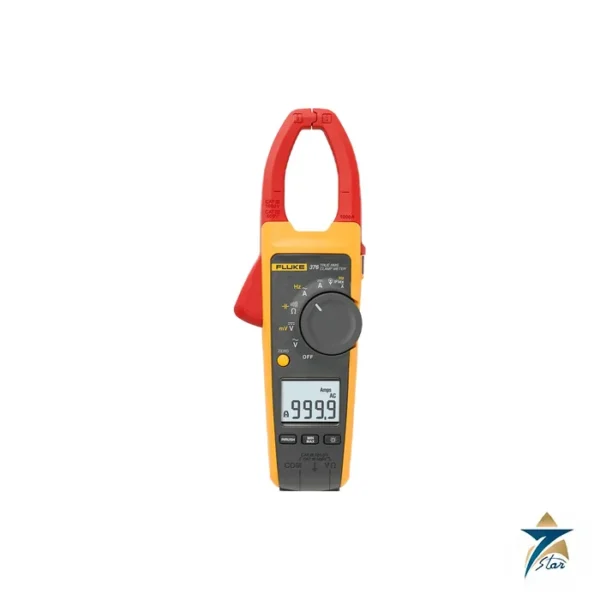
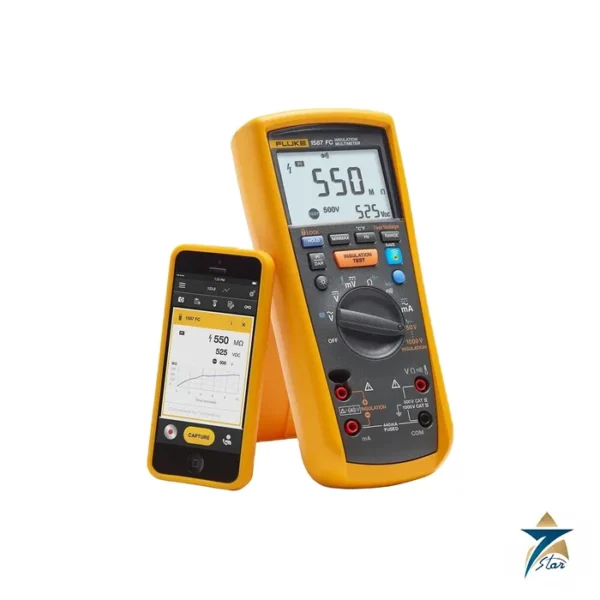
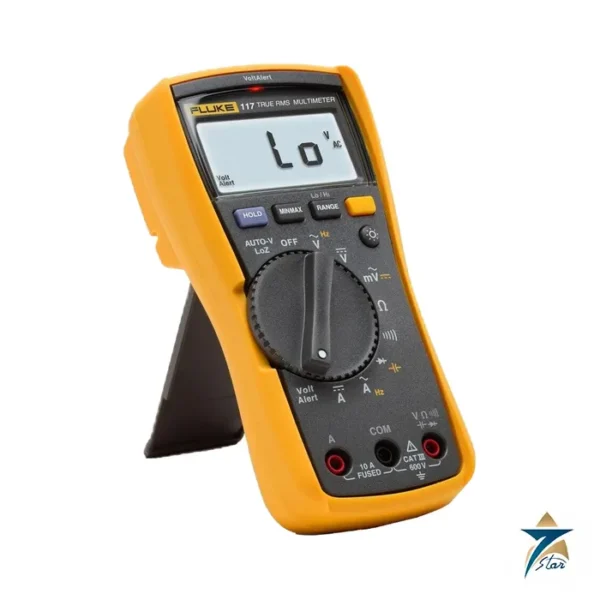
Related Fluke products: Fluke 87V Industrial Multimeter, Fluke 1587 FC Insulation Multimeter, Fluke 8508A Reference Multimeter, Fluke 117 Electrician', Fluke 376 FC True-RMS AC/DC Clamp Meter with iFlex and Fluke 62 MAX+ Infrared Laser Thermometer.
Documents and quotation
Send us the model 289 and the accessories you need and we will confirm the documents available for your quotation.
Seven Star LLC is an independent supplier and not an official representative of the brand.























Reviews
There are no reviews yet.