Rotork LP/LH Range pneumatic and hydraulic linear actuators for globe and gate valves
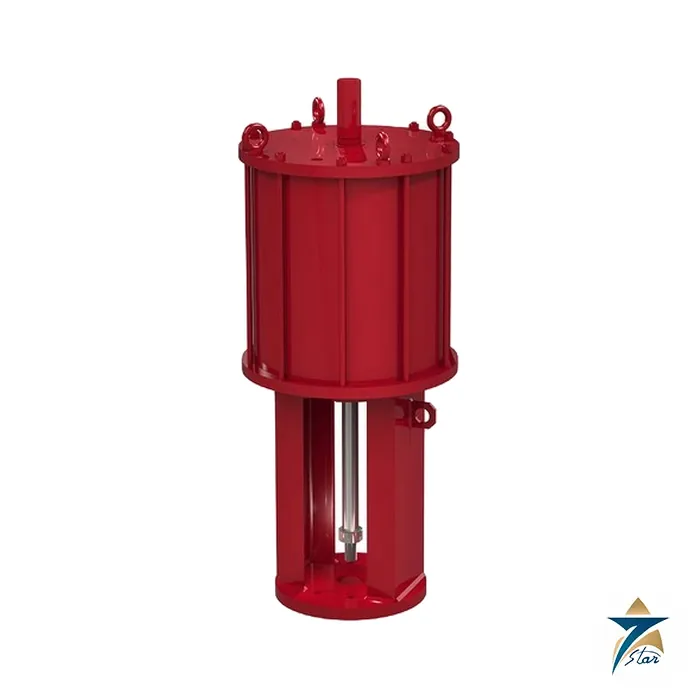
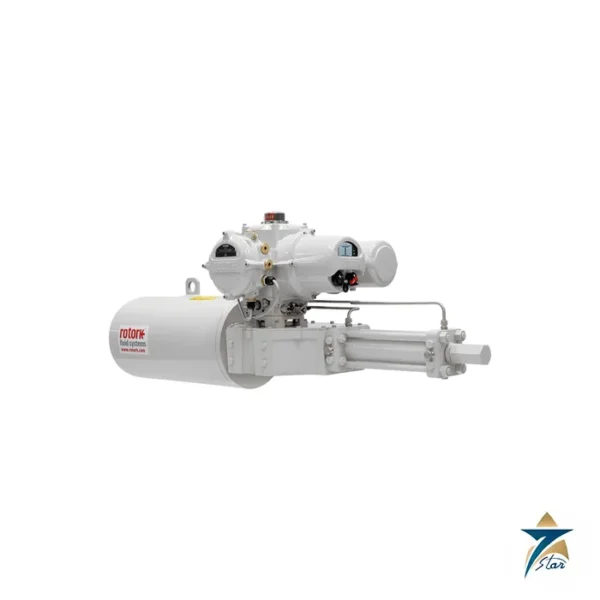
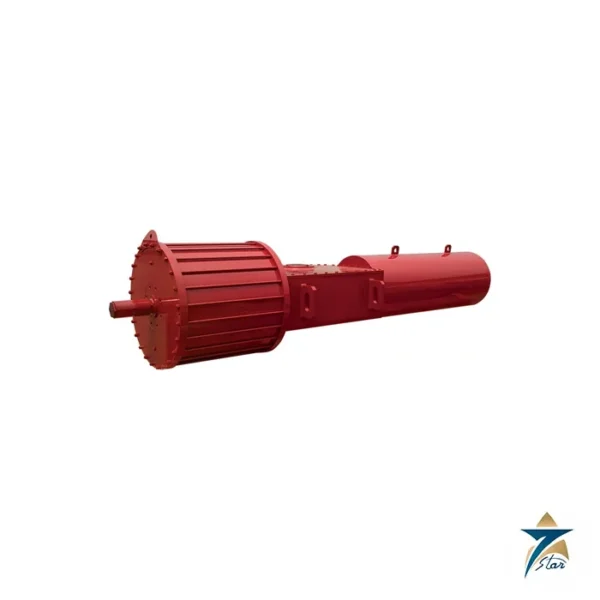
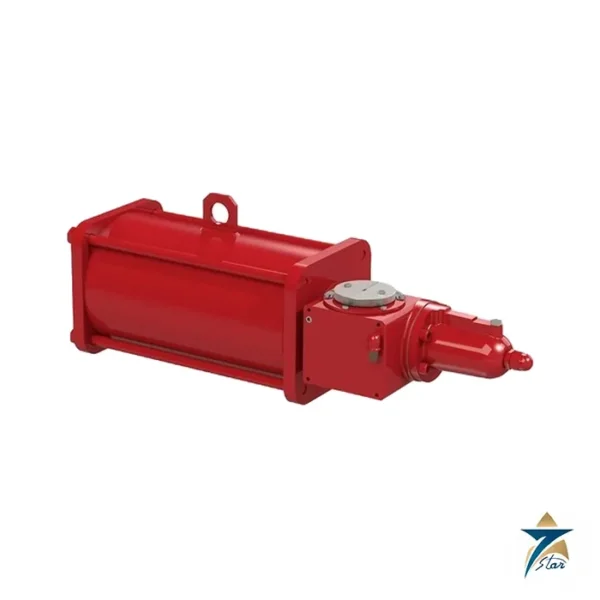
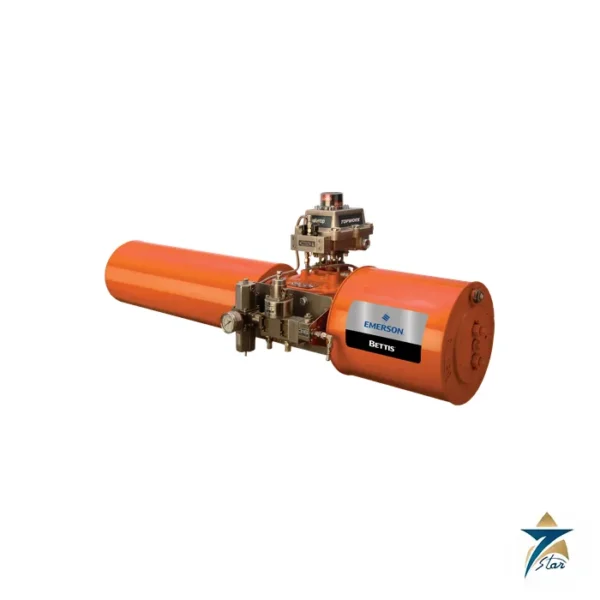
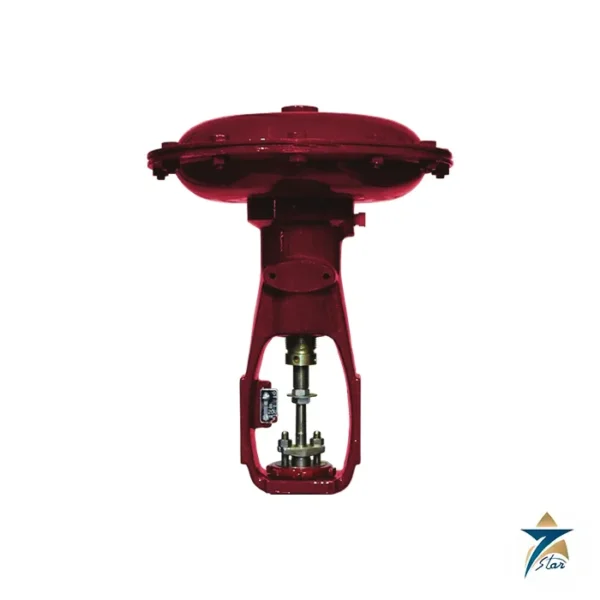
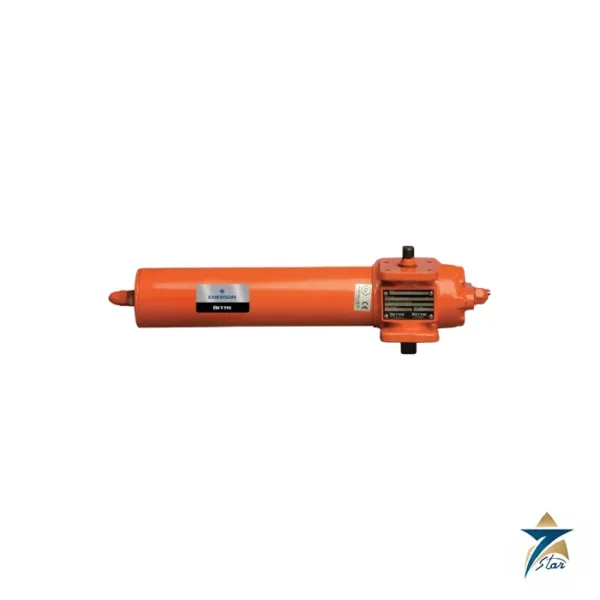
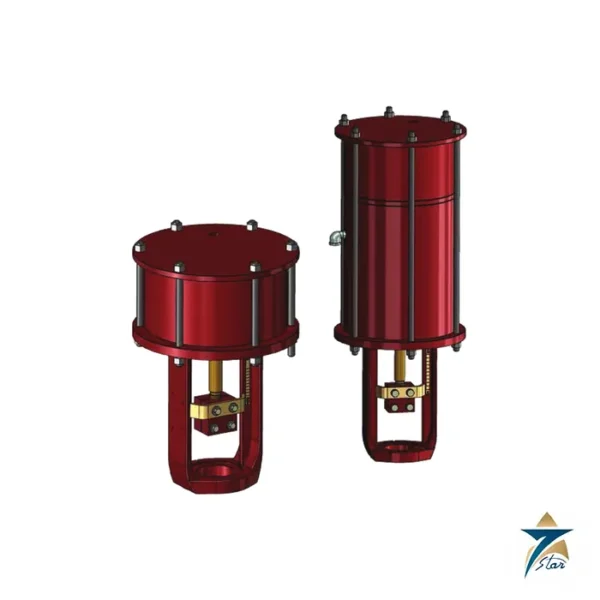
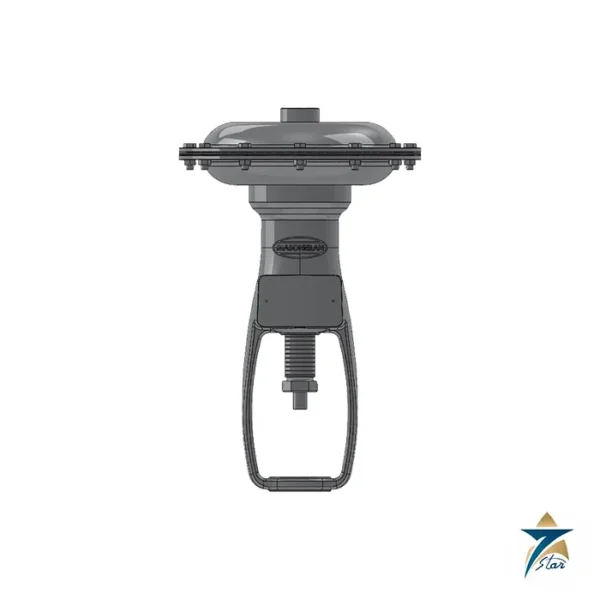
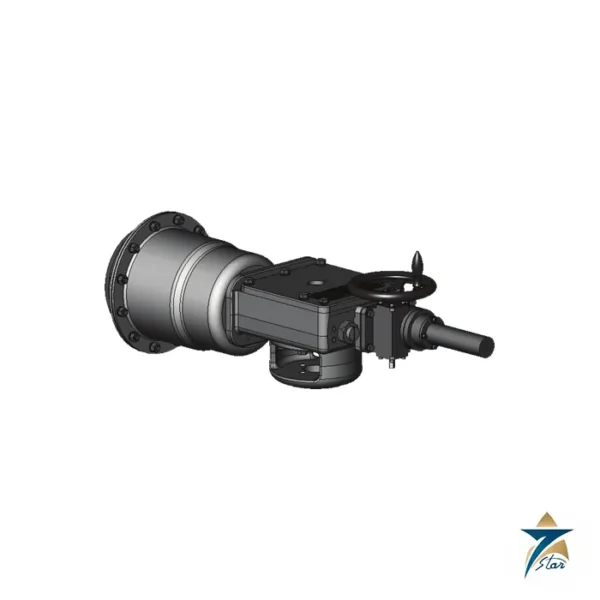
The Rotork LP/LH Range covers the linear side of valve automation: LP is the pneumatic cylinder actuator and LH the hydraulic one, both built to move the stem of sliding-stem valves such as globe, wedge gate and other linear valves, with an adaptor and stem coupling machined to the valve. Each is offered double-acting or spring-return, in spring-down or spring-up travel direction, and each is sized specifically for the application rather than picked from a fixed catalogue size. That approach, together with a carbon steel construction, makes the range suitable for on/off duty, emergency shutdown, HIPPS and other protective service as well as for control duty on globe valves.
The family code shows the power medium: LP for air, LH for hydraulic oil, and the spring or double-acting variants are written with an S or D, for instance LP-S for single (spring) or LH-D for double-acting, matching the manuals listed on the Rotork product page. Pneumatic units operate up to 12 bar, hydraulic up to 210 bar, with higher hydraulic pressure on request.
Technical specifications of the LP/LH Range
| Parameter |
Specification |
| Manufacturer / part number |
Rotork / LP/LH Range (linear pneumatic and hydraulic) |
| Type |
Linear cylinder actuator for sliding-stem valves; double-acting or spring-return |
| Pneumatic operating pressure |
Up to 12 bar (175 psi) |
| Hydraulic operating pressure |
Up to 210 bar (3,625 psi); higher on request |
| Maximum thrust, pneumatic |
Double-acting 1,800,000 N; spring-return spring end thrust 186,000 N |
| Maximum thrust, hydraulic |
Double-acting 5,500,000 N; spring-return spring end thrust 400,000 N |
| Temperature ranges |
Standard -30 to +100 °C; low -40 to +100 °C; extreme low -60 to +100 °C; up to 160 °C on request |
| Cylinder and piston |
Carbon steel, electroless nickel-plated cylinder; carbon steel piston with PTFE and rubber seals |
| Piston rod |
Chromium-plated alloy steel |
| Spring cartridge |
Totally enclosed carbon steel with a feature to avoid injury during disassembly |
| Options |
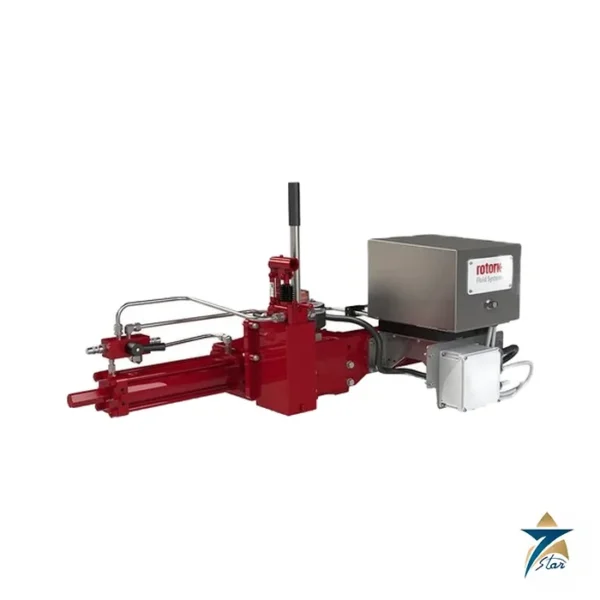
Fixed or declutchable handwheel, hydraulic manual override, mechanical stop bolt, hammer-blow coupling |
| Standards |
ATEX, PED, EAC, IP66M/67M per IEC 60529, SIL 3 as a single device per IEC 61508 (brochure) |
Seals are Buna-N as standard, with Viton or fluorosilicone available. Figures are from the brochure; sizing to your valve stem force is part of the quotation.
How the LP and LH actuators work
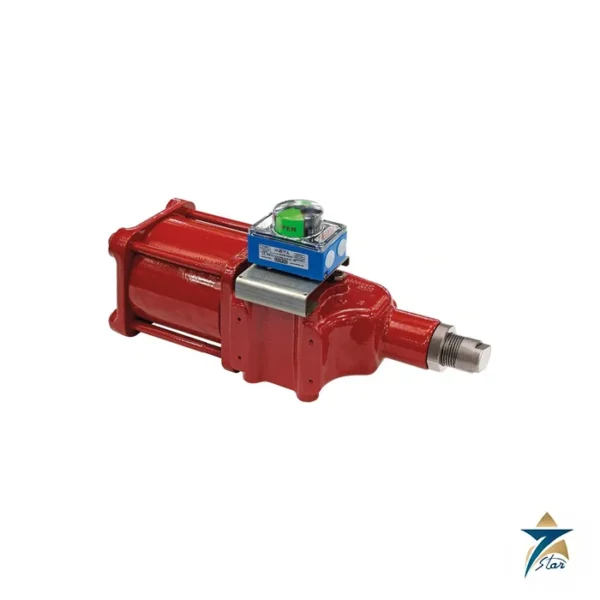
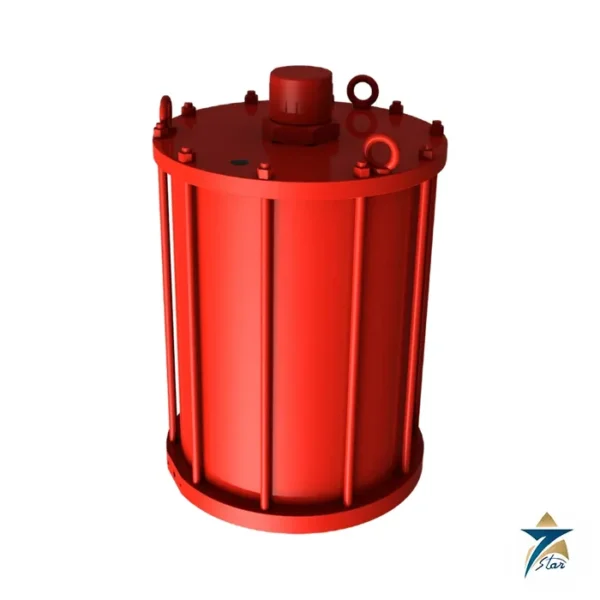
Pressure acts on a piston in a nickel-plated cylinder tube, moving a chromium-plated piston rod up or down, and the rod drives the valve stem through a coupling. In the double-acting version fluid moves the piston in both directions. In the spring-return version a spring in a separate enclosed container drives the piston the other way when pressure is vented, so the valve goes to its fail position. The unit can be built so the spring pushes down or up, which fits both fail-close and fail-open requirements on globe and gate valves.
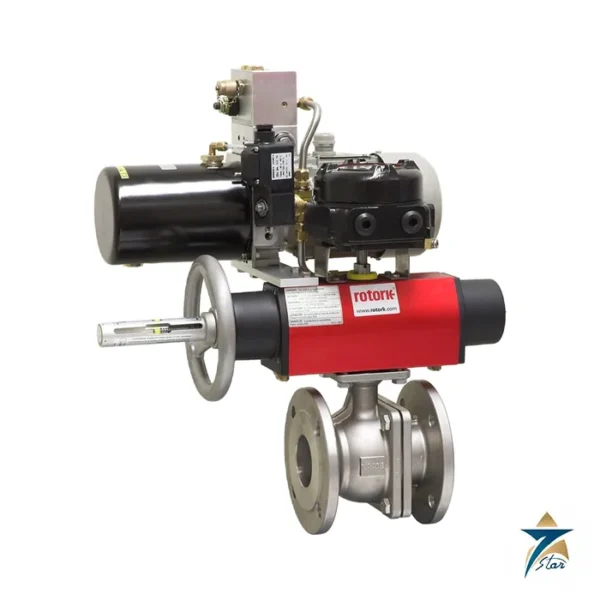
A visual position indicator tied directly to the valve stem shows the whole linear stroke. Rotork’s standard coupling is a nickel-plated carbon steel part machined to the piston rod, while the other end must be machined to suit the valve stem. A hammer-blow coupling variant lets the actuator deliver an impact that frees a sticking wedge gate. A breather of sintered bronze and a mechanical stop bolt are provided or offered as options.
Where the LP/LH Range fits and related Rotork actuators
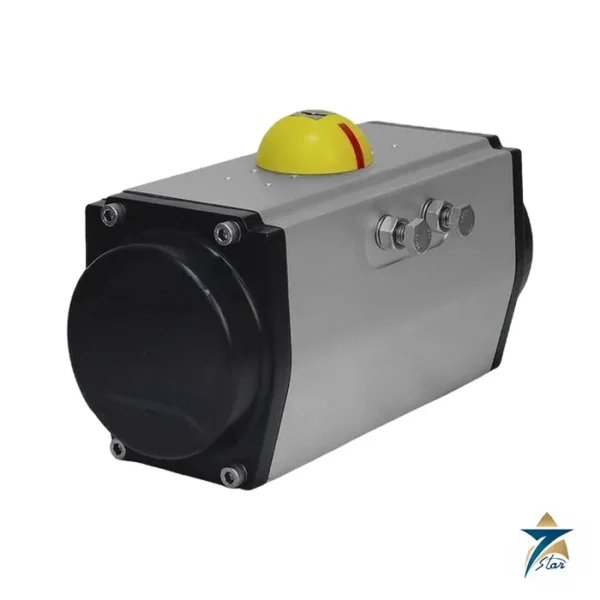
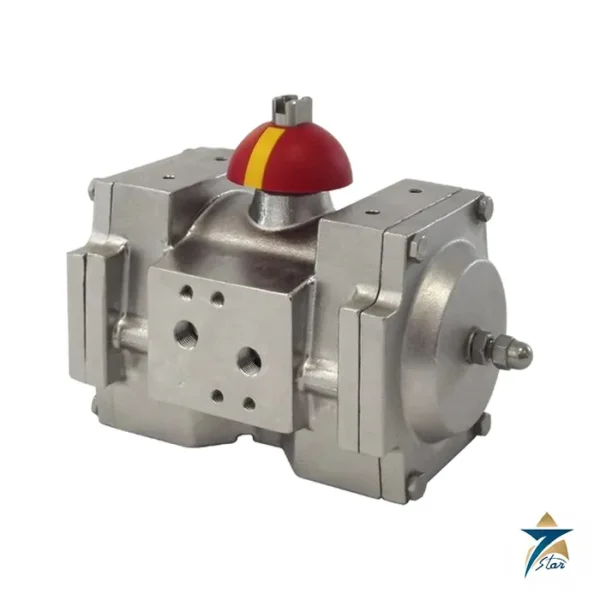
Use LP or LH when the valve stem moves in a straight line. Many control and shutdown valves on process lines fall in this category, including large gate valves, which need long strokes and high thrust. For quarter-turn valves look instead at the GT, GTE or GTS pneumatic rack and pinion ranges, the RH hydraulic rack and pinion range, the HPG for pipeline gas power, or the GP/GH scotch yoke on our site. For modulating control on small globe valves, the CVA and CMA electric actuators and YTC positioners are listed separately.
Selection and ordering checklist for the LP/LH Range
- Valve type, stem diameter, stroke and the thrust needed in each direction, including packing friction and differential pressure.
- Pneumatic or hydraulic supply, with minimum available pressure.
- Double-acting or spring-return, and spring-up or spring-down travel direction.
- Fail action on loss of supply and the speed of stroke.
- Temperature range and area classification.
- Manual override: fixed or declutchable handwheel, or hydraulic override.
- Stem coupling type, including hammer-blow, and valve flange or yoke mounting.
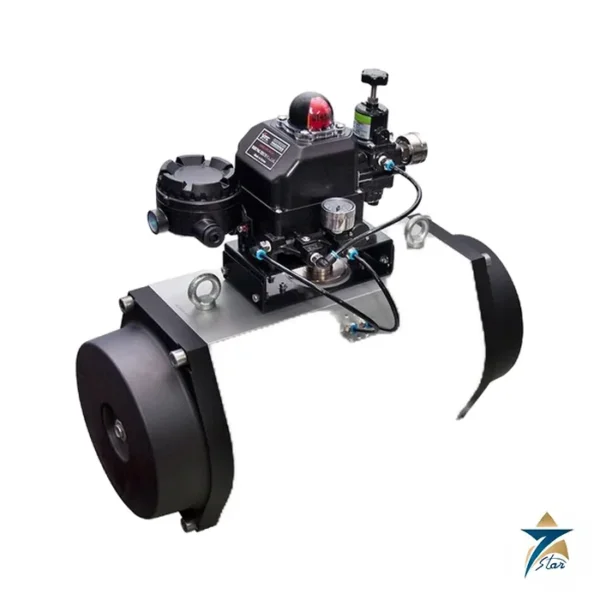
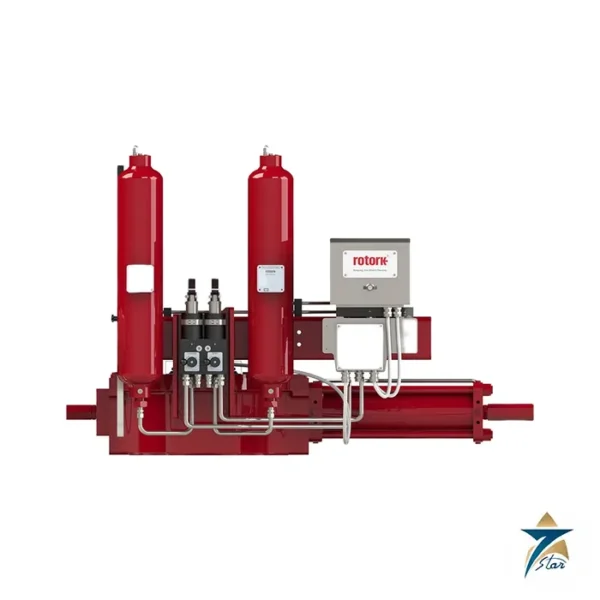
- Control package: limit switches, solenoids, positioners, quick exhaust valves and manifolds.
Installation, commissioning and maintenance
Mount the actuator on the valve yoke through the adaptor and bottom flange machined to the valve, then couple the piston rod to the stem and verify alignment so there is no side load. Set the travel and, if fitted, the stop bolt, and check that the position indicator matches the valve. For a spring-return unit, handle the spring container with care; the brochure refers to an extra safety feature to prevent injury during disassembly, and the manuals for LP-S, LP-D, LH-S and LH-D cover the procedure.
Commissioning checks include stroking at low pressure, measuring stroke time in both directions, and verifying fail action by cutting supply. Maintenance consists of seal and breather inspection, checking the rod for damage and keeping the actuator clean. Rotork can supply complete control packages with limit switch housings and manifolds mounted on the actuator or remotely, which reduces site assembly.
Typical applications in Oman and the GCC
In Gulf plants these actuators are used on globe and gate valves in oil and gas processing, power plant steam and condensate systems, and desalination and water services, particularly where long strokes or high thrust exceed what a small diaphragm actuator can deliver. They appear on ESD and HIPPS valves, wellhead and manifold valves, and large on/off valves. Check the temperature range against the climate and use sun shading or a ruggedised paint system, since the cylinder and spring container are carbon steel.
Pneumatic and hydraulic variants
| Variant |
Medium |
Pressure limit |
Maximum thrust |
| LP double-acting |
Air |
12 bar |
1,800,000 N |
| LP spring-return |
Air |
12 bar |
186,000 N spring end |
| LH double-acting |
Oil |
210 bar |
5,500,000 N |
| LH spring-return |
Oil |
210 bar |
400,000 N spring end |
Information to send with an RFQ for the LP/LH Range
- Valve type, size, stem diameter and stroke, with thrust requirement.
- Supply medium and pressure range.
- Fail direction, speed and override needs.
- Temperature, area classification and any SIL target.
- Quantity and delivery timing.
Documents and quotation
The Rotork LP and LH Range brochure is attached on this page. Send the details above and we will confirm availability and prepare a quotation for the LP/LH Range in Oman and the GCC. Seven Star LLC is an independent supplier in Muscat.
See also: Rotork GT Range Pneumatic Rack and Pinion Valve Actuator.
























Reviews
There are no reviews yet.